

 Zoe Yu
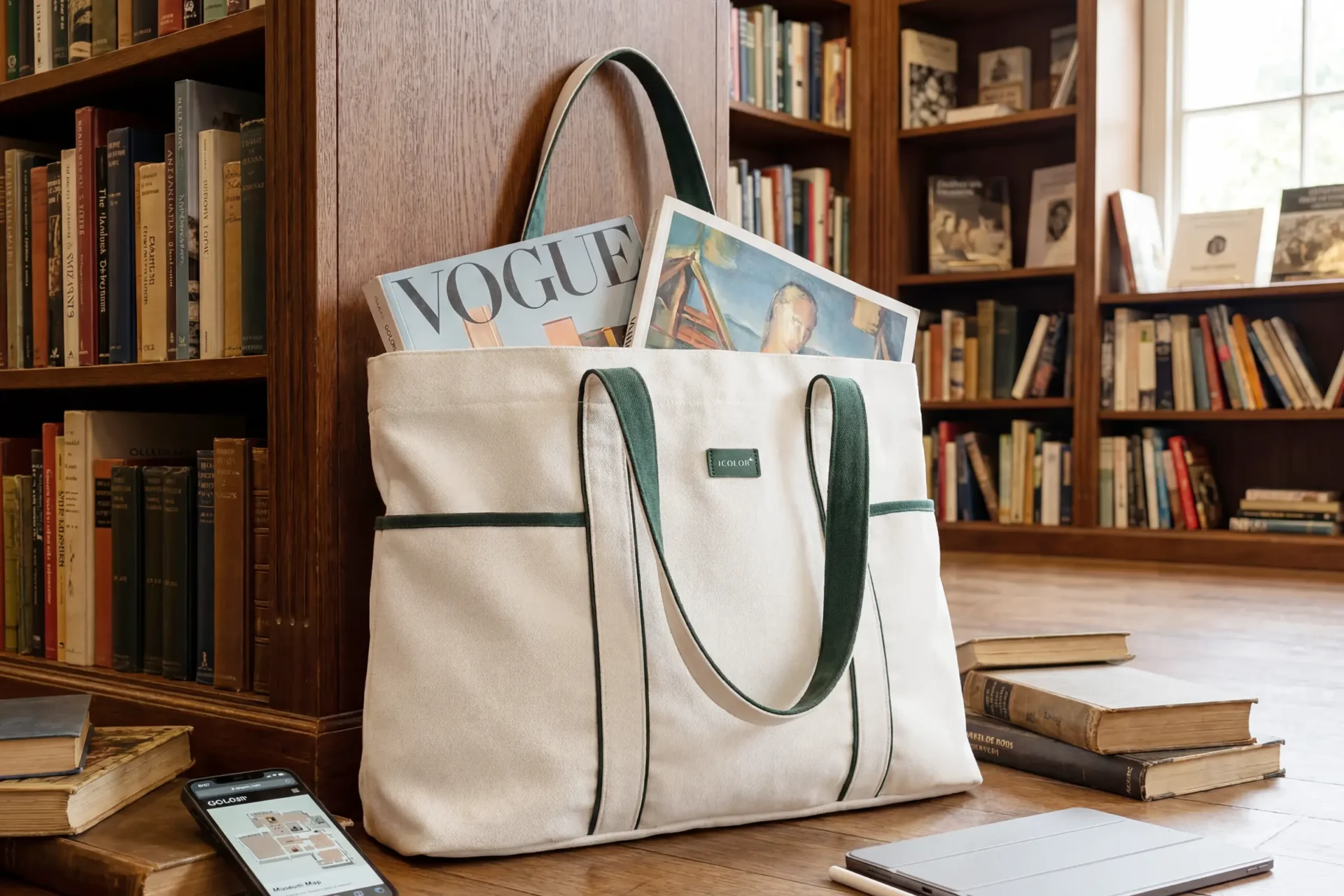
 Canvas tote bag sourcing becomes difficult when a buyer asks only for a heavier GSM. Fabric weight matters, but it does not decide the whole bag. A serious brand brief should also define structure, handle drop, gusset, logo method, lining, packing style, contents weight and target use.
Send Project Brief Request Material Review
Review GSM together with handle, gusset, lining, logo method and packing route before sampling.
Buyer Summary
This guide helps beauty, retail, bookstore, museum, DTC, hotel and private label buyers compare canvas tote bag GSM and structure before sampling. It is written for MOQ 500+ custom tote projects where the buyer needs a practical material route, not a generic canvas label. The goal is to help the buyer send a clearer RFQ with fabric weight, bag shape, logo method, sample approval needs and packing direction.
Quick answer
Start with the tote use case, not only GSM. A strong canvas RFQ should include quantity, size, contents weight, handle drop, gusset, logo method, artwork file, target market, packing route and sample deadline. If the buyer accepts available stock canvas, say that early because it can change the sample route and timeline.
How should buyers compare canvas GSM and structure?
| Decision area | What to confirm | Why it affects the project |
|---|---|---|
| Light or medium canvas | Good for folded GWP, simple events, lighter contents and lower bulk weight. | Check whether the bag still holds shape after logo printing and packing. |
| Structured canvas | Useful for retail, bookstore, wellness kits and private label presentation. | Review gusset, handle root and packed shape, not only fabric weight. |
| Heavy canvas | Can support a more premium feel or heavier contents when constructed correctly. | Higher GSM can raise cost, folding bulk and shipment volume. |
| Lined or reinforced canvas | Useful when contents, zipper, inner pocket or premium finish matters. | Extra structure should be sampled because it changes handfeel and sewing work. |
Fiber labeling and country-of-origin questions should be separated from the buyer's GSM preference. The FTC textile labeling guidance [1] is useful background for why fiber content, origin and responsible-party details need accurate handling when labels or hangtags are involved.
If a buyer asks about restricted-substance testing or document support, OEKO-TEX STANDARD 100 [2] can be discussed as a separate document route. It should not be treated as a substitute for choosing the correct canvas structure or approving the physical sample.
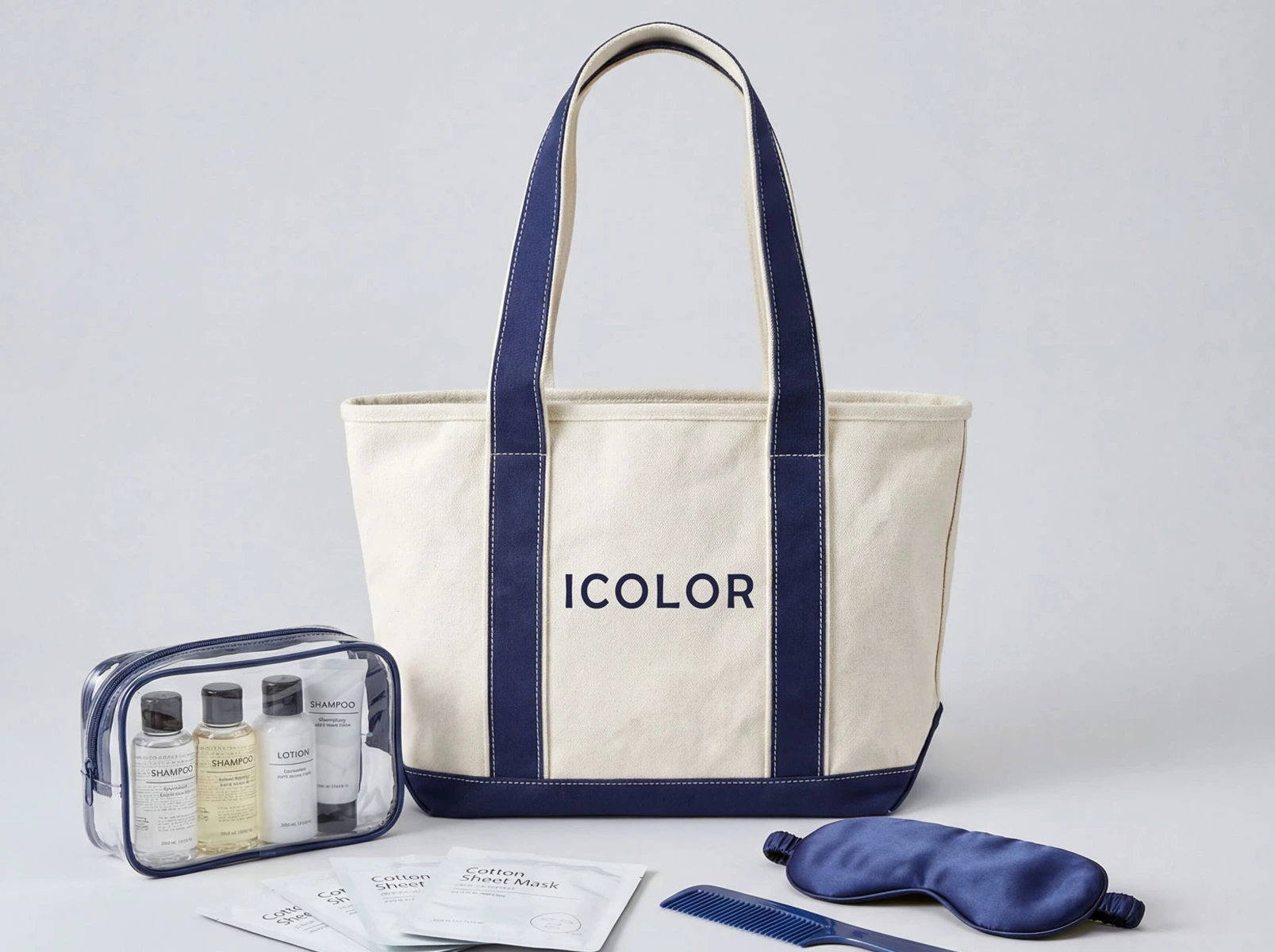
A retail tote, launch kit tote and bookstore tote may need different structure even when all are canvas.
- contents weight and shape
- brand logo size
- folding or retail display
What should a canvas tote sample prove before bulk production?
Handfeel and body
Check whether the fabric feels right for the brand position and whether the tote stands, folds or drapes as expected.
Logo result
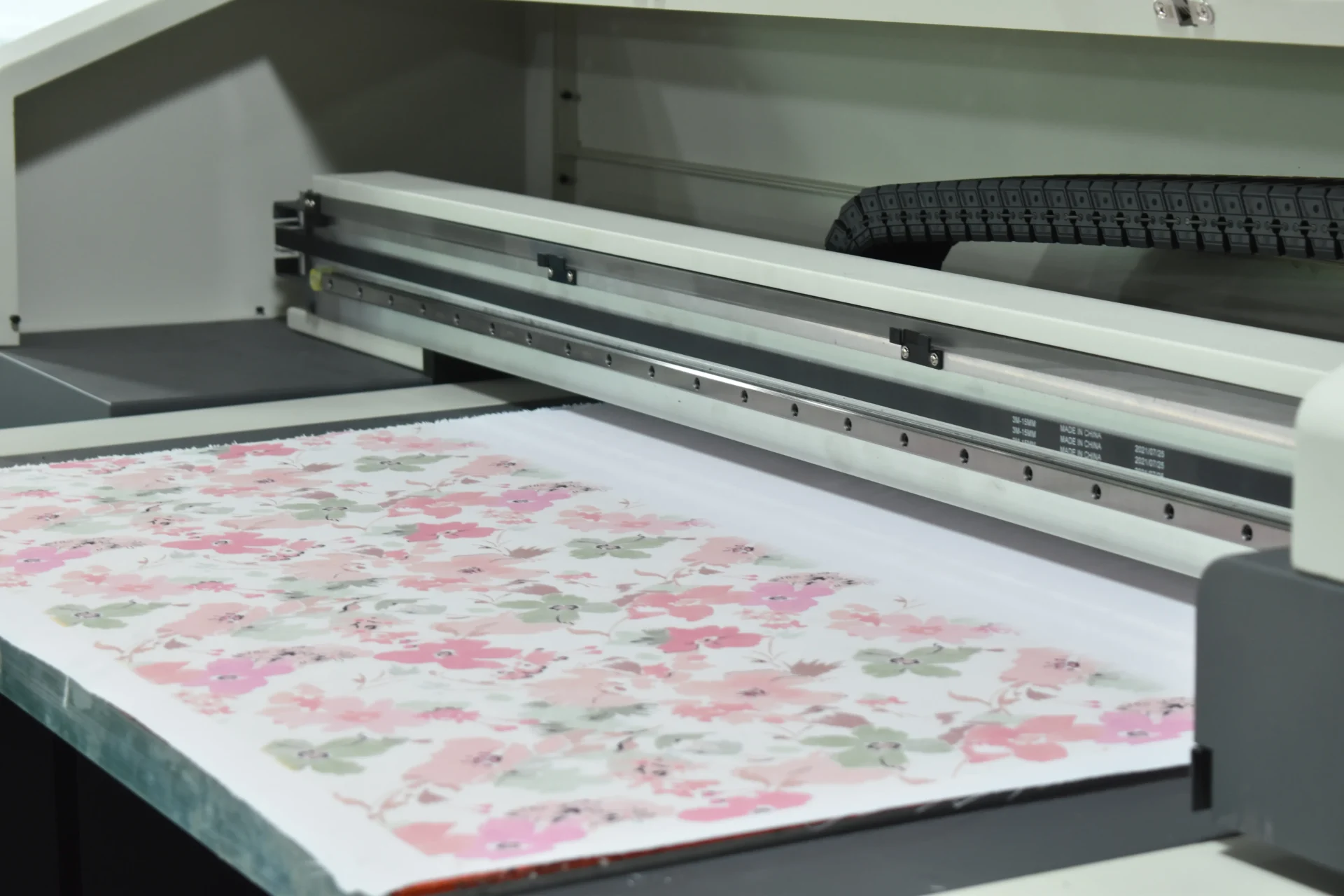
Review print edge, embroidery tension, woven label placement or patch size on the actual canvas texture.
Handle and gusset
Test handle drop, root stitching, side gusset, bottom shape and packed contents before bulk approval.
A canvas sample should answer the buyer’s practical launch question: will this bag carry the intended contents and still look like the brand expected? A flat swatch is useful, but it cannot prove handle strength, print clarity, folded bulk or retail presentation by itself.
If the buyer wants to compare wash, colorfastness, abrasion or other performance questions, AATCC standards [5] are useful testing context. The RFQ should still define the actual tote use case and sample approval standard.
Which RFQ details prevent canvas tote quote confusion?
Environmental or material wording should stay specific. The FTC Green Guides [3] are useful context for avoiding broad claim language that is not tied to the selected material, document scope or packaging wording.
Imported-goods marking should also be considered before packaging files are locked. CBP marking guidance [4] gives country-of-origin context, while the buyer still needs to confirm label, hangtag and carton wording for the specific project.
Useful internal routes include the canvas product page, private label tote hub and custom logo tote guide. Buyers comparing material paths can review canvas tote bags, private label totes and custom logo totes before sending the RFQ.
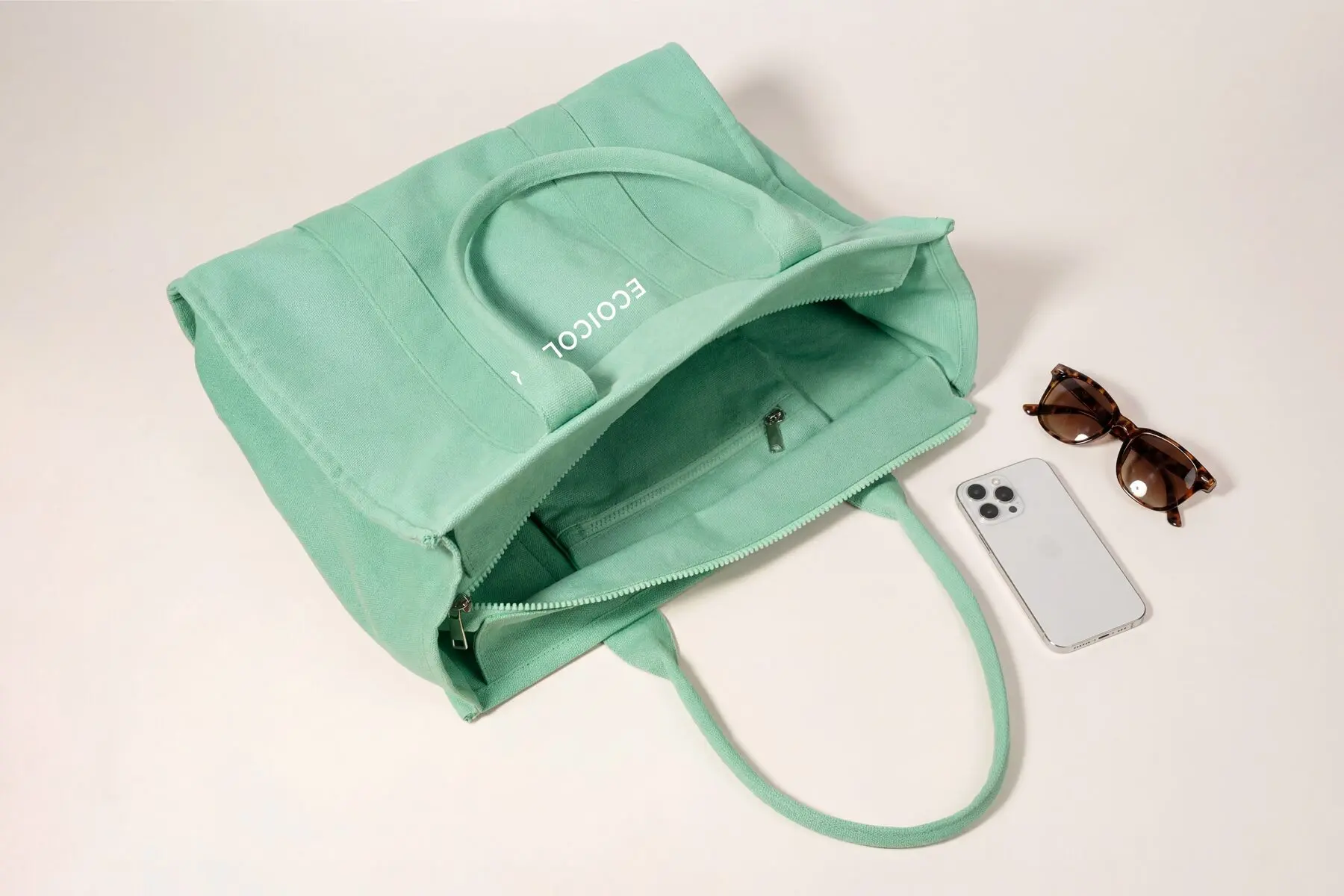
A heavier canvas can still fail the buyer brief if handle drop, stitching or gusset is wrong.
- handle drop and root stitching
- gusset and base support
- bulk packing shape
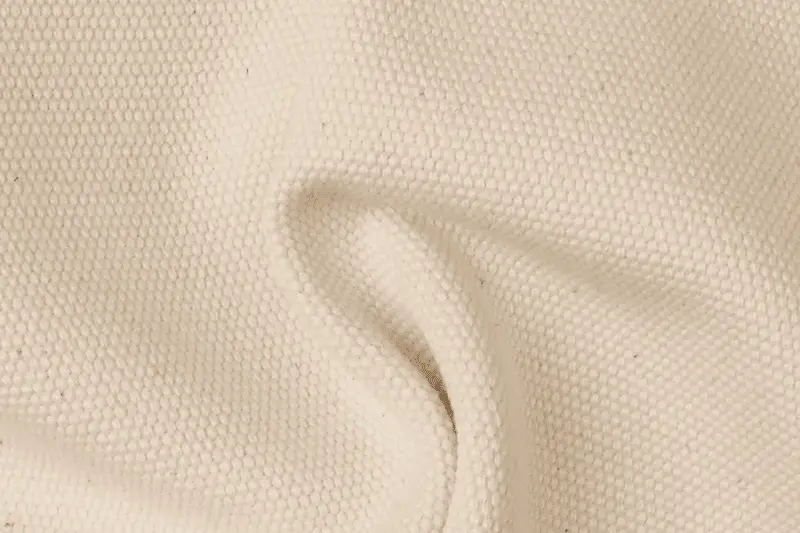
Best fit and less suitable fit
Best fit: brand, retail, bookstore, museum, wellness, hotel and private label buyers planning MOQ 500+ canvas tote projects where fabric weight, shape, logo result and sample approval affect the launch.
Less suitable: non-commercial small requests, no-brand consumer projects, price-only requests, or buyers who ask for a canvas tote without size, contents, artwork, packing direction or target delivery market.
Real order lesson: approve handle length with the 16 oz structure
January 2026 · US skincare brand · 1,000-piece confirmed order. The specification used 100% cotton 16 oz canvas, a finished size of 36 × 35 × 12 cm, no lining and no zipper.
The first sample used 30 cm handles. Although the bag body met the intended dimensions, the handle height was too short for comfortable shoulder carry. The handle length was increased to 60 cm and the attachment was cross-fixed before the next approval.
The photo records the 30 cm handle version before correction. It is evidence of the approval problem, not the final 60 cm sample.
- 16 oz 100% cotton canvas
- 36 × 35 × 12 cm finished size
- 30 cm handle before 60 cm correction
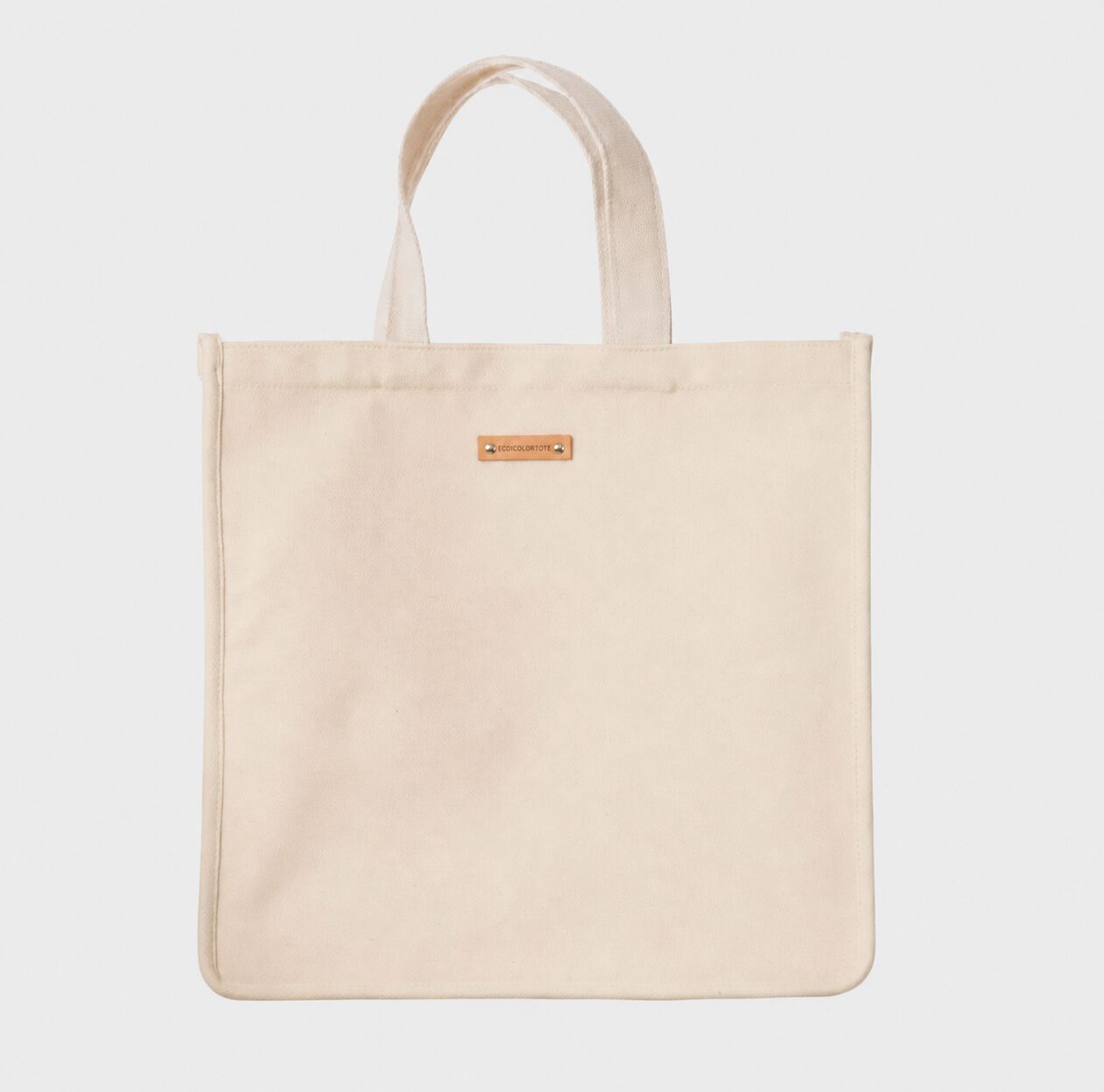
The corrected sample was approved and the 1,000-piece order was placed. The lesson is practical: GSM alone does not define usability. Finished size, side depth, handle length and attachment must be approved together for the intended carrying method.
For the complete sourcing route, review private-label canvas tote bags and the canvas material and construction page.
FAQ
Is higher GSM always better for canvas tote bags?
No. Higher GSM can create a stronger handfeel, but it is not automatically better for every canvas tote project. A heavier fabric can increase unit cost, folding bulk, carton volume and sewing difficulty. Buyers should compare GSM with tote size, contents weight, handle construction, logo method, packing route and the way the bag will be used after delivery.
What GSM should a brand buyer request for canvas totes?
The best starting point is to explain the project use case instead of naming one number. Tell the supplier whether the tote is for a beauty GWP, bookstore retail, hotel welcome gift, DTC launch kit or event giveaway. Then share size, target contents, logo method, packing needs and brand feel so the supplier can suggest a realistic canvas route.
How does canvas structure affect logo printing?
Canvas weave, texture, coating, color and weight can all change logo results. Fine-line artwork may need a smoother surface, while embroidery may need enough fabric support and stable placement. Buyers should review the logo on the actual sample fabric before bulk approval, especially when the project includes Pantone matching, small text or premium placement.
Should buyers request swatches before a canvas tote sample?
Swatches are useful when the buyer is comparing fabric weight, color, texture or available stock material. However, a swatch cannot replace a full tote sample when handle drop, gusset, logo method, lining, zipper, inner pocket or retail packing matters. Use swatches for material shortlisting, then use the sample to confirm the full bag.
What should be included in a canvas tote RFQ?
A canvas tote RFQ should include quantity range, MOQ 500+ expectation, size, fabric weight direction, color, logo file, logo method, handle drop, gusset, lining or pocket needs, packing route, target delivery country and sample deadline. If the buyer accepts stock material, mention that flexibility so the factory can review available options early.
Can Ecoicolortote provide sample support for canvas tote projects?
Sample support is reviewed case by case for strong B2B buyers with a serious MOQ 500+ project, real brand use, artwork, launch window and clear material direction. It should not be assumed for every request. Buyers should send the brief first so Ecoicolortote can judge whether swatches, a paid sample or selective sample support is realistic.
Who should use this canvas GSM guide?
This guide is best for brand, retail, bookstore, museum, wellness, hotel and private label buyers who need a custom canvas tote route for MOQ 500+ production. It is less useful for one-off gifts, vague consumer shopping bags or buyers who only want a fabric name without discussing contents, logo method, structure or sample approval.
Trademark and certification note
Third-party standards, certification names, barcode systems, carrier references and government guidance belong to their respective organizations. Ecoicolortote can review document routes and artwork wording for a specific project, but these references should not be treated as automatic claims for all materials, products, labels or orders.
Sources
- FTC textile and wool labeling guidance for fiber content, country of origin and responsible party context. ↩
- OEKO-TEX STANDARD 100 overview for textile testing document context. ↩
- FTC Green Guides page for environmental claim wording discipline. ↩
- U.S. CBP country of origin marking overview for imported goods. ↩
- AATCC standards page for textile testing and performance context. ↩
About the Author
 | Zoe Yu is Sales Manager at Ecoicolortote. She helps overseas brand, retail, hospitality and event buyers review custom tote bag material routes, logo methods, MOQ feasibility, sample approval, packing requirements and bulk delivery planning before production. |