
Custom Tote Bag Customization Routes for Brand Buyers
Compare logo, embroidery, foldable, zipper and large tote routes before sending an RFQ, so the right customization path is clear before sampling.
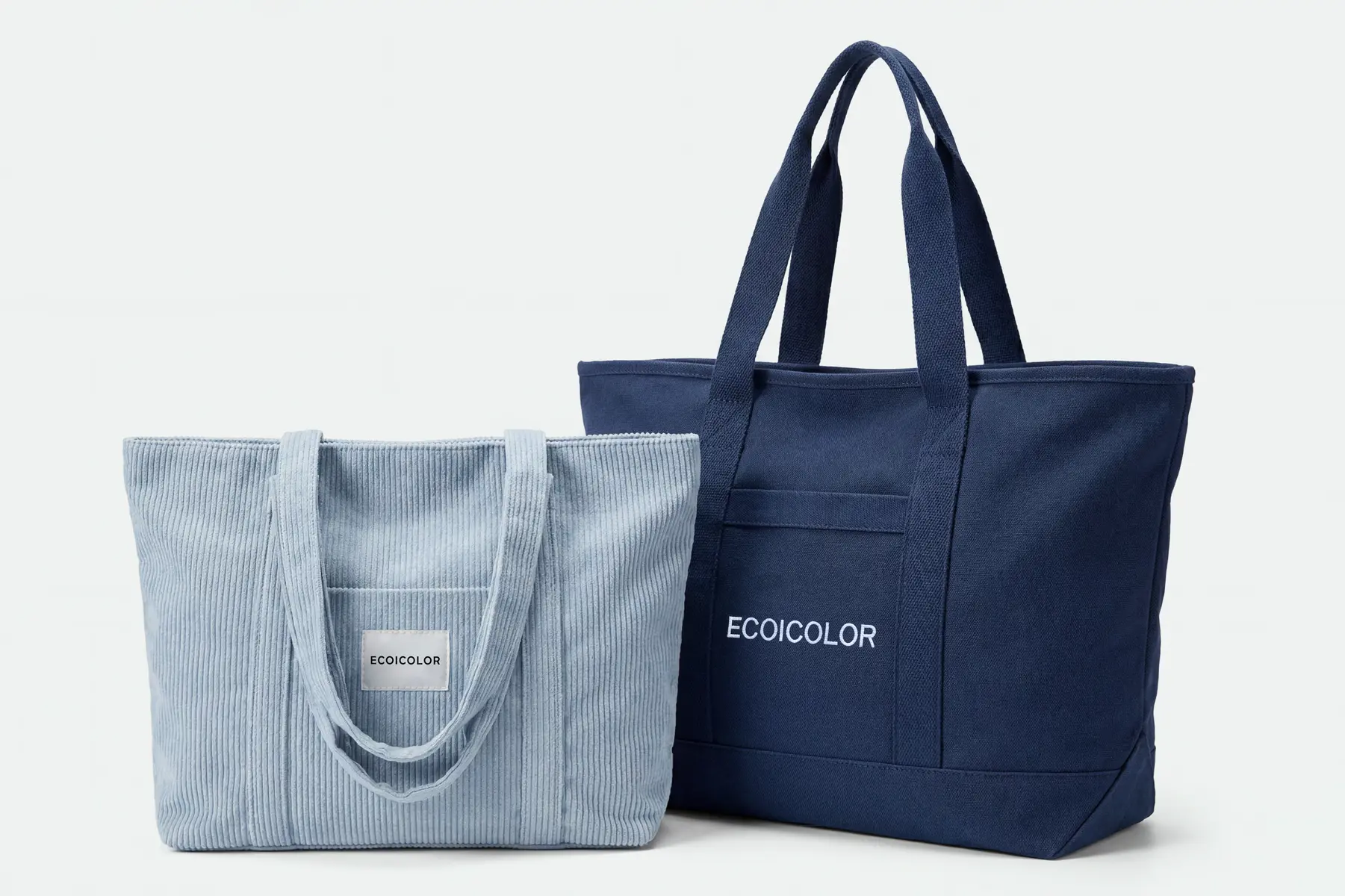
This guide helps brand buyers choose the right custom tote bag route before RFQ. Use it to compare custom logo totes, embroidered totes, foldable totes, zipper totes and large or XL totes by project risk, material fit, logo method, pack-out, sample fees and project-specific bulk planning. It links into live route pages and contact support for route-specific brief review.
Why does customization route selection matter before sampling?
Many tote bag briefs begin with a broad request such as a branded bag, a premium giveaway or a retail tote. That is not enough to choose a sourcing route. A logo problem, an embroidery problem, a zipper problem and a large-capacity problem need different sample checks, costing logic and production risks. Route selection separates those decisions before buyers enter a detailed route page.
| Buyer Situation | Best Route | Reason |
|---|---|---|
| Logo method, artwork quality, Pantone color, placement or label route is the key risk. | Custom Logo Totes | Route focuses on print, embroidery, transfer, labels and approval samples. |
| A tactile logo, stitched badge or textured brand mark should feel more premium. | Embroidered Totes | Route focuses on thread density, placement, fabric support and stitching limits. |
| The bag must fold into a compact pouch, gift box or travel pack-out. | Foldable Totes | Route focuses on folded size, pouch method, lightweight material and pack-out volume. |
| Contents need closure, lining, travel security or a higher-value finish. | Totes with Zipper | Route focuses on zipper quality, opening width, lining, puller and sewing tolerance. |
| Contents are oversized, heavy, bulky or meant for event and retail kits. | Large & XL Totes | Route focuses on capacity, handle strength, bottom support and carton planning. |
One custom tote brief can point to several routes.
The process should connect campaign timing, sample approval, pack-out, carton marks and delivery planning before bulk production starts.
Initial brief
A brand asks for a custom tote for a launch kit, but only sends quantity, logo and delivery date.
Route question
The key risk may be logo accuracy, embroidery texture, folded pack-out, zipper closure or large capacity.
Sample correction
The factory should confirm route, material, artwork, packaging and approval standard before sample fees are fixed.
Buyer lesson
Choose the customization route before treating the project as a simple tote quote.
What should buyers confirm before choosing a customization route?
These are sourcing checks, not customer feedback or testimonials.
Confirm whether print, embroidery, transfer or label placement is safest on the proposed material before sample approval.
Confirm folded size, pouch construction, packaging and carton-volume assumptions before the route is frozen.
Confirm zipper, opening width, handle reinforcement and contents-fit requirements before quotation.
Choose the right customization route.
Each route starts from a different factory-side risk: artwork method, stitched detail, compact construction, secure closure or oversized capacity.
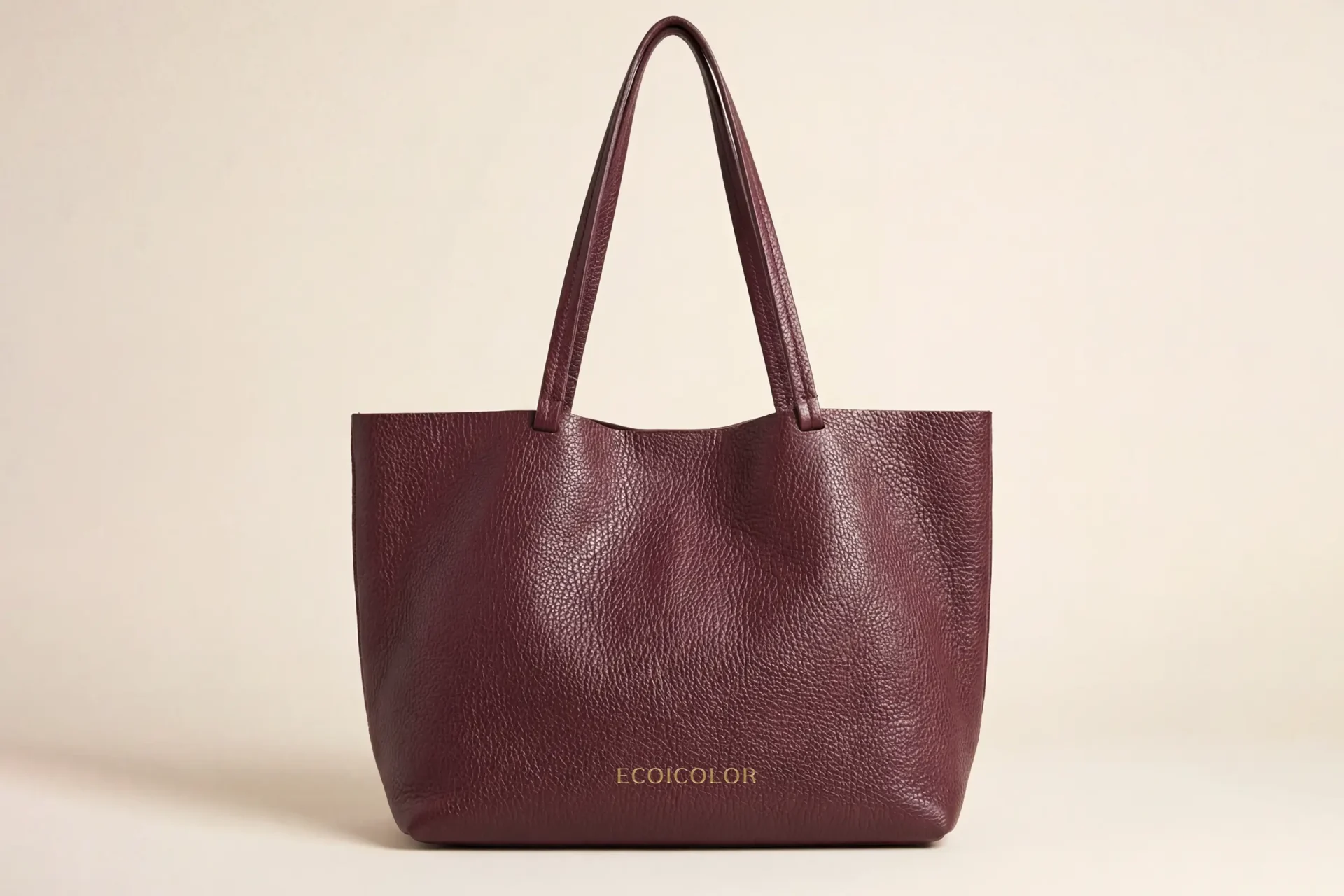
Custom Logo Totes
Best for: Artwork method, logo placement, Pantone control, labels and sample approval.
Use when the main risk is how the logo prints, holds and aligns to the brand mark.
Sample turnaround: Sample timing confirmed after scope review
View Custom Logo Totes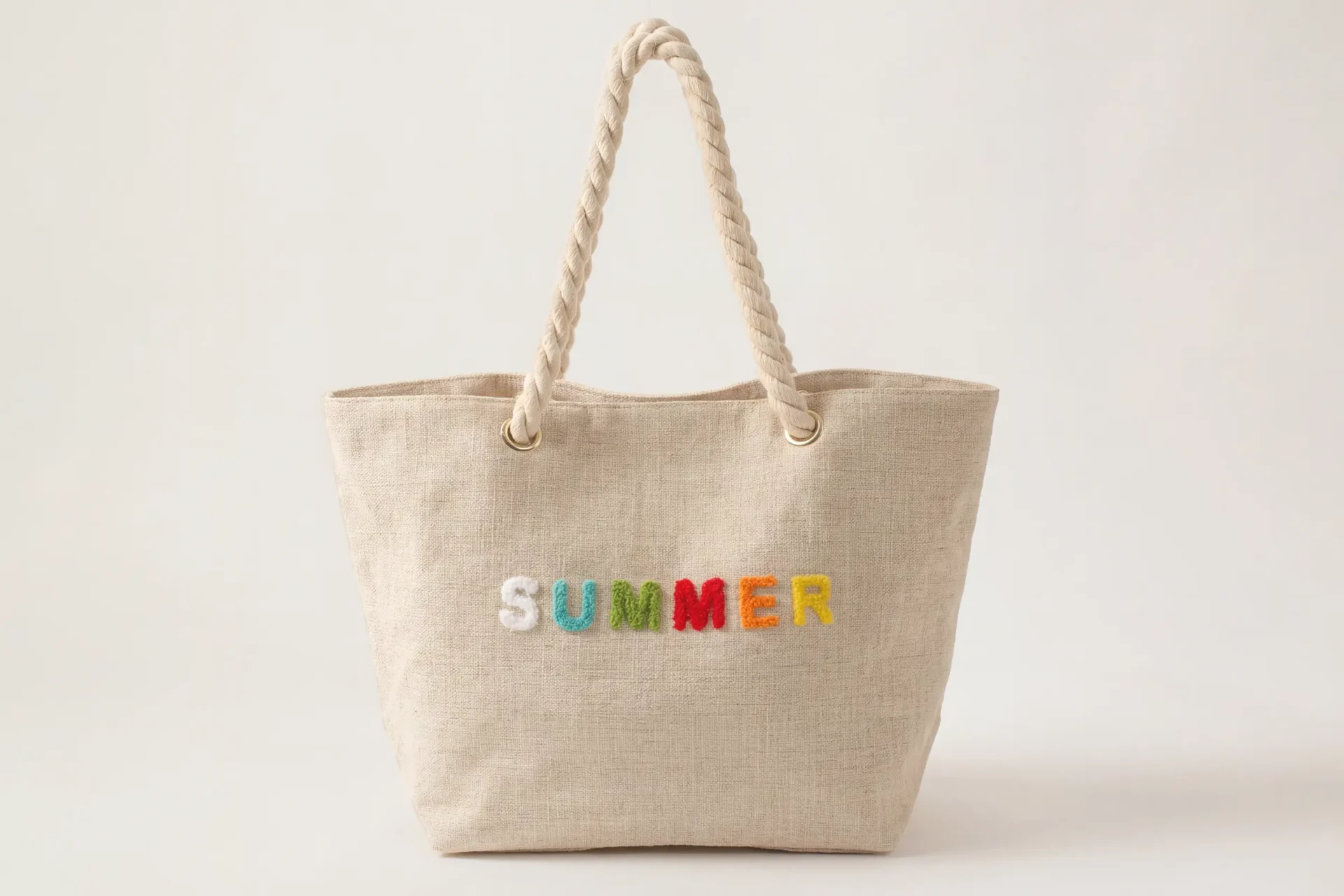
Embroidered Totes
Best for: Thread texture, tactile logo, small brand marks and stitched details.
Use when the mark should feel raised, durable and more crafted than a flat print.
Sample turnaround: Timing is confirmed in the written quotation after the project scope is reviewed.
View Embroidered Totes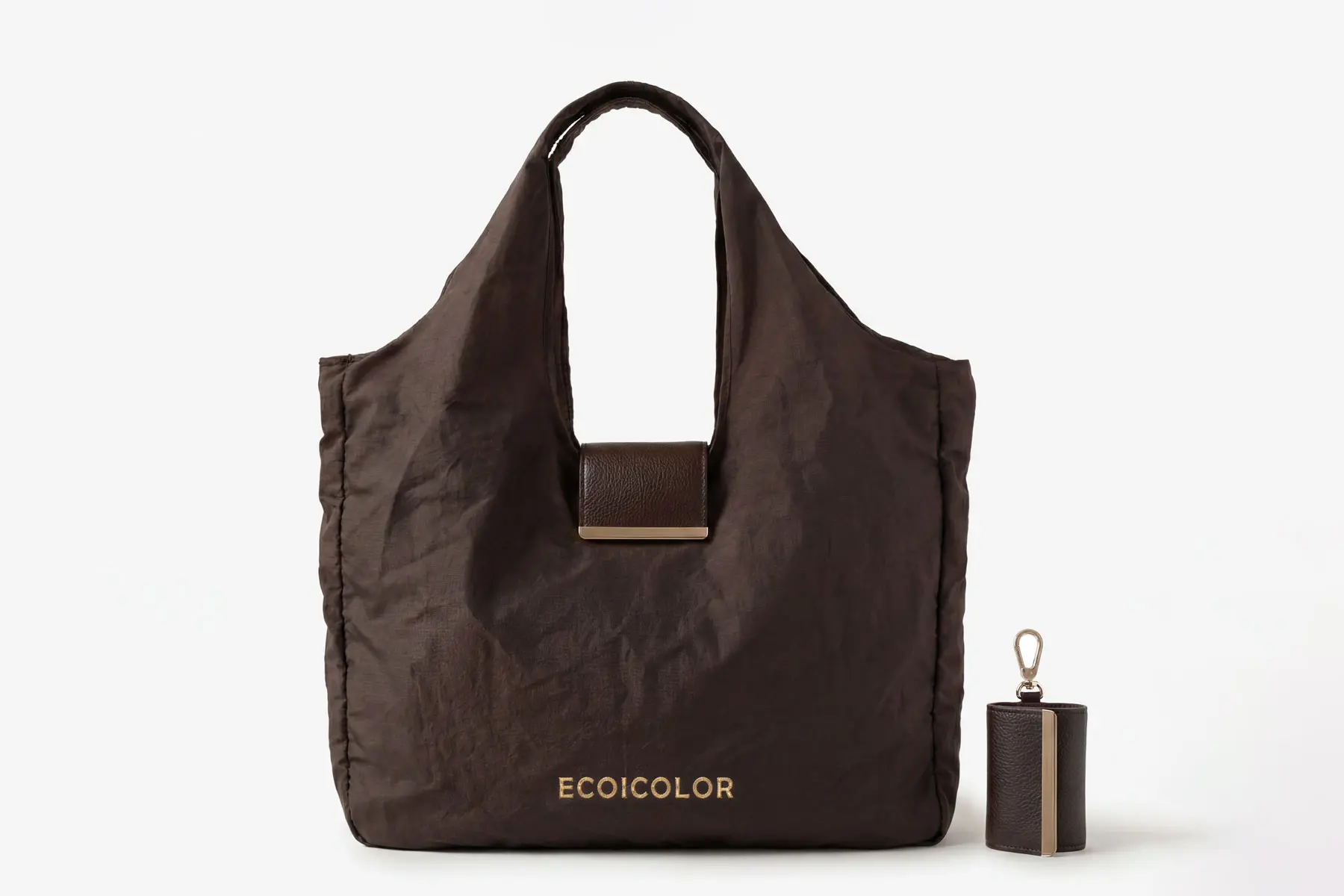
Foldable Totes
Best for: Compact pack-out, lightweight fabric, pouch structure, travel use and retail gift inserts.
Use when folded size, pouch method and pack-out volume affect approval.
Sample turnaround: Project-specific schedule
View Foldable Totes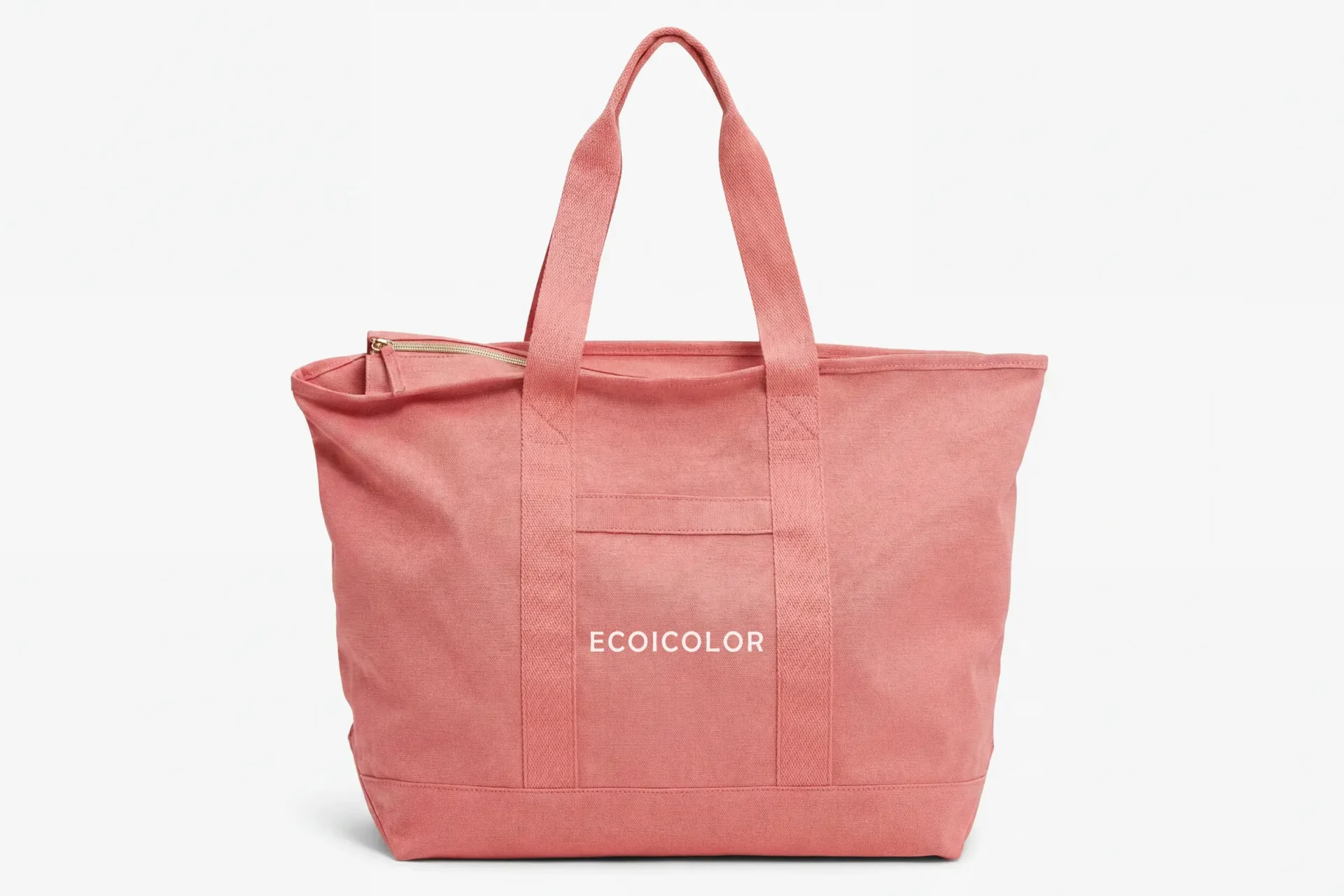
Totes with Zipper
Best for: Secure closure, lining, puller detail, travel kits, retail sets and higher-perceived-value bags.
Use when closure quality, opening width, contents protection and sewing tolerance affect the buyer decision.
Sample turnaround: Project-specific schedule
View Totes with Zipper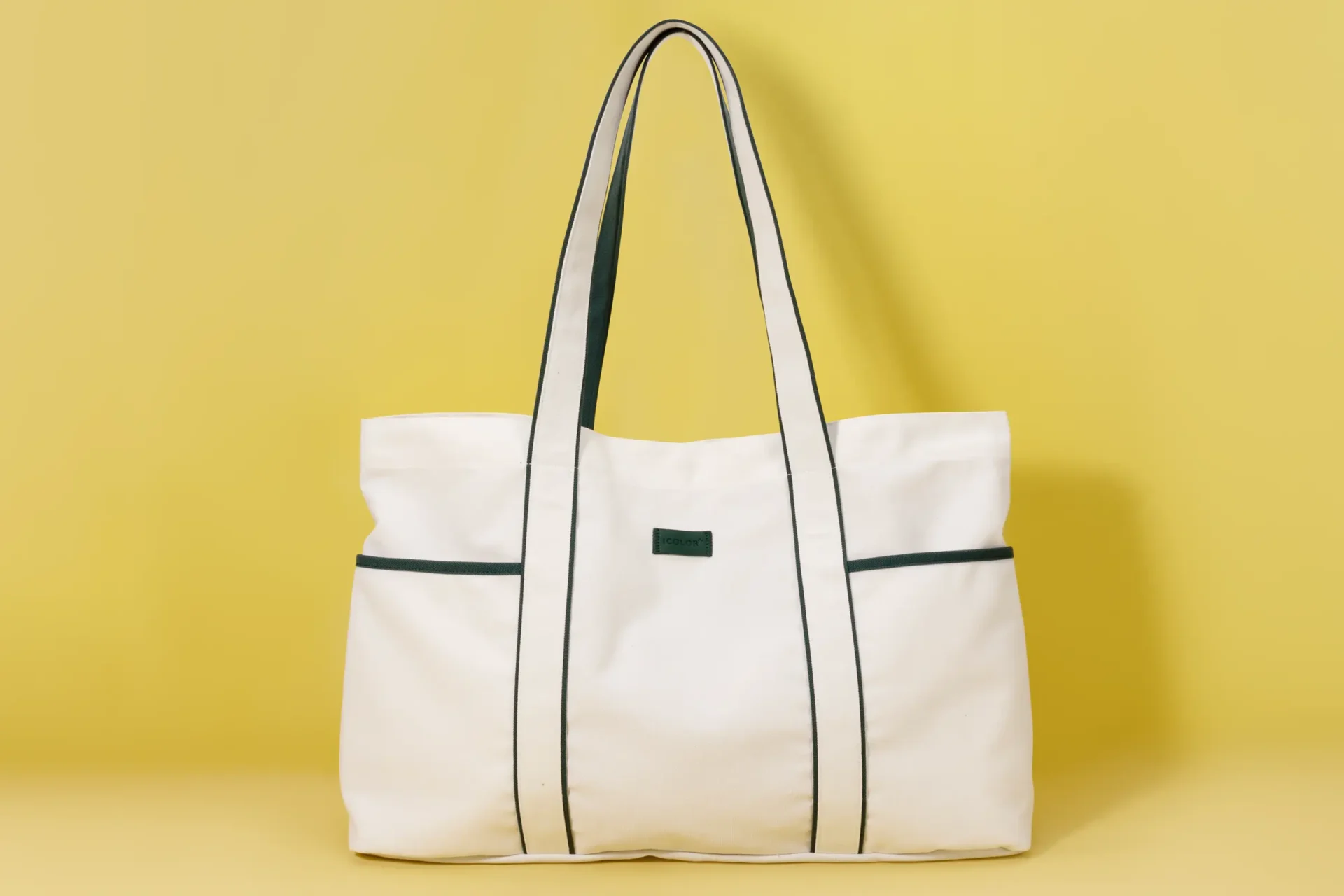
Large & XL Totes
Best for: Oversized contents, large gift sets, event kits, retail packaging and heavy carry use.
Use when size, handle strength, bottom support and carton packing are key approval risks.
Sample turnaround: Timing is confirmed in the written quotation after the project scope is reviewed.
View Large & XL TotesHow is customization route selection different from picking a product?
Customization route selection is feature-led. It starts with how the tote should be customized: logo process, stitched detail, foldable construction, zipper closure or larger size.
| Starting question | Use this route | Example |
|---|---|---|
| How should the tote be customized? | By Customization route guide | Logo, embroidery, foldable structure, zipper, larger size. |
| What campaign or buyer scenario is this for? | GWP & Brand Totes | Beauty GWP, luxury gift, seasonal launch, event or hotel program. |
| What material route should support the brief? | Materials | Canvas, recycled cotton, rPET, organic cotton, jute or vegan leather alternative. |
| What should the buyer send next? | Contact / RFQ | Quantity, artwork, material, route preference, packaging and delivery window. Use the MOQ 500 RFQ checklist and packaging specs guide when SKU, label or pack-out details need separate review. |
What should buyers confirm before sampling?
Customization choices affect sampling cost, timing and approval criteria. These checks should be made before sample fees and sample timing are confirmed.

Logo and decoration methods often drive the first decision
Screen printing, embroidery and heat transfer behave differently by material surface, logo detail, color count and budget.

Tonal Embroidery
Adds a tactile, refined logo on canvas, cotton blends or textured fabrics.

Small Woven Label
Works for side seams, inner labels, exterior tabs or retail-ready details.

Heat-pressed Logo
Creates a clean raised or bonded mark on selected coated or leather-like surfaces.
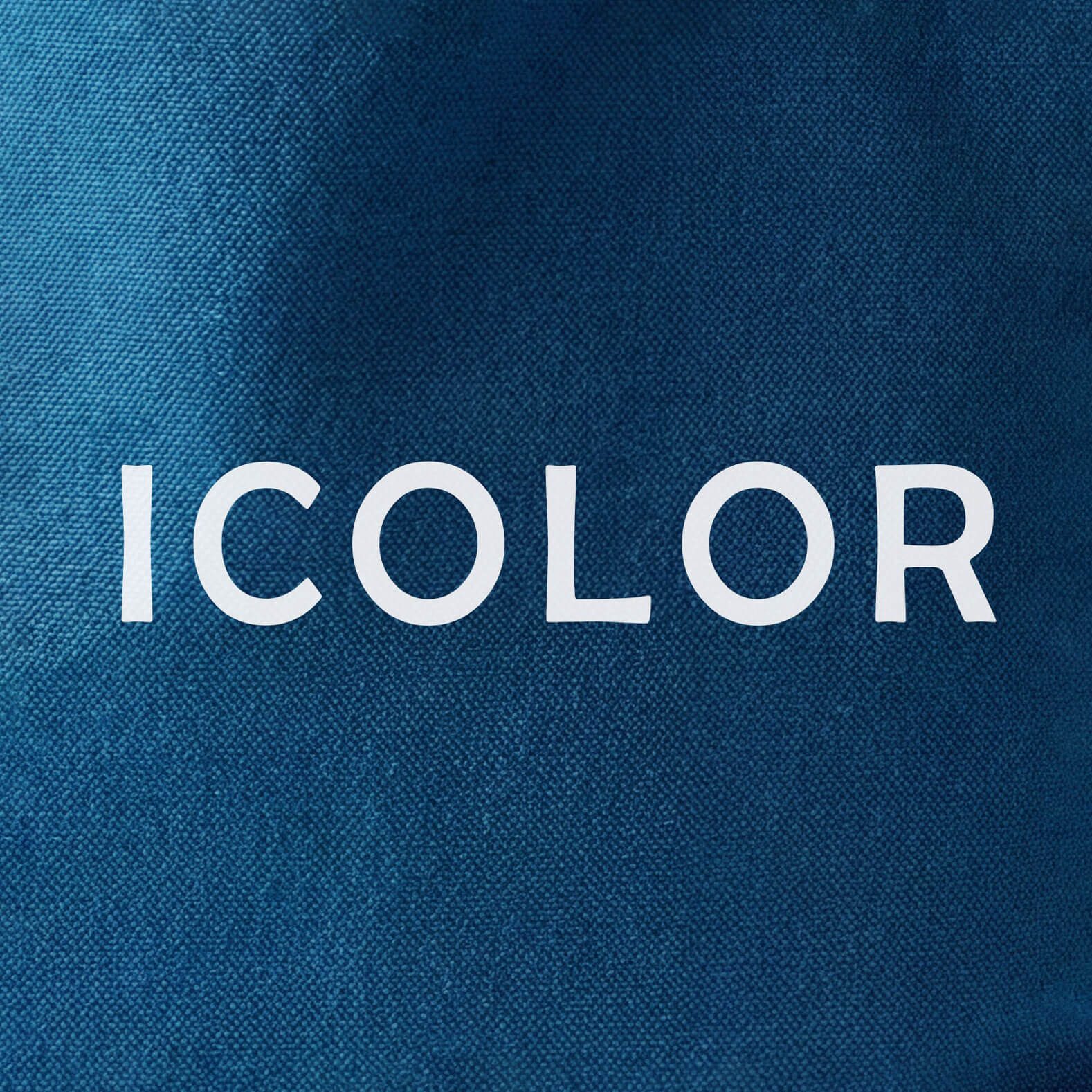
Screen Printing
Fits clean logo marks, simple artwork and controlled low-contrast color.

Blind Debossing
Creates a quiet recessed logo on vegan leather, PU trim or patch areas.

Hot Stamping
Adds a small foil accent on leather-like labels, patches or trim details.
Best fit and less suitable fit
Best fit
This guide is a strong fit for brand buyers planning MOQ 500+ custom tote bag projects who need to choose the correct customization path before sampling.
It works for retail, DTC, beauty, wellness, hotel, event, GWP and private-label teams that are deciding between logo methods, embroidery, foldable construction, zipper closure, oversized capacity, labels, packaging and delivery timing.
Less suitable fit
This guide is less suitable for one-piece personal orders, blank stock tote requests, projects far below MOQ, or buyers who already have a locked specification and only need a reorder.
It is also not the best starting point when the main question is campaign strategy, hospitality gift planning or seasonal launch timing.
Ready to choose a customization route?
Send quantity, artwork, material direction, target route, packaging notes and delivery timing. Ecoicolortote will review whether custom logo, embroidery, foldable, zipper or large tote planning is the right first step before sampling.
Talk to Zoe Yu About Your Tote Bag Project

Talk to Zoe Yu
B2B Sales Manager · Ecoicolortote
Zoe helps brand buyers turn a rough tote idea into a workable factory brief -- covering material direction, logo process, packaging details, and sample planning.
Send Your Project BriefChecks quantity, use case, size, logo file, packaging and launch timing before quoting.
Aligns material, logo process, color reference and approval notes before bulk production.
Keeps hangtags, labels, barcode files, carton marks and retail packing details organized.
Connects buyer requirements with factory sampling, QC, packing and shipment updates.
Latest Insights
Read practical sourcing notes for custom tote artwork, materials, packaging, sampling and brand campaign planning.
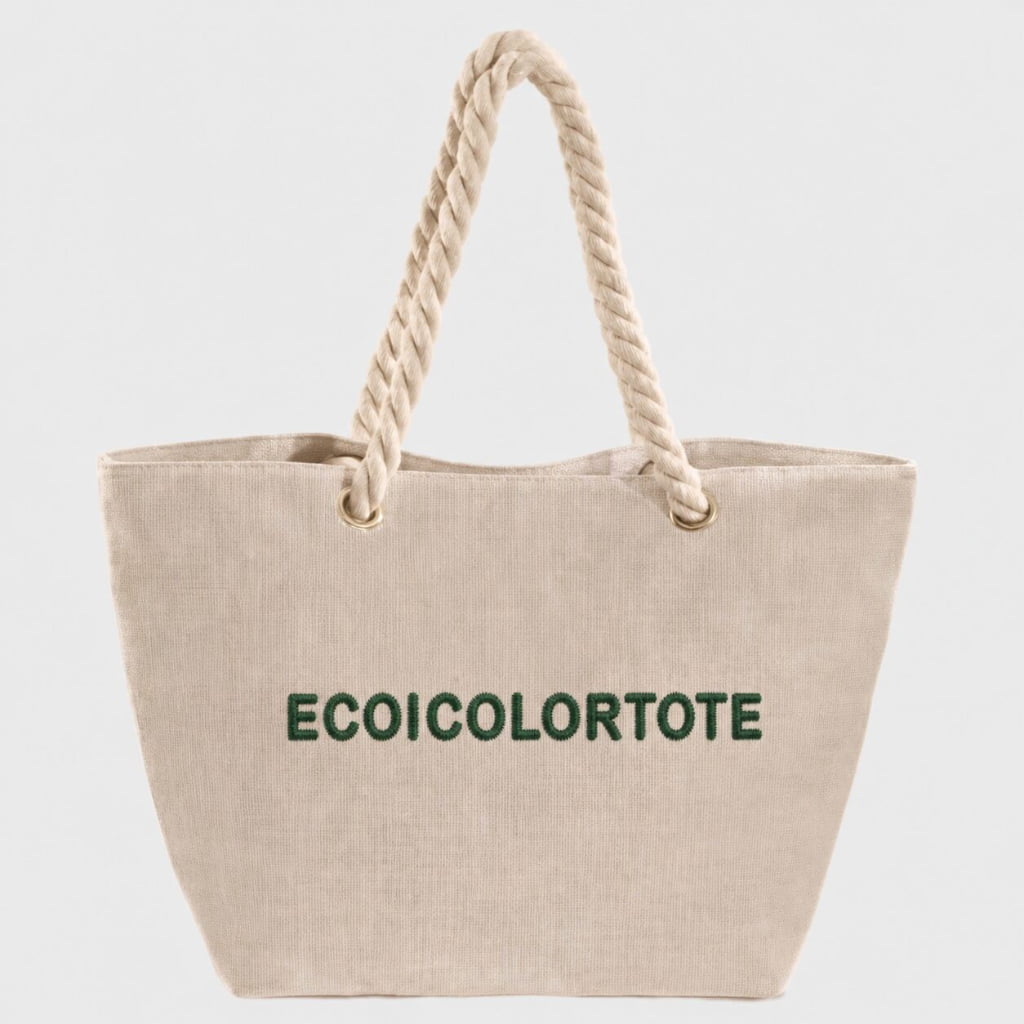
Single-Color vs Multicolor Embroidery on Jute Tote Bags
Compare single-color and multicolor jute tote embroidery using a real 1,000-piece US order, USD 1 per piece cost gap and…
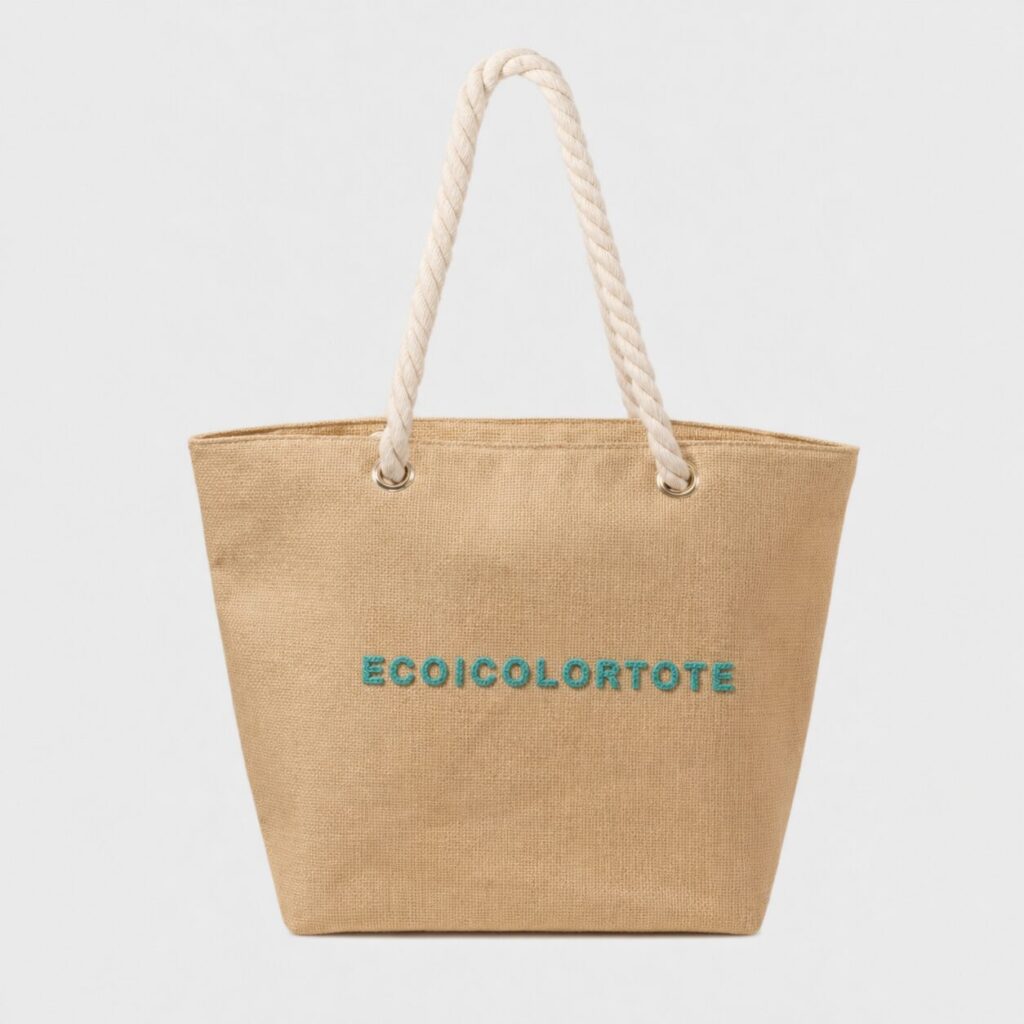
Jute Tote Bag Sample Approval: Open Weave and Side Seams
Use a real UK jute tote sample lesson to check open-weave side seams, overlock, binding, lining and daily-use testing before…
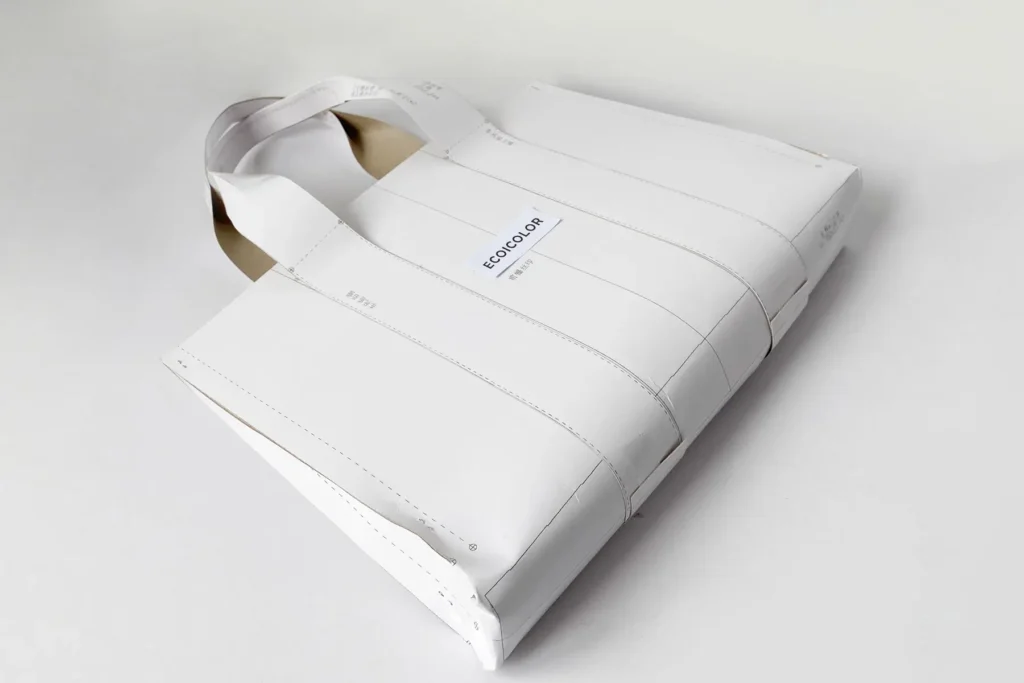
Side-Gusset Tote Packing: When a Hard Insert Changes Freight Cost
See how a hard insert changed one side-gusset tote from 25 to 15 pcs per 52 x 40 x 40…
Frequently Asked Questions
Everything buyers need to know before choosing a customization route.
Q1: Which customization route should I choose first?
Start with the main project risk. Choose Custom Logo Totes when artwork method and placement are the key questions, Embroidered Totes when thread texture matters, Foldable Totes when pack-out size matters, Totes with Zipper when closure and contents protection matter, and Large & XL Totes when capacity and handle strength matter.
Q2: What information should buyers send before RFQ?
Send quantity, bag size, target material, artwork files, logo method preference, Pantone references, packaging notes, delivery market and launch timing. If the project has multiple versions, include each color, SKU, label or pack-out requirement so Ecoicolortote can route the brief correctly before sampling.
Q3: Is the MOQ different for each customization route?
MOQ usually starts from 500 pcs per style for suitable custom tote bag projects, but feasibility can change by material, color count, logo process, zipper, foldable pouch, label, packaging and size. Large or highly structured totes may need extra review before sample route and bulk timing are confirmed.
Q4: Can one tote combine several customization routes?
Yes. A project can combine logo printing, embroidery, zipper closure, foldable structure, labels, sleeves or larger sizing. The route selector helps identify the first decision, but the final specification should review all customization details together so sampling, pricing and production timing stay aligned.
Q5: How should sample fees and sample timing be planned?
Sample fees depend on material, size, logo process, packaging and customization complexity. Sample timing is confirmed after the material route, construction, artwork, logo process, packaging and document scope are reviewed. Bulk production timing is confirmed after sample approval, quantity, version count, capacity, packing and delivery requirements are frozen. The written quotation records the project-specific schedule; no fixed day range is promised before that review.
Q6: How is customization route selection different from GWP or brand tote planning?
Use this guide when the sourcing question is the bag feature or construction route: logo, embroidery, foldability, zipper or size. Use the GWP & Brand Totes route when the sourcing question is campaign type, such as beauty GWP, luxury gift, seasonal launch, hotel welcome or event program.
Planning notes
- MOQ note: MOQ 500+refers to suitable custom B2B projects per style. Final feasibility depends on material route, color count, logo process, packaging scope and delivery requirements.
- Lead time note: Lead time should be reviewed by project after sample scope, material availability, logo process, packaging needs, quantity and delivery window are confirmed.
- GRS note: GRS references are document-scope prompts for selected recycled material routes, not product claims across all tote projects.
- OEKO-TEX note: OEKO-TEX scope should be confirmed according to selected fabric, supplier chain, destination market and buyer requirement before sampling or claim wording.
- Dongguan note: Dongguan, Guangdong, China is referenced as the factory-side sourcing and production coordination base for Ecoicolortote projects.
- Sampling note: Sample review should confirm handfeel, size, logo scale, color reference, packaging, document scope and approval timing before bulk production planning.
Trademark notice: All third-party trademarks, certification names, event references, retailer references and product-category references mentioned remain the property of their respective owners. References are included for industry context, buyer education and sourcing-risk discussion only. Ecoicolortote does not claim endorsement, partnership, certification coverage, retailer approval, event approval or product approval unless confirmed in the specific project documentation, quote record and order file clearly.
Ready to Start Your Custom Tote Bag Order?
What happens after your brief:
Material recommendation based on your use case | Estimated pricing for your target quantity | Sample timing and production route review
No commitment required. No spam. Just a detailed, honest proposal.