
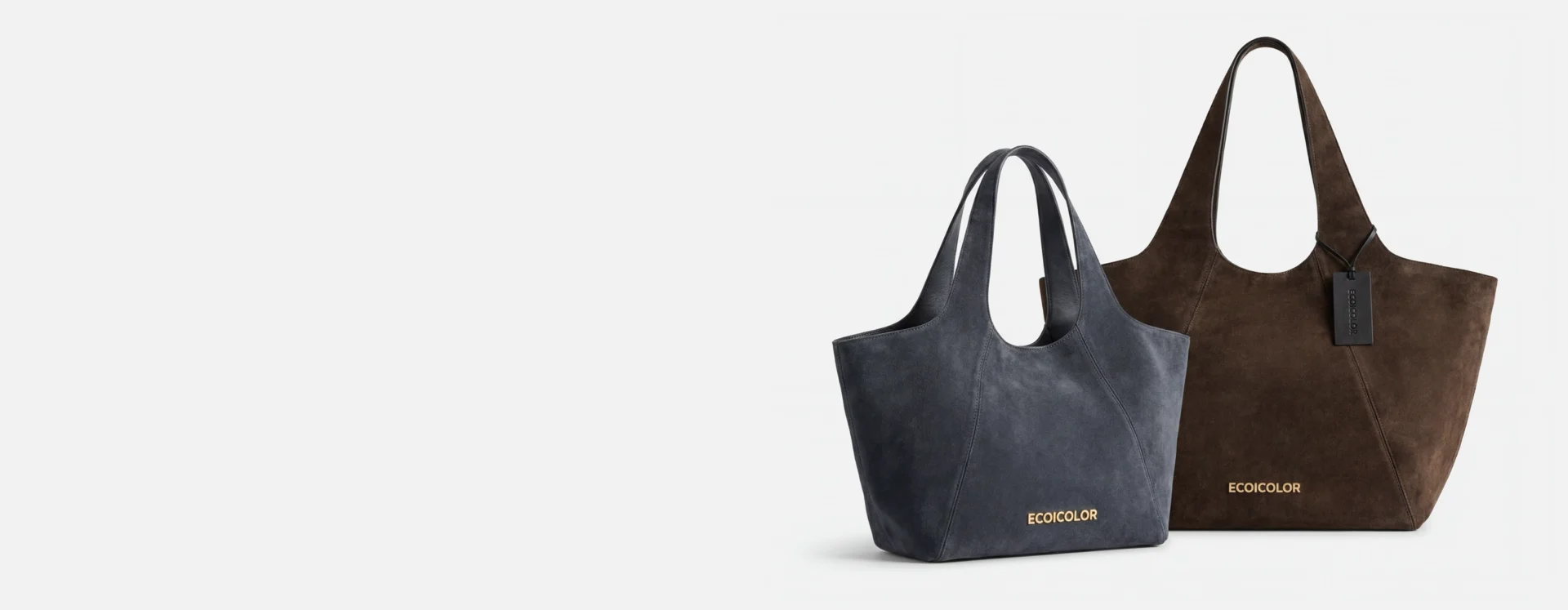
Private Label Tote Bags for Retail, DTC and Brand Merchandise Programs
Use this page to plan a private label tote line before RFQ. Ecoicolortote helps retail, DTC, beauty, wellness, lifestyle, museum, hospitality and brand merchandise buyers compare material routes, SKU count, labels, barcode, packaging, sample scope and document wording before production.
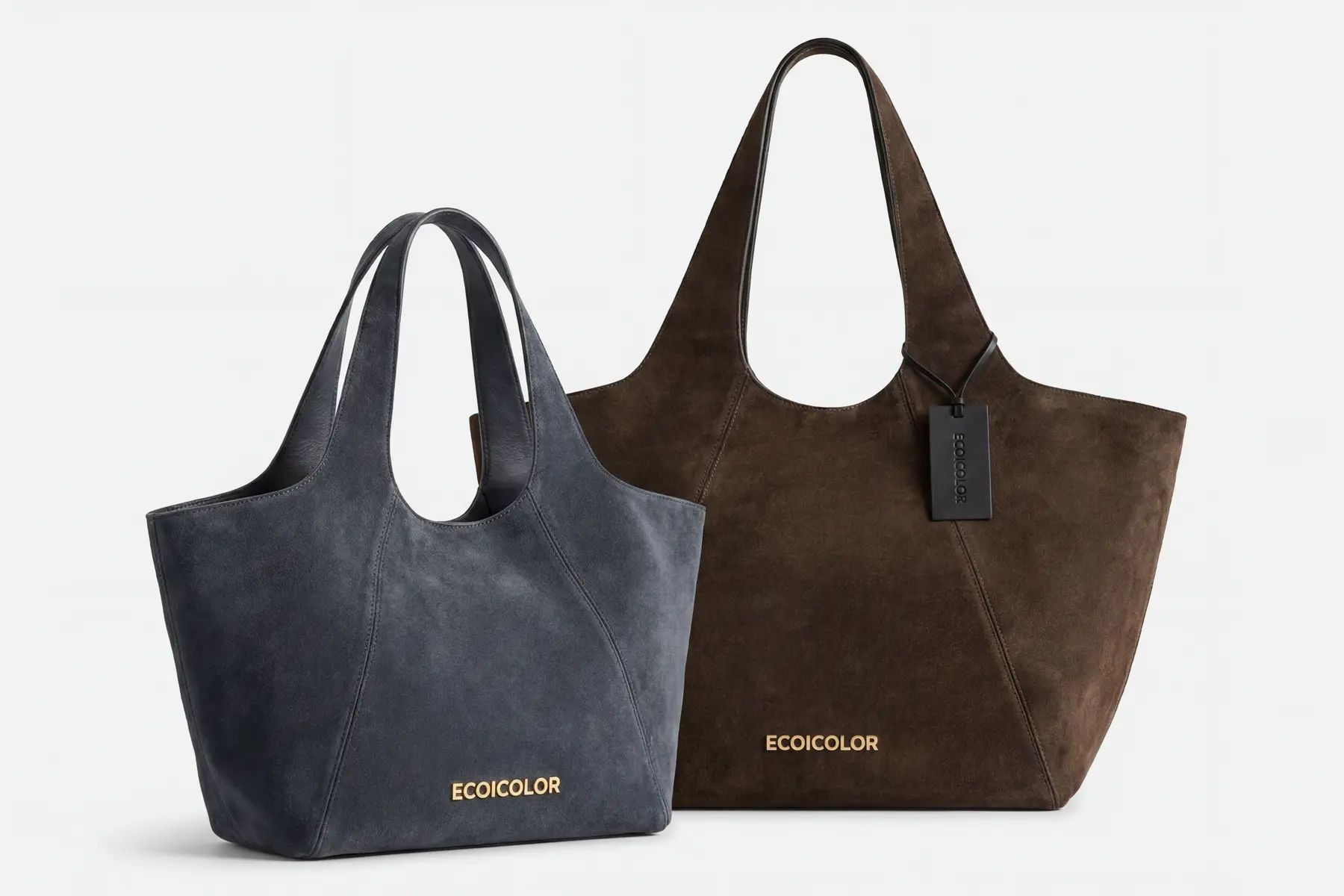
This hub helps brand buyers choose between private label tote routes: canvas, jute and natural fiber, organic cotton, recycled cotton, rPET, specialty and vegan-look totes. Use it when the tote is becoming a retail SKU, DTC add-on, beauty gift, lifestyle merch or store program. If the only question is logo execution, use the Custom Logo Totes route before RFQ.
Which private label tote program should buyers define first?
The first decision is not only material or logo process. Buyers should identify whether the tote is a retail SKU, DTC add-on, brand merchandise item, beauty or wellness gift, boutique lifestyle product, museum shop tote or hospitality retail program. That role controls the right questions for sample approval, packaging, barcode, document wording, lead time2 and repeat-order control. GRS3, OEKO-TEX4, BSCI and Sedex references are document-scope prompts, not automatic product claims.
| Buyer Scenario | Main Concern | RFQ Reminder |
|---|---|---|
|
Retail SKU with barcode, hangtag and repeat-order needs. |
Retail SKU Route |
Send SKU count, label system, packaging method and target retail channel. |
|
Skincare, spa or wellness product set. |
Jute & Beauty Totes |
Product dimensions, label needs and presentation lead the brief. |
|
Holiday, summer or seasonal campaign. |
Beauty and Jute Route |
Artwork, carton labels and date-sensitive delivery drive the project. |
|
Premium retail or VIP gift. |
Lifestyle Retail Route |
Handfeel, quiet logo placement and packaging restraint matter. |
|
Summit, trade show, launch or staff event. |
Conference & Event Totes |
Venue delivery, sponsor versions and on-site distribution create the risk. |
|
Hotel, resort or spa-property guest gift. |
Hotel Welcome Totes & Guest Kits |
Guest amenity contents, property split and room-ready presentation matter. |
|
Retail tote sold or repeated as a SKU. |
Private Label Totes |
Barcode, label, packaging and reorder control are the main decisions. |
Buyer Scenario
Retail SKU with barcode, hangtag and repeat-order needs.
Send SKU count, label system, packaging method and target retail channel.
Buyer Scenario
Skincare, spa or wellness product set.
Product dimensions, label needs and presentation lead the brief.
Buyer Scenario
Holiday, summer or seasonal campaign.
Artwork, carton labels and date-sensitive delivery drive the project.
Buyer Scenario
Premium retail or VIP gift.
Handfeel, quiet logo placement and packaging restraint matter.
Buyer Scenario
Summit, trade show, launch or staff event.
Venue delivery, sponsor versions and on-site distribution create the risk.
Buyer Scenario
Hotel, resort or spa-property guest gift.
Guest amenity contents, property split and room-ready presentation matter.
Buyer Scenario
Retail tote sold or repeated as a SKU.
Barcode, label, packaging and reorder control are the main decisions.
GRS, OEKO-TEX, BSCI and Sedex references are document-scope prompts, not automatic product claims. Confirm applicable certification routes during RFQ and sample approval.
Project route review: one brand brief,
three possible tote directions.
A brand team first asked for a "premium gift tote" without knowing whether the project belonged under a beauty GWP, hotel welcome gift or luxury launch tote route.
During brief review, the route was separated into three planning questions. The retail SKU route focused on barcode, hangtag, packaging and repeat-order consistency. The DTC merch route focused on shipping volume, insert card and customer unboxing. The material route focused on handfeel, print result, document wording and sample approval speed.
The correction was not to force all needs into one generic tote page. The buyer used the hub to compare route logic first, then chose the main child page before sampling. This reduced back-and-forth around material claims, packaging scope and delivery planning.
The lesson is simple: when one tote idea serves several commercial moments, choose the route before choosing material, logo process or final packaging.
Initial brief
A premium gift tote was requested, but the commercial route was not yet clear.
Retail-readiness gap
Each route needed different material, packaging and document-scope checks before sampling.
Correction path
The team compared the routes first, then moved the main project into the best-fit child page.
Buyer lesson
Choose the route before choosing material, logo process or final packaging.
Common feedback from
brand tote buyers.
These notes summarize recurring questions from brand tote projects. Use them to prepare product route, packaging scope, logo method and sample approval details before RFQ.
The team was unsure whether the tote should be planned as a campaign gift, a product set carrier or a retail add-on.
The route review separated product fit, pack-out needs, insert cards, logo placement and launch timing before material sampling.
The buyer entered sampling with a clearer private label brief and fewer late changes around SKU, barcode, label, packaging and claim wording.
Project Manager
Route planning note
The buyer first compared the tote against general promotional bags, but the project needed room allocation, neutral presentation and repeat reorder planning.
The hotel welcome route clarified guest-use scenario, property-level delivery, packaging scope and replenishment expectations before quote review.
The brief became easier to compare internally because amenity use, delivery timing and presentation level were separated from generic gift-bag pricing.
Procurement Lead
Route planning note
The project included a premium launch tote, but the first request mixed luxury handfeel, seasonal artwork and private label retail expectations.
The hub helped the buyer choose the main route first, then review finishing, logo scale, carton label needs and sample approval sequence.
The team avoided treating one tote as every possible use case and moved forward with a cleaner child-page RFQ direction.
Sourcing Buyer
Route planning note
Use these feedback themes as a planning checklist before confirming material route, logo method, packaging files, delivery timing and sample approval scope.
Choose the right private label tote route.
Each private label program has a distinct retail role, material route and production logic. Use the cards below to identify the route that matches your SKU, DTC, merchandise or retail objective before sending an RFQ.
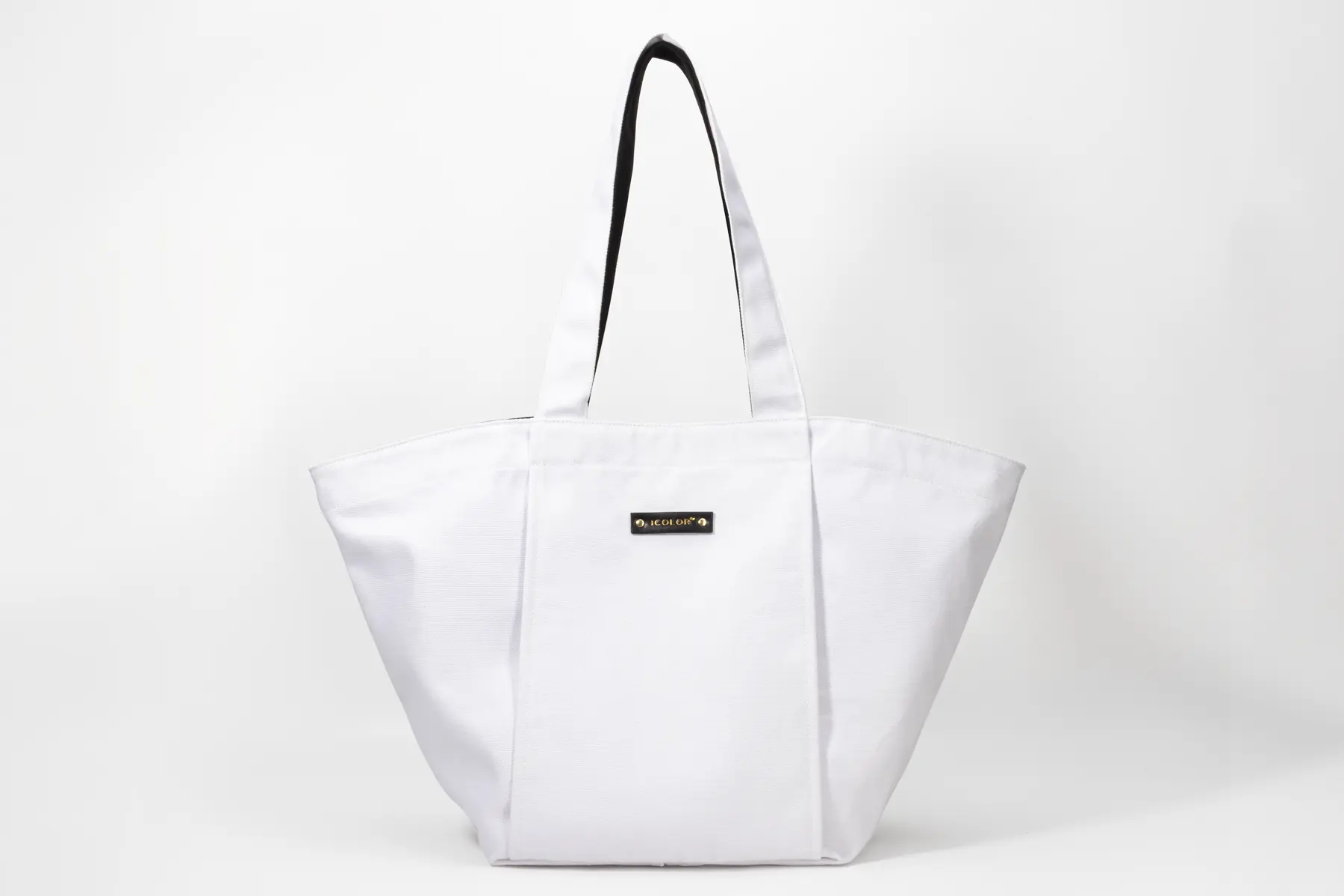
Canvas Private Label Tote Route
Durable retail SKUs, daily merch and broad private label tote programs.
Less suitable when the buyer needs a rustic, softer, recycled or premium leather-look route.
The tote needs strong body, practical print area, handle comfort and repeatable retail use.
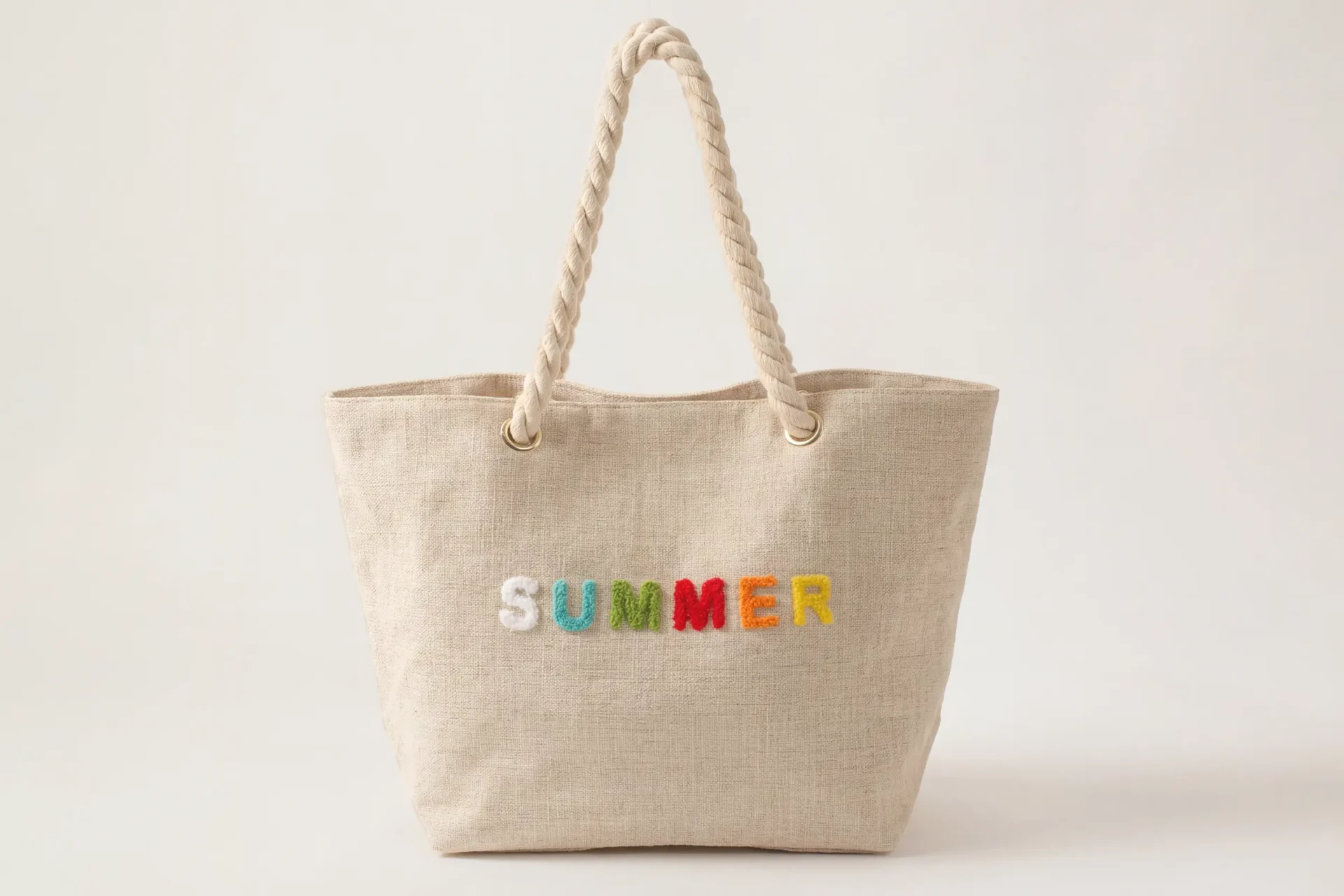
Jute & Natural Fiber Route
Natural retail, gift shop and rustic lifestyle product positioning.
Less suitable when smooth print surface, fold control or refined fashion finish is the main concern.
Texture, print edge, odor expectation, handle material and storage condition should be checked early.
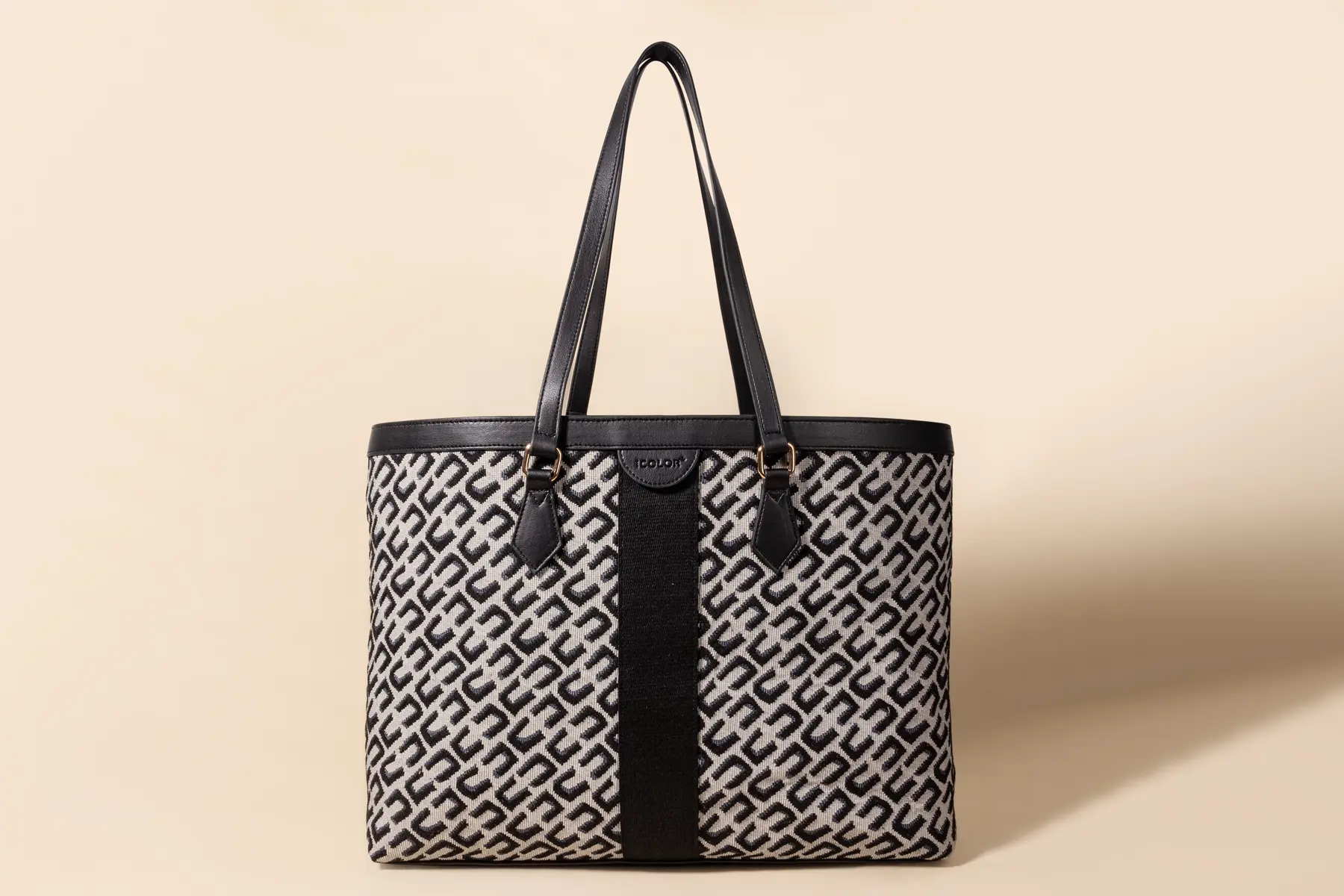
Organic Cotton Private Label Route
Wellness, beauty, natural lifestyle and softer brand positioning when document scope supports the brief.
Less suitable when recycled-content wording or lightweight synthetic route is the main decision.
Confirm the selected cotton composition, available document scope, fabric weight and sample approval requirements.
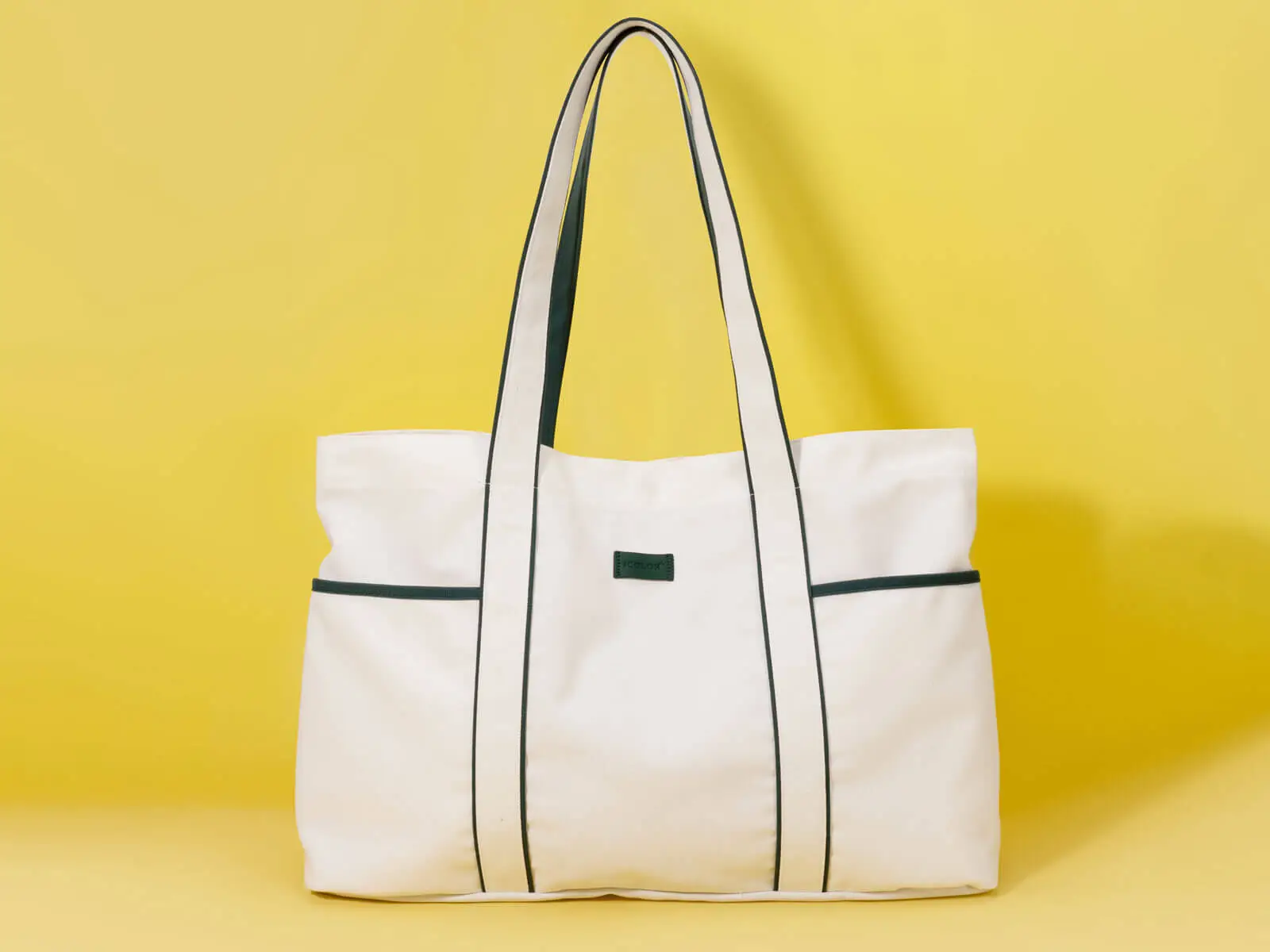
Recycled Cotton Private Label Route
Casual retail products and recycled-content material routes with careful claim wording.
Less suitable when the buyer expects perfectly uniform color or a high-gloss premium surface.
Blend, color variation, handfeel, fabric weight and document wording should be checked before sampling.
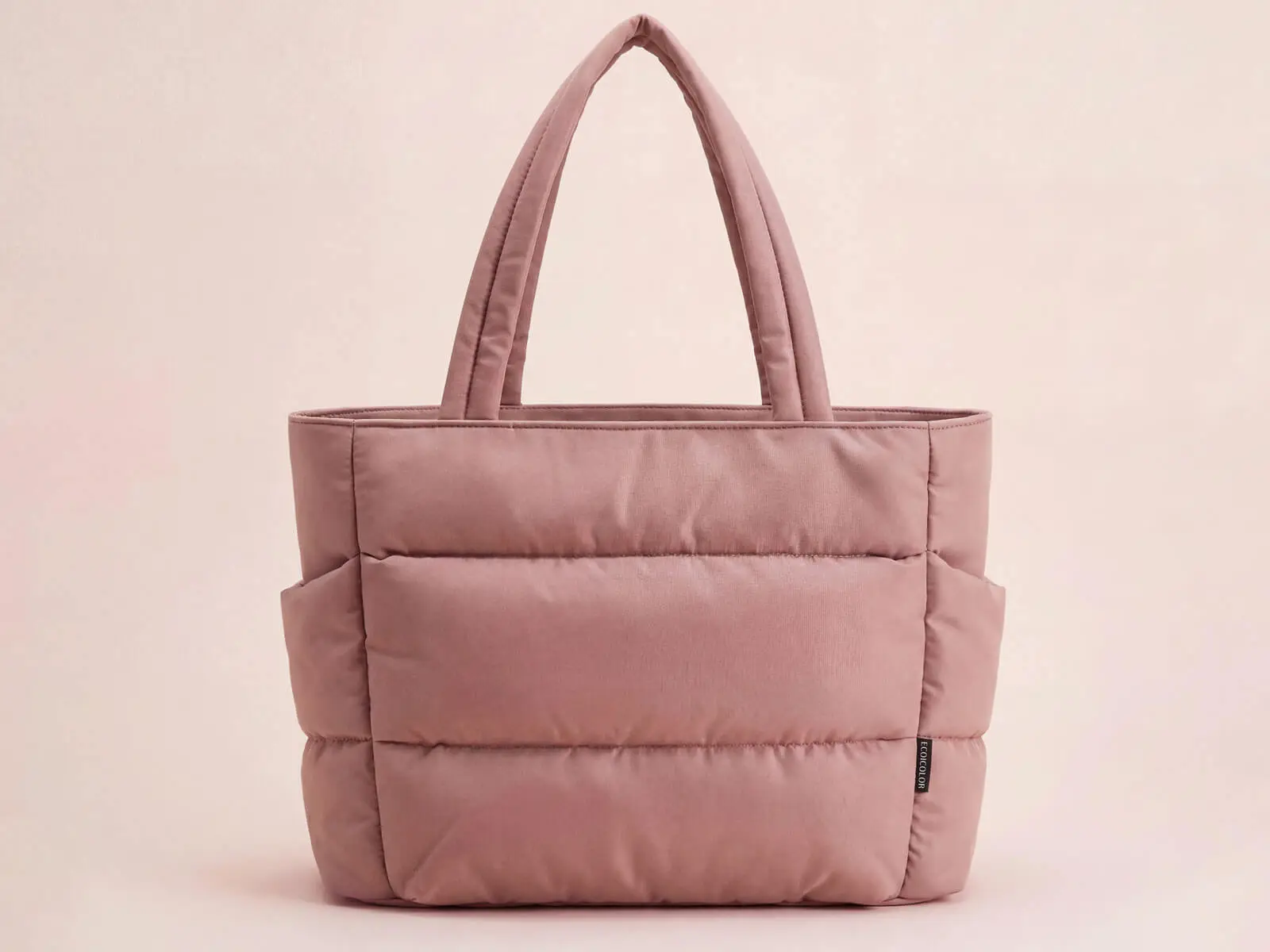
rPET Recycled Private Label Route
Lightweight retail or campaign-linked private label projects with smoother print surfaces.
Less suitable when heavy load, natural handfeel or structured premium shape is the main priority.
Recycled-content document scope, print process, handfeel and packaging claim should be reviewed.
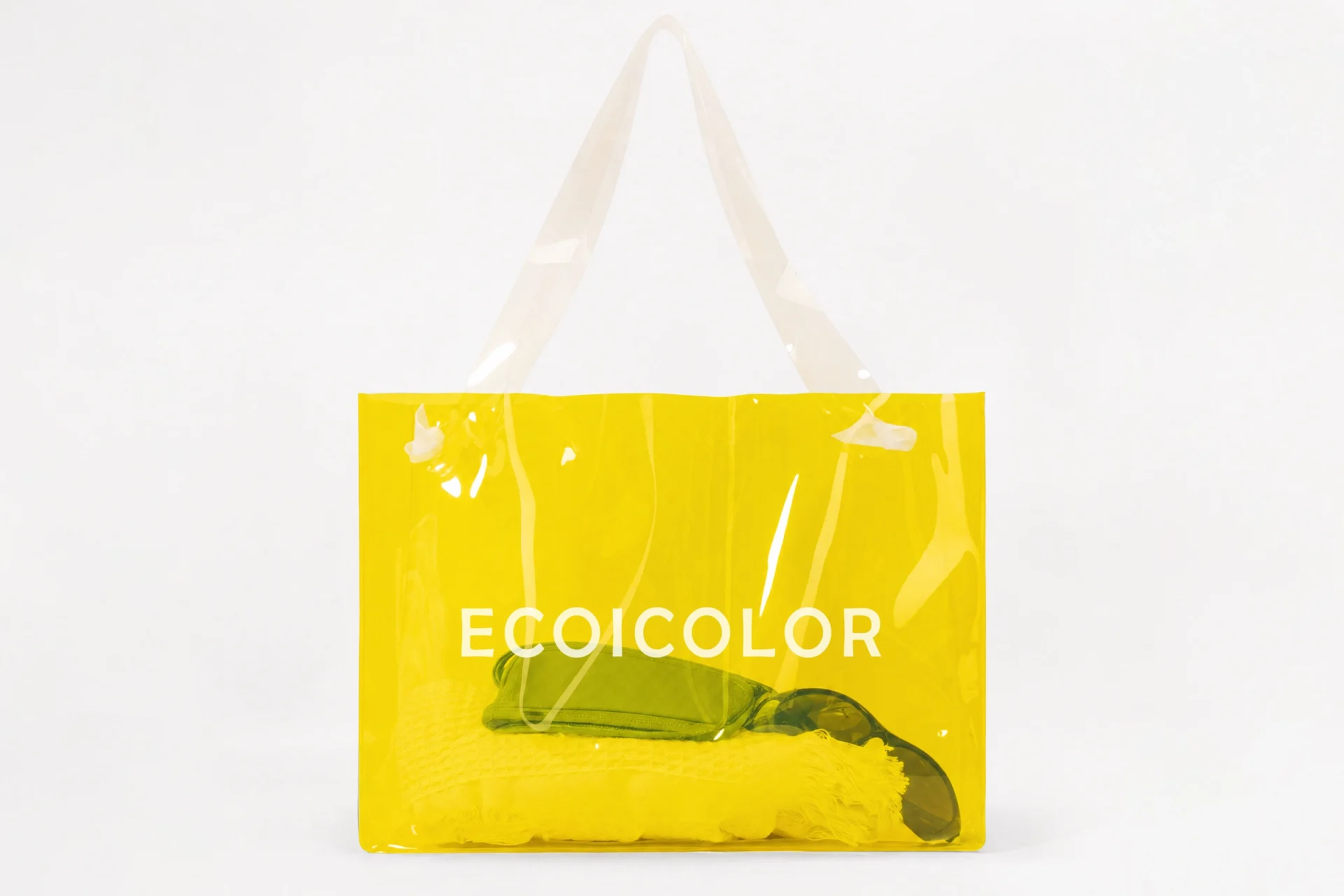
Specialty Private Label Tote Route
Quilted, textured, seasonal or design-led programs that need stronger sample review.
Less suitable when the buyer wants a standard everyday tote with minimal sampling discussion.
Confirm label versions, barcode, hangtag, individual packing and carton mark requirements.
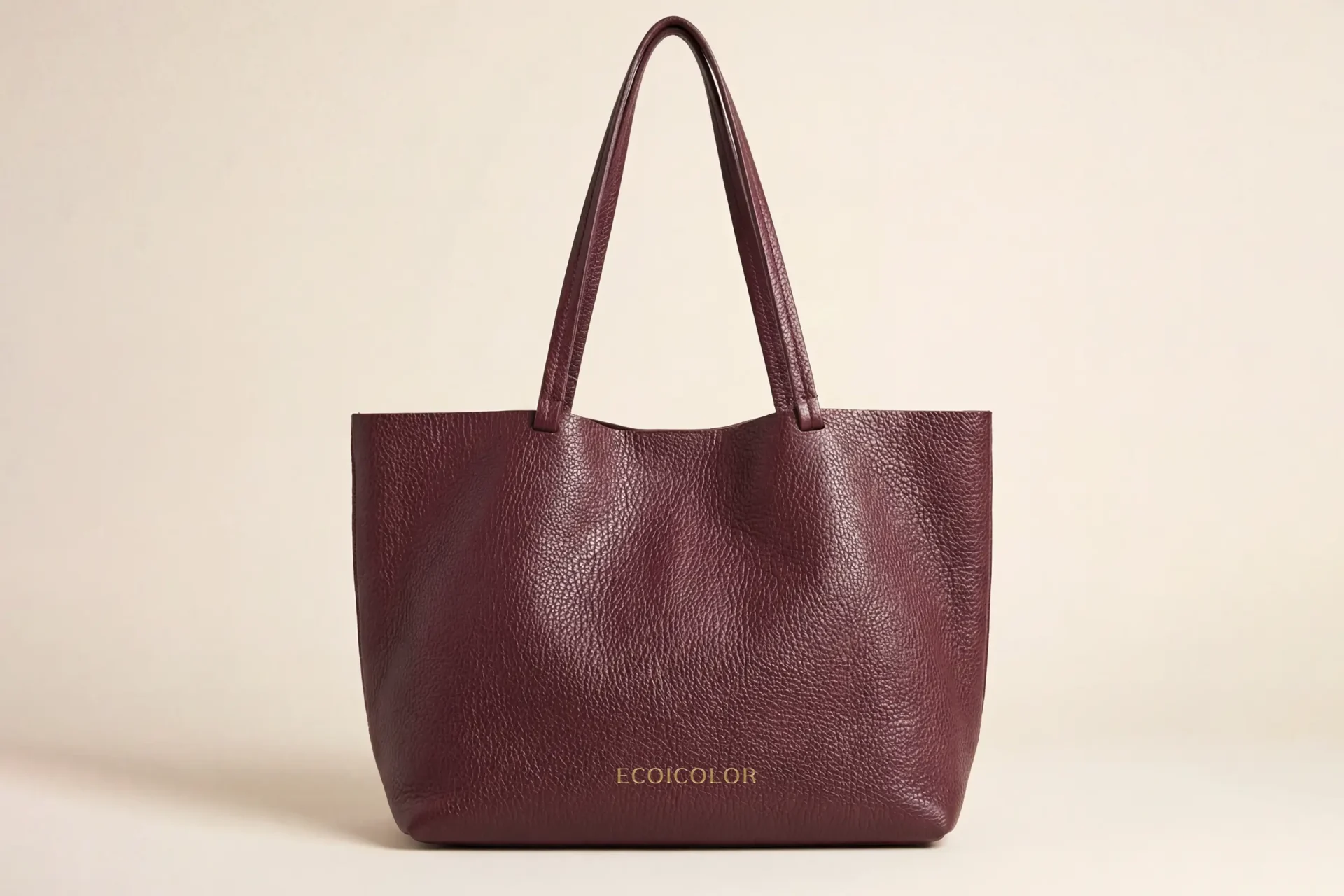
Vegan-Look Private Label Tote Route
Premium fashion-oriented tote projects, structured merch and trim details.
Less suitable when natural fiber texture or soft foldability is the main product story.
Compare canvas, jute, organic cotton, recycled cotton, rPET, specialty and vegan-look routes before sampling.
Send a project brief for this route
Send quantity, target market, launch window, material route, logo or artwork, packaging needs and any document wording you expect to use. We will review MOQ 500+ feasibility, sample timing, logo method, packaging route and document scope before quoting.
Request a MOQ 500+ project reviewWhy does this private label hub exist instead of one long page?
Several private label tote needs overlap in wording, but they do not overlap in retail logic. Keeping routes separate helps buyers compare material, SKU, label, barcode, packaging and repeat-order decisions without turning one page into a confusing product catalog.
Retail logic differs, even when tote shape sounds the same
A canvas retail tote, a jute gift shop tote and a vegan-look fashion tote may all be private label products, yet each has different material behavior, logo limits, packaging needs and document wording. Treating them as one generic bag forces buyers to filter out details that do not apply to their product route.
Shared retail details, different route risks
Most private label totes need logos, labels and packaging, but the route risk changes by material, SKU count, barcode list, retail channel and repeat-order expectation. A recycled cotton route may be about claim wording, while a vegan-look route may be about edge finish and crease behavior.
Numbers to orient your planning -- not to replace it
Minimum Order Quantity
Suitable custom projects across this cluster generally start from 500+ units per style. Exact thresholds vary by material route and are confirmed on each child page.
Production Planning Window
Sample and bulk timing are confirmed separately after the selected material, artwork, quantity, packing and approval requirements are reviewed.
Exact timing should be confirmed on the child page route, not assumed from the hub.
How this hub and its route pages divide the work
The hub orients; each route page guides the buying decision for its specific private label material or product route.
-
Shows the full landscape of private label tote use cases in one place so buyers can orient quickly.
-
Explains why material and retail routes are kept separate before buyers click through.
-
Provides top-level MOQ, SKU and lead time context so buyers arrive with calibrated expectations.
-
Preserves product-depth logic without duplicating every material, logo, barcode and packaging detail downstream.
-
Addresses one private label route in full -- its material behavior, typical buyer and production variables.
-
Carries detailed material, logo, label, barcode and packaging scope relevant to that route only.
-
Confirms route-specific MOQ, sample scope and production timeline so buyers can plan against the right assumptions.
-
Contains the enquiry path so SKU, barcode, label, packaging and document requirements stay connected to the right private label brief.
What details need confirmation before sampling?
Private label tote sampling should confirm the whole product route, not only the bag body. The RFQ should include use case, quantity, style count, colorways, material direction, artwork, labels, barcode, packaging, document requirements and delivery window. For a separate brief path, review the MOQ 500 custom tote bag RFQ brief checklist; for pack-out details, review Retail-Ready Tote Bag Packaging and Label Guide.
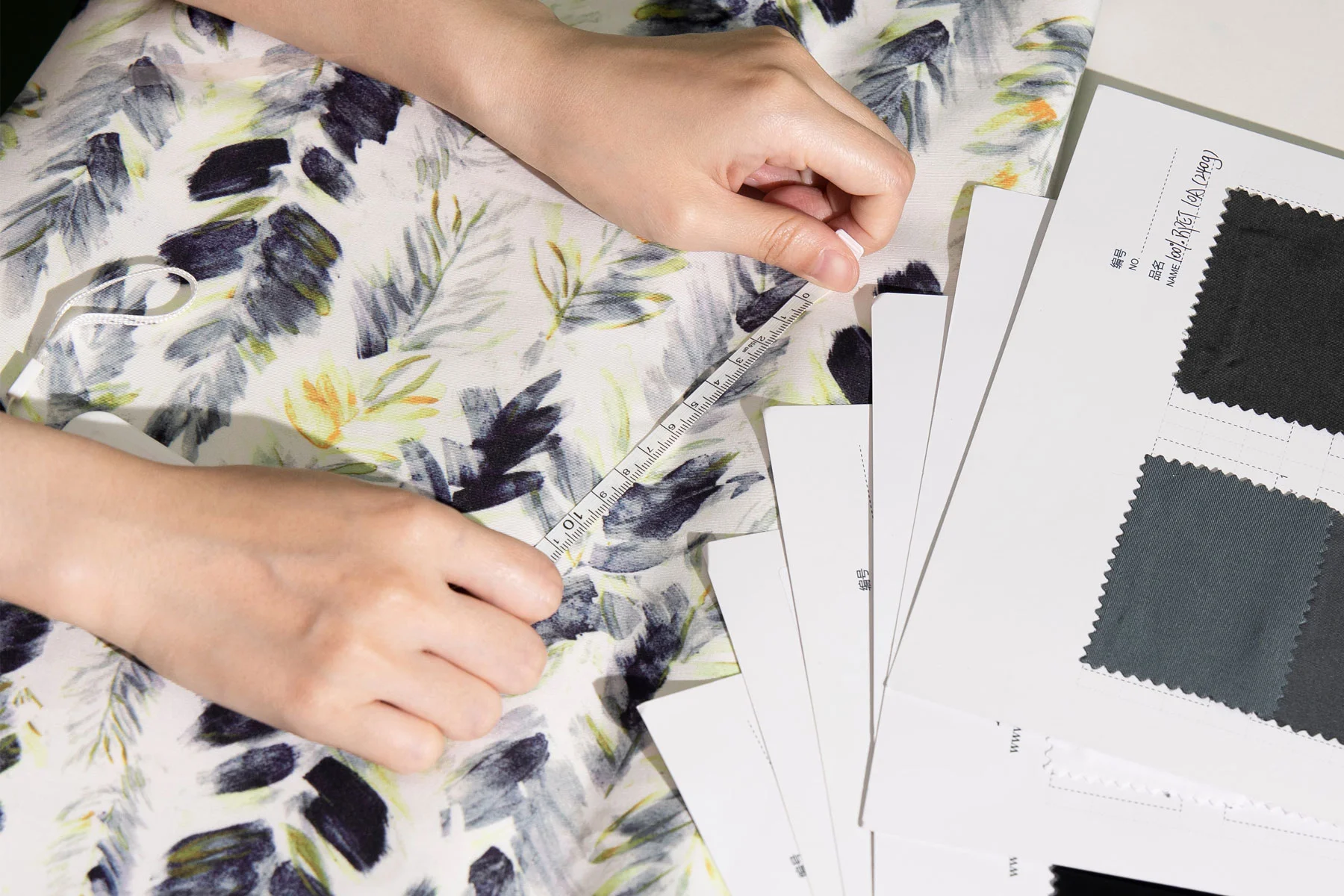
Quantity, style count, colorways, target use, destination, material preference, size, artwork, logo process, label versions, barcode files, packaging, carton labels, sample fee expectations and document requirements.
Retail buyers should send SKU maps, barcode lists, hangtag copy, care label wording, individual packaging, carton marks and repeat-order expectations. DTC buyers should also send fulfillment constraints and pack-out photos.
Best fit and less suitable fit
This hub helps brand buyers choose the right private label tote route before sending an RFQ, while filtering out requests that are not ready for SKU, barcode, label, packaging, document-scope or sampling review.
Best fit
Ecoicolortote is a strong fit for retail, DTC, beauty, wellness, lifestyle, museum, corporate merch and boutique brand buyers who need MOQ 500+1, private label tote development, sample review, logo process planning, SKU control, labels, barcode, packaging coordination, document-scope discussion and factory-side production support from Dongguan, Guangdong, China5.
The hub works best when the buyer knows the commercial channel but needs help choosing the correct private label route before going deep into material, logo, label, packaging or delivery decisions.
It also fits teams comparing several retail product routes at once, such as canvas versus recycled cotton, organic cotton versus jute, or vegan-look tote versus specialty textured route.
Less suitable fit
Blank stock bag requests, one-off personal gifts, below-MOQ rush orders, unsupported certification claims, unclear artwork ownership or projects that cannot define SKU count, label needs or use case are less suitable.
Buyers who only need a price-only quote without sample review6, label planning, barcode planning, packaging scope or delivery timing should simplify the brief before requesting a private label tote quote.
These projects should first clarify use case, quantity range, style count, target date, artwork ownership, packaging scope and claim wording before requesting factory sampling or route review.
Start from the correct private label route
Send the project use case, quantity, target date, contents, artwork, material preference, packaging needs, destination and any document wording requirements. Ecoicolortote can review whether the project belongs under GWP, wellness and beauty, seasonal, luxury, event, hotel or private label totes before sampling.
For conferences, trade shows, sponsor kits and venue-delivery programs where the event date and pack-out control the brief, use Conference & Event Tote Bags.
Talk to Zoe Yu About Your Tote Bag Project

Talk to Zoe Yu
B2B Sales Manager · Ecoicolortote
Zoe helps brand buyers turn a rough tote idea into a workable factory brief -- covering material direction, logo process, packaging details, and sample planning.
Send Your Project BriefChecks quantity, use case, size, logo file, packaging and launch timing before quoting.
Aligns material, logo process, color reference and approval notes before bulk production.
Keeps hangtags, labels, barcode files, carton marks and retail packing details organized.
Connects buyer requirements with factory sampling, QC, packing and shipment updates.

Real retail route
Controlling cost without losing the private-label look
A Morocco-based retail brand planned one khaki PP woven straw tote SKU in W38 × H35 × D14.5 cm with an embroidered logo. The original fully handwoven route was too costly, so the construction was changed to cut panels and sewn seams using a similar PP woven straw material. The sample was approved and the 500-piece first order was confirmed.
PP woven straw is a synthetic material route. This project is presented for construction, sampling and retail-cost planning, not as a biodegradable, compostable or natural-fiber claim.
Review the 500-piece PP woven straw retail case →Guides for a Quote-Ready Private Label Program
Use these guides when the route, MOQ structure, supplier scope, SKU system or sample approval still needs confirmation.
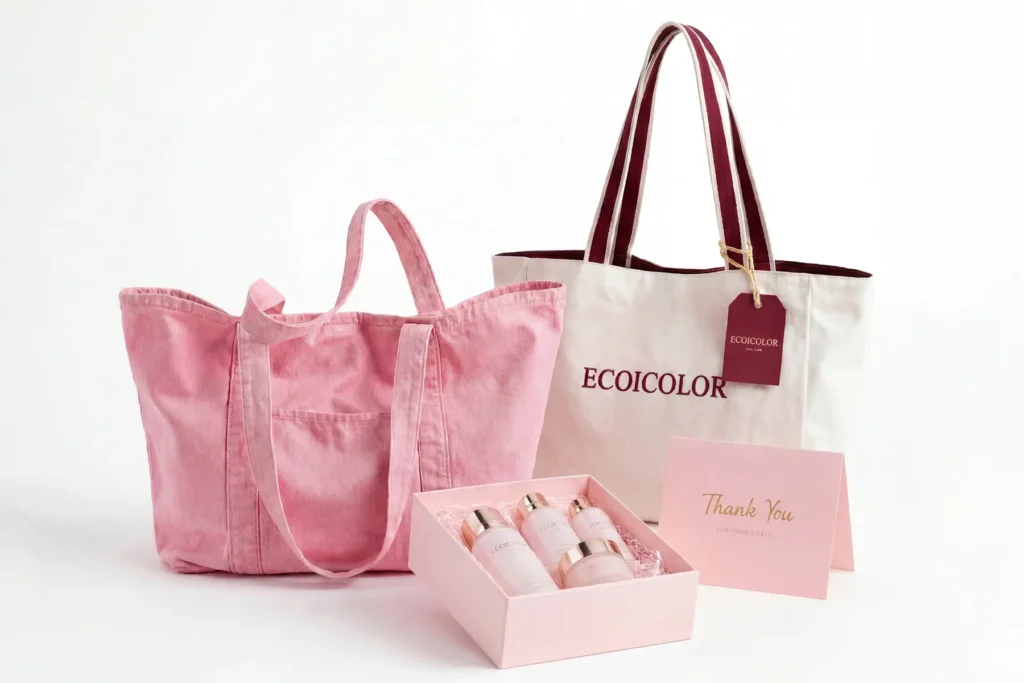
White Label Tote Bags vs Private Label Tote Bags
White label vs private label tote bag guide for B2B buyers comparing MOQ 500+, stock material flexibility, SKU control, packaging,…
Private Label Tote Bag Supplier Contract RFQ Checklist
Private label tote bag supplier RFQ checklist for brand buyers reviewing MOQ 500+, SKU files, packing, labels, sample approval, delivery…
Private Label Tote Bag SKU and Inventory Code Brief
A private label tote bag buyer guide for SKU maps, inventory codes, barcodes, labels, packaging, MOQ 500+ and reorder consistency.
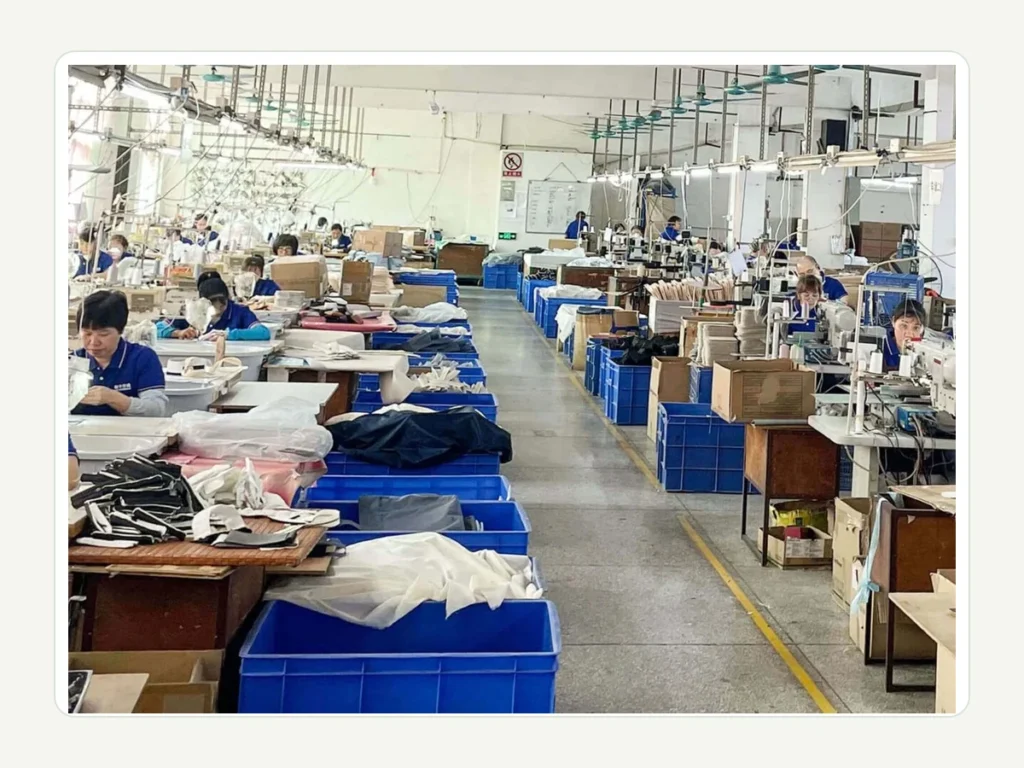
Pre-Production Sample Approval Checklist for Custom Tote Bags
Pre-production sample approval checklist for custom tote bag buyers. Check size, capacity, color, logo, carry comfort, packaging and final sign-off…
Custom Tote Bag Reorder Match Checklist: Signed Sample, Bulk Sample and Color Options
Match a custom tote reorder using the signed approval sample, retained bulk sample, order records and A/B/C/D stock shade options…
FAQ: Private label tote bags
Everything buyers need to know before planning a private label tote route
Q1: What is the MOQ for private label tote bags?
MOQ starts from 500+ pcs per style for suitable projects. Final MOQ depends on material, colorways, logo process, label versions, packaging scope and supplier availability. Buyers should send style count, SKU plan and target delivery market before sampling.
Q2: Can private label tote bags include retail packaging?
Yes. Hangtags, barcode stickers, paper cards, care labels, composition labels, country-of-origin labels, individual packaging and carton marks can be discussed based on the retail or DTC channel. Send label artwork and barcode rules before sampling.
Q3: Can you support recycled or organic material routes?
Recycled, organic and other material routes may be available depending on material source, supplier chain and order scope. GRS, RCS, GOTS, OEKO-TEX, FSC, BSCI, Sedex or ISO 9001 requests need component and document-scope confirmation before claim wording is used.
Q4: Do I need a physical sample for private label tote bag projects?
For private label projects, physical sample approval is strongly recommended because photos may not show handfeel, size, color, structure, packaging and retail presentation accurately. Sample fees depend on material, logo process and customization complexity.
Q5: Can one private label tote project include several SKUs?
Yes, but SKU count affects MOQ split, label versions, barcode list, packaging, carton marks and repeat order control. Send the SKU list early if multiple versions, colorways or retail destinations are planned.
Q6: How long do private label tote bag projects take?
Sample timing is confirmed after the material route, construction, artwork, logo process, packaging and document scope are reviewed. Bulk production timing is confirmed after sample approval, quantity, version count, capacity, packing and delivery requirements are frozen.
Q7: How are sample fees handled?
Sample fees depend on material, logo process, label version, packaging sample and customization complexity. The final sample fee structure is shared in the RFQ reply before sampling starts. If the project moves into qualified bulk production, agreed sample fee treatment should be confirmed in the quote record.
Q8: What should we send for an RFQ?
Send quantity, style count, colorways, material preference, size, logo artwork, label and packaging needs, document requirements, target delivery market, launch date and budget direction if available. If the tote will be sold as a retail SKU, include barcode rules, carton mark requirements and repeat-order expectations.
Planning notes
- MOQ note: MOQ 500+ refers to suitable private label B2B projects per style. Final feasibility depends on material route, colorways, SKU count, logo process, label versions, packaging scope and delivery requirements.
- Lead time note: Lead time should be reviewed by project after sample scope, material availability, logo process, label proofing, packaging needs, quantity and delivery window are confirmed.
- GRS note: GRS and RCS references are document-scope prompts for selected recycled material routes, not automatic product claims for every private label tote project.
- OEKO-TEX note: OEKO-TEX scope should be confirmed according to selected fabric, supplier chain, destination market and buyer requirement before sampling or claim wording.
- Dongguan note: Dongguan, Guangdong, China is referenced as the factory-side sourcing and production coordination base for Ecoicolortote projects.
- Sampling note: Sample review should confirm handfeel, size, color, logo scale, label position, barcode placement, packaging, document scope and approval timing before bulk production planning.
Trademark notice: All third-party trademarks, certification names, event references, retailer references and product-category references mentioned remain the property of their respective owners. References are included for industry context, buyer education and sourcing-risk discussion only. Ecoicolortote does not claim endorsement, partnership, certification coverage, retailer approval, event approval or product approval unless confirmed in the specific project documentation, quote record and order file clearly.
Ready to Start Your Custom Tote Bag Order?
What happens after your brief:
Material recommendation based on your use case | Estimated pricing for your target quantity | Sample timing and production route review
No commitment required. No spam. Just a detailed, honest proposal.