
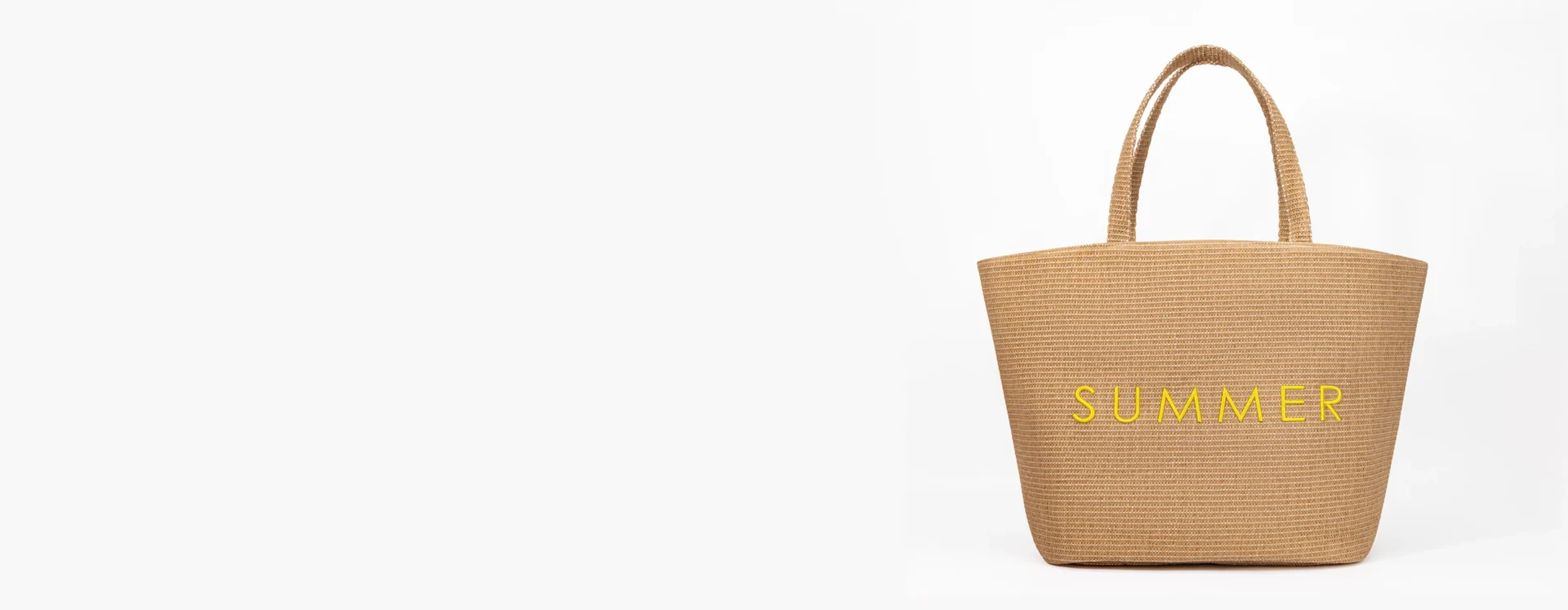
Custom embroidered tote bags for brand projects.
Plan embroidered tote bags around logo file simplification, fabric support, stitch density, thread color, sample approval, packaging and delivery timing before bulk production. MOQ usually starts from 500+ pcs per style for suitable embroidered tote projects.
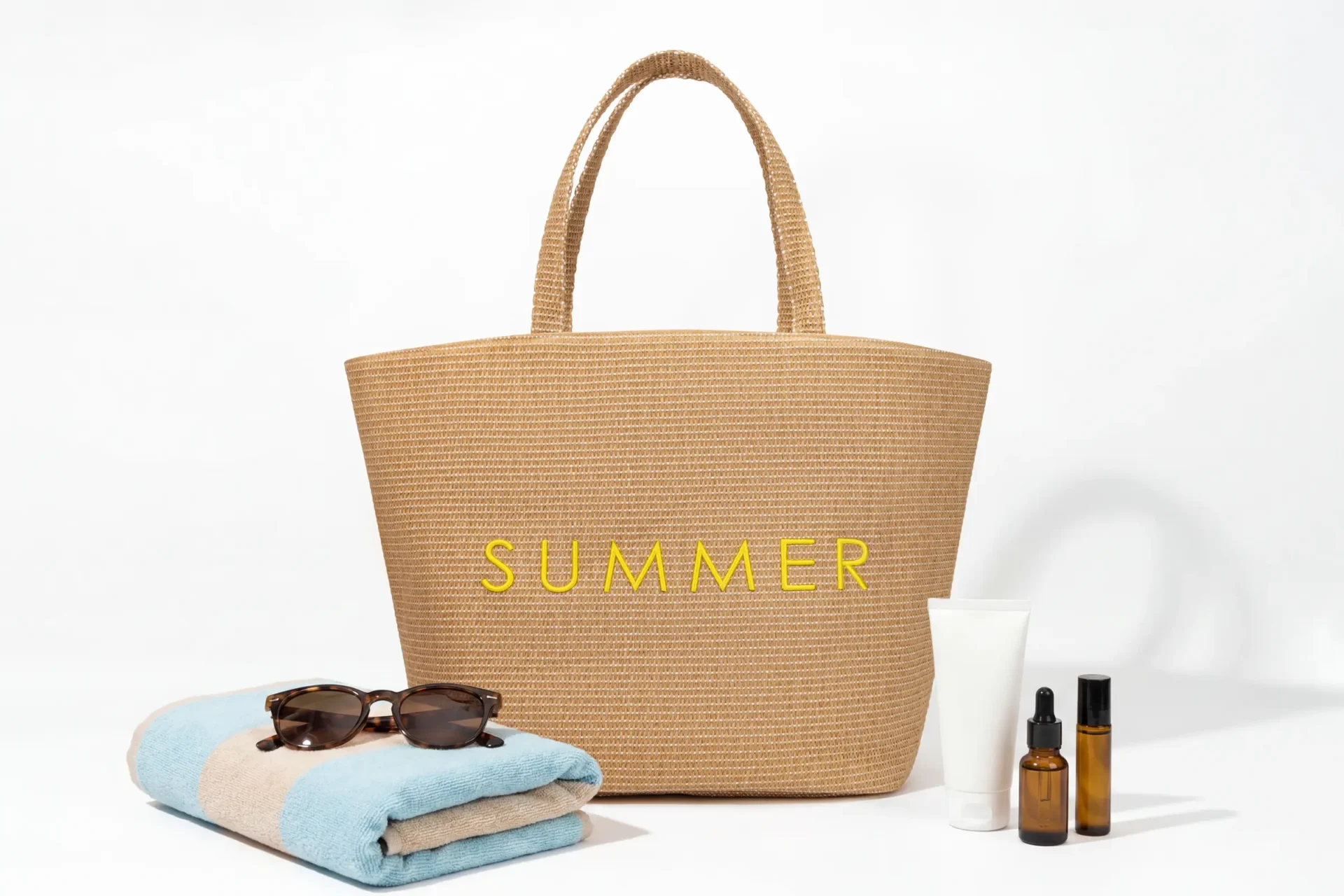
Custom embroidered tote bags work best when a brand needs a premium logo feel, durable thread detail and a slower, sample-first approval route. Ecoicolortote reviews fabric support, stitch density, thread color, placement, MOQ 500+ feasibility, sample fees, retail packaging and delivery timing before bulk production. Use this route when embroidery quality and logo restraint matter more than the fastest or lowest-cost logo method.
Who is this embroidered totes route for?
This route is for retail, hospitality, corporate gifting, beauty, museum shop and lifestyle buyers that want logo embroidery to feel more refined than a simple print. It is useful when the tote will be kept, photographed, gifted or sold with a product set, and when the buyer can approve a physical sample before bulk production.
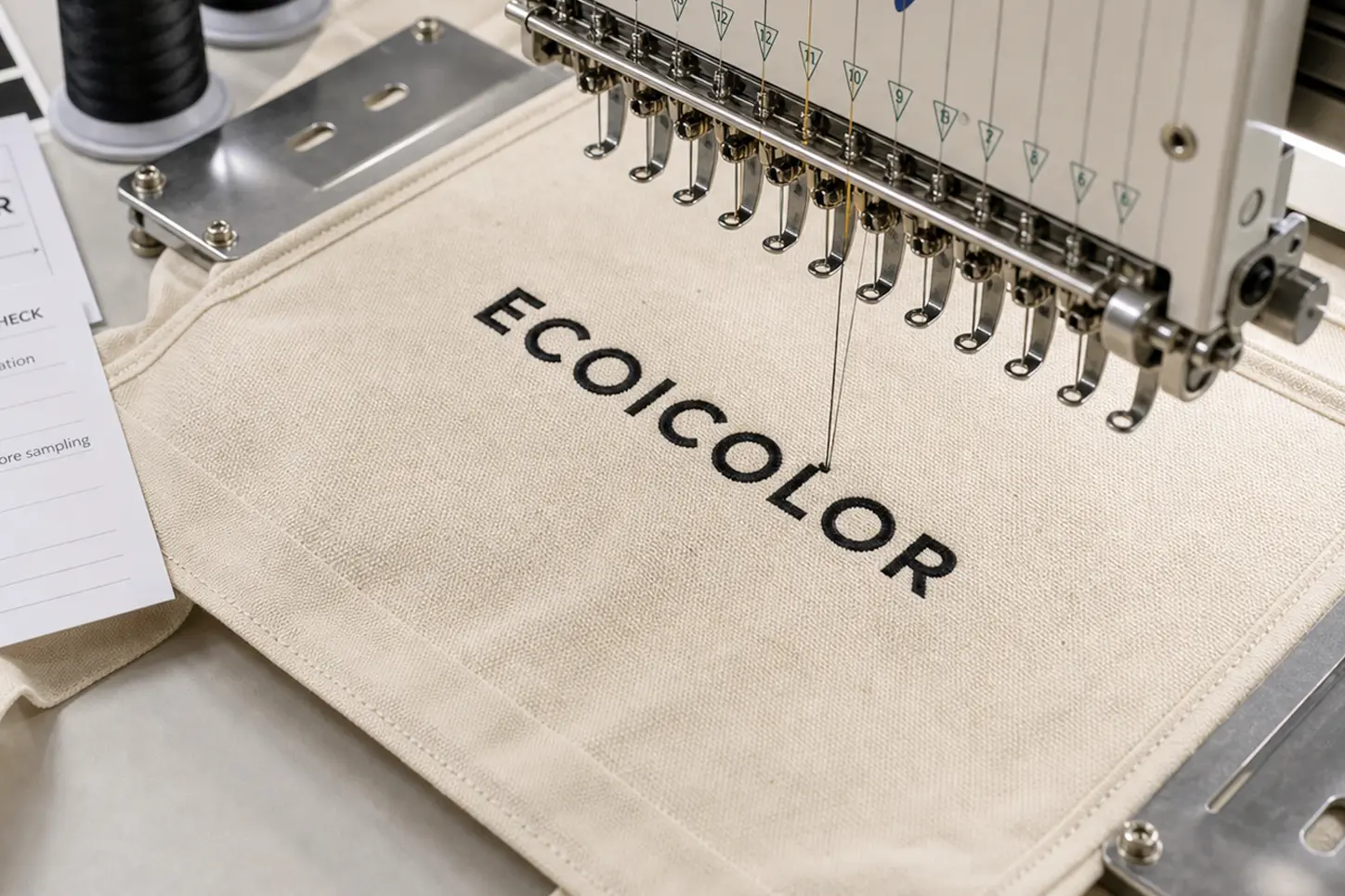
Premium thread detail
Review logo simplification, thread color, stitch direction and target logo size before sampling.
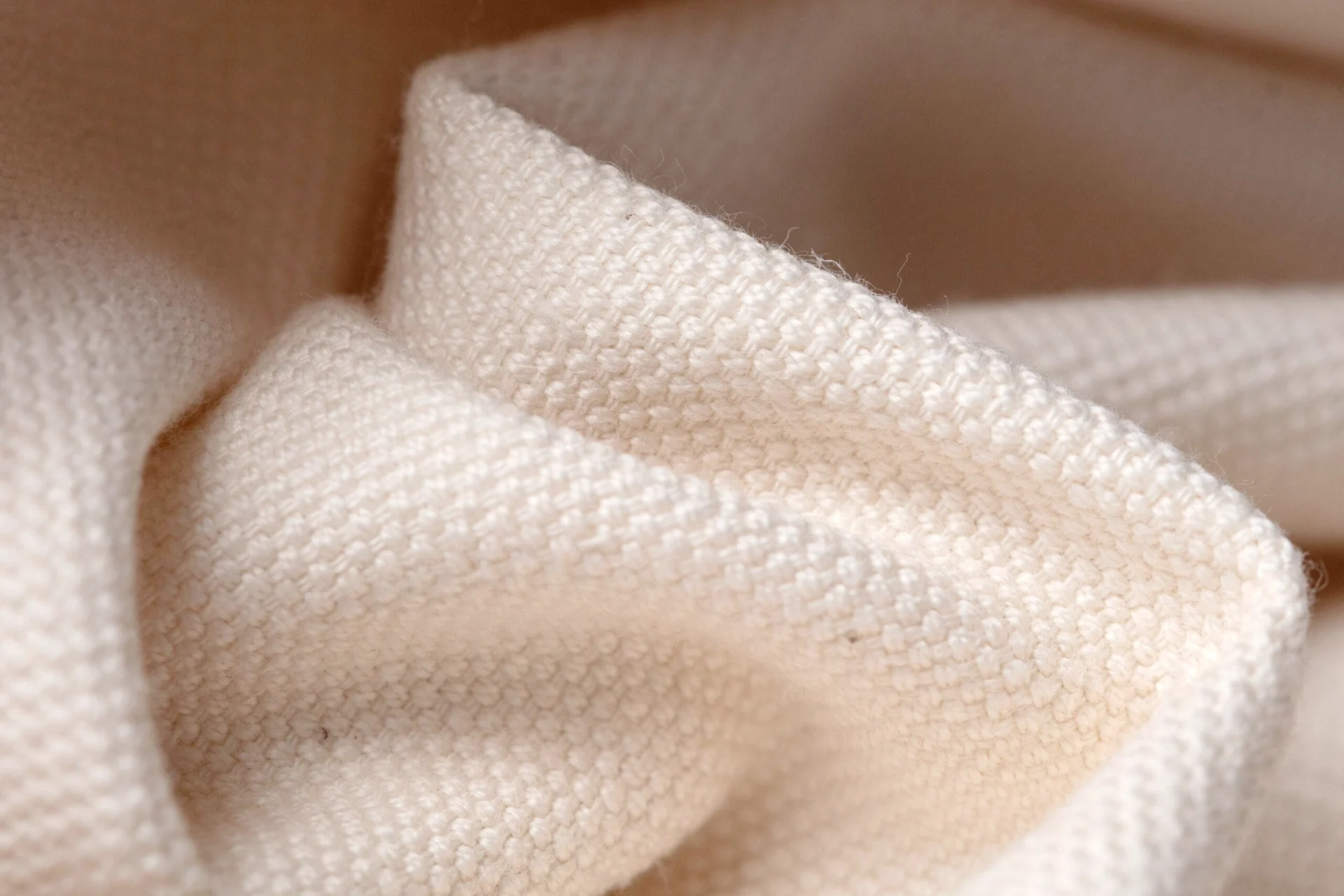
Fabric support
Check whether canvas, recycled cotton, twill or heavier fabric can hold stitch density without distortion.
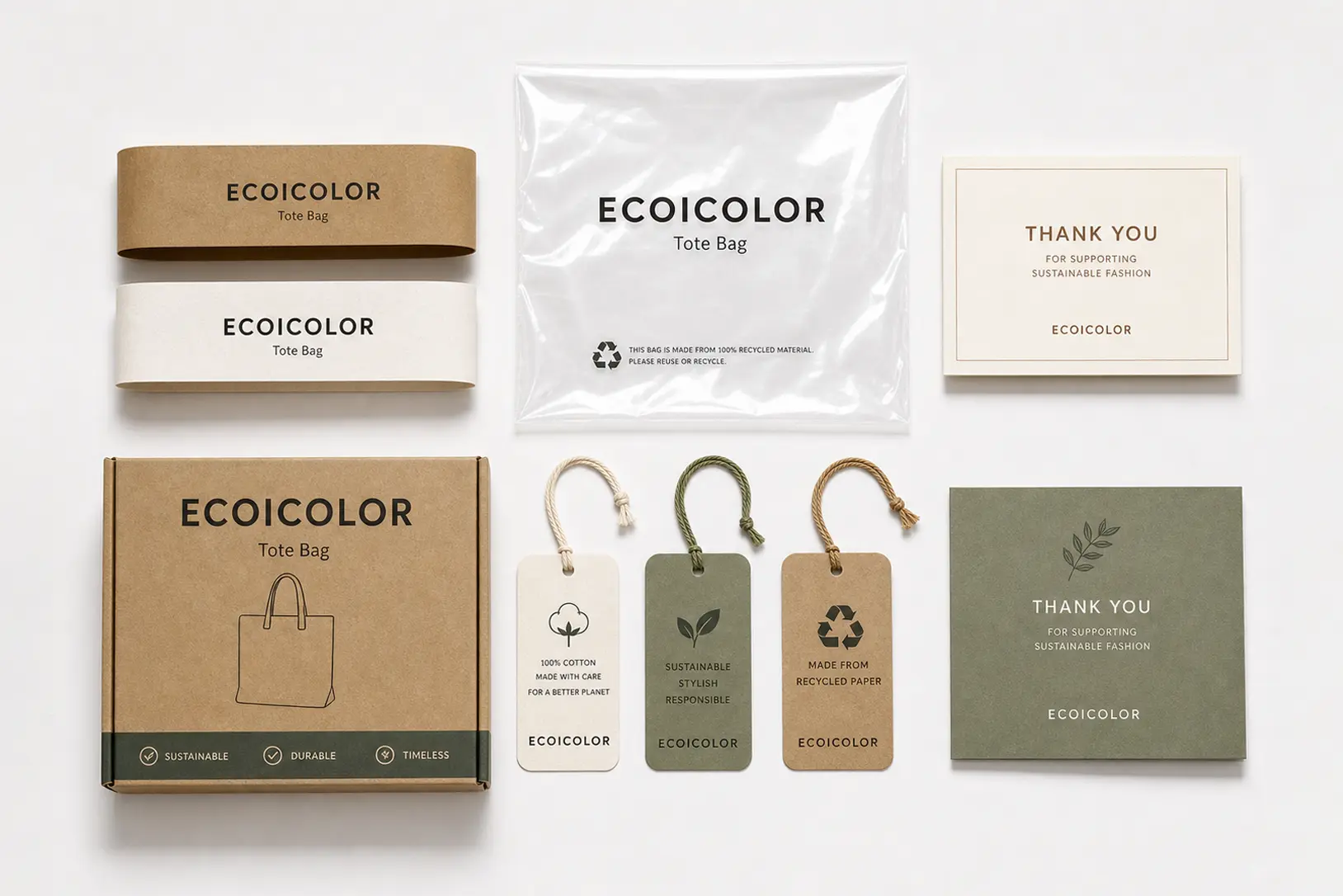
Packaging alignment
Confirm hangtags, care labels, barcode stickers, sleeves and carton marks with the embroidered sample.
| Buyer question | What to confirm | Why it matters |
|---|---|---|
| Can the logo be embroidered clearly? | Vector file, line thickness, logo width, color count and simplified artwork version. | Very fine text, gradients and photographic detail may lose clarity in thread. |
| Will the fabric support the stitch? | Fabric weight, weave stability, backing, stitch density and logo placement. | Thin or unstable fabric can pucker, distort or make logo edges uneven. |
| Does embroidery fit the brand tone? | Thread color, tone-on-tone option, placement, logo scale and final presentation. | Embroidery can feel premium, but oversized or high-contrast marks may look too promotional. |
| Will packaging affect approval? | Fold direction, label position, hangtag, sleeve, barcode and carton packing. | The approved sample should show how the embroidered tote will actually be delivered. |
What embroidery details can be reviewed before sampling?
Embroidery should be selected after checking artwork detail, fabric support, stitch density, thread tone, backing, placement and packaging. The approved sample should show the real thread behavior on the intended fabric, not only a digital mockup.
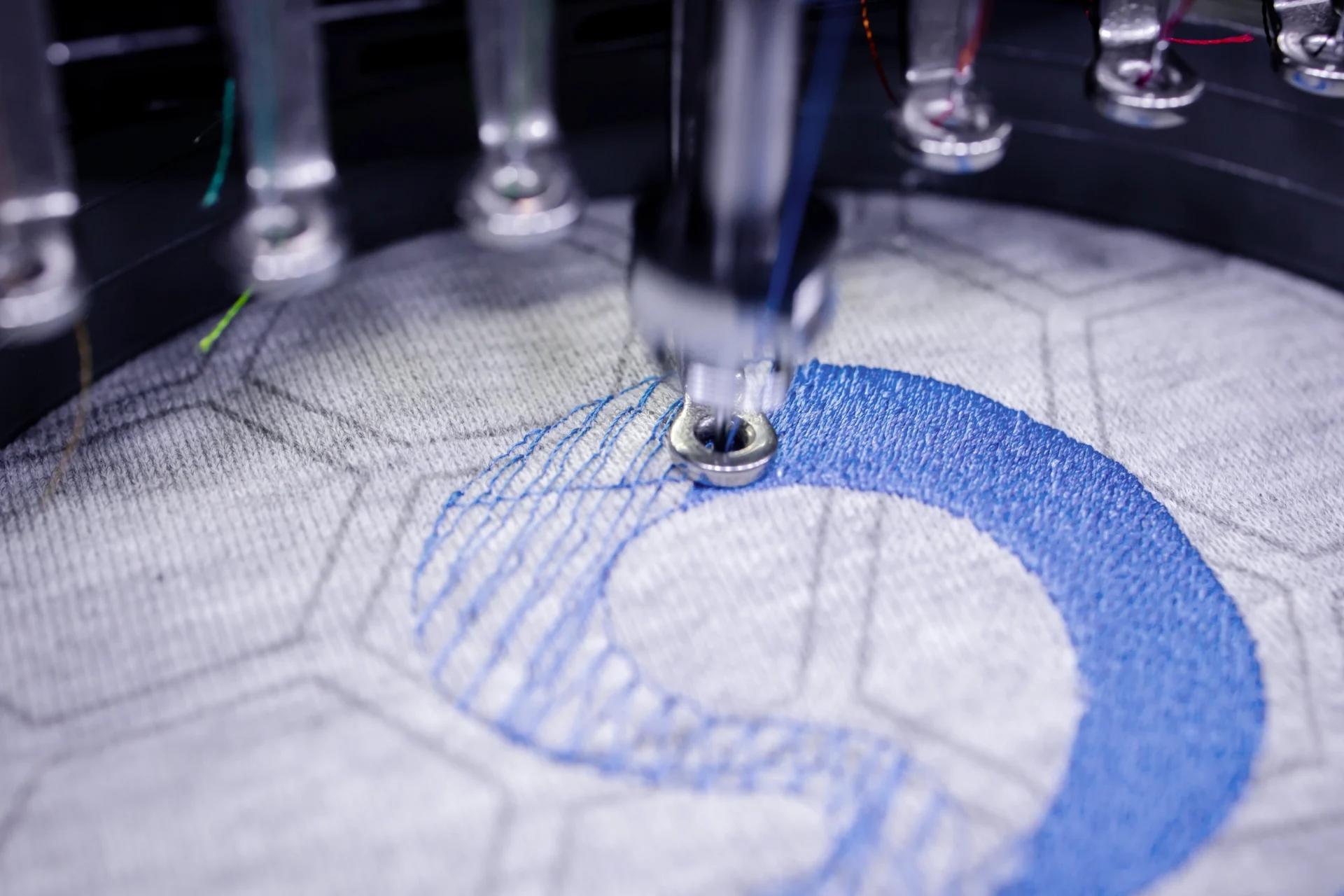
Flat embroidery
Works for clean logos, wordmarks, initials and badges where thread texture supports the brand tone.
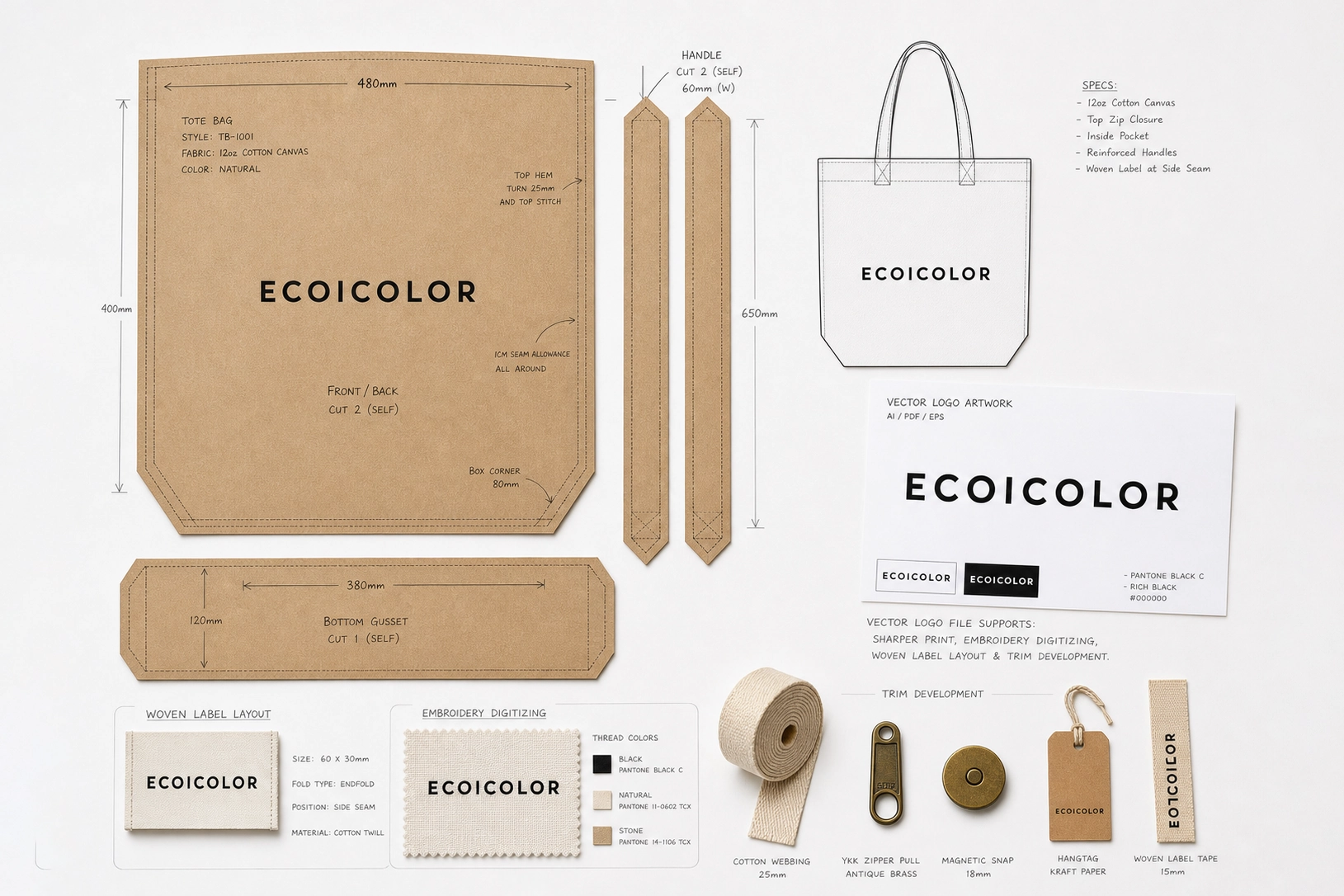
Artwork simplification
Fine lines, gradients, shadows and tiny text should be simplified or routed to print, patch or woven label.
Thread color
Thread tone should be compared with fabric color, brand reference, lighting and packaging before approval.
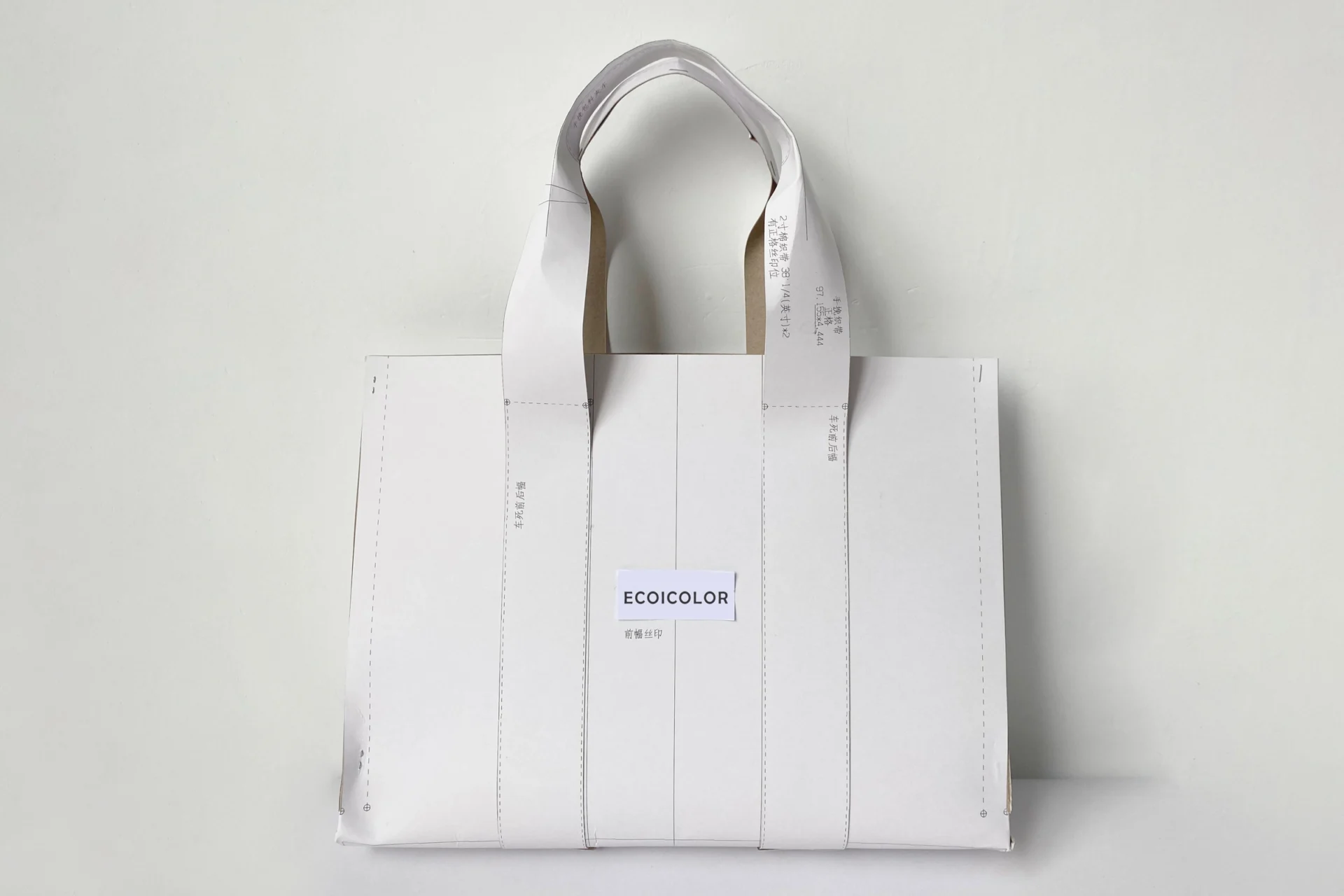
Placement review
Checks whether embroidery works with handle position, seam line, pocket, fold direction and final pack-out.

Woven label alternative
Useful when artwork is too detailed for embroidery but still needs a tactile retail-style brand mark.
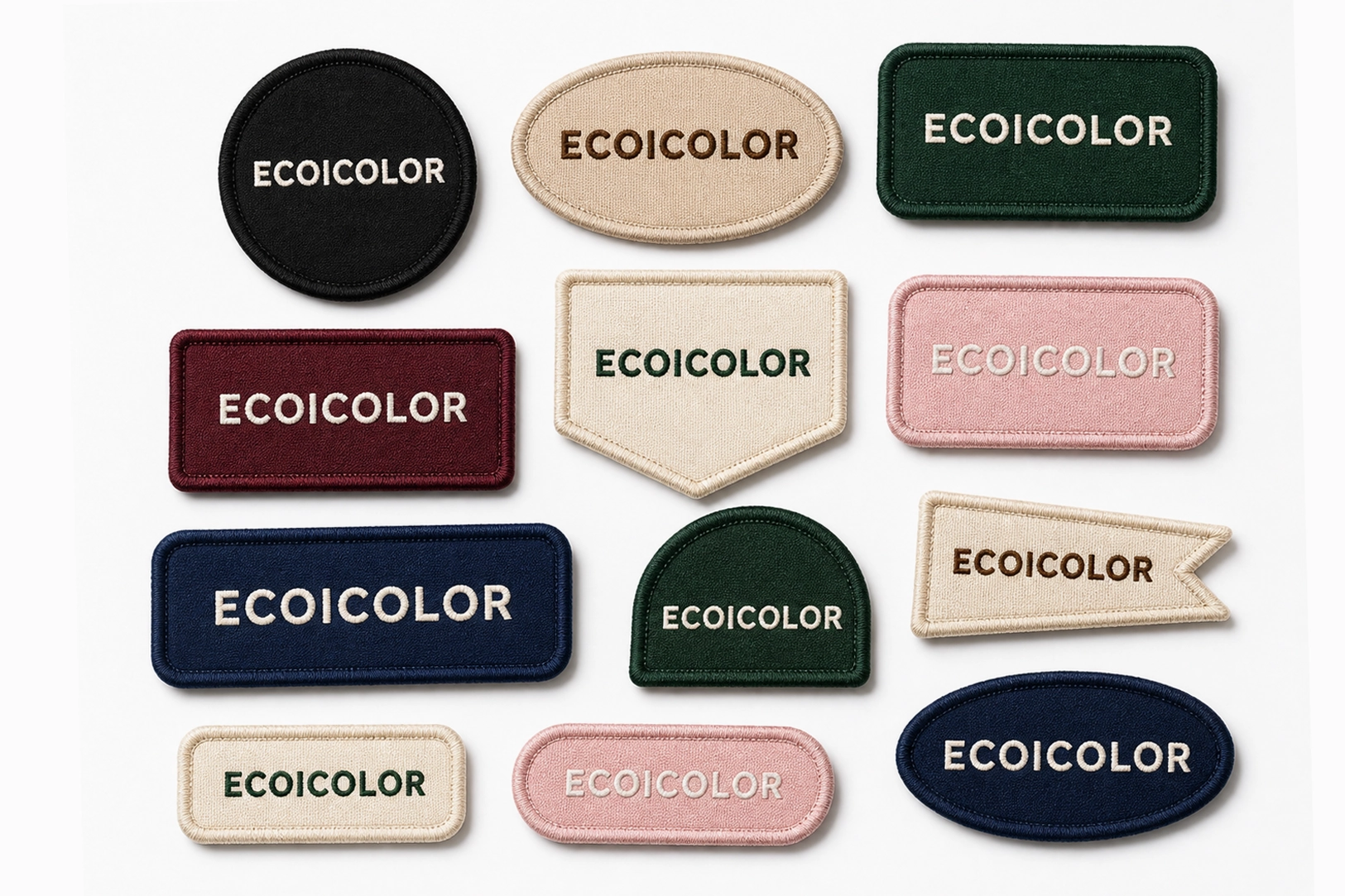
Patch or mixed route
Can combine embroidery with patches, labels or print when the project needs several logo treatments.
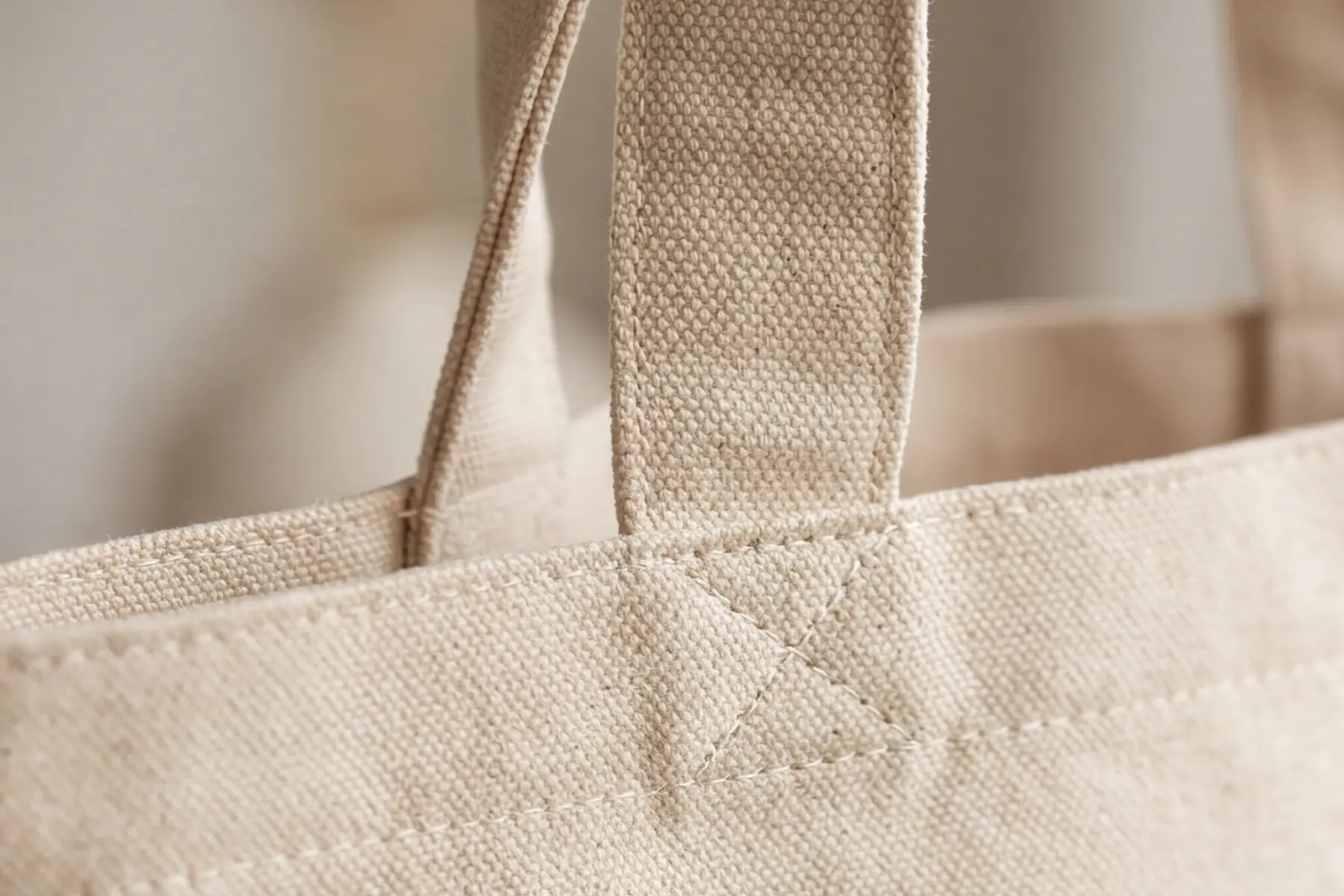
Backing and support
Backing, stitch direction and fabric stability should be reviewed to avoid puckering or uneven edges.
Packaging review
Hangtags, labels, sleeves and cartons should be checked so embroidery remains visible after folding.
How is this guide different from custom logo, foldable, zipper and large tote routes?
Use this route when embroidery itself is the main sourcing question: whether the artwork can be stitched cleanly, which fabric can support the logo, how thread color should be reviewed and how the approved sample should be judged.
| Buyer intent | Best route | Reason |
|---|---|---|
| Thread texture, stitch quality, fabric support and embroidery sample approval. | Embroidered Totes route. | The main decision is whether the logo can be stitched cleanly on the selected fabric. |
| Screen print, heat transfer, woven label or mixed logo method. | Custom Logo Totes. | The main decision is logo method comparison rather than embroidery alone. |
| Compact packing, pouch shape or giveaway volume. | Foldable Totes. | The main decision is folded size, pouch construction and pack-out efficiency. |
| Closure security, zipper opening and hardware feel. | Totes with Zipper. | The main decision is closure design, access and higher-perceived-value structure. |
What should buyers send for embroidery review?
Embroidery review is the fastest way to prevent a stitched logo from looking heavier, softer or less legible than the brand file. Buyers should send vector artwork when possible, thread or Pantone direction, target logo width, placement, fabric direction, quantity and any labels or packaging files that must align with the tote.
Vector logo file
Supports embroidery digitizing, stitch-count review, logo simplification and placement checks.
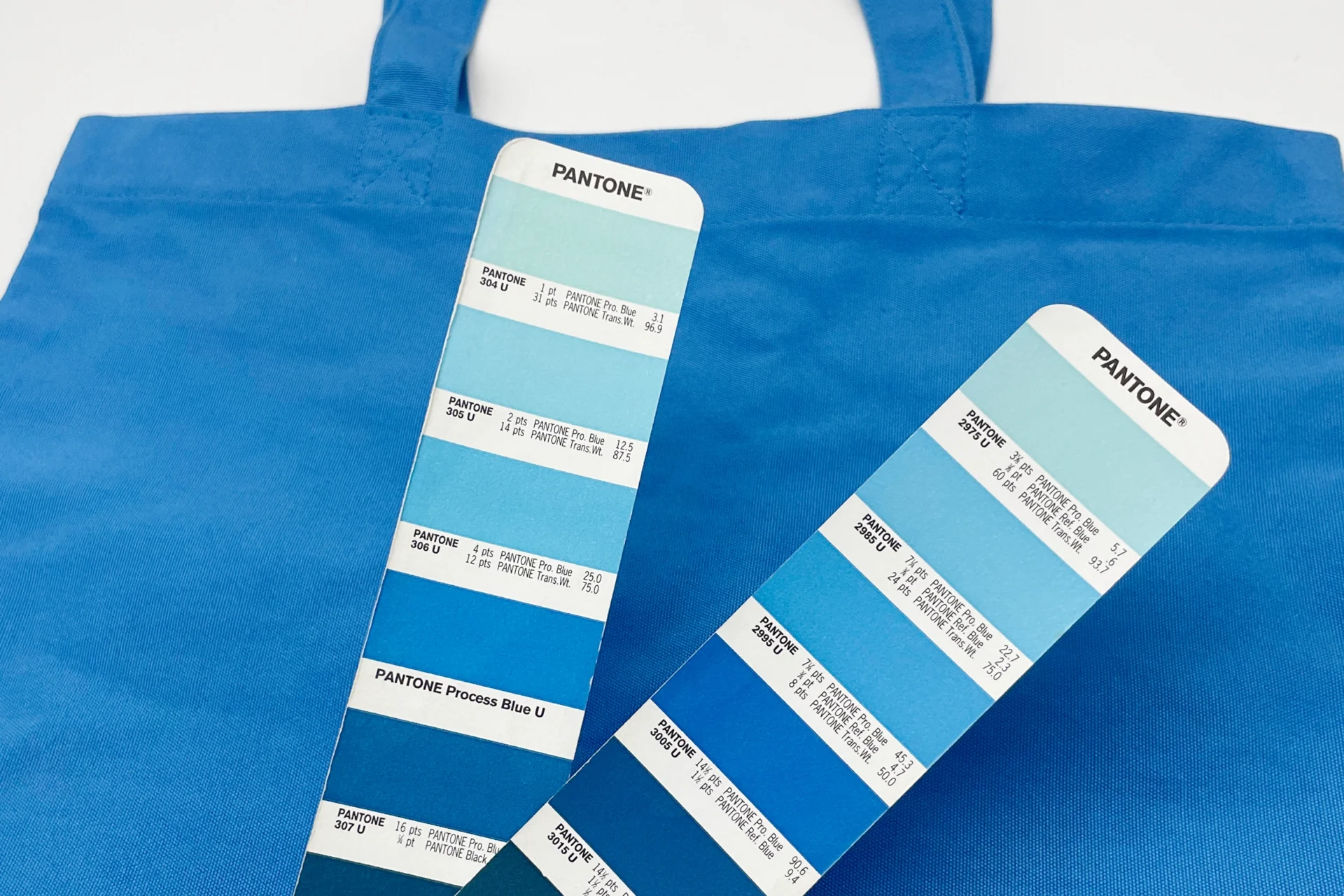
Thread color direction
Helps align embroidery tone with fabric shade, brand color, labels and packaging before approval.
Placement size
Prevents stitched logos from looking too heavy, too small or too close to seams, pockets or handles.
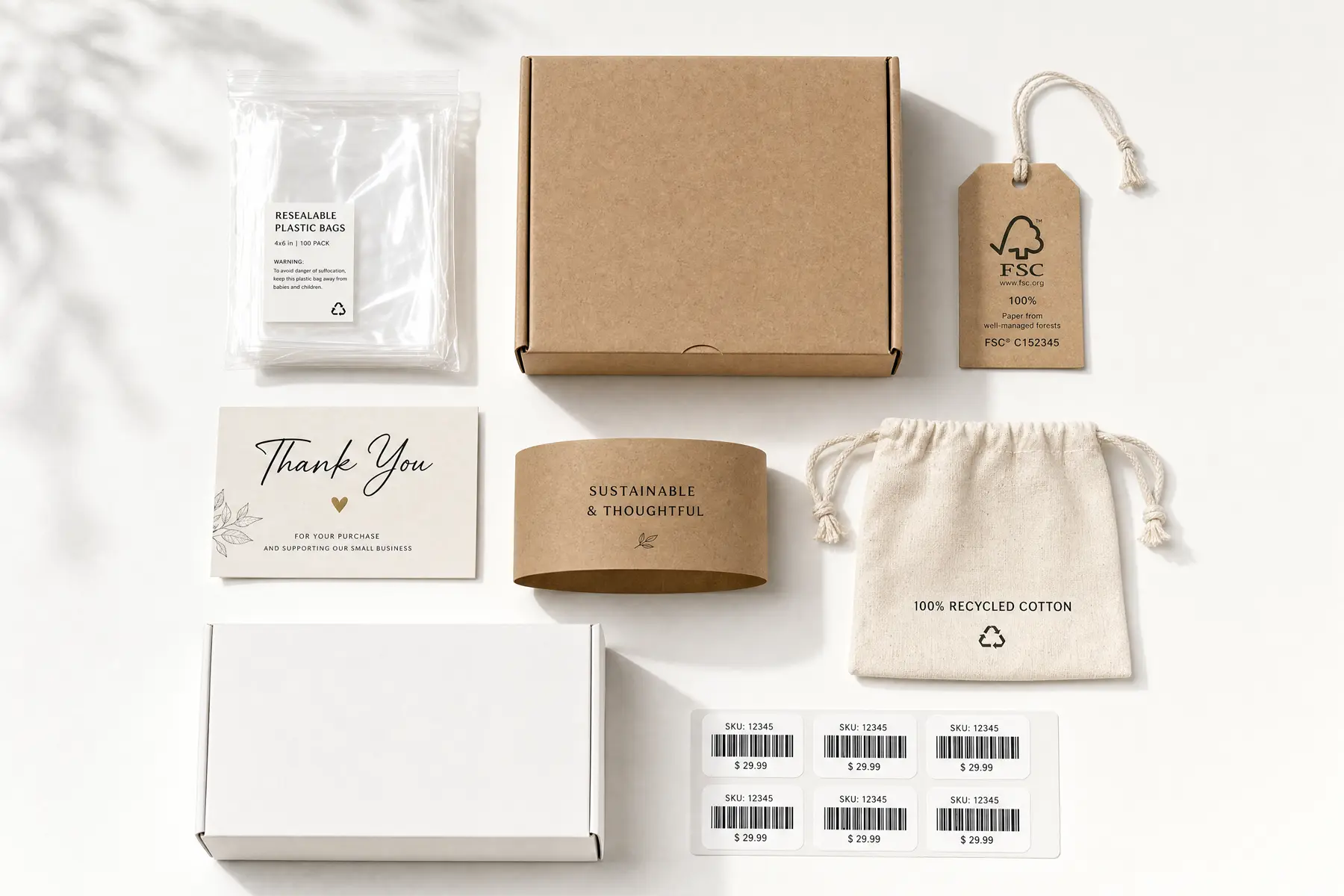
Packaging files
Connects embroidery approval with hangtag, care label, sleeve, barcode and carton marks.
What should buyers send before a quote?
To prepare an accurate quotation, please have the following details ready when you reach out to our team.
-
Quantity per style
How many units of each style or SKU you plan to order.
-
Logo vector file
Provide your logo in a vector format (AI, EPS, or SVG preferred).
-
Target logo size and placement
Specify the desired dimensions and exact position on the bag.
-
Fabric direction
Preferred material type, weight, or any specific fabric requirements.
-
Thread color direction
Pantone references or color swatches for stitching and embroidery threads.
-
Packaging needs
Polybag, hang tags, tissue paper, custom boxes -- let us know your requirements.
-
Delivery country and target date
Your destination and the deadline you need goods to arrive by.
Which material routes fit embroidered tote projects?
Material choice affects stitch density, backing control, logo edge clarity, handfeel, folding method and packaging. Cotton canvas, heavier recycled cotton, twill and structured fabrics usually support embroidery better than very thin or unstable materials.

Cotton canvas
Stable surface for embroidery, badges and premium brand marks when structure matters.
Explore Canvas
Recycled cotton
Soft textile feel for retail, wellness and GWP projects where fabric shade and thread tone need review.
Explore Recycled Cotton
Organic cotton
Natural handfeel route for softer branding when supplier route and document scope can be reviewed.
Explore Organic Cotton
rPET
Possible for selected projects, but fabric finish and backing must be checked before embroidery approval.
Explore rPET
Jute and natural fiber
Textured route where large, simple embroidery or a patch may work better than fine stitched detail.
Explore Natural FiberPatch or woven label
Alternative route when the logo is too detailed for direct embroidery on the bag body.
Compare Logo Routes| Material route | Best-fit embroidered use | RFQ reminder |
|---|---|---|
| Cotton canvas | Premium logo marks, badges and retail gifts where structure and stitch control matter. | Check fabric weight, weave texture, backing, logo size and stitch density before sampling. |
| Recycled cotton | Soft textile projects where natural texture, thread tone and responsible-sourcing wording may all matter. | Confirm texture expectation, thread color and document-scope wording if recycled claims are discussed.3 |
| Organic cotton | Wellness, beauty or premium gifting projects where natural handfeel and quieter branding are preferred. | Confirm selected supplier route and claim wording before hangtag or campaign copy is printed. |
| rPET | Selected lightweight projects where embroidery is simple and the fabric can support backing. | Confirm surface finish, backing compatibility, stitch density and document support before artwork lock. |
| Jute and natural fiber | Earthy retail, gift or resort projects where coarse texture is part of the visual story. | Check whether direct embroidery, patch or woven label gives better readability. |
| Patch or woven label | Detailed logos, small type or multi-color marks that may not stitch cleanly as direct embroidery. | Review label size, edge finish, attachment method and final pack-out on the actual sample. |
What should be confirmed before embroidered tote sampling?
The RFQ should include artwork, quantity, fabric direction, target logo size, thread color direction, packaging notes and delivery window. Sampling and bulk timing are reviewed after artwork, fabric support, stitch density, version count, packaging and destination requirements are confirmed. Use the MOQ 500 custom tote bag RFQ brief checklist and custom tote bag packaging specs guide when embroidery files, labels, barcodes or pack-out details need separate review.

Send vector artwork, target logo width, placement and any brand color references. Embroidery needs simplified shapes and thread-color decisions before sampling.
The selected fabric must support stitch density without puckering, distortion or uneven logo edges.
Thread tone, backing material, stitch direction and logo edge control should be reviewed on the actual fabric.
Share hangtag, care label, barcode, sleeve and carton mark files before sample approval.
How does sampling move from embroidery brief to bulk production?
Buyers should confirm embroidery route, revision scope and approval timing before bulk production planning starts. Sample fees depend on fabric, embroidery size, stitch count, logo placement, packaging and revision scope.
Share quantity, logo file, target logo size, placement, fabric direction, thread color and delivery window.
Check whether the artwork, fabric, stitch density, backing, label and packaging can work together before sampling.
Review thread tone, stitch edge, logo clarity, placement, fabric puckering, backing feel and pack-out presentation.
Plan production after approved sample, final embroidery file, label files and packaging requirements are confirmed.
Confirm carton marks, packing count, inspection notes, delivery window and document requirements before shipment.
Approve the actual stitch result, not a digital mockup
This is a buyer planning checklist, not a customer case or testimonial. A verified factory-side sample correction is documented separately; no customer identity, quantity, order result or delivery claim is added here.
- Artwork at finished size
Check whether small letters, internal gaps and thin lines remain readable after digitizing.
- Fabric and backing
Review puckering, surface stability, backing feel and the reverse side on the proposed tote material.
- Thread and stitch file
Record the approved thread reference, stitch-file version, density and visible letter spacing.
- Logo placement
Measure the finished width, panel position and viewing distance on the complete tote.
- Pack-out effect
Confirm that folding, labels and packing do not crease or cover the stitched area.
- Bulk comparison standard
Keep the approved physical sample and defect language for production and inspection.
See the real factory-side small-logo embroidery correction and sample checklist.
Best fit and less suitable fit
Brand buyers can use this fit check to decide whether an embroidery-first tote route matches their project, or whether another customization, GWP, luxury, event or private label route should lead the brief.
Best fit
- MOQ 500+ per style with a clear logo file, fabric direction and delivery window.1
- Premium or quiet logo placement on cotton canvas, recycled cotton, twill or heavier fabric routes.
- Retail gift, hotel welcome, VIP event, DTC merchandise or brand campaign projects where perceived value matters.
- Teams that need thread color, logo scale, fabric handfeel, backing and packaging checked before production.
- Buyers who can approve a physical sample before bulk production and have time for stitch adjustment if needed.
Less suitable fit
- Very small personal orders, one-off gifts or buyers who only need blank stock totes.
- Lowest-price-only requests where stitch quality, fabric support and sample approval are not part of the decision.
- Artwork with tiny text, gradients, many small color areas or fine photographic detail that would work better as print or woven label.
- Rush projects that need complex embroidery, multiple placements and retail packaging without sample approval time.
- Projects where the team cannot provide logo files, target logo size, fabric direction or delivery timing before quotation.
Related tote routes and next pages
Logo method decisions often overlap with product-application pages. Use the links below to route buyers by intent instead of forcing every inquiry into one customization path.
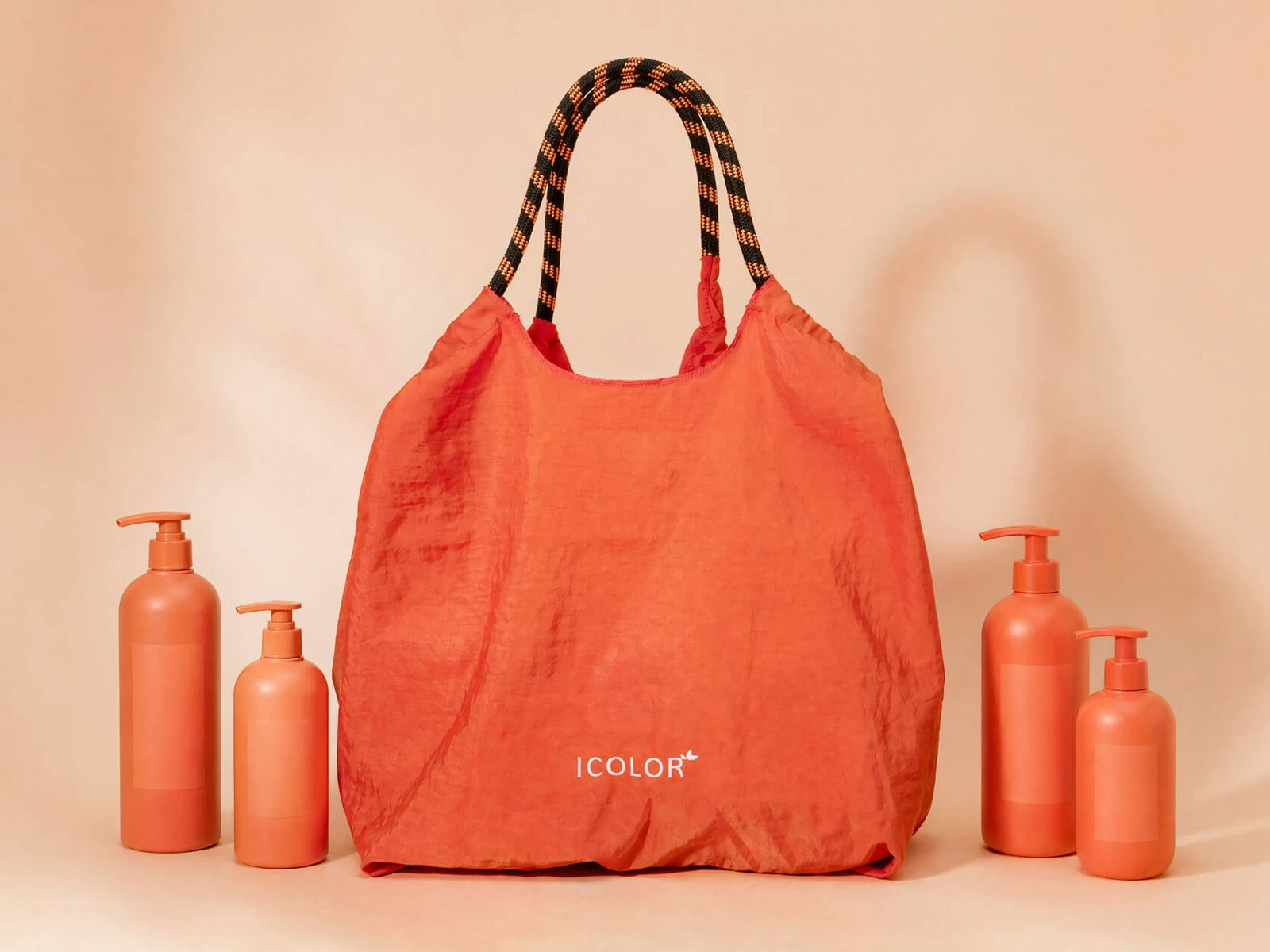
GWP Tote Bags
For campaign GWP, threshold gifts or launch pack-out where gift value, campaign mechanics and packaging timing lead the brief.
View GWP Route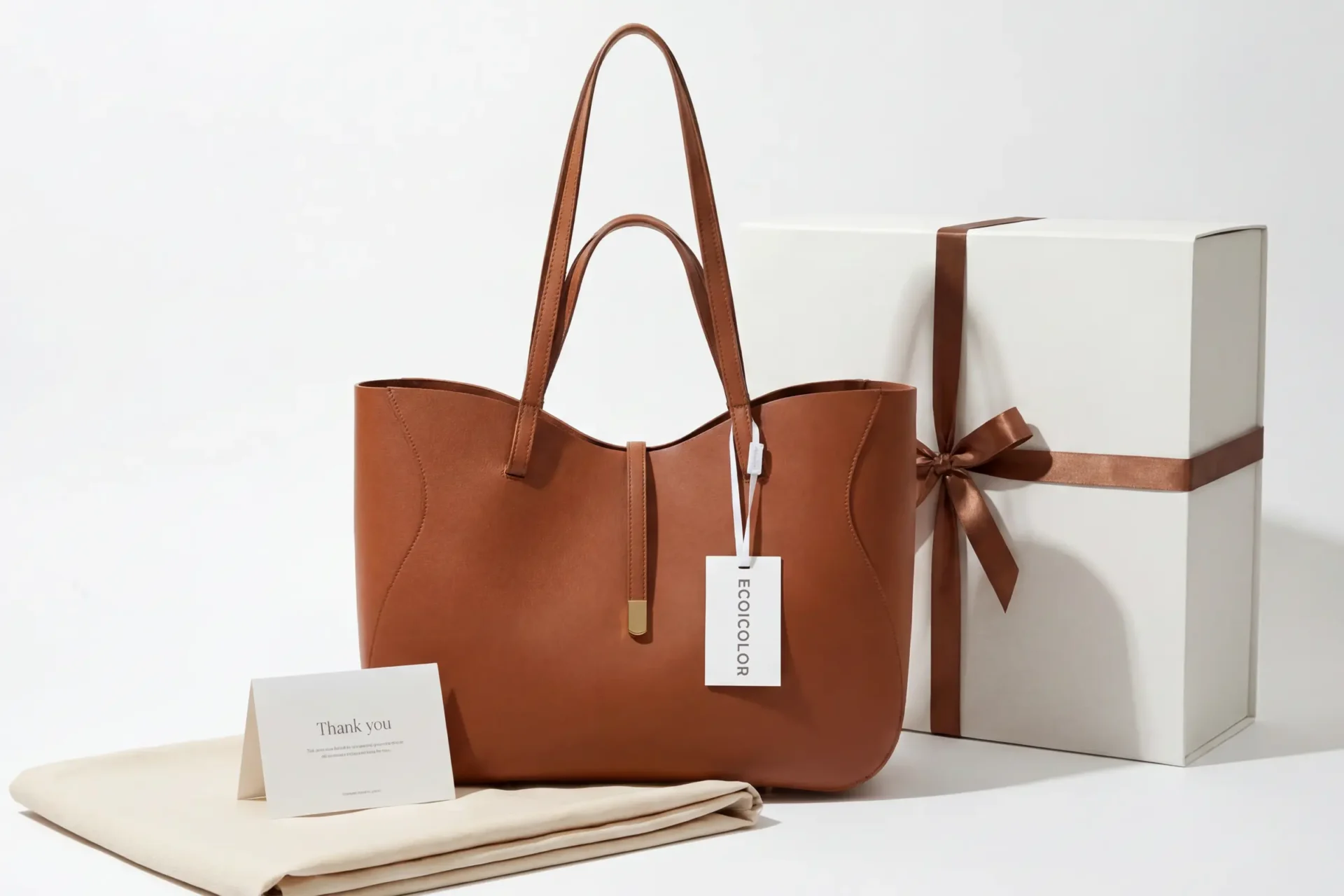
Luxury Branded Totes
For premium retail, boutique or VIP branded gifts where handfeel, structure, trim and restrained branding matter most.
View Luxury Route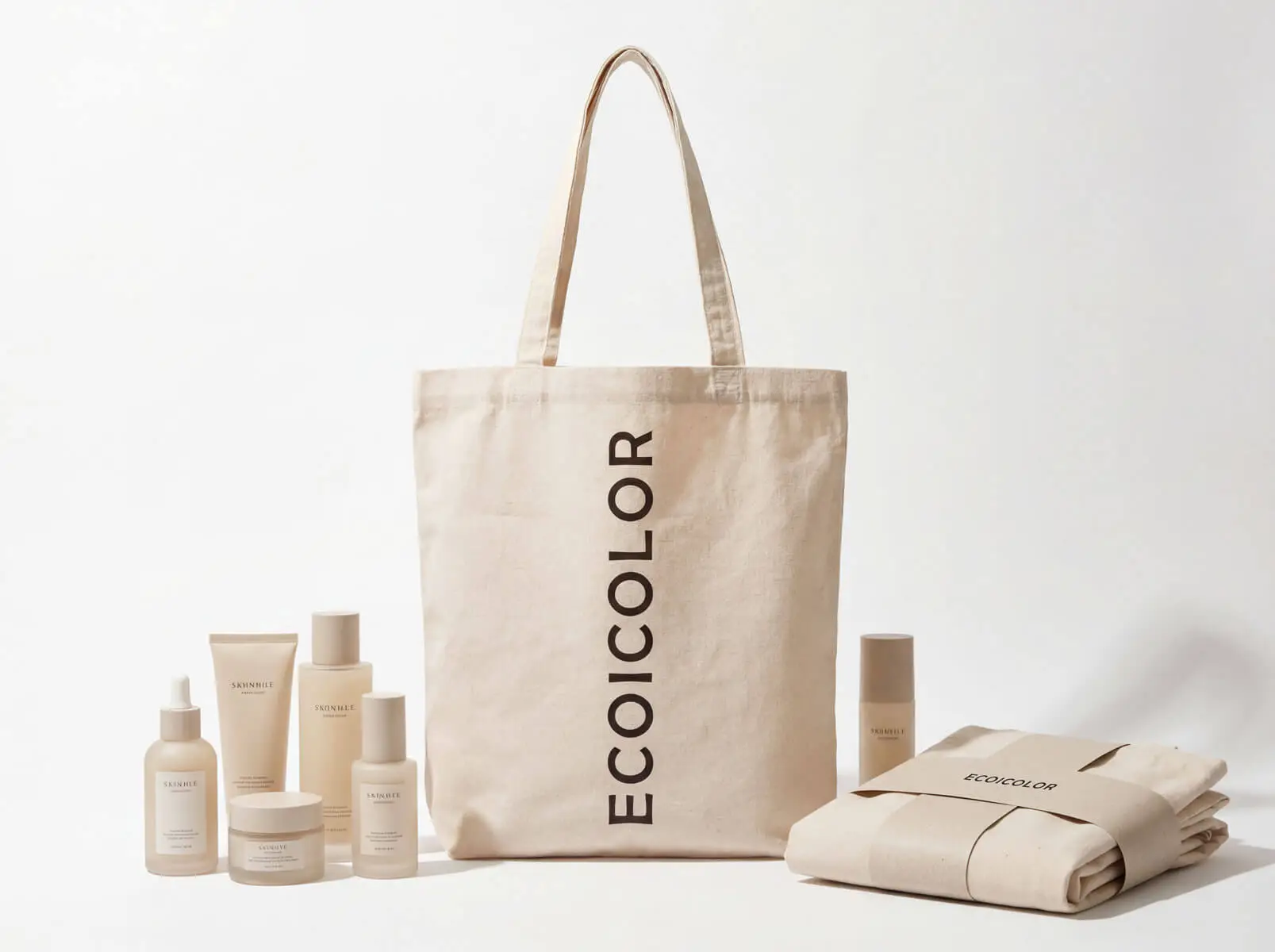
Wellness & Beauty Totes
For skincare, spa, wellness or beauty retail sets where product-fit, insert cards and clean presentation lead the brief.
View Wellness Route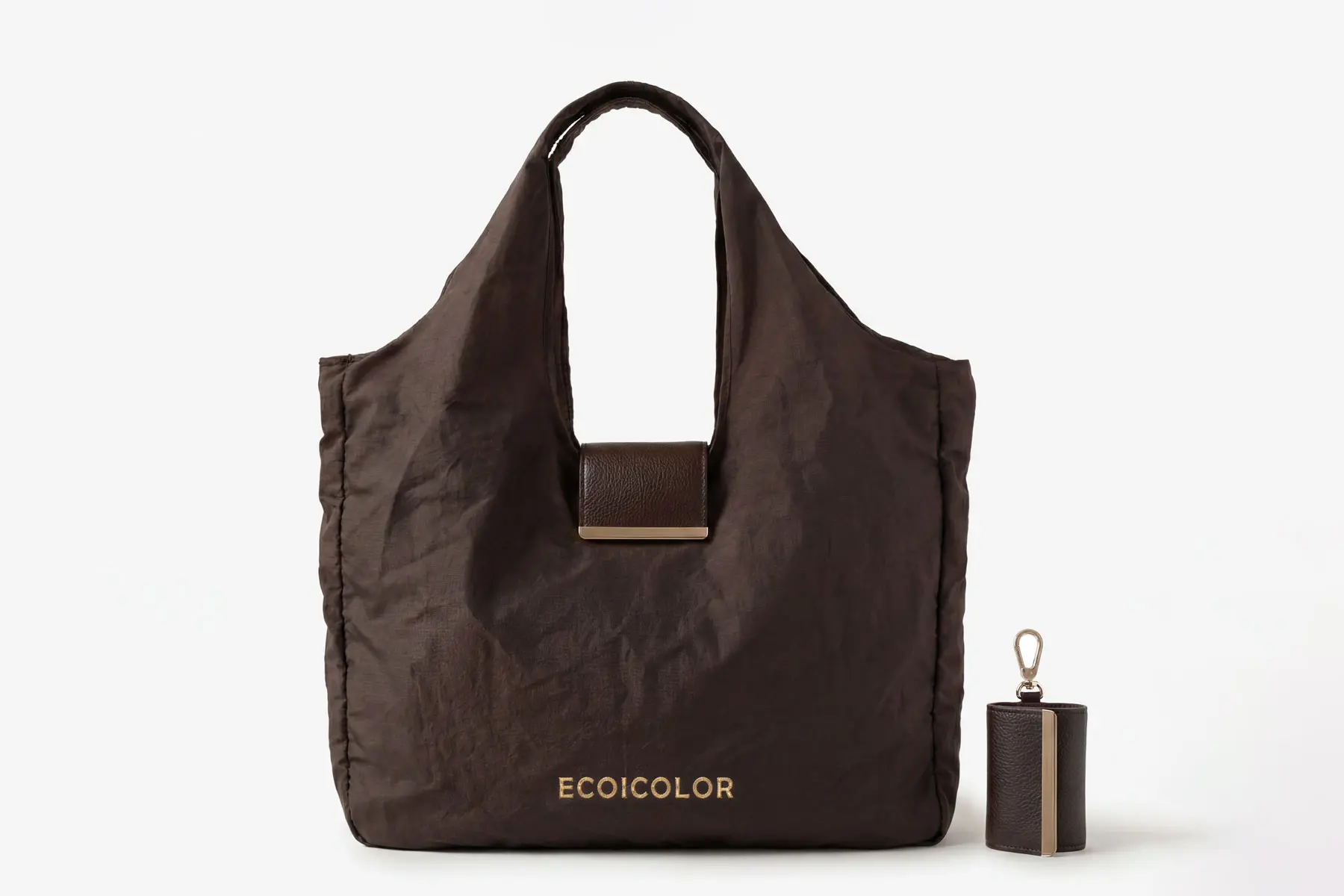
By Customization
For broader customization route selection across logo, foldable, zipper and large tote project needs.
Compare Customization RoutesReady to review embroidered tote product options?
The product catalog continues below. Use the planning notes above to compare fabric support, stitch density, thread color, packaging and sample routes before selecting a product direction.
Talk to Zoe Yu About Your Embroidered Tote Project

Factory-side project support
Zoe Yu · B2B Sales Manager
Zoe supports overseas brand buyers with custom tote bag briefs, material route review, MOQ feasibility, logo execution, sample coordination, packaging details and production follow-up.
For embroidered tote projects, she helps review logo files, fabric support, stitch density, thread color, placement, label system, packaging details, sample fee scope and lead time before sampling.
Checks quantity, use case, size, logo file, packaging and launch timing before quoting.
Aligns material, logo process, color reference and approval notes before bulk production.
Keeps hangtags, labels, barcode files, carton marks and retail packing details organized.
Connects buyer requirements with factory sampling, QC, packing and shipment updates.
Embroidered Tote Bags
Browse these nine items as embroidered-route examples. Category assignment and product titles are not model-level proof of embroidery suitability, material composition, certification or performance. Confirm the selected model, stitch route and current document scope before using any public claim.
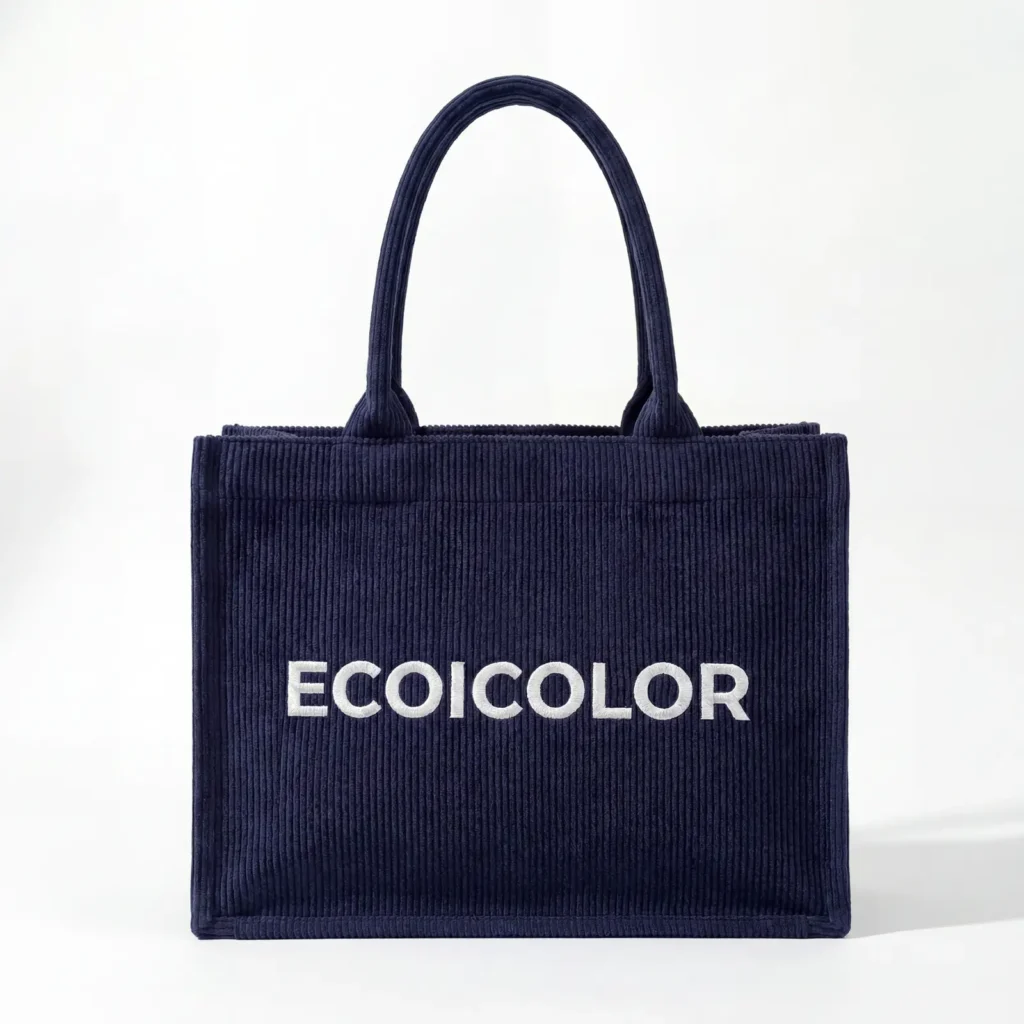
Custom rPET Corduroy Tote Bag | MOQ 500 | Private Label
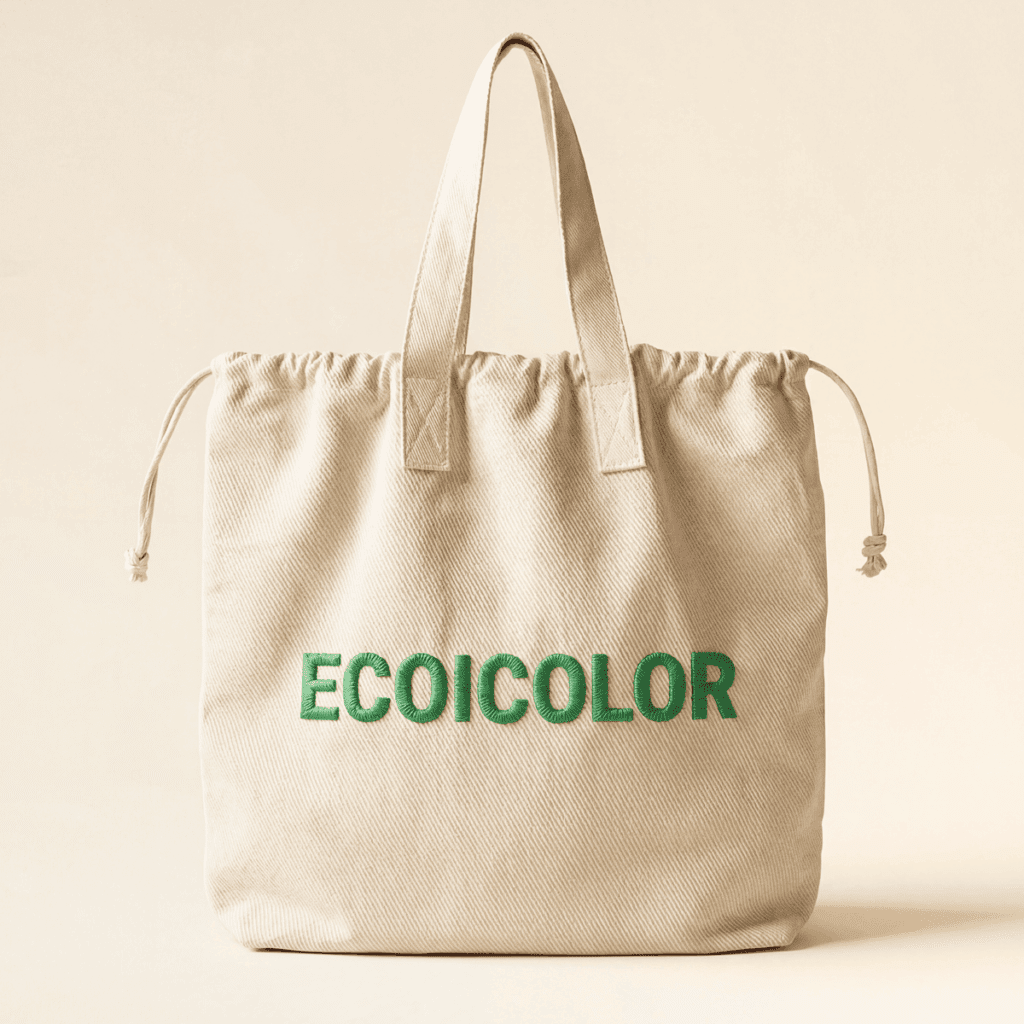
Recycled Cotton Tote Bag | Custom Logo | B2B Supply
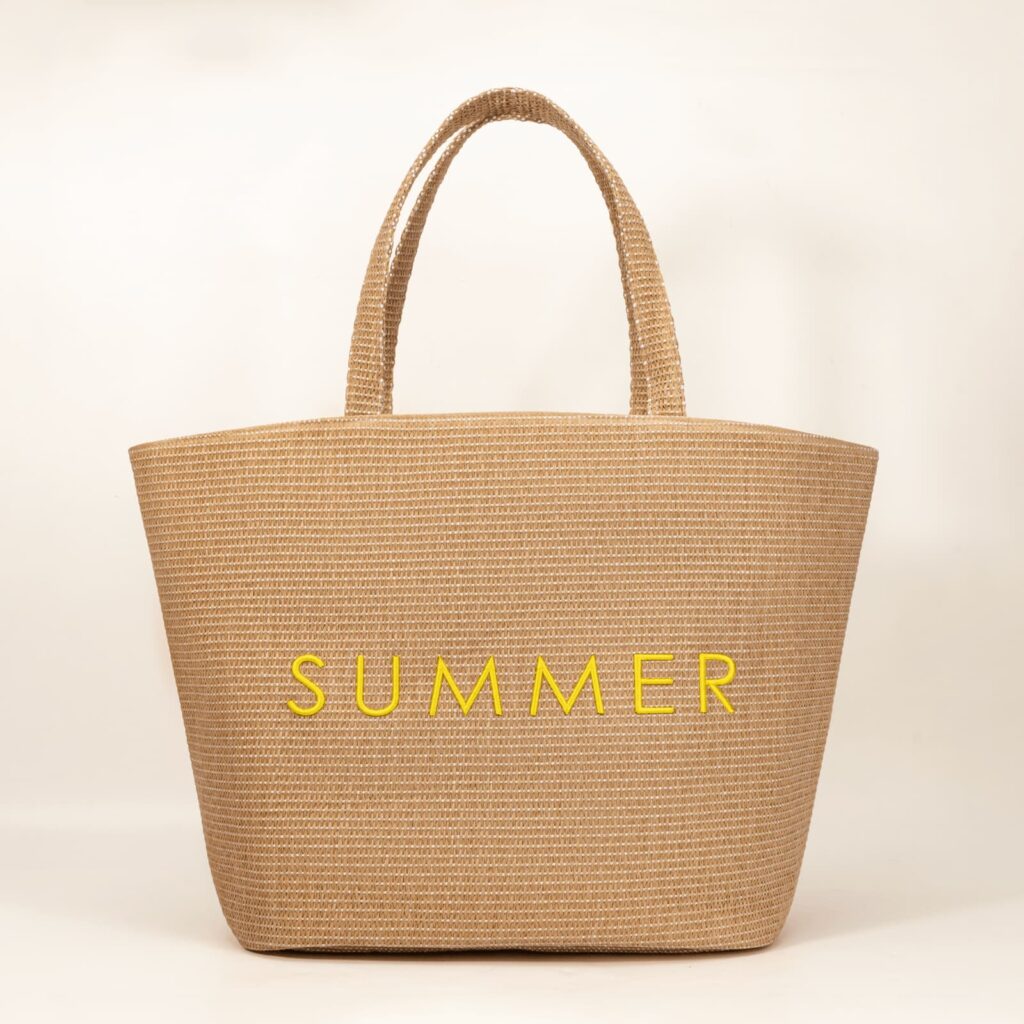
Custom Woven Paper Straw Tote Bags Bulk | Retail Packaging | Wholesale B2B
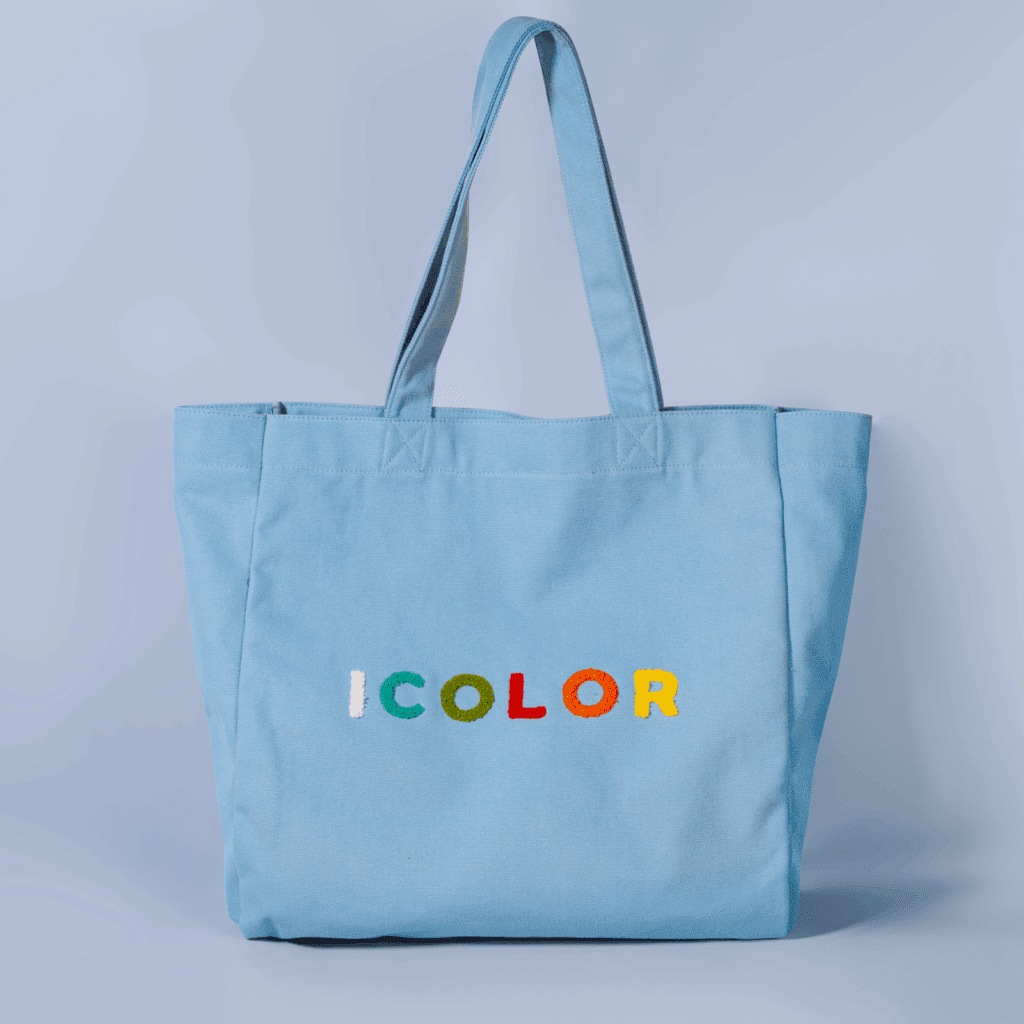
Blank Custom Cotton Canvas Tote Bags Bulk | Natural, Washable, Wholesale Direct | B2B Factory
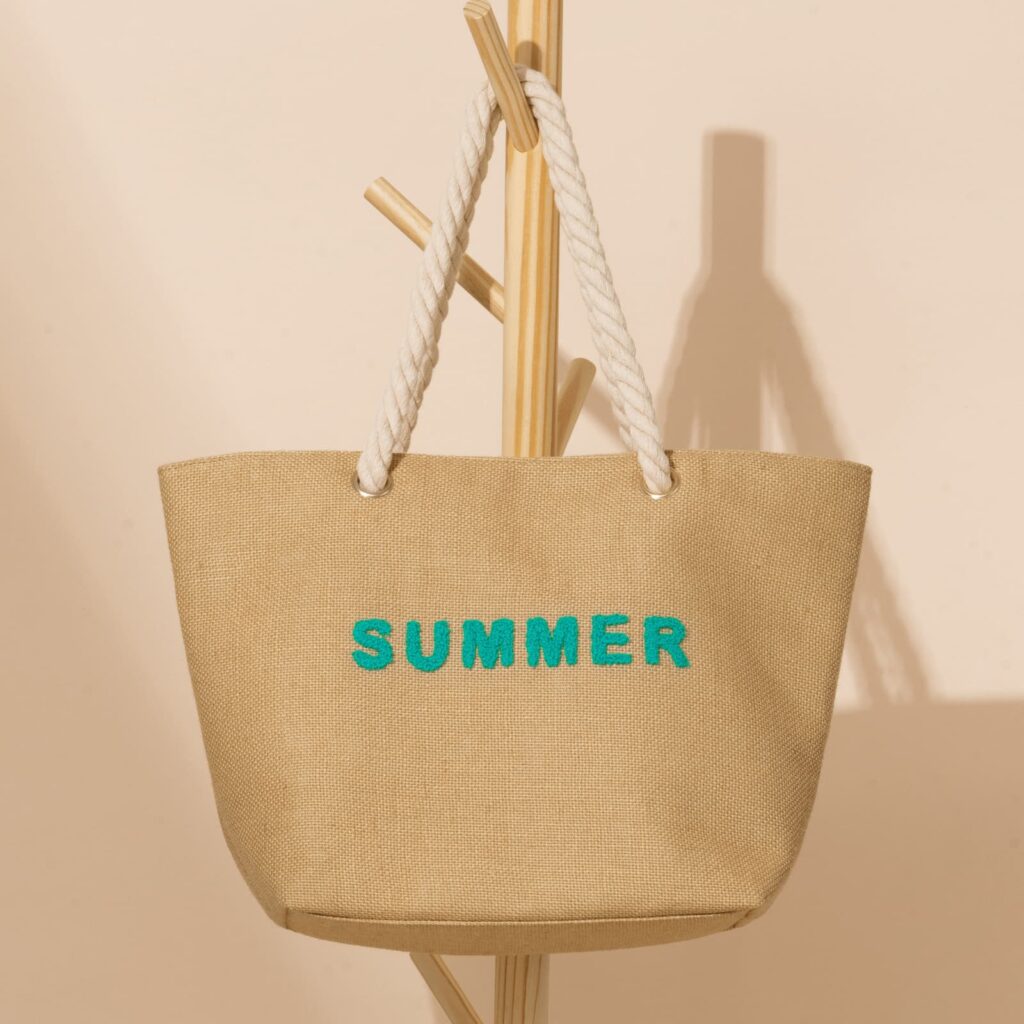
Jute Shopping Tote Bag | RPET Lining | MOQ 1000
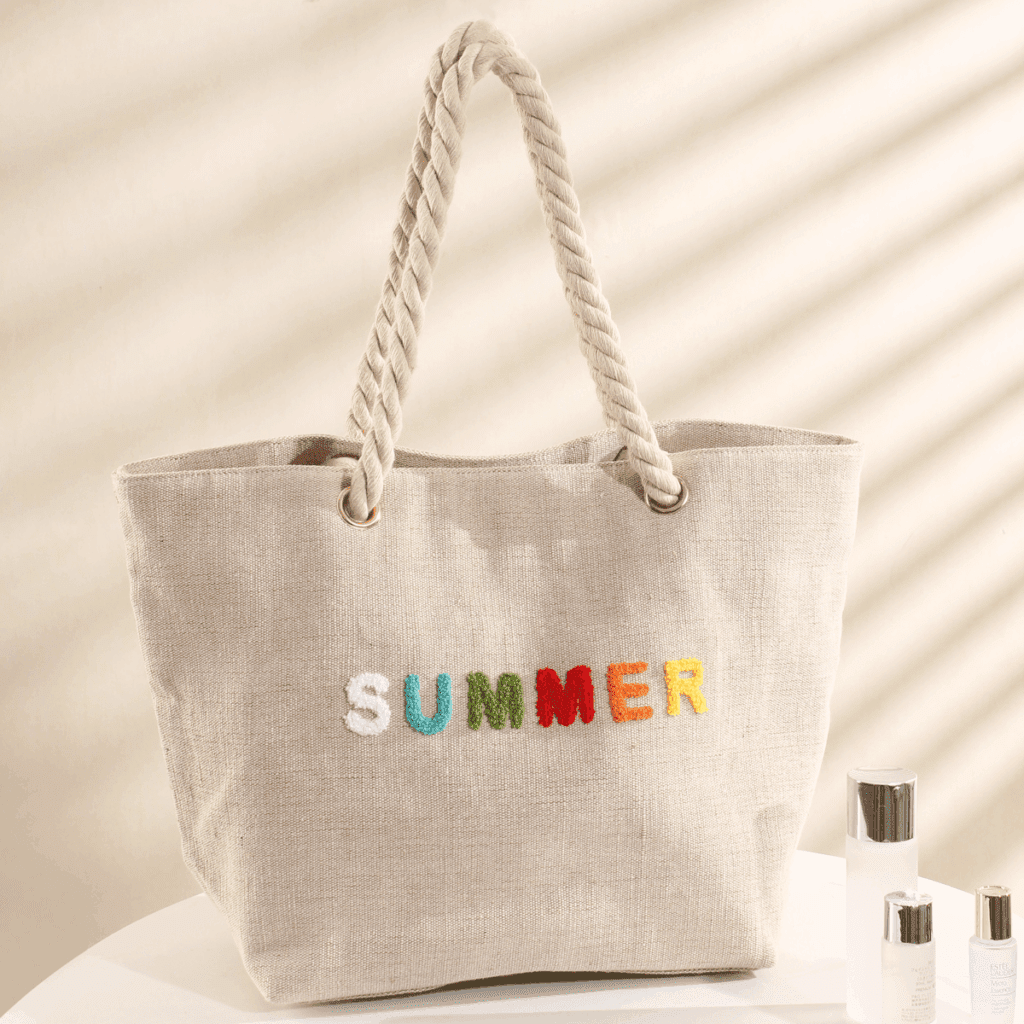
Jute Tote Bag | Natural | MOQ 1000
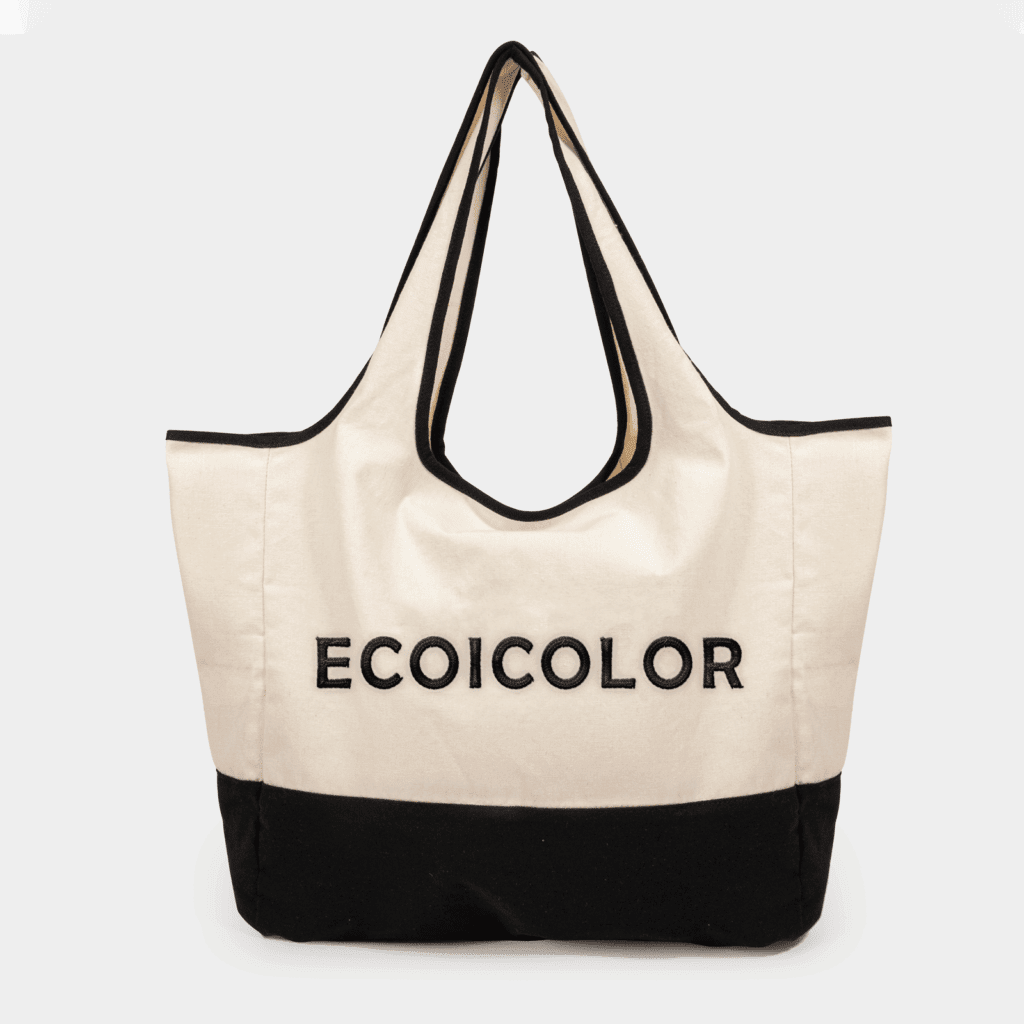
Recycled Cotton Tote Bag | Lightweight and Foldable | B2B Supply
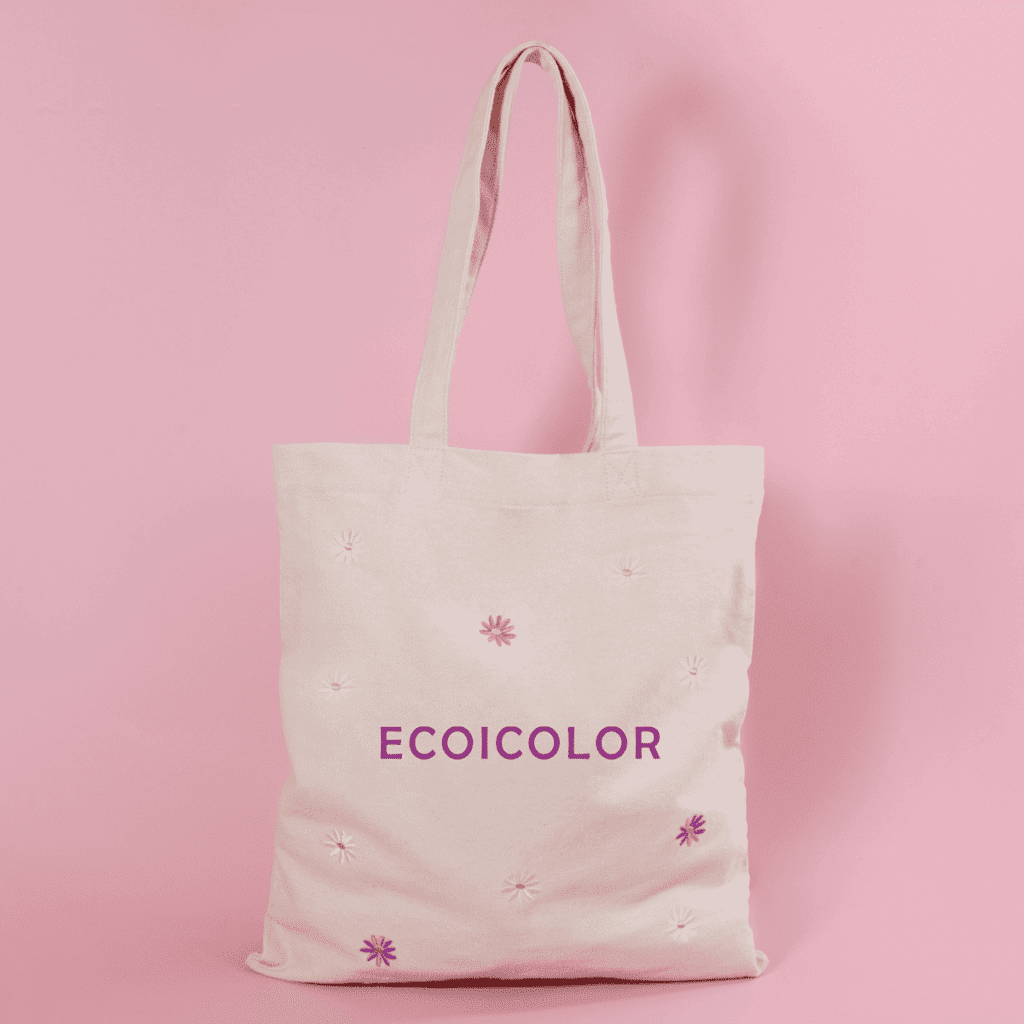
Recycled Cotton Tote Bag | Soft Structure | Wholesale B2B
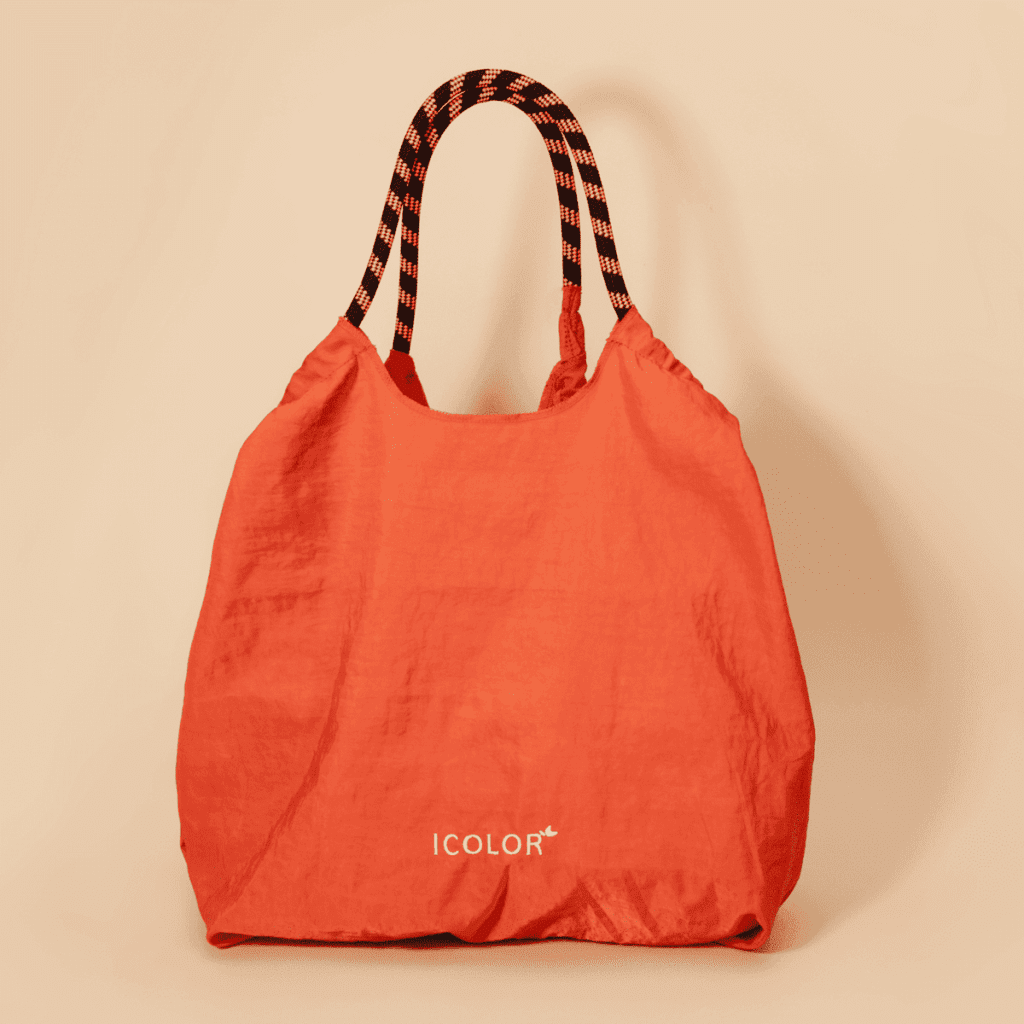
Custom Recycled Nylon Tote Bags Bulk | Durable, Water | Resistant, Sustainable | B2B Wholesale
Embroidery Buyer-Prep Guides
Use these three focused guides to prepare the embroidery brief, compare logo methods and approve the physical stitch sample before the commercial RFQ.
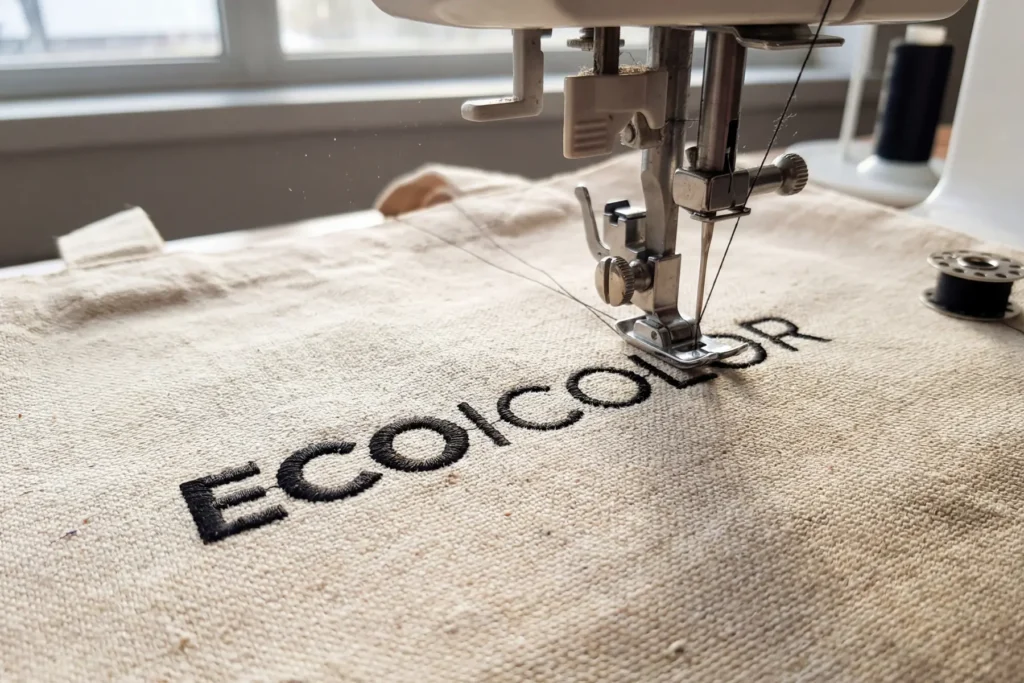
Embroidery Tote Logo Brief: Thread, Artwork & Sampling
Embroidery is usually suitable when the buyer wants a small logo, raised texture, premium feeling or lifestyle positioning. It is…
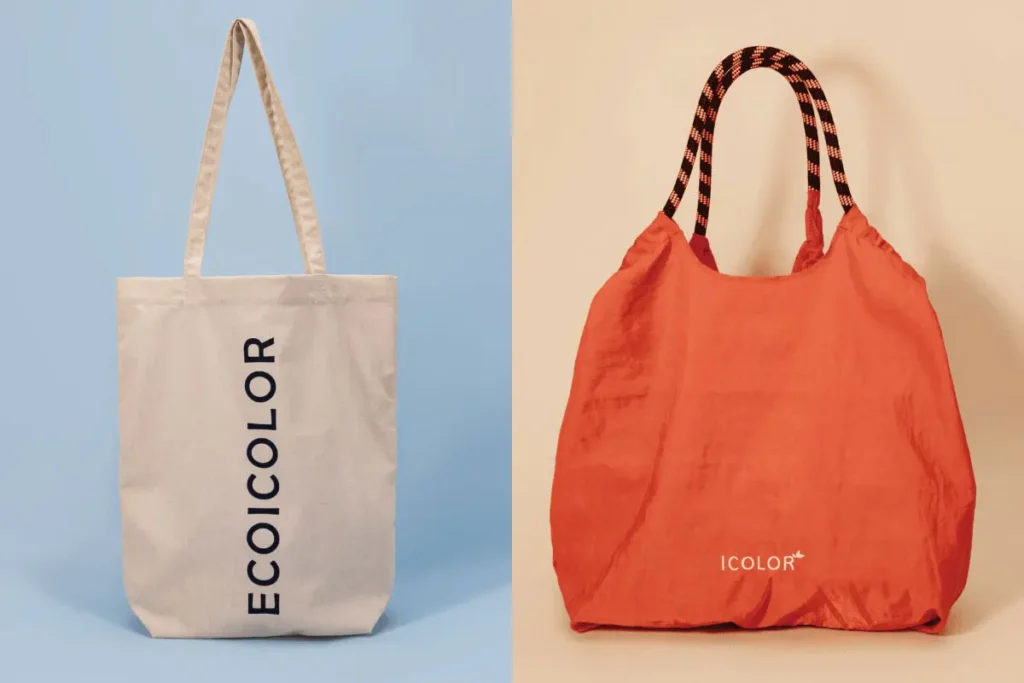
Embroidery vs Screen Printing on Canvas Tote Bags
The right choice is not about which method is universally better. It depends on artwork, material, logo size, color count,…
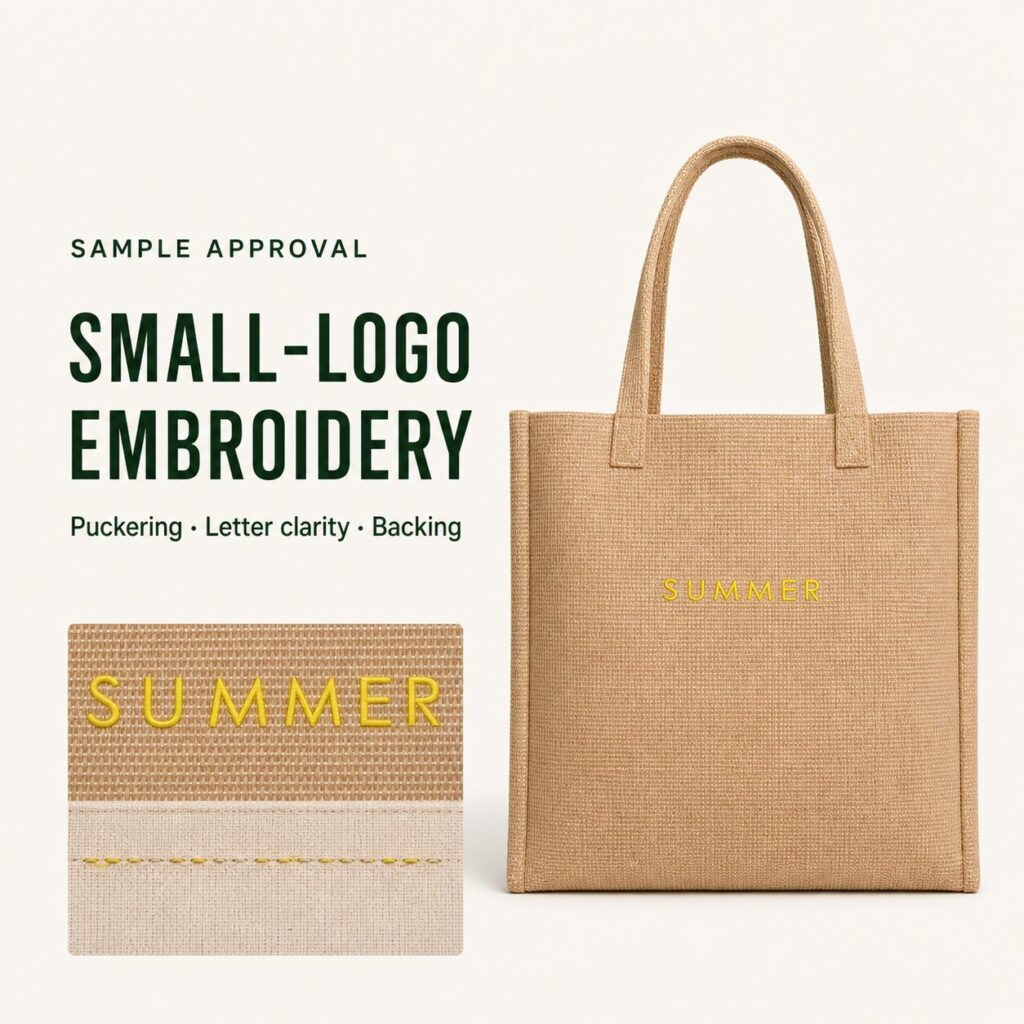
Embroidered Tote Bag Sample Checklist for Small Logos
Review an embroidered tote sample for fabric puckering, small-letter clarity, connected letters, backing, thread color and logo scale before bulk.
Frequently asked questions
Everything you need to know about custom embroidered tote bags, sampling and production planning
Q1: What is the MOQ for custom embroidered tote bags?
MOQ usually starts from 500 pcs per style for suitable embroidered tote projects. Final feasibility depends on fabric, logo size, stitch count, color count, placement, packaging and delivery timing. Send artwork, quantity and target date before sampling so the embroidery route can be reviewed clearly.
Q2: Which artwork works best for embroidery on tote bags?
Embroidery works best for clean logos, simple wordmarks, badges, initials and limited-color marks. Very fine text, gradients, shadow effects or photographic detail may lose clarity. If the artwork is too detailed, a woven label, patch, screen print or heat transfer route may be a better fit.
Q3: Which tote materials are suitable for embroidery?
Cotton canvas, heavier recycled cotton, twill and structured fabric routes usually support embroidery better than very thin or unstable fabrics. The final choice should consider stitch density, fabric weight, logo position, handfeel and the filled product weight the tote must carry.
Q4: How long does an embroidered tote project take?
Sampling and bulk timing are reviewed after the artwork, tote material, stitch density, thread colors, version count, packaging, quantity, destination and required arrival window are confirmed. Record the current project schedule in the quotation and approval plan rather than relying on a fixed generic range.
Q5: Can embroidered totes include labels and retail packaging?
Yes. Hangtags, care labels, woven labels, barcode stickers, sleeves, carton labels and gift packing notes can be reviewed with the embroidered tote sample. Buyers should send label artwork, barcode rules and pack-out requirements before sampling so the physical sample reflects the real delivery format.
Q6: How are sample fees handled?
Sample fees depend on fabric, embroidery size, stitch count, logo placement, packaging and revision scope. Agreed sample fees can be credited against qualified bulk orders after project confirmation. If a buyer stops after sampling, the development work already used in pattern, material and embroidery setup is normally not returned.
Q7: What should buyers send for a quote?
Send quantity, target delivery date, logo file, Pantone or thread color direction, preferred fabric, target tote size, logo placement, packaging notes, destination country and any document requirements. If there are several artwork versions or delivery locations, include the split plan before sampling.
Sources and planning notes
- MOQ note: MOQ 500+ refers to suitable custom B2B projects per style. Final feasibility depends on fabric route, stitch count, logo size, placement, packaging scope and delivery requirements. ↩
- Lead time note: Lead time should be reviewed by project after sample scope, material availability, embroidery route, packaging needs, quantity and delivery window are confirmed. ↩
- GRS note: GRS references are document-scope prompts for selected recycled material routes, not default claims across all embroidered tote projects. ↩
- OEKO-TEX note: OEKO-TEX scope should be confirmed according to selected fabric, supplier chain, destination market and buyer requirement before sampling or claim wording. ↩
- Dongguan note: Dongguan, Guangdong, China is referenced as the factory-side sourcing and production coordination base for Ecoicolortote projects. ↩
- Sampling note: Sample review should confirm logo scale, stitch density, thread color, fabric support, packaging, document scope and approval timing before bulk production planning.6 ↩
Trademark notice: All third-party trademarks, certification names, event references, retailer references and product-category references mentioned remain the property of their respective owners. References are included for industry context, buyer education and sourcing-risk discussion only. Ecoicolortote does not claim endorsement, partnership, certification coverage, retailer approval, event approval or product approval unless confirmed in the specific project documentation, quote record and order file clearly.
Ready to Start Your Custom Tote Bag Order?
What happens after your brief:
Material recommendation based on your use case | Estimated pricing for your target quantity | Sample timing and production route review
No commitment required. No spam. Just a detailed, honest proposal.