
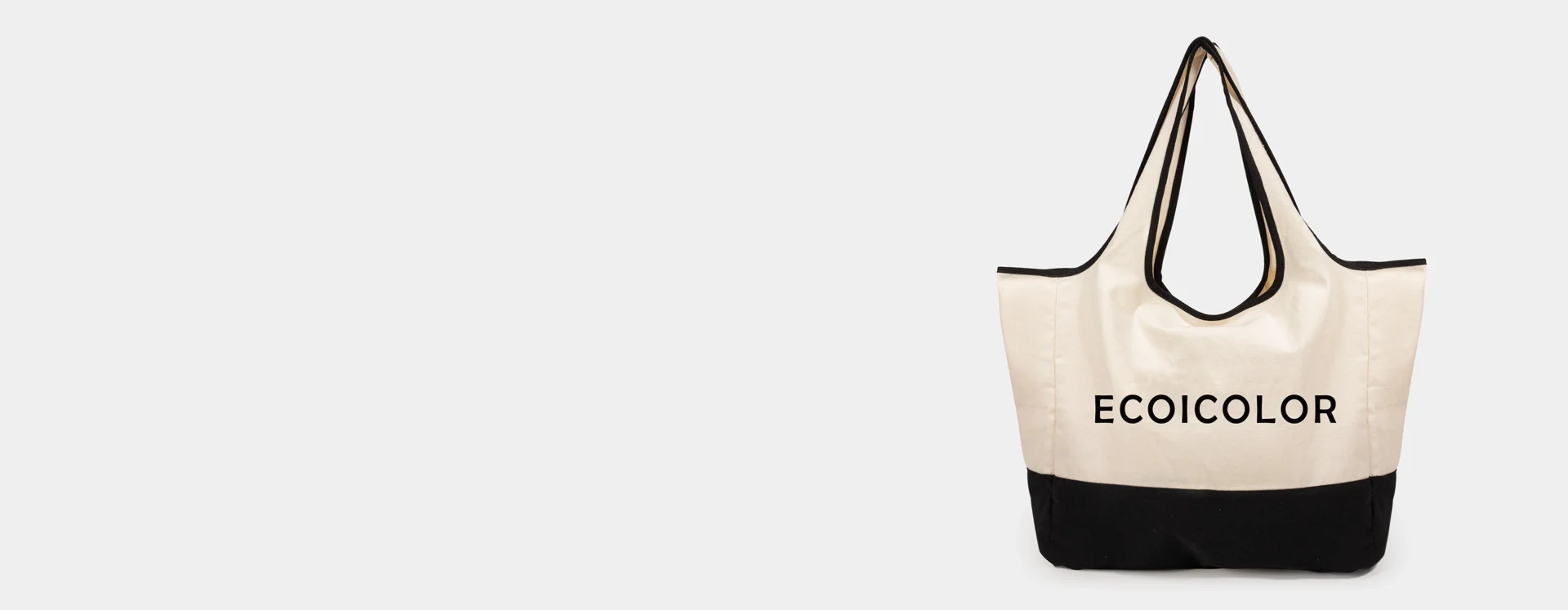
Private Label Recycled Cotton Tote Bags for Retail and GWP Programs
Plan recycled cotton tote bags around blend percentage, handfeel, color tolerance, logo process, labels, claim wording, sample approval and MOQ 500+ before quotation.
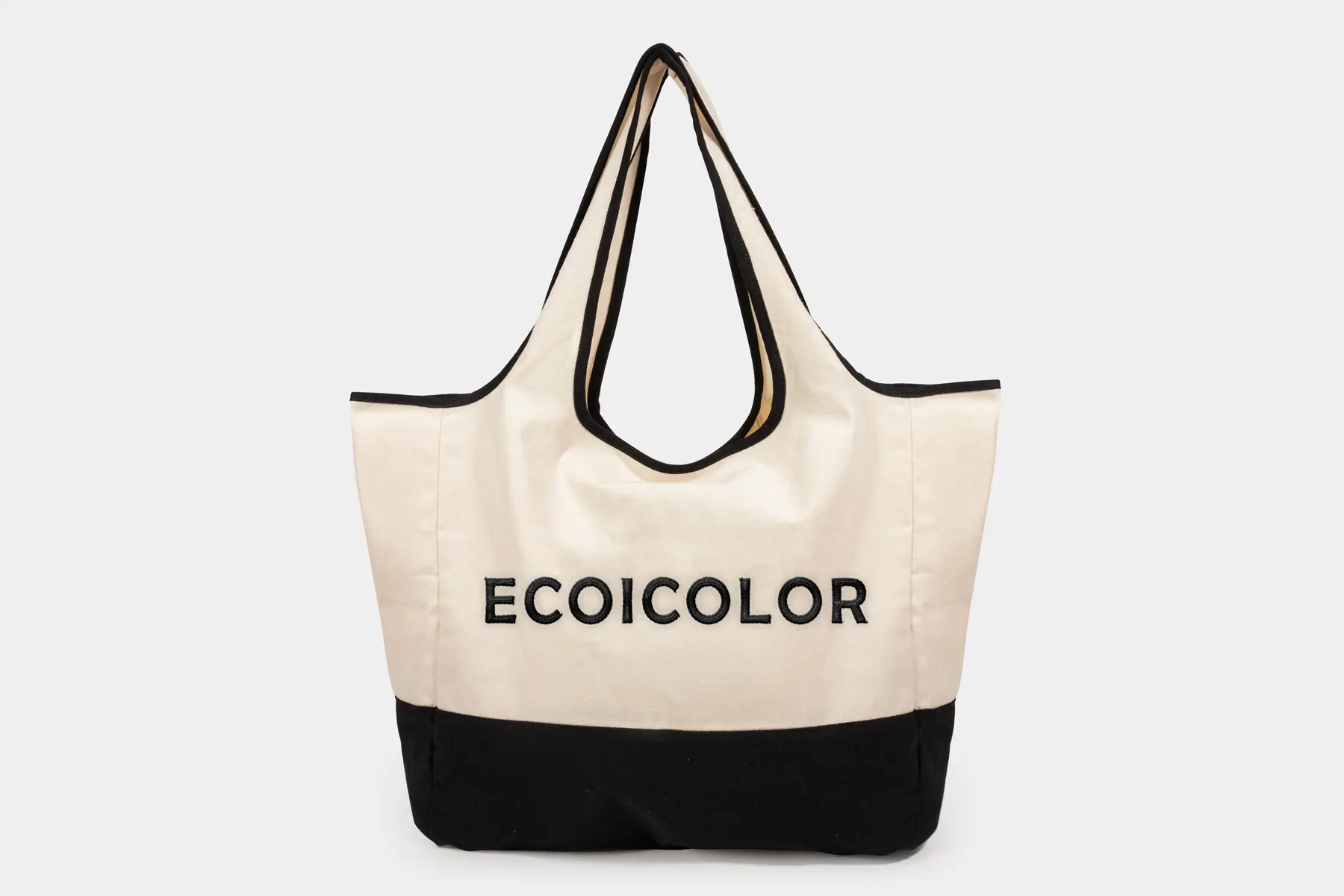
Recycled cotton tote projects work best when the buyer treats the material as a verified route, not a broad claim. This route is for MOQ 500+ private label orders where teams need blend review, handfeel approval, logo and label planning, document-scope discussion, sample-first confirmation and project-specific bulk production planning after approved sample.
How should buyers plan a recycled cotton tote project?
A recycled cotton tote should be judged by material route, handfeel, color tolerance, logo surface, retail presentation and claim wording. These cards help buyers describe the project before asking for a quote.
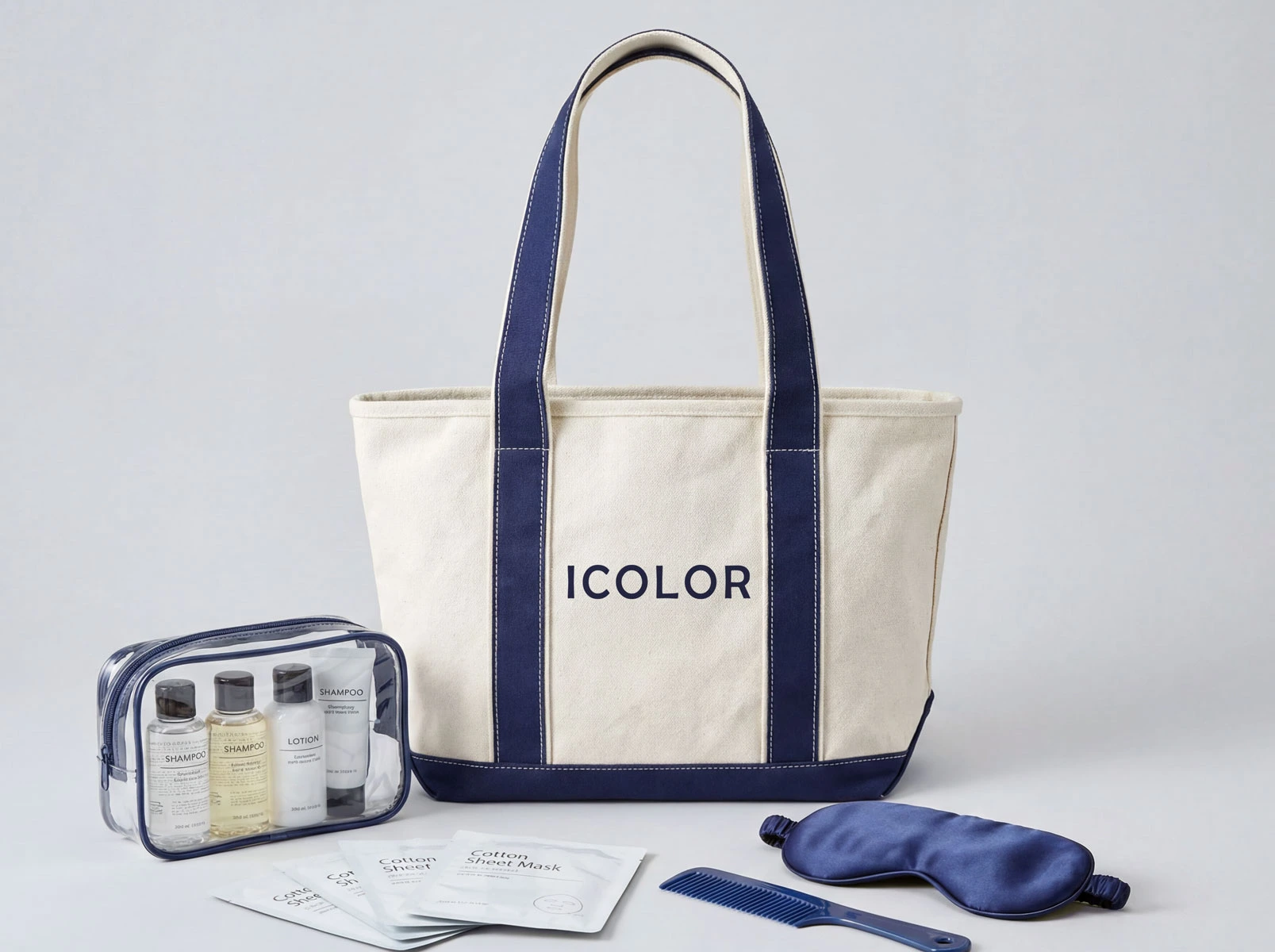
Beauty and wellness GWP
Check soft handfeel, insert fit, logo contrast, claim wording and gift presentation before the sample is approved.
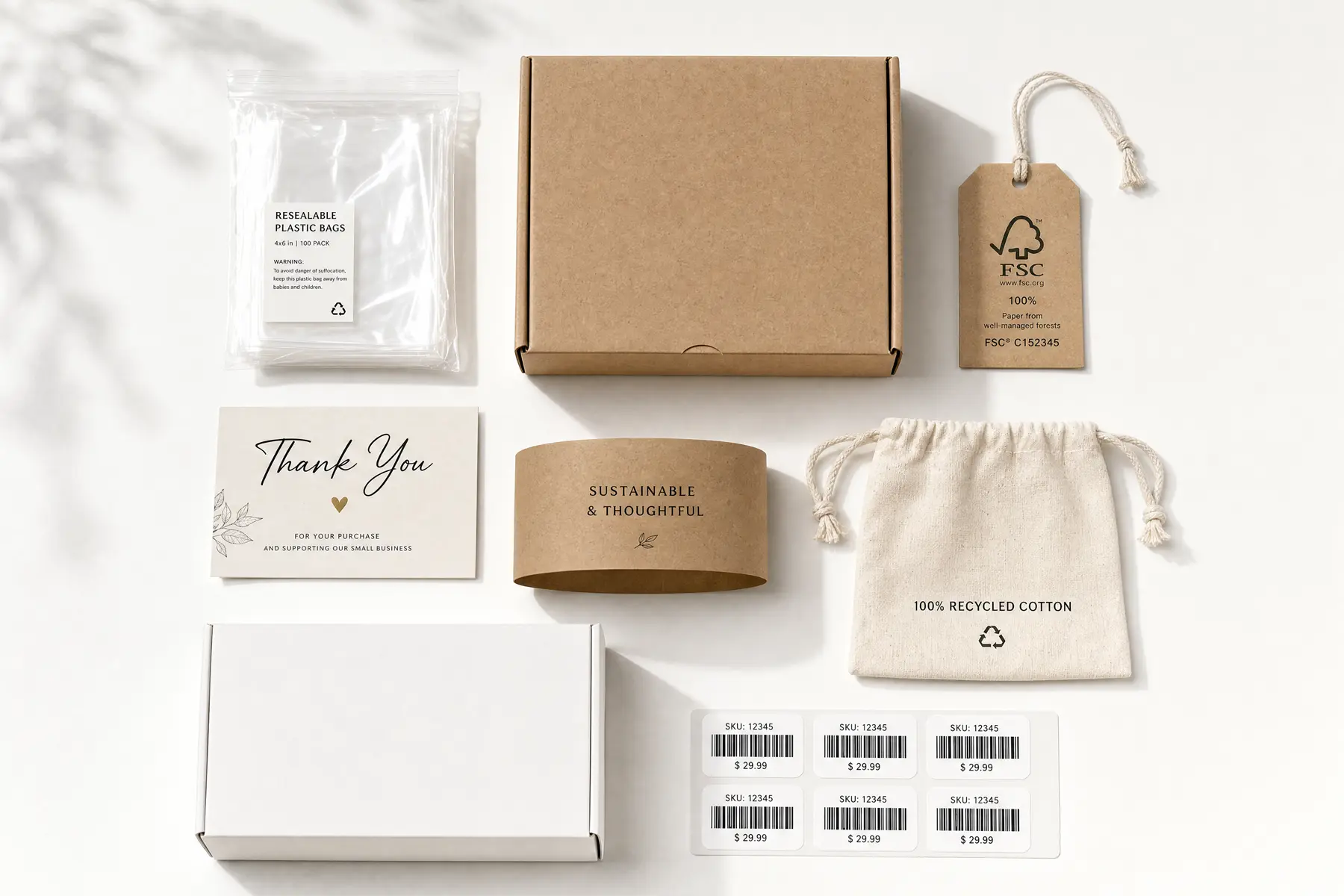
DTC and retail merch
Plan repeatable fabric tone, label files, barcode card, packing method and reorder notes before launch timing tightens.
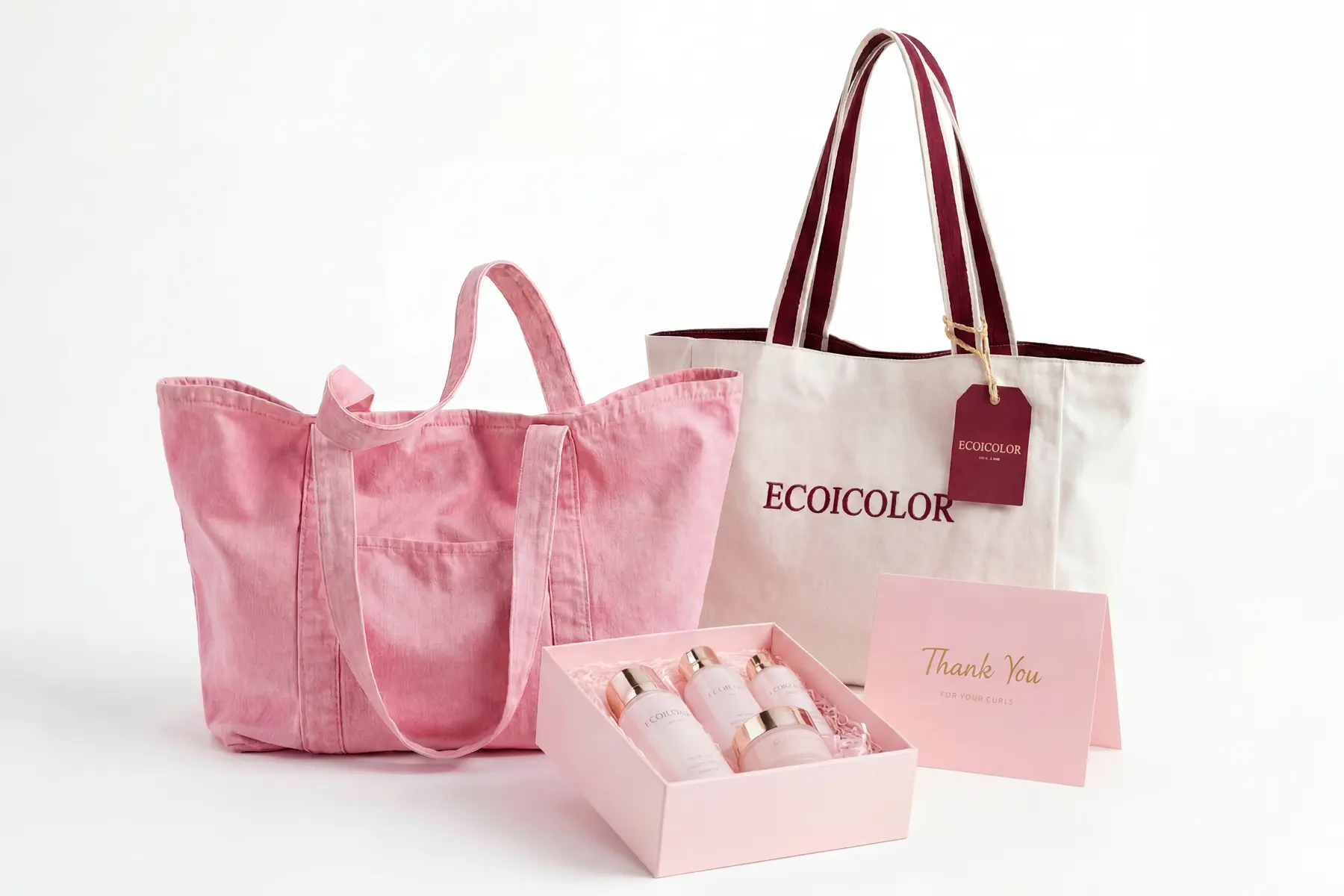
Event and brand programs
Use recycled cotton when the brief needs natural texture, practical carry value and a material story that can be documented.
Use the right page for the open buying decision
Use this page for private label recycled cotton tote RFQs, supplier review, MOQ, customization, sampling and bulk-order planning. For composition, blend, handfeel, color variation, recycled-content wording and swatch questions, use the Recycled Cotton Material Route.
Which logo and label process works on recycled cotton?
Texture, melange tone and fabric softness can change the final logo result. Review the route visually before sampling so artwork, labels and pack-out details stay quote-ready.
Screen print
Best for clean front logos, campaign graphics and larger flat print areas. Confirm size, color count and placement tolerance before sampling.
Embroidery
Useful for small premium marks. Check stitch density, backing and fabric support so the soft surface does not distort.
Woven label or patch
Good for repeat SKUs where a consistent brand marker needs to stay stable across fabric colors and reorders.
Hangtag and barcode
Needed when the tote is sold through retail or DTC channels. Confirm card size, string, sticker logic and carton label matching.
What recycled cotton tote projects should this route support?
Buyers should be able to recognize their project type quickly. Recycled cotton is useful when the material story and soft natural feel matter, but it still needs a quote-ready scope.
How should recycled cotton claims be handled before sampling?
Material wording should stay tied to the actual fabric route, supplier chain and order file. A recycled cotton name is not the same as a finished-product claim.
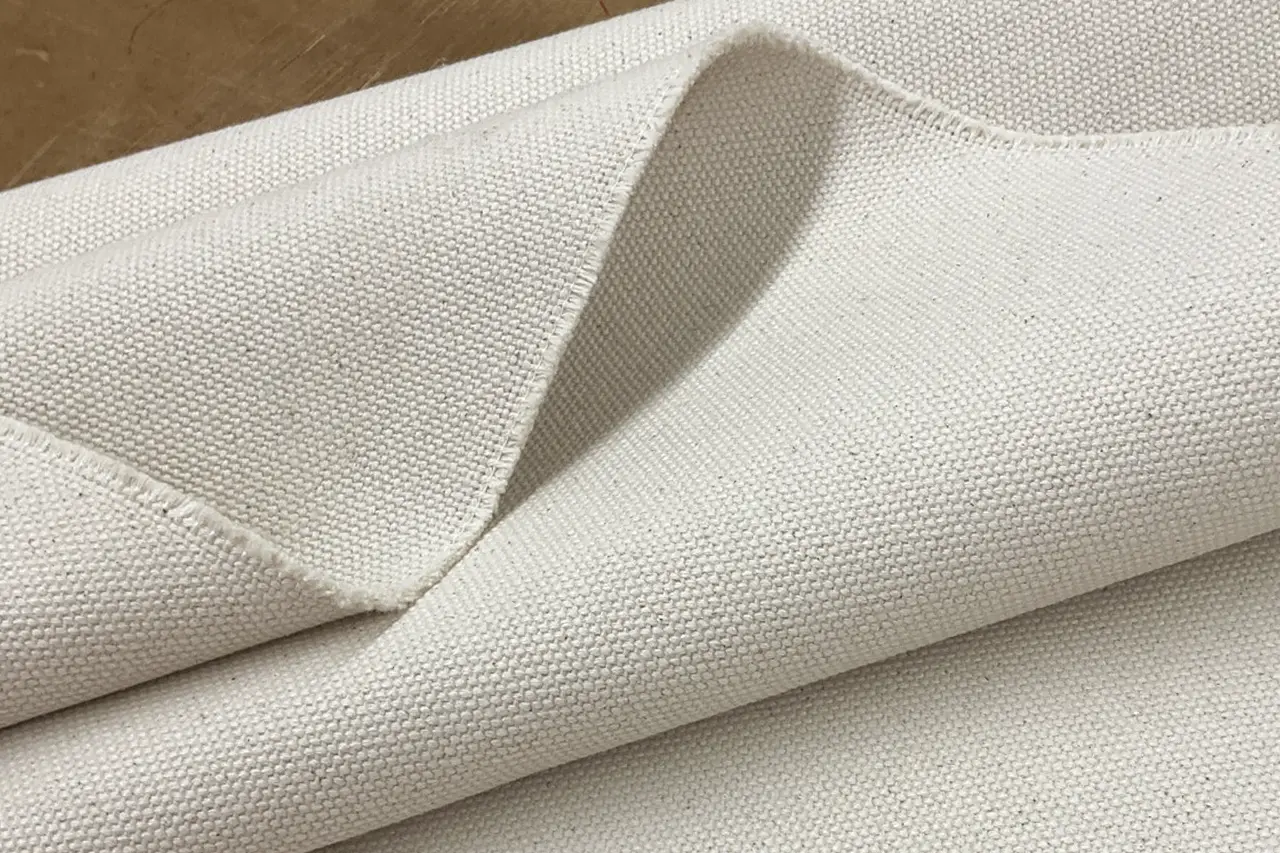
Blend percentage
Confirm recycled cotton percentage, blended fibers and whether GRS or RCS document discussion is needed before the buyer writes public copy.
Finished-product wording
Check whether wording applies to fabric only, the tote body, trims, labels or packaging. Broad environmental copy should be reviewed against project scope.
Restricted-substance route
If the buyer needs an OEKO-TEX-related discussion, confirm the material route and supplier chain before treating it as part of the quote.
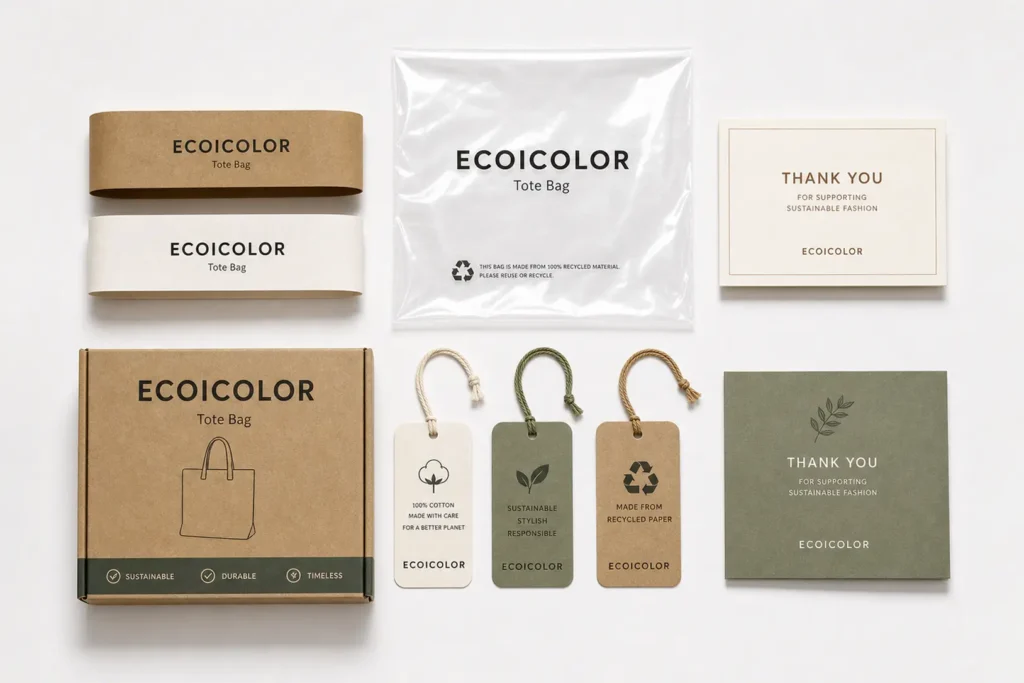
Retail label system
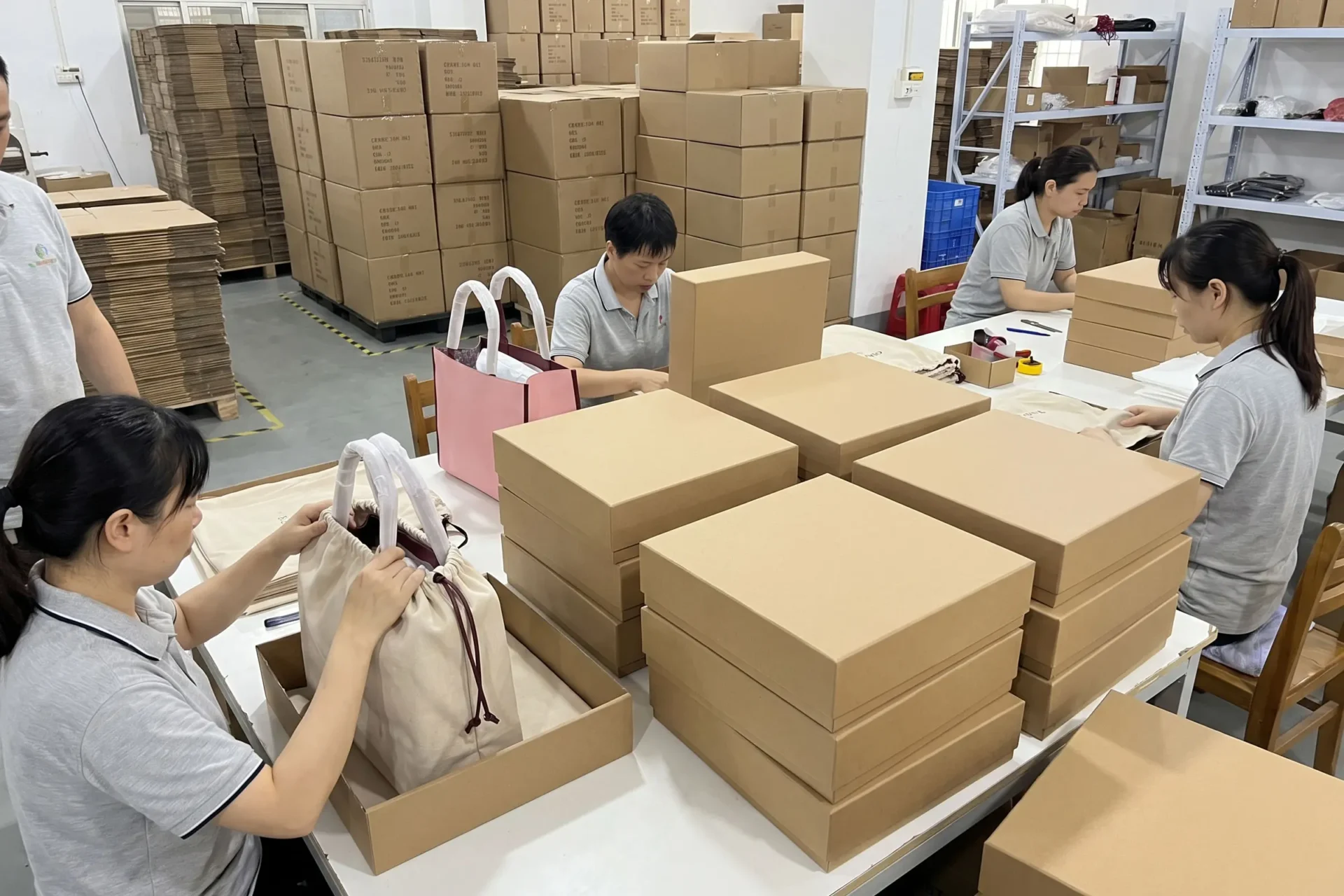
Hangtags, belly bands, barcode cards and carton marks should match the claim scope so the sample can be approved without late wording changes.
What construction details should be confirmed before a recycled cotton sample?
The sample should prove the tote can carry the intended contents, show the logo clearly and support the material wording in the buyer brief.
Fabric weight
Choose light, medium or heavy route by contents, handfeel, logo process and budget.
Handle drop
Check hand carry, shoulder carry and filled-weight comfort before approving the sample.
Gusset depth
Use actual product dimensions to confirm depth, folding behavior and carton volume.
Seam strength
Review reinforcement and stitch pattern when books, apparel or gift sets will be carried.
Which recycled cotton material route fits the project?
The main decision is not only whether the tote says recycled cotton. Buyers should confirm blend, fabric weight, color behavior, document scope and sample handfeel.
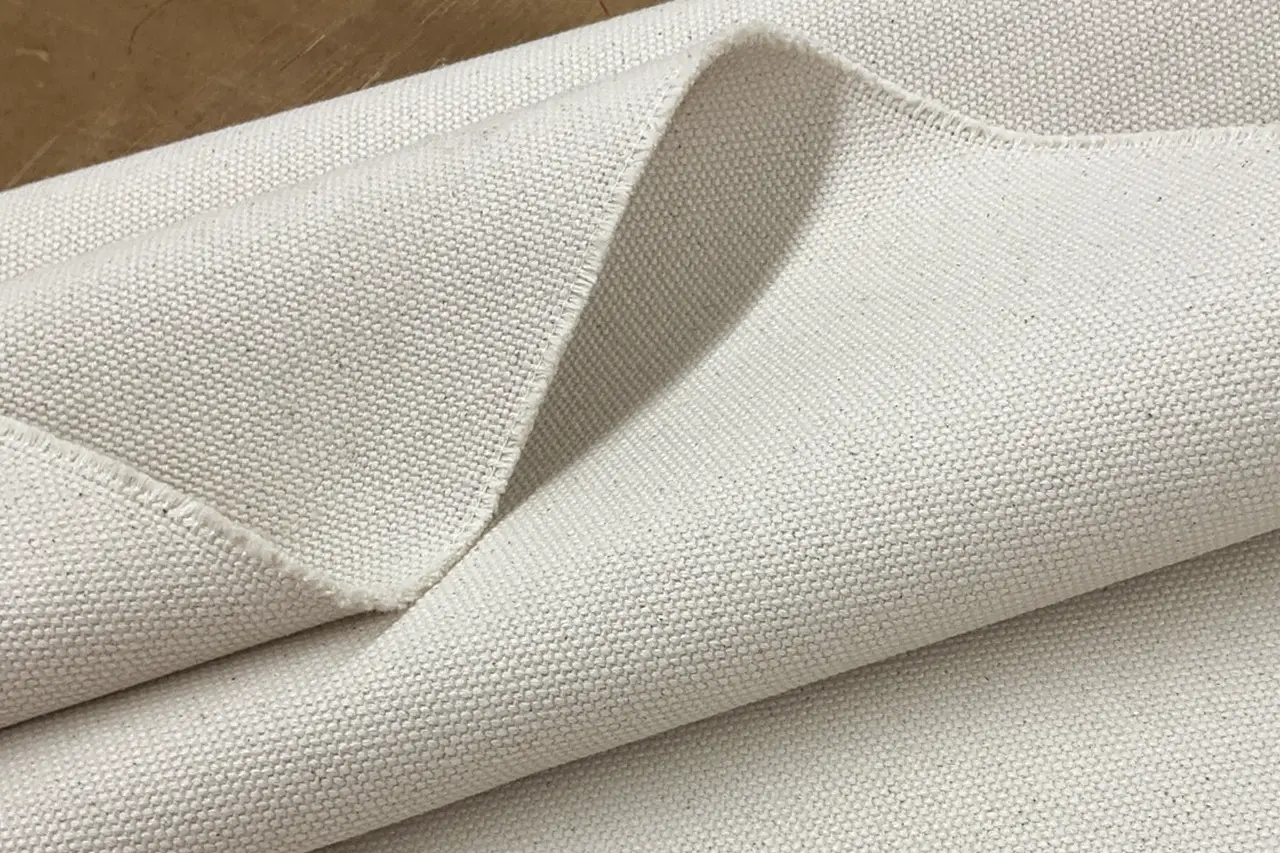
Soft recycled cotton
Best when a beauty, wellness or gift program needs a softer touch and natural appearance.
Explore Recycled Cotton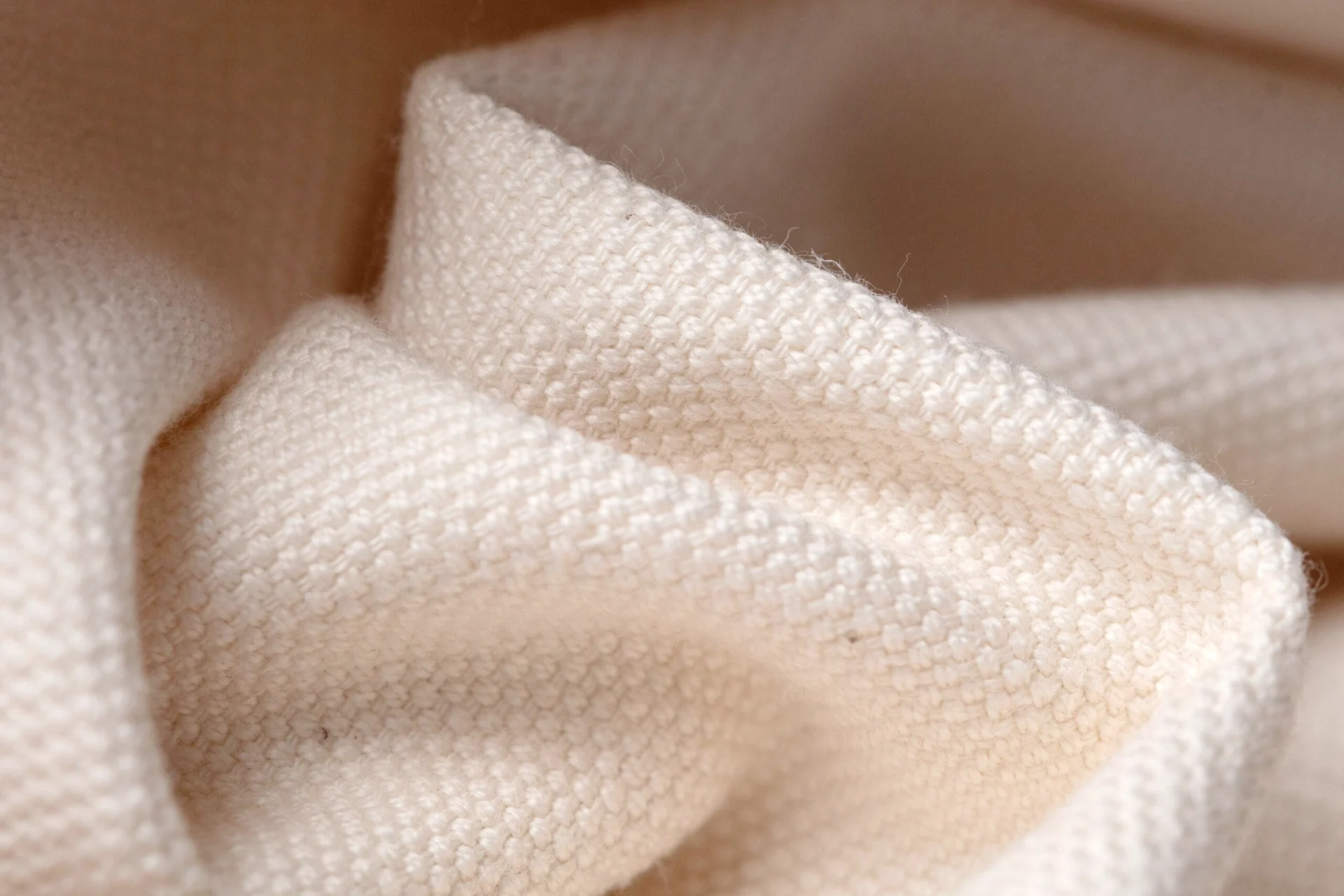
Recycled cotton canvas
Best when the buyer wants more structure, a stronger print surface and a retail-ready tote body.
Explore Recycled Cotton Canvas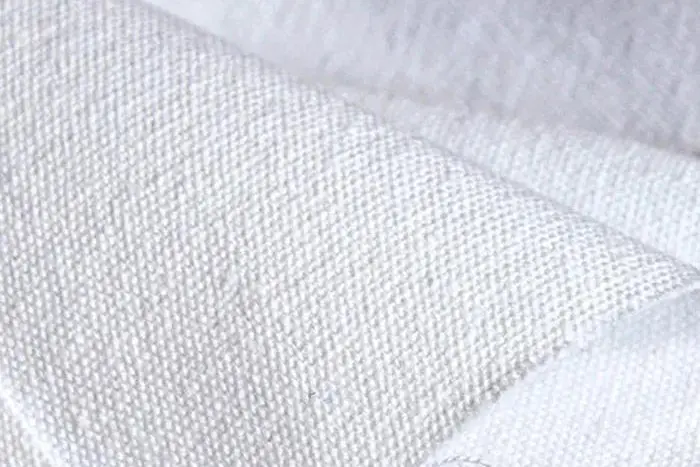
Lightweight foldable route
Best when recycled cotton handfeel matters, but folded size, pack-out and carton volume also need early approval.
Explore Foldable Totes
Heavy recycled canvas
Best for bookstore, resort and repeat-use retail programs where handle strength is part of the value.
Explore Heavy Recycled Canvas| Material route | Best-fit private label use | RFQ reminder |
|---|---|---|
| Soft recycled cotton | Beauty, wellness, GWP and brand merchandise programs where softer handfeel matters. | Confirm blend percentage, print area, handle drop, label needs and fold method. |
| Recycled cotton canvas | Repeat-use retail and resort programs where structure and load comfort matter. | Check filled weight, seam reinforcement, carton volume and shipping impact. |
| Lightweight foldable route | Compact campaign kits where soft recycled cotton feel and folded size both matter. | Confirm fold memory, pouch method, recycled claim wording and supplier-chain support before sampling. |
| Heavy recycled canvas | Repeat-use retail, bookstore or resort programs where handle strength is part of the value. | Confirm recycled cotton route, supplier-chain support, logo method, label wording and document scope before sampling. |
What should be confirmed before a recycled cotton tote sample?
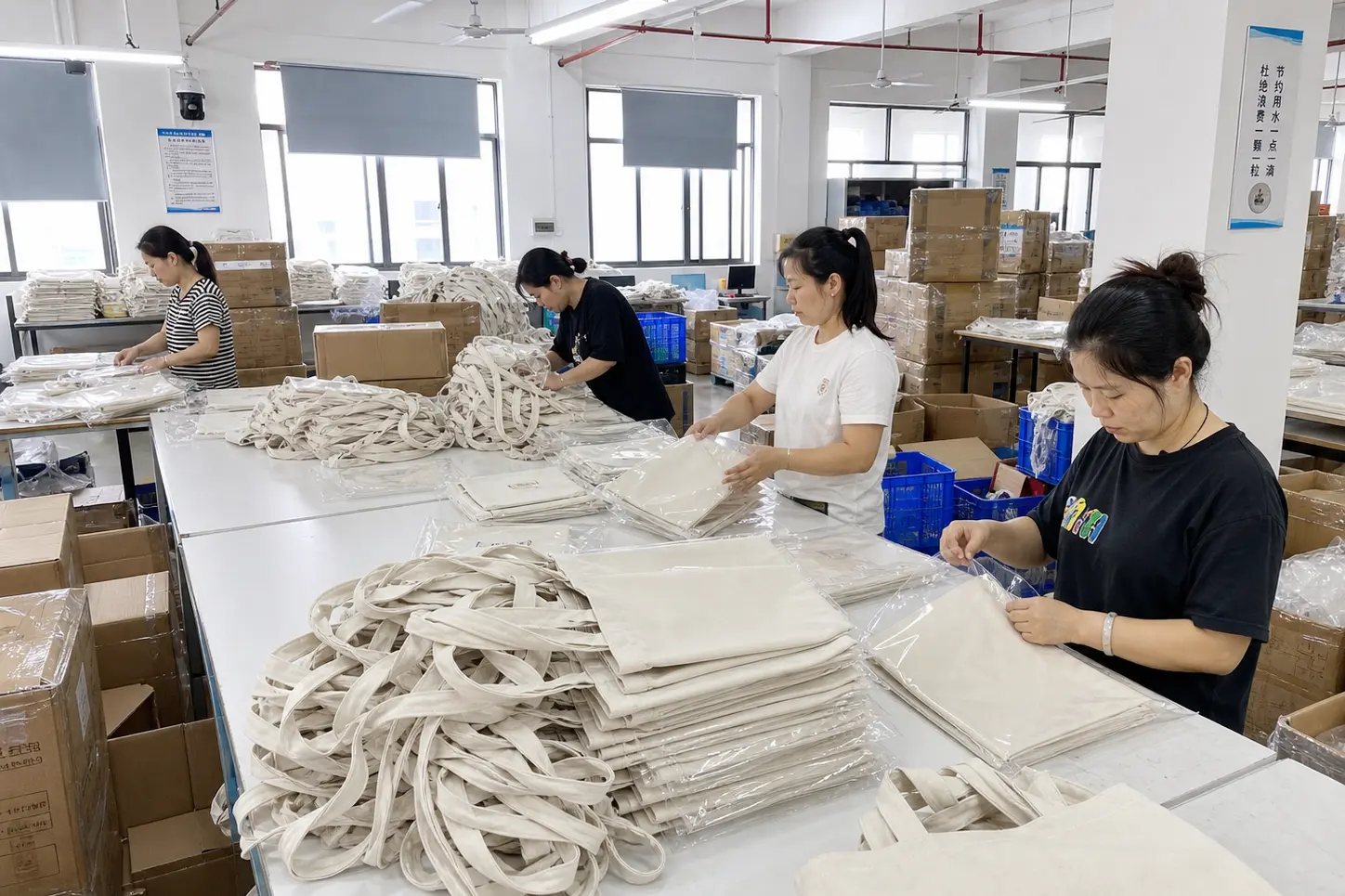
Use the sample stage to prove the tote route visually, not only on paper. These four checks help the buyer send a clearer brief and reduce late changes.

Tell us what books, apparel, beauty products or gift items need to fit inside the tote.
Send AI, EPS, SVG or high-resolution artwork with Pantone or thread color direction.
Share hangtag, barcode, care label, belly band or carton label requirements before sampling.
Share target ship date, destination and delivery buffer so timing can be judged early.2
How does a recycled cotton tote project move from brief to bulk?
The process should connect campaign timing, sample approval, pack-out, carton marks and delivery planning before bulk production starts.
Send brief
Quantity, size, recycled cotton direction, logo file, labels, packaging, claim needs and launch timing.
Review route
Check blend, handfeel, color tolerance, logo method, sample fee scope and lead time.
Approve sample
Review handfeel, print clarity, carry comfort, label position and pack-out.6
Move to bulk
Confirm artwork, claim wording, carton marks, inspection scope, packing count and delivery buffer.
What should a recycled cotton tote RFQ include?
For recycled cotton tote projects, send the target quantity, bag size, fabric weight, logo method, packing route, delivery market and whether any recycled-content wording needs document review. If the project is for a beauty GWP or retail program, include pouch or accessory matching requirements before sampling.
Quantity and size
Share target quantity, tote dimensions, gusset depth, handle drop and whether the bag needs to hold retail products, books, apparel or GWP contents.
Material and logo route
Confirm recycled cotton direction, fabric weight, handfeel expectation, logo method, artwork files and color tolerance before the sample is prepared.
Packing and delivery
List hangtags, barcode labels, fold method, individual packing, carton marks, delivery country, port or warehouse, and target launch window.
Document wording
Tell us if recycled-content wording, GRS/RCS discussion, care label notes or retailer document support needs review by project scope.
Send a recycled cotton tote RFQ
Use this route when the brief includes recycled cotton material, private label logo work, packaging notes, document wording or a beauty GWP / retail program.
Two verified recycled cotton order routes
These are confirmed material routes from approved samples and placed orders. The compositions must not be simplified or exchanged.
100% recycled cotton / 1,000 pieces / US skincare brand / September 2025. Pantone became the approval reference after video color shifted with lighting and camera settings. The sample was approved and the order was placed.
Color approval route100% recycled cotton
47.3% recycled cotton / 35.8% polyester / 16.9% viscose / 1,000 pieces / German skincare brand / January 2026. Dimension-equivalent paper boxes were used to test capacity because the buyer's products were unavailable. The sample was approved and the order was placed.
Capacity approval routeExact recycled-cotton blend
Who is a good fit for private label recycled cotton tote projects?
Best fit
Retail, DTC, museum, bookstore, resort or brand merchandise teams planning MOQ 500+ per style with a defined launch date, logo direction, target size, product contents and sample approval path.1
Best-fit buyers need canvas weight, print method, label position, carton marks, document wording and pack-out details reviewed before bulk production.
Less suitable fit
One-off personal gifts, very small runs, or lowest-price-only requests are less suitable when size, material, logo method and timing are not yet defined.
Projects needing delivery in under 25 days while also requiring custom labels, multi-process artwork or complex pack-out checks should simplify the brief before sampling.
How should buyers choose the right private label route?
Use the recycled cotton route when blend, handfeel and material wording are the first decisions. Move to a sibling route when structure, organic-cotton positioning, textured natural feel, artwork method or broader GWP planning is the main risk.
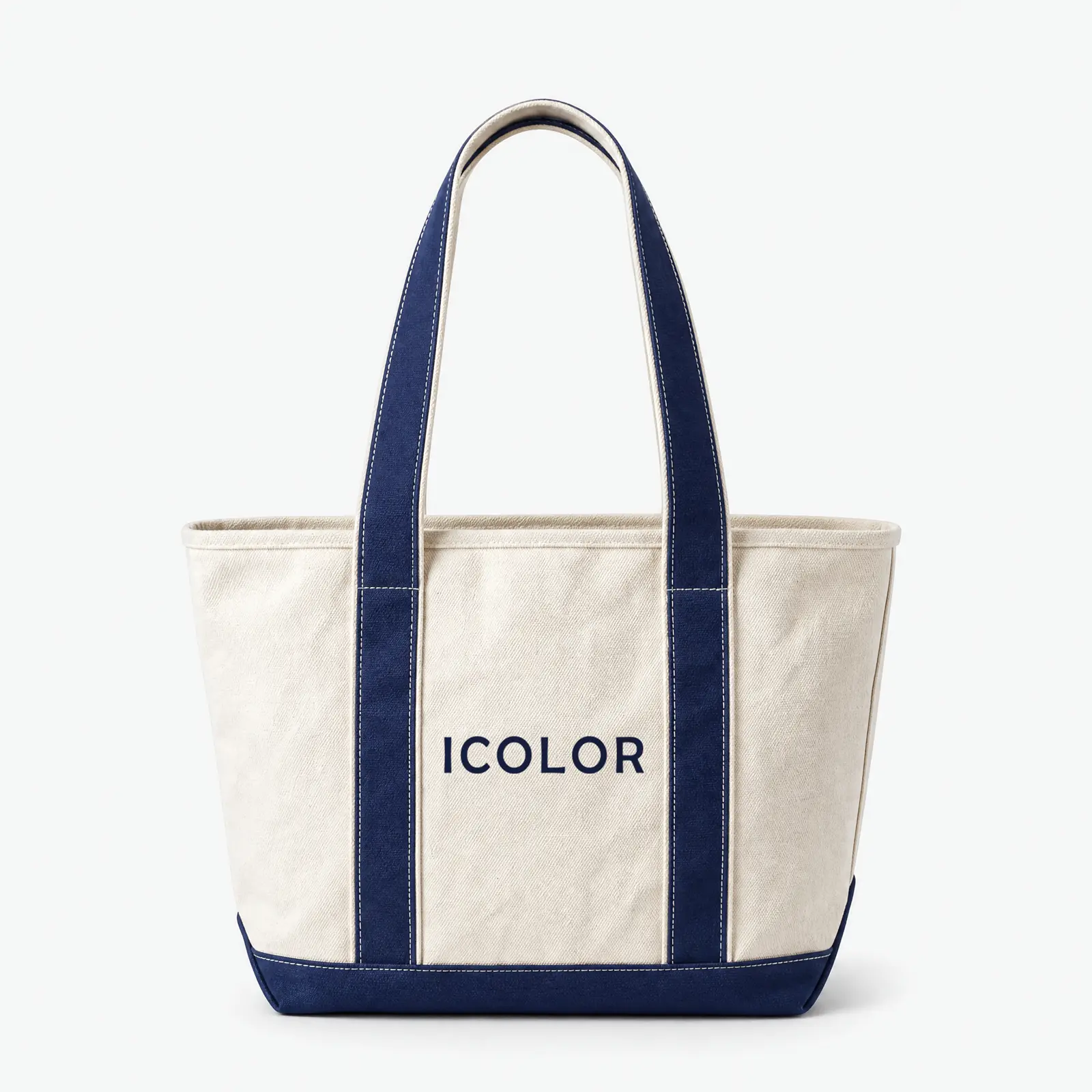
Recycled Cotton Totes
For softer reclaimed-fiber handfeel and recycled document-scope review.
View route
Organic Cotton Totes
For organic-cotton route planning, material wording and document discussion.
View route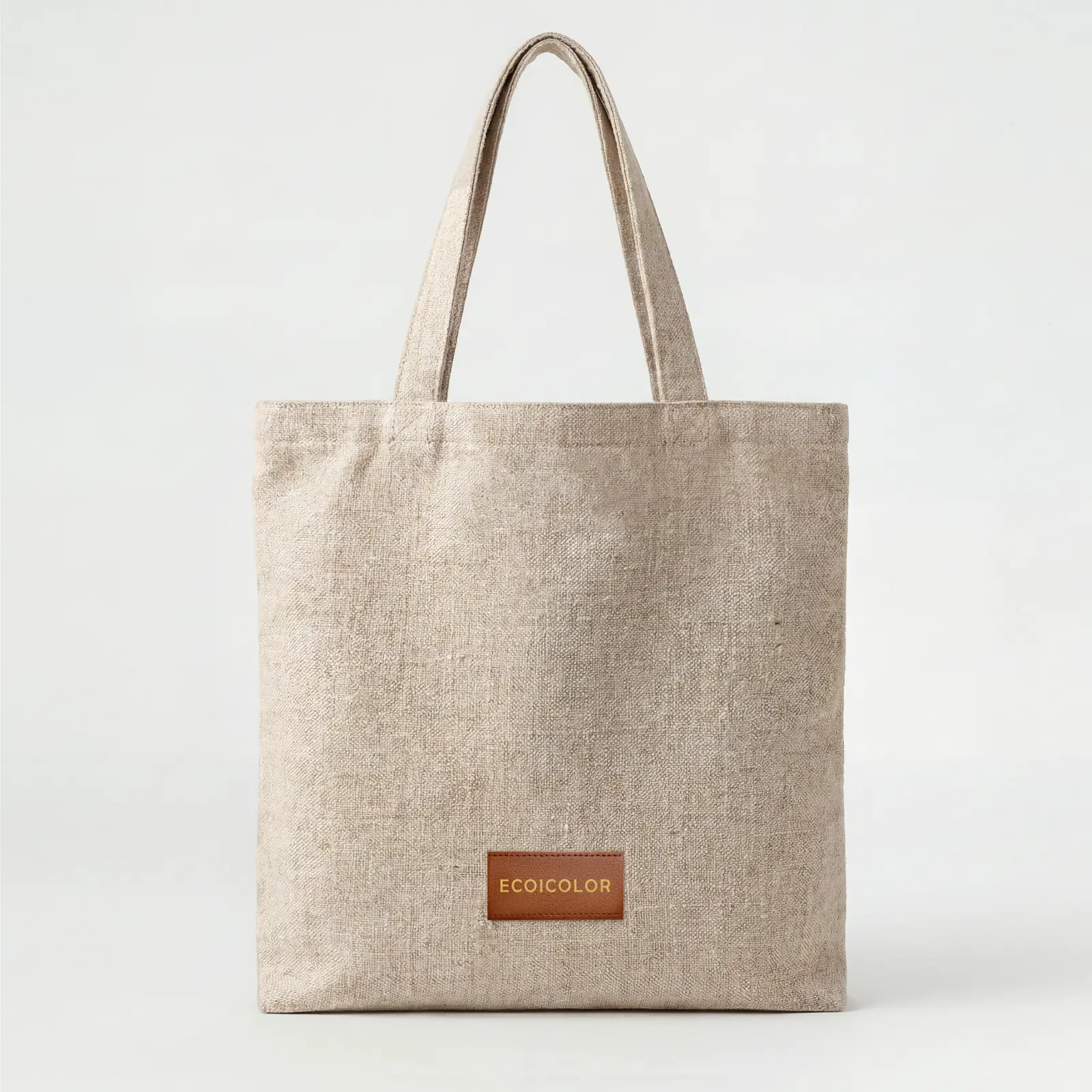
Jute & Natural Fiber
For more textured natural-feel tote programs and earthy retail presentation.
View route
Custom Logo Totes
For projects where artwork method, placement, Pantone control or label system is the main risk.
View routeReady to review recycled cotton tote product options?
The product catalog continues below. Use the planning notes above to compare recycled cotton blend, logo route, label scope, claim wording and pack-out before selecting a product direction.
Talk to Zoe Yu About Your Recycled Cotton Tote Project

Factory-side project support
Zoe supports overseas brand buyers with tote bag briefs, material route review, MOQ feasibility, logo execution, sample coordination, packaging details and production follow-up. For recycled cotton tote projects, she helps review blend direction, handfeel, logo method, label wording, sample fee scope and lead time before sampling.
Send Your Project BriefChecks quantity, use case, size, logo file, packaging and launch timing before quoting.
Aligns fabric route, logo process, color reference and document wording before bulk.
Keeps hangtags, labels, barcode files, carton marks and retail packing details organized.
Connects buyer requirements with factory sampling, QC, packing and shipment updates.
Recycled Cotton Tote Bags
Review recycled cotton tote directions for retail, beauty GWP, DTC, wellness and brand merchandise programs before sending a private label RFQ.
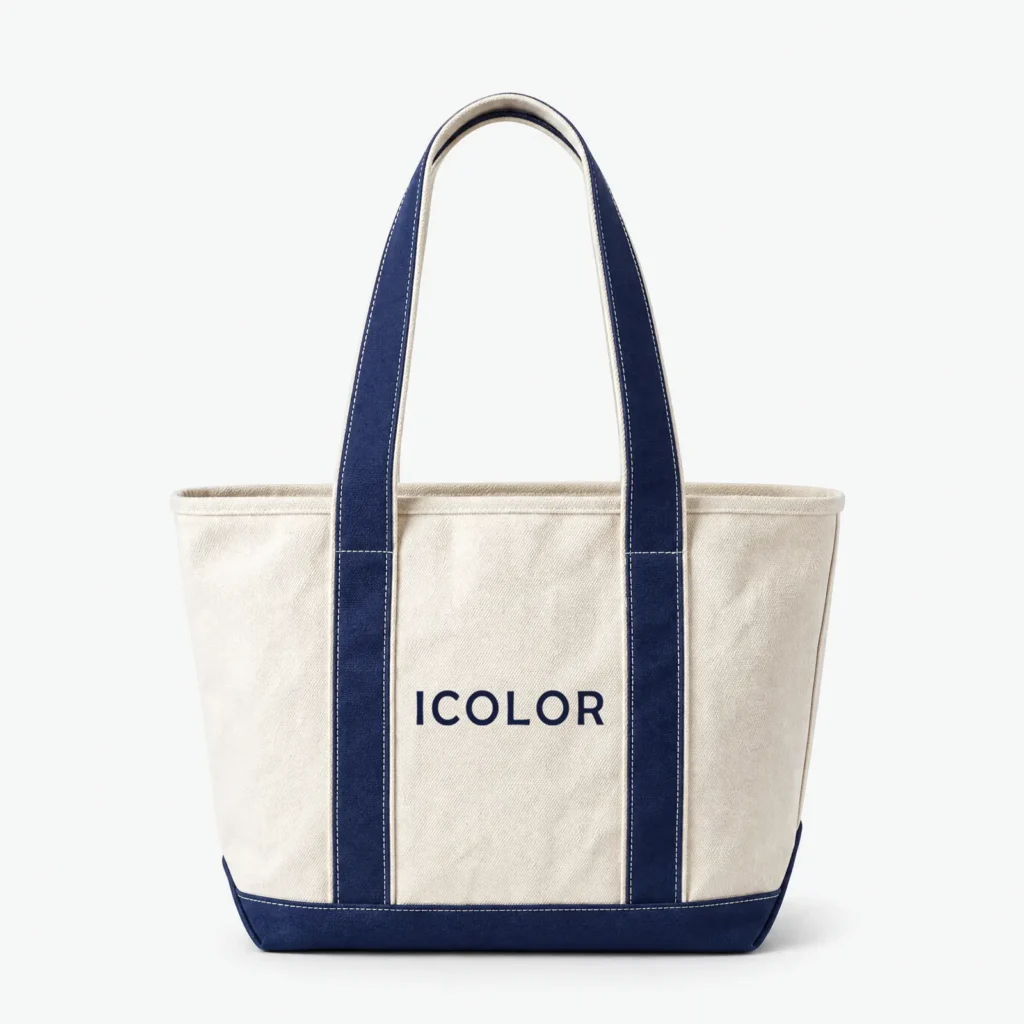
Recycled Cotton Tote Bag | 40 × 38 × 15 cm | MOQ 500
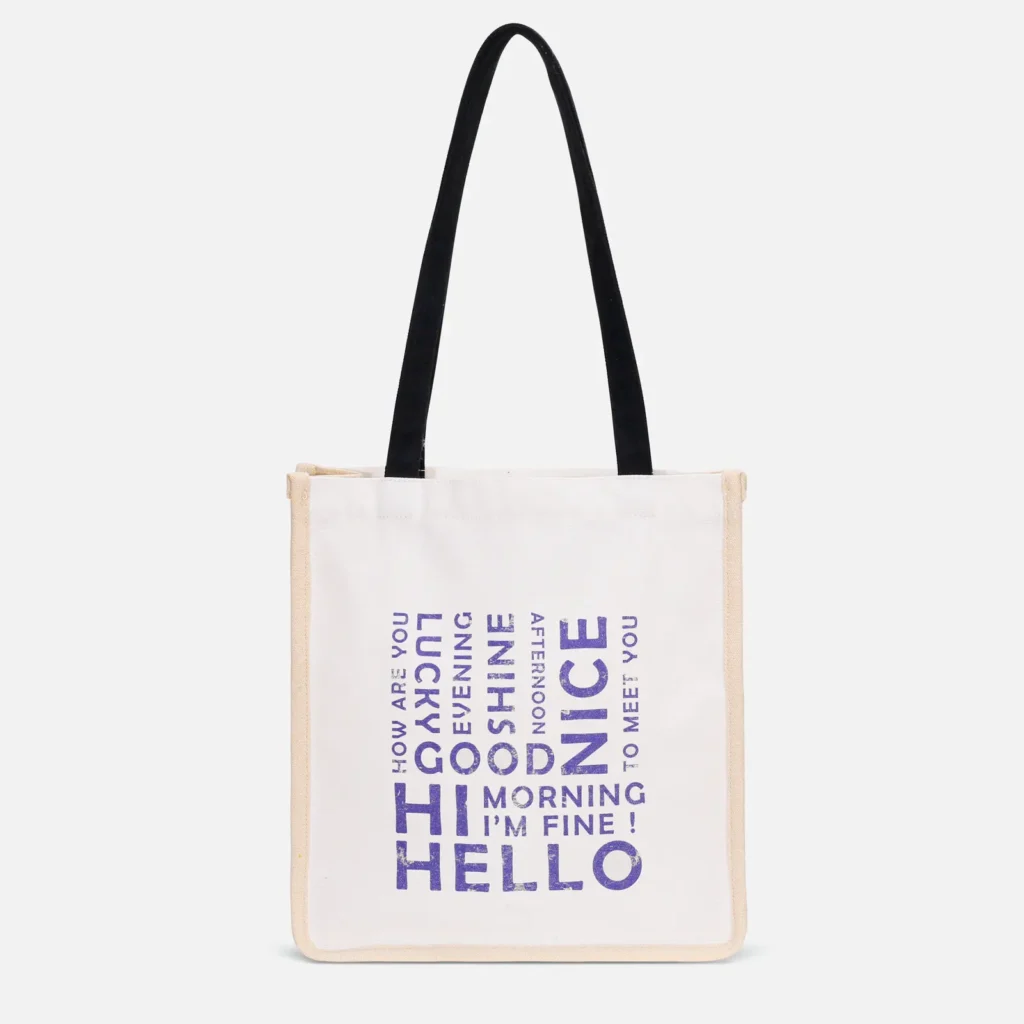
Recycled Cotton Tote Bag | 27 × 30 × 8 cm | MOQ 500
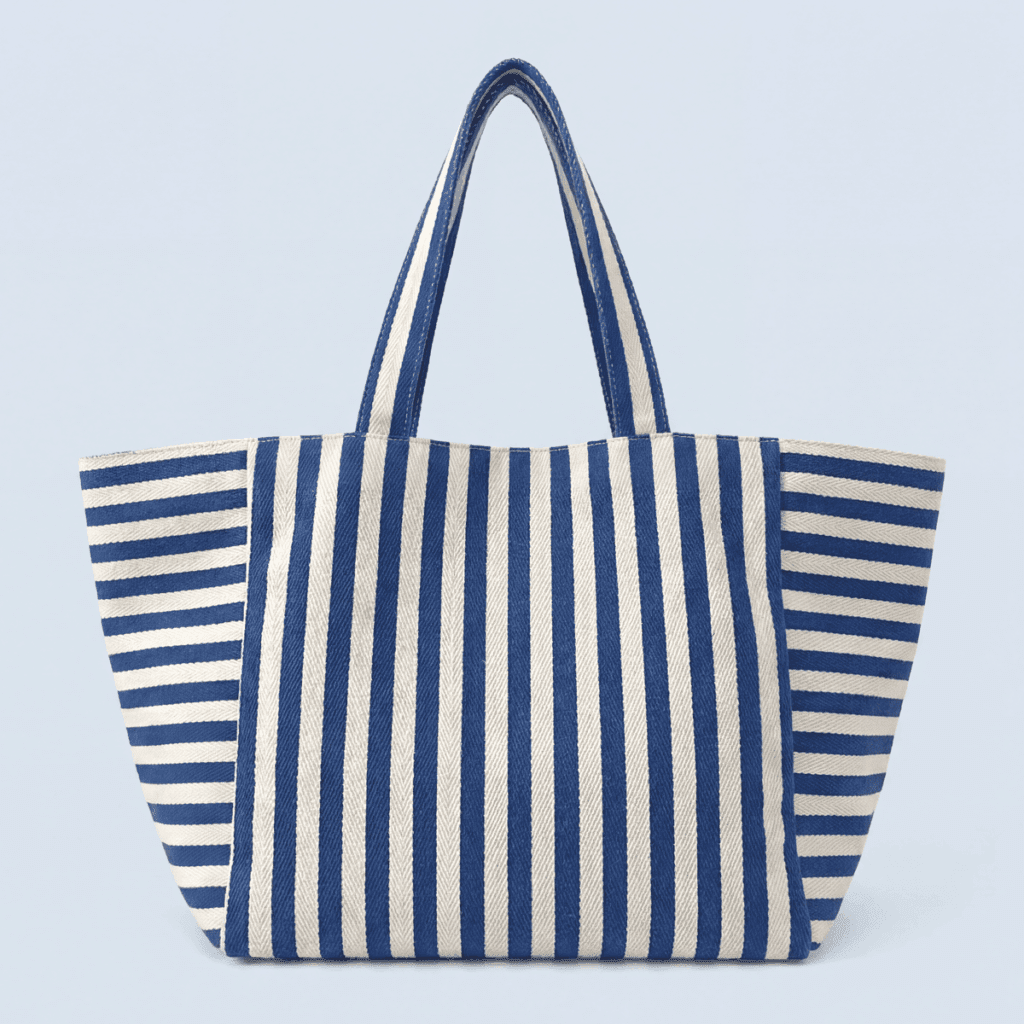
Recycled Cotton Canvas Tote Bags Bulk – Custom Logo, Eco Branding, Print Ready | Wholesale B2B Supplier
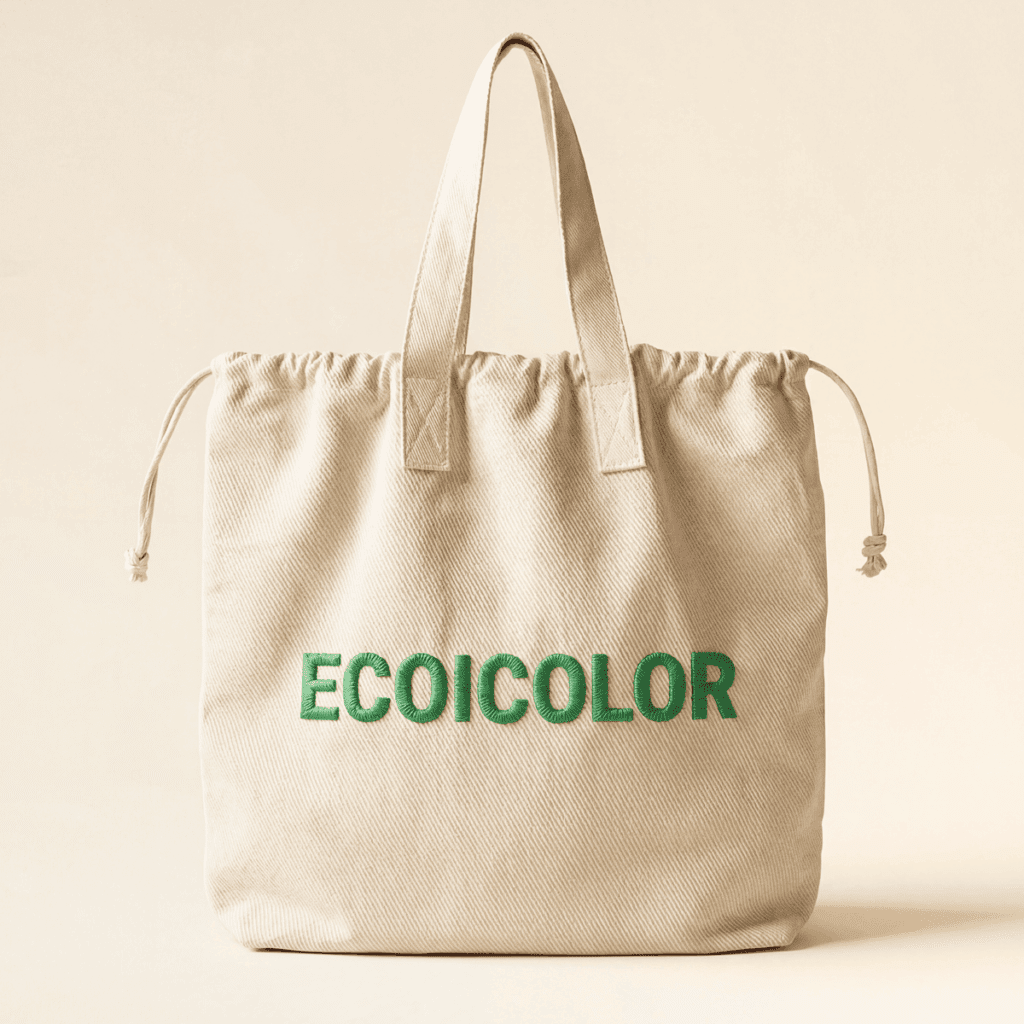
Recycled Cotton Tote Bag | Custom Logo | B2B Supply
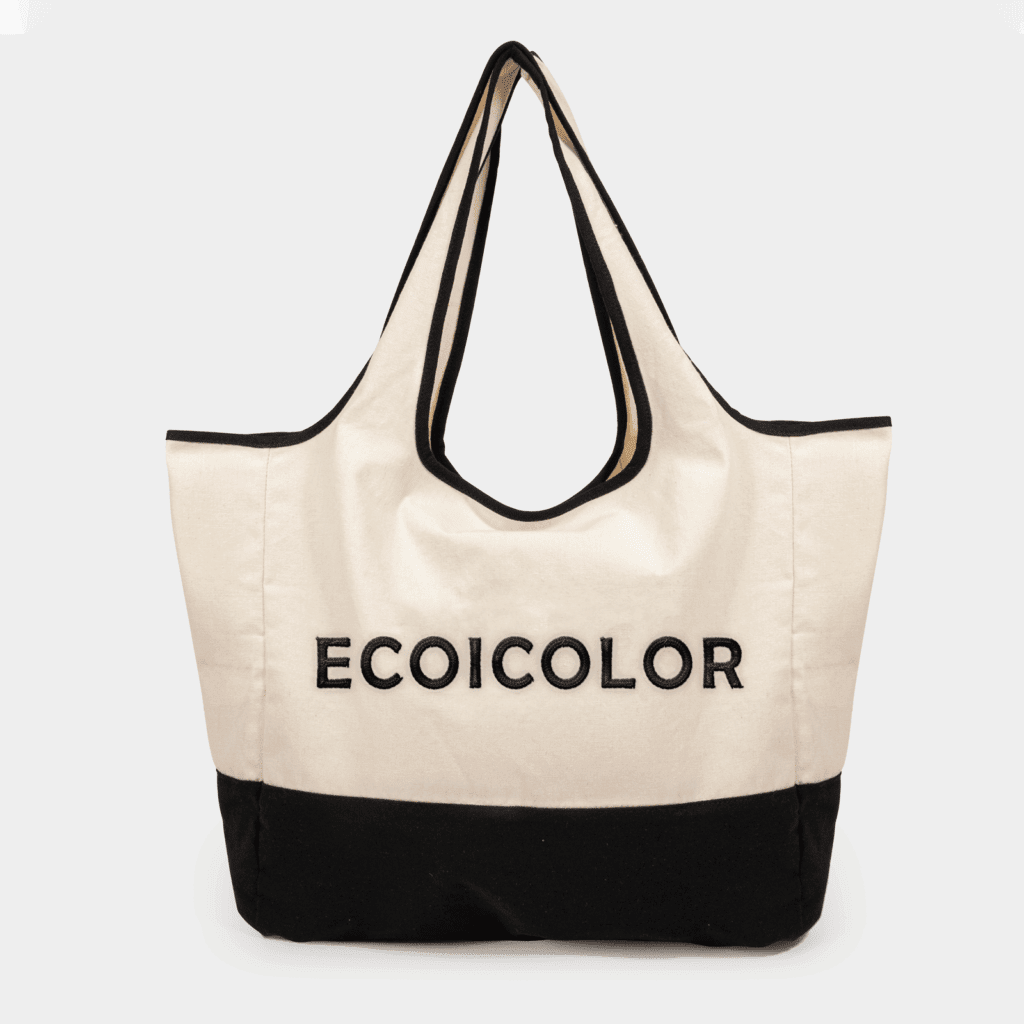
Recycled Cotton Tote Bag | Lightweight and Foldable | B2B Supply
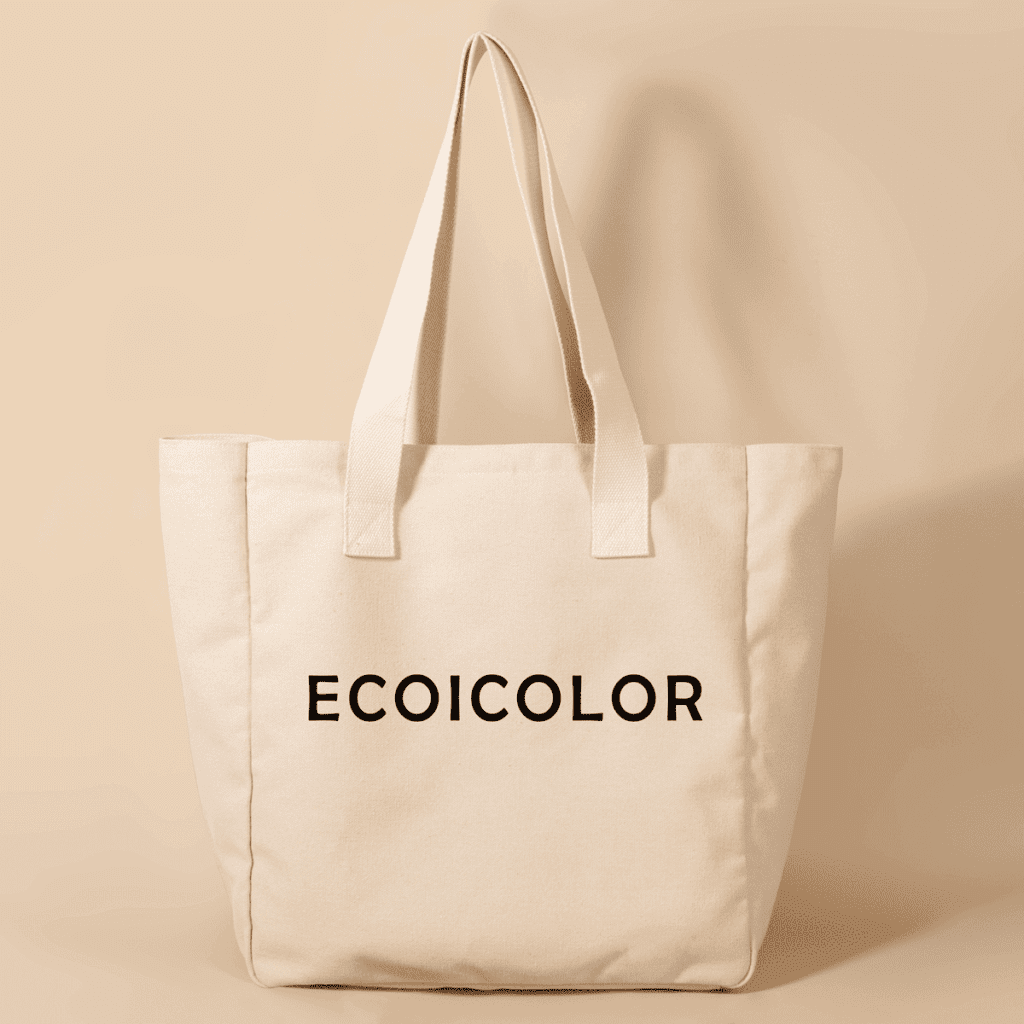
Recycled Cotton Canvas Tote Bag | Heavy Duty | Wholesale B2B
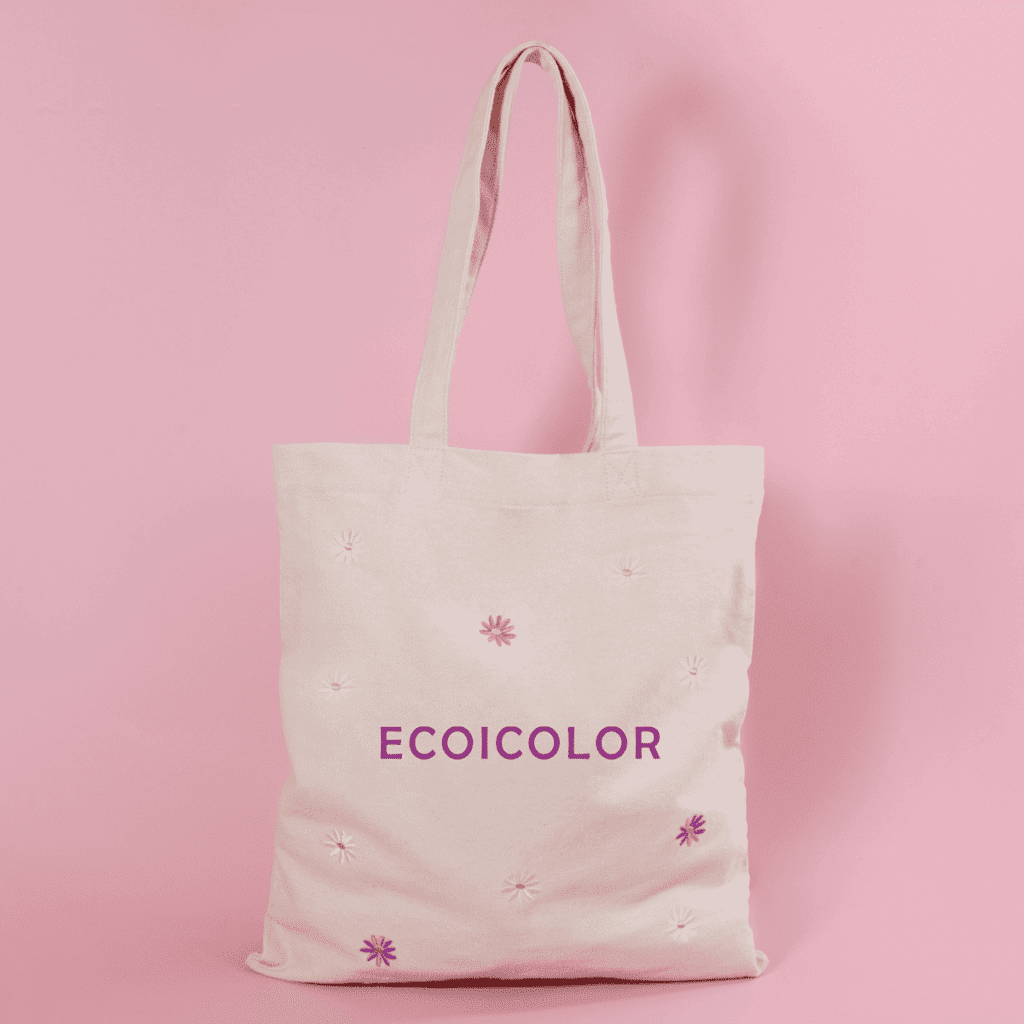
Recycled Cotton Tote Bag | Soft Structure | Wholesale B2B
Guides for a Quote-Ready Recycled Cotton Tote Brief
Use only the guide that matches the open buying decision. If blend, quantity, artwork, sample standard and delivery timing are already confirmed, send the RFQ directly.
Recycled Cotton Tote Bag Supplier Checklist
Recycled cotton tote bag supplier checklist for brand buyers reviewing MOQ 500+, material handfeel, logo method, claim wording, sample approval…
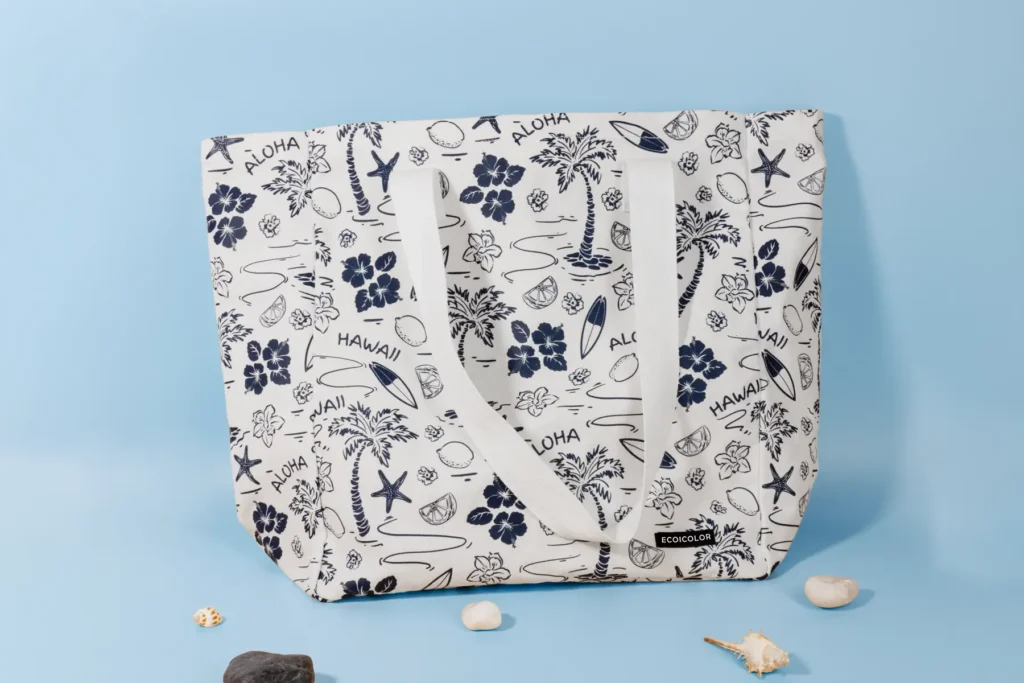
Recycled Cotton Tote Bags: Blend, Handfeel and Claim Guide
Recycled cotton tote bags are often considered for beauty GWP launches, wellness gifts, corporate gifting and retail projects because they…
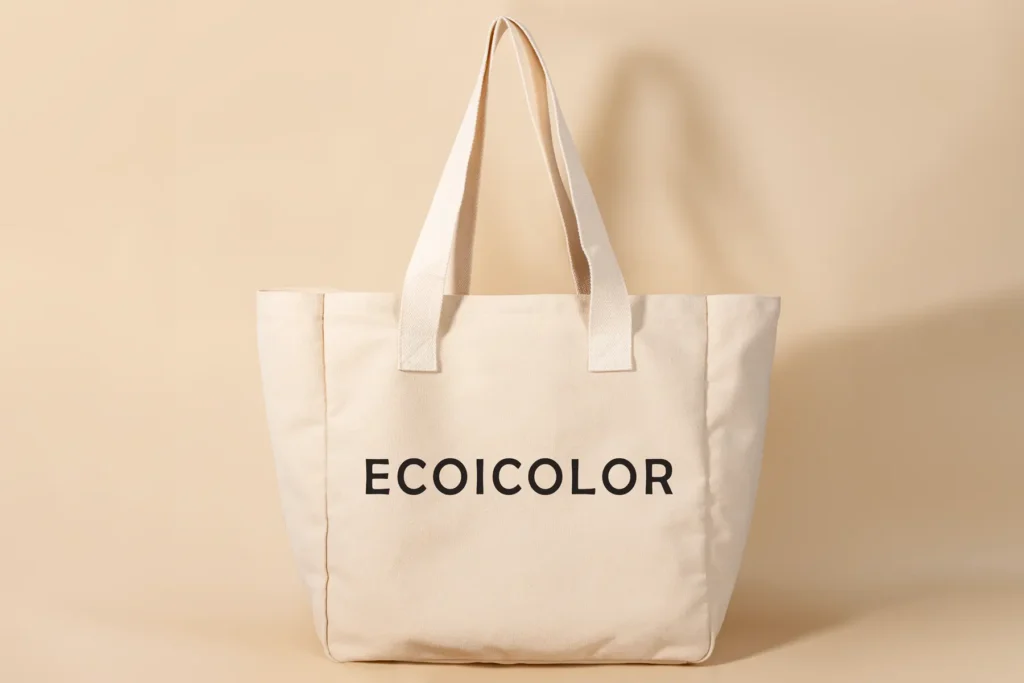
Recycled Cotton vs Organic Cotton Tote Bag Material Route Guide
Recycled cotton vs organic cotton tote bag material route guide for B2B buyers comparing handfeel, document wording, print result, MOQ…
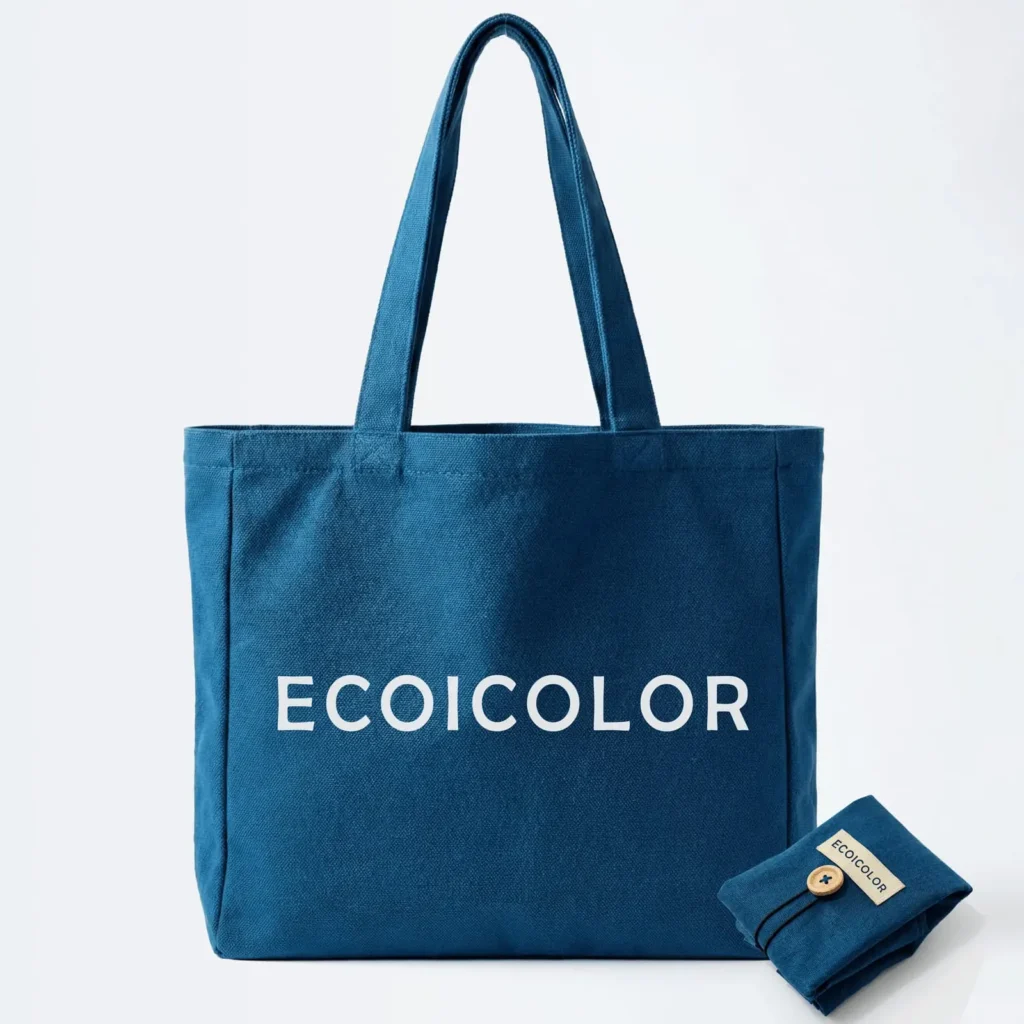
Recycled Cotton Totes vs rPET Totes: Buyer Route Guide
Buyer route guide comparing recycled cotton totes and rPET totes for GWP, retail, hotel, event and private label projects with…
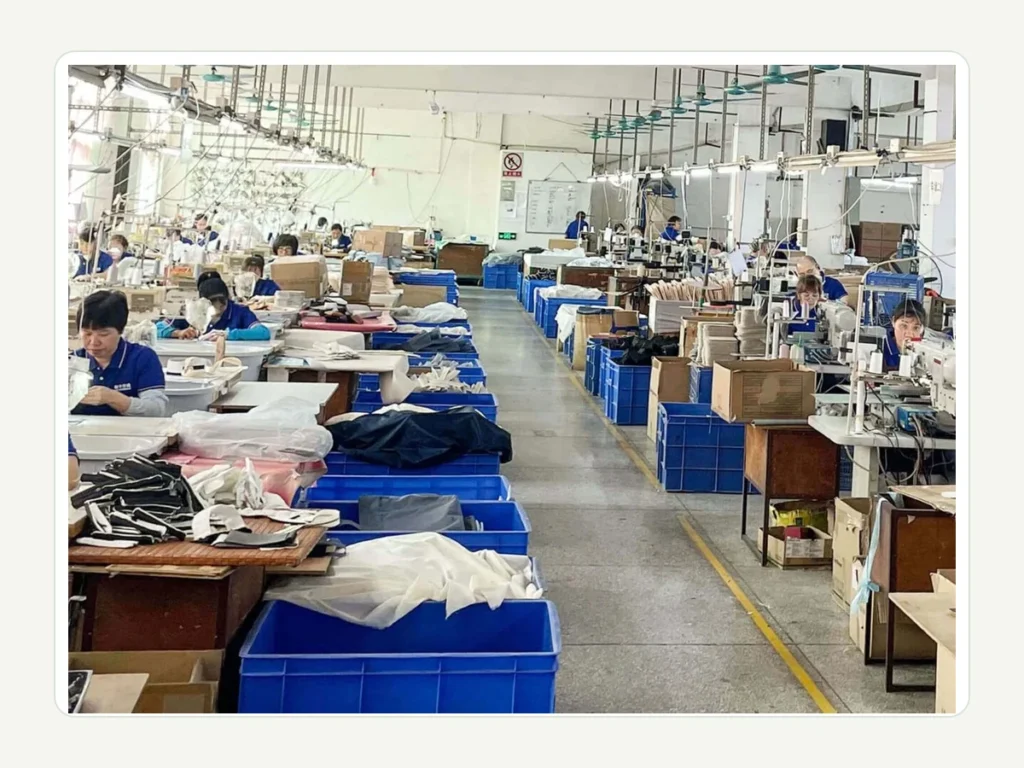
Pre-Production Sample Approval Checklist for Custom Tote Bags
Pre-production sample approval checklist for custom tote bag buyers. Check size, capacity, color, logo, carry comfort, packaging and final sign-off…
Frequently asked questions
Questions buyers usually ask before starting a private label recycled cotton tote RFQ.
Q1: What is the MOQ for private label recycled cotton tote bags?
MOQ is usually planned from 500+ pieces per style for suitable private label recycled cotton tote projects. Final feasibility depends on size, blend route, color versions, logo method, labels, packaging, sample scope and delivery window. Send SKU count, target market and launch timing before quotation.
Q2: What recycled cotton blend should buyers choose?
The right blend depends on handfeel, fabric weight, color tolerance, logo process, document requirement and target price. Buyers should not approve a recycled cotton route from a material name alone. Ask for blend direction, sample handfeel and document-scope review before bulk production.
Q3: Can recycled cotton totes include retail labels and packaging?
Yes. Recycled cotton totes can include woven labels, care labels, hangtags, barcode stickers, belly bands, tissue, individual bags and carton marks. These details should be reviewed with the sample so logo placement, claim wording, fold method and retailer pack-out notes do not conflict.
Q4: How is production lead time planned?
Sample timing is confirmed after the material route, construction, artwork, logo process, packaging and document scope are reviewed. Bulk production timing is confirmed after sample approval, quantity, version count, capacity, packing and delivery requirements are frozen. The written quotation records the project-specific schedule; no fixed day range is promised before that review.
Q5: How are sample fees and document routes handled?
Sample fees depend on size, fabric blend, logo process, label files, packaging and customization complexity. For qualified bulk orders, sample fees are typically credited against the order value after project confirmation. Recycled, GRS, RCS or OEKO-TEX-related document routes should be confirmed by material route and supplier chain before sampling.
Q6: Can recycled cotton color vary between sample and bulk?
Yes. Recycled cotton may show natural tone variation, melange flecks or dyed-color tolerance differences depending on blend, yarn lot and fabric route. Buyers should approve a realistic sample, keep a color reference and confirm whether the variation is acceptable for retail or GWP presentation.
Q7: Which logo methods should be tested on recycled cotton?
Screen print, embroidery, heat transfer, woven labels, patches, hangtags and care labels can all be reviewed, but the best method depends on fabric texture, artwork detail, order quantity and use case. Test logo clarity, edge tolerance, label placement and pack-out before confirming bulk files.
Sources and planning notes
- MOQ note: MOQ 500+ refers to suitable custom B2B projects per style. Final feasibility depends on material route, color count, logo process, packaging scope and delivery requirements. ↩
- Lead time note: Lead time should be reviewed by project after sample scope, material availability, logo process, packaging needs, quantity and delivery window are confirmed. ↩
- GRS note: GRS references are document-scope prompts for selected recycled material routes, not automatic product claims for every tote project. ↩
- Barcode note: Barcode planning should be confirmed with the buyer's label system, retail channel and carton-mark requirements before sampling. ↩
- Claim wording note: Environmental wording should stay tied to confirmed material, supplier-chain and document scope before quotation or printing. ↩
- Sampling note: Sample review should confirm handfeel, size, logo scale, label position, packaging, document scope and approval timing before bulk production planning. ↩
Trademark notice: All third-party trademarks, certification names, retailer references and product-category references mentioned remain the property of their respective owners. References are included for industry context, buyer education and sourcing discussion only. Ecoicolortote does not claim endorsement, partnership, certification coverage, retailer approval or product approval unless confirmed in the specific project documentation, quote record and order file clearly.
Ready to Start Your Custom Tote Bag Order?
What happens after your brief:
Material recommendation based on your use case | Estimated pricing for your target quantity | Sample timing and production route review
No commitment required. No spam. Just a detailed, honest proposal.