

Custom logo tote bags for brand campaigns.
Plan custom logo tote bags around artwork file quality, logo method, material surface, sample approval, packaging, document scope and delivery timing before bulk production. MOQ usually starts from 500+ pcs per style for suitable custom logo projects.
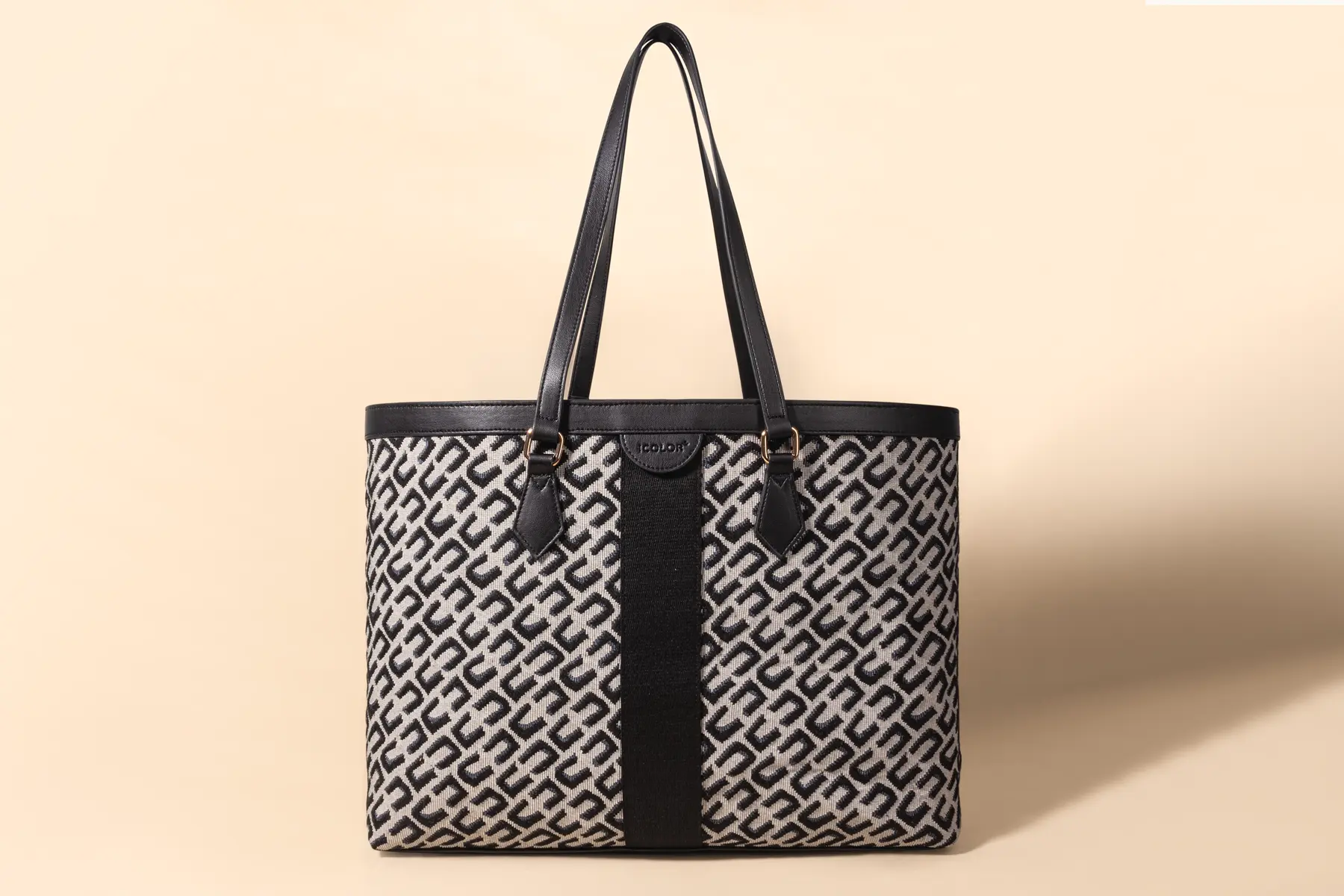
This route is for brand buyers whose main decision is logo execution on tote bags. It covers screen print, embroidery, heat transfer, woven labels, debossing, hot stamping, material fit, artwork files, sample fees, project-specific bulk planning and packaging checks. Use it when the logo method, placement, color tolerance or label system is the key risk before quoting, especially for retail, GWP, hotel, event and wellness projects.
Choose a Product Route Before Comparing Logo Methods
Start with the tote construction and material route that best fits the program. Then compare screen print, embroidery, heat transfer, woven labels or trim on the actual surface.
Canvas and recycled cotton
For retail, event and everyday branded totes that need a stable print or embroidery area.
Woven rPET
For lightweight GWP, event, travel and retail programs where recycled wording and document scope must be reviewed.
Jute, natural fiber and specialty routes
For textured, premium or quieter branding where line weight, trim and surface behavior need physical sampling.
Custom Logo Tote Bags
Browse tote bag options that can support logo printing, embroidery, woven labels, heat transfer, debossing or premium trim review for brand projects.
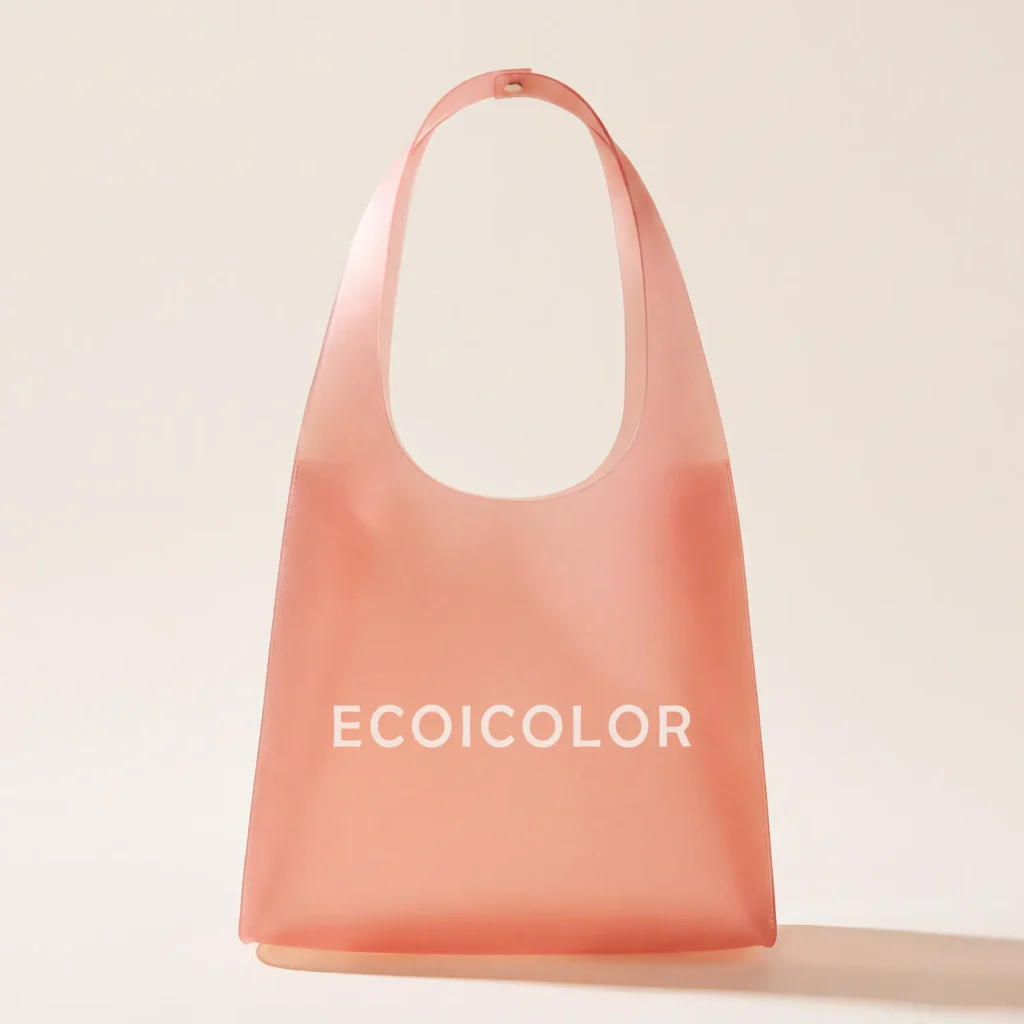
Custom TPU Transparent Tote Bags Bulk | Wholesale B2B
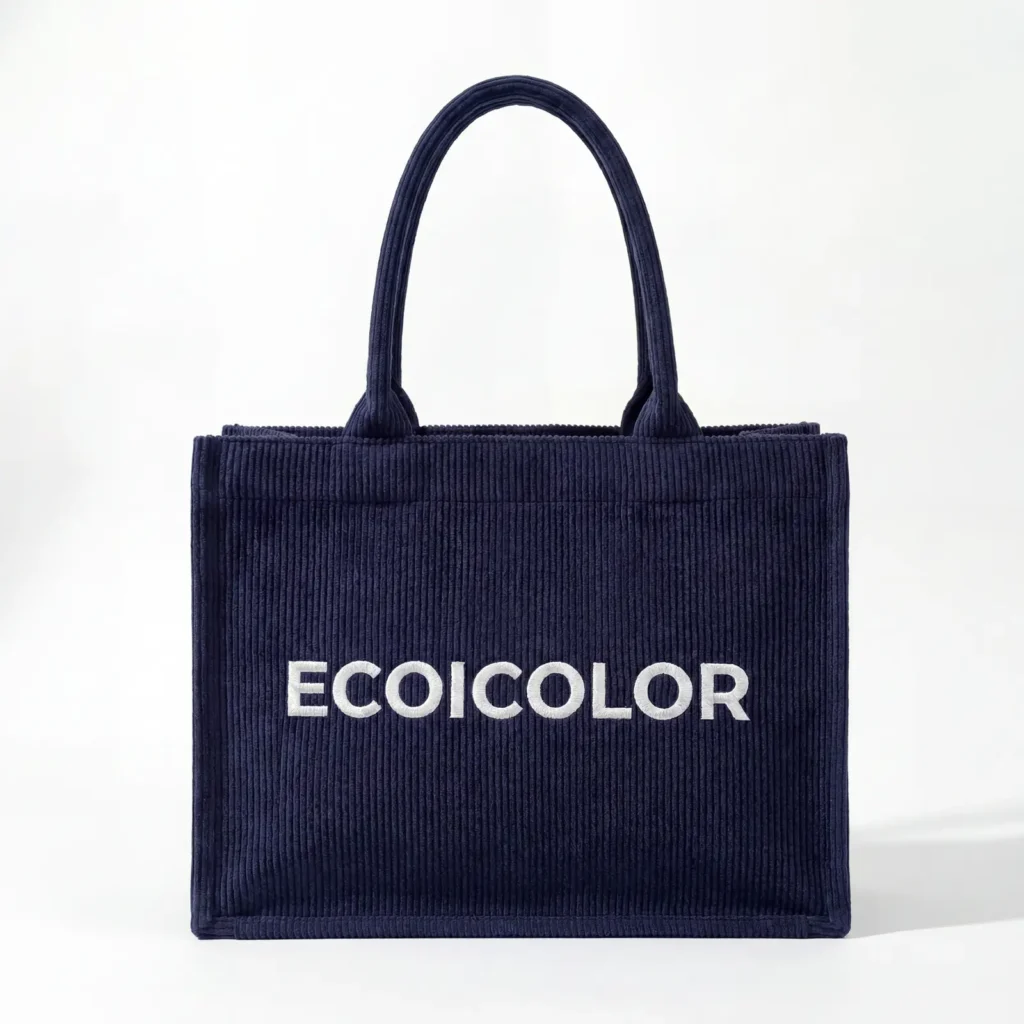
Custom rPET Corduroy Tote Bag | MOQ 500 | Private Label
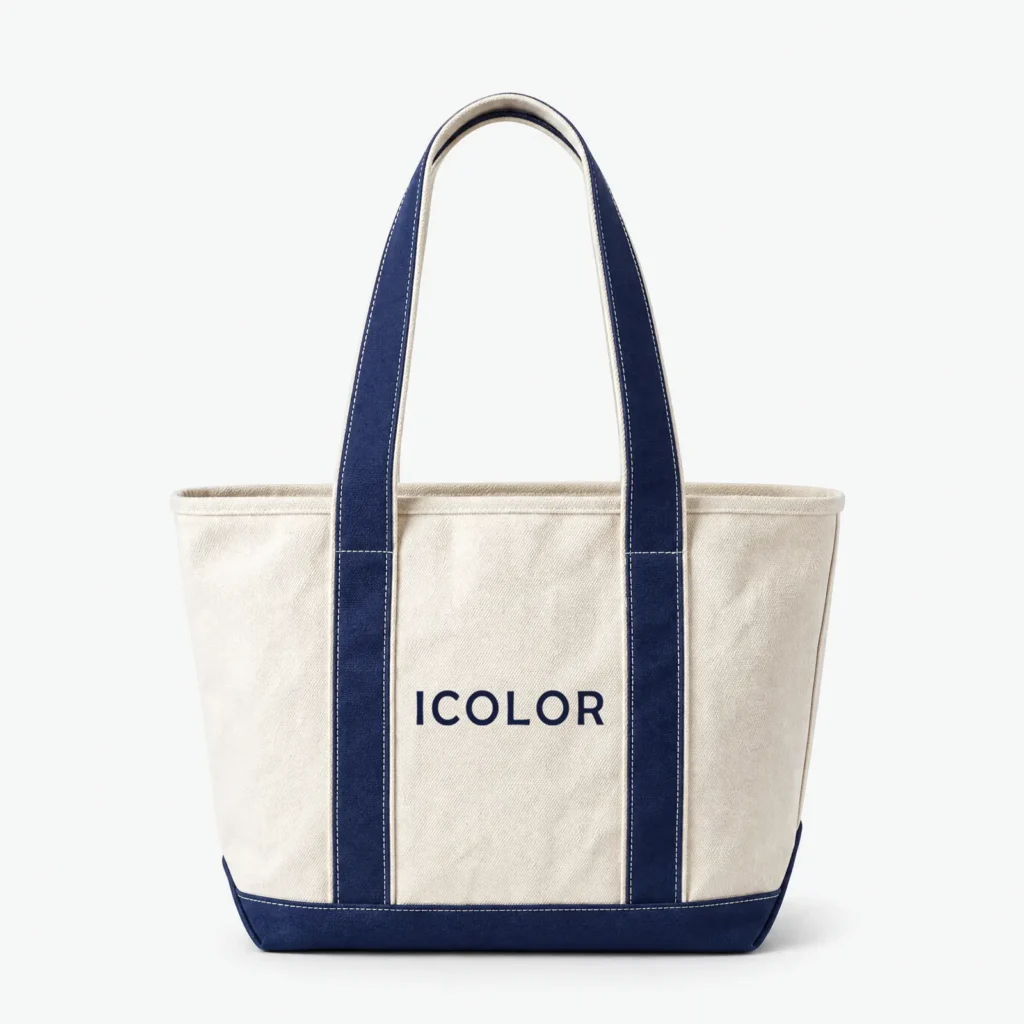
Recycled Cotton Tote Bag | 40 × 38 × 15 cm | MOQ 500
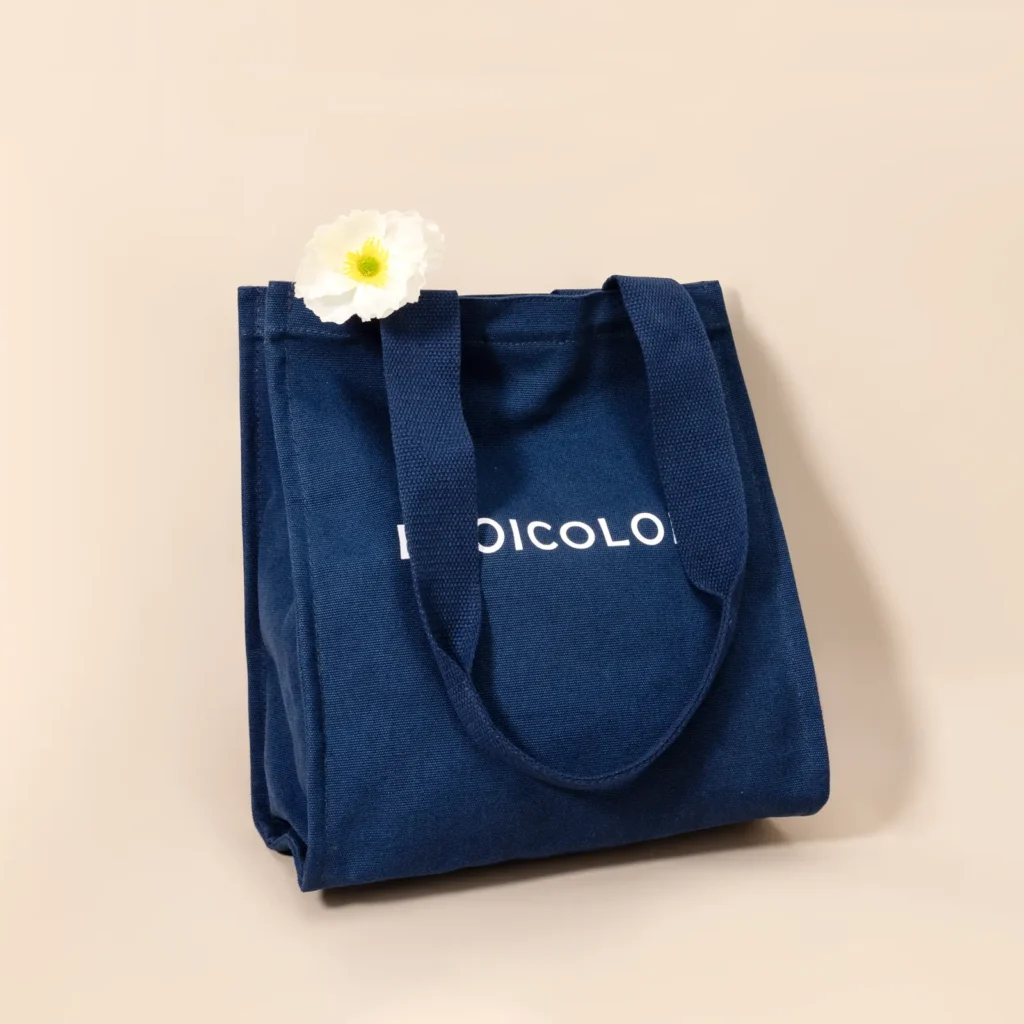
Cotton Canvas Tote Bag | 25.5 × 29.5 × 10 cm | MOQ 500
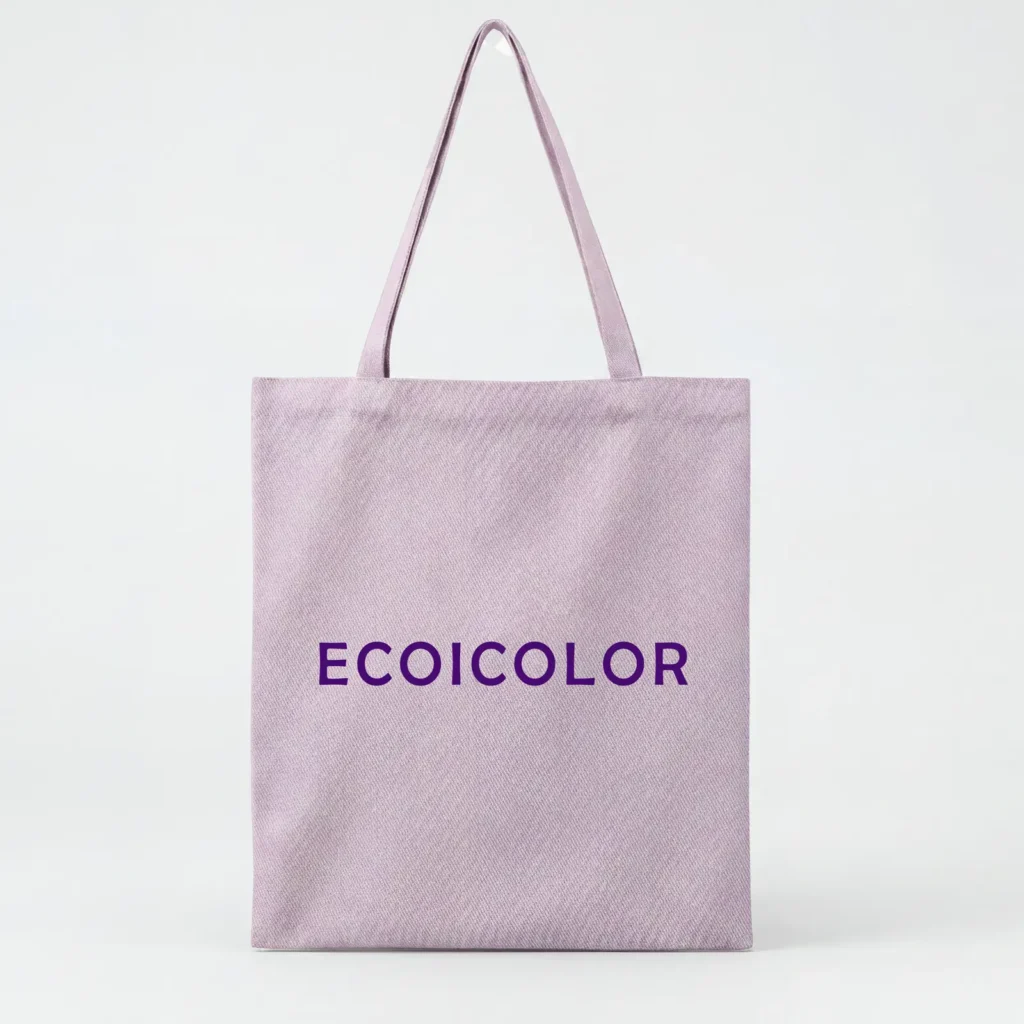
Organic Cotton Tote Bag | 39 × 45 cm | MOQ 500
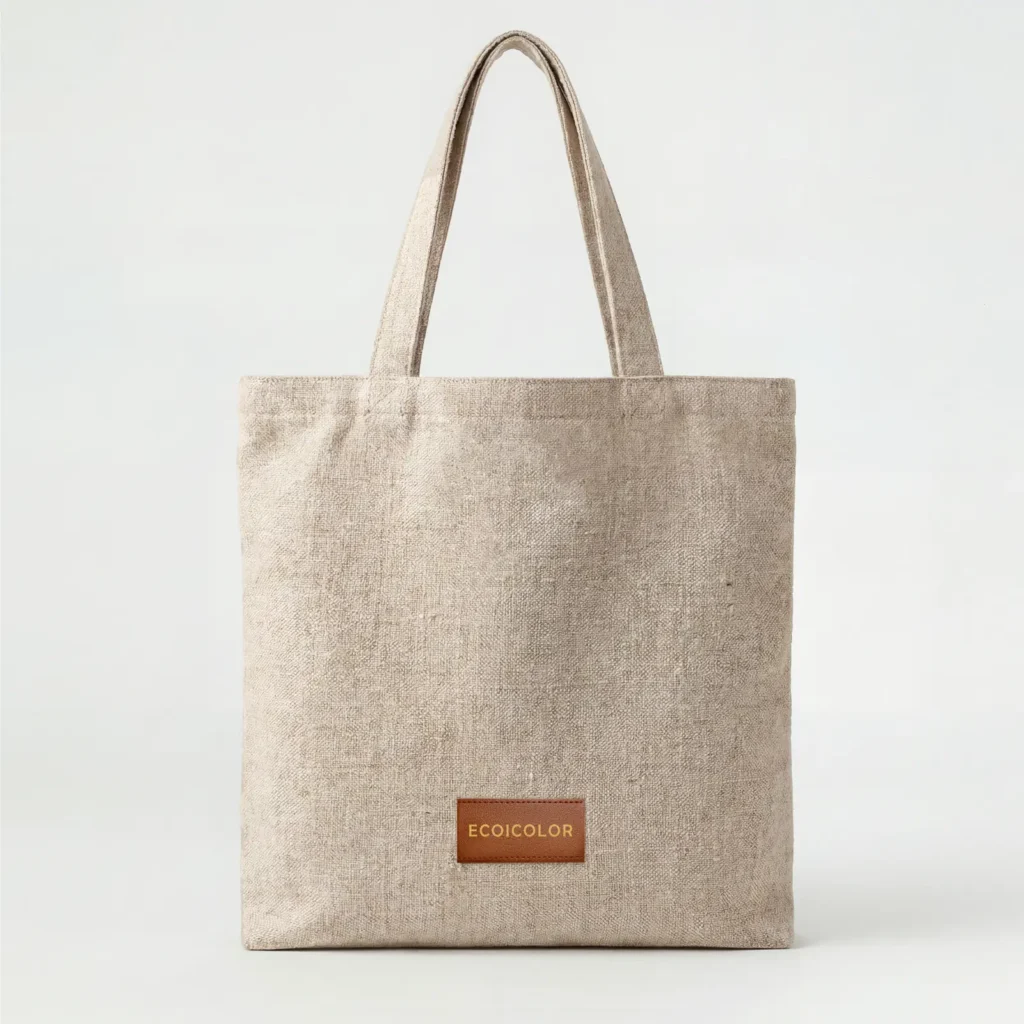
Jute-Cotton Tote Bag | 41 × 40 cm | MOQ 500
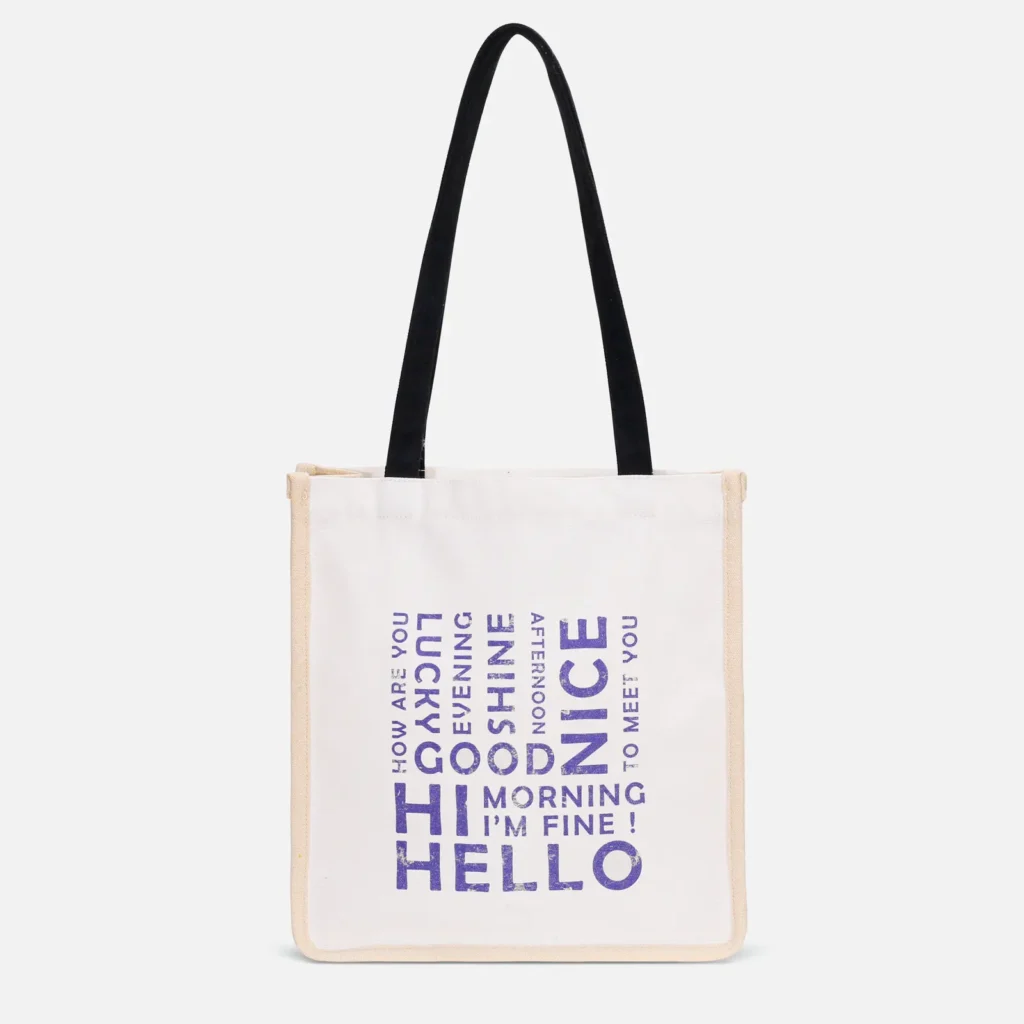
Recycled Cotton Tote Bag | 27 × 30 × 8 cm | MOQ 500
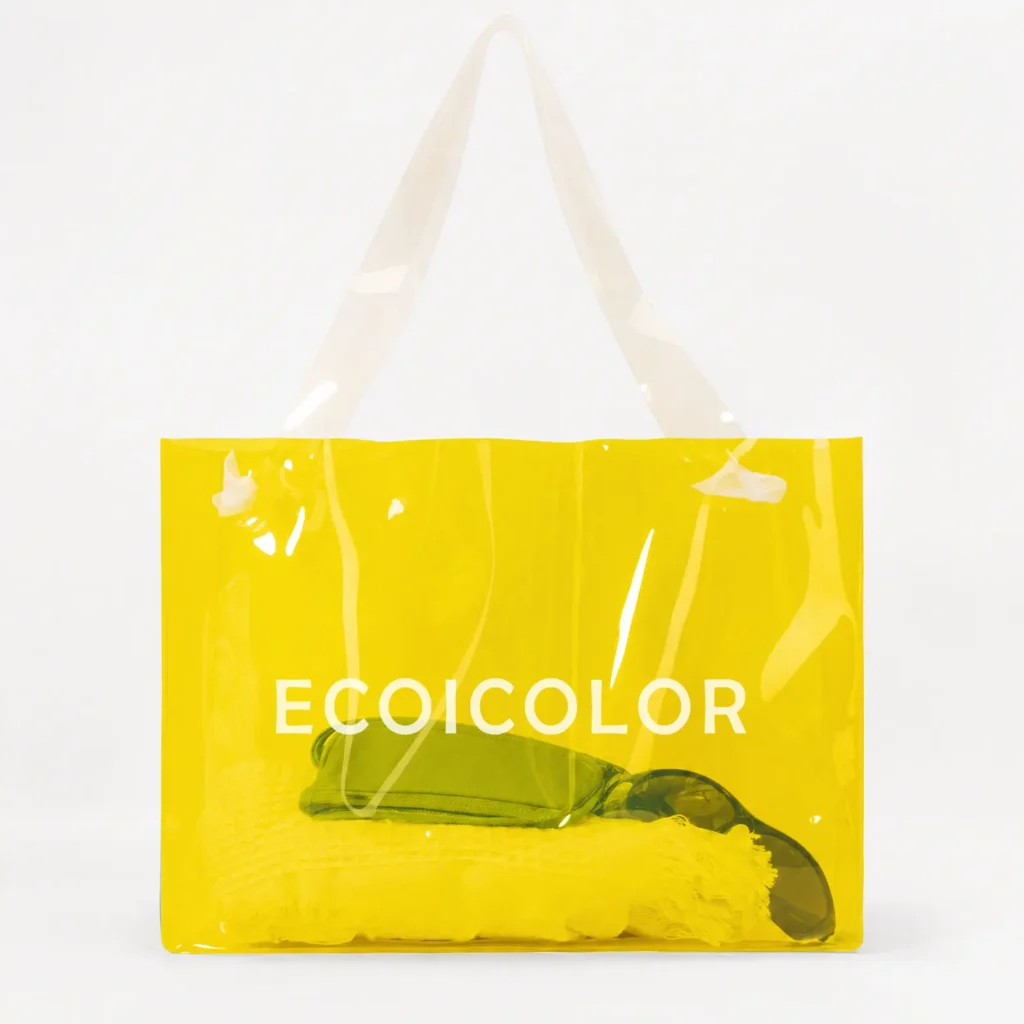
Transparent TPU Tote Bag | 39 × 29.5 × 10 cm | MOQ 500
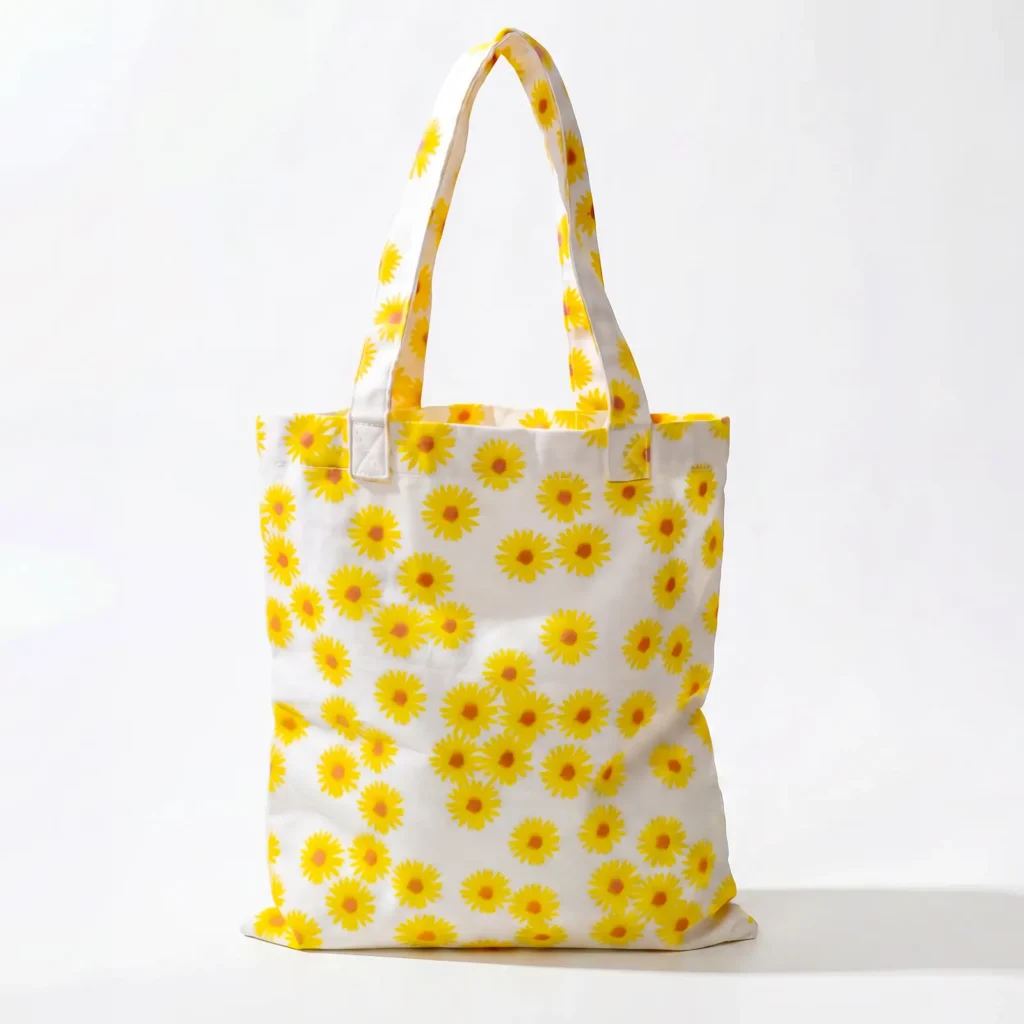
Printed Pineapple Fiber Tote Bag | 38 × 44 cm | MOQ 500
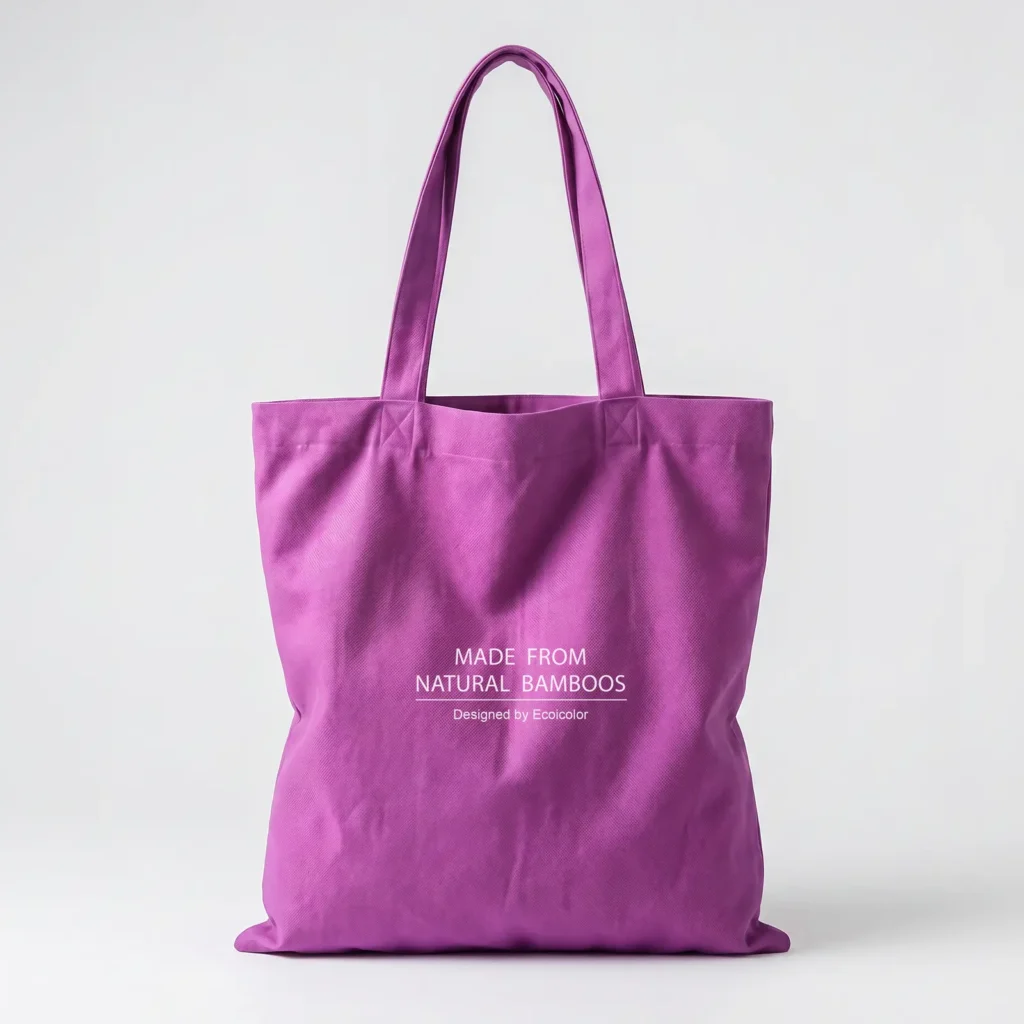
Bamboo Fiber Tote Bag | 38 × 44 cm | MOQ 500
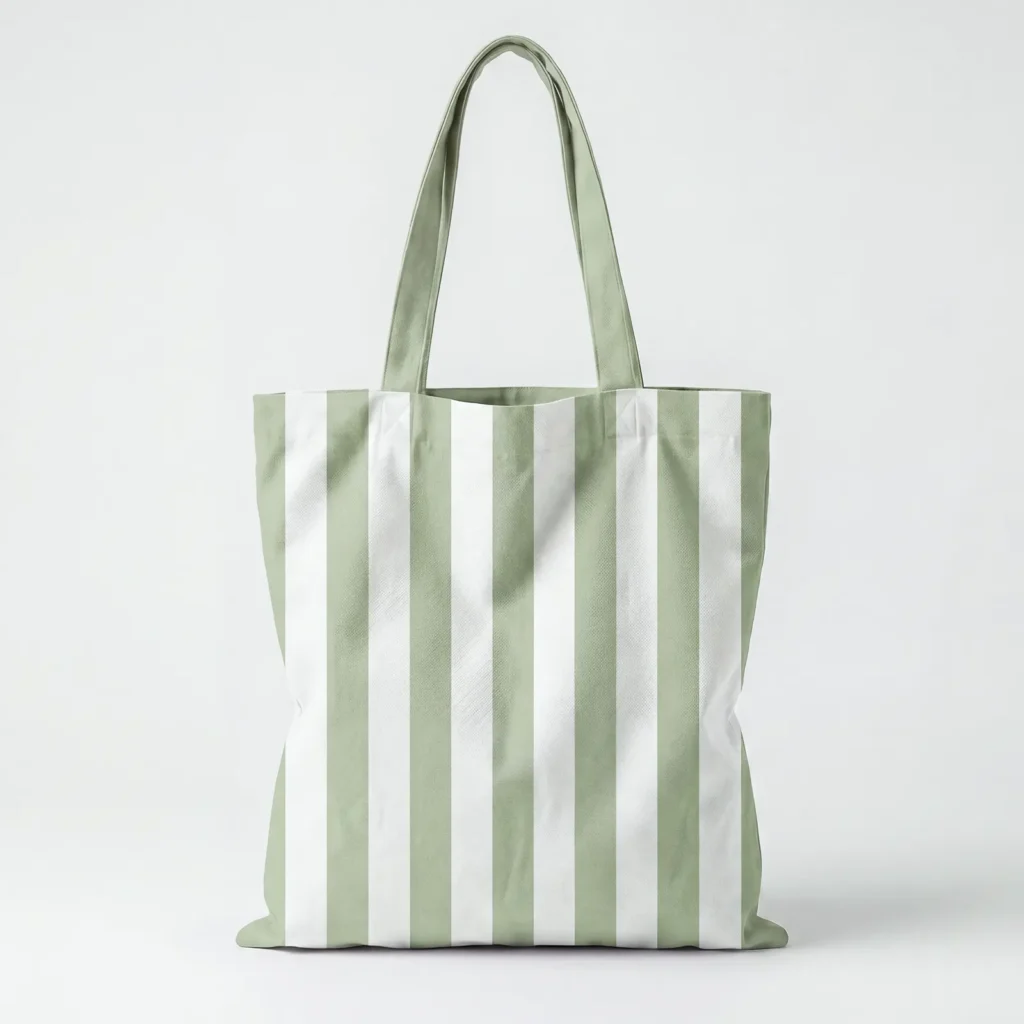
Printed Bamboo Fiber Tote Bag | 38 × 44 cm | MOQ 500
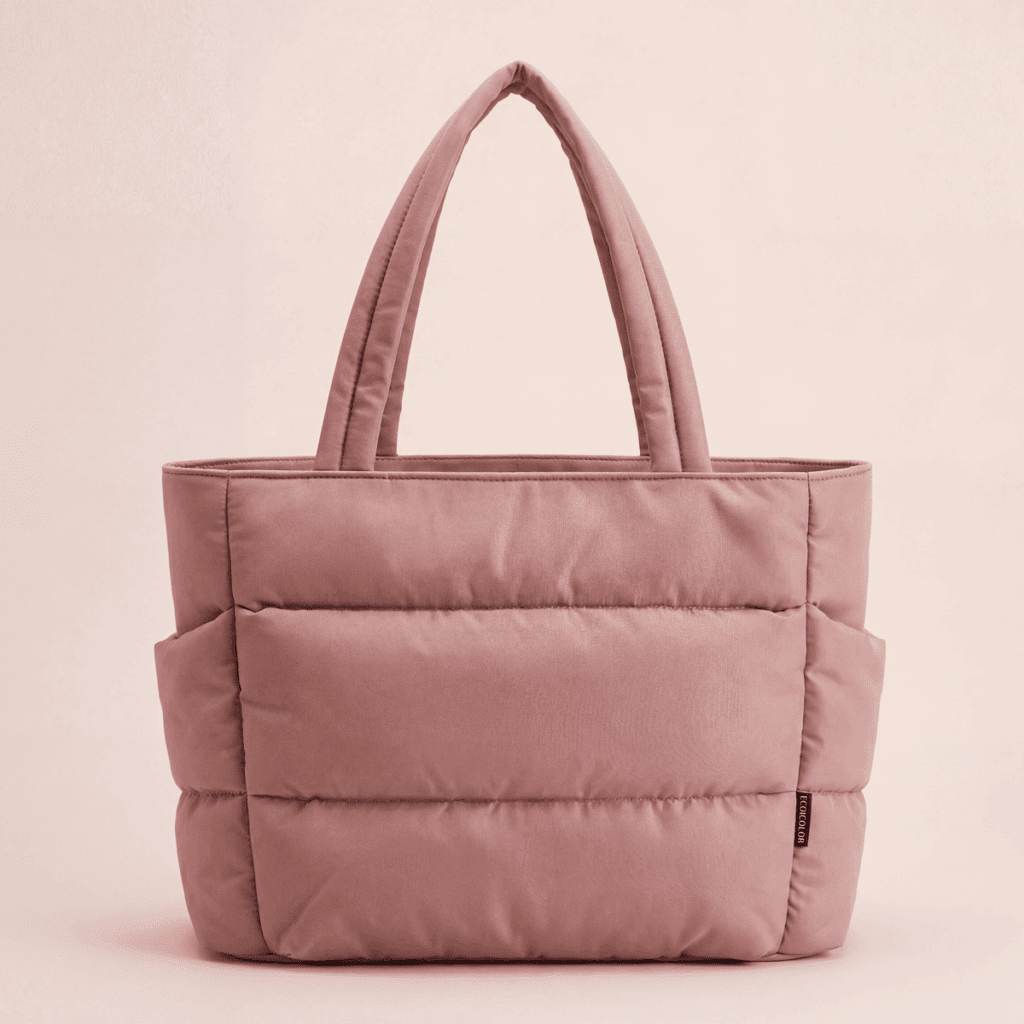
rPET Tote Bag | 40 × 38 × 15 cm | MOQ 500
What should custom logo tote bags solve?
Custom logo tote bags should make a brand mark look intentional on the chosen bag, not simply visible. The buying decision should connect artwork file quality, material texture, logo process, color tolerance, trim or label position, sample approval and how the tote will be packed or handed to the end user.
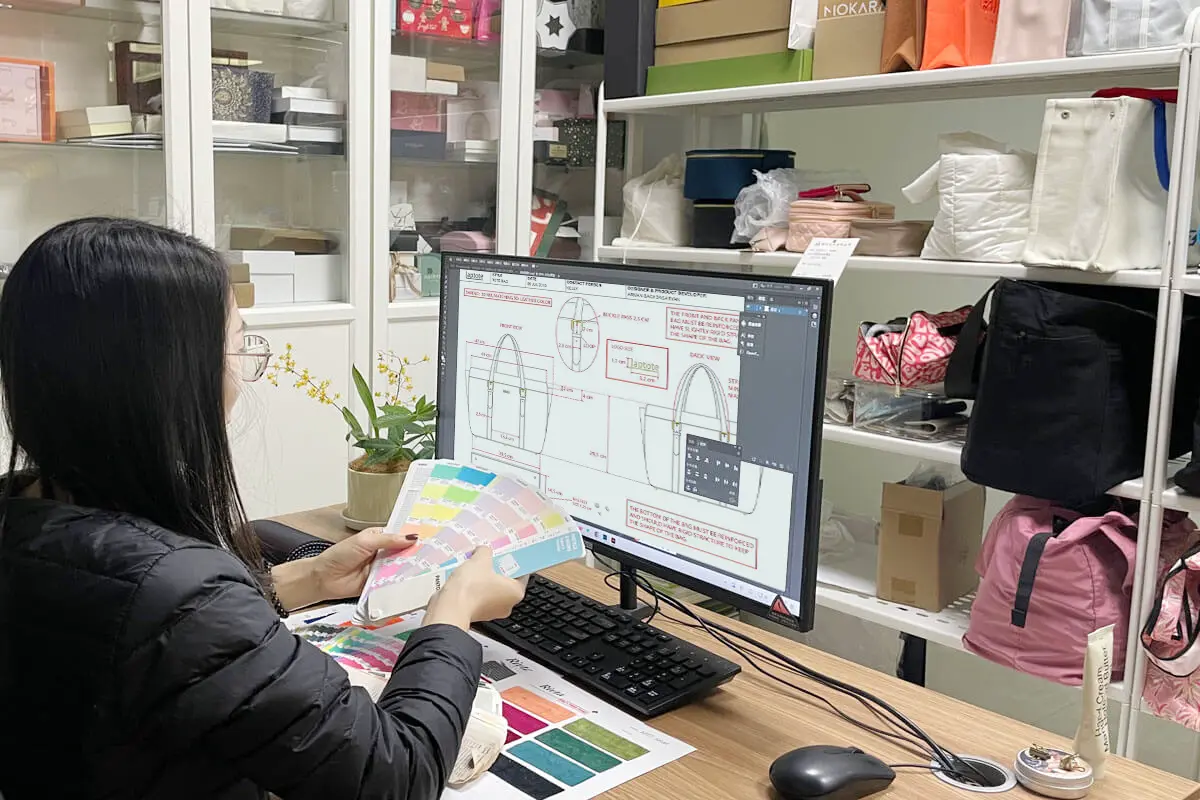
Visible brand mark
Review vector file quality, logo size, print area, color count and material surface before sampling.

Subtle or tactile branding
Compare print, embroidery, woven label, debossing or hot stamping when the logo should feel more premium.
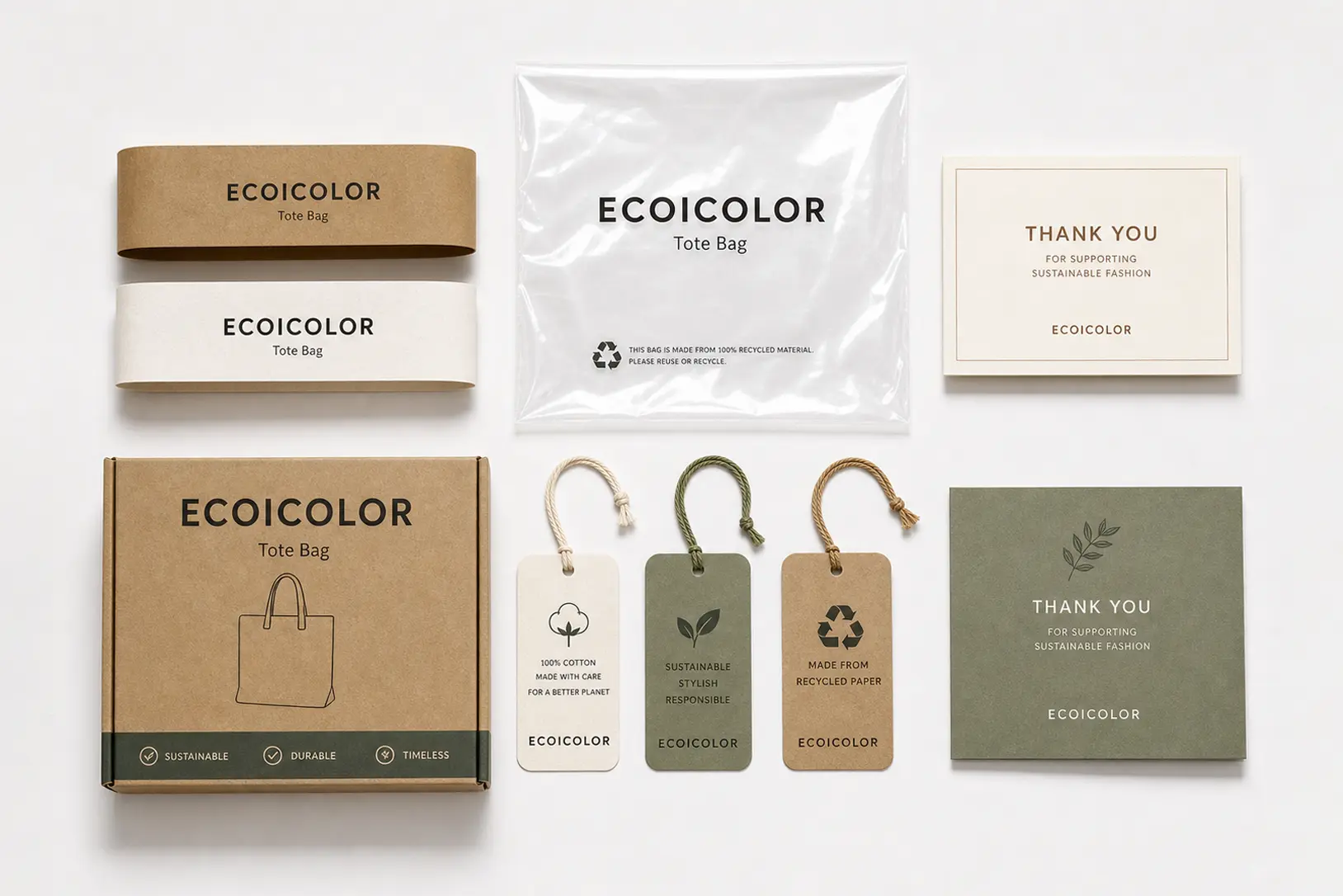
Packaging alignment
Check fold direction, sleeve, hangtag, insert card, barcode and carton packing before logo approval.
| Buyer question | What to confirm | Why it matters |
|---|---|---|
| Will the logo stay sharp? | Vector file, line weight, print size, color count and fabric surface. | Fine artwork can break down on rough canvas, ribbed materials or small labels. |
| Should the logo feel subtle or promotional? | Logo method, tone-on-tone option, thread or ink color and placement. | A beauty or luxury gift may need restraint, while event totes need visibility. |
| Will packaging change the logo view? | Fold direction, sleeve, hangtag, insert card, barcode and carton packing. | A strong logo can still look weak if the tote is folded across the mark. |
| Does the project include material claims? | Fabric route, document scope, label wording and destination market. | Claim wording should be reviewed before labels, hangtags or campaign copy are printed. |
Which logo methods can be reviewed before sampling?
Logo method should be selected after checking material surface, line detail, color count, budget, handfeel and how the tote will be used. A process that looks strong on smooth rPET may not behave the same way on heavy cotton canvas, jute texture or a coated trim.
Screen printing
Best for clear artwork, solid colors and medium-to-large logo areas on canvas, cotton and selected rPET surfaces.

Embroidery
Useful for premium tactile logos, badges and smaller marks where thread texture supports the brand tone.
Heat transfer
Helpful for detailed artwork, gradients or smaller production versions when the material surface supports transfer bonding.

Woven label
Works for retail-style branding, side labels, inner labels and repeated SKU systems that need consistent identity.

Debossing
Suitable for restrained marks on selected coated, structured or leather-look materials when low-key branding is preferred.

Hot stamping
Can add a controlled premium accent when the surface, foil tone and logo size are tested before approval.

Metal nameplate
Works as a trim option for structured totes when weight, attachment method and packing protection are reviewed.

Placement review
Checks whether the selected mark works with handle position, seam line, pocket, fold direction and final packaging.
How is this guide different from GWP, luxury, private label and event tote pages?
Use this route when the logo execution itself is the main sourcing question: which method to choose, how artwork should be prepared, how large the mark can be and how the approved sample should be judged.
| Buyer intent | Best route | Reason |
|---|---|---|
| Logo method, artwork, placement, Pantone control and sample approval. | Custom Logo Totes route. | The main decision is how the brand mark is applied and approved. |
| Purchase-threshold gift, launch gift or campaign pack-out. | GWP Tote Bags. | The main decision is campaign mechanics, quantity, packaging and gift value. |
| Premium retail gift, VIP tote or quiet branded presentation. | Luxury Branded Totes. | The main decision is handfeel, structure, trim and premium presentation. |
| Event date, sponsor artwork and handout logistics. | Conference / Event Tote Bags. | The main decision is event timing, version control and delivery window. |
What should buyers send for artwork review?
Artwork review is the fastest way to prevent a custom logo tote from looking different from the brand file. Buyers should send vector artwork when possible, Pantone references, target logo width or height, placement, preferred method, material direction, quantity and any packaging or label files that must align with the tote.
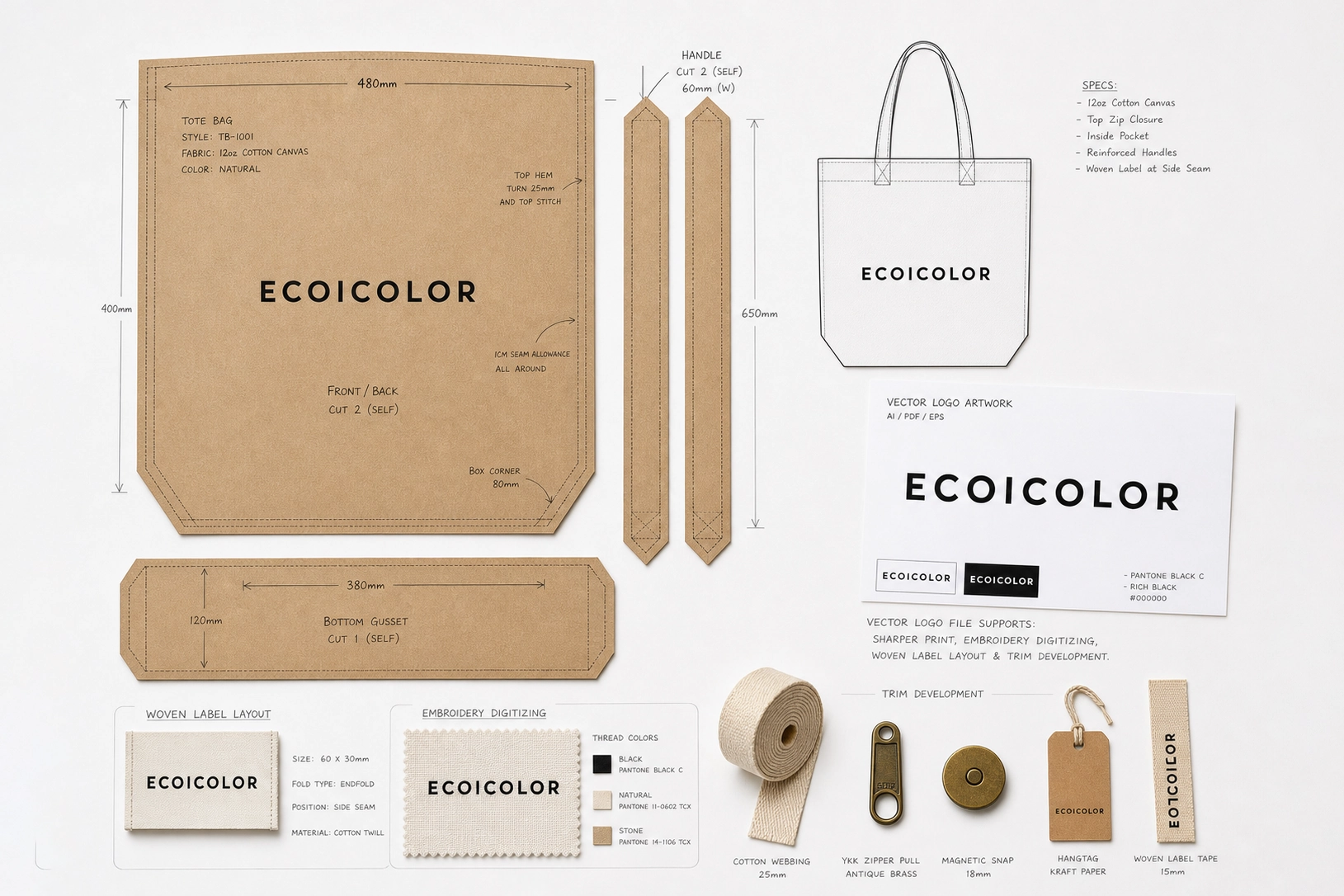
Vector logo file
Supports sharper print, embroidery digitizing, woven label layout and trim development.
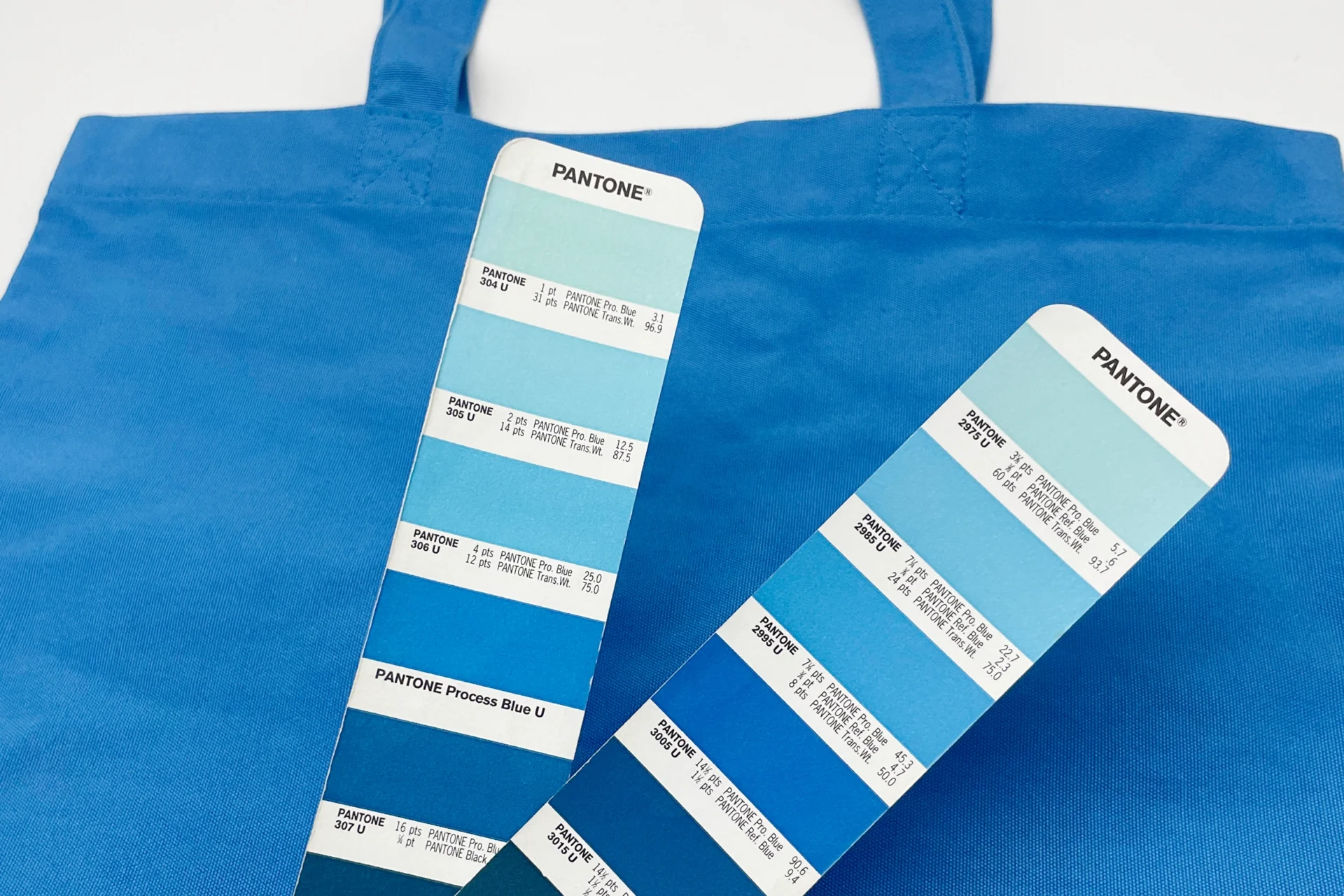
Pantone reference
Helps align ink, thread, transfer film, label and packaging colors before sample approval.
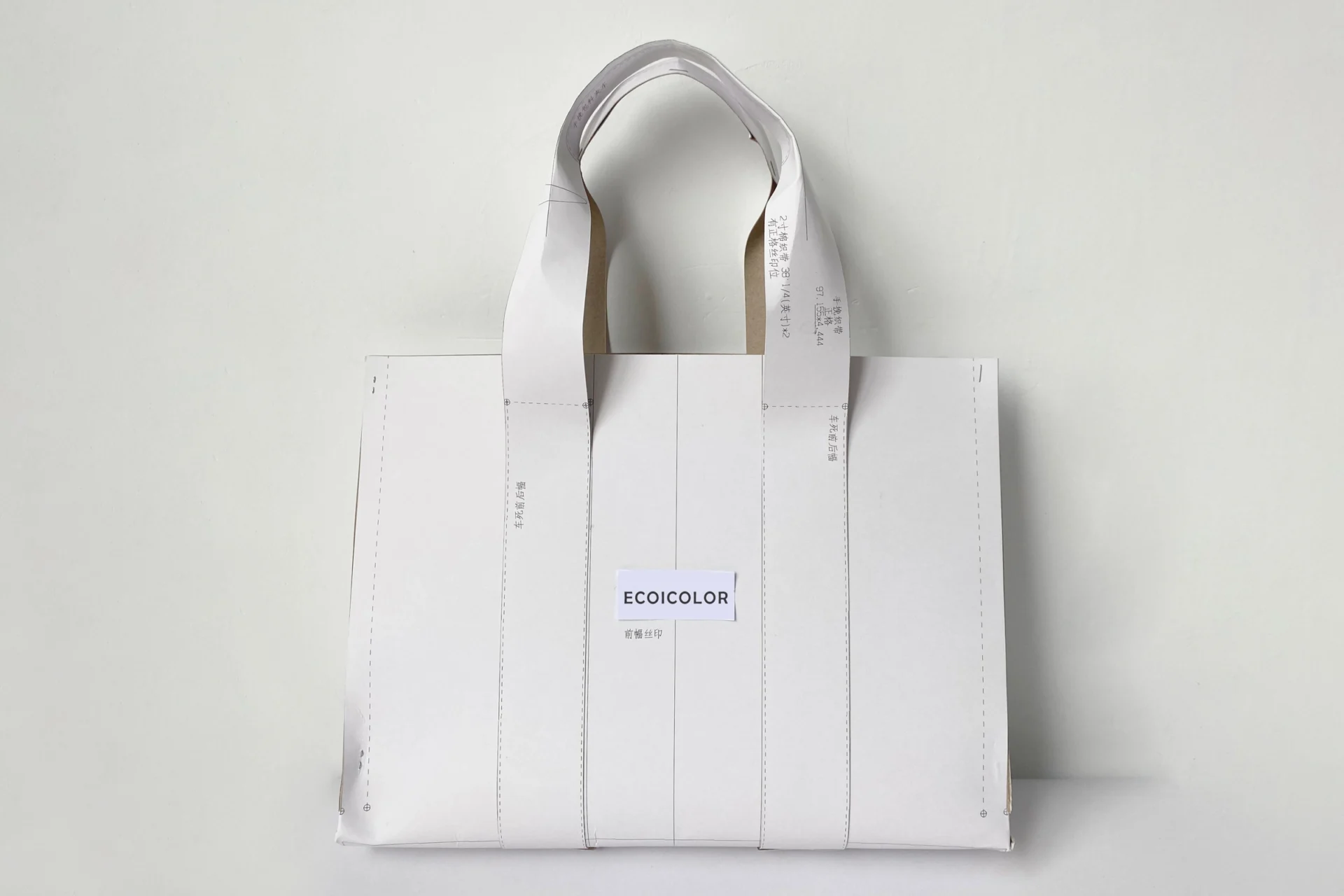
Placement size
Prevents logos from looking too small, too loud or too close to seams, pockets or handles.
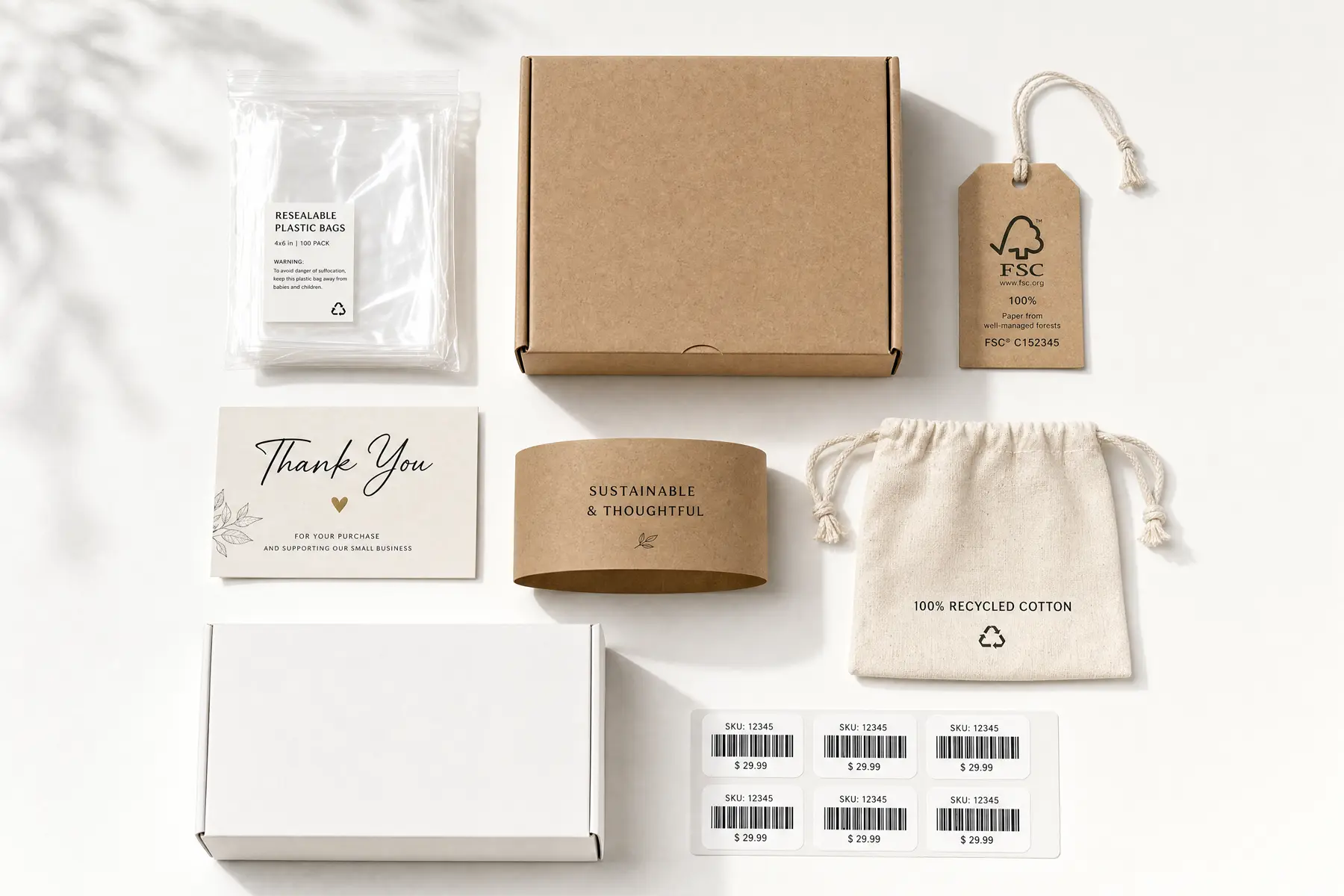
Packaging files
Connects the tote logo with hangtag, sleeve, insert card, barcode and carton marks.
Which material routes fit custom logo tote projects?
Material choice affects print sharpness, embroidery density, heat-transfer bonding, label placement, folding method and packaging. When recycled or organic routes are discussed, document scope should be confirmed before claim wording appears on hangtags or campaign copy.

Canvas
Stable surface for screen print, embroidery and larger logo areas when a structured handfeel is needed.
Explore Canvas
Recycled cotton
Soft textile feel for retail, wellness and GWP projects where print area and fabric shade need review.
Explore Recycled Cotton
rPET
Useful for lightweight event, travel and campaign totes when print method and document wording are aligned.
Explore rPET
Organic cotton
Natural handfeel route for brand programs that need a softer surface and careful document-scope review.
Explore Organic Cotton
Jute and natural fiber
Textured route for earthy retail or gift programs; logo size should be checked against coarse weave.
Explore Natural Fiber
Vegan leather alternative
Structured route for premium programs where debossing, hot stamping or metal trim may be considered.
Explore Vegan Leather| Material route | Best-fit custom logo use | RFQ reminder |
|---|---|---|
| Canvas | Stable surface for larger print areas, embroidery tests and everyday retail or event carry. | Check thickness, weave texture, logo size, folding method and packaging before sampling. |
| Recycled cotton | Soft textile feel for retail, wellness and GWP projects where fabric shade and logo clarity both matter. | Confirm texture expectation, Pantone direction and document-scope wording if recycled claims are discussed.3 |
| rPET | Lightweight event, travel and campaign totes where clean print or heat transfer may be needed. | Confirm surface finish, transfer compatibility, color tolerance and document support before artwork lock. |
| Organic cotton | Natural handfeel programs where softer branding and careful document-scope review are needed. | Confirm selected supplier route and claim wording before hangtag or campaign copy is printed. |
| Jute and natural fiber | Earthy retail, gift or resort projects where coarse texture is part of the visual story. | Check logo size, line thickness and whether woven texture affects readability. |
| Vegan leather alternative | Structured premium programs where debossing, hot stamping or metal trim may be considered. | Review surface bonding, attachment method, packing protection and logo scale on the actual sample. |
What should be confirmed before sampling?
Custom logo tote sampling should review the real logo method on the intended material, not only a digital mockup. The RFQ should include artwork, quantity, material direction, logo method preference, bag size, packaging notes and target delivery window. Use the MOQ 500 custom tote bag RFQ brief checklist and custom tote bag packaging specs guide when artwork versions, labels, barcodes or pack-out files need separate review.

Send vector artwork when available, plus Pantone references, placement size and logo color rules.
Confirm whether the selected fabric can support print, embroidery, heat transfer, woven label or trim details.
Share hangtag, sleeve, insert card, barcode, label and carton mark files before sample approval.
How does sampling move from logo brief to bulk production?
Buyers should confirm sample route, revision scope and approval timing before bulk production planning starts. Sample fees depend on material, size, logo process, packaging and customization complexity.2
Share artwork, quantity, material direction, logo method preference, bag size, packaging notes and target delivery window.
Check whether the logo, fabric, label, packaging and document route can work together before sampling.
Review logo clarity, thread or ink tone, edge detail, placement, handfeel, folding method and pack-out presentation.6
Plan production after approved sample, final artwork, label files and packaging requirements are confirmed.
Confirm carton marks, label files, packaging count, inspection notes, delivery window and document requirements before shipment.
Internal divider cells and a side logo for a food-sector tote.
This is a real inquiry-stage brief, not a completed order or customer testimonial. A food-sector buyer reached the custom-logo route after a ChatGPT-assisted visit and asked for a good-quality, cost-conscious tote with a printed side logo and a center stitch that divides the bag into cells.
What the buyer confirmed
- Good quality without premium-only positioning.
- A printed logo on the side panel.
- An internal center stitch to create separate cells.
- A structure that must be judged with the intended contents inside.
What is still needed before quotation
- Product use case and the items placed in each cell.
- Cell count, divider height, pockets, lining or zipper requirements.
- Order quantity, delivery market and required arrival date.
- Logo file, target print size and sample-approval route.
Best fit and less suitable fit
Brand buyers can use this fit check to decide whether a logo-first tote route matches their project, or whether another GWP, luxury, seasonal, event or private label route should lead the brief.
Best fit
- Retail launches, beauty GWP, wellness kits, hotel welcome gifts, event handouts, DTC packaging, private-label merchandise and premium branded programs.
- MOQ 500+ projects per style where logo execution is a real decision: artwork method, placement, color tolerance, label system or sample approval.1
- Buyers who can share artwork files, Pantone references, target quantity, material direction, packaging needs and delivery window before sampling.
- Projects comparing several logo methods before the team commits to one process.
- Briefs where the same mark must align across tote, hangtag, barcode label, sleeve and carton marks.
Less suitable fit
- One-piece personal orders, projects far below MOQ, or buyers who only need blank stock totes.
- Last-minute events without time for sample approval, logo route review or production planning.
- Projects where artwork is not approved internally or the requested logo method is fixed before material is chosen.
- Requests needing document claims that have not been checked against the actual material and supplier chain.
- Buyers who mainly need campaign strategy, luxury gift positioning, seasonal timing or retail SKU planning instead of logo-method review.
Related tote routes and next pages
Logo method decisions often overlap with product-application pages. Use the links below to route buyers by intent instead of forcing every inquiry into one customization path.
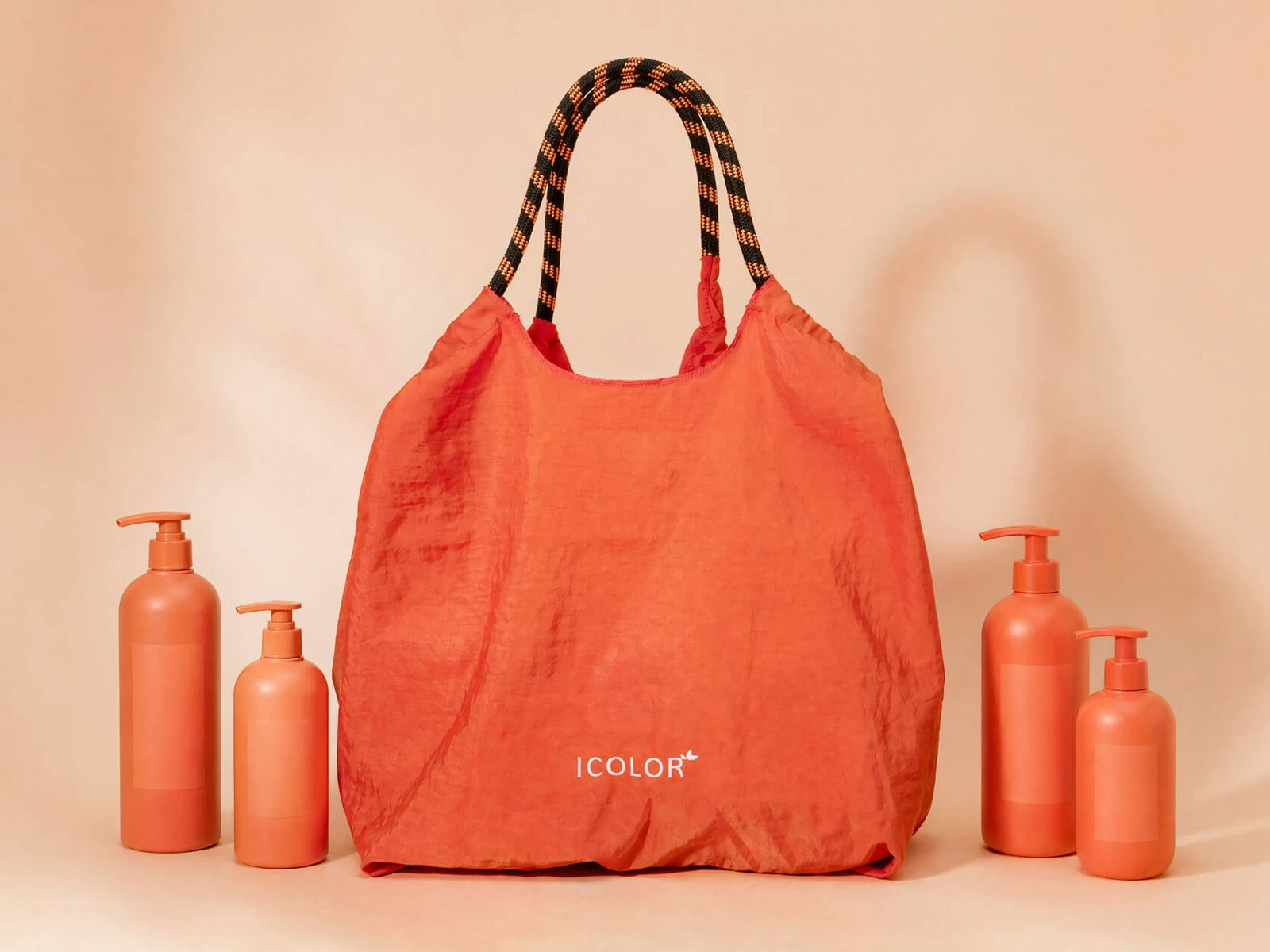
GWP Tote Bags
For campaign GWP, threshold gifts or launch pack-out where gift value, campaign mechanics and packaging timing lead the brief.
View GWP Route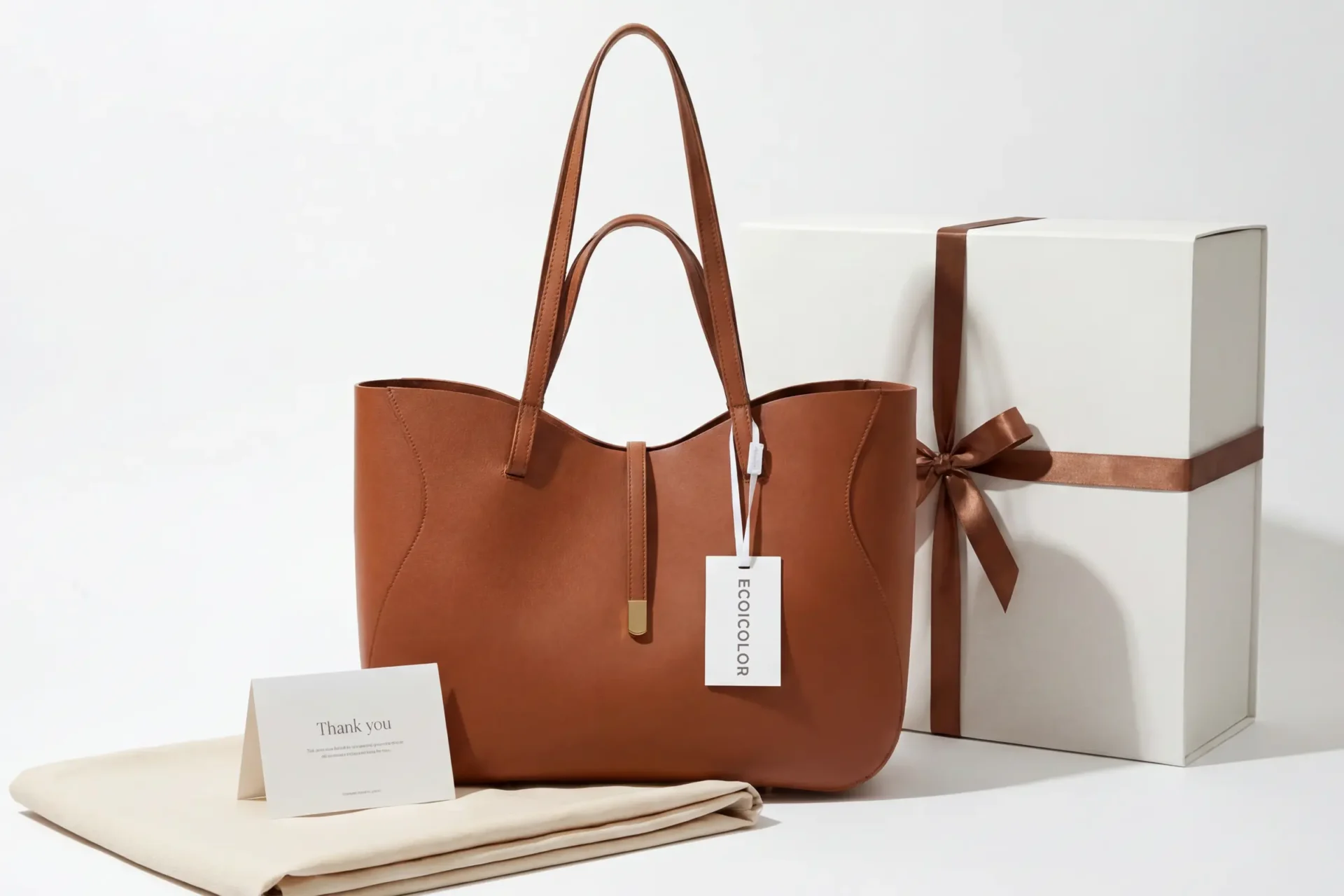
Luxury Branded Totes
For premium retail, boutique or VIP branded gifts where handfeel, structure, trim and restrained branding matter most.
View Luxury Route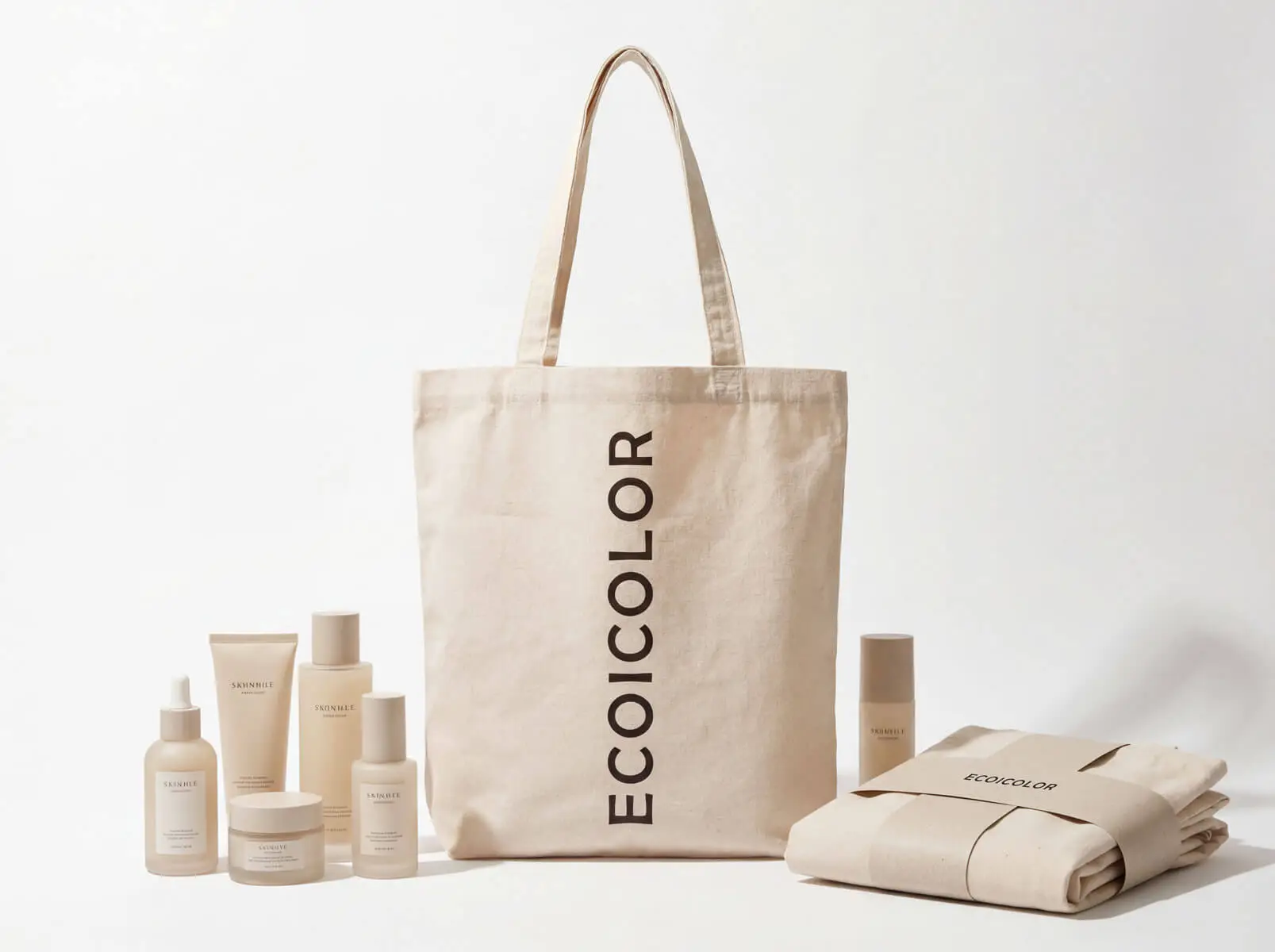
Wellness & Beauty Totes
For skincare, spa, wellness or beauty retail sets where product-fit, insert cards and clean presentation lead the brief.
View Wellness Route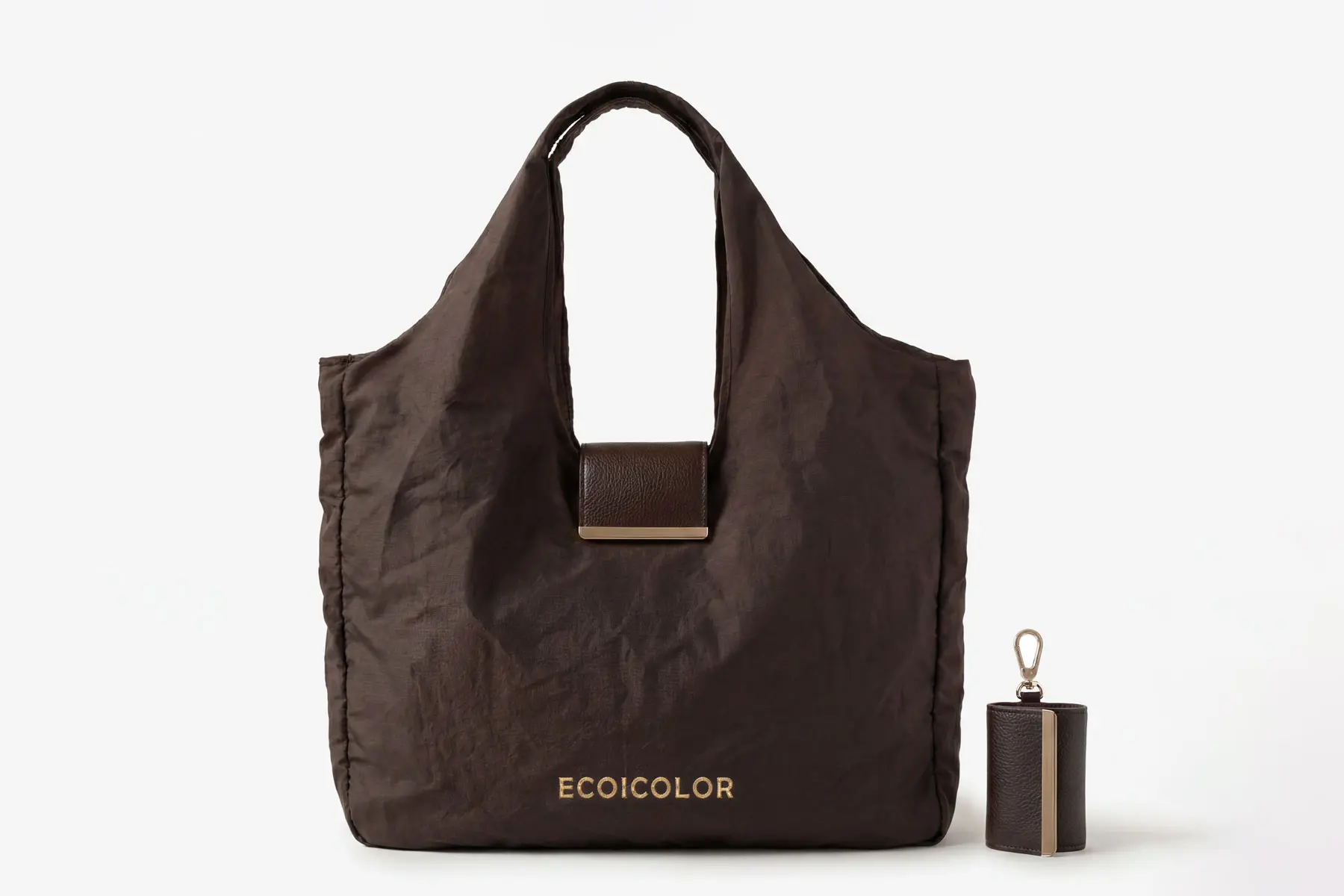
By Customization
For broader customization route selection across embroidered, foldable, zipper and large tote project needs.
Compare Customization RoutesReady to review custom logo product options?
The product catalog continues below. Use the planning notes above to compare material, logo method, packaging and sample routes before selecting a product direction.
Talk to Zoe Yu About Your Tote Bag Project

Factory-side project support
Zoe Yu - B2B Sales Manager
Zoe supports overseas brand buyers with custom tote bag briefs, material route review, MOQ feasibility, logo execution, sample coordination, packaging details and production follow-up from Dongguan, Guangdong, China.5
For custom logo tote projects, she helps review artwork files, Pantone references, logo method, placement, label system, packaging details, sample fee scope and lead time before sampling.
Checks quantity, use case, size, logo file, packaging and launch timing before quoting.
Aligns material, logo process, color reference and approval notes before bulk production.
Keeps hangtags, labels, barcode files, carton marks and retail packing details organized.
Connects buyer requirements with factory sampling, QC, packing and shipment updates.
Guides for a Quote-Ready Custom Logo Brief
Use only the guide that matches the open buying decision. If quantity, artwork, structure and delivery timing are already confirmed, send the project brief directly.

RFQ scope
For a 500-piece multi-logo first-order RFQ
Prepare quantity, logo versions, placement, approval files and delivery details before requesting the first quotation.
Prepare the 500-Piece Multi-Logo RFQ
Structure brief
For totes that need internal divider cells
Define the contents, number of cells, divider height, stitch route and filled-use test before sampling.
Define the Divider and Filled-Use Test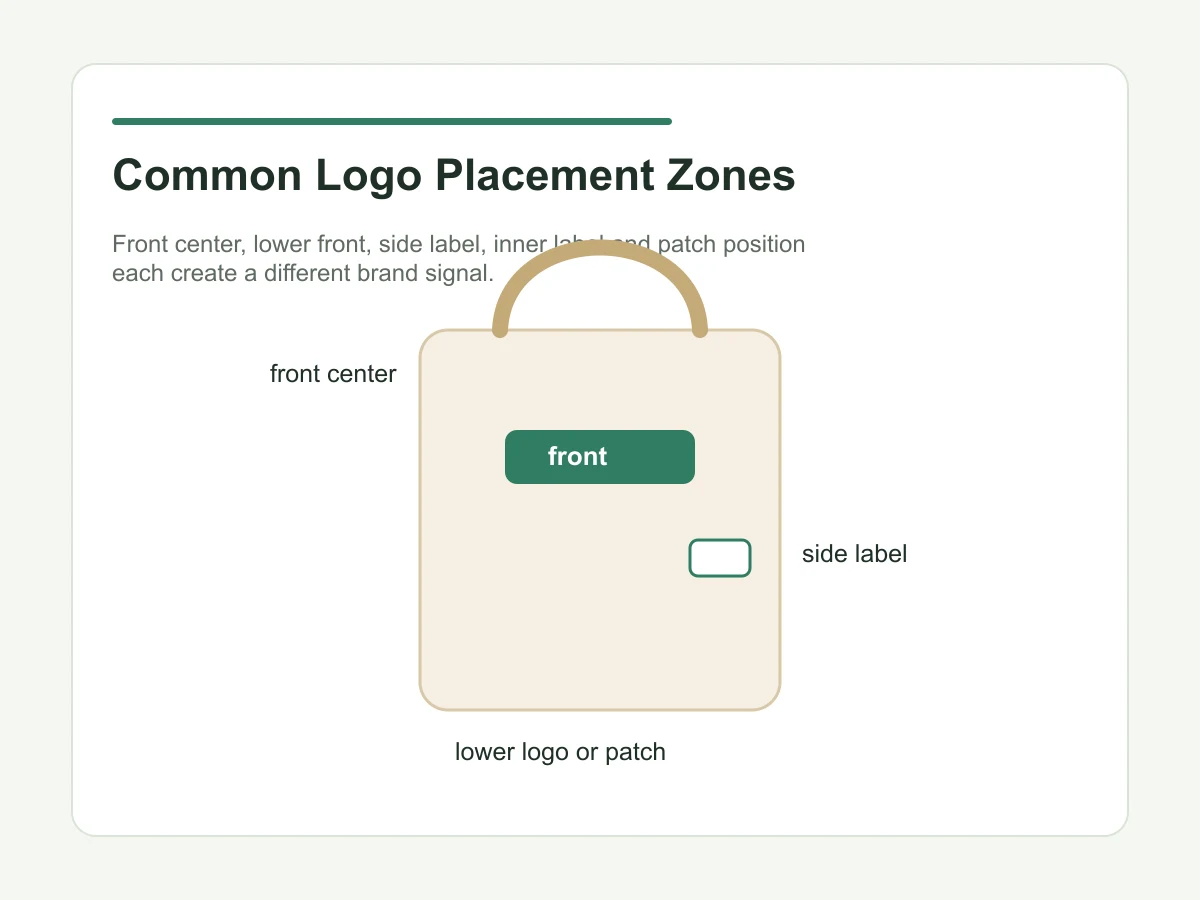
Logo placement
For logo size and placement decisions
Confirm panel position, handle clearance, logo proportion and placement-photo evidence before sample approval.
Approve Logo Size and Placement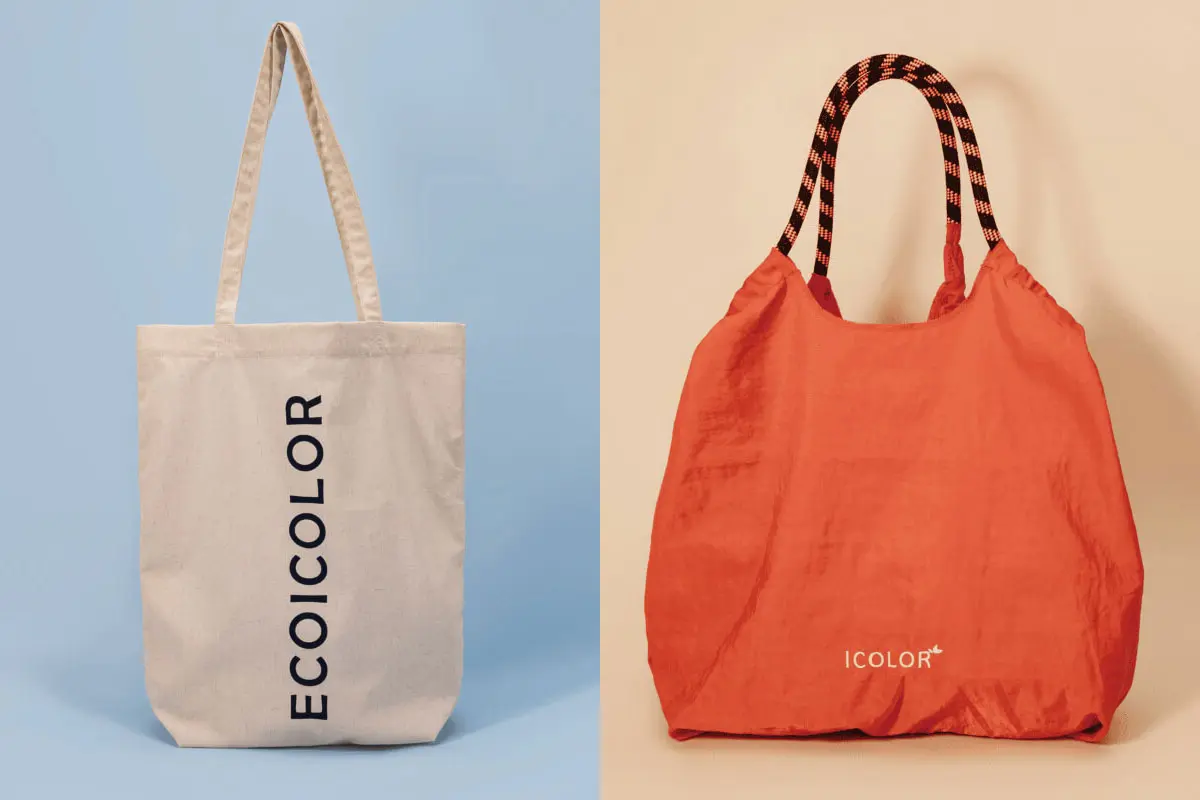
Logo method
For screen print versus embroidery selection
Compare artwork detail, fabric surface, handfeel, stitch limits, color count and sample risk before choosing the method.
Compare Screen Print and Embroidery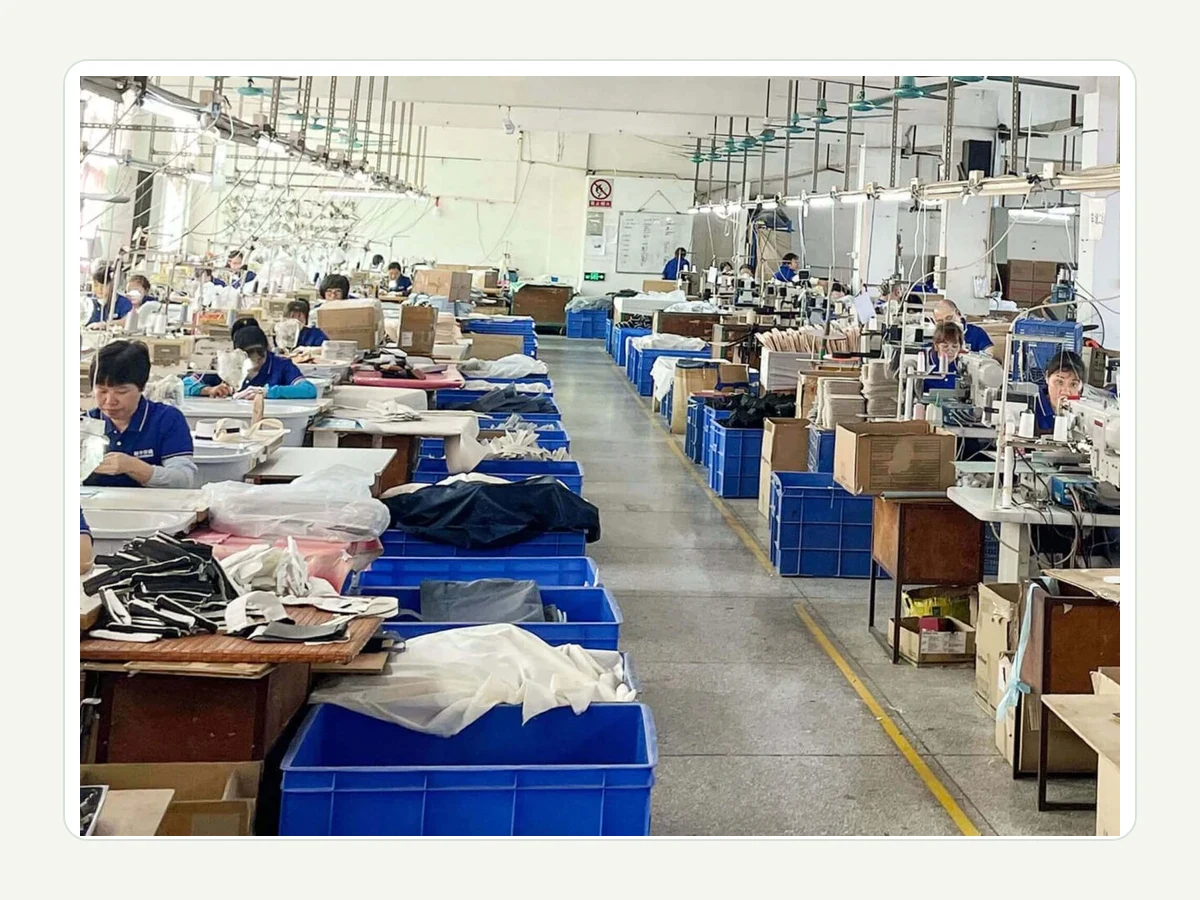
Sample approval
For final pre-production sample sign-off
Approve size, filled shape, color, logo, labels, packaging and the final production reference before bulk release.
Complete the Pre-Production Sign-OffFrequently asked questions
Everything you need to know about custom logo tote bags, artwork review and sampling
Q1: What logo methods can Ecoicolortote support for custom logo tote bags?
Ecoicolortote can review screen printing, embroidery, heat transfer, woven labels, debossing, hot stamping, patches and metal nameplates for custom logo tote bags. The best route depends on fabric surface, logo size, color count, handfeel target, budget and how the tote will be presented to buyers.
Q2: What artwork files should buyers send before sampling?
Send vector artwork when available, such as AI, EPS, SVG or editable PDF files, plus Pantone references, placement size, logo color rules and any label or hangtag files. If the logo is still being finalized, share the clearest available file so the team can flag risks before sampling.
Q3: What is the MOQ for custom logo tote bags?
MOQ usually starts from 500 pcs per style for suitable custom logo tote projects. Final feasibility depends on material, bag size, logo method, color count, label or packaging scope and delivery timing. Multiple colors or artwork versions should be shared before sampling so MOQ can be reviewed accurately.
Q4: How are sample fees handled?
Sample fees depend on material, size, logo process, packaging and customization complexity. For qualified bulk orders, sample fees are typically credited against the order value after project confirmation. Buyers should confirm sample route, revision scope and approval timing before bulk production planning starts.
Q5: What lead time should buyers plan for custom logo totes?
Sample timing is confirmed after the material route, construction, artwork, logo process, packaging and document scope are reviewed. Bulk production timing is confirmed after sample approval, quantity, version count, capacity, packing and delivery requirements are frozen.
Q6: Which materials work best with screen print, embroidery or labels?
Canvas and recycled cotton often work well for screen printing and embroidery, while rPET can support clean print or heat transfer depending on fabric finish. Woven labels, patches and trims can work across several materials. The final route should be tested on the actual fabric before approval.
Q7: Can document routes such as GRS, GOTS or OEKO-TEX be reviewed?
Yes. Document routes can be reviewed when they match the selected material, supplier chain, label wording and destination market. GRS, GOTS, OEKO-TEX, BSCI and Sedex references are project-scope checks, not default claims across all custom logo tote projects.4
Q8: How is this page different from GWP, luxury or private label tote pages?
Use this route when the main decision is logo execution: artwork file, placement, method, color tolerance, label system and sample approval. For campaign mechanics, go to GWP Tote Bags. For premium gift positioning, use Luxury Branded Totes. For repeat retail SKU planning, use Private Label Totes.
Q9: Can you support packaging, hangtags and barcode labels?
Yes. Packaging, hangtags, insert cards, barcode labels, care labels, carton marks and retailer pack-out notes can be reviewed with the tote specification. Send label files, barcode rules, packaging size, carton requirements and delivery destination before sampling so the logo and pack-out plan stay aligned.
Sources and planning notes
- MOQ note: MOQ 500+ refers to suitable custom B2B projects per style. Final feasibility depends on material route, color count, logo process, packaging scope and delivery requirements.
- Lead time note: Lead time should be reviewed by project after sample scope, material availability, logo process, packaging needs, quantity and delivery window are confirmed.
- GRS note: GRS references are document-scope prompts for selected recycled material routes, not default claims across all custom logo tote projects.
- OEKO-TEX note: OEKO-TEX scope should be confirmed according to selected fabric, supplier chain, destination market and buyer requirement before sampling or claim wording.
- Dongguan note: Dongguan, Guangdong, China is referenced as the factory-side sourcing and production coordination base for Ecoicolortote projects.
- Sampling note: Sample review should confirm logo scale, line detail, color reference, material surface, packaging, document scope and approval timing before bulk production planning.
Trademark notice: All third-party trademarks, certification names, event references, retailer references and product-category references mentioned remain the property of their respective owners. References are included for industry context, buyer education and sourcing-risk discussion only. Ecoicolortote does not claim endorsement, partnership, certification coverage, retailer approval, event approval or product approval unless confirmed in the specific project documentation, quote record and order file clearly.
Ready to Start Your Custom Tote Bag Order?
What happens after your brief:
Material recommendation based on your use case | Estimated pricing for your target quantity | Sample timing and production route review
No commitment required. No spam. Just a detailed, honest proposal.