

 Jimchenxj
 Sample approval is where many custom tote bag projects either become production-ready or start drifting. A buyer may approve the bag shape, then discover later that logo placement, packaging files, barcode position, color tolerance or carton marks were never locked. This guide helps B2B brand, retail and event buyers review a tote sample before bulk production.
Request Sample Approval Review Send QC Brief
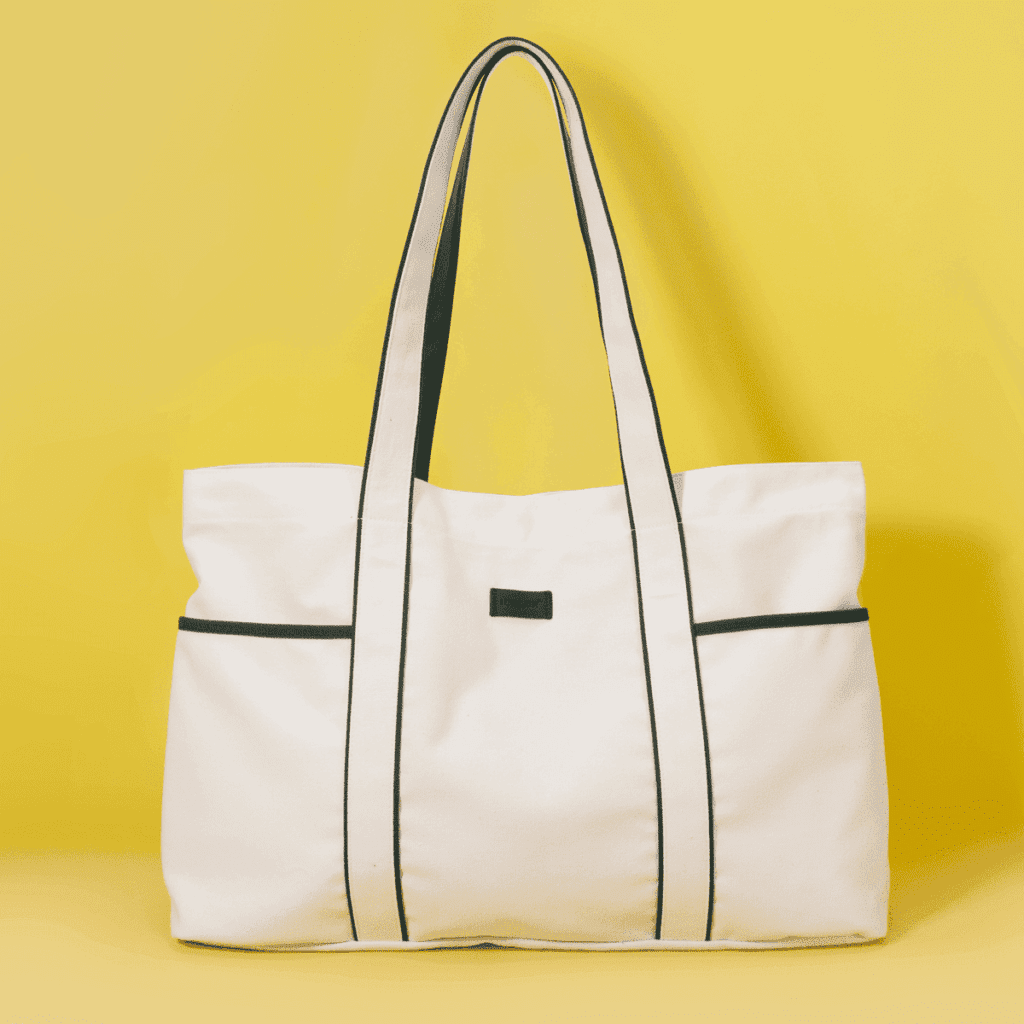
Treat the sample as a production control file, not only a nice photo for internal approval.
Buyer Summary
This article is for buyers planning MOQ 500+ custom tote bag orders who need a cleaner sample approval handoff. It focuses on mistakes that create re-sampling, unclear QC standards or late packaging changes: approving only the front photo, using unfinished logo files, skipping packed contents, ignoring carton marks and treating document wording as automatic.
Quick answer
A custom tote sample should be approved together with artwork version, material route, logo method, dimensions, handle feel, packing file, carton mark, QC checkpoints and claim wording. If any of those items are still open, the sample is not ready to become the bulk standard.
Which sample approval mistakes create the most rework?
Approving only the front photo
A front photo can hide handle feel, inside seam finish, gusset shape, packed thickness and opening width. Ask for physical review notes or a video if the buyer cannot hold the sample.
Using unfinished artwork
If the logo file name, color mode, Pantone route or label wording changes after approval, the bulk team may follow the wrong version. Keep one final artwork file name for approval.
Leaving packaging until later
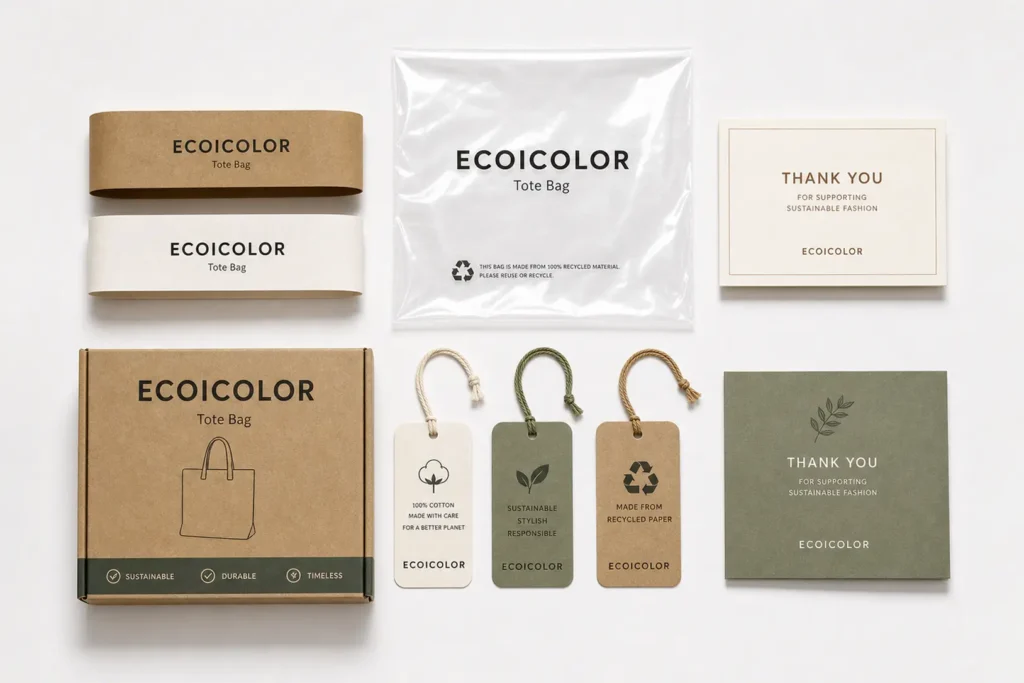
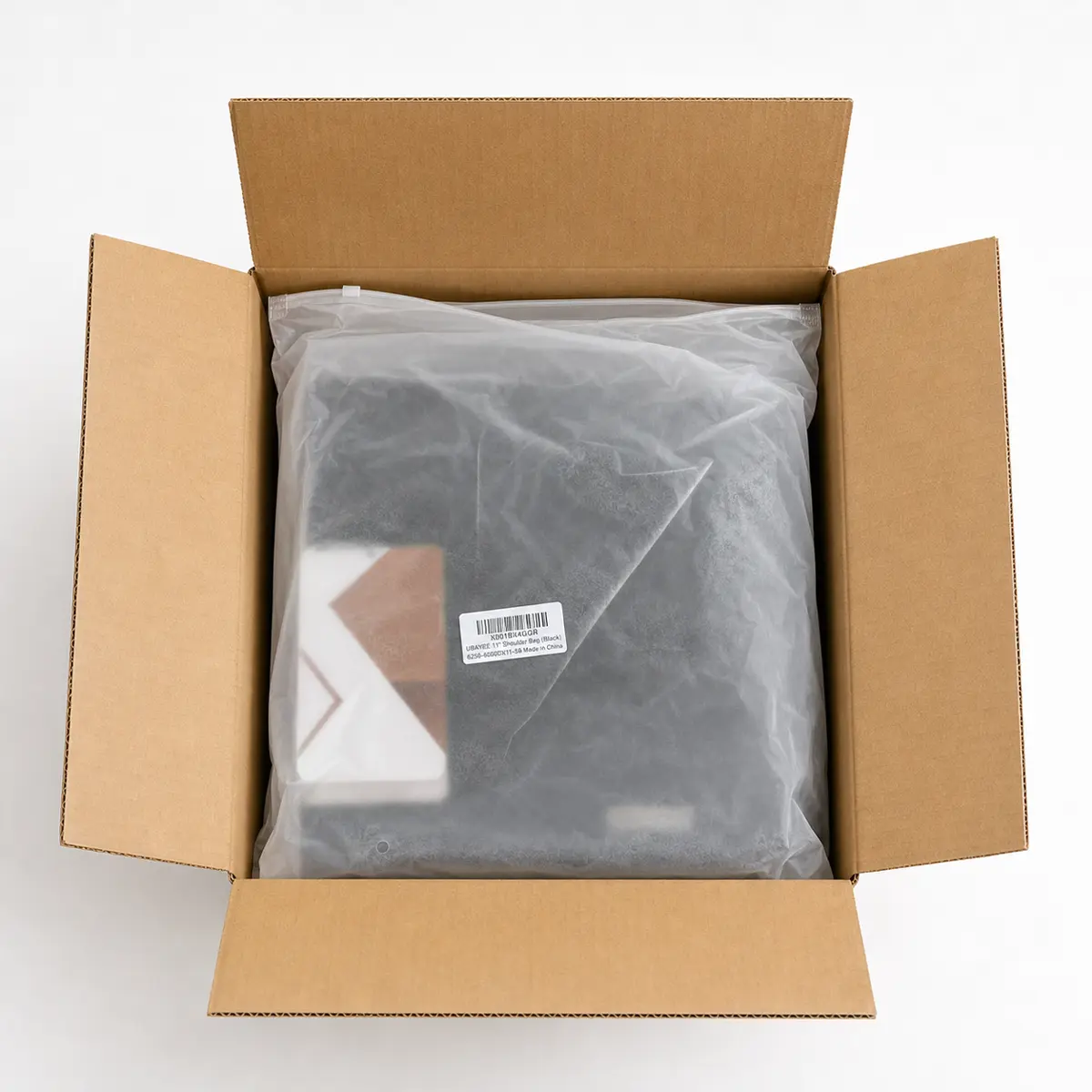
Hangtag, barcode, polybag, carton mark and insert card decisions can affect sample presentation and carton volume. Packaging should be part of sample approval, not a separate emergency.
For sampling and bulk inspection, buyers should understand that inspection plans are not the same as design approval. Retail label or barcode planning should be handled early when the tote will enter a store, kit or SKU workflow GS1 barcode guidance [1].
What should the approved sample actually lock?
| Approval item | What to confirm | Why it matters |
|---|---|---|
| Material route | Fabric, weight, color, lining, handle material and document direction. | Material changes can affect logo result, carton weight, claim wording and delivery plan. |
| Logo method | Print, embroidery, patch, woven label, heat transfer or mixed placement. | The same artwork can behave differently on canvas, rPET, jute, lining or pocket panels. |
| Packaging file | Hangtag, barcode, insert card, polybag, carton mark and retail label. | Barcode and item identification needs should be reviewed before retail pack-out. |
| QC point | What will be measured, visually checked or packed against the approved sample. | Bulk inspection is easier when the sample approval note already lists control points. |
Where do compliance and claim wording mistakes enter?
Many tote projects mention recycled content, natural fiber, OEKO-TEX or other document routes too early. The safer workflow is to review the material route, document scope and final wording before printing hangtags or public claim text. FTC guidance around environmental marketing claims is a useful reminder that claim wording needs evidence and context FTC Green Guides [2]. For textile safety or chemical-related references, buyers should also understand what a standard such as OEKO-TEX STANDARD 100 does and does not mean for a specific product route OEKO-TEX STANDARD 100 [3]. If a recycled route is discussed, review the GRS document scope before approving public-facing wording Textile Exchange GRS overview [4].
Send Sample and Packing Files Review Claim Wording
Best fit and less suitable fit
Best fit: brand, retail, GWP, hotel, event and private label buyers planning MOQ 500+ tote projects where the sample must become the production standard. It is especially useful when artwork, packaging, barcode, carton marks or certification wording need review before bulk. For route planning, buyers can compare custom logo tote options and GWP tote bag programs before sending files.
Less suitable: single-piece non-B2B requests, urgent no-sample orders, lowest-price-only requests or buyers who only want a photo approval and do not want to lock artwork and packing details before production.
Composite sourcing scenario
A composite buyer preparing a retail tote campaign approved the first sample photo quickly but left the hangtag, barcode and carton mark files open. During pre-production review, the team discovered that the hangtag hole position interfered with the handle fold and the carton mark did not match the retailer allocation file. The correction was simple, but it required a second approval round. The lesson: sample approval should include product, artwork, label and packing files in one approval trail.
FAQ
What is the biggest mistake in custom tote bag sample approval?
The biggest mistake is approving the visible bag appearance while leaving artwork version, label files, packing route or QC checkpoints open. A sample becomes useful only when it tells the factory what to repeat in bulk. If the buyer still plans to change logo size, packaging or claim wording, the sample should be treated as a review stage, not final approval. Add the final file owner and approval date to avoid later confusion.
Should packaging be approved with the tote sample?
Yes, packaging should be reviewed with the sample when the tote is part of a retail, GWP, hotel or event program. Hangtags, insert cards, barcode labels, polybags and carton marks affect presentation, carton volume and delivery handoff. Waiting until after sample approval often creates extra file checks or a second sample round.
What files should be sent before sample approval?
Send vector logo files, Pantone or color direction, target tote size, material route, handle notes, packaging artwork, barcode or label needs, carton mark requirements and delivery market. If the buyer has brand guidelines or retailer packing rules, send them before sampling so the tote, label and carton plan can be reviewed together.
Can a buyer approve a custom tote sample from photos only?
Photo approval can help when timing is tight, but it should not replace physical review for important bulk orders. Photos can miss handle comfort, fabric stiffness, zipper movement, inside seam finish, packed size and true color. For MOQ 500+ projects, a physical sample or very clear video review is safer before bulk approval.
How does sample approval connect with bulk QC?
The approved sample gives the QC team a practical reference for size, color, stitching, logo placement, material feel and packing. However, QC also needs measurable checkpoints and tolerances. Buyers should convert sample approval notes into inspection points so the bulk team knows what is acceptable and what must be escalated.
When should certification or recycled wording be reviewed?
Certification, recycled, natural fiber or chemical-related wording should be reviewed before labels, hangtags or product pages are finalized. The available document route depends on material selection, supplier chain, order scope and exact claim wording. Do not treat a general material discussion as automatic permission to print a public claim on packaging.
Who should use this sample approval checklist?
This checklist fits B2B buyers planning MOQ 500+ custom tote projects for retail, GWP, hospitality, event, nonprofit, employee kit or private label programs. It is less useful for one-piece non-B2B requests, marketplace-style orders or buyers who refuse sample-first review and only want the lowest unit price without a production standard.
Trademark and certification note
Third-party standards, certification names, barcode systems, logistics references and hotel or retail channel terms belong to their respective owners. Ecoicolortote can review document routes and artwork wording for a specific project, but these references should not be treated as automatic product claims for all orders.
Sources
About the Author
 |
Zoe Yu is Sales Manager at Ecoicolortote. She helps overseas brand, retail, hospitality and event buyers review custom tote bag material routes, logo methods, MOQ feasibility, sample approval, packing requirements and bulk delivery planning before production. |
Start Your Custom Tote Bag Project
Send your quantity range, launch window, delivery country, artwork status and packing needs. Ecoicolortote will review the route before quotation.