

 Zoe Yu
 A dark blue event tote sample check answers a narrower question than a general event RFQ: does the physical tote prove the selected fabric weight, blue tone, logo contrast and handle construction before bulk release?
Request Sample ReviewView Conference and Event Tote Route
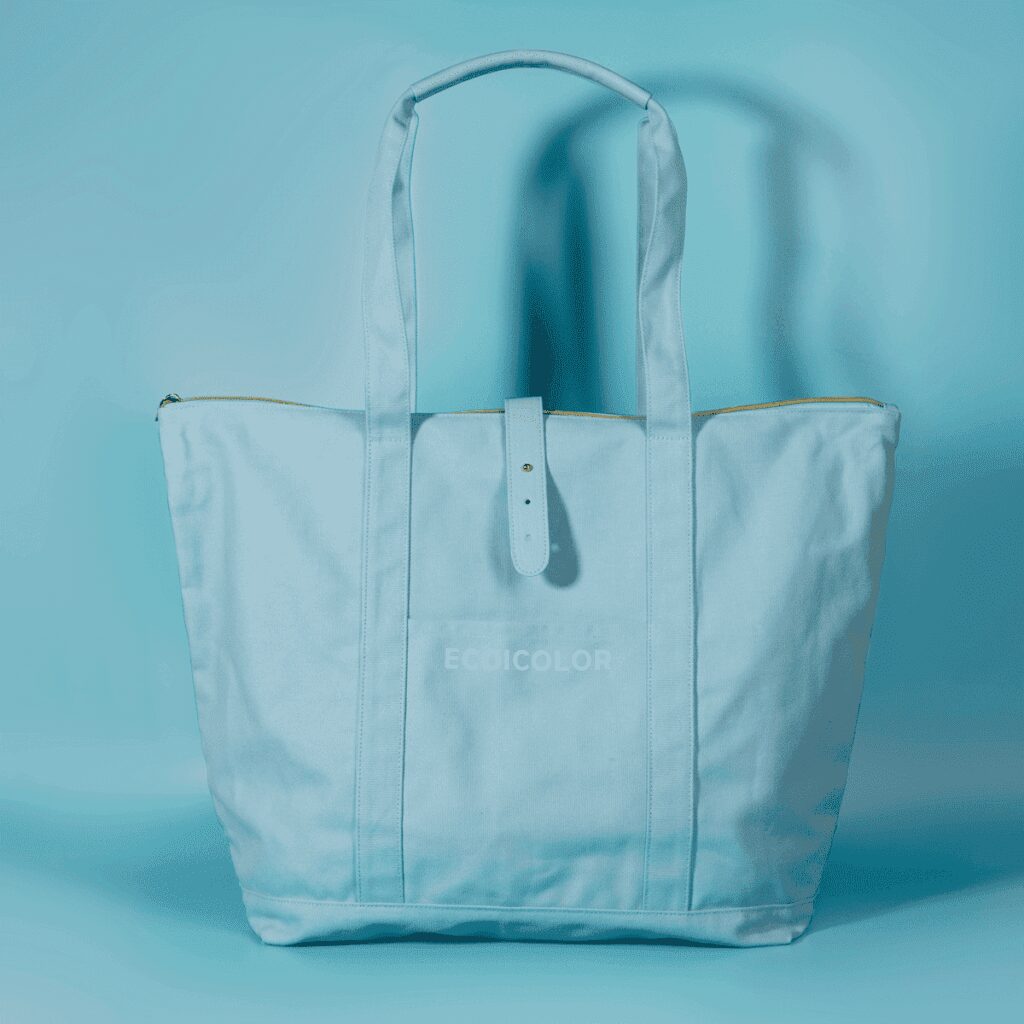
The sample needs to prove fabric weight, print contrast and handle strength together. A digital artwork preview cannot show how the logo will cover a dark textile surface.
- fabric weight
- logo contrast
- bulk color control
Quick Summary
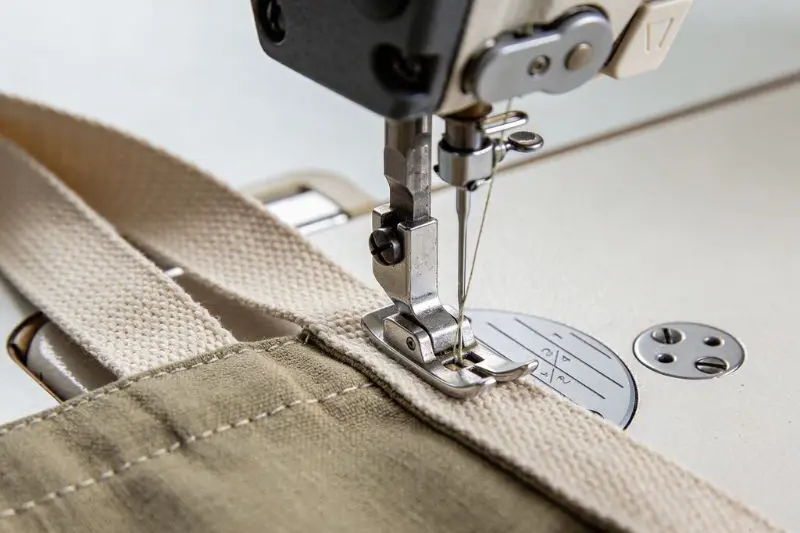
Approve a dark blue event tote sample on the actual material. Check fabric weight, surface texture, logo coverage, edge clarity, handle strength, seam finish and packed appearance. Freeze full-view and close-up photos with the final artwork version.
Print contrast is a physical proof, not a screen preview
Digital files can define artwork values, but the tote sample shows the interaction between ink, texture and dark fabric. International Color Consortium [1] offers useful color-management context, while the final decision still requires a physical proof under normal viewing conditions.
A dark sample can reveal contrast problems that are invisible on a white digital mockup.
- normal view
- close-up edge
- actual material
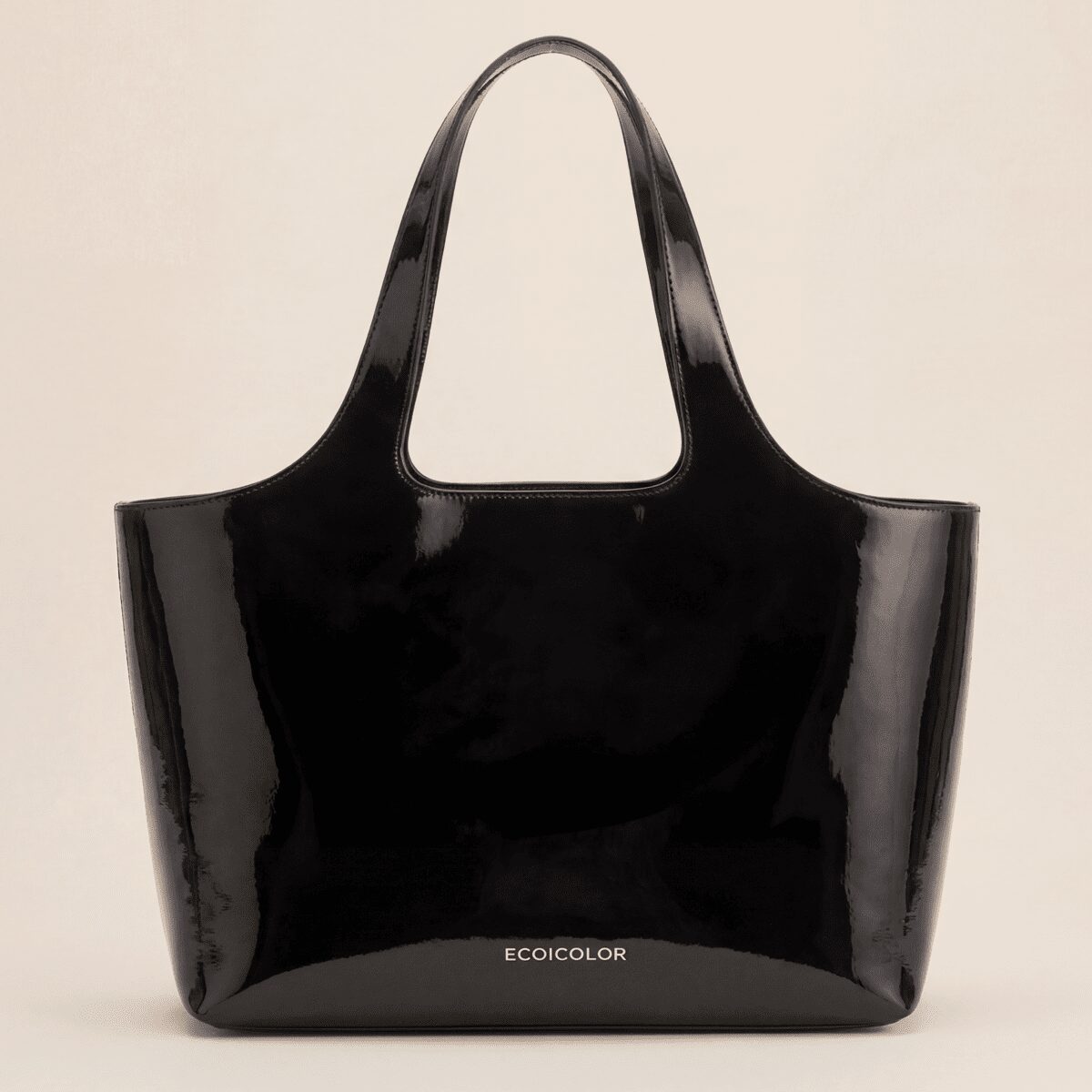
Four sample checks that protect the finished event tote
Color direction
Compare the real tote to the approved color reference in consistent light and record the accepted sample.
Fabric weight
Confirm the selected GSM or construction, because surface and body affect the finished print result.
Logo coverage
Check opacity, small text, edge clarity and placement from both close-up and normal distance.
| View | Approval question | Record |
|---|---|---|
| Full front | Does the logo read at event distance? | Full sample photo and dimensions. |
| Close-up | Are edges and coverage clean? | Close-up photo on actual fabric. |
| Filled view | Does the tote keep shape and logo position? | Representative contents photo. |
| Packed view | Does folding change print or presentation? | Carton-ready sample photo. |
Compare Logo MethodsReview Material RouteView Conference and Event Tote Route
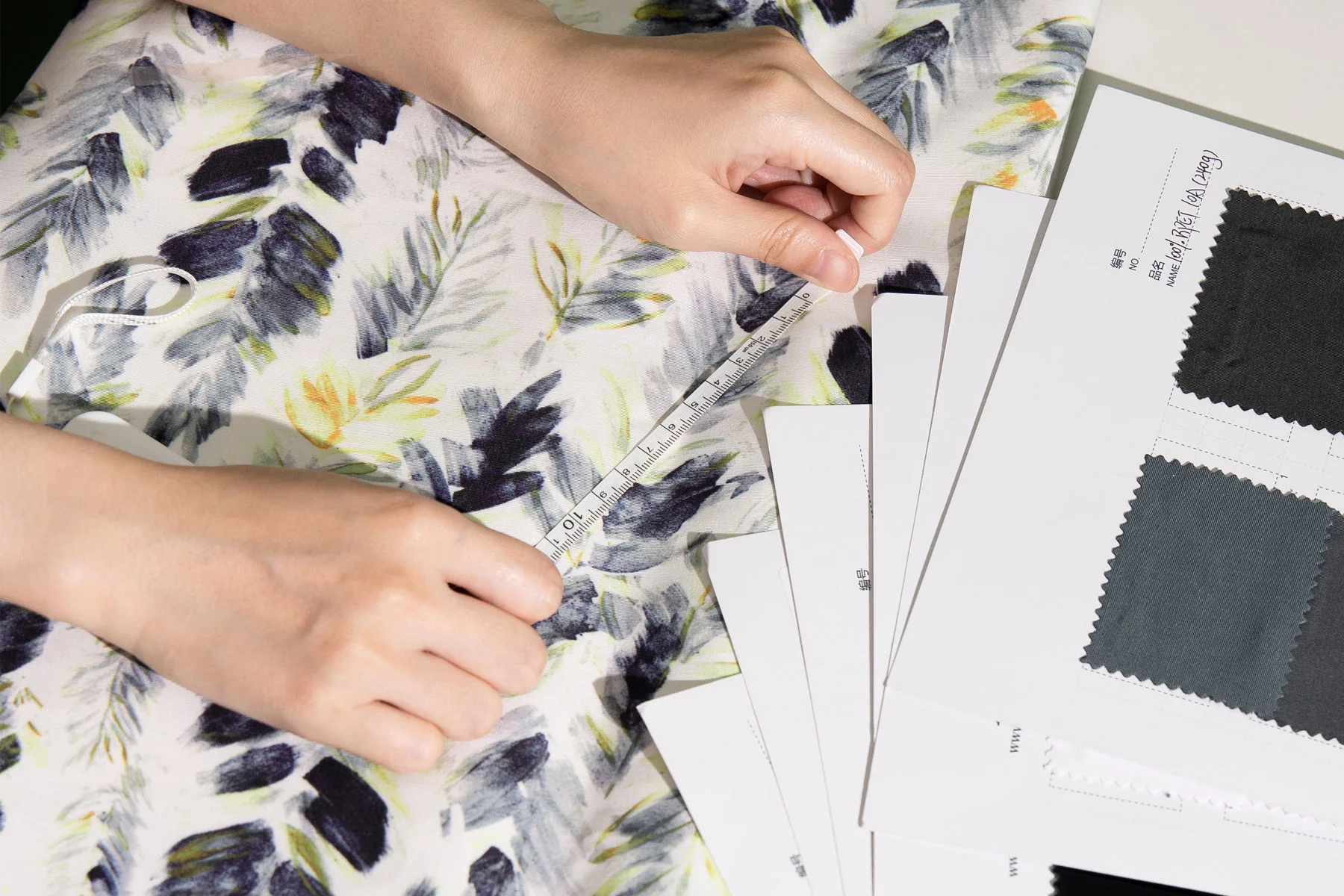
Material and method need one approval record
Textile performance discussions should stay tied to the selected construction. AATCC standards [2] is a standards overview for color and performance context. If a project asks about OEKO-TEX documentation, OEKO-TEX STANDARD 100 [3] explains the standard, but the supplier still needs to confirm whether the selected material and project scope are covered.
A material route should be approved together with the logo method.
- weave and texture
- body and handfeel
- print edge
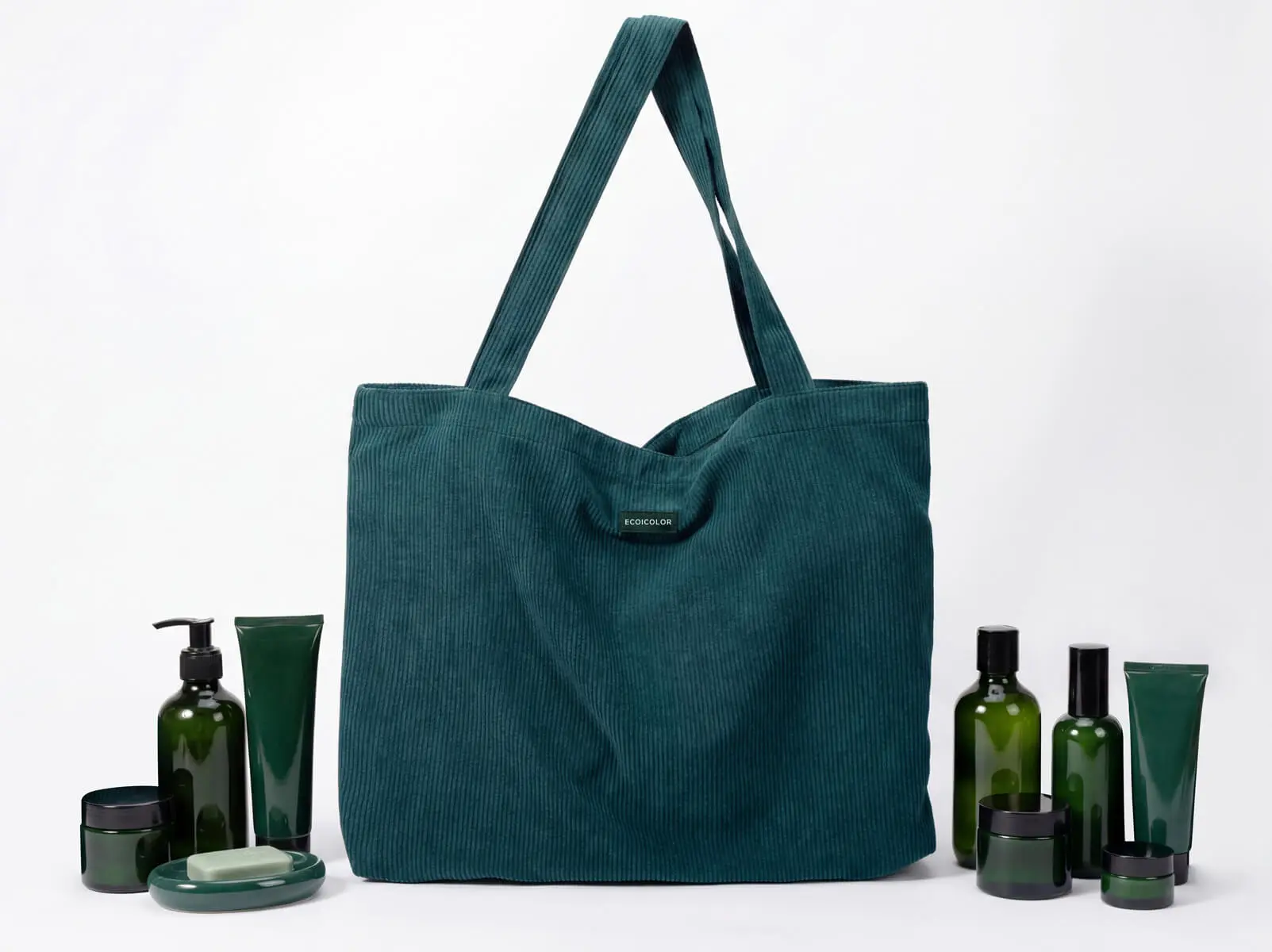
Logo-method approval should include close-up and normal-view photos.
- coverage
- handfeel
- repeatability
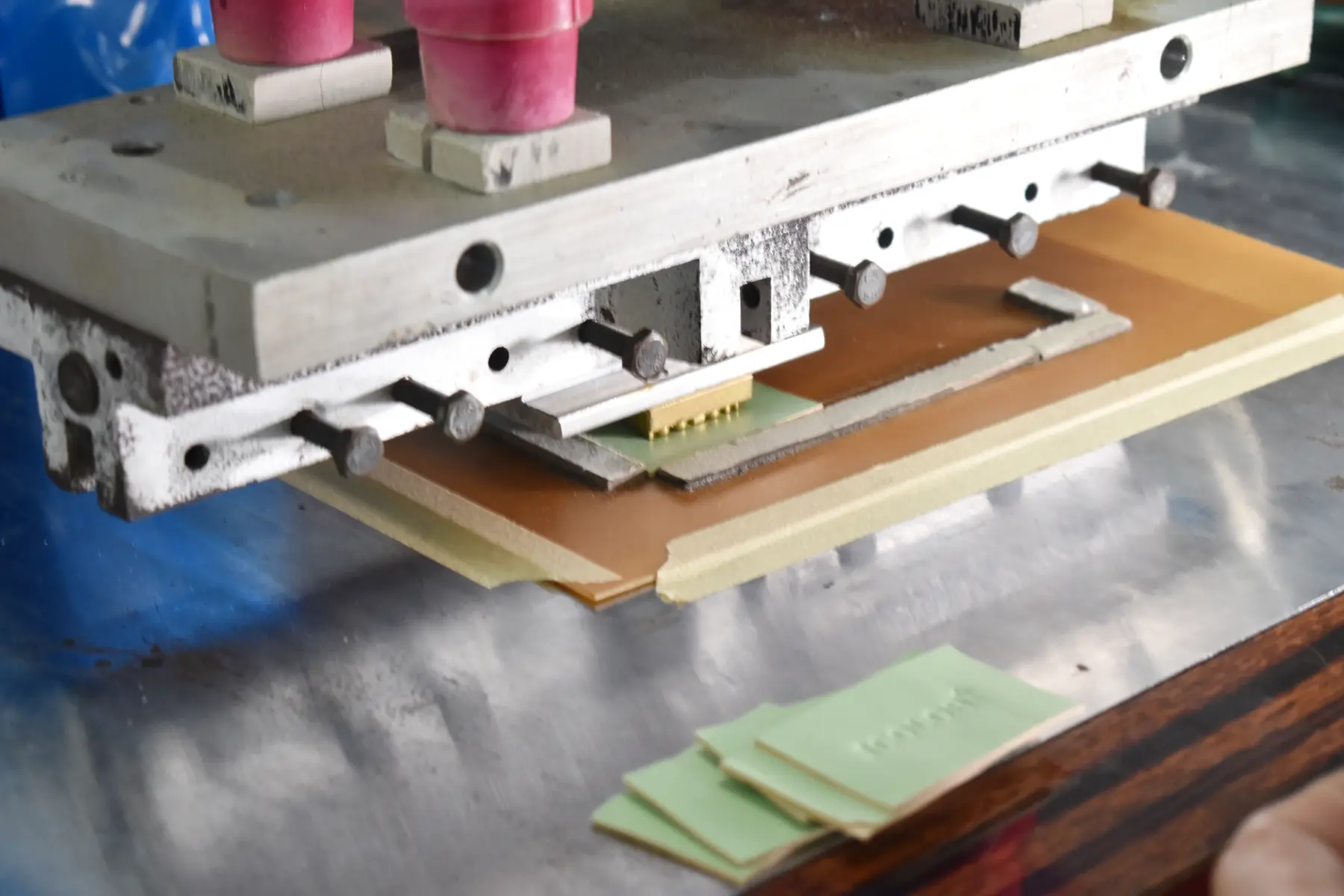
Failure pattern: approving artwork and fabric in separate threads
Factory-side observation: late corrections happen when one email approves the blue material and another email approves the logo mockup, but no single record approves them together. The correction is one sample sheet containing fabric reference, logo file name, logo size, method, full-view photo and close-up photo.
Record the final material, artwork version and approval photos in one file.
- file name
- sample photos
- signed route
When a dark-color sample check is worth the extra control
Best fit: MOQ 500+ event, conference, sponsorship and brand programs using dark fabric, light artwork or a fixed launch date.
Less suitable: blank stock totes, projects without artwork, or orders that refuse a physical print proof before bulk.
Bulk QC handoff after sample approval
The QC brief should repeat the approved color reference, logo dimensions, placement, coverage expectation, construction and packing view. It should not introduce a new artwork file or an unapproved substitute material.
The sample note should tell the QC team what matters most on the dark tote.
- color reference
- logo dimensions
- construction
Continue from sample proof to route planning
Conference and Event Tote Route owns the broader product route. Read 75,000-Piece Event Tote RFQ: Logo Locations, Material and Delivery for high-volume RFQ scope, and Hotel Welcome Tote Sample Approval for Guest Contents and Packout for hotel guest packout.
FAQ
What should a dark blue event tote sample check include?
The sample check should cover actual fabric color, fabric weight, handle strength, seam finish, logo contrast, print edge, ink coverage, packed shape and the approved artwork file. Review the tote in normal light and in a close-up photo. A digital mockup alone cannot confirm how the print behaves on a dark textile surface.
Why can a white logo look weak on dark blue fabric?
Dark fabric may absorb or visually reduce the first print layer, especially on textured or recycled surfaces. The selected logo method may need an underbase, adjusted ink route or another sample. The correct fix depends on material and artwork, so physical proof is more reliable than assuming every white logo will cover equally.
Should fabric weight be approved before print method?
Fabric weight and print method should be reviewed together. Heavier or more textured fabric can change ink coverage, edge sharpness and handfeel, while lighter fabric can show distortion if the logo area is overbuilt. Record the selected fabric route before the supplier makes the final logo sample so the approval reflects bulk construction.
How many views are useful for dark tote sample approval?
Use at least a full-front view, close-up logo view, handle and seam view, and a carried or filled view. Add a packed view when the tote ships folded. These photos help the buyer and factory confirm that color, logo visibility, construction and presentation all match the same approved sample route.
What is the factory-side failure pattern with dark event totes?
The recurring failure pattern is approving color from a screen and approving logo size from a mockup, then discovering that the physical print lacks contrast or looks smaller on the finished tote. The correction is to lock fabric, print method, logo dimensions and sample photos together before releasing bulk artwork.
Can screen print and heat transfer both work on dark event totes?
Both methods can work, but they create different handfeel, edge and coverage results. Screen print can suit simpler solid marks, while heat transfer may support more detail. The RFQ should ask the supplier to recommend one primary route, then approve that route on the real dark material instead of comparing methods only by unit price.
Who should use this dark event tote sample guide?
This guide is for event agencies, conference organizers, sponsors, distributors and brand teams planning MOQ 500+ dark-color tote orders. It is most useful when logo visibility, fabric weight and fixed event timing matter. It is not for blank stock bags, personal gifts or orders that will skip physical sample approval.
Sources
About the Author
 |
Zoe Yu is B2B Sales Manager at Ecoicolortote, supporting overseas brand buyers with custom tote RFQs, material and logo review, sampling, packing and bulk production coordination. |
Check QC ScopeView Conference and Event Tote Route