

 Jimchenxj
 Quick Summary
Foldable tote bags can reduce storage pressure, but only when the RFQ defines flat size, folded size, fabric route, packing method, carton quantity, gross weight and delivery market before sampling. This guide helps B2B buyers avoid approving a sample that looks good on a table but creates carton-volume or pack-out problems when packed for a launch, event, hotel, retail or DTC campaign.
Check folded size, carton ratio and freight impact before approving the sample.
Table of contents
How this V2 guide differs from the existing foldable tote article
The existing foldable tote article covers general foldable tote sourcing. This V2 guide is only about packing and carton volume. It supports the Foldable Totes product page by helping buyers send the dimensions and packing file that make quotation more accurate. For broader customization choices, use By Customization.
The reason for a V2 slug is clear: the older URL already exists. This version should not duplicate it; it should answer a narrower packing question for buyers who already know they need a foldable route.
Measure flat size and folded size before quotation
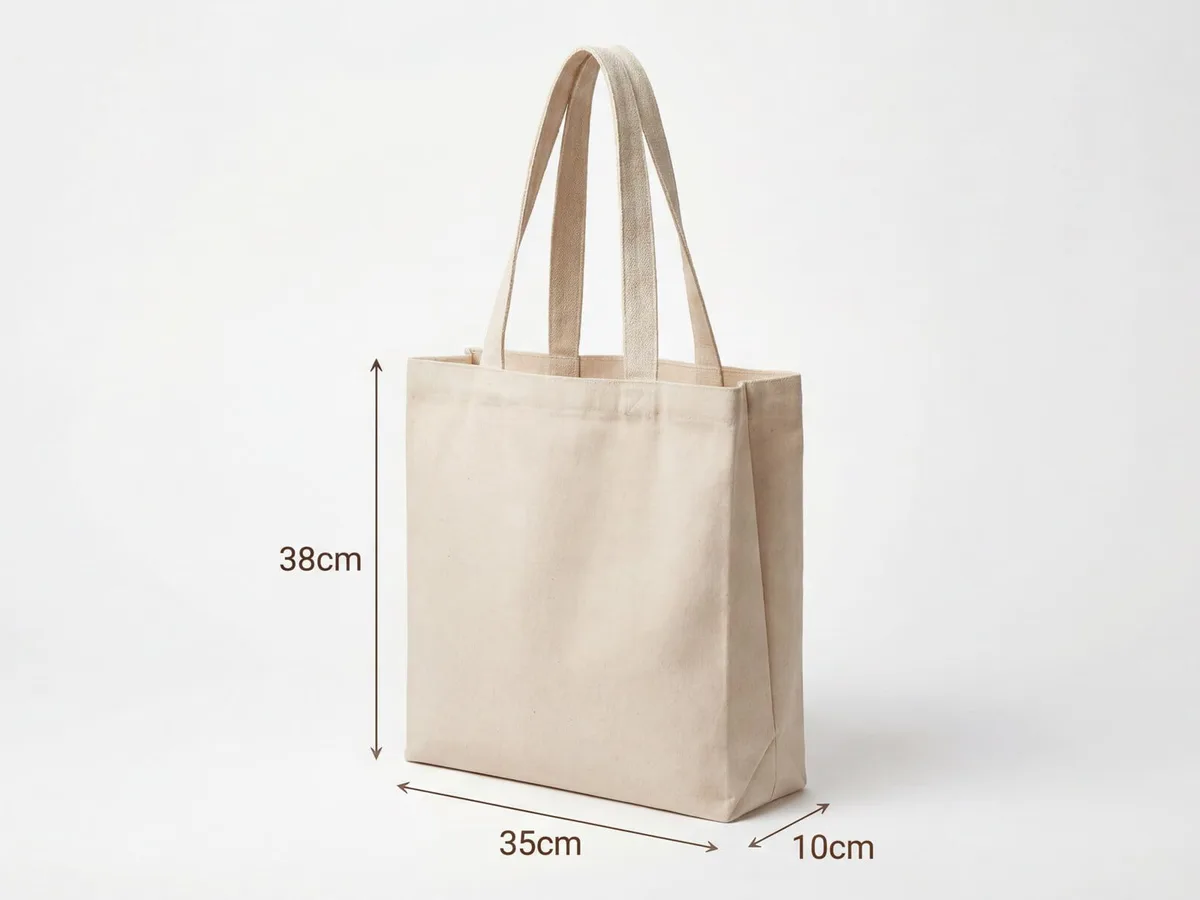
Flat size tells the factory how the tote is made. Folded size tells the buyer how it packs, ships and fits into a campaign kit. A practical RFQ should include both. The fold method, strap direction and pouch or snap detail can change carton count even when the tote body size is unchanged.
| Measurement | Buyer should provide | Factory review point |
|---|---|---|
| Flat tote size | Width, height, gusset and handle drop. | Construction route and material consumption. |
| Folded size | Target folded width, height and thickness. | Carton count, pack-out fit and sampling route. |
| Contents fit | Product, document or kit dimensions. | Whether the tote works after folding and unfolding. |
| Carton target | Units per carton or max carton size. | Freight planning and warehouse handling. |
Carton volume and dimensional weight review
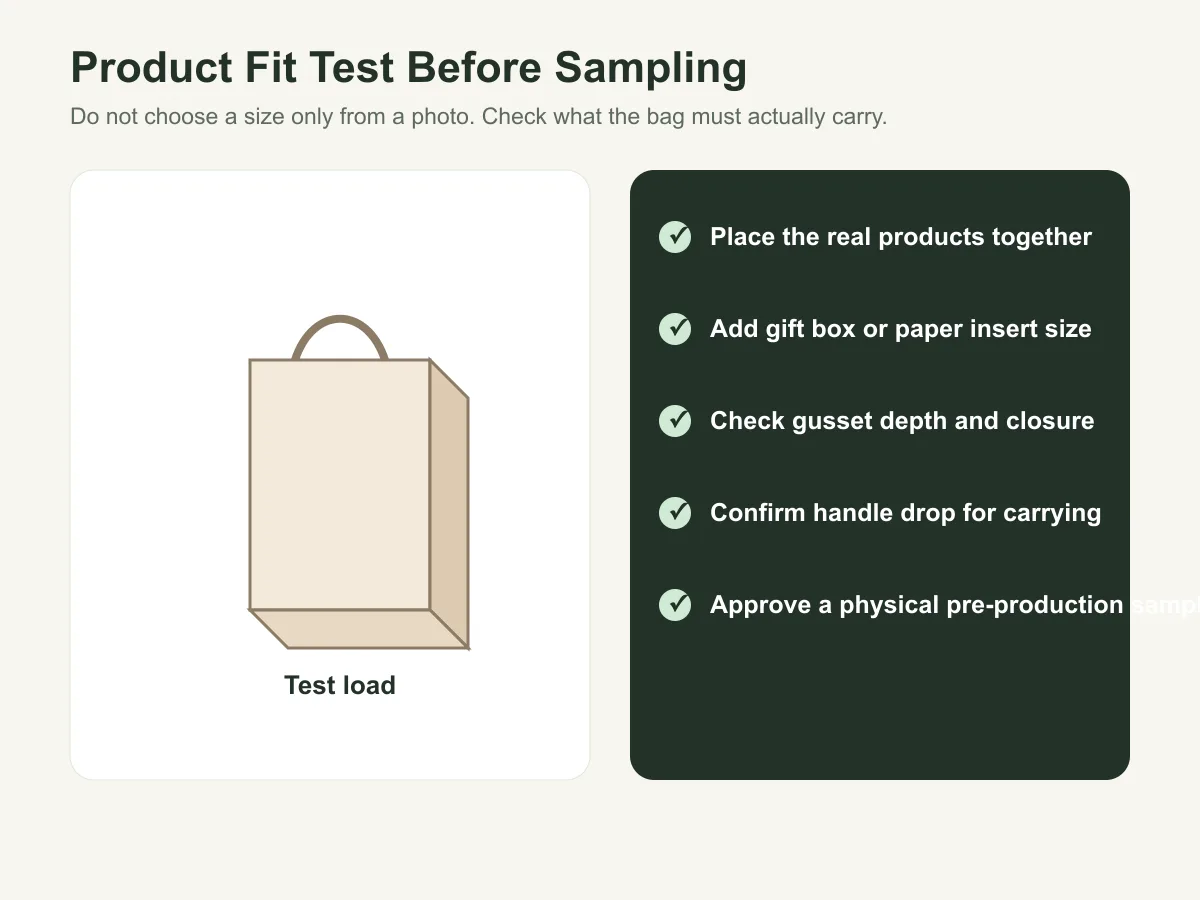
FedEx explains dimensional weight as package space compared with actual weight1. For foldable totes, a small change in folded thickness can change carton volume more than buyers expect. That is why packing ratio should be checked before the final sample is approved.
GS1 General Specifications provide identification and data carrier context2. Even if Ecoicolortote is not calculating freight charges, the buyer still benefits from consistent carton dimensions and gross weight records.
Carton review checklist
Ask for units per carton, carton length, width, height, gross weight, net weight, carton mark, packing method and whether the folded tote must be packed with another product. These fields help procurement compare real landed cost instead of unit price only.
Build a packing file before bulk approval
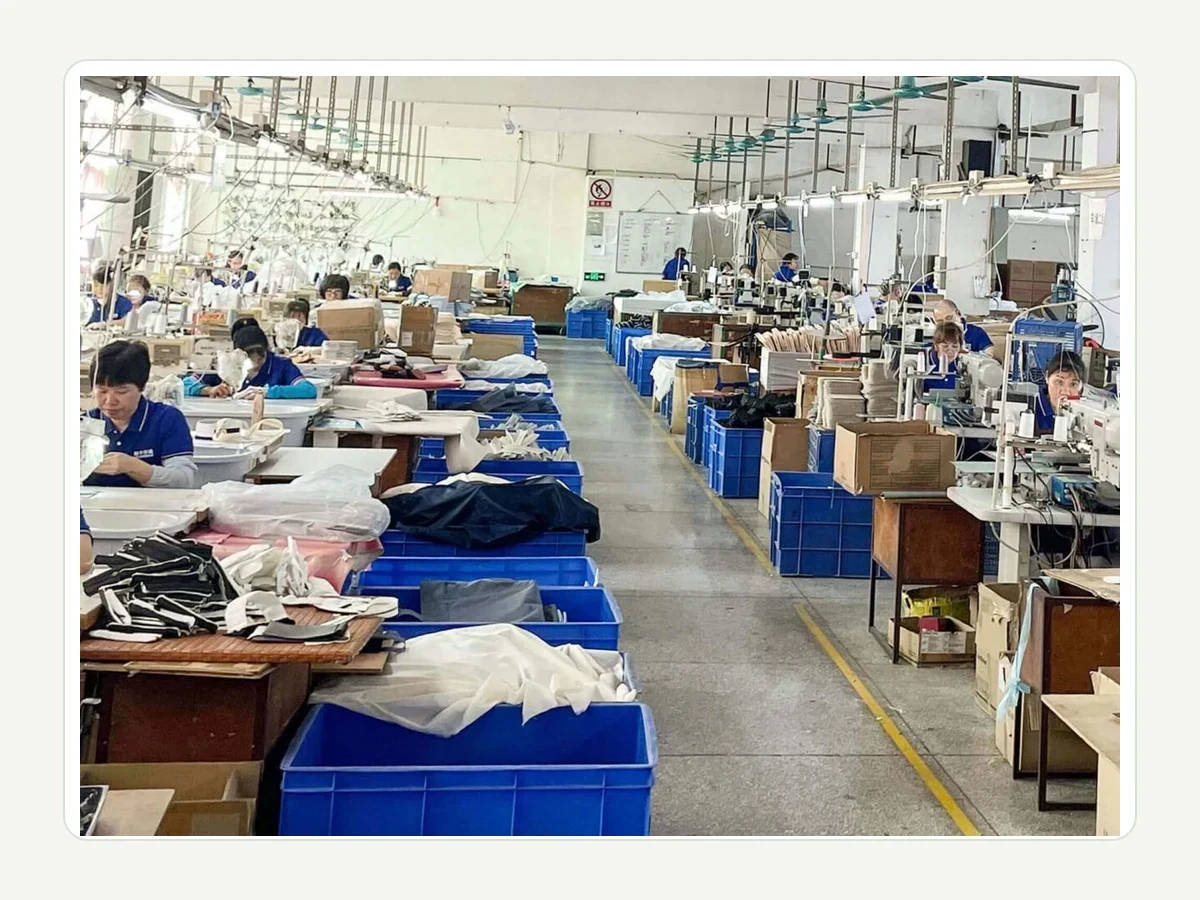
The packing file should show fold direction, inner bag or band route, carton quantity, carton mark and delivery split. GS1 Logistic Label guidance provides logistics-unit label context3. If labels or carton marks are used, keep the wording aligned with the buyer’s destination and receiving workflow.
Best fit for this foldable carton guide
This guide fits beauty GWP teams, event organizers, hotel groups, retail campaigns, DTC launches and private label buyers planning MOQ 500+ foldable tote orders where storage, kit fit, carton volume and launch timing matter. It is strongest when the buyer has a target delivery market and needs to understand how packing affects quotation and sampling.
Less suitable fit
It is less suitable for one-piece gifts, consumer travel bags or buyers who only want the cheapest foldable tote without sample approval. If the buyer cannot define contents, folded size or delivery market, the factory can quote a generic tote, but the quote may not protect the real pack-out or freight expectation.
Composite planning scenario: good sample, poor carton fit
A composite campaign buyer liked the folded tote sample but had not checked how many units fit per carton with the product insert. When the pack-out was simulated, the carton count changed and the delivery plan needed adjustment. The correction was to add folded-size, units-per-carton and gross-weight review to the sample approval checklist. The lesson: for foldable totes, the sample is not complete until the packing file is checked.
FAQ
What should buyers send for a foldable tote packing quote?
Buyers should send flat tote size, target folded size, material route, quantity, delivery country, intended contents, units per carton target and launch window. These fields help Ecoicolortote review whether the fold method, carton ratio and sample route match the real campaign need before quotation.
Why is folded size important for foldable tote bags?
Folded size affects kit fit, warehouse storage, carton count and freight planning. Two foldable totes can have the same flat body size but very different packed thickness after folding. Buyers should approve the folded format with the physical sample, not only the flat tote appearance.
How does carton volume affect foldable tote orders?
Carton volume can affect shipment planning because carriers and forwarders may compare package volume with actual weight. Buyers should review carton length, width, height, gross weight and units per carton before approving bulk packing, especially when the tote is part of a launch kit or multi-destination campaign.
What MOQ should buyers plan for foldable tote bags?
Ecoicolortote positions B2B custom tote projects around MOQ 500+. Some foldable materials, special pouches, snaps, color routes or packing methods may need higher quantities, so the buyer should share quantity range and target packaging route before assuming one universal MOQ.
Can foldable totes be packed with product samples?
Yes, but the buyer should send product or kit dimensions before sampling. Product fit affects folded size, carton ratio and whether the tote needs an inner bag, paper band, insert or special pack-out sequence. Approving only the tote sample may not protect the final packed kit.
Who is this foldable tote guide best suited for?
It is best suited for beauty GWP, event, hotel, retail, DTC and private label buyers planning MOQ 500+ foldable tote projects where storage and carton volume matter. It is less suitable for personal travel bags or single-piece requests without sample approval.
What should be checked during sample approval?
Check flat size, folded size, fold direction, snap or pouch route, logo appearance after folding, contents fit, units per carton and carton mark. The approved sample should be tied to a packing file so bulk production follows the same folded format and carton plan.
 |
Zoe Yu is Sales Manager at Ecoicolortote, supporting B2B buyers with custom tote bag quotation, sample coordination, logo file review, packaging details, carton mark review and delivery preparation. She helps brand, retail and hospitality buyers turn material, sampling and packing questions into factory-readable briefs before bulk production. |
Trademark and certification note
GS1, UPS, FTC, OEKO-TEX, FSC and other standard, certification, carrier or institutional names belong to their respective organizations. This sourcing article does not claim that every tote bag, material, package, order or shipment automatically carries any listed document, label or certification. Buyers should confirm current document validity, material coverage, label wording, package measurements, destination requirements and order-specific claim language before quotation, sampling or bulk production.
Sources
- FedEx explains dimensional weight as package space compared with actual weight and gives the L x W x H calculation context. ↩
- GS1 General Specifications provide identification and data carrier context for packaging and logistics data. ↩
- GS1 General Specifications provide identification and data carrier context for packaging and logistics data. ↩
Send your foldable tote packing brief
If this guide matches your tote project, send quantity, delivery country, launch window, artwork status, packaging needs and sample timing so Ecoicolortote can review the route before quotation.