

 Zoe Yu
 Seasonal tote bag campaigns fail when the buyer counts lead time only from the production start date. For beauty GWP, retail launch, hotel seasonal welcome gift or event campaign, the timeline begins earlier: material route, artwork version, sample approval, packaging files, carton marks and delivery market must be clear before bulk work can run smoothly.
Send Project Brief Request Material Review
For seasonal campaigns, the real clock begins when artwork, materials, sample route and pack-out are clear.
Buyer Summary
This guide helps beauty, retail, DTC, hotel, resort and event buyers plan tote bag lead time for seasonal campaigns. It is written for MOQ 500+ projects where the buyer needs a realistic sample-to-bulk calendar, not a guaranteed shortcut. It explains what to prepare before sampling, when to lock artwork, how packaging and carton marks affect the calendar, and what details should be sent in the RFQ.
Quick answer
For seasonal tote campaigns, send the brief early: quantity, launch date, delivery country, material route, artwork, logo method, packaging files, barcode or label needs, carton marks and target approval date. Sample timing is confirmed after the material, construction, logo method, artwork, packaging and approval scope are clear; the working schedule also depends on revision speed and current capacity.
What should buyers lock before counting tote bag lead time?
| Decision area | What to confirm | Why it affects the project |
|---|---|---|
| Before sample request | Quantity range, target launch date, delivery country, material route and logo method. | Without these, the supplier cannot judge whether the timeline is realistic. |
| Sample stage | Artwork version, logo position, packing direction and approval response owner. | Sample timing is confirmed after the material, construction, logo method, artwork, packaging and approval scope are clear; the working schedule also depends on revision speed and current capacity. |
| Before bulk release | Final sample approval, packaging artwork, carton marks, market split and document questions. | Late file changes can restart parts of the production handoff. |
| Before shipment | Carton count, destination, warehouse notes, label rules and pickup timing. | Delivery details can affect whether the campaign window is protected. |
If the campaign uses retail SKUs, barcode or item labels, GS1 barcode guidance [1] is useful background for why identification files should be approved before packaging and carton labels are printed.
Carton dimensions and packed volume can affect shipment planning. FedEx dimensional weight [2] is useful context when buyers compare folded packing, structured totes or multi-market shipment routes.
Campaign timing gets risky when logo files, color versions or claim wording change after sampling.
- artwork version
- logo method
- sample approval

Which seasonal campaign files cause the most delay?
Artwork version
Logo files, Pantone references, campaign marks and placement maps should be locked before sample review.
Packaging files
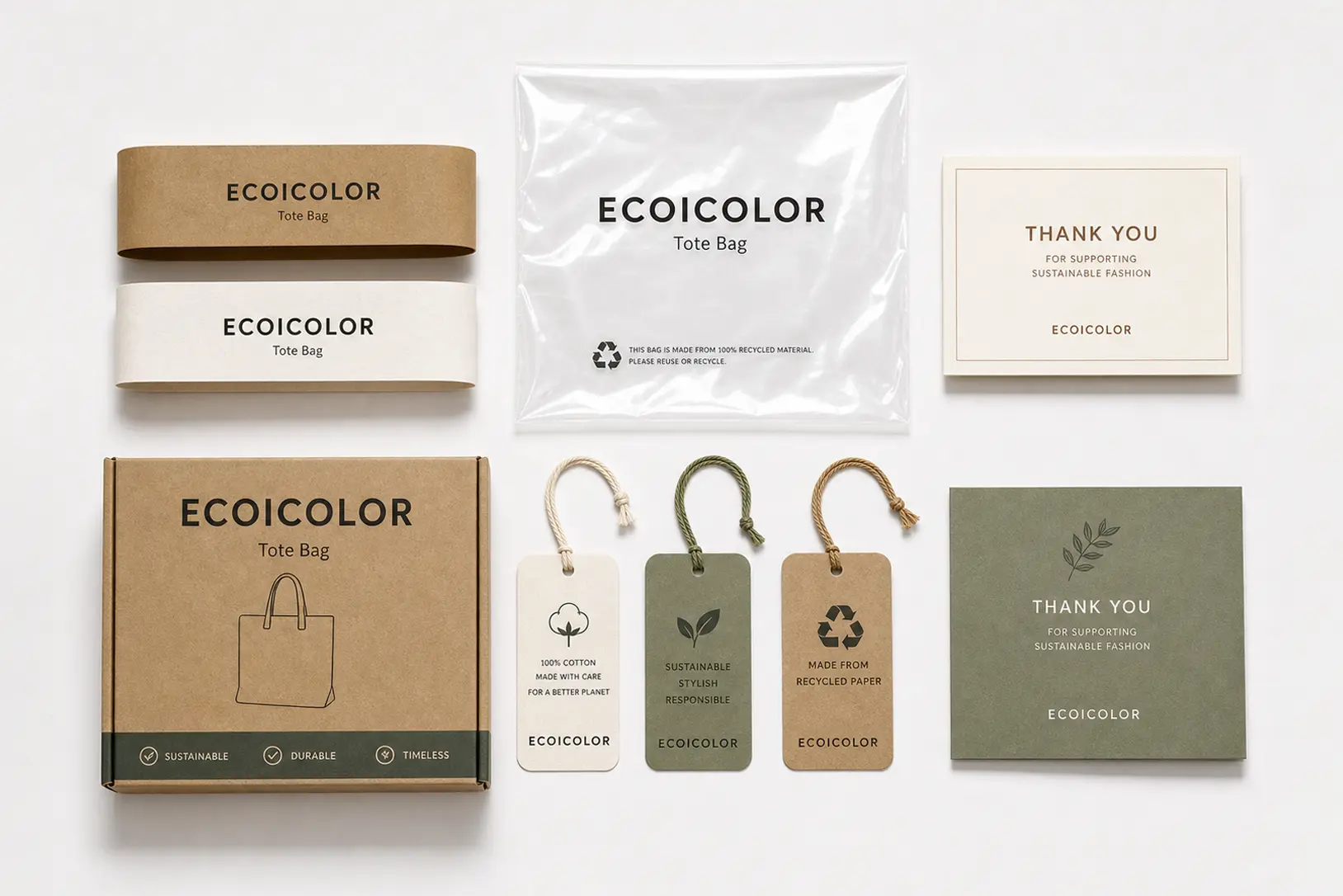
Paper cards, hangtags, polybags, barcode labels and insert cards should be reviewed with the tote route.
Carton handoff
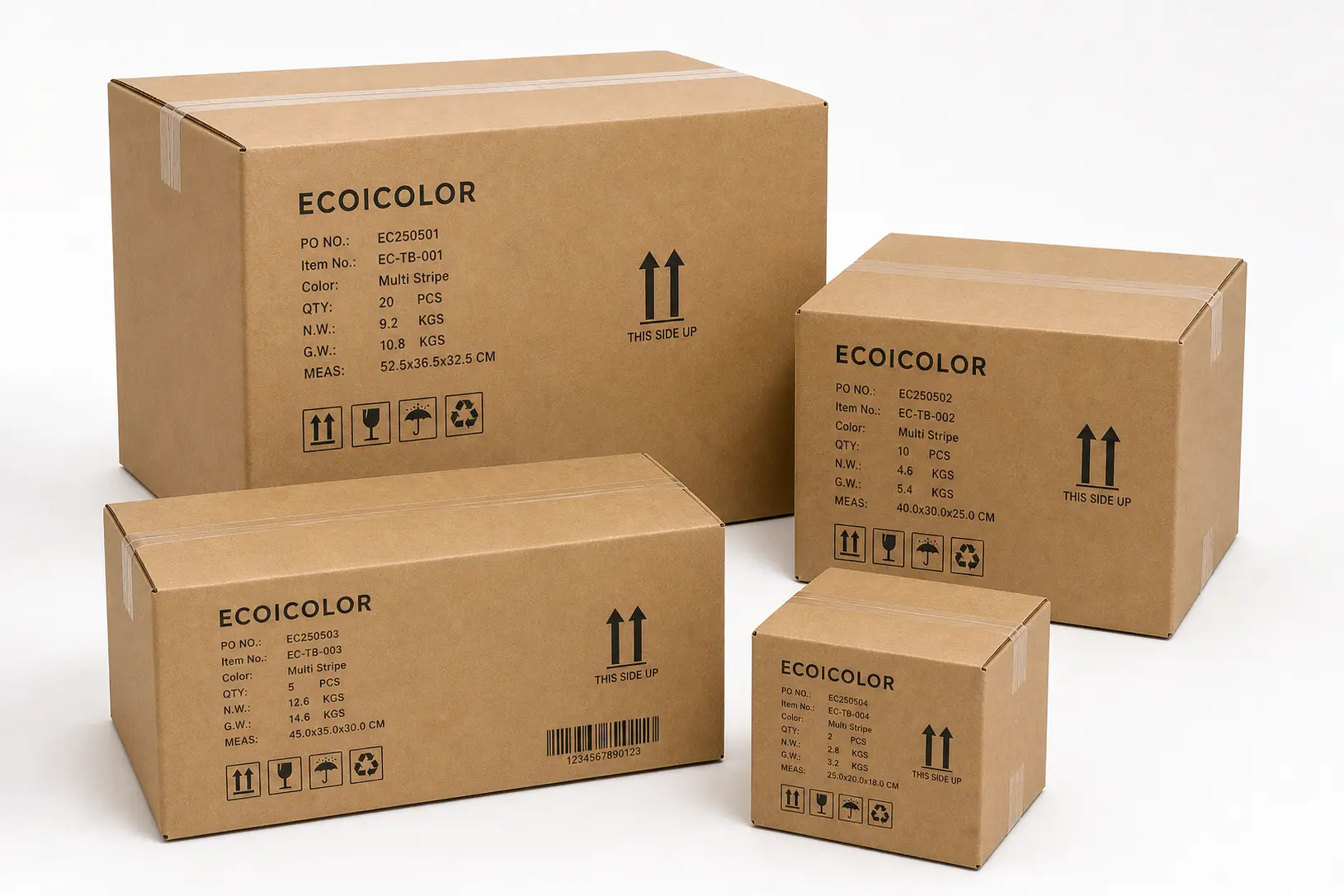
Carton marks, quantity per carton, destination split and warehouse notes should not wait until final packing.
The fastest seasonal route is usually not the one with the shortest promise; it is the one with the clearest files. If the buyer changes artwork, packaging wording, barcode file or carton split after sample approval, the factory may need to recheck print, packing and handoff details before bulk can proceed.
How should seasonal buyers protect the delivery window?
Package preparation and carrier handoff should be considered before the project is already packed. USPS package shipping guidance [3] is useful general context for package preparation, while the actual freight route for a B2B tote order depends on carton size, destination and buyer requirements.
Imported-goods marking should also be addressed before delivery files are frozen. CBP marking guidance [4] gives country-of-origin context, but the buyer still needs to approve the specific label, hangtag and carton wording for the order.
If seasonal packaging or hangtag copy includes environmental wording, FTC Green Guides [5] are useful context for keeping claim language specific to the confirmed project route.
Relevant internal routes include seasonal GWP totes, GWP tote bags, GWP packaging brief checklist and the carton mark and shipping label guide.
A finished tote can still miss a campaign if carton marks, market split or warehouse rules arrive late.
- carton count
- destination split
- warehouse notes

Best fit and less suitable fit
Best fit: beauty, wellness, retail, DTC, hotel, resort and event buyers planning MOQ 500+ seasonal tote campaigns with real launch timing, artwork, packaging, delivery market and sample-first approval.
Less suitable: urgent requests that refuse sample approval, no-brand consumer projects, price-only sourcing, or buyers who cannot share launch date, artwork status, delivery country or packing requirements.
Seasonal lead-time critical-path checklist
This is a general planning checklist, not a customer case or project-result claim. Use it to test whether the calendar is ready before requesting a faster promise.
| Checkpoint | Required input | Owner and cutoff |
|---|---|---|
| Artwork lock | Production file, placement, color reference and version map. | Artwork approver and final freeze date. |
| Sample approval | Material route, logo method, filled-content fit and correction notes. | Physical sample owner and bulk-release date. |
| Packaging proof | Insert, hangtag, barcode, polybag and carton-mark files. | Packaging approver and print cutoff. |
| Bulk handoff | Quantity by version, approved sample reference and QC scope. | Production release owner and planned completion. |
| Delivery protection | Carton count, destination split, shipping basis and required arrival date. | Logistics owner and latest acceptable handoff. |
FAQ
When should buyers start planning seasonal tote bag lead time?
Buyers should start as soon as the campaign window, quantity range and delivery market are known. Waiting until the launch date is close can compress material review, artwork checking, sample approval, packaging, carton marks and shipment planning. For MOQ 500+ projects, the best lead-time control usually comes from earlier file readiness rather than asking for a shorter promise.
When can the tote bag sample schedule be confirmed?
Sample timing is confirmed after the material, construction, logo method, artwork, packaging and approval scope are clear; the working schedule also depends on revision speed and current capacity. It should not be treated as automatic for every project. Special materials, complex logo work, new packaging, document questions or slow buyer approvals can extend the sample route before bulk production starts.
What files should be locked before bulk production starts?
Before bulk release, buyers should lock final artwork, logo position, Pantone or thread reference, sample approval notes, packaging artwork, barcode or label files, insert cards, carton marks, quantity per carton, destination split and document wording. If these files move after approval, the factory may need to repeat checks before production or packing continues.
How does packaging affect seasonal tote lead time?
Packaging can affect lead time because paper cards, hangtags, labels, inserts, polybags, carton marks and retail-ready pack-out may require separate file review and printing. A tote sample can be approved while packaging is still unfinished, but that creates a risk later. Seasonal buyers should treat packaging files as part of the same calendar.
Can Ecoicolortote help with urgent seasonal tote projects?
Ecoicolortote can review urgent seasonal projects when the buyer has a serious MOQ 500+ brief, clear artwork, realistic material flexibility, target delivery market and a sample-first approval path. If the buyer is willing to use available stock material, the route may be easier to review, but timeline still depends on logo, packing and delivery scope.
What usually delays seasonal GWP tote orders?
Common delays include late artwork changes, unclear logo method, missing packaging files, unapproved claim wording, new barcode files, carton mark changes, split destination updates, slow sample feedback and unrealistic delivery assumptions. Buyers can reduce these risks by naming one approval owner and sending the full campaign file set before sample work begins.
Who should use this seasonal lead time guide?
This guide is best for beauty, wellness, retail, DTC, hotel, resort and event buyers planning MOQ 500+ seasonal tote campaigns with real launch dates and sample approval needs. It is less useful for one-piece gifts, vague rush requests or buyers who will not share artwork status, packing route or delivery country.
Trademark and certification note
Third-party standards, certification names, barcode systems, carrier references and government guidance belong to their respective organizations. Ecoicolortote can review document routes and artwork wording for a specific project, but these references should not be treated as automatic claims for all materials, products, labels or orders.
Sources
- GS1 US barcode guidance for product identification and retail data planning. ↩
- FedEx dimensional weight explanation for shipment planning. ↩
- USPS package shipping guidance for package preparation context. ↩
- U.S. CBP country of origin marking overview for imported goods. ↩
- FTC Green Guides page for environmental claim wording discipline. ↩
About the Author
 | Zoe Yu is Sales Manager at Ecoicolortote. She helps overseas brand, retail, hospitality and event buyers review custom tote bag material routes, logo methods, MOQ feasibility, sample approval, packing requirements and bulk delivery planning before production. |