

 Zoe Yu
 A beauty GWP tote bag can pass a flat sample review and still fail when skincare products are placed inside. A contents-fit checklist helps the buyer confirm tote size, pouch size, material consistency, color, logo placement, insert card and packing before MOQ 500+ bulk production.
Review Skincare Set FitView Related Buyer Route
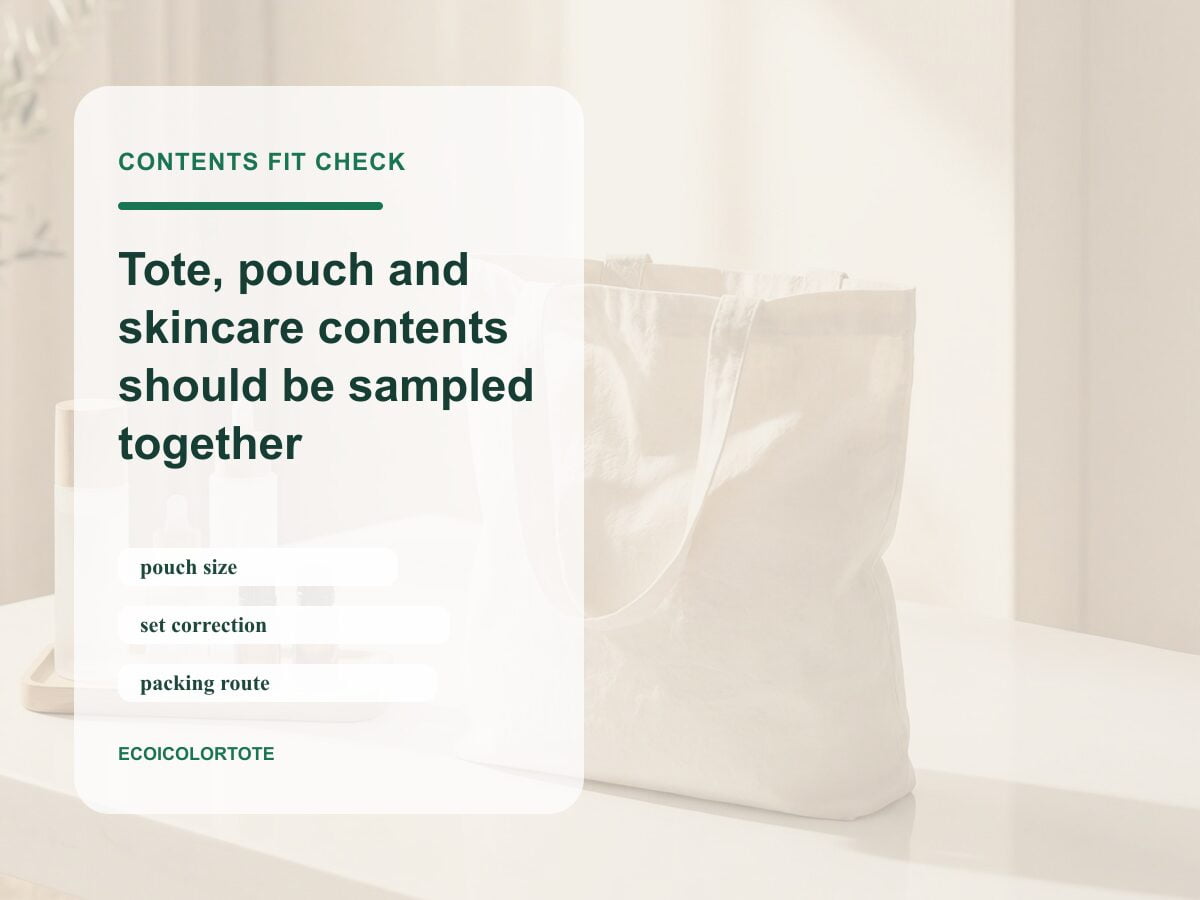
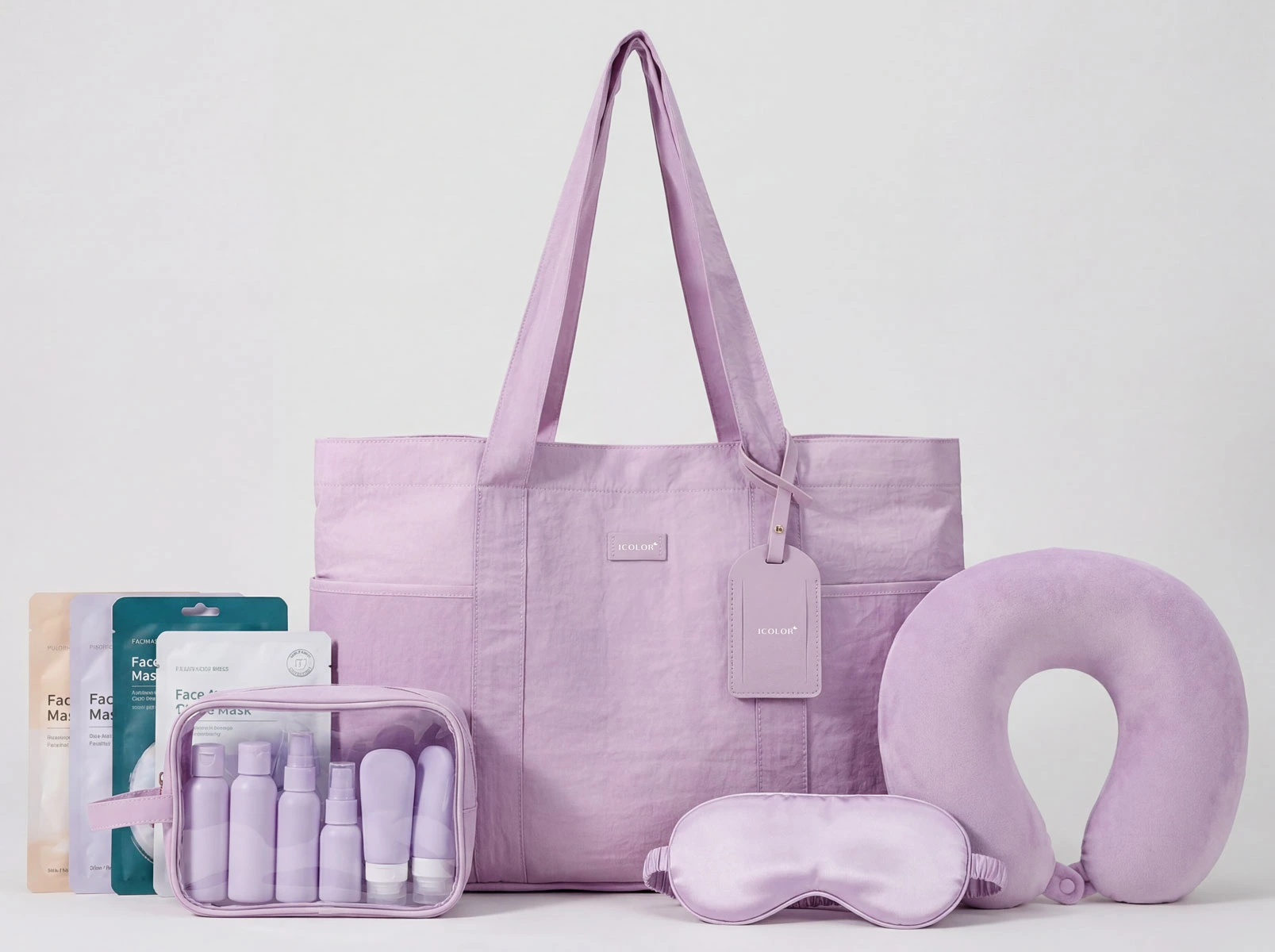
A skincare gift set needs the tote, pouch, product contents, insert and packing view checked together before bulk approval.
Quick Summary
This guide is for beauty, skincare, wellness and DTC teams reviewing a custom tote bag for a gift set. It explains how to test contents fit, how to coordinate a matching pouch, why the same material route can matter, how color behaves differently across fabric and paper, and what needs correction before bulk approval.
Place the real skincare contents or close-size mockups inside the sample. Check whether bottles, jars, tubes, pouch, insert card and tissue fit without distortion. Review the tote and pouch together, and if a paper box or printed insert is involved, compare color on fabric and paper before final approval.
What should a skincare gift set fit check include?
| Decision area | What to prepare | Why it matters |
|---|---|---|
| Contents map | List bottle height, jar width, tube count, card size, pouch size and any tissue or paper box. | The tote size should be checked against real contents. |
| Pouch position | Confirm whether the pouch sits inside the tote, beside products or as a separate item. | The pouch can change available space and presentation. |
| Material match | Review whether tote and pouch use the same fabric route or intentionally different materials. | Unplanned material difference can make the set look mismatched. |
| Packing view | Check insert, hangtag, tissue, sleeve, carton or retail handoff needs. | The buyer approves a final gift set, not only a bag. |
Sample review and acceptance language should match the real set. ISO 2859-1 sampling procedures [1] is useful background when buyers discuss sample and inspection checkpoints before bulk production.
If textile testing is part of the buyer's document scope, the selected material route still needs project-specific review. OEKO-TEX STANDARD 100 [2] provides useful textile testing context without turning a route into an automatic claim.
If the tote and pouch use different fabric routes, the shade and handfeel can look disconnected even when each item is acceptable alone.
- same material route
- shared color review
- set presentation
Where do tote and pouch sets usually lose coordination?
Different fabric routes
The tote and pouch may look unrelated if one fabric has a different texture, shade or weight.
Paper and fabric color shift
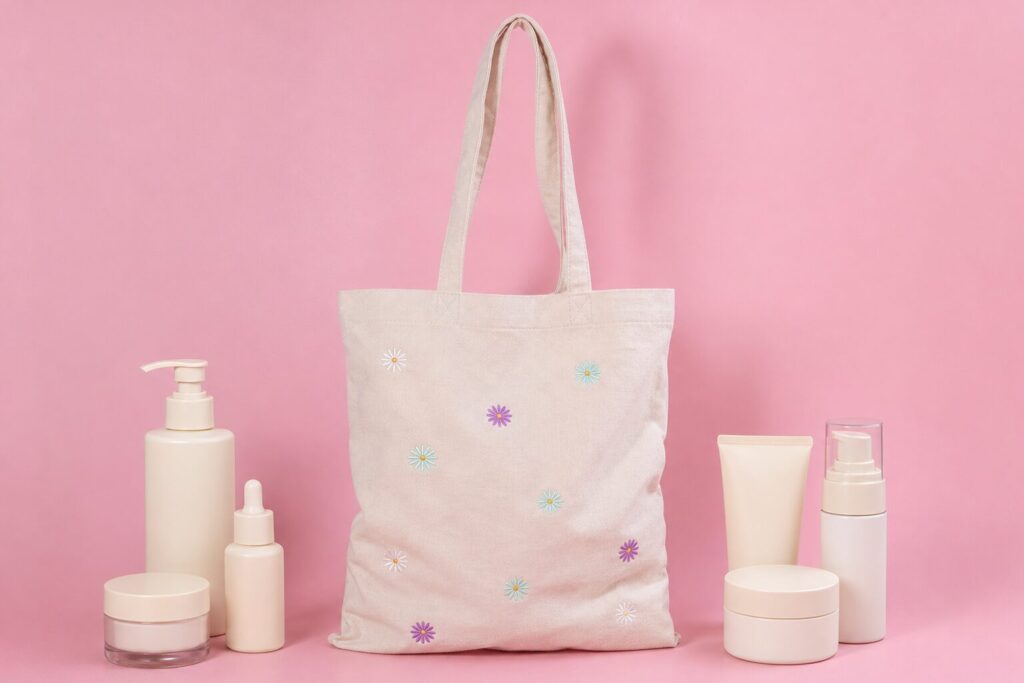
A printed paper box and dyed or printed fabric may show the same color reference differently.
Empty-bag approval
A sample approved empty can fail once products, pouch, insert and carton packing are reviewed together.
Check Sample Before BulkView Related Buyer Route
How should sample corrections be written?
Color review should separate digital file, fabric surface and paper packaging. International Color Consortium color management [3] is useful background for why color management needs both file and physical-material review.
Correction notes should name the item and the change: tote size, pouch size, material route, logo size, color reference, insert position or packing route. A revised sample is needed when the correction affects fit, color, material, logo or final brand presentation. A photo may be enough only for minor confirmation that does not change the route.
A tote that looks generous empty can feel tight once pouch, bottles, jars and insert cards are placed inside.
- pouch position
- bottle height
- insert card
When this contents-fit checklist is useful
Best fit: beauty, skincare, wellness, DTC, hotel amenity and retail buyers planning MOQ 500+ GWP tote or tote-plus-pouch gift sets where contents fit, material coordination and sample approval matter.
Less suitable: blank stock totes, personal gifts, no-content browsing, price-only requests or projects that cannot provide product dimensions, material preference, color direction, artwork or delivery timing.
Real 20,000-piece GWP set: correcting a tote-and-pouch material mismatch
In June 2026, a UK beauty brand approved a GWP order for 20,000 tote bags and 20,000 cosmetic pouches. The tote measured 45 × 35 × 15 cm. The pouch measured 21 cm across the top, 13 cm across the base, 12.5 cm high and 7 cm deep. Both products used screen printing.
The pouch was initially sampled in pure cotton canvas, while the tote was changed to polyester-cotton canvas to meet the project cost target. Although each item worked separately, the different materials created a visible color difference and did not look like one coordinated set.
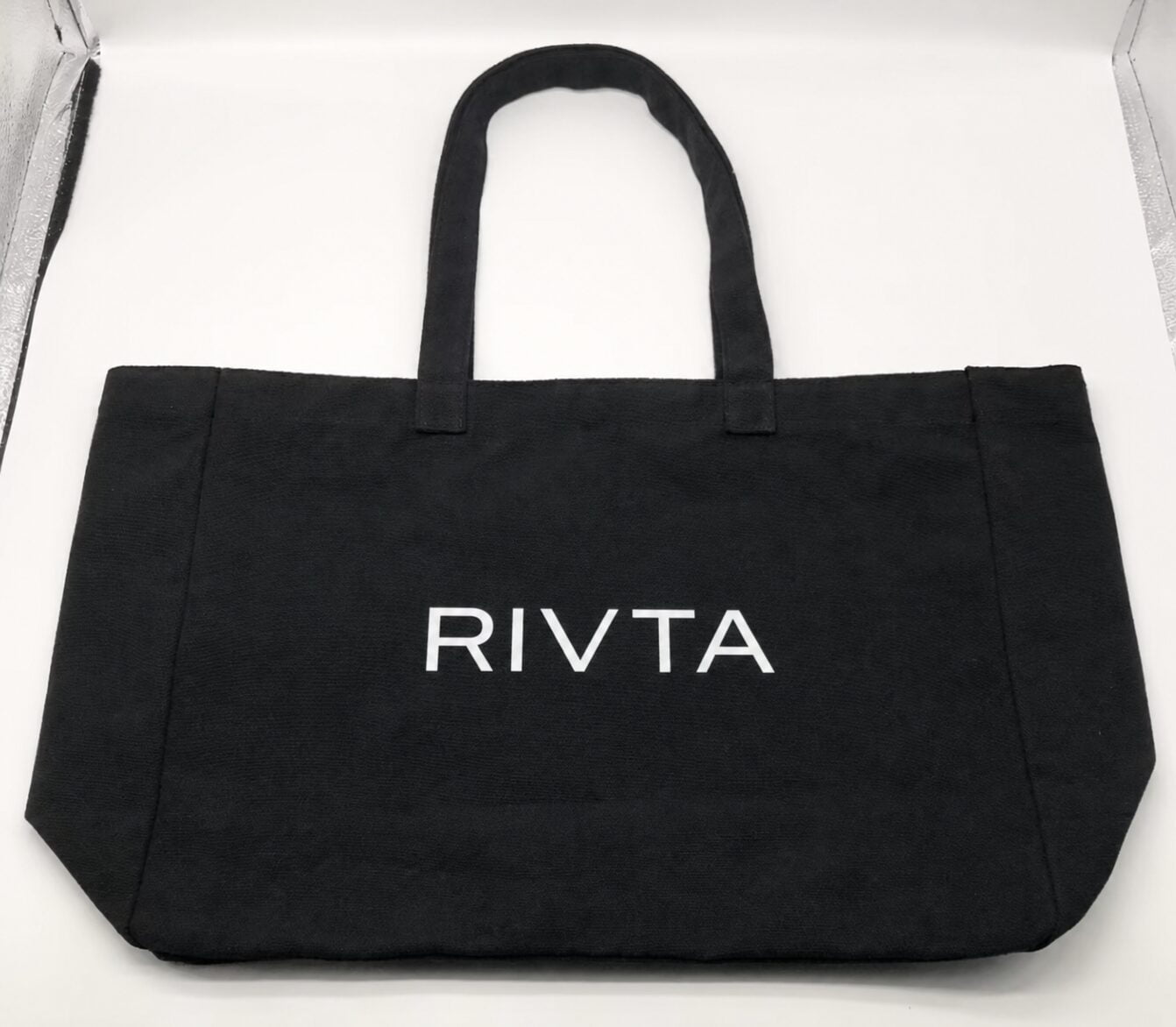
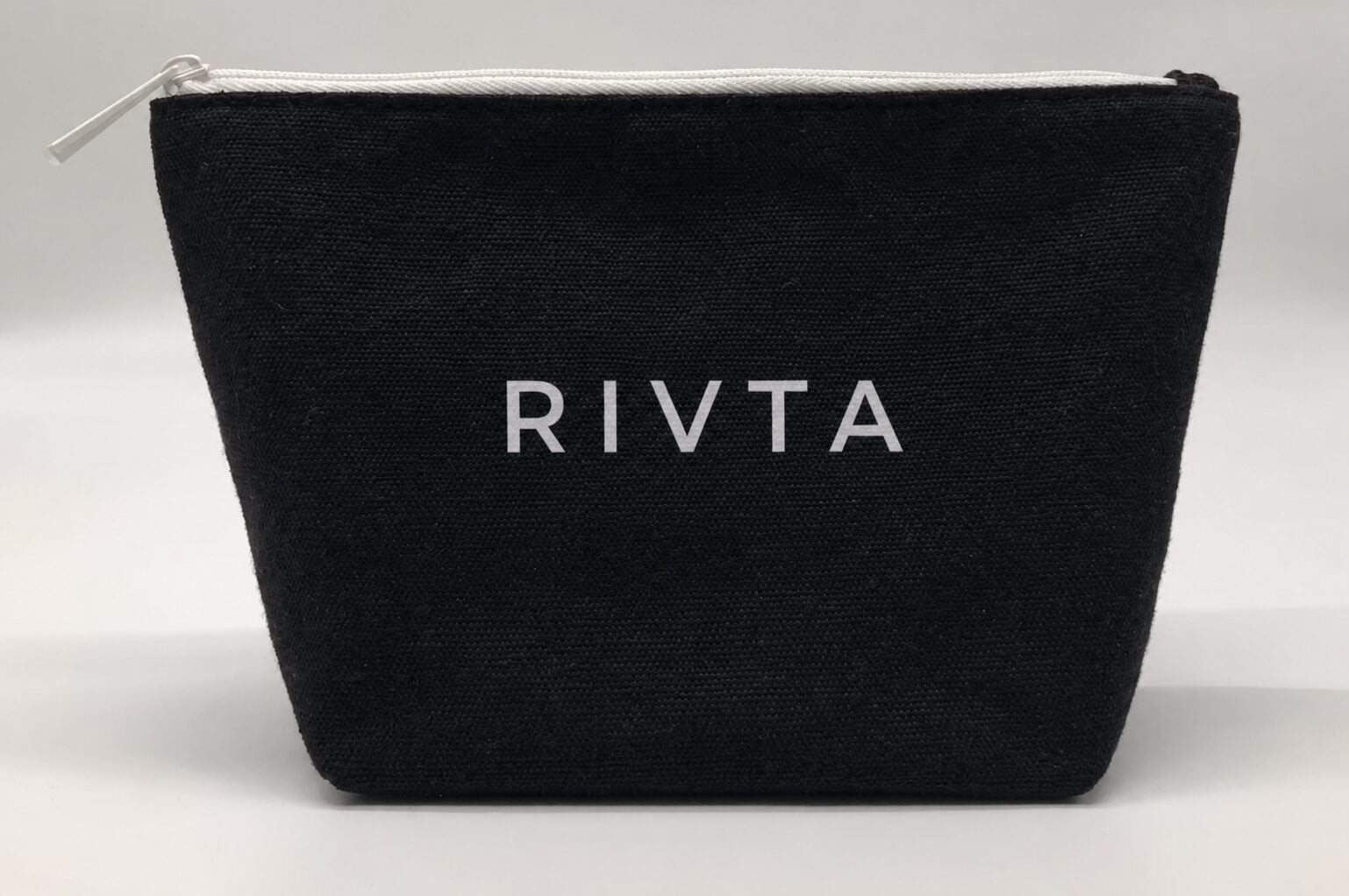
Before approval, both items were aligned to polyester-cotton canvas. The shared material produced a cleaner, more consistent color and handfeel while keeping the intended cost route. The revised samples were approved and the buyer placed the order.
Buyer lesson: For a GWP set with more than one sewn item, approve the base material, color reference, logo method and set-level appearance together before bulk release.
Sample-set approval version register
This checklist was consolidated from the former two-item sample-review article so the sample-stage task has one owner. Record each tote and pouch version separately before bulk release.
- Item and version: tote or pouch, sample date, material route and color reference.
- Construction and fit: dimensions, seam or closure change, contents used and pack-out sequence.
- Artwork route: logo file version, size, placement and version-specific proof for each color or market.
- Approval evidence: revised physical sample or approved photo, approver, date and remaining open points.
- Bulk reference: one final approved set-level record for tote, pouch, insert, labels and packing.
One construction sample may guide later versions, but it does not automatically approve every color, logo or market version.
Related route note
This article supports the wellness-beauty tote product route and the tote-plus-cosmetic-bag RFQ guide. Its role is the sample-stage fit and coordination check after the buyer knows the project is a beauty or skincare gift set.
FAQ
What products should be included in a beauty GWP tote contents-fit check?
Use the real products when possible: bottles, tubes, jars, sample sachets, brush, card, insert, cosmetic pouch, tissue and any paper box. If final products are not ready, use mockups with similar size and weight. The sample should prove the set, not only the empty tote shape.
Does the tote and cosmetic pouch need the same material?
Not always, but matching material is often safer when the set needs a coordinated brand look. Different materials can create shade and texture mismatch, especially when the tote, pouch and product packaging are viewed together. If different materials are intentional, the sample should prove the contrast looks designed rather than accidental.
Why can the same color look different on fabric and paper?
Fabric absorbs dye or print differently from paper, and texture changes how color is perceived. A Pantone or brand color can look different on a tote, pouch, printed box and insert card. For color-sensitive sets, review the physical fabric and paper items together before bulk approval.
How does MOQ 500+ affect sample review?
MOQ 500+ is the normal B2B planning point, but a beauty gift set can include several components. The sample stage needs to confirm whether the tote, pouch, color, logo and packout route are all approved before bulk production. This reduces the risk of correcting multiple components later.
Can product fit be checked by measurements only?
Measurements are necessary, but they do not replace a physical fit check. Bottles can lean, jars can create bulk, pouches can take internal space and insert cards can shift the presentation. A sample loaded with real or mock contents gives a better view of carry comfort and final brand appearance.
How is this different from the tote and cosmetic bag RFQ guide?
The RFQ guide helps buyers send the first project brief for a tote plus small cosmetic bag set. This article is narrower: it explains how to review contents fit and material coordination during sample approval. It supports the RFQ guide rather than repeating the same first-brief questions.
Who should use this checklist?
Use this checklist if you are a beauty, skincare, wellness, hotel or retail buyer reviewing MOQ 500+ custom tote bags for a gift set or GWP program. It is not for single-piece gifts, blank-bag shopping or projects without product contents, sample approval and artwork ownership.
Sources
About the Author
 | Zoe Yu is B2B Sales Manager at Ecoicolortote, supporting overseas brand buyers with custom tote bag RFQs, material route review, logo execution, sampling, packing and bulk production coordination. |
Confirm Tote and Pouch Material MatchView Related Buyer Route