

 Zoe Yu
 A retail GWP tote bag can be produced correctly and still create problems if multi-location delivery details are late. Retail buyers need to define barcode files, hangtags, carton marks, store allocation, packing list, delivery window and receiving requirements before the supplier closes the bulk packing route.
Plan Store AllocationView Related Buyer Route
A retail GWP tote order needs SKU split, carton marks, store or warehouse destination and receiving requirements before the supplier locks packing.
Quick Summary
This checklist helps retail, DTC, beauty and event buyers prepare multi-location store allocation details for MOQ 500+ custom GWP tote campaigns. It explains which file and carton details belong before shipment, how store split changes packing, and why operational handoff should be reviewed before bulk cartons are sealed.
Before packing starts, confirm whether goods go to one warehouse, multiple stores, a venue, or a distributor. Send SKU or version list, barcode and hangtag files if required, carton mark rules, pieces per carton, allocation by location, target receiving date and any store or venue instructions.
What belongs in a multi-location retail GWP delivery checklist?
| Decision area | What to prepare | Why it matters |
|---|---|---|
| Receiving route | One warehouse, multiple stores, event venue, distributor or mixed destination. | The route decides carton mark and packing list structure. |
| Retail files | Barcode, hangtag, SKU, insert card, label or price-ticket requirements. | Files need to be ready before packing and carton sealing. |
| Carton marks | Version, color, quantity, destination, carton number and handling notes. | Receiving teams need carton-level clarity. |
| Pack-out sequence | Tote only, tote with insert, pouch inside tote, product set, sleeve or bulk pack. | The sequence affects labor, carton count and delivery readiness. |
Retail file planning should happen before packing starts. GS1 barcode planning guidance [1] is useful context for why barcode and item-identification files should be managed before store delivery.
Delivery responsibility also needs clear wording. ICC Incoterms rules [2] are useful context for why delivery basis, risk and cost responsibilities should be stated before the buyer compares total project cost.
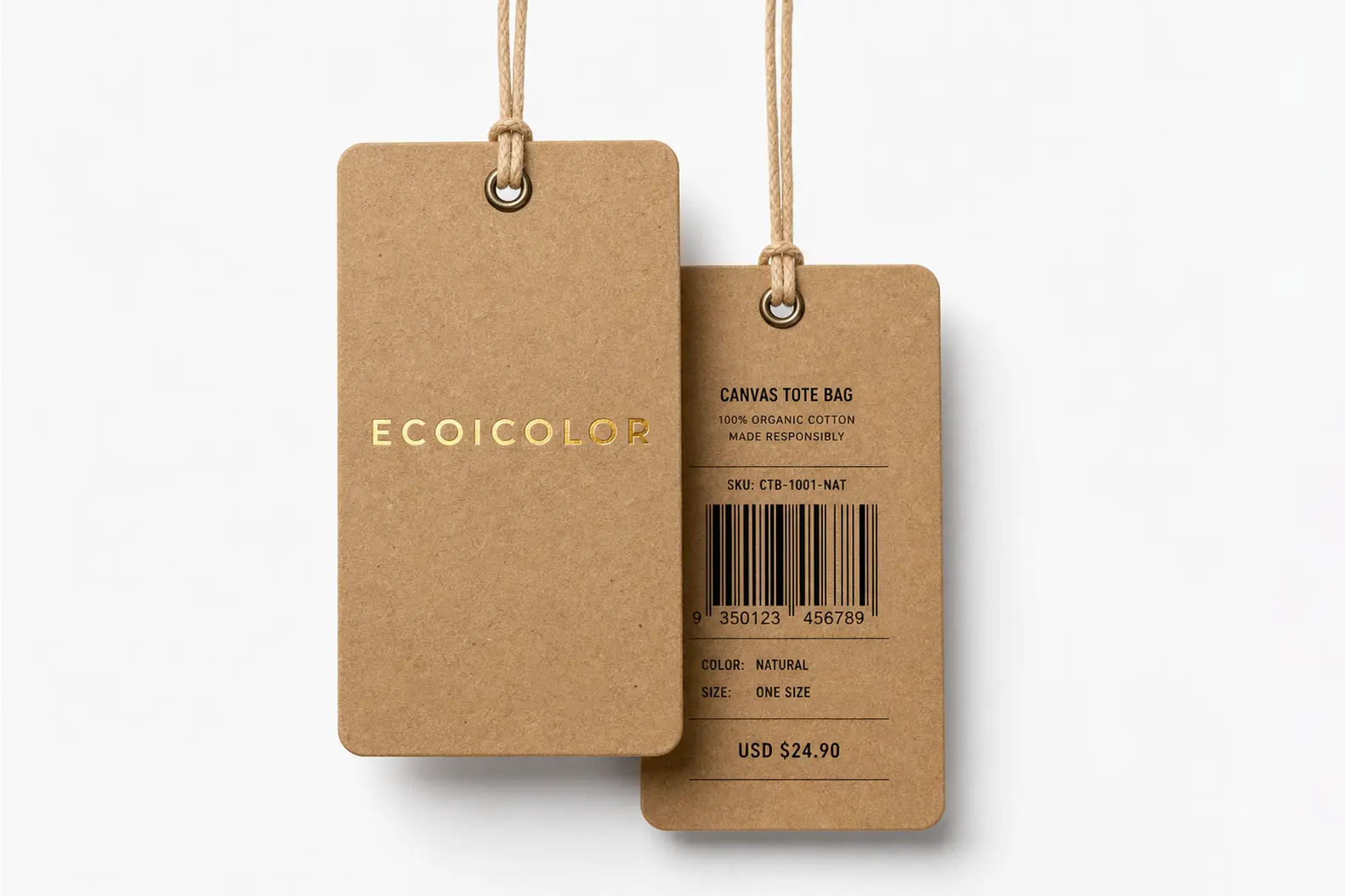
A tote can be ready physically but still fail retail receiving if the barcode, label or carton file is missing.
- barcode file
- hangtag
- store label
Where do store-allocation problems usually appear?
Late barcode files
Physical bags are ready but hangtag or barcode files arrive after packing has started.
Unclear location split
The supplier knows total quantity but not how many cartons go to each store, venue or warehouse.
Carton mark mismatch
Cartons are packed correctly but labels do not match receiving or buyer-side tracking rules.
Review Store Delivery Carton MarksView Related Buyer Route
How should buyers confirm allocation before shipment?
When the buyer needs pre-shipment checks, sample and inspection language should match the actual carton and packout scope. ISO 2859-1 sampling procedures [3] is useful background for attribute-based acceptance language.
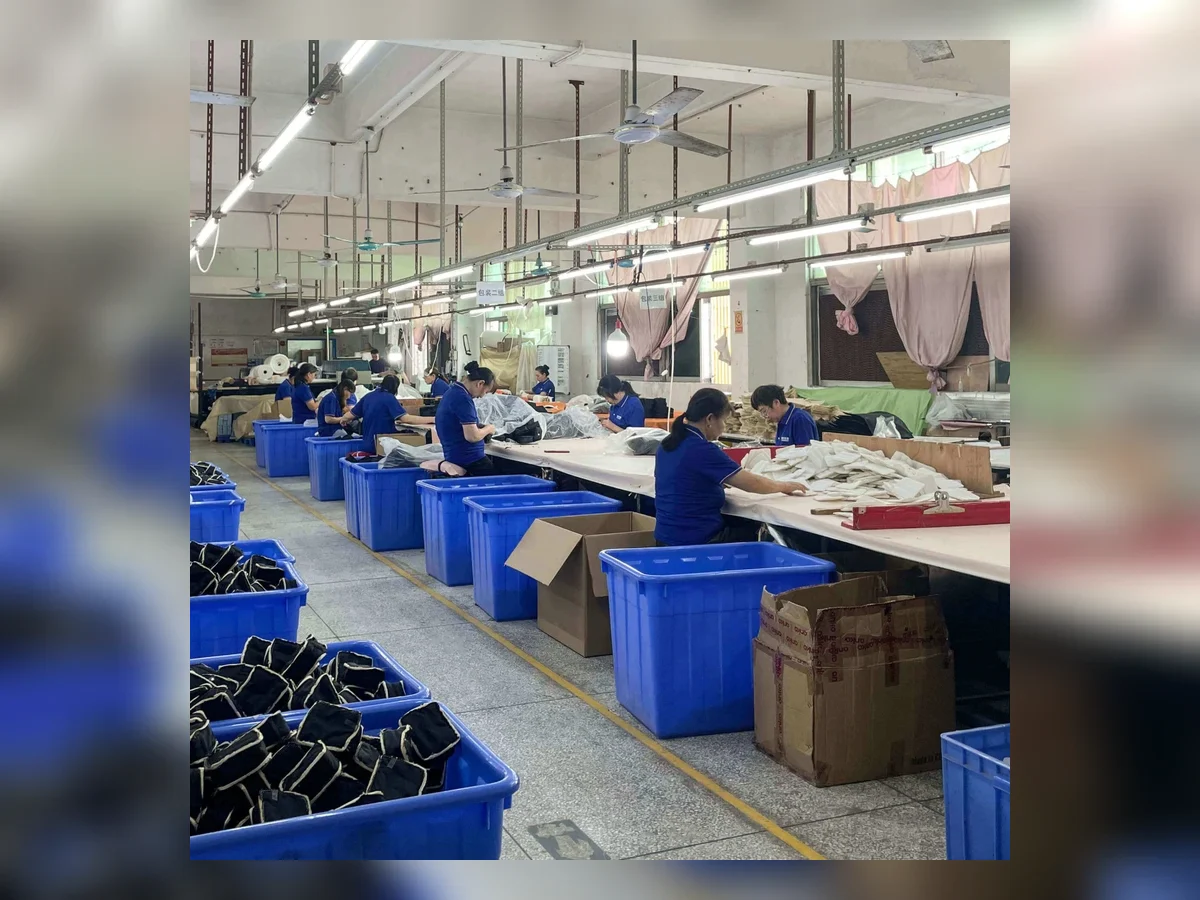
Ask for one packout photo or sample carton view before bulk cartons are sealed when the order has multiple store destinations, barcode labels, hangtags or SKU versions. This lets the buyer catch label placement, carton mark and quantity-split issues before the shipment leaves the factory.
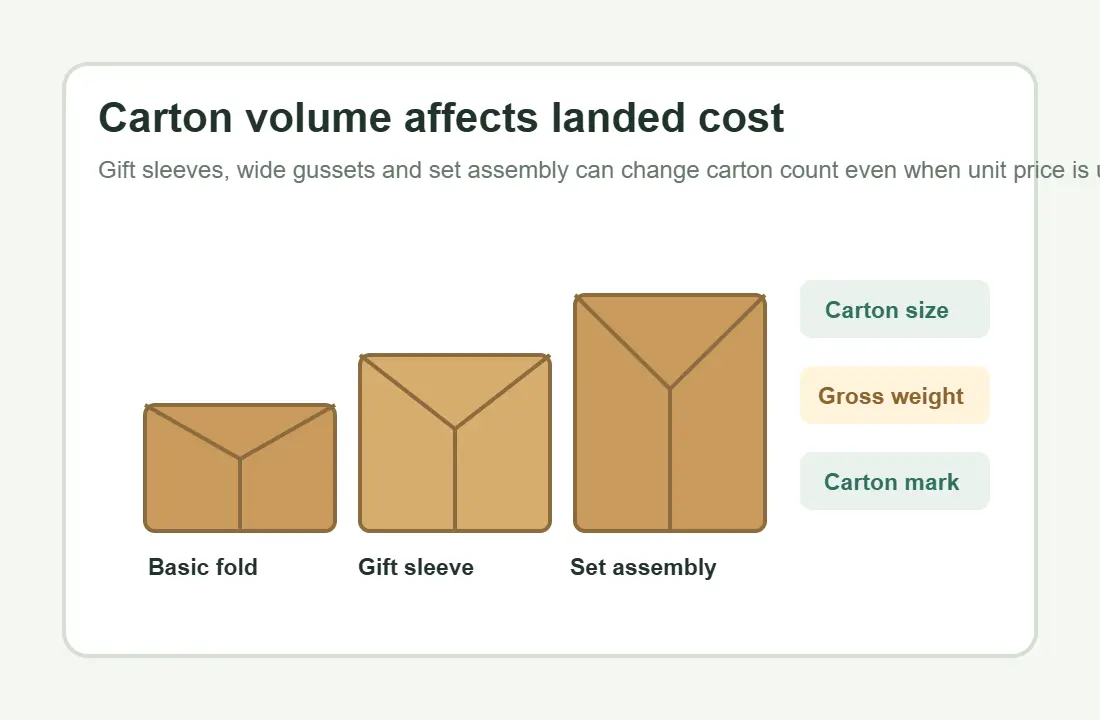
One location, two locations and mixed SKU delivery can require different carton marks, carton volume assumptions and packing lists.
- location split
- SKU grouping
- packing list
When this store-allocation checklist fits
Best fit: retail, DTC, beauty, event and private-label buyers planning MOQ 500+ GWP tote campaigns that need store split, carton marks, barcode or hangtag files, delivery windows and receiving handoff.
Less suitable: single-piece gifts, blank-stock tote browsing, simple no-label bulk orders or buyers who cannot provide destination, quantity split, packing route, files or receiving instructions.
Recent delivery-readiness note
A US buyer asked for 75,000 dark blue totes with one or two delivery locations and an early September need date. Even before the final material route was chosen, the useful quote inputs were location count, receiving address, color direction, production timing and whether the order needed one packout or split cartons. For this type of volume, store or venue delivery details are not a final shipping note; they belong in the RFQ.

Related route note
This article supports the GWP tote product page, the retail GWP campaign guide and the barcode/hangtag planning guide. It covers multi-location allocation and delivery handoff so retail buyers can connect product readiness with receiving readiness.
FAQ
What is the first store-delivery detail for a retail GWP order?
Confirm whether the goods ship to one warehouse, multiple stores, a venue, a distributor or a mixed route. This single decision changes carton marks, packing list structure, label needs, delivery timing and who receives the goods. Without it, the supplier may quote production correctly but prepare the wrong packout route.
Which retail files belong before packing starts?
Send barcode files, SKU or version list, hangtag artwork, insert card files, label rules and any store receiving instructions before packing starts. If these files arrive late, the supplier may need to reopen cartons, add labels manually or delay shipment while the buyer confirms the final version.
How does MOQ 500+ affect store delivery planning?
MOQ 500+ is the normal B2B project point, but store delivery can require smaller splits inside the total order. A 1,000 piece order going to one warehouse is different from the same quantity split across stores, events or versions. The RFQ should state total quantity and split logic together.
Should carton marks include store or SKU information?
If the receiving team needs store, SKU, color, version or destination information, carton marks should include it clearly. Carton labels do not need to be complicated, but they should match the buyer-side receiving process. A clean carton-mark rule reduces warehouse confusion and post-shipment email follow-up.
Can packout be confirmed by photos?
Photos are useful when they show the final packout route: bag, insert, hangtag, barcode, carton label and quantity grouping. For more complex orders, one sample carton or staged packout view can help the buyer approve the sequence. Photo confirmation is not a substitute for correct files, but it helps prevent obvious handoff mistakes.
How is this different from barcode, pack-out and retail GWP campaign guides?
Barcode and hangtag planning focuses on retail file preparation. The pack-out guide focuses on assembly sequence, and the retail GWP guide covers the broader store campaign. This checklist is narrower: it connects files to carton marks, location split, packing list, delivery window and store receiving route.
Who should use this checklist?
Use this checklist if you are a retail, beauty, DTC, event or private-label buyer planning MOQ 500+ GWP tote delivery to stores, venues, warehouses or multiple locations. It is not intended for personal gifts, blank bag browsing or projects without real receiving instructions, store split, or delivery timing.
Sources
About the Author
 | Zoe Yu is B2B Sales Manager at Ecoicolortote, supporting overseas brand buyers with custom tote bag RFQs, material route review, logo execution, sampling, packing and bulk production coordination. |
Check Multi-Location PackoutView Related Buyer Route