

 Zoe Yu
 A custom tote bag logo method should not be selected only because it looks good in a mockup. The right route depends on material texture, artwork detail, color reference, logo size, placement, MOQ, launch timing and whether the tote will be used as a GWP, retail item, hotel welcome bag, event tote or private label product.
Send Project Brief Request Sample Review
The sample should test the real method, not only the front design idea.
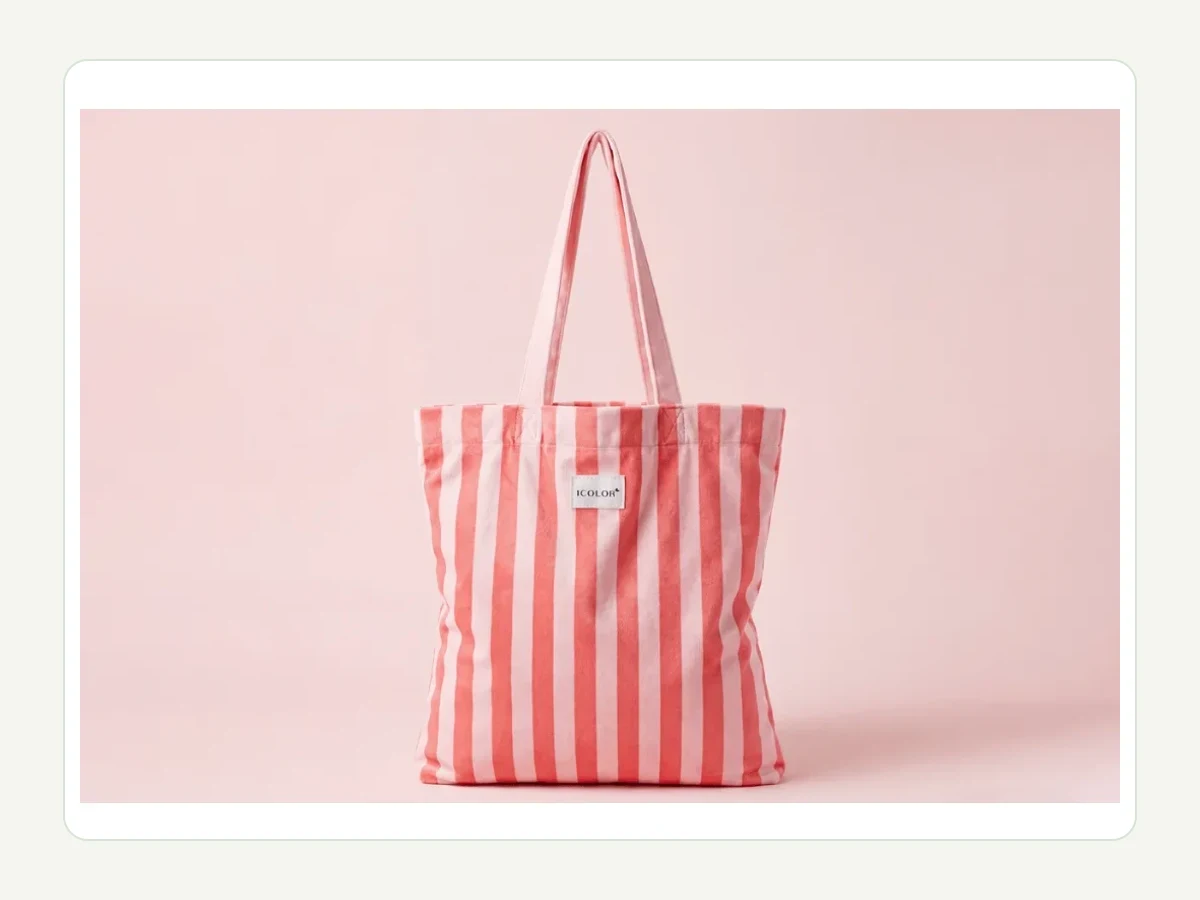
Buyer Summary
This guide helps B2B brand buyers compare screen print, embroidery, heat transfer, woven labels, patches, hot stamping-style details and sublimation-style routes before requesting a tote sample. It is written for MOQ 500+ custom tote projects where logo execution, artwork control, brand color and sample approval affect the final RFQ. The goal is to help buyers send a clearer brief and avoid changing the logo method after sampling.
Quick answer
Choose a logo method by matching artwork detail, fabric texture, color reference, order quantity and use case. Send vector artwork, target logo size, placement, Pantone or color direction, material preference and launch timing before sampling. The supplier can then recommend the most practical route instead of guessing from a flat mockup.
Which logo method fits the tote material and buyer goal?
| Logo route | Best fit | Watch before sampling |
|---|---|---|
| Screen print | Clear flat logos, event totes, GWP programs and larger artwork areas. | Color count, fabric texture, ink coverage and fine line detail. |
| Embroidery | Premium small marks, hotel welcome totes, corporate gifts and thicker canvas routes. | Thread density, backing, tiny text and stitch pull on lighter fabric. |
| Heat transfer | Multi-color artwork, smooth surfaces and smaller runs where the artwork needs cleaner edges. | Handfeel, washing expectation, edge finish and material compatibility. |
| Woven label or patch | Private label totes, retail SKU lines and understated brand marks. | Label size, attachment method, edge finish, position and MOQ. |
| Sublimation-style print | Full-color artwork on compatible synthetic routes. | Material route, color shift, white base requirement and artwork resolution. |
Brand color language should be treated as a reference system, not as a vague word like green or beige. Pantone color-system guidance [1] is useful background when buyers need controlled color conversation, but a physical tote sample still needs review because fabric texture changes how color is seen.
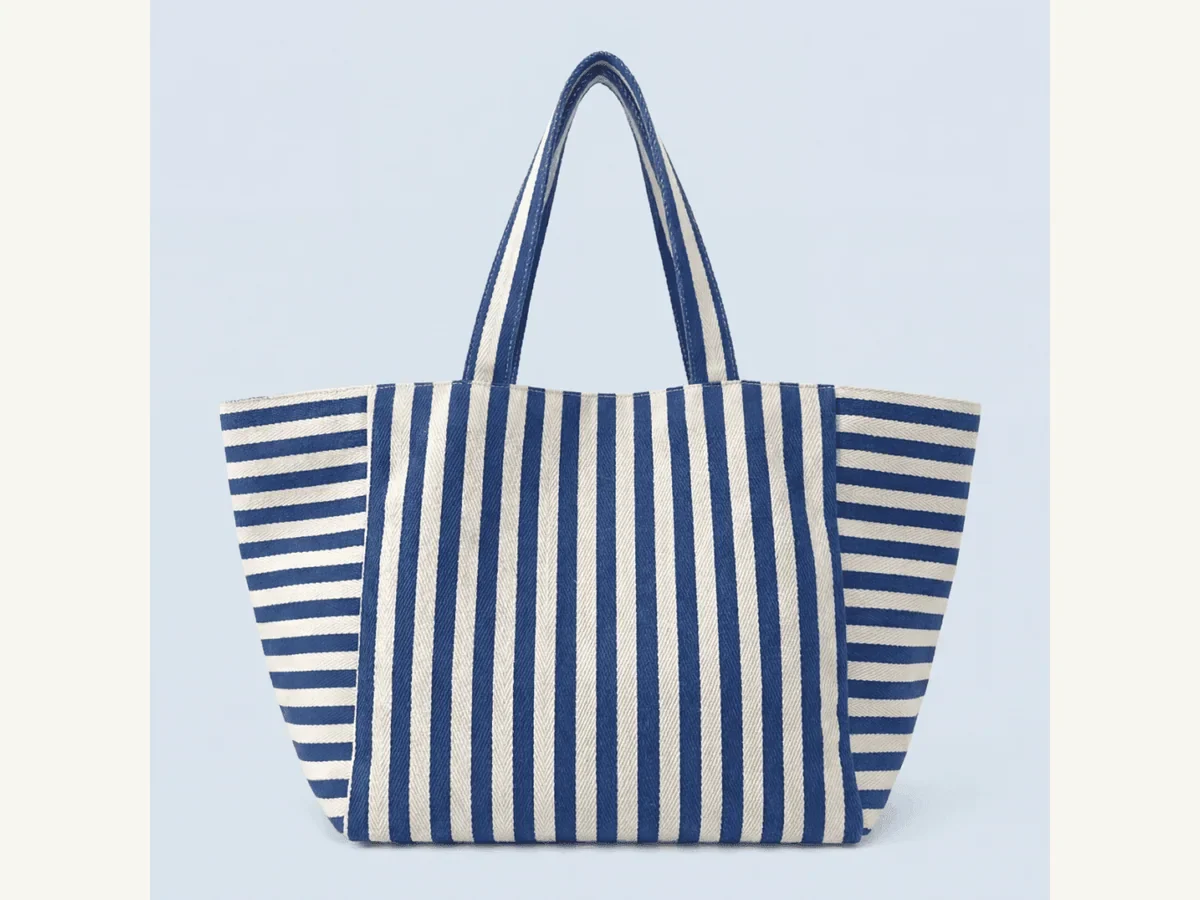
What artwork should be sent before a logo sample?
Send editable vector artwork when available, plus logo size, placement, color reference, artwork version name and any label or hangtag relationship. W3C SVG guidance [2] helps explain why editable vector artwork is different from a screenshot. A buyer can still start with a PNG, but redraw or cleanup may affect timing.
Logo size
Confirm width, height and placement area on the actual tote panel, not only on a mockup.
Color reference
Send Pantone or internal brand color direction, and note whether exact match or close match is acceptable.
Usage rules
Include any clear-space, minimum-size, one-color or no-distortion rule from the brand file.
- Screen setup, embroidery digitizing, labels or patches may add setup work.
- Changing the logo method after sample approval can reset timing.
- Put method, size and placement into the RFQ before quote comparison.
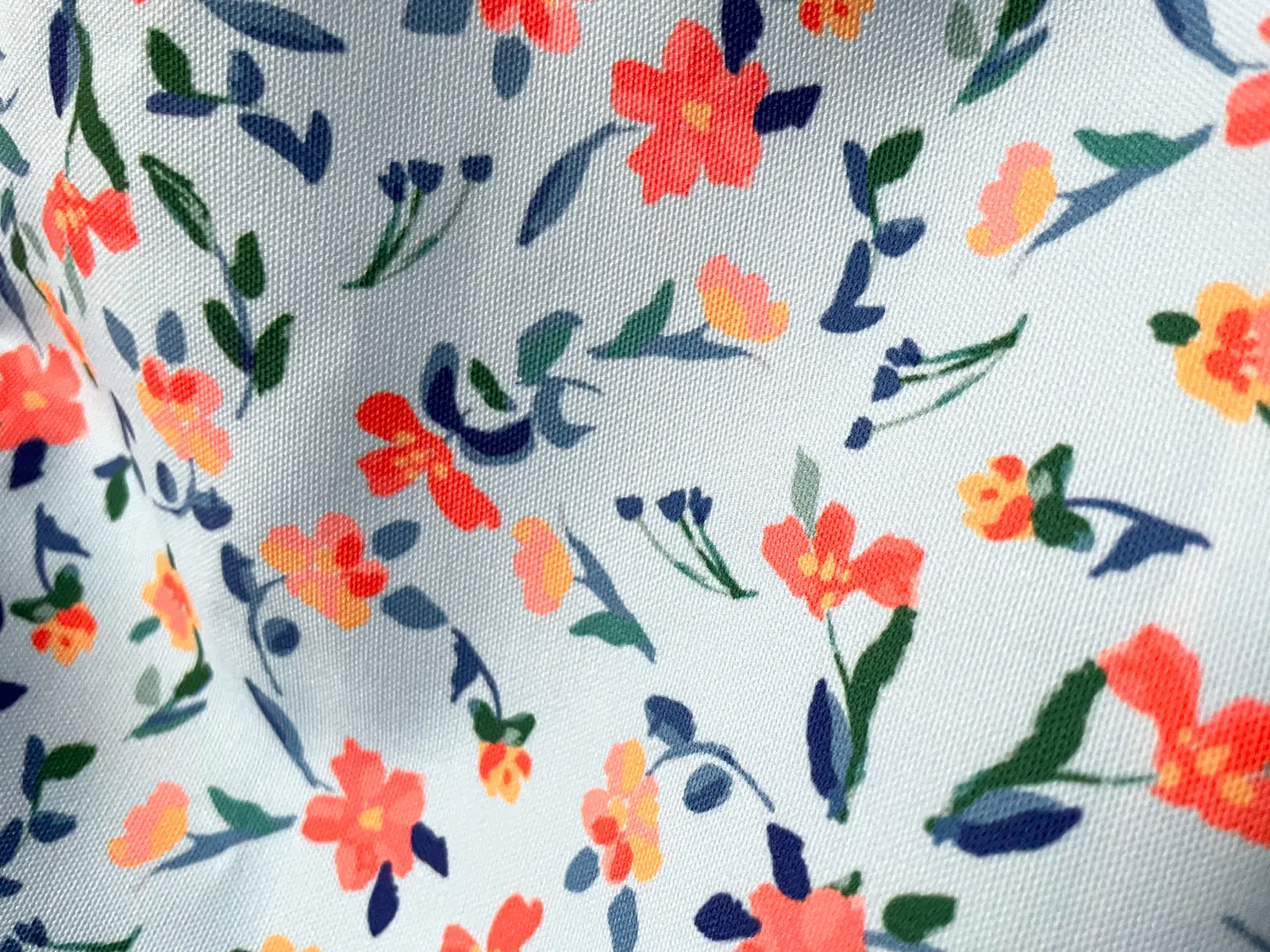
What can go wrong if logo method is chosen too late?
Late logo decisions create the same problems repeatedly: artwork has to be redrawn, color is interpreted differently, placement shifts near handles or seams, and the quote no longer matches the approved sample. Trademark and brand ownership should also be handled by the buyer before production. USPTO trademark basics [3] gives general context for brand mark responsibility.
For projects using custom logo totes, the cleaner route is to compare material and logo method together. Buyers can also use the by-customization hub when deciding whether the real risk is logo, zipper, foldable structure, XL size or another route.
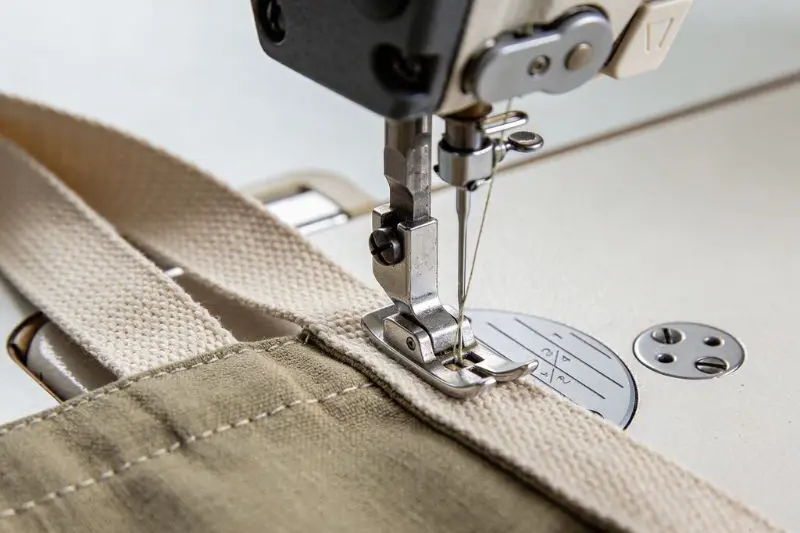
- Tiny text can disappear on textured cotton or jute-style surfaces.
- Embroidery can distort sharp corners if the mark is too small.
- Heat or transfer routes should be checked against handfeel and fabric route.
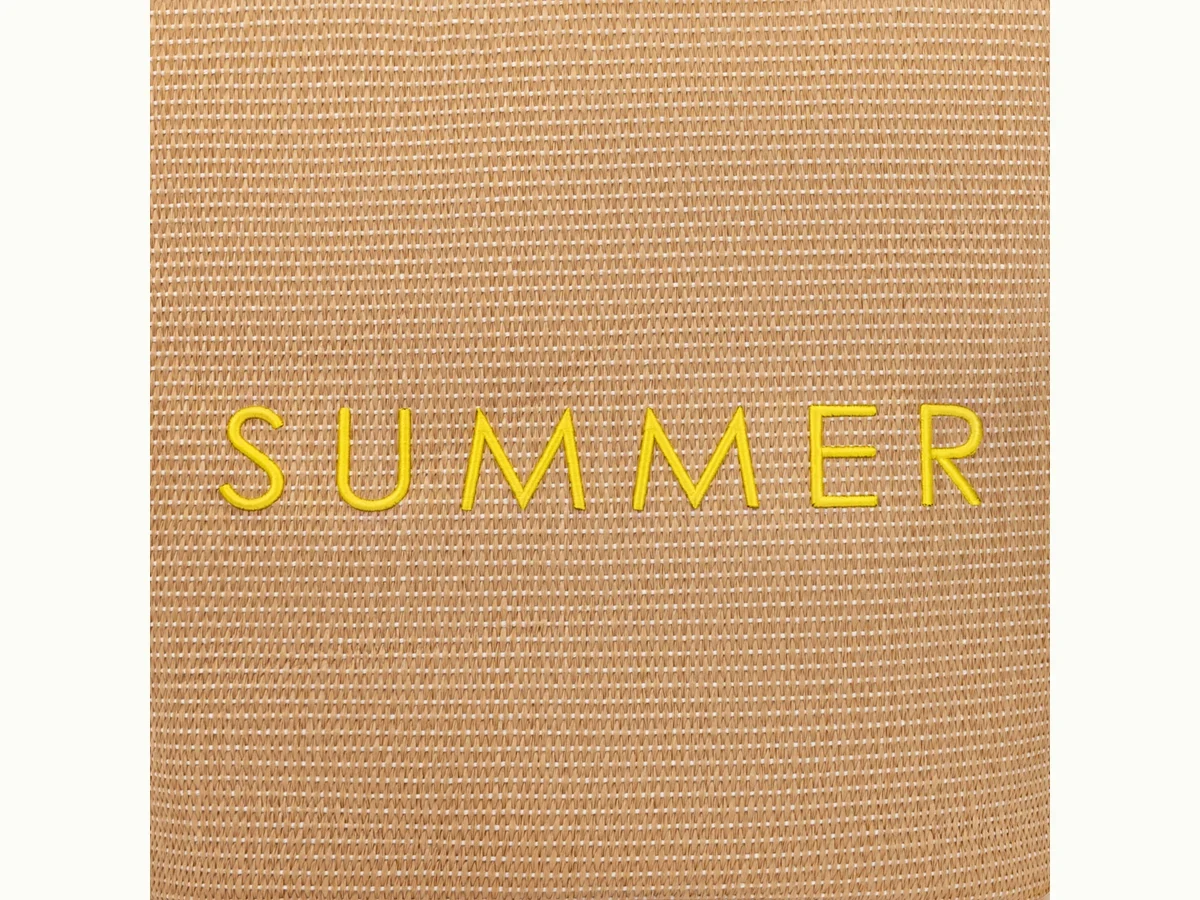
Best fit and less suitable fit
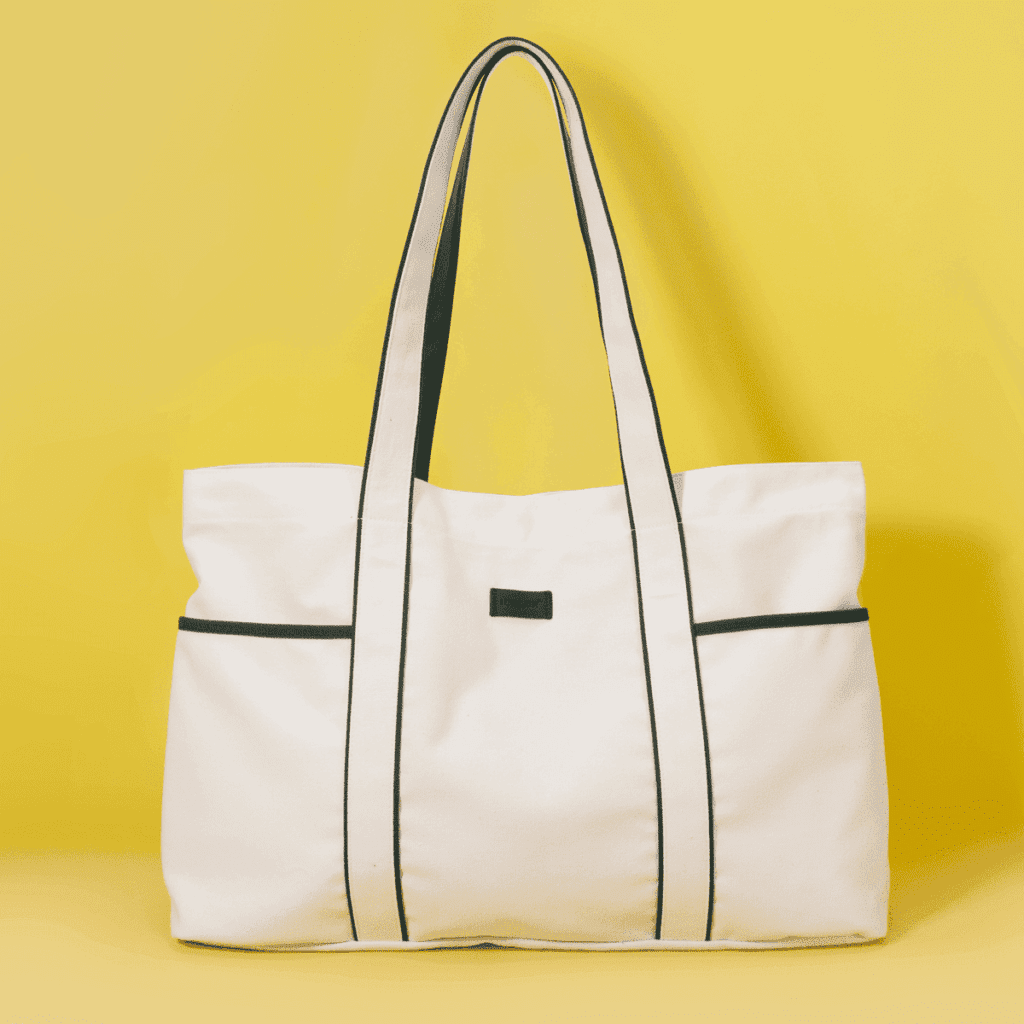
Best fit: brand, retail, hotel, event, corporate and GWP buyers planning MOQ 500+ custom tote bags with real artwork, sample timing, material direction and launch window.
Less suitable: single-piece gifts, no-brand consumer requests, buyers without artwork rights, or projects where the only decision is the lowest unit price without sample approval.
FAQ
Which logo method should I choose for a custom tote bag?
Choose the logo method after confirming material texture, artwork size, color count, order quantity, budget and intended use. Screen print is often efficient for clear flat artwork, embroidery works better for smaller premium marks, and woven labels or patches can help when the brand wants a retail-ready finish. Sampling should confirm the final route.
Can Ecoicolortote recommend a logo method from artwork only?
Ecoicolortote can give an initial recommendation from artwork, but the quote is stronger when the buyer also sends material direction, print size, Pantone or color reference, target quantity, launch window and packing requirement. Artwork alone does not show handfeel, stitch effect, fabric texture, or how the tote will be used.
Do all logo methods work on organic cotton, recycled cotton and rPET?
No. Different materials respond differently to ink, embroidery tension, heat, woven labels and patches. A textured cotton surface may soften fine lines, while rPET can suit transfer or print routes depending on finish. The buyer should confirm material route first, then approve the logo method through a physical sample before bulk production.
What logo files should a buyer send before sampling?
Send editable vector artwork where available, logo size, placement reference, color reference, brand usage rules, label wording, and any required barcode or hangtag relationship before the sample is costed. If only a PNG or screenshot exists, the factory may need redraw or file cleanup before sampling, which can affect timing and setup cost.
When is embroidery better than screen print for tote bags?
Embroidery can work well for smaller logos, premium marks, thicker canvas, hotel gifts, corporate programs or understated retail totes when stitch density and placement are reviewed. It is less suitable for very large solid artwork, tiny text, complicated gradients or thin line detail. Buyers should approve thread color, stitch density, backing and placement before bulk production.
Why does logo placement need sample approval?
Logo placement affects how the bag looks when carried, folded, packed and photographed. A logo that looks centered on a flat file may shift visually because of gusset, handle drop, seams, fabric slant or packing. Sample approval lets the buyer check real scale and position before the factory releases bulk.
Who is this logo-method guide best suited for?
This guide is best for brand, retail, GWP, hotel, event and corporate buyers planning MOQ 500+ tote projects with real artwork and a launch window. It is less useful for single-piece gifts, no-brand consumer orders, or buyers who only want the lowest unit price without reviewing artwork, material and sample risk.
Trademark and certification note
Pantone, W3C, USPTO and other color, file-format or trademark references belong to their respective organizations. Ecoicolortote can review logo execution for a specific project, but buyers remain responsible for logo ownership, artwork rights, color references and final brand approval.
Sources
About the Author
 | Zoe Yu is Sales Manager at Ecoicolortote. She helps overseas brand, retail, hospitality and event buyers review custom tote bag material routes, logo methods, MOQ feasibility, sample approval, packing requirements and bulk delivery planning before production. |