

 Zoe Yu
 Private label tote bags need more than a logo file. When the tote becomes a sellable SKU, retail gift item, DTC bundle component or hotel shop product, the buyer needs an inventory code structure that connects material, color, barcode, hangtag, carton mark, sample approval and reorder records.
Send Project Brief Request Sample Review
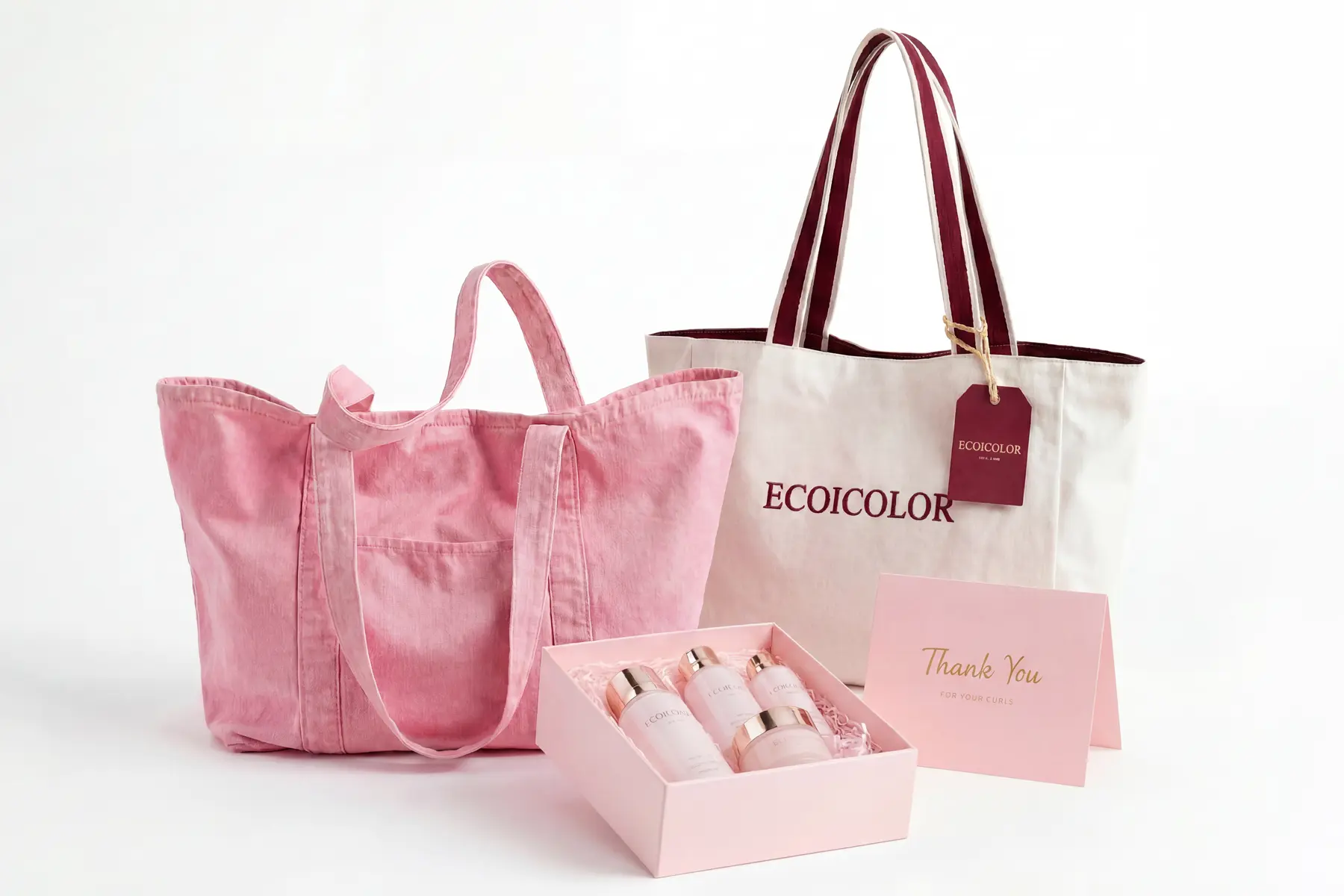
A clear SKU brief keeps label files, colorways and reorder records from drifting.
Buyer Summary
This guide helps private label and DTC buyers prepare a tote bag SKU and inventory code brief before sampling. It covers item code structure, colorway/version naming, barcode relationship, label content, carton marks, country marking, document wording and repeat-order control. It is written for MOQ 500+ B2B tote projects where the buyer needs retail or inventory consistency instead of a one-time giveaway.
Quick answer
A private label tote SKU brief should connect style name, colorway, material route, logo method, labels, barcode, packaging, carton marks and reorder reference. Send this before sampling so the factory can quote the right version set and avoid mixing label or inventory data during bulk production.
What should be in a private label tote SKU map?
| Field | What to write | Why it matters |
|---|---|---|
| Style name | Internal product name, collection name or launch reference. | Prevents confusion when the same tote has several colorways. |
| Inventory code | Buyer SKU, item code, season code or reorder code. | Connects buyer records to factory files and carton labels. |
| Version detail | Color, material, logo, label, barcode and packaging difference. | Shows which parts can share one base construction and which cannot. |
| Pack-out rule | Hangtag, barcode sticker, paper card, polybag and carton mark. | Retail receiving can fail if product and carton data do not match. |
If barcodes are part of the retail program, they should be owned and managed by the buyer or its appointed system. GS1 barcode guidance [1] is useful context for why barcode identity should not be improvised during final packing.
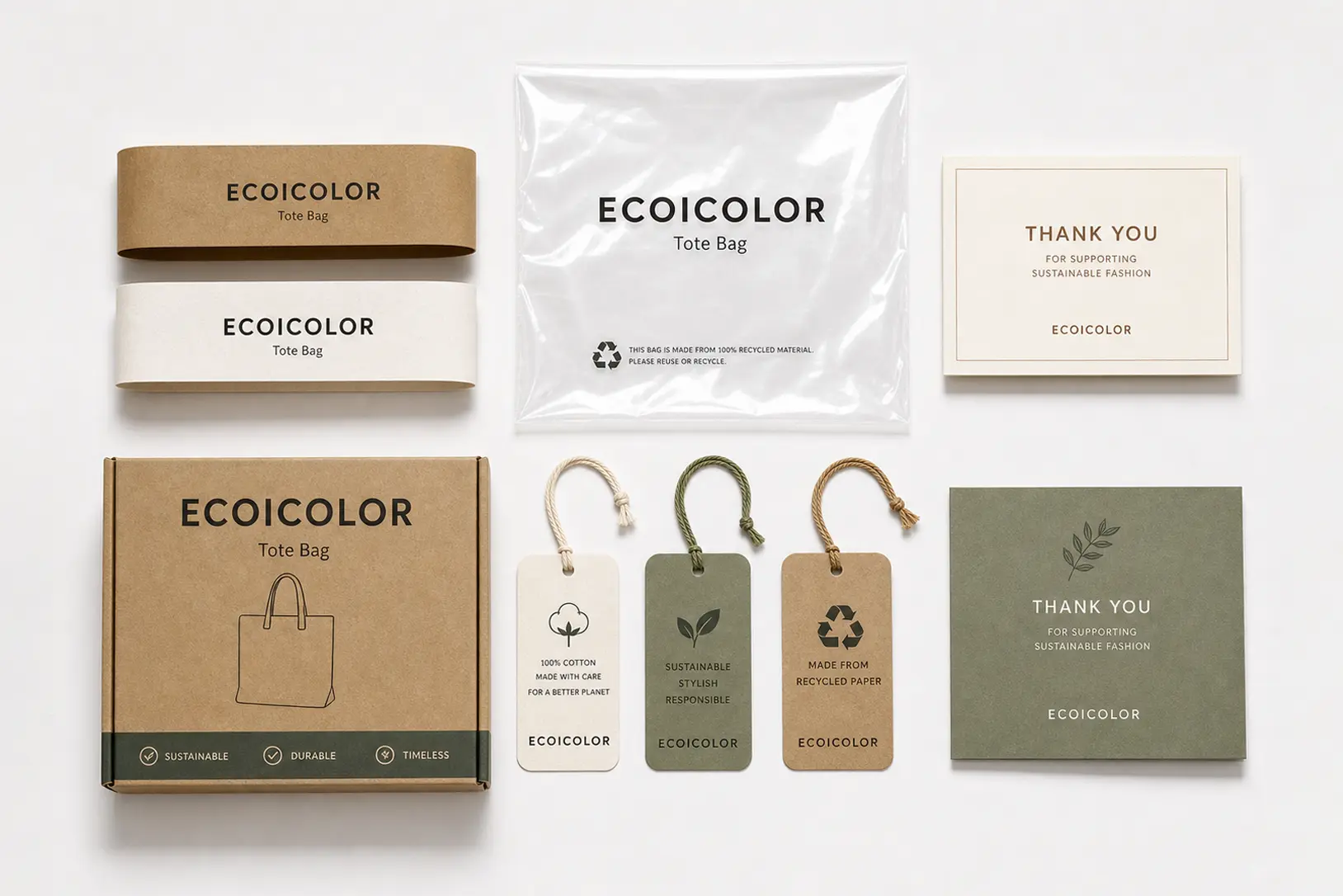
The label system should be reviewed as one file set: woven label, care or composition label, hangtag, barcode sticker, paper card, polybag sticker and carton mark. Textile-label rules vary by market and product route, so buyers should raise label questions early. eCFR textile labeling rules [2] and CBP marking guidance [3] are useful U.S. context, while final requirements still depend on the project.
Product label
Brand label, composition label, care label or country label should match the approved product route.
Retail label
Hangtag, barcode sticker and paper card should connect to SKU and item code fields.
Carton label
Carton marks should show the version, count and destination needed for receiving.
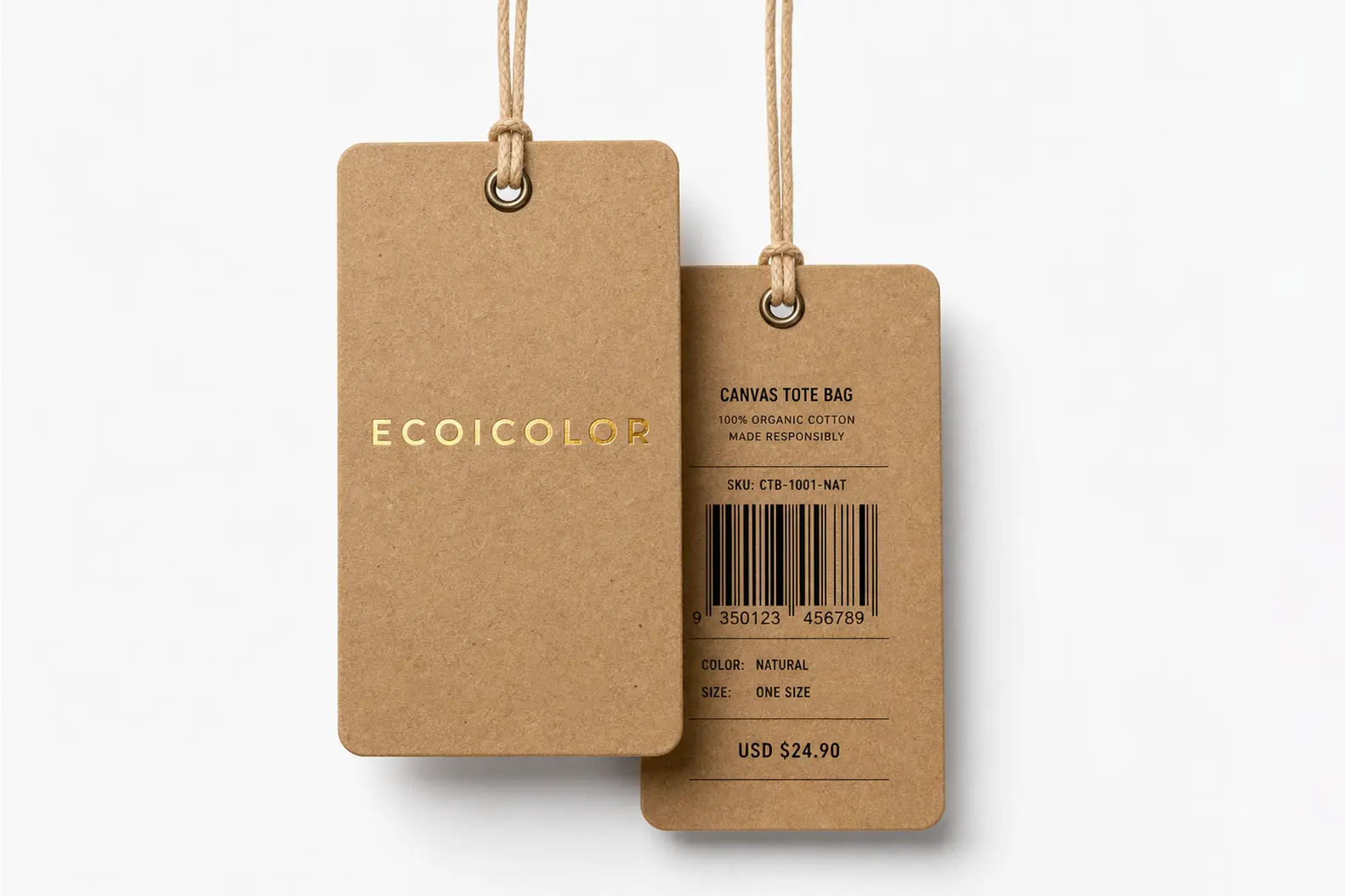
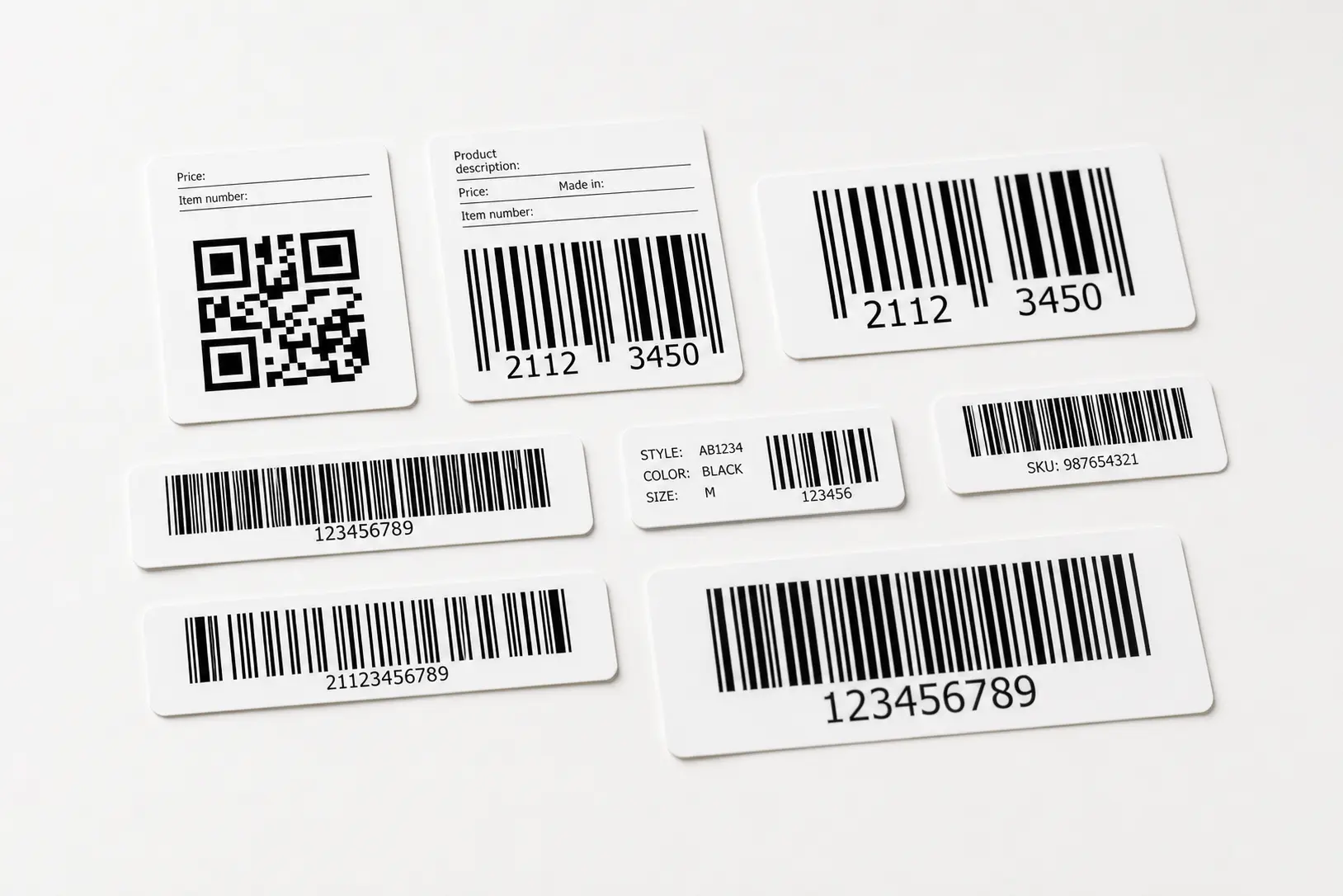
- The same tote can carry a buyer SKU, barcode, hangtag code and carton reference.
- Wrong code mapping can create receiving and reorder issues.
- Approve the SKU map before label and carton artwork are printed.
How does SKU planning protect future reorders?
Private label buyers often need the second order to match the first order more closely than a one-time giveaway would. The approved sample, material name, logo method, label artwork, packaging route and carton rule should be stored against the SKU code. Environmental or material wording should also stay tied to confirmed document scope. eCFR Green Guides [4] is useful context when a hangtag or product page mentions environmental claims.
For broader route planning, buyers can compare private label totes, canvas tote bags, and custom logo totes. If the main risk is barcode and hangtag files, the existing barcode and hangtag file checklist is the narrower supporting guide.
- Use one approved file name for each artwork, label and barcode version.
- Separate old and new labels before repeat production.
- Keep carton mark wording in the same project folder as SKU files.
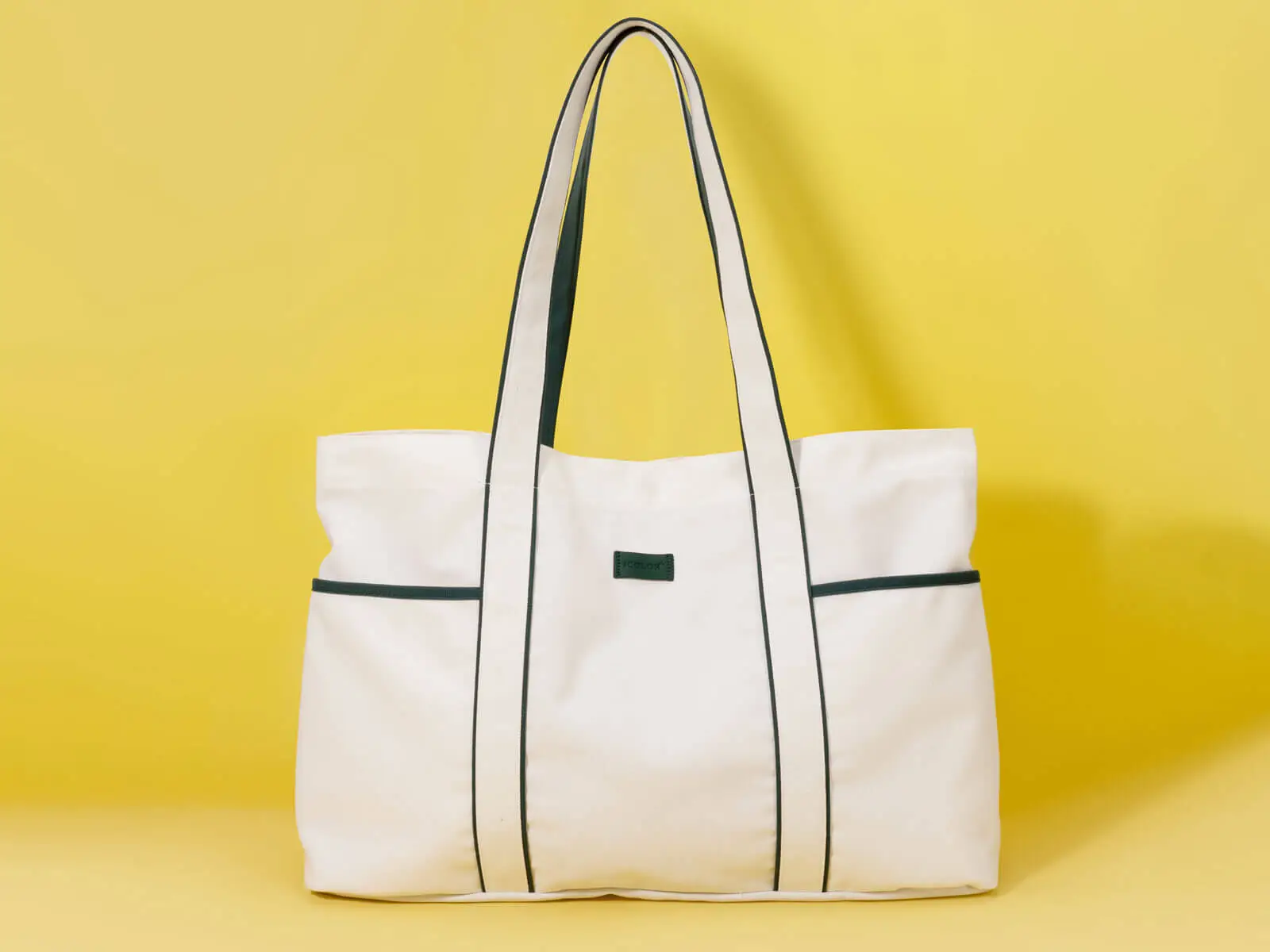
Build the SKU map before sample approval
List each colorway and version with its SKU code, barcode file, hangtag back, carton mark and repeat-order name before the final sample is approved. Keep shared construction and logo details separate from variable SKU data so production, packing and future reorders use one controlled reference.
Best fit and less suitable fit
Best fit: private label, DTC, museum shop, bookstore, wellness retail and hospitality retail buyers planning MOQ 500+ tote projects with SKU, label, barcode, packaging or reorder needs.
Less suitable: single-piece requests, no-brand shopping bags, one-time giveaways with no item code, or buyers who cannot provide label content, barcode files or a version map.
FAQ
What should a private label tote SKU brief include?
A private label tote SKU brief should include style name, colorway, material route, size, logo method, label set, barcode or item code, packaging route, carton mark rule, target delivery market and reorder reference. For MOQ 500+ projects, these fields help the supplier quote each version without mixing retail data before sampling starts.
Is a SKU code the same as a barcode?
No. A SKU code is usually the buyer’s internal item or inventory code, while a barcode is a machine-readable identification system used for scanning or retail operations. They should connect in the same file, but they are not interchangeable. The buyer should confirm which code appears on hangtag, sticker, carton or internal records.
Can a tote order have several SKU versions under one MOQ?
Sometimes, but the total quantity and version split must be reviewed. Multiple colors, label versions, barcode files or packaging versions can affect setup, picking, carton separation and inspection. A buyer may keep one base construction and vary label or hangtag fields, but the factory still needs a clear SKU map before sampling.
What makes this different from a retail barcode checklist?
A barcode checklist focuses on scan files and label readability. A private label SKU brief is broader: it connects product style, color, material, logo, label wording, packaging, carton mark and reorder reference. It helps a brand manage the tote as an owned product line rather than a one-time promotional bag.
Do private label totes need country-of-origin labels?
Country-of-origin and textile label needs depend on the product route, delivery market and buyer requirements. Buyers should raise the question before sample approval, especially for retail or DTC channels. Ecoicolortote can review placement and wording scope for the project, but the buyer should confirm final market requirements with its compliance team.
How should reorder codes be handled?
Reorder codes should connect the approved sample, artwork version, material route, label files, barcode files, packaging files and carton rules. A future reorder becomes easier when the buyer can reference one approved SKU file instead of sending scattered photos and old emails. This protects consistency across later retail drops and future production.
Who should use this SKU and inventory code brief?
This guide is best for DTC, private label, museum shop, bookstore, beauty retail and hospitality retail buyers planning MOQ 500+ tote lines with SKU, label, barcode, packaging or reorder needs. It is less useful for single campaign handouts with no item code, no retail channel and no repeat-order expectation or retail launch.
Trademark and certification note
GS1, eCFR, CBP and other barcode, regulatory or labeling references belong to their respective organizations. Ecoicolortote can review label and packaging placement for a specific project, but buyers should confirm final retail, import, barcode ownership and claim wording requirements before bulk approval.
Sources
- GS1 US barcode guidance for product identification and retail data planning. ↩
- eCFR textile labeling rules under 16 CFR Part 303 for label-planning context. ↩
- U.S. CBP country-of-origin marking overview for imported goods. ↩
- eCFR Green Guides under 16 CFR Part 260 for environmental-claim wording context. ↩
About the Author
 | Zoe Yu is Sales Manager at Ecoicolortote. She helps overseas brand, retail, hospitality and event buyers review custom tote bag material routes, logo methods, MOQ feasibility, sample approval, packing requirements and bulk delivery planning before production. |