

 Zoe Yu
 A custom tote bag inner pocket and zipper brief helps buyers avoid a common sample problem: the tote looks right, but the pocket does not fit the intended contents or the zipper opening feels too narrow. For MOQ 500+ B2B orders, pocket and zipper details should be planned before sampling, not corrected after bulk starts.
Send Pocket and Zipper Brief Review Zipper Tote Sample Check Pocket Structure
Pocket size, zipper length, lining, opening width and logo placement can change sample complexity and final use.
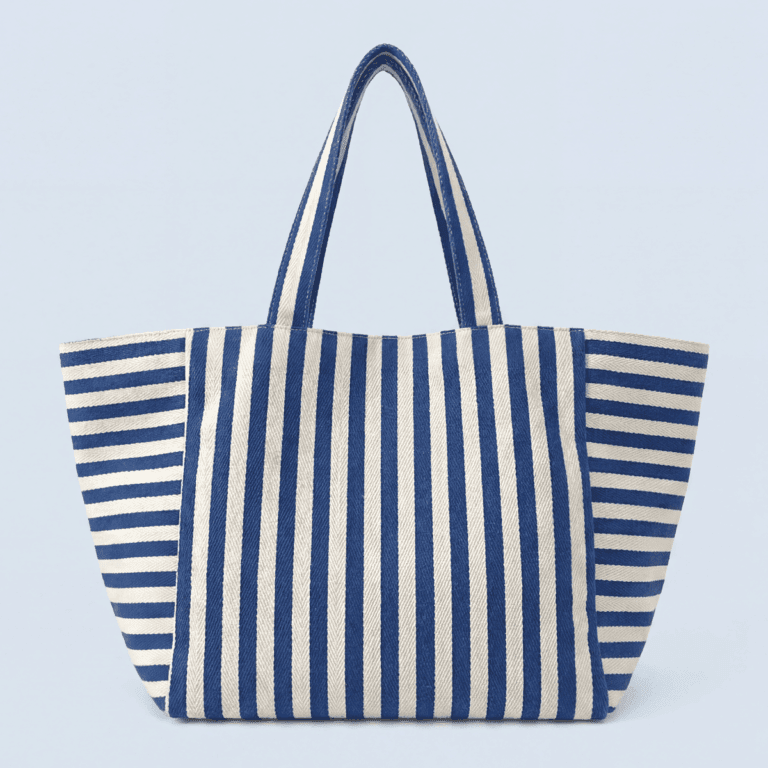
Buyer Summary
This guide helps brand, retail, travel, event, hotel and private-label buyers brief inner pocket and zipper details for custom tote bags. It covers pocket size, position, lining, zipper length, opening width, puller choice, logo placement, sample fit, packing behavior and QC checks. The focus is practical RFQ detail for MOQ 500+ projects.
Quick answer
Before sampling a tote with inner pocket or zipper, send the intended contents, pocket size, pocket position, zipper length, opening width, lining route, logo placement, material route, packing method and delivery use case. Ask the supplier to review whether the structure is practical before preparing the first sample.
What should the pocket and zipper brief include?
| Area | What to confirm | Why it matters |
|---|---|---|
| Pocket use | Phone, key card, bottle, amenity insert, product sample, card holder or internal label need. | Defines the pocket size, placement and opening route. |
| Zipper route | Top zipper, inside pocket zipper, puller type, tape color, opening width and seam finish. | Changes usability, cost, sample complexity and packing behavior. |
| Material and lining | Canvas, rPET, recycled cotton, lining route, pocket fabric and seam reinforcement. | Controls strength, appearance and how the pocket sits inside the tote. |
| Sample fit check | Real contents, carry angle, opening test, logo visibility and packing review. | Prevents a good-looking sample from failing actual buyer use. |
If pocket or zipper quality needs inspection language, sampling-plan discussions should be tied to the order scope. ISO 2859-1 sampling procedures [1] is useful background for attribute-based inspection conversations.
If labels, fiber wording or responsible-party details appear on the tote or pocket label, the wording should be reviewed before sample approval. FTC textile labeling guidance [2] is useful background for textile file discipline.
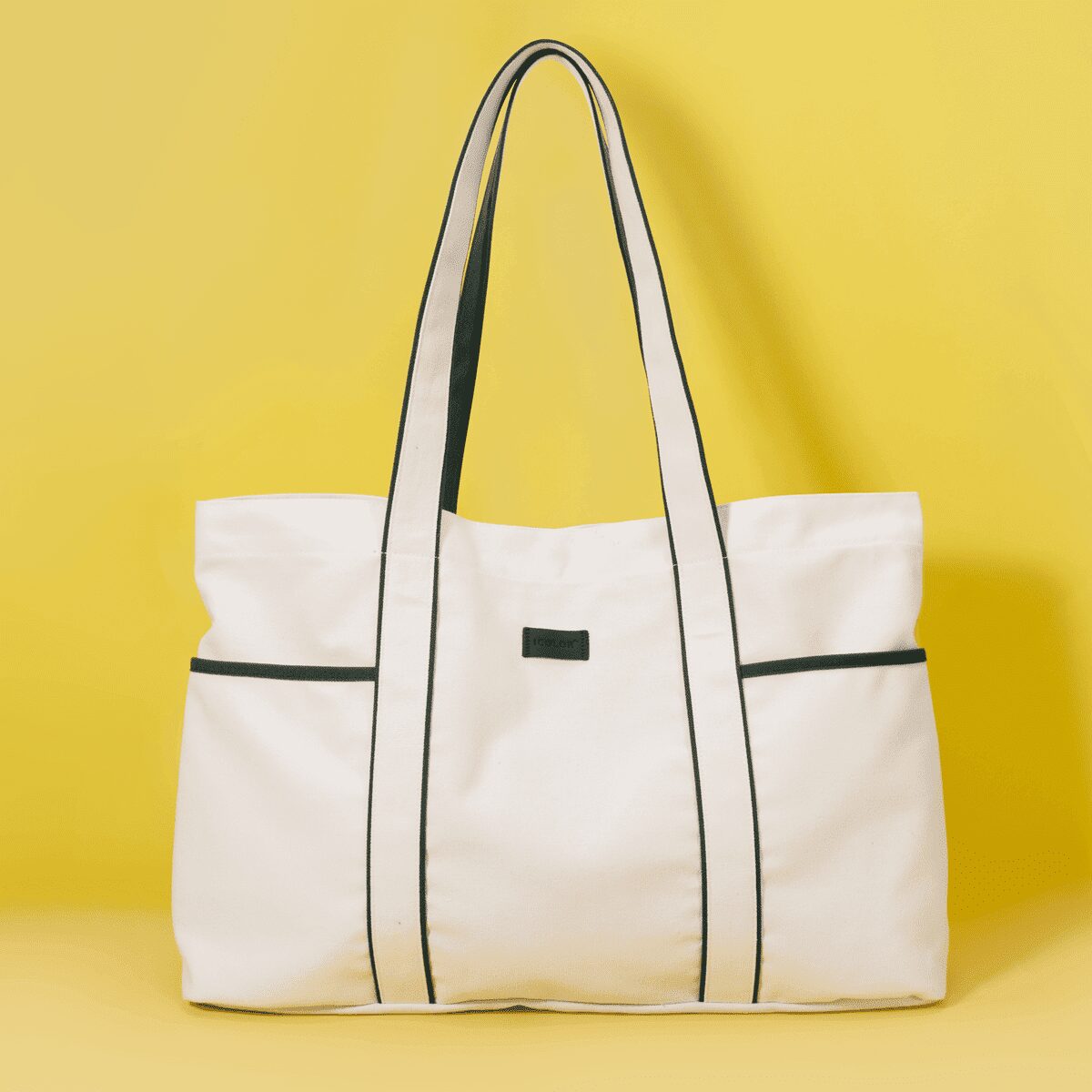
The buyer should define what the pocket needs to hold before approving its size and position.
- phone or card fit
- pocket opening
- seam position
Where do inner pocket and zipper samples fail?
Pocket too small
The pocket exists, but it cannot hold the item the buyer expected it to hold.
Opening too narrow
The zipper closes correctly, but contents are hard to insert or remove during real use.
Logo conflict
The outer logo position competes with seams, pocket structure or zipper line.
The right review path should be chosen from the buyer's real project use, not from a generic tote mockup. A brand, retail, hotel, GWP, event or private-label order can share the same tote shape but require different approval files.

How should sample fit and document scope be reviewed?
Testing context may matter when the buyer has retailer, hotel or market-specific textile requirements. OEKO-TEX STANDARD 100 [3] is useful background for textile testing conversations, depending on the final material route.
For cross-border shipment, origin and marking context should be reviewed with the final tote and packing route. CBP origin marking guidance [4] is useful background for U.S.-bound goods.
Useful related routes include the primary supporting page, the related buyer guide, the secondary route page.
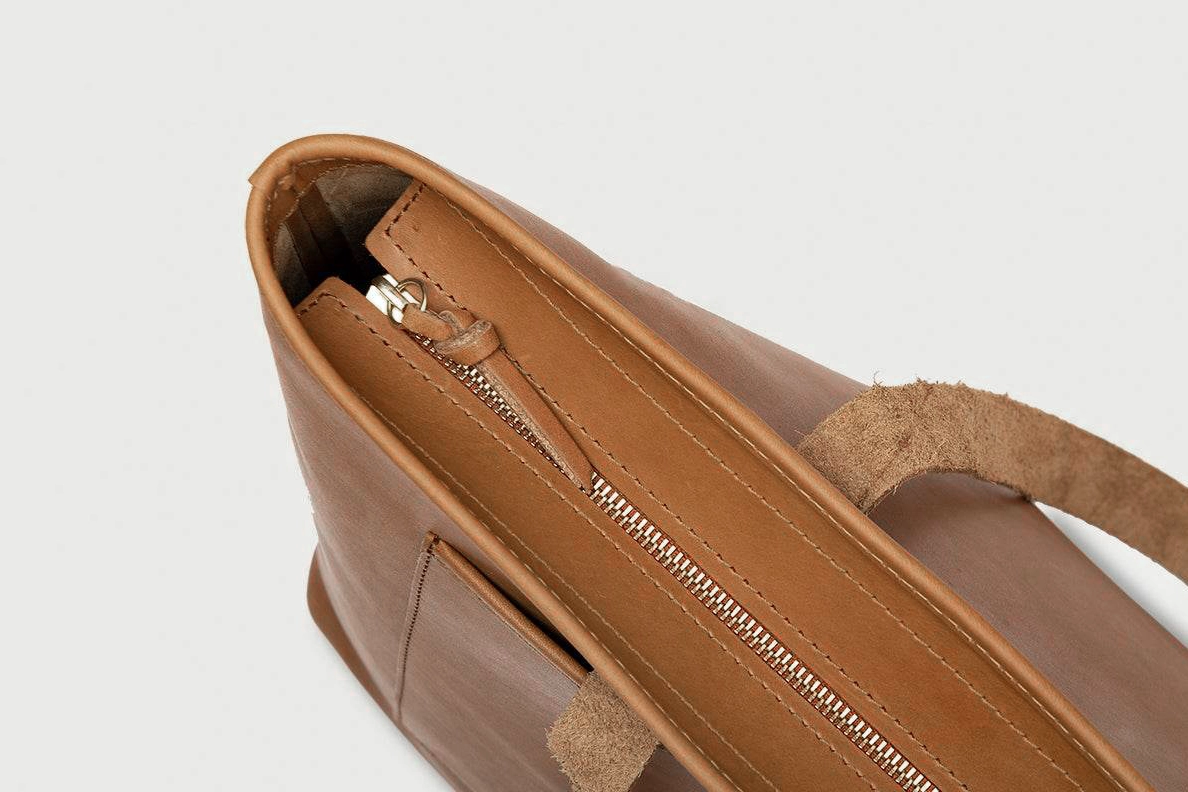
A zipper tote can look correct but feel wrong if the opening is too narrow for the contents.
- opening width
- zipper puller
- content fit
When a pocket and zipper brief is needed
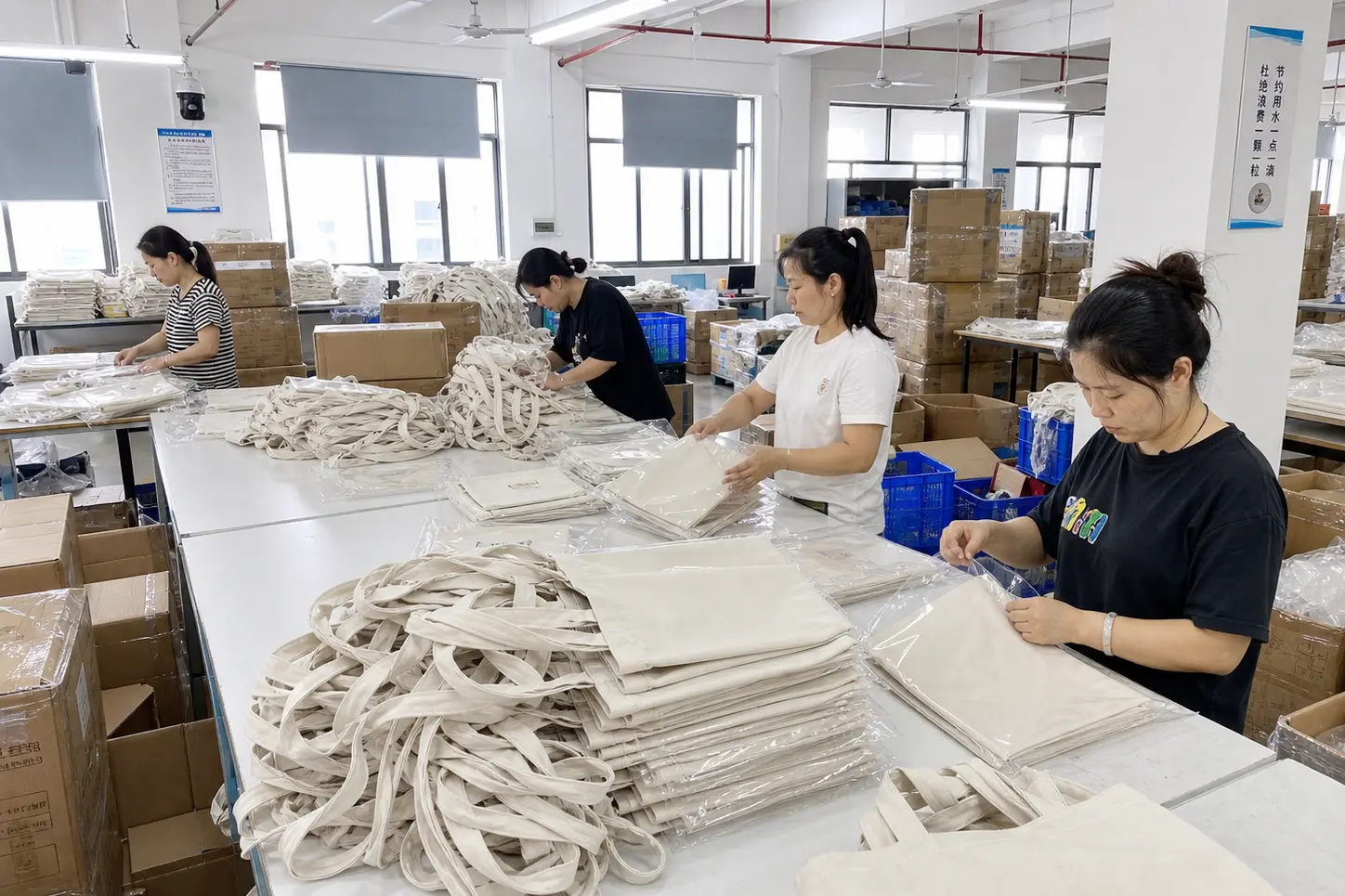
Best fit: retail, hotel, travel, event, conference, GWP and private-label buyers planning MOQ 500+ custom tote bags where contents security, inner organization, zipper opening or pocket function affects buyer experience.
Less suitable: basic open-top tote requests, single-piece gifts, no-brand blank bags, price-only projects, or buyers who cannot define what the pocket or zipper needs to hold before sample approval.
Pocket position and zipper opening verification checklist
Define pocket size and position from the intended contents before the sample is made. A pocket can look clean in a flat photo but still sit too low, feel hard to reach or interfere with the lining and top zipper.
- Measure the item: record the phone, card, key, amenity insert or document size plus practical clearance.
- Place the pocket: confirm distance from the top edge, side seam and zipper line.
- Test access: load the tote, close the zipper and reach the pocket in normal use.
- Freeze the standard: record pocket dimensions, position, zipper opening and sample photos before bulk.
Material and function claim note
Zipper, lining, pocket material, testing references and textile wording should be reviewed against the actual project route. Ecoicolortote can review function, material and sample fit options, but buyers should not turn a pocket or zipper feature into a broad performance claim without project-specific evidence.
FAQ
What should I include in an inner pocket and zipper brief?
Include the intended contents, pocket size, pocket position, zipper length, opening width, puller style, tape color, lining route, logo placement, material route, packing method and delivery use case. These details let the supplier judge whether the structure is practical before sampling rather than guessing from a simple sketch.
Does a zipper always make a tote better?
No. A zipper can improve security and perceived value, but it also changes opening width, sample complexity, sewing time, packing behavior and cost. For some GWP, hotel, event or retail programs, an open-top tote may work better. The buyer should decide from use case, contents and sample fit, not from decoration alone.
How should pocket size be decided?
Pocket size should be based on real contents such as phone, card, key, amenity insert, sample bottle or retail document. A pocket that looks acceptable in the sample photo can still be too small or too low for actual use. Ask the supplier to review pocket measurements and position with the intended contents before bulk approval.
What sample checks matter for zipper tote bags?
Check zipper opening width, puller comfort, seam finish, lining position, contents access, logo visibility, handle movement and packed appearance. Also fill the tote with the intended contents if possible. A zipper sample should prove usability, not only show that the zipper can close on an empty tote.
Can inner pockets be added to any material route?
Many material routes can support inner pockets, but the final choice depends on tote size, fabric strength, lining, seam structure, expected contents and cost target. A lightweight foldable tote may need a different pocket route than a structured canvas tote. The material and pocket decision should be reviewed together before sampling.
What MOQ applies to pocket and zipper customization?
MOQ 500+ is Ecoicolortote's preferred B2B planning point. Pocket and zipper customization can involve setup, special sewing steps and sample review, so smaller requests may not be practical unless they have a serious brand, hotel, event or private-label scope that can scale after sampling and approval.
Who should use this guide?
This guide is for procurement, brand, retail, hotel, travel, event and private-label buyers planning MOQ 500+ custom tote bags with a real function need. It is not for single-piece gifts, no-brand blank bags or buyers who only want the lowest price without defining contents, pocket function, zipper route and sample approval needs.
Sources
About the Author
 | Zoe Yu is Sales Manager at Ecoicolortote. She helps overseas brand, retail, hospitality and event buyers review custom tote bag material routes, logo methods, MOQ feasibility, sample approval, packing requirements and bulk delivery planning before production. |