Zoe Yu
 Custom tote bag load capacity should be checked with real contents, handle construction, fabric route, gusset structure and sample approval scope. From our factory side, a load discussion should not start from a generic 8 kg or 10 kg promise; it should start from what the tote will actually carry.
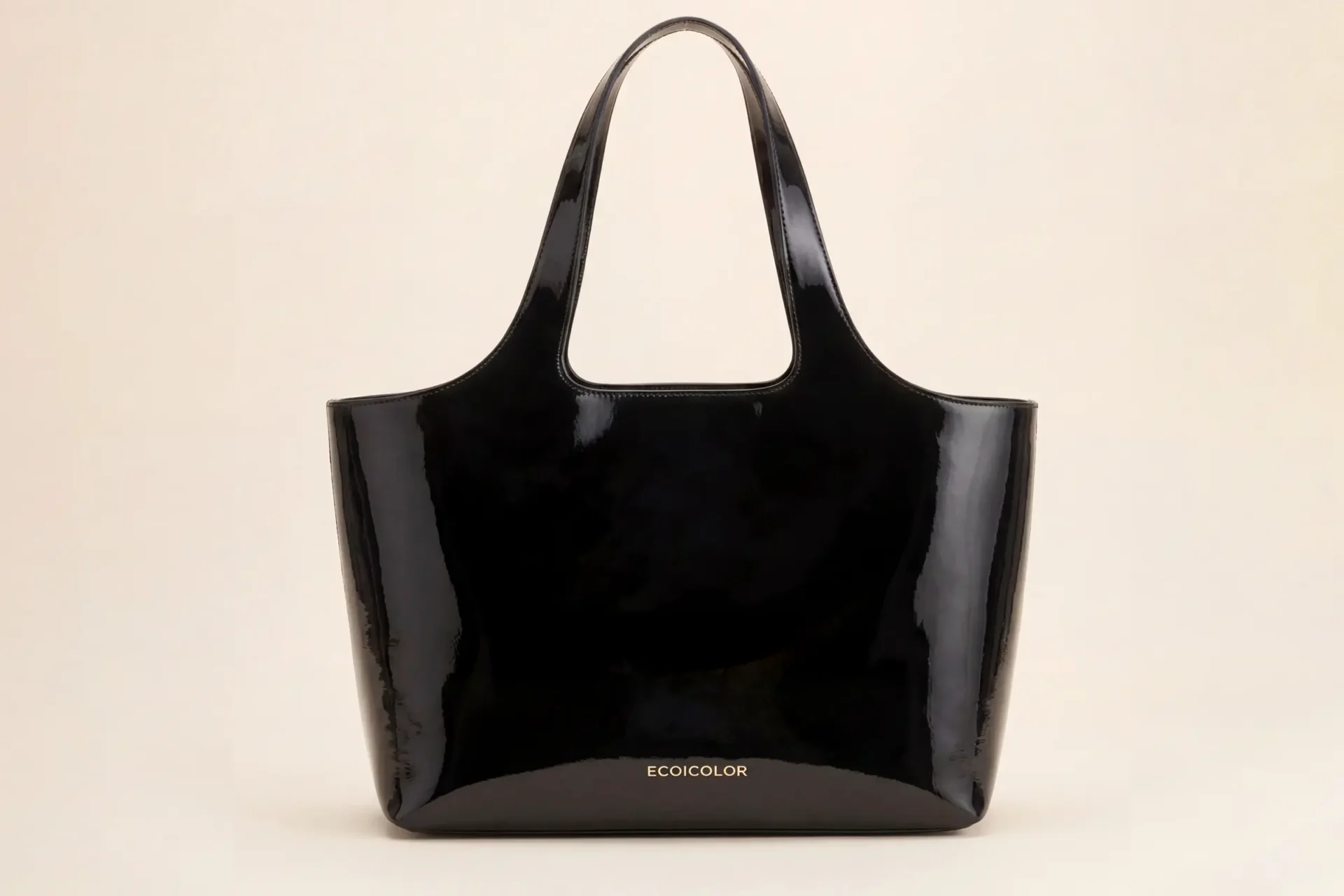
Buyer Summary
- Best for: beauty GWP, retail, event, corporate gifting, hotel and large tote buyers checking custom tote bag load capacity from 500 pcs per style.
- Main decision: confirm whether the tote can carry the real contents with the right handle route, material support, gusset shape and sample approval standard.
- Factory-side note: a fixed load number should not be published or printed unless contents, sample method and test scope are confirmed for the order.
- What to prepare: use case, quantity, product list, estimated filled weight, tote size, material direction, handle requirement, packaging pressure and testing expectation.
What is the quick answer for custom tote bag load capacity?
Custom tote bag load capacity should be confirmed by real product contents, estimated filled weight, handle construction, material route, gusset structure and sample review. A tote may look strong when empty, but bottles, notebooks, boxed products or gift sets can change handle pull, bottom shape, seam stress and logo appearance.
For brand buyers, the safer route is to describe the use case first. A beauty GWP tote carrying bottles needs a different review from an event tote carrying brochures or a retail tote intended for repeat use. If a formal performance claim is needed, the buyer should define test scope before printing hangtags, packaging or public marketing text. Textile test organizations such as ASTM International1 and AATCC2 are useful references for test thinking, but the project still needs its own sample standard.
Best fit for this load capacity guide
This guide is best for brand buyers who already know the tote will carry products and need to translate a weight question into a sample-ready brief before production.
It fits beauty GWP, corporate gifting, retail, event, hotel, travel and large tote projects where actual contents may pull the handle, deform the bottom, change the front logo panel or create a formal claim question. It is also useful when buyers compare suppliers, because one supplier may quote a simple tote while another includes handle reinforcement, thicker material, gusset review or third-party testing scope.
How is this guide different from stitching, structure and large tote guides?
This article is the load capacity decision guide. It does not replace a stitching quality guide, which should focus on seam route and handle-root construction. It does not replace a structure guide, which should explain handle, gusset, closure and body shape choices. It also does not replace the Custom Large & XL Tote Bags owner page, which should focus on oversized capacity, filled dimensions and carton volume. This page explains how buyers should turn a weight question into real-content sample checks and safer claim wording.
| Nearby content | It should own | This guide should own |
|---|---|---|
| Stitching quality | Handle-root seams and reinforcement detail | How stitch route supports a real filled tote |
| Structure guide | Handle, gusset and closure choices | How structure affects load review |
| Large tote guide | Oversized capacity and freight volume | How larger contents change stress and sample scope |
| Cost breakdown | Spec choices and unit price | Why load capacity changes quote scope |
Which brand projects need load capacity planning?
Load capacity planning matters when the tote carries boxed products, bottles, notebooks, apparel, event materials, hotel amenities, wellness kits or gift sets.
A tote may pass a flat visual review but behave differently once the real contents are added. Beauty GWP projects often need filled-product checks because bottles and boxes can pull the handle and reshape the bottom. Corporate gift totes should feel useful after the recipient opens the gift. Retail totes need repeat-use confidence, and event totes need comfort during onsite carrying.
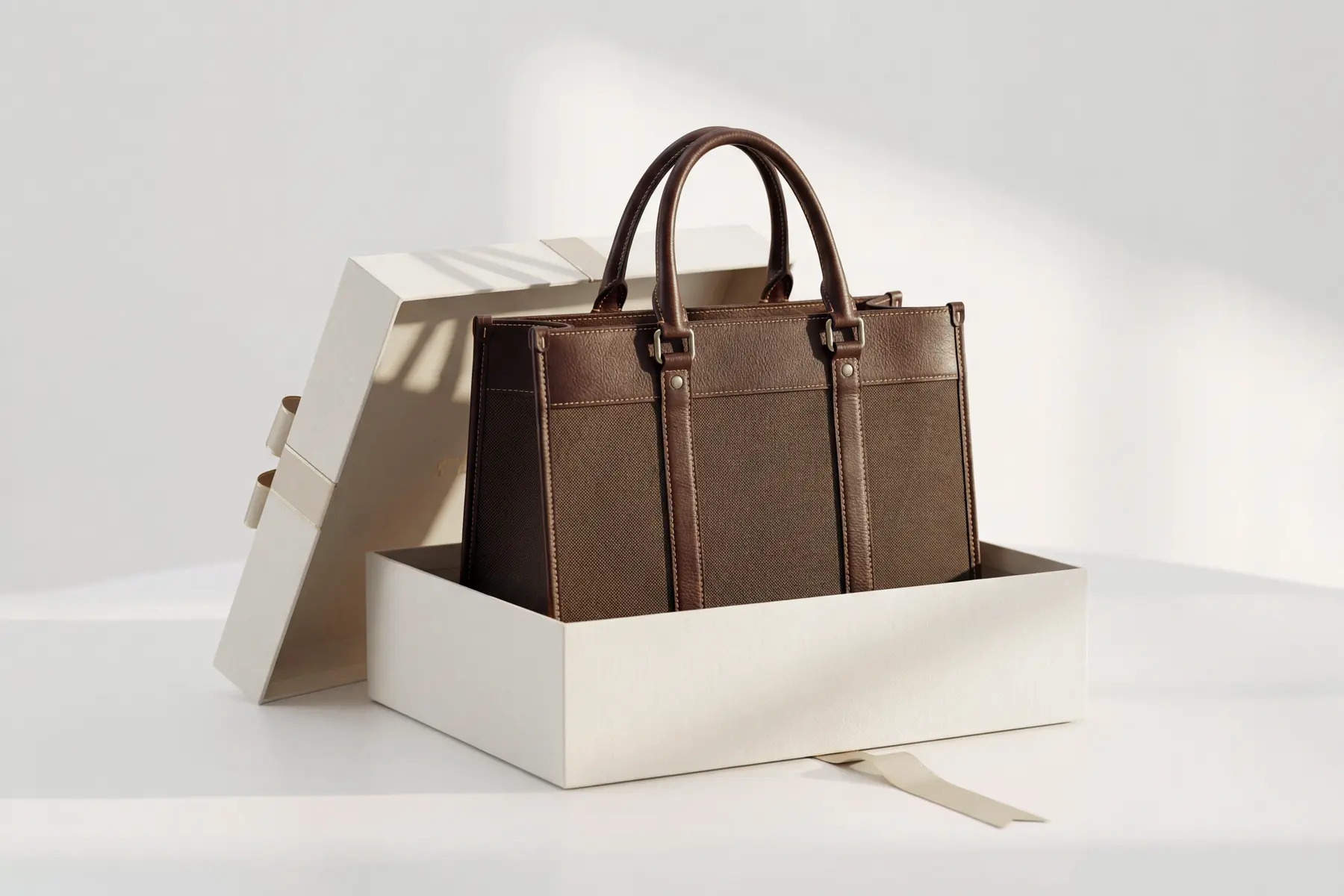
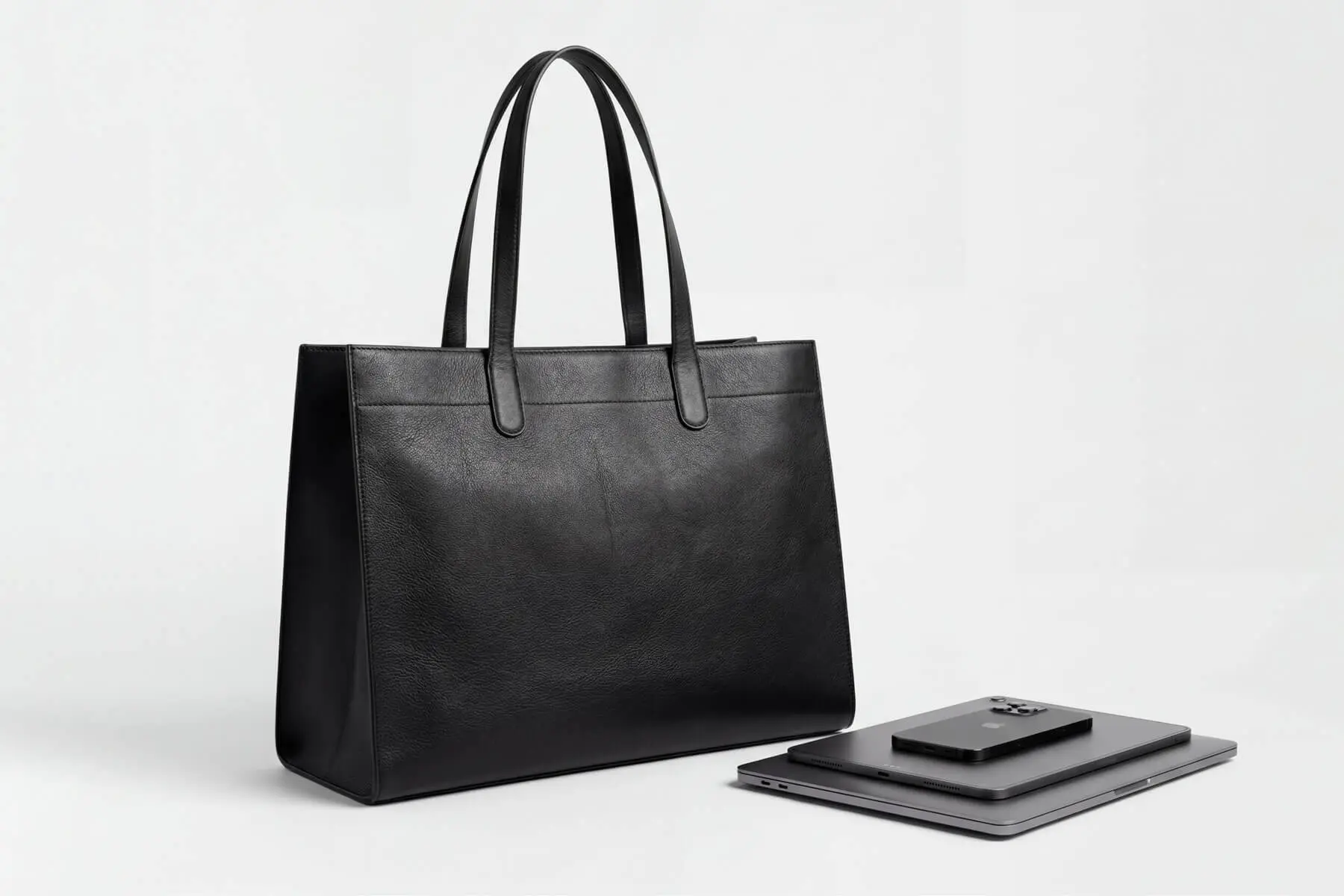
| Project | Typical contents | Load risk |
|---|---|---|
| Beauty GWP tote | Bottles, jars, samples, paper insert | Handle pull, bottom shape and gift presentation |
| Retail tote | Daily items, apparel or boxed products | Repeat-use complaints if handle or seam feels weak |
| Corporate gift | Notebook, bottle, charger, gift card | Recipient experience feels cheap if the bag sags |
| Event tote | Brochures, water bottle, badge, small gift | Onsite carrying comfort and handle root stress |
| Large tote | Towels, apparel, resort items, gift set | Volume increases before strength is confirmed |
What do buyers often misunderstand about tote bag load capacity?
The most common misunderstanding is that one number can describe every tote. In real projects, capacity depends on contents, material, handle route, stitch route, gusset, carry style and test method.
Which variables affect custom tote bag load capacity?
Load capacity is shaped by material, fabric weight, handle construction, stitch route, gusset structure, seam finishing, tote dimensions, contents and the test or approval method.
A buyer asking for stronger load capacity should send product dimensions and estimated filled weight before sampling. A small beauty gift set, a laptop-sized corporate kit and a large resort tote may all need different support routes even when the tote body looks similar in a mockup.
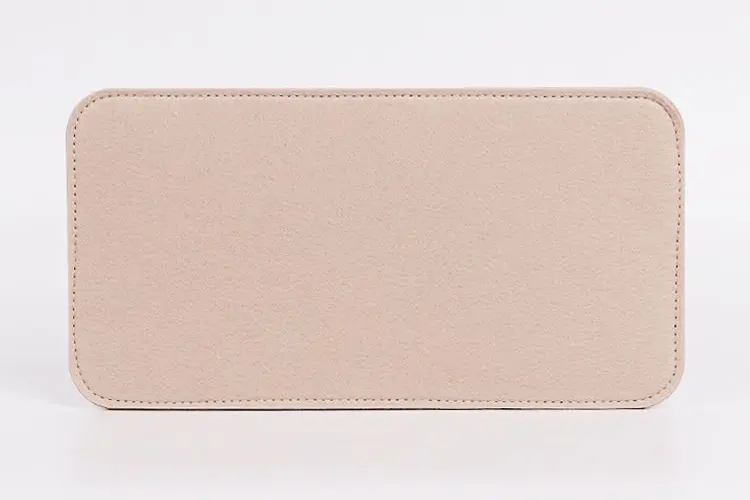
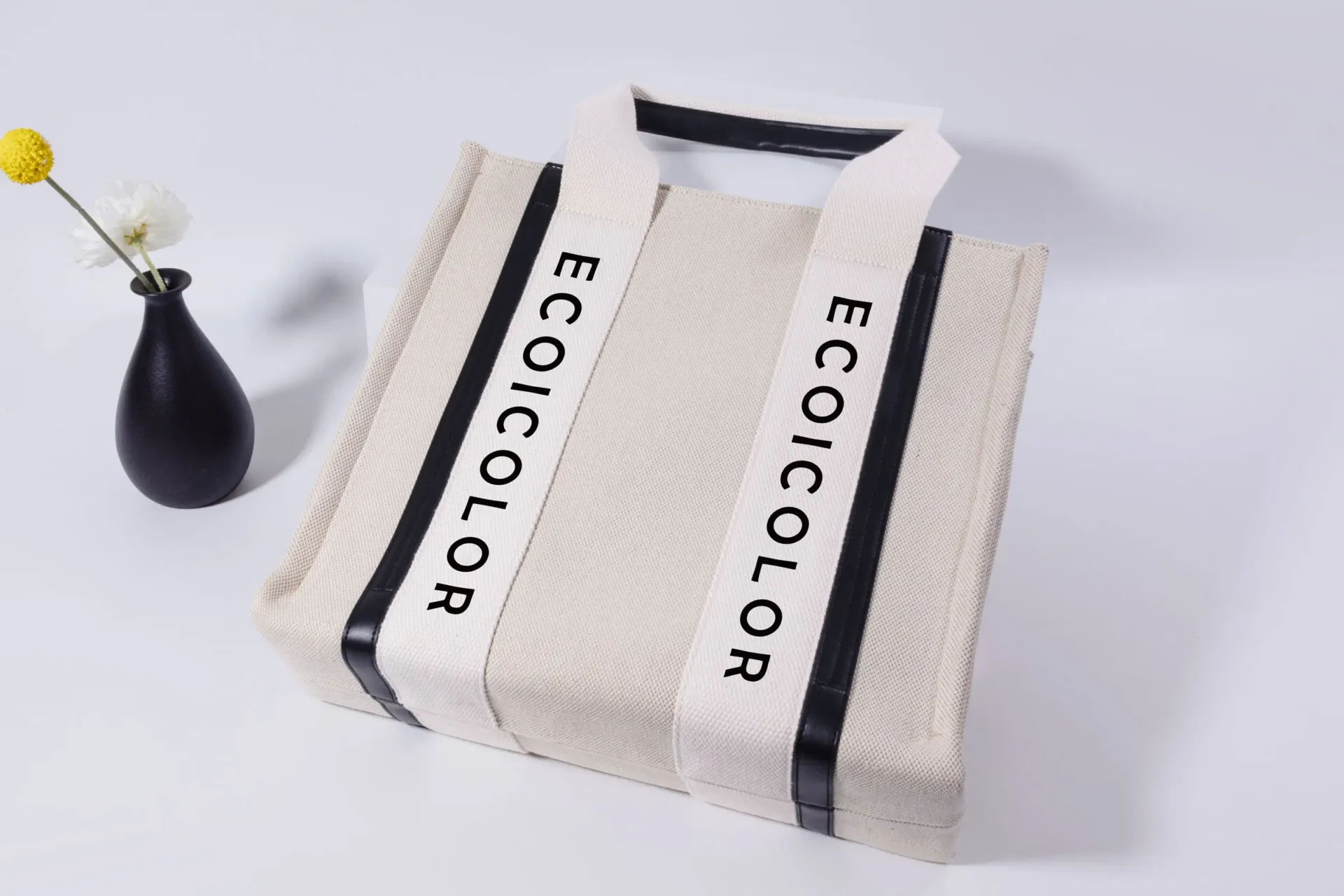
| Variable | How it affects load | What to confirm |
|---|---|---|
| Material | Fabric route affects body support | Canvas, rPET, recycled cotton or other route |
| Fabric weight | Heavier fabric can add structure but also weight | Weight, handfeel and folding behavior |
| Handle | Pull direction and comfort affect real use | Drop, width, material and reinforcement |
| Stitching | Stress points need consistent construction | Handle root, seam allowance and thread route |
| Gusset | Controls how contents sit in the bag | Bottom width, side support and filled shape |
| Sample test | Defines what the claim actually means | Contents, weight, duration and acceptance standard |
How should buyers phrase load capacity without overpromising?
Public and packaging wording should avoid fixed weight promises unless the RFQ, sample, contents and test scope are clear. Safer wording translates buyer language into confirmable sample standards.
Instead of saying a tote is guaranteed for a broad number, buyers can say the sample was reviewed for confirmed gift contents when that is accurate. If a printed performance claim is required, the test method, sample condition and acceptance criteria should be defined before bulk production. For packaged-product distribution risk, resources from ISTA3 may be relevant when the concern is the shipped pack-out, not only the tote itself.
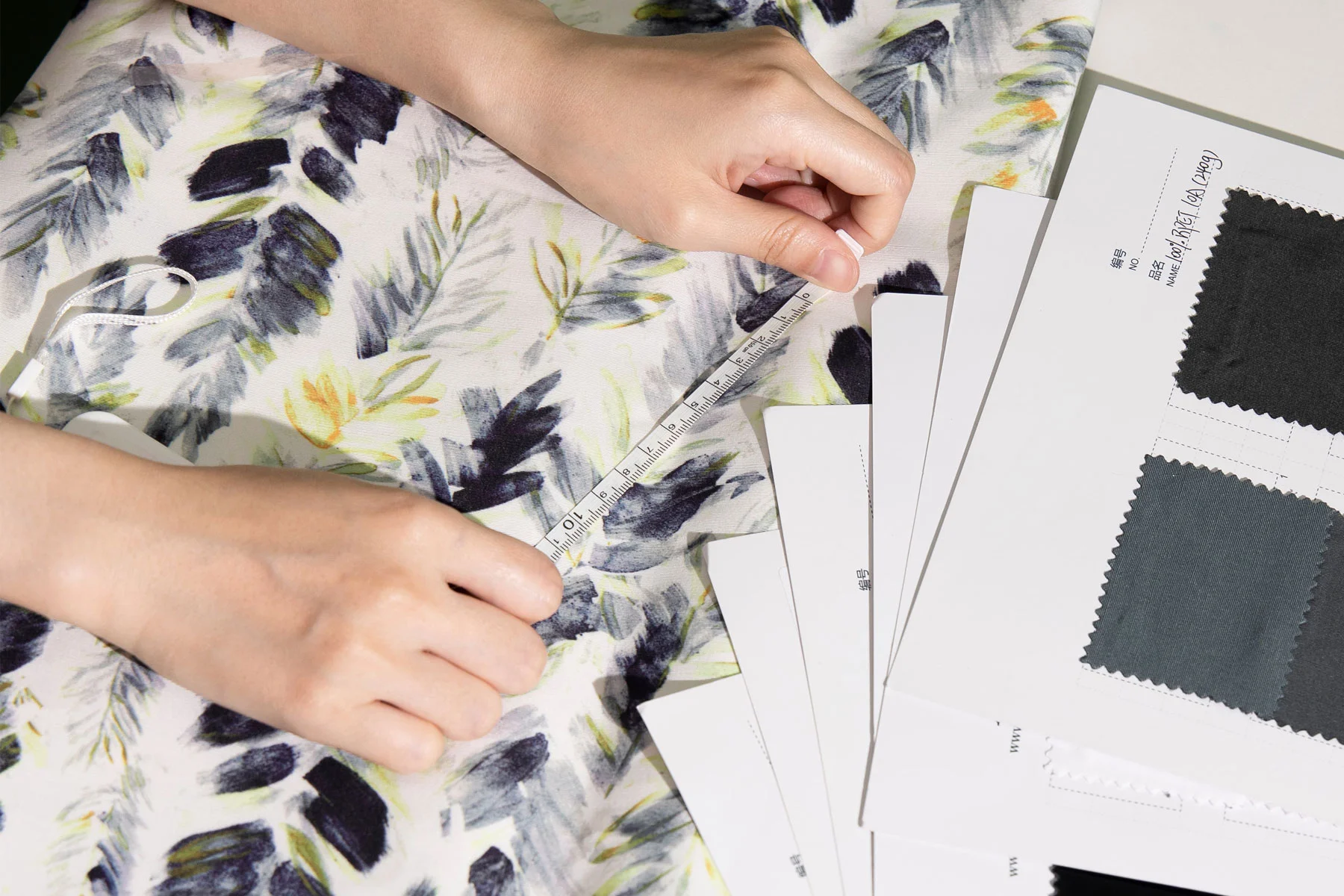
| Buyer wording | Safer meaning | What to confirm |
|---|---|---|
| 8 kg guaranteed | Sample-tested for confirmed gift contents | Contents, method and acceptance criteria |
| Heavy-duty tote | Structure and material route need definition | Fabric, handle, gusset and stitch route |
| Strong handle | Handle root and pull direction need review | Carry style, handle width and reinforcement |
| Durable for daily use | Use case must be described | Retail, event, travel or gift use |
| Can hold bottles | Product dimensions and weight need confirmation | Bottle count, box size and bottom support |
When is a filled sample enough, and when is third-party testing needed?
For many beauty GWP, corporate gift and event projects, a filled sample review may be enough to judge product fit, handle comfort, seam stress and gift presentation. If a formal claim, retailer checklist or compliance requirement applies, third-party test scope should be defined separately.
The buyer should decide whether the sample is for internal approval, buyer-side comparison, formal test evidence or printed claim support. These are different scopes. A filled sample can answer whether the tote feels right with actual products, while formal testing may be needed when the buyer wants written evidence for a selling channel or compliance file.
| Situation | Likely enough | May need third-party scope |
|---|---|---|
| Beauty GWP with known product set | Filled sample and handling check | If retailer asks for written report |
| Corporate gift with notebook and bottle | Filled sample, carry check and carton review | If internal compliance requires report |
| Retail tote sold to consumers | Sample review plus buyer checklist | If market or retailer requires formal testing |
| Large tote with heavy contents | Filled sample as first screen | If fixed load claim will be advertised |
| Shipping-packaged gift set | Pack-out sample | If distribution performance is the main risk |
How do material route and handle construction work together?
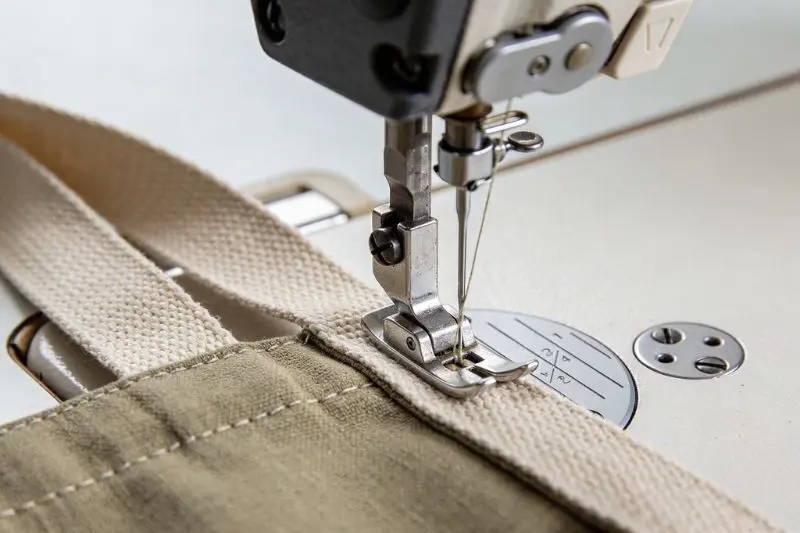
A strong-looking material can still fail buyer expectations if the handle route is wrong. A lighter material may work well when contents are light and handle pull is controlled.
OEKO-TEX and Textile Exchange references can support safety and material questions, but they do not replace project-specific load review. Buyers should confirm the actual material, handle width, handle drop, stitch method and carrying style before bulk approval.OEKO-TEX STANDARD 1004 Textile Exchange5

What should buyers check before bulk production?
Before bulk production, buyers should confirm the contents, estimated weight, filled sample appearance, handle comfort, stitch route, bottom shape, logo distortion, packaging pressure and any claim wording.
If a buyer wants to use strong, heavy-duty or tested language, document and test scope should be agreed before printing hangtags or packaging. Supplier audit or factory social compliance references such as amfori BSCI6 are separate from load performance. Marketing claim wording should also stay specific, using guidance such as FTC Green Guides7 when broad responsible or environmental wording is involved.
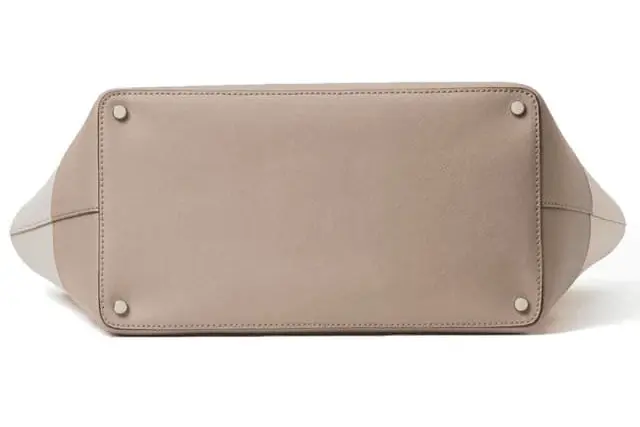
| Check | Why it matters | When to confirm |
|---|---|---|
| Contents and weight | Defines real load | Before sampling |
| Filled sample | Shows sag, pull and shape | During sample approval |
| Handle comfort | Affects recipient use | During sample approval |
| Bottom support | Controls product fit | Before production |
| Logo distortion | Weight can pull the panel | During filled review |
| Claim wording | Prevents overpromising | Before packaging print |
What should buyers send before asking about load capacity?
A useful RFQ should not only ask whether the tote is strong. It should show how the tote will be used, what it will carry and whether the buyer needs internal approval or formal testing.
Send product dimensions, estimated filled weight, carrying style, material preference and handle requirement before sampling. Ecoicolortote can then help check whether the load route is realistic instead of giving an unhelpful generic strength statement.
| RFQ field | What to send | Why it matters |
|---|---|---|
| Use case | Beauty GWP, retail, event, corporate or travel | Sets sample standard |
| Quantity | Total pcs and versions | Affects construction route |
| Product contents | Item list, dimensions and boxes | Defines real load and fit |
| Estimated weight | Total weight per filled tote | Frames load discussion |
| Tote size | Width, height, gusset and opening | Controls product placement |
| Handle preference | Drop, width, material and comfort target | Affects pull direction |
| Testing need | Internal check or third-party report | Defines cost and timing |
Less suitable fit for load-focused tote projects
This guide is less suitable when buyers ask for a hard load guarantee without defining contents, use case, material, handle route or test scope.
Load-validation checklist for a buyer brief
This is a planning checklist, not a customer case, test result or fixed load claim.
- Real contents: list every bottle, box, insert or other item and its dimensions.
- Filled weight: record the actual filled-sample weight rather than choosing a generic number.
- Handle root: check width, attachment position, reinforcement and pull direction.
- Bottom and seams: review gusset shape, sag, seam allowance and stability when filled.
- Logo behavior: photograph or record distortion on the filled sample.
- Approval method: state the filled-sample check, responsible approver and bulk comparison standard.
- Evidence scope: decide whether internal sample review is sufficient or a defined third-party test is required.
No capacity number should be published as a model-wide guarantee unless the construction, contents, test method, result and applicable production scope are recorded.
FAQ: Custom tote bag load capacity
Can Ecoicolortote publish a fixed load capacity on every tote?
No. A fixed load capacity should not be used for every tote because each project has different contents, material, handle route, stitching, gusset and carrying style. A number is only meaningful when the buyer confirms what goes inside, how the sample is checked and whether the claim is based on internal review or formal testing.
Is thicker canvas always stronger?
Not always. Fabric weight can improve body support, but tote load capacity also depends on handle construction, handle-root stitching, seam allowance, gusset shape, product placement and carrying style. A thick fabric with the wrong handle route may still perform poorly, while a lighter fabric can work when contents are realistic and the construction is properly matched.
Should buyers approve an empty sample?
An empty sample is useful for checking size, logo position, material and basic workmanship, but it is not enough when the tote will carry beauty products, bottles, notebooks, apparel, hotel amenities or gift boxes. A filled sample shows sag, pull direction, bottom shape, handle comfort and possible logo distortion before bulk production begins.
When is third-party testing needed?
Third-party testing may be needed when a retailer, destination market, internal compliance team or printed performance claim requires formal evidence. For many GWP, event or corporate gift projects, a filled sample review may be enough for early approval. The key is to decide the evidence level before quoting, because testing affects cost, timing and sample preparation.
What should buyers send first for a load capacity review?
Buyers should send the use case, quantity, product contents, estimated filled weight, tote size, material preference, handle requirement, packaging needs and testing expectation. These details help the factory recommend a realistic construction route, decide whether a filled sample is enough and avoid broad fixed-weight promises that may not match the final product set.
Can packaging change the load capacity review?
Yes. Packaging can add weight, stiffness, pressure and carton volume. Gift boxes, sleeves, paper inserts and product cartons may change how items sit inside the tote, how the bottom gusset behaves and how the handle pulls during carrying. Buyers should review packaging together with the filled tote sample rather than adding it after load approval.
When should buyers contact Ecoicolortote?
Contact Ecoicolortote when your project is 500 pcs or more and the tote must carry a defined product set, gift kit, retail item, event pack or hotel amenity group. Early review is most useful before sampling, because material, handle, gusset, packaging and claim wording can still be adjusted without disrupting bulk production.
Share product contents, estimated weight, carry style, material direction, handle preference and testing expectation. Ecoicolortote can help define a realistic filled-sample review before bulk production. Start a load capacity review.