Zoe Yu
 Museum and gift shop tote bags should be planned as sellable cultural retail products, not simple logo giveaway bags. Buyers should confirm artwork rights, material feel, label system, barcode, hangtag, shelf presentation and sample approval before comparing quotes.
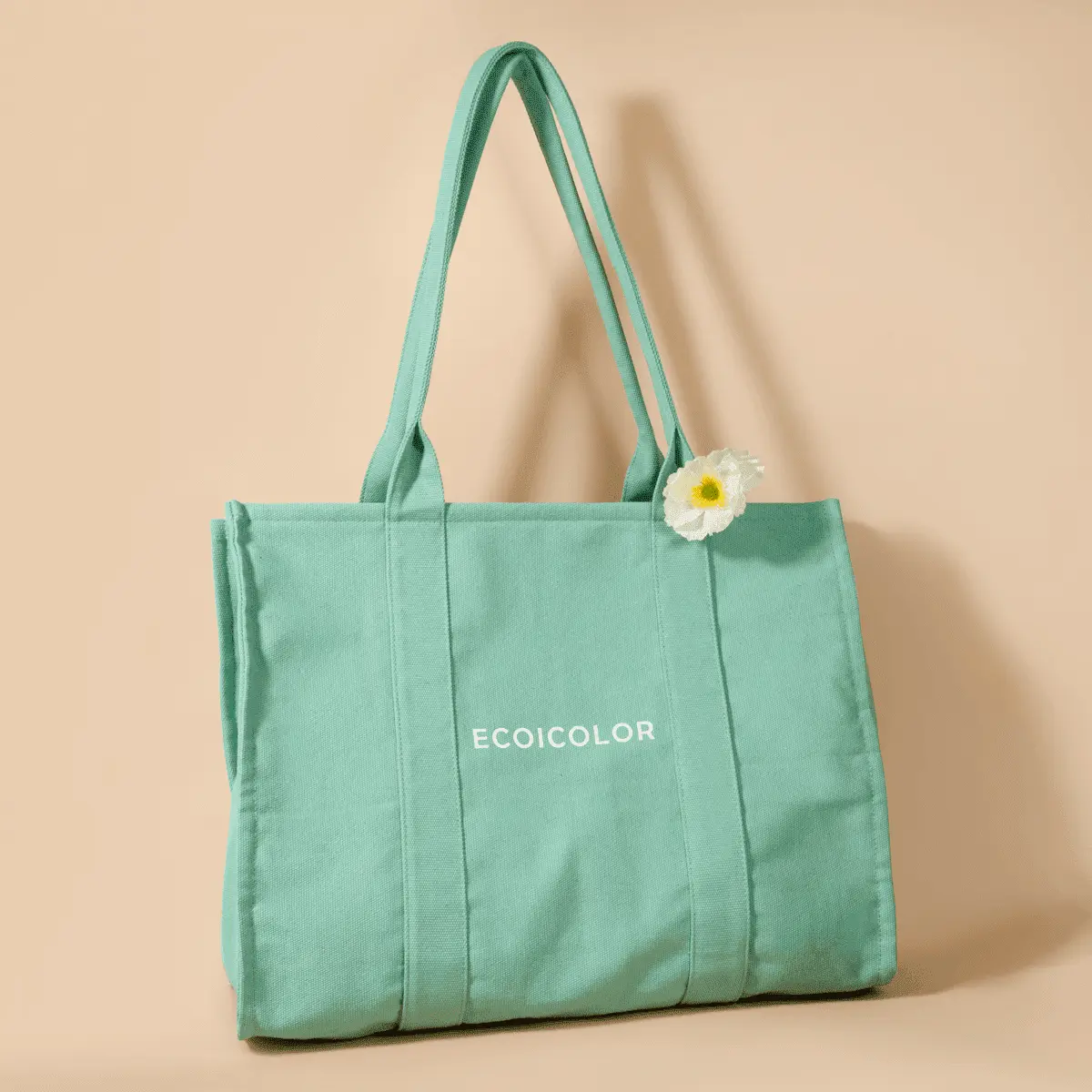
Buyer Summary
- Best for: museum stores, gallery shops, bookstores, destination retail and cultural venue buyers sourcing custom tote bags from 500 pcs per style.
- Main decision: confirm whether the tote works as a retail product with artwork, material, label system, barcode and shelf presentation.
- Factory-side note: artwork quality, logo scale, hangtag, barcode, composition label, packaging and display method should be checked before sampling.
- What to prepare: authorized artwork file, quantity, material direction, target retail tier, label needs, packaging plan, display method, launch date and document scope.
What is the quick answer for museum and gift shop tote bags?
A museum or gift shop tote should be planned as a cultural retail product with clear artwork rights, suitable material, controlled logo placement, retail-ready labels, barcode logic and a shelf display plan. The sample should be reviewed as something visitors can buy, not only as a blank tote with artwork added.
Museum, gallery, bookstore and destination shop tote projects sit between cultural merchandise and private label retail. The buyer usually needs the tote to carry a collection story, artwork reproduction, local identity or gift-shop value. Material and safety questions can use references such as Textile Exchange1 and OEKO-TEX STANDARD 1002, but order-level claim and document scope still need RFQ confirmation.
Best fit for this museum gift shop tote guide
This guide is best for cultural retail buyers who already have a real tote project and need to turn artwork, label and display requirements into a quote-ready supplier brief.
It fits museum shops, gallery stores, bookstores, heritage venues, destination shops and limited cultural retail programs where artwork rights, file quality, barcode, hangtag, label placement, display method and reorder planning affect the sample and final cost. It is especially useful when the buyer is comparing suppliers, because artwork setup, label scope and packaging can make two quotes look similar while covering very different work.
How is this guide different from private label, packaging and brand campaign guides?
This guide is not a general private label retail article and does not cover every SKU, repeat-order or barcode scenario. It also does not replace a packaging and labeling guide. It focuses on museum and gift shop tote projects where artwork story, material feel, label system and shelf presentation decide whether the tote feels like a cultural retail product. If the tote is used as a threshold gift or campaign gift, buyers should also review the GWP route separately.
| Nearby content | It should own | This guide should own |
|---|---|---|
| Private label retail | SKU logic, repeat order and retail system | Cultural retail artwork and shop presentation |
| Packaging and labeling | Hangtag, barcode, carton mark and pack-out system | Which label decisions matter for museum totes |
| Brand campaign guide | Broad campaign strategy and first-project planning | Sellable shop product readiness |
| Material guide | Canvas, rPET, recycled cotton and fabric choice | How material supports artwork and retail feel |
Which cultural retail projects use custom tote bags?
Museum shops, gallery stores, bookstore gift areas and destination shops use tote bags differently, so the sample should be checked against the exact retail setting.
A museum tote may carry a collection theme. A gallery tote may need artwork reproduction quality. A bookstore tote may rely on typography and literary identity. A destination shop tote may need local color, travel memory or resort context. In every case, the tote should be judged as a product visitors will buy, carry and remember.
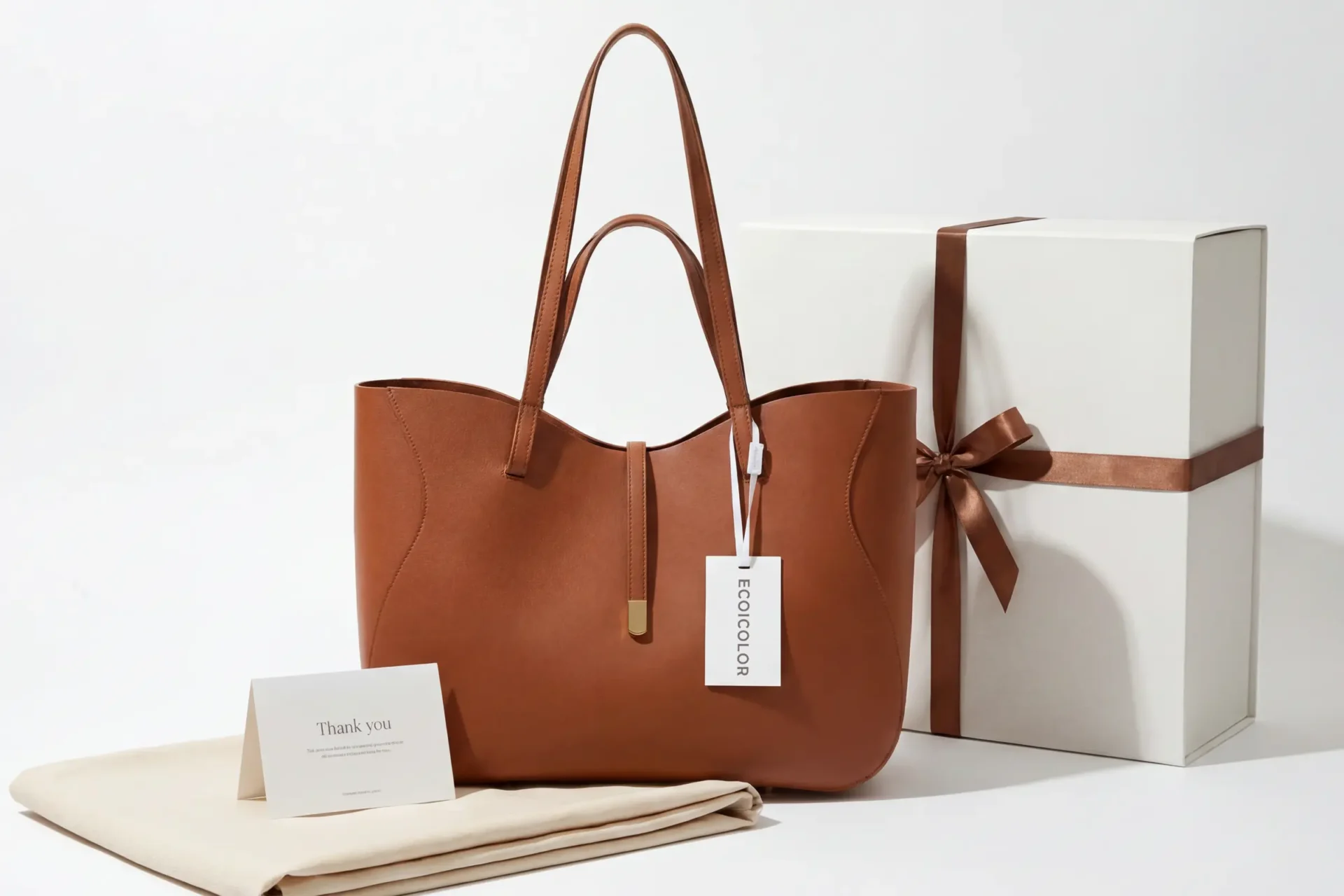
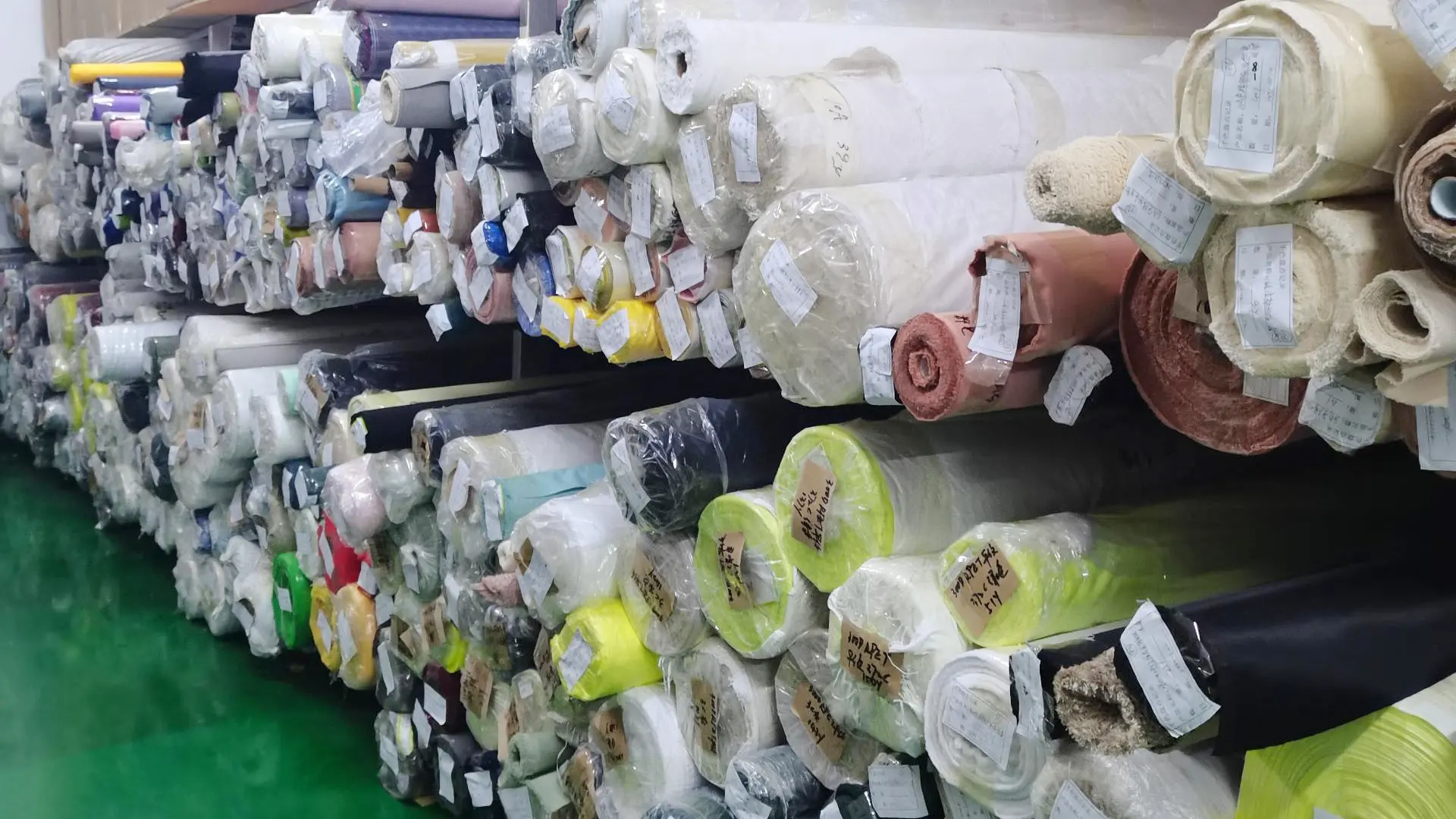
| Channel | Buyer focus | Sampling risk |
|---|---|---|
| Museum shop | Collection theme, education story, restrained branding | Artwork looks like event merchandise |
| Gallery store | Artwork reproduction, color and surface quality | Low-resolution art file or poor color control |
| Bookstore | Literary tie-in, typography and repeat sales | Small text or fine lines fail on fabric |
| Destination shop | Local identity, travel memory and gift value | Material or print feels generic |
| Heritage venue retail | Story, label detail and gift presentation | Hangtag or barcode is planned too late |
What do buyers often misunderstand about museum gift shop totes?
Buyers often focus on the artwork first, then discover that file quality, logo scale, barcode, hangtag, display method and retail labels affect the sample just as much as the tote body.
How should artwork files be checked before sampling?
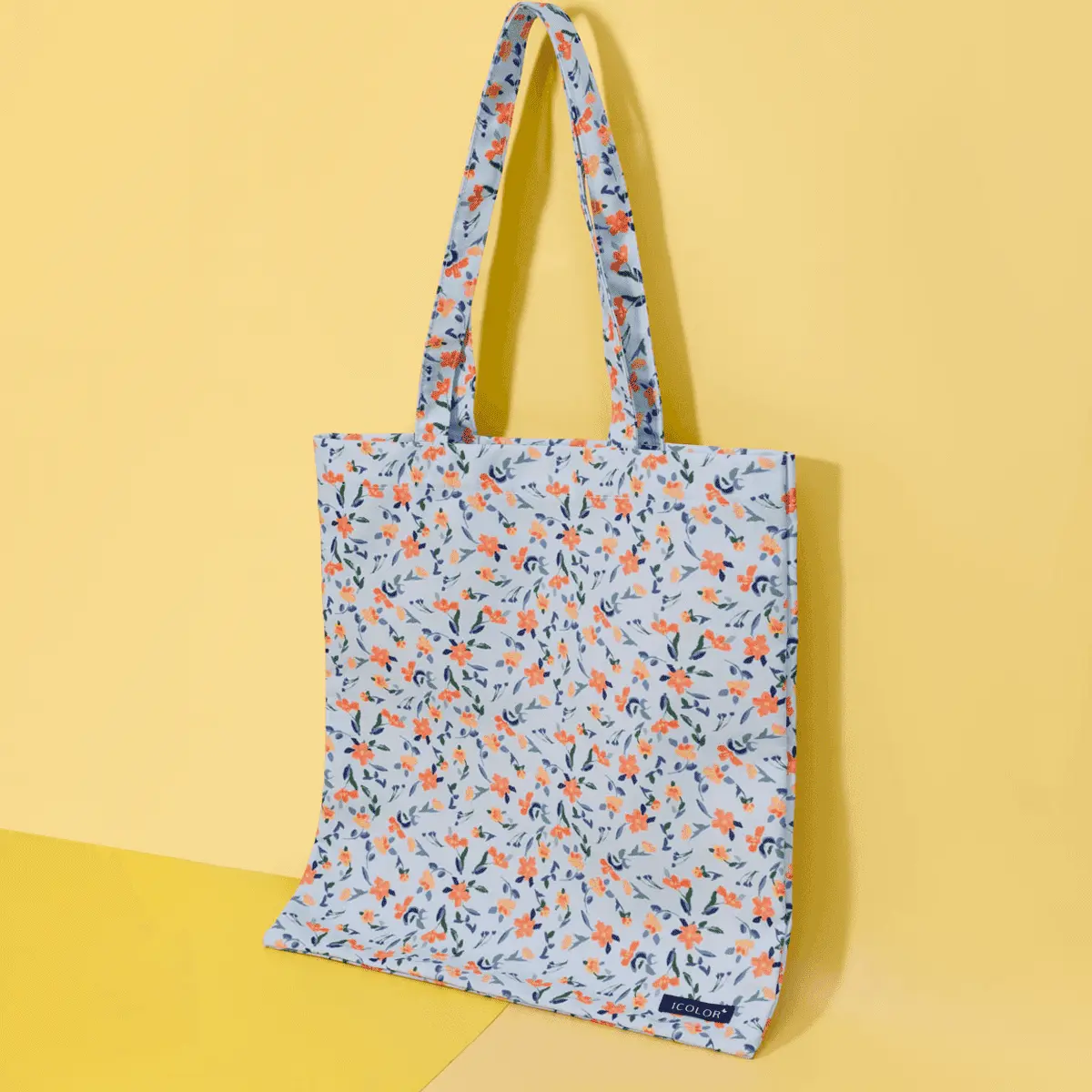
Artwork is often the most valuable part of a museum or gallery tote. Buyers should confirm whether the file is authorized, vector, high-resolution raster, color-controlled and print-ready before sampling.
If the artwork is a low-resolution JPEG, small typography or fine line art may lose detail. Pantone or color references may help when color reproduction matters, but physical sample approval still decides the final result. Logo scale should also be checked because a cultural retail tote should not feel like event merchandise.
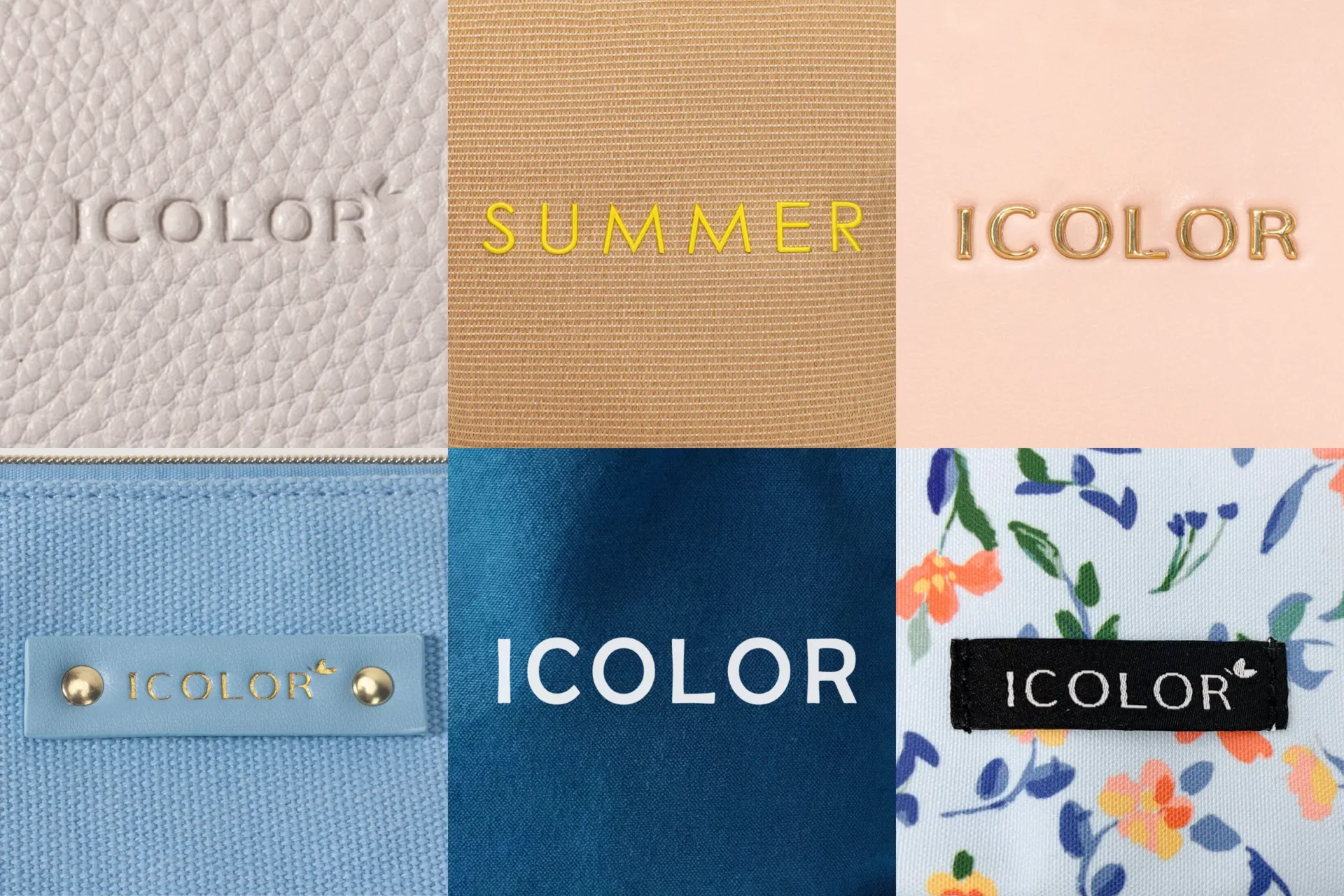
| Artwork item | What to confirm | Why it matters |
|---|---|---|
| Artwork rights | Institution, artist or license approval | Prevents production and retail risk |
| Vector artwork | AI, EPS, PDF or outlined file when possible | Cleaner edges and scalable layout |
| Raster artwork | Resolution and print size | Low-resolution artwork may blur when enlarged |
| Color reference | Pantone, lab dip or approved sample color | Helps reduce color mismatch |
| Safe area | Distance from handle root, seams and edges | Protects visual balance after sewing |
Which materials fit museum and gift shop tote bags?
Canvas is common for museum totes, but it is not the only route. The right material depends on artwork detail, handfeel, price tier, retail display and claim scope.
Cotton canvas can support a classic museum-shop feel, but texture may affect fine artwork edges. Recycled cotton can give a softer natural story. Organic cotton may fit premium heritage positioning. rPET can support sharper artwork or campaign graphics. The buyer should compare artwork, handfeel, label system and price tier together instead of choosing material by habit.
| Material route | Visual tone | Buyer risk |
|---|---|---|
| Cotton canvas | Classic museum retail and structured gift-shop feel | Texture may affect fine artwork edges |
| Recycled cotton | Soft natural and responsible material story | Blend and claim wording need confirmation |
| Organic cotton | Clean, premium and natural positioning | Certification and dye scope should not be assumed |
| rPET | Sharp campaign artwork and lighter structure | May feel less natural than cotton-based routes |
What retail-ready label and packaging details should be confirmed?
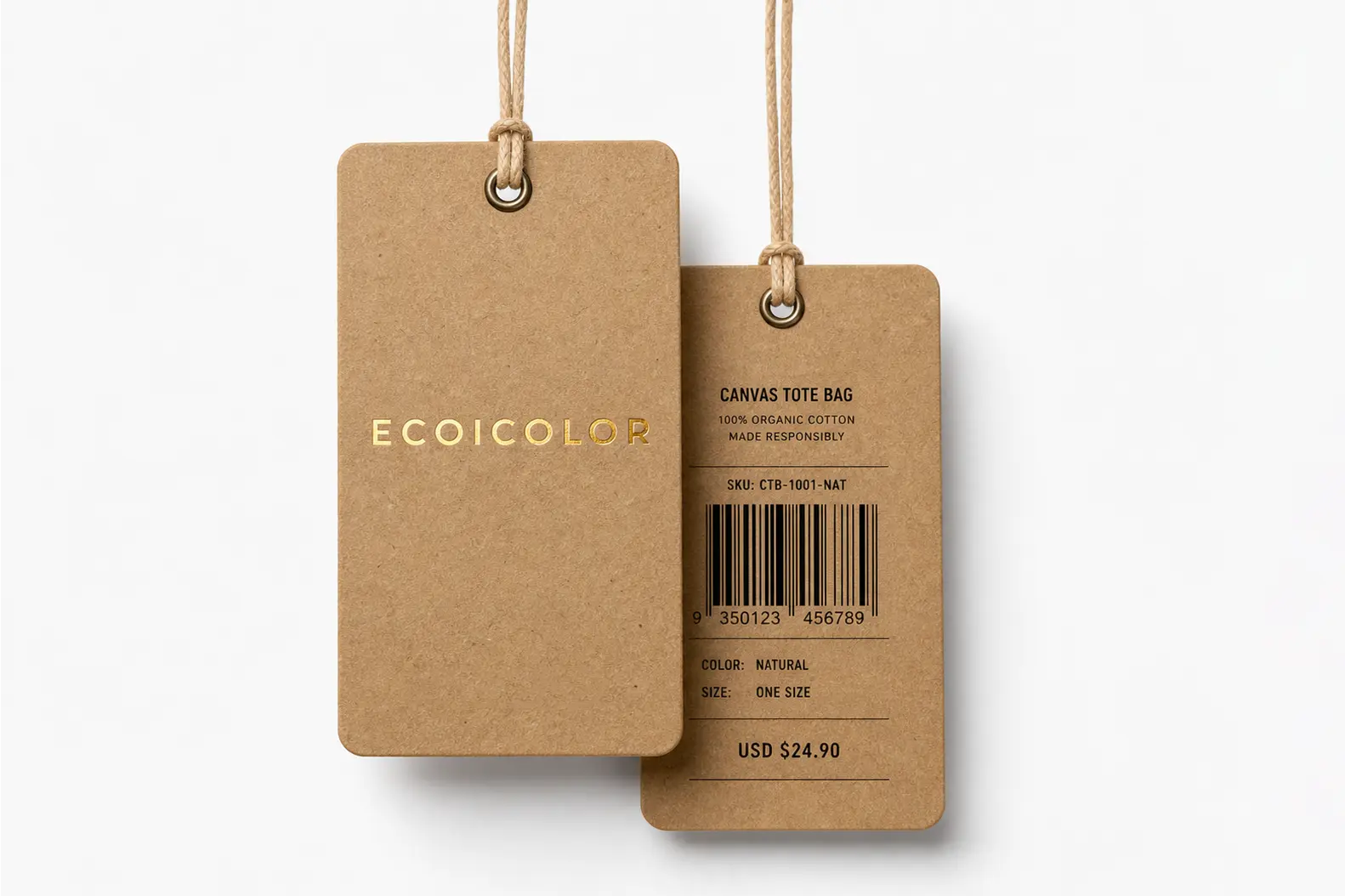
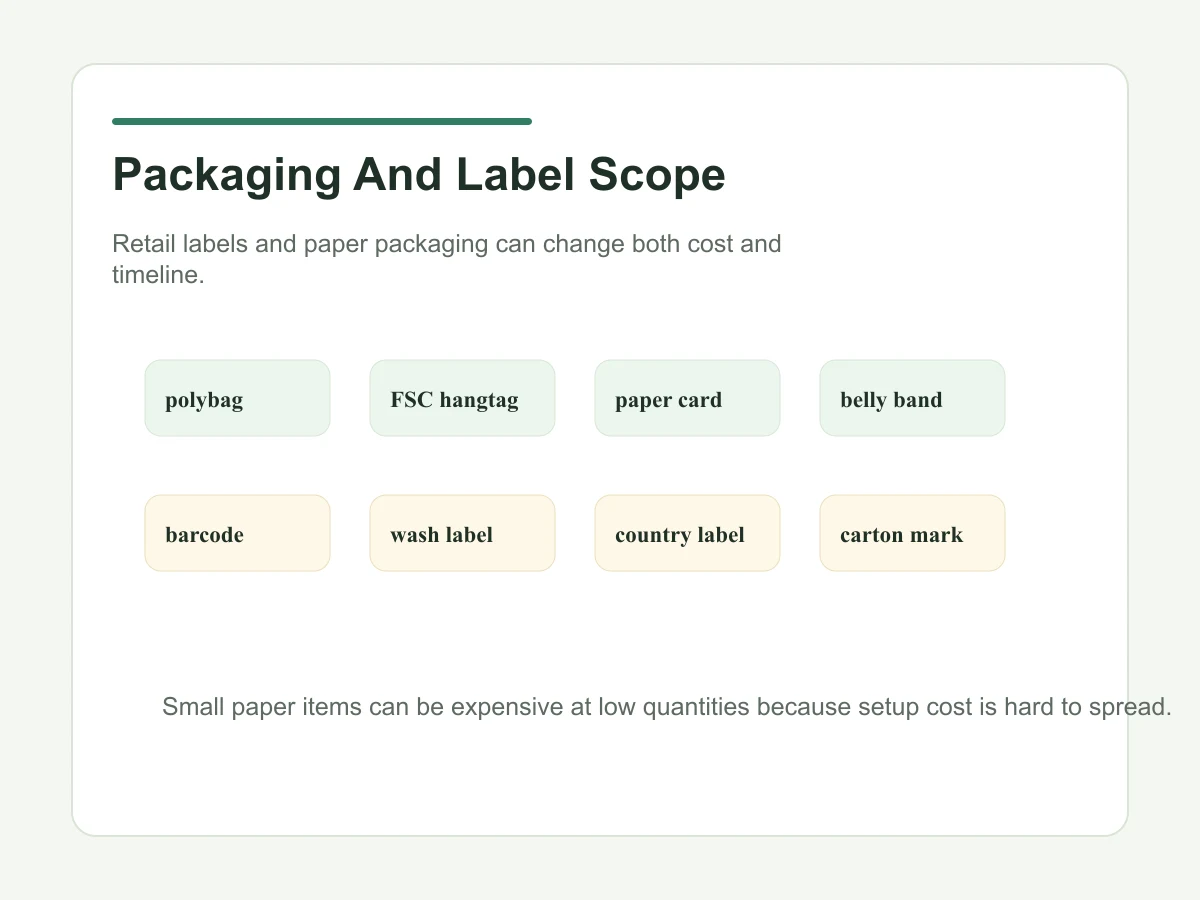
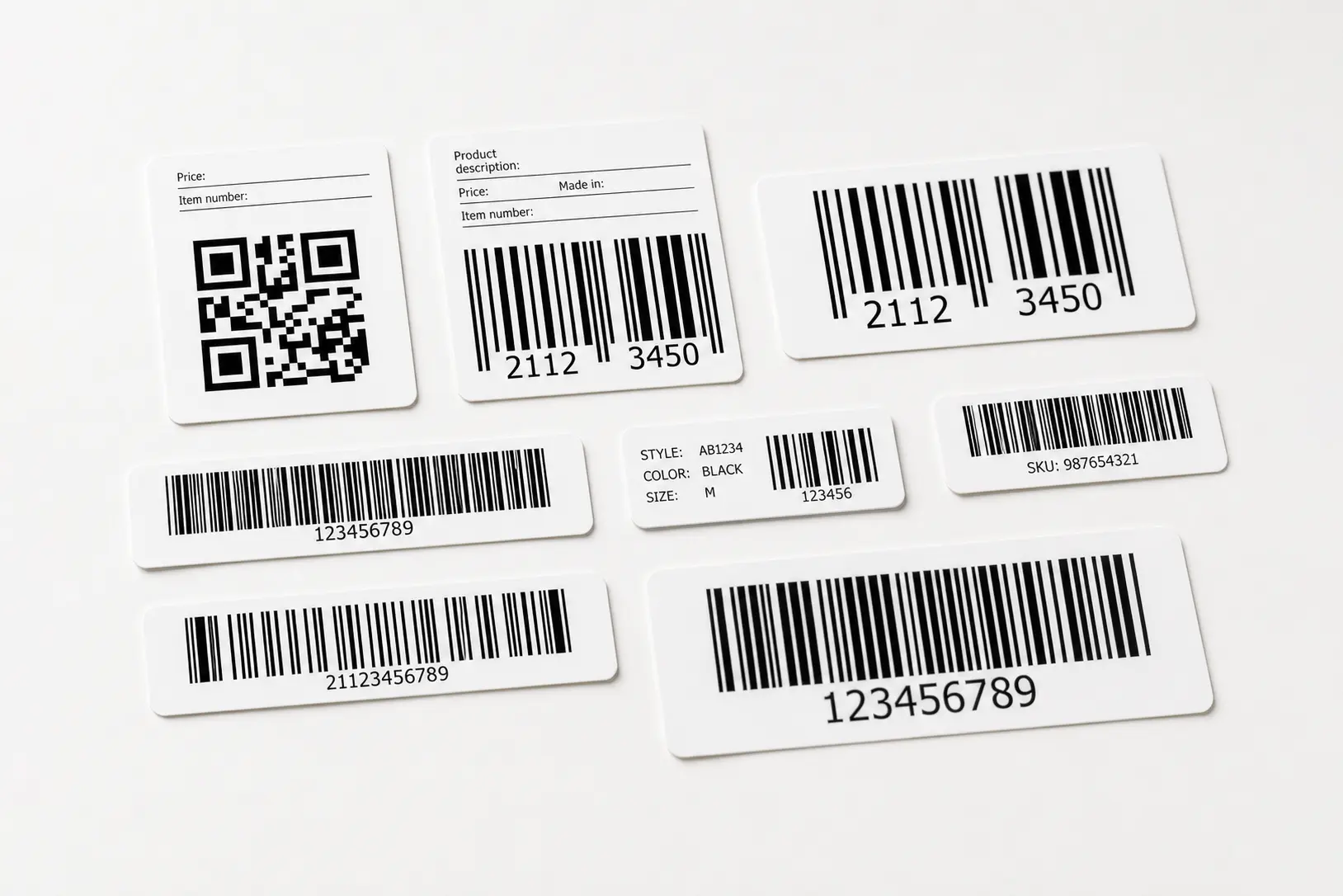
A museum or gift shop tote may need a barcode, SKU sticker, hangtag, composition label, country-of-origin label, paper card, belly band or polybag before it can function as a retail item.
GS1 provides barcode standards, and FSC can be relevant for paper packaging discussions when the paper component is in scope. The exact label and packaging scope still has to match the buyer's shop system, destination market and order documents.GS1 Barcodes3 FSC4

| Item | When needed | Sample check |
|---|---|---|
| Barcode sticker | Retail checkout or inventory system | Code source, placement and readability |
| Hangtag | Story, price or collection note | Paper size, hole position and string |
| Composition label | Material disclosure or retail requirement | Content and placement |
| Country-of-origin label | Market or buyer requirement | Correct wording before bulk |
| Paper card | Artwork story or gift presentation | Paper claim scope if requested |
How should shelf presentation be reviewed?
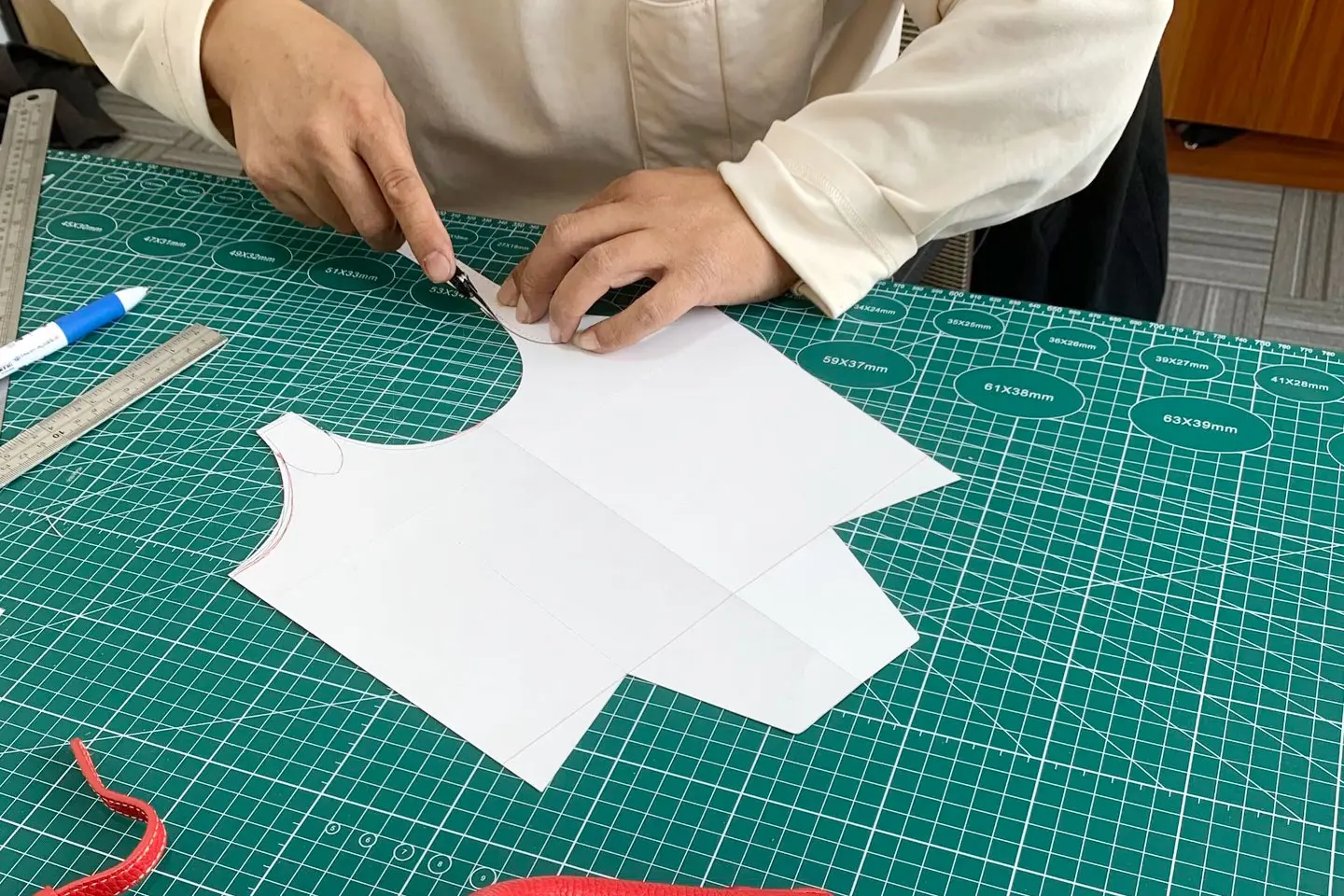
Gift shop totes need to look good when folded, hung, stacked or placed on a display table. The buyer should confirm the intended display method before approving artwork placement and label position.
A tote that looks strong when fully open may hide its artwork when folded. A hangtag that looks fine in a flat mockup may sit awkwardly when the tote is hung. Display review should happen with a physical sample, not only a digital layout.
| Display method | What to check | Risk |
|---|---|---|
| Folded on shelf | Artwork visibility and hangtag position | Artwork disappears when folded |
| Hung by handle | Handle drop and logo location | Front panel hangs unevenly |
| Stacked in gift table | Paper card and barcode visibility | Retail information hidden |
| Sold with insert card | Card size and story copy | Gift story feels disconnected |
What should buyers send before asking for a museum gift shop tote quote?
A strong RFQ should include artwork file, artwork rights status, quantity, material direction, intended retail price tier, label needs, packaging needs, display method, target launch date and any claim or document requirement.
For environmental or responsible-material wording, buyers should avoid broad claims unless the material, packaging and order documents support the exact statement. FTC Green Guides and factory audit references such as amfori BSCI can help frame buyer questions, but they do not automatically apply to every tote order.FTC Green Guides5 amfori BSCI6
| RFQ field | What to send | Why it matters |
|---|---|---|
| Store type | Museum, gallery, bookstore or destination shop | Defines story and display style |
| Artwork file | Vector or high-resolution file | Controls print result |
| Artwork rights | Artist, institution or license approval status | Prevents production risk |
| Quantity | Total pcs and artwork versions | Affects MOQ and cost |
| Material preference | Canvas, recycled cotton, organic cotton or rPET | Controls handfeel and claim scope |
| Label needs | Barcode, SKU, composition, COO, hangtag | Defines retail readiness |
| Target display | Folded, hung, stacked or gift table | Controls sample review |
Less suitable fit for museum and gift shop tote projects
This route is less suitable when the buyer only needs a low-cost giveaway, has no artwork authorization, cannot define shop display, or wants a retail product without barcode, label or sample review.
FAQ: Museum and gift shop tote bags
What should buyers confirm before requesting a museum gift shop tote quote?
Buyers should confirm the store type, artwork rights, artwork file quality, quantity, material direction, logo placement, label needs, packaging method, display style, launch date and document requirements before asking for final pricing. These details affect sample work, quote scope, artwork preparation, packaging proofing and whether the tote can function as a retail product.
Can a museum tote use a JPEG artwork file?
A JPEG may help the factory understand the visual direction, but it is often not enough for clean production if the print size is large or the artwork has fine details. Buyers should provide vector artwork, high-resolution raster files or approved print-ready files when possible, and the physical sample should confirm color, edge detail and fabric behavior.
Which material is best for museum and gift shop tote bags?
There is no single best material. Cotton canvas is common because it gives a classic retail feel, but recycled cotton, organic cotton and rPET can also work depending on artwork detail, handfeel, price tier, display method and claim scope. The best material is the one that supports the artwork, retail presentation and sample approval requirements.
When should barcode and hangtag details be confirmed?
Barcode, SKU sticker, hangtag, composition label and country-of-origin details should be discussed before sampling or during the first sample round. These details affect retail readiness, display method, paper goods, carton records and sometimes artwork placement. If they are added after sample approval, the buyer may need another proofing cycle before bulk production.
How should buyers avoid making the tote look like event merchandise?
Buyers should keep artwork, logo scale and retail presentation in balance. A large institution logo can make the tote feel like a giveaway, while artwork-led layout, subtle branding, clear material feel and a strong hangtag story can make the tote feel more like a sellable cultural product. The final decision should be checked on the physical sample.
What documents or claim evidence may matter?
The useful documents depend on the material route, packaging, destination market and wording used in the project. Buyers may ask about material composition, recycled-content support, OEKO-TEX discussion, FSC paper packaging scope, barcode requirements, factory audit references or artwork authorization. Claims should not be used broadly unless the actual order scope supports the exact wording.
When should buyers contact Ecoicolortote?
Contact Ecoicolortote when your museum, gallery, bookstore or destination shop project is 500 pcs or more and needs help turning artwork, material, barcode, hangtag, packaging and display requirements into a sample-ready brief. Early review is most useful before sample release, because artwork scale, label placement and retail presentation can still be adjusted.
Share artwork file, artwork rights status, quantity, material preference, label needs, packaging plan and target retail presentation. Ecoicolortote can help turn the brief into a sample-ready cultural retail tote route. Start a museum gift shop tote project.