
 Yu, Zoe
 Large and XL tote bags are not simply standard totes made wider. For retail, resort and gift set projects, a larger size changes capacity, handle comfort, bottom gusset, fabric weight, carton volume, shipping cost and sample approval. Buyers should size the tote from the contents first, not from a front-view mockup.
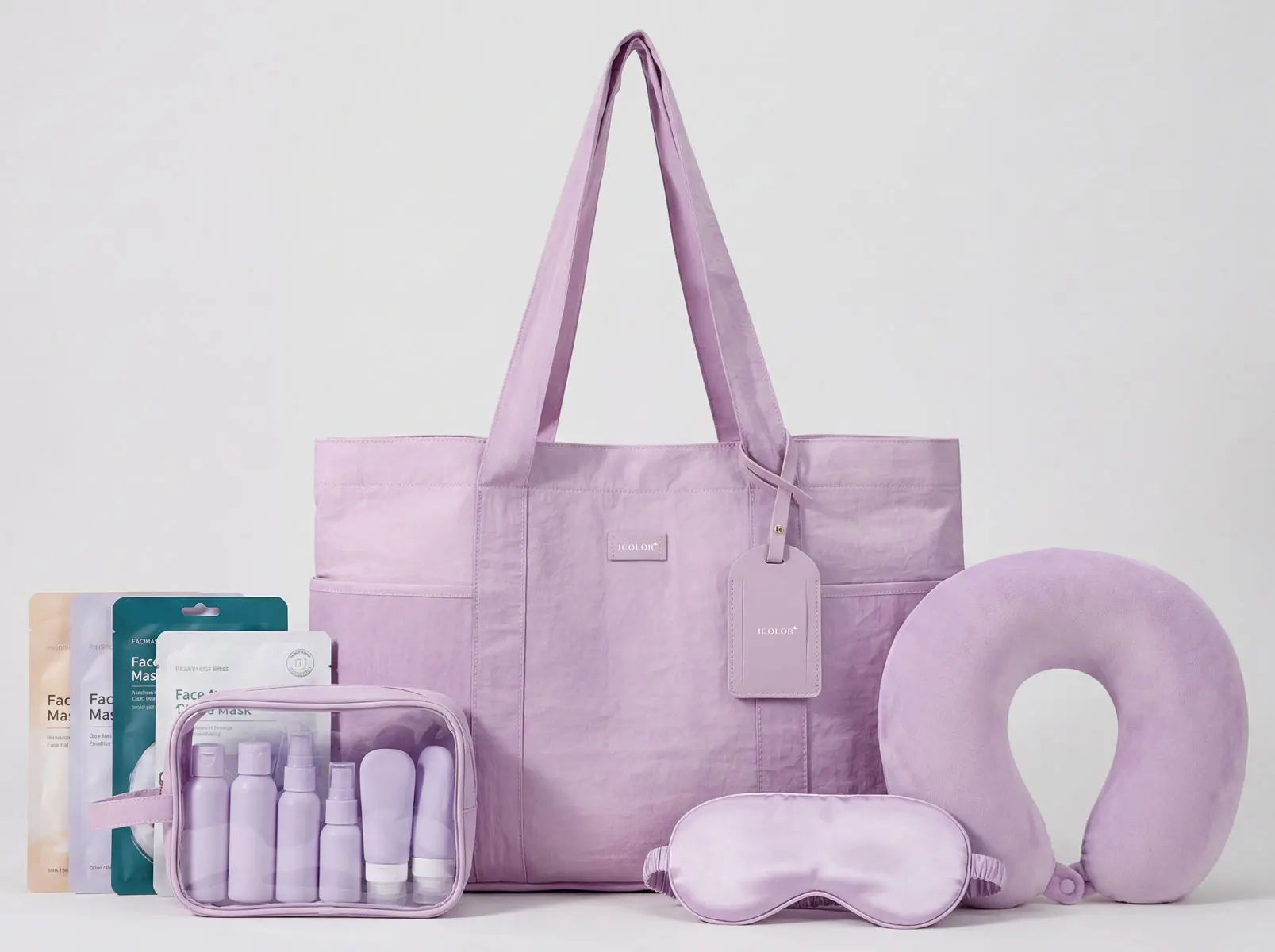
Buyer Summary
- Best for: retail launch, resort, beach, holiday gift set, corporate gift and oversized brand projects from 500 pcs per style.
- Main decision: confirm whether Large or XL is truly needed after checking contents, bottom width, handle comfort, material stiffness, carton volume and delivery route.
- Factory-side note: bigger size can raise fabric use, handle stress, carton CBM and freight cost before it improves the buyer experience.
- What to prepare: use case, quantity, contents, product dimensions, estimated weight, target size, bottom width, material direction, handle drop, logo file, packaging and delivery date.
What is the quick answer for Large / XL tote bag projects?
A Large or XL tote should be selected only when the project truly needs more capacity, stronger visual presence or room for bulky contents. Buyers should confirm product dimensions, weight, bottom width, handle drop, handle reinforcement, fabric weight, folding thickness, carton quantity and delivery route before approving the sample.
Large is not automatically better. A bigger tote can look impressive, but it can also become awkward to carry, hard to fold, expensive to ship or too bulky for retail storage. If the project includes responsible-material or performance wording, claim language should match the actual material and order scope, using guidance such as FTC Green Guides6 when broad marketing wording is involved.
Best fit for this Large / XL tote guide
This guide is best for buyers who already have a real retail, resort or gift set project and need to decide whether Large or XL sizing is practical before sample development.
It fits projects where packed contents, handle reinforcement, bottom shape, material stiffness, carton volume and shipping impact affect the quote, sample and delivery plan. It is especially useful when the buyer is comparing suppliers because one quote may cover only a larger front panel while another includes reinforced handles, deeper gusset, thicker material or carton-volume review.
How is this guide different from size, gusset and load-capacity guides?
This guide focuses on the Large / XL decision, where the buyer must balance size, content fit, handle comfort, carton volume and shipping impact. A standard size guide should own common dimensions. A gusset guide should own bottom and side structure. A load-capacity guide should own weight and filled-sample testing. This page connects those ideas only where they affect whether a Large or XL tote is the right route.
| Nearby content | It should own | This guide should own |
|---|---|---|
| Standard tote size guide | Common width, height and spec references | When larger sizing becomes commercially useful |
| Bottom gusset guide | Product fit, standing shape and base structure | How bottom width changes XL feasibility |
| Load capacity guide | Filled weight, handle pull and test scope | How larger size affects carrying comfort and stress |
| Shipping terms guide | EXW, FOB, DDP and delivery responsibility | How Large / XL size changes carton and freight scope |
Which retail, resort and gift set projects use Large / XL tote bags?
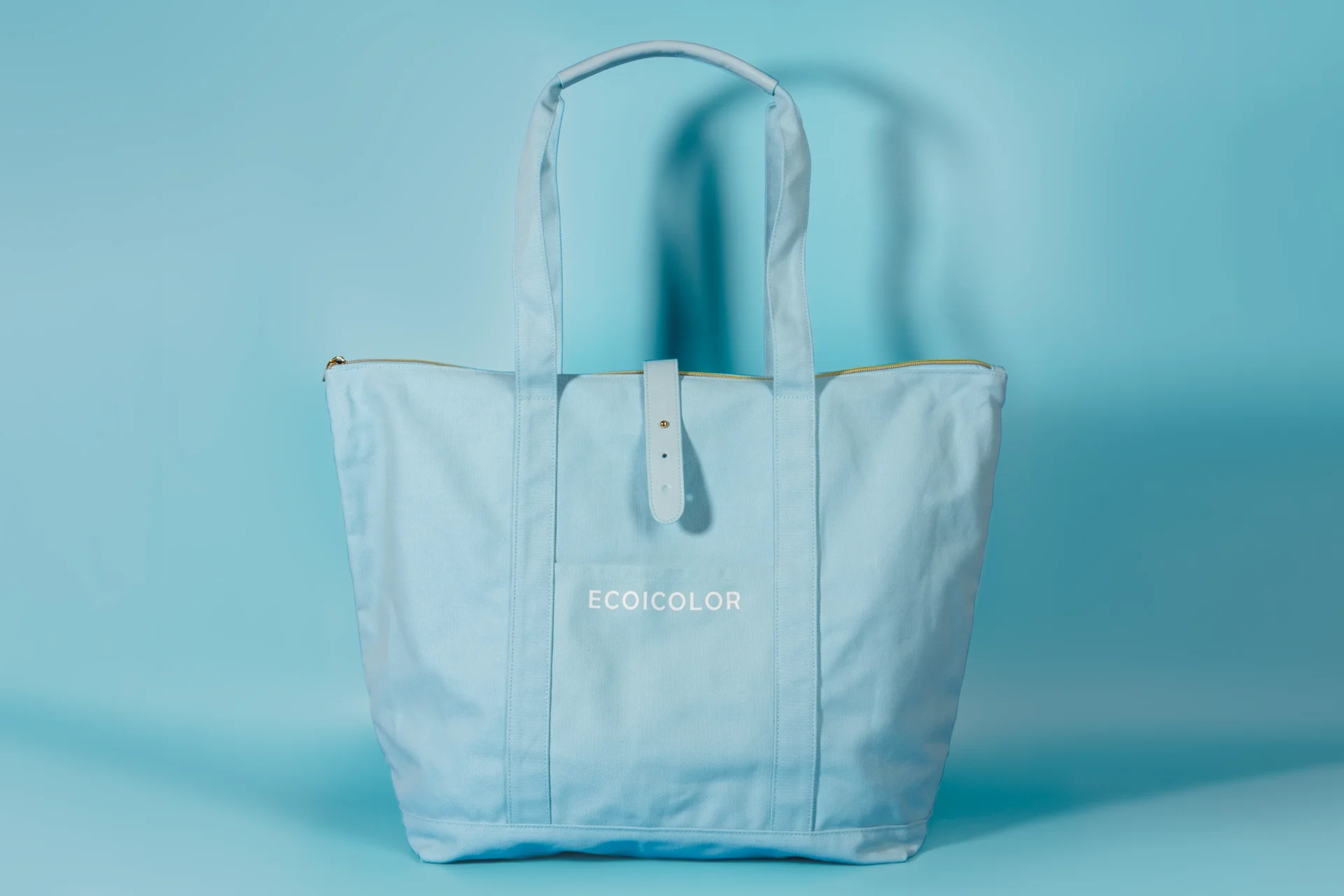
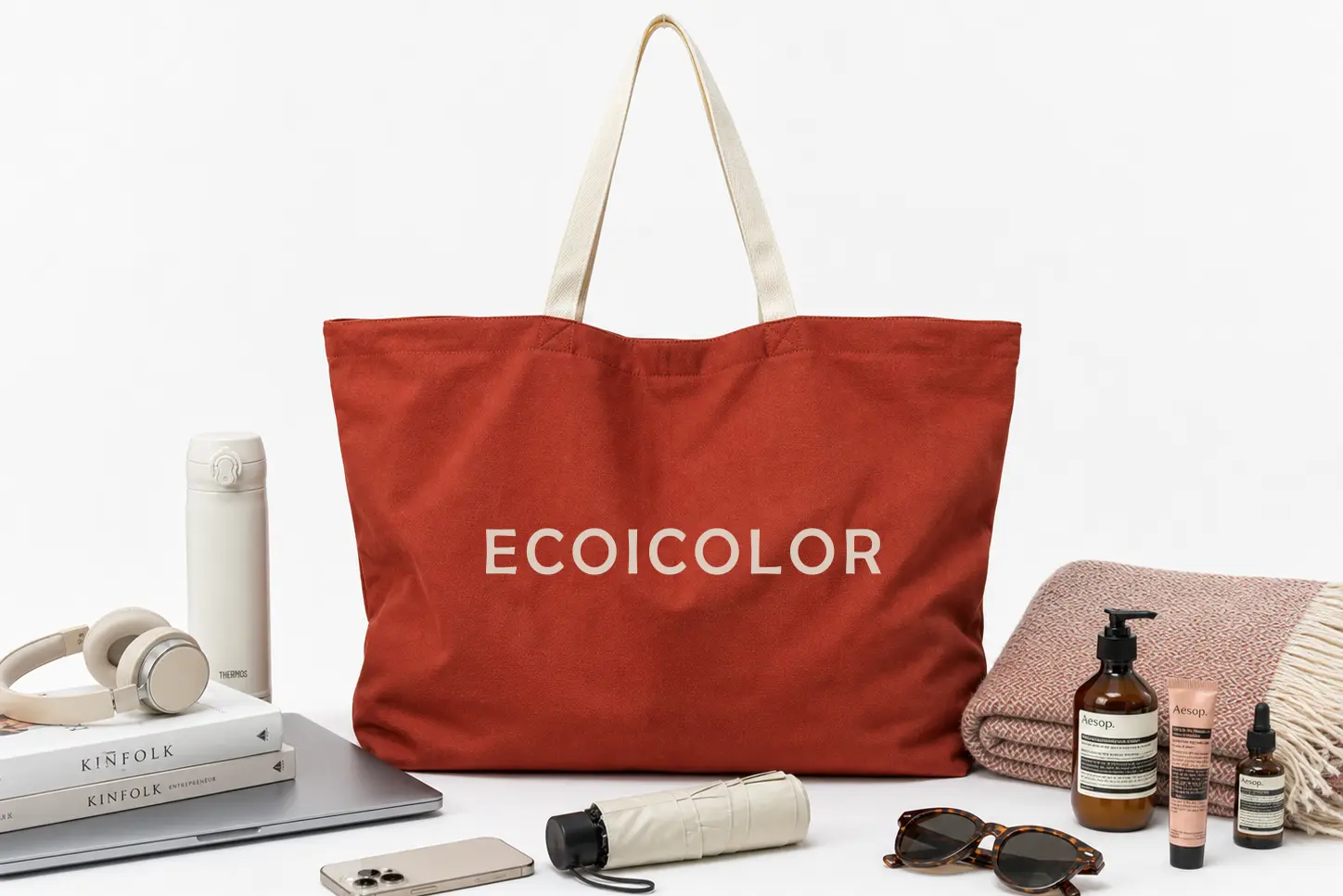
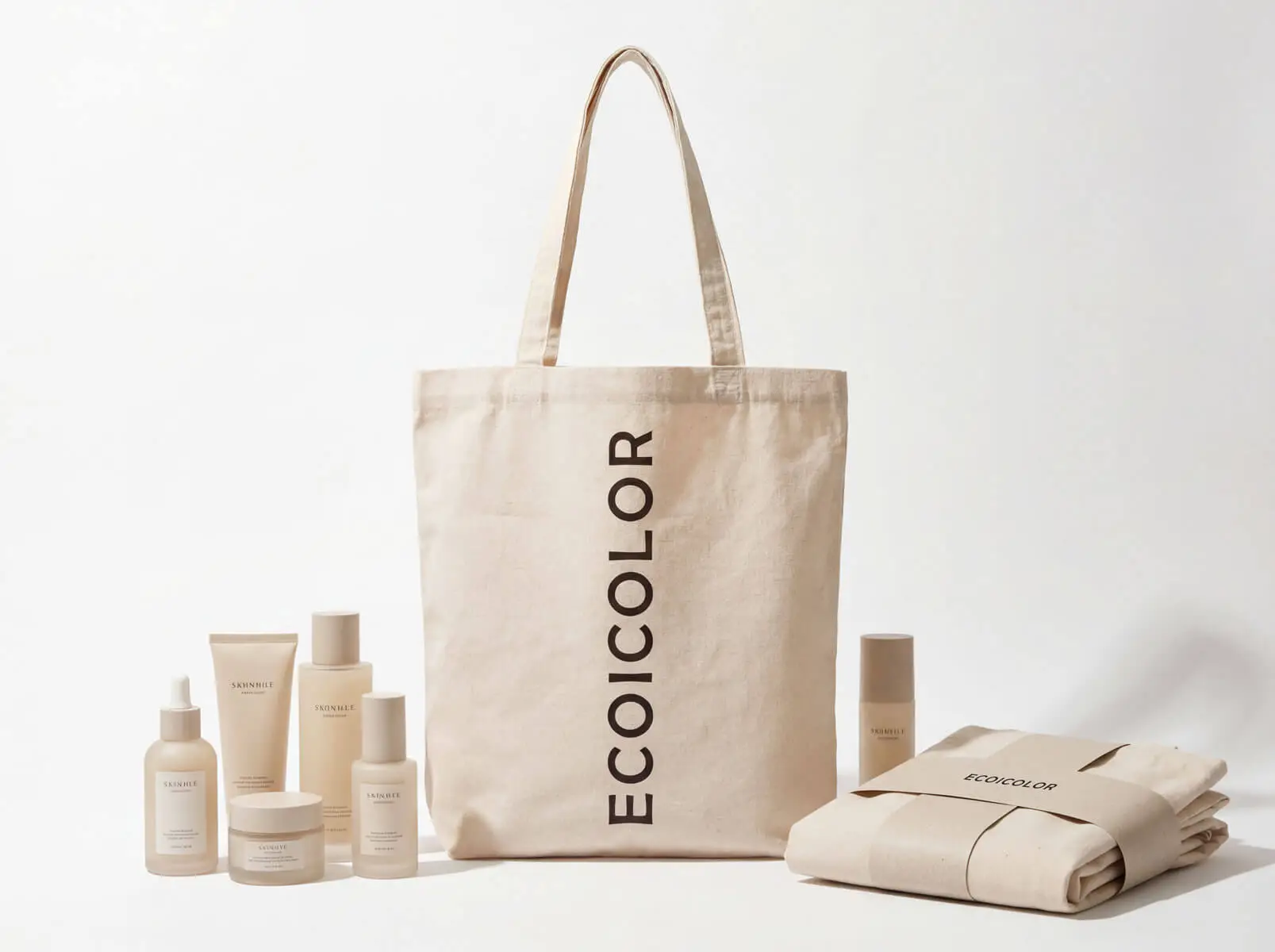
Large and XL totes are most useful when the project needs visible retail value, bulky content fit or a strong lifestyle silhouette, not just more front-panel space.
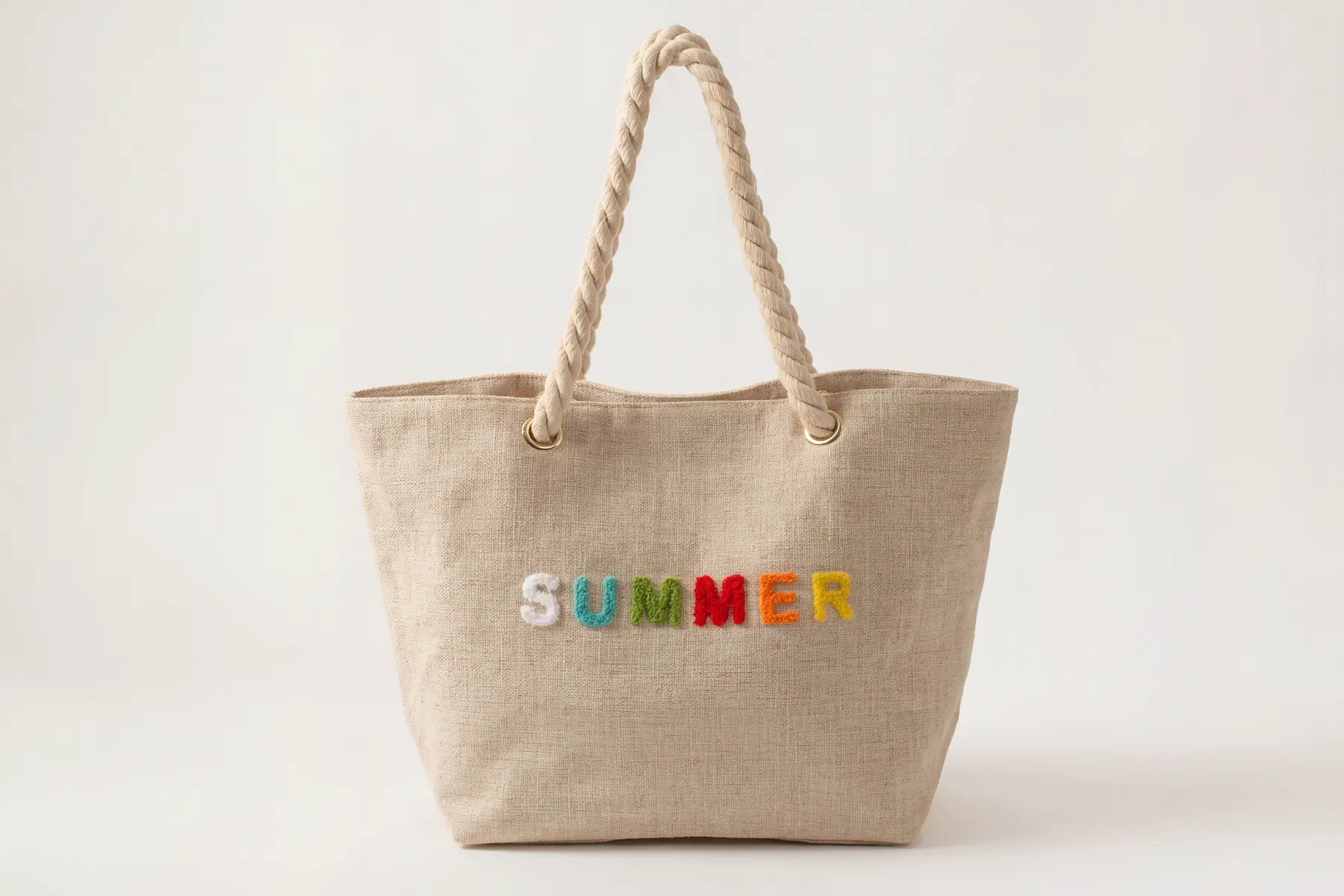
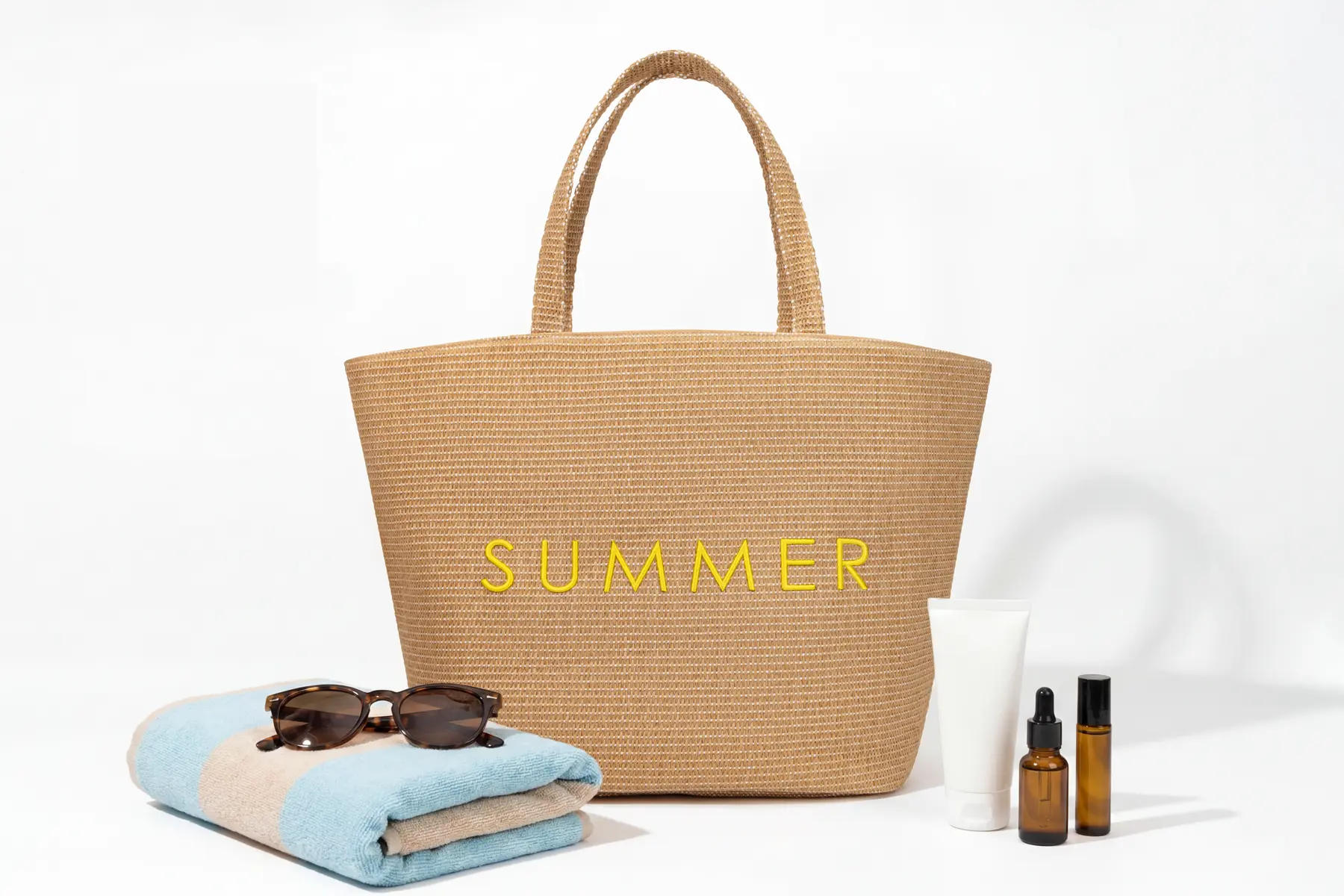
Retail launch totes may need structure and repeat-use comfort. Resort totes need lightweight volume and foldability. Gift set totes need the products to load cleanly and sit correctly inside the bottom. Event and corporate projects may need size for kit contents, but over-sizing can still hurt carrying comfort and freight efficiency.
| Project type | Why Large / XL may fit | Main risk |
|---|---|---|
| Retail launch tote | Strong shelf presence and repeat-use value | Too heavy or costly if overbuilt |
| Resort or beach tote | Room for towels, apparel and travel items | High carton volume or poor foldability |
| Gift set tote | Fits boxes, bottles or bundled products | Opening or bottom width is still wrong |
| Corporate gift tote | Can carry larger welcome kits | Recipient experience feels bulky |
| Event kit tote | Holds brochures, sponsor gifts and apparel | Overbuilding does not improve onsite use |
How should buyers decide Large, XL or XXL size?
The size decision should start from real contents, not from a label such as Large or XL. Buyers should send product dimensions, estimated filled weight, target opening, bottom width and intended carry style before sampling.
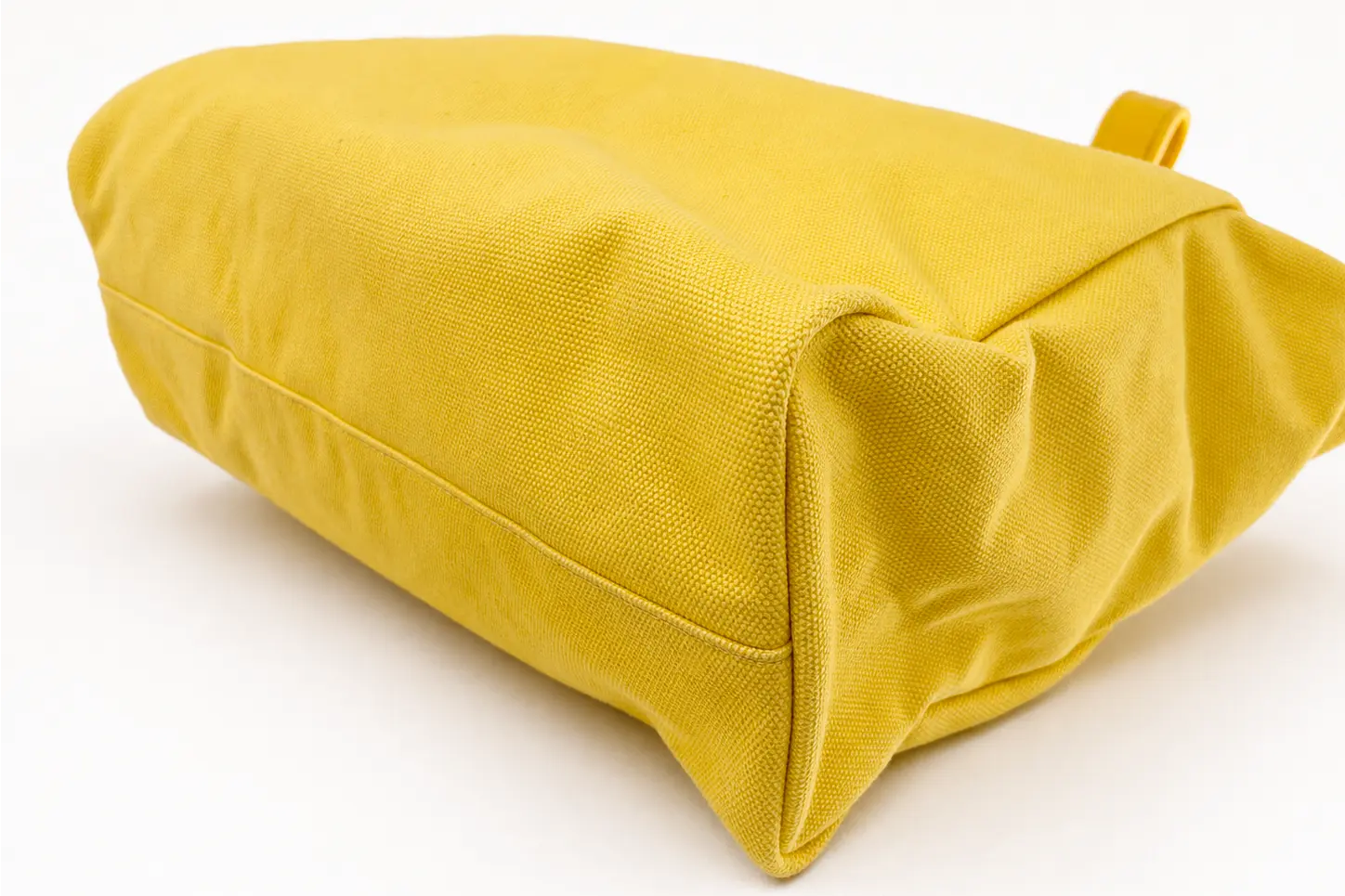
A tote may look wide from the front but still fail if the bottom is too narrow, the opening cannot load the box or the handle drop is uncomfortable on the shoulder. A deeper gusset can improve capacity, but it can also raise carton volume and affect the front artwork area.
| Size route | Common contents | Main carrying risk | Sampling check |
|---|---|---|---|
| Large | Apparel, boxed skincare, resort towel plus small items | Bottom sag or narrow handle if contents become dense | Test with actual product set and filled carry |
| XL | Bulky gift sets, beach use, retail launch kits, apparel bundles | Handle root stress, carton volume and awkward shoulder carry | Review gusset, handle drop, filled shape and carton estimate |
| XXL | Oversized event kits, large towels, multi-product sets | High fabric consumption, high shipping volume and structure risk | Require product dimensions, sample test and simplified structure |
Which materials fit Large / XL tote projects?
Material choice should balance structure, foldability, handfeel, print result, carton efficiency and claim scope. Heavy canvas is not always better if the tote becomes too stiff or expensive to ship.
Canvas is a strong general route for retail and gift set projects. Recycled cotton can support a softer story, but blend and claim wording should be confirmed. rPET may work for lightweight resort, beach or print-heavy projects. Material and safety references such as OEKO-TEX STANDARD 1001 and Textile Exchange2 can help buyer-side questions, but order scope still decides the actual evidence.

| Material route | Large / XL fit | Main risk | Buyer decision |
|---|---|---|---|
| Canvas | Strong general route for retail and gift sets | Wrong fabric weight can feel weak or too heavy | Confirm gsm, handfeel and fold thickness |
| Recycled cotton | Good when natural story matters | Claim wording, handfeel and color consistency | Confirm composition documents and sample color |
| Heavy canvas | Good for premium structure | Carton quantity drops, freight rises, bag may feel stiff | Use only when structure is worth the shipping cost |
| rPET | Good for light capacity and print | May need reinforcement if contents are dense | Check print, handle route and real contents |
How should handle reinforcement and shoulder drop be planned?
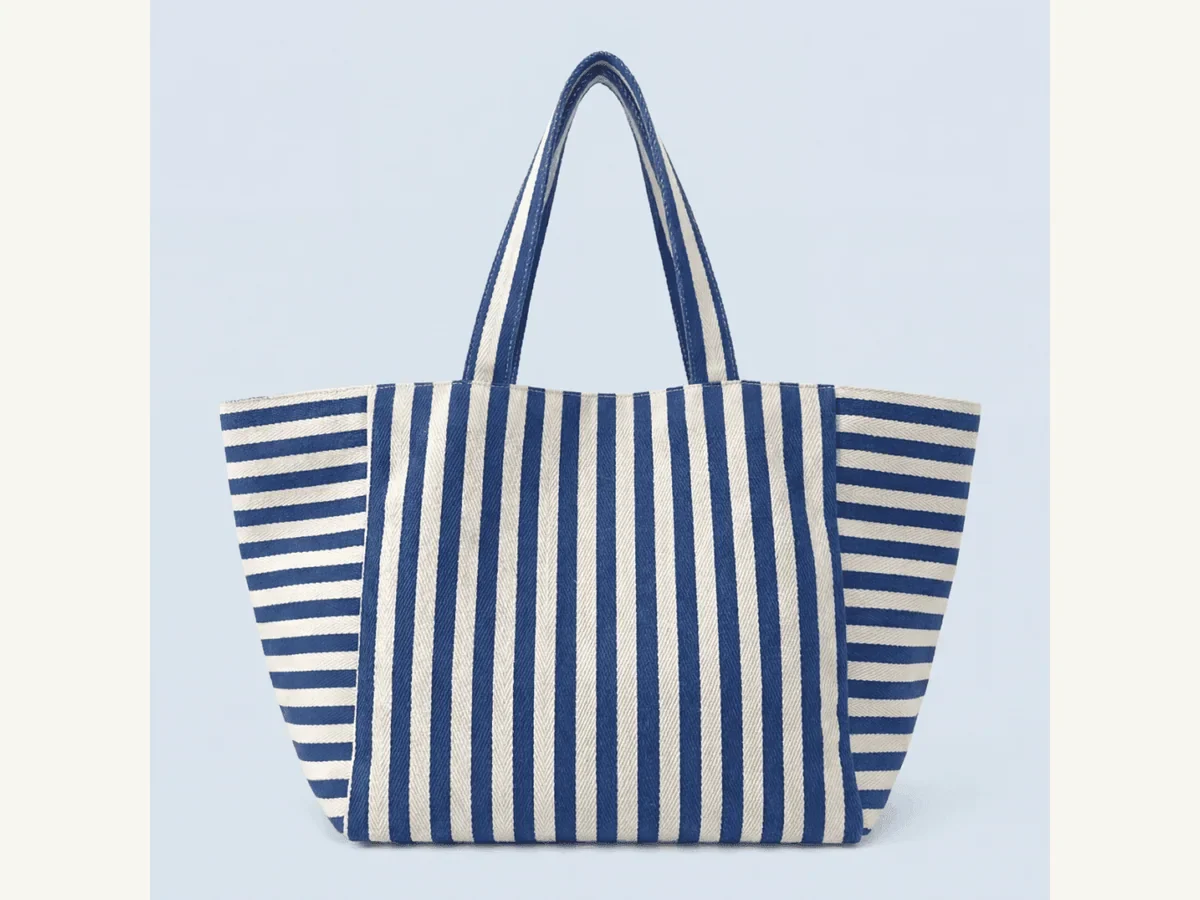
Large and XL totes need handle planning because bigger body size changes pull direction, comfort and stress at the handle root. A large bag that looks good empty can feel wrong once it is filled.
Handle drop should match the intended carry style. A beach or resort tote may need shoulder carry. A retail tote may need stronger webbing, reinforced stitching or a wider handle for comfort. ASTM textile resources can help buyers think about testing language, but project-specific sample checks still matter.ASTM textile standards overview3
| Structure point | Reinforcement method | When necessary | Sample check |
|---|---|---|---|
| Handle root | Box stitch, cross stitch, wider webbing or reinforced self-fabric handle | XL size, dense contents, shoulder carry or repeat-use retail tote | Carry the filled sample and inspect stitch pull |
| Bottom seam | Double stitching, binding, bottom panel or stronger seam allowance | Boxed goods, bottles, folded apparel stacks or gift sets | Pack actual contents and review bottom shape |
| Side gusset | Box gusset, side gusset or deeper bottom width | Products need real volume instead of front-view width only | Confirm products pass through opening and sit correctly |
How should artwork and logo scale be handled on Large / XL totes?
Large surfaces can make logos and artwork look smaller than expected, but making the print too large can raise cost, change handfeel or look too promotional.
Buyers should check logo proportion on the real tote size and with the intended carry shape. Pantone or color references can help with brand color communication, but the final approval should be based on the physical sample and actual material.Pantone color communication reference4
| Artwork route | Good for | Watch-out |
|---|---|---|
| Small front logo | Premium retail or resort branding | May look too quiet on XL panels |
| Large front artwork | Campaign, resort or fashion merch | Sample handfeel and print cost |
| Woven label or patch | Subtle product-like finish | May need stronger placement review |
| All-over print | Print-led lifestyle tote | Material and pattern alignment matter |
How do carton volume and shipping affect Large / XL tote cost?
Large and XL tote cost is often affected by carton volume, folding method, fabric thickness and shipping route, not only by fabric price.
A thicker or structured XL tote can reduce units per carton. A deep gusset, zipper, bottom support or gift packaging can increase CBM and shipping exposure. Buyers should ask for carton estimates before bulk confirmation when the project is size-sensitive or freight-sensitive. Incoterms references can help clarify shipping responsibility, but carton assumptions still need project-level review.ICC Incoterms rules5

| Size / structure | Carton volume impact | Freight impact | Control action |
|---|---|---|---|
| Large flat open tote | Moderate if fabric is not too thick | Usually manageable | Confirm fold method and units per carton after sample |
| XL flat tote | Higher because width and height reduce carton efficiency | Freight share may become visible in landed cost | Compare flat fold versus half fold |
| XL with deep gusset | High if base is thick or hard to compress | Higher CBM and freight exposure | Review whether standing structure is truly required |
| Structured gift set tote | Very high if packed with insert, board or bottom support | Shipping may drive the commercial decision | Ask for carton estimate before bulk confirmation |
Can a 500 pcs Large / XL tote project become complicated?
Yes. A reasonable 500 pcs per style route is usually one size, one main material, one or two colors, one main logo process and basic packaging. It becomes complex when buyers add multiple sizes, thick fabric, large artwork, zipper, lining, bottom support, retail packaging or gift set assembly.
Late size changes are especially expensive. Changing width, height or bottom width can change pattern, material use, logo placement, carton plan and quote. If the project depends on gift boxes or bulky contents, those dimensions should be sent before sampling.
What Large / XL tote information should buyers send in the RFQ?
Buyers should send use case, quantity, target size, contents, product dimensions and weight, material direction, logo file, packaging or carton requirements, and target delivery date.
If the buyer says large, premium, strong or beach-ready, those words should become measurable checks. The factory can only judge feasibility after seeing what the tote must carry, how it will be folded, what material is expected and how the final shipment will be packed.
| Buyer word | Translate into | Confirm by |
|---|---|---|
| Large | Width, height, bottom width and opening | Product dimensions and sample review |
| Premium | Material, handle, finishing, logo and packaging | Physical sample and brand review |
| Strong | Fabric, stitching, handle width and reinforcement | Sample handling and project-specific checks |
| Beach-ready | Capacity, weight, foldability, print and intended contents | Use case and packing test |
| Gift-set ready | Bottom width, opening, presentation and carton plan | Product fit sample |
Less suitable fit for Large / XL tote projects
Large and XL tote projects are less suitable when the buyer wants a very low price, unclear contents, many sizes under MOQ, rush timing or a complicated structure without product dimensions.
Composite sourcing case: Large / XL tote dimension choice
Initial brief: A resort category buyer asked for a large tote for a towel bundle, pool amenity and retail shop display. The first brief said only large beach tote with logo, but did not include towel dimensions, desired fold method or carton storage limit.
Problems found: The first size direction looked good in a mockup but became too wide for carton efficiency. The shoulder drop was short when the bag was filled, and the bottom width did not let the towel bundle sit neatly.
Correction path: The buyer sent the towel bundle size, target shelf depth and estimated filled weight. The tote size was adjusted, handle drop increased and carton estimate reviewed before bulk confirmation.
Lesson: Large and XL tote decisions work better when contents, handle, gusset and carton volume are approved together before sampling.
Anonymous buyer feedback
Resort category buyer · Name withheld
The buyer said the most useful change was moving from a general large tote idea to a written dimension sheet. Towel bundle size, wide opening, base width, shoulder drop and carton cube were put in one place, which made the sample request easier to explain internally.
Retail operations reviewer · Name withheld
The operations team cared less about the largest possible size and more about whether the tote could be stocked, folded and carried comfortably. Their review focused on shelf depth, storage room, carton count, handle comfort and whether the XL route still made commercial sense.
Supplier coordination lead · Name withheld
Ecoicolortote’s coordination note was to keep one live version of the Large / XL tote brief. For this project, the final checks included contents, base width, material route, handle reinforcement, artwork scale and carton estimate before sample approval.
FAQ: Large / XL tote bags
Is a Large or XL tote bag just a bigger size?
No. A Large or XL tote affects fabric consumption, handle comfort, bottom gusset, folding thickness, carton volume, shipping cost and sample approval. A bigger front panel does not automatically create better capacity. Buyers should confirm real contents, bottom width, handle drop, material route and carton assumptions before approving a large tote sample.
Should buyers send product dimensions before sampling?
Yes. Product dimensions and estimated weight should be sent before sampling because they decide the usable opening, bottom width, handle route and carton plan. Without real contents, the factory can only guess whether the tote will fit boxed goods, towels, apparel bundles or gift sets. Physical product fit is more reliable than a front-view mockup.
What material is best for Large / XL tote bags?
There is no single best material. Canvas can work well for retail and gift set totes, recycled cotton can support a natural story, and rPET can work for lightweight resort or print-heavy projects. The best route depends on contents, structure, artwork, handfeel, claim wording, carton efficiency and whether the buyer needs the tote to fold compactly.
Does a deeper gusset always improve a large tote?
A deeper gusset can improve product fit when the contents need real volume, but it can also increase carton volume and change the filled shape. Buyers should check the actual product set, bottom width, side support and opening size before choosing a deep gusset. Sometimes a moderate bottom width performs better than an oversized base.
Why does carton volume matter for Large / XL tote bags?
Carton volume matters because Large and XL totes can reduce units per carton, especially when the fabric is thick, the bottom is structured or packaging is added. Freight can become a visible part of landed cost even if the unit price looks acceptable. Buyers should ask for carton estimates before bulk confirmation when size or shipping cost matters.
What should buyers confirm before requesting a quote?
Buyers should confirm use case, quantity, target size, product dimensions, estimated filled weight, material direction, handle requirement, logo file, packaging needs, carton requirements, destination market and target delivery date. These fields let the supplier quote the same scope and avoid late changes to pattern, material consumption, logo placement and shipping assumptions.
When should buyers contact Ecoicolortote?
Contact Ecoicolortote when your project is 500 pcs or more and your team needs to decide whether Large or XL sizing is practical for retail, resort, beach, gift set, corporate or event use. Early review is most useful before sampling because size, material, handle, gusset and carton assumptions can still be adjusted.
Share contents, product size, target capacity, material direction, logo file, packing expectations and delivery target. Ecoicolortote can review whether a Large or XL tote route is practical before the sample is made. Start a Large / XL tote review.