Zoe Yu
 Event tote bag delivery for multi-city campaigns needs more than a production date. Buyers should confirm city split, country split, sponsor versions, packed contents, carton marks, receiving contacts, delivery windows, sample approval and warehouse handoff before bulk production. A clear delivery checklist helps the right tote reach the right city on time.
Buyer Summary
- Best for: event agencies, conference teams, brand activation buyers and campaign managers shipping custom event tote bags to multiple cities or countries.
- Main decision: confirm city allocation, version control, packed contents, carton labels, receiving contacts, delivery windows and 3PL handoff before bulk production.
- Factory-side note: a multi-city campaign can fail even when the tote is correct if carton marks, versions, addresses or receiving windows are not controlled.
- What to prepare: quantity by city, sponsor artwork, contents list, packing method, carton mark format, address file, delivery window, sample deadline and document needs.
What is the quick answer for event tote bag delivery planning?
Event tote delivery should be planned by city, version, contents, carton mark and receiving window before production starts. The buyer should send a delivery matrix that shows what each location receives, how cartons are labeled and who receives the goods.
For a single event, the tote can often be packed by one version and shipped to one venue. For multi-city campaigns, the same total quantity may become several smaller packing routes. Different cities may need different sponsor logos, insert sets, delivery appointments, warehouse labels or country documents.
Best fit for this event tote bag delivery checklist
This guide is best for buyers managing custom event tote bags across multiple cities, countries, venues, warehouse receiving points or campaign versions.
It fits projects where city allocation, sponsor versions, packed contents, carton marks, 3PL handoff and delivery windows matter as much as the tote itself. It is especially useful when marketing, event operations, procurement, warehouse and local venue teams all need the same delivery file.
How is this different from the conference tote sponsor planning page?
The conference tote guide focuses on attendee use, sponsor artwork and event giveaway planning. This delivery checklist focuses on the logistics side after the tote concept is clear: city split, version control, carton marks, receiving contacts, delivery windows and handoff instructions.
What should buyers confirm before quoting multi-city event totes?
Buyers should confirm event dates, city split, total quantity, quantity by destination, sponsor versions, artwork, packed contents, packing method, carton mark format, receiving contacts, delivery windows and document requirements before requesting final pricing.
| Checklist item | Why it matters | Buyer action |
|---|---|---|
| City split | Controls packing, carton labels and delivery schedule. | Provide quantity by city and country. |
| Version table | Separates sponsor artwork, VIP kits and local versions. | Name each version clearly. |
| Packed contents | Affects tote size, carton volume and packing labor. | Confirm contents before sample approval. |
| Carton marks | Prevents correct goods from reaching the wrong location. | Approve carton label format before bulk packing. |
| Receiving contacts | Supports venue, warehouse or 3PL handoff. | Share contact, address and receiving window. |
Which material and certification evidence should be checked?
Material should be selected by event use, packed contents, logo surface, campaign budget, destination market and claim wording. A lightweight rPET tote may fit a high-volume event, while canvas or recycled cotton may fit a premium launch or sponsor gift.
If recycled or environmental language appears in event communications, the buyer should confirm whether the claim applies to the fabric, the whole tote or the packaging. Recycled-content discussions may involve standards such as Textile Exchange recycled standards1. Environmental wording should stay specific and supported, with references such as the FTC Green Guides2 where relevant.
How should city allocation and carton marks be built?
City allocation should be built as a matrix that shows destination, version name, quantity, packed contents, carton count, carton mark, receiving contact and delivery window. The factory should not guess this from the total order quantity.
Carton marks need to be readable and practical. A useful format can include campaign name, city, version, SKU or kit name, carton number, quantity, PO number and receiver note. If a third-party logistics provider is involved, the carton label should match their receiving requirements before cartons are packed.

How should packed samples be reviewed before bulk production?
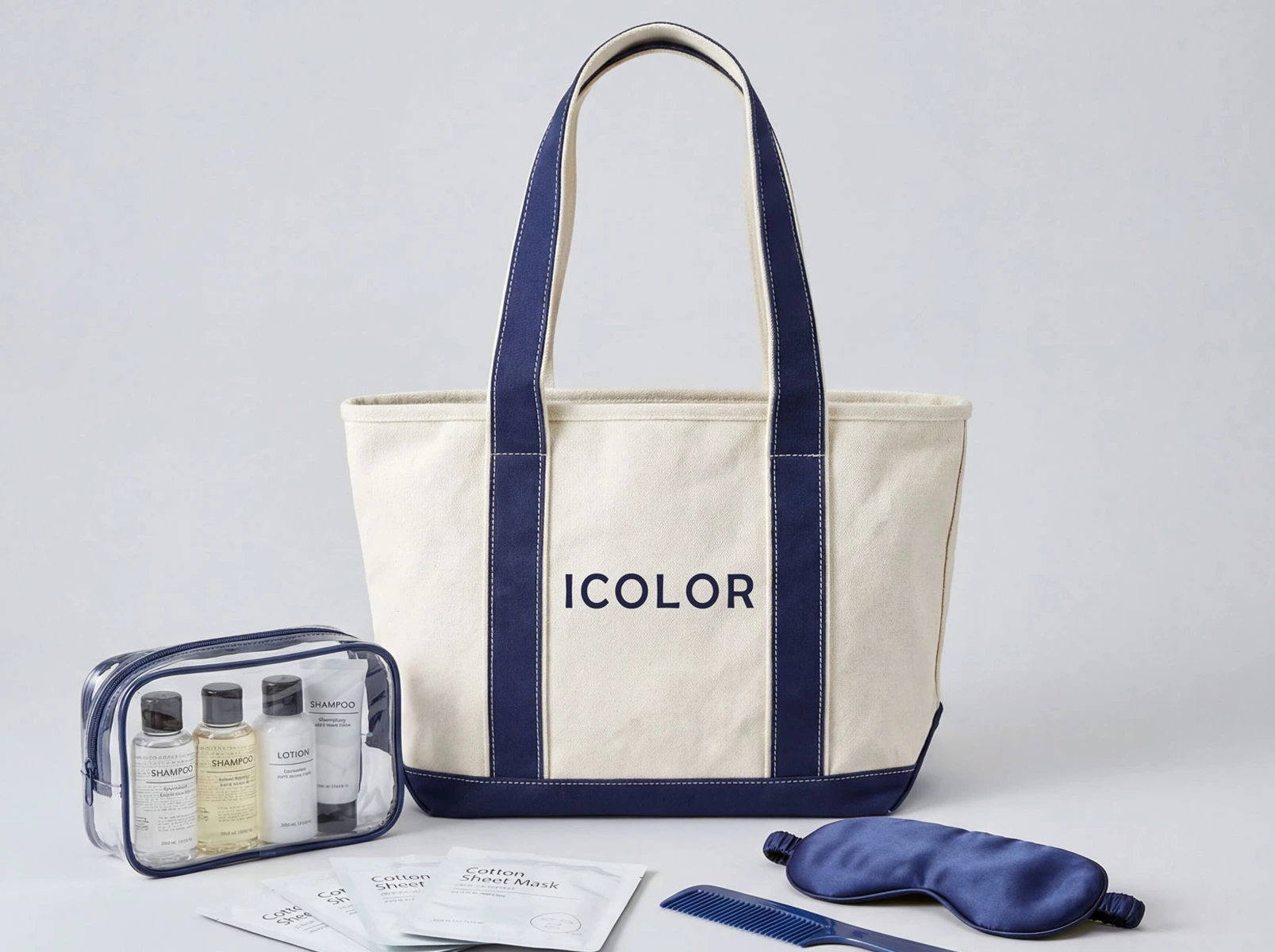
Packed sample approval should show the real tote, real or equivalent contents, logo visibility, insert order, packing method, carton pressure and the version that each city will receive.
An empty tote sample is not enough for a campaign with inserts, brochures, sponsor gifts or VIP kits. The buyer should review whether the contents fit, whether the logo remains visible, whether the carton can protect the packed tote and whether version labels are clear. Sample approval should create the reference for bulk packing.

How should MOQ and lead time be planned by campaign structure?
MOQ and lead time should be planned by version and destination, not only by total campaign quantity. Several city or country splits, sponsor versions, VIP kits, special inserts, custom labels or strict document scope can raise the practical MOQ.
Sample timing is confirmed after the material, construction, logo method, artwork, packaging and approval scope are clear; the working schedule also depends on revision speed and current capacity. Bulk production timing is confirmed after sample approval, based on material availability, process complexity, quantity, packaging, delivery plan and current capacity.
What should delivery and 3PL handoff include?
Delivery and 3PL handoff should include final address list, receiver contacts, delivery windows, carton counts, carton dimensions, gross weight, version names, packing list, PO number and special receiving instructions.
Some campaigns ship directly to venues. Others ship to regional warehouses or 3PL providers that redistribute to local events. The handoff file should make it clear who receives the goods, what each carton contains and what to do if a venue refuses early delivery or requires a booking slot.
How should sponsor versions and city kits be controlled?
Sponsor versions and city kits should be controlled with a version table that connects artwork, contents, city, carton mark and delivery destination. This prevents the correct tote from being packed with the wrong inserts or sent to the wrong city.
Version control matters when different cities have different sponsor logos, language requirements, VIP kits, event brochures or local retail partners. The buyer should approve one version sample or proofing record for each meaningful variation before bulk packing starts.

Which documents can affect event tote delivery?
Document needs depend on destination market, material claim, safety expectation, retailer or sponsor checklist, shipping route and warehouse receiving requirements. Buyers should confirm whether the campaign needs material support, restricted-substance discussion, paper packaging scope or factory audit references.
Textile safety discussions may involve references such as OEKO-TEX STANDARD 1003. Paper packaging may need a separate scope such as FSC4. Social-compliance review may involve supplier audit references such as amfori BSCI5 or buyer-specific audit files.
What should the event delivery RFQ include?
The RFQ should include size, material, quantity, city split, country split, sponsor version table, logo artwork, packed contents, packing method, carton mark format, receiving contacts, delivery windows, document requirements and sample deadline.
Also state whether every city receives the same tote or whether each city has a different kit version. The buyer should separate production quantity from packing quantity. The factory can then quote the tote, packing labor, carton mark work and delivery responsibilities with fewer assumptions.
What can this guide estimate, and what still needs RFQ confirmation?
This guide can explain multi-city delivery planning, but final MOQ, price, lead time and freight plan still depend on the approved tote specification, version split, packed contents, carton count, delivery terms and location file.
Event campaigns are deadline-sensitive. Public planning ranges are useful for preparation, but the final schedule should be confirmed after sample approval, carton mark approval, address file review and delivery responsibility confirmation.
Multi-city allocation control note
Lock the city list, quantity per destination, carton labels, receiving contact and delivery window before packing. A change after carton allocation can affect carton count, labels and the delivery plan.
How does factory coordination reduce multi-city delivery risk?
Factory coordination reduces delivery risk by connecting sample approval, version records, packing instructions, carton marks, address files, receiving contacts and delivery timing before bulk goods leave the factory.
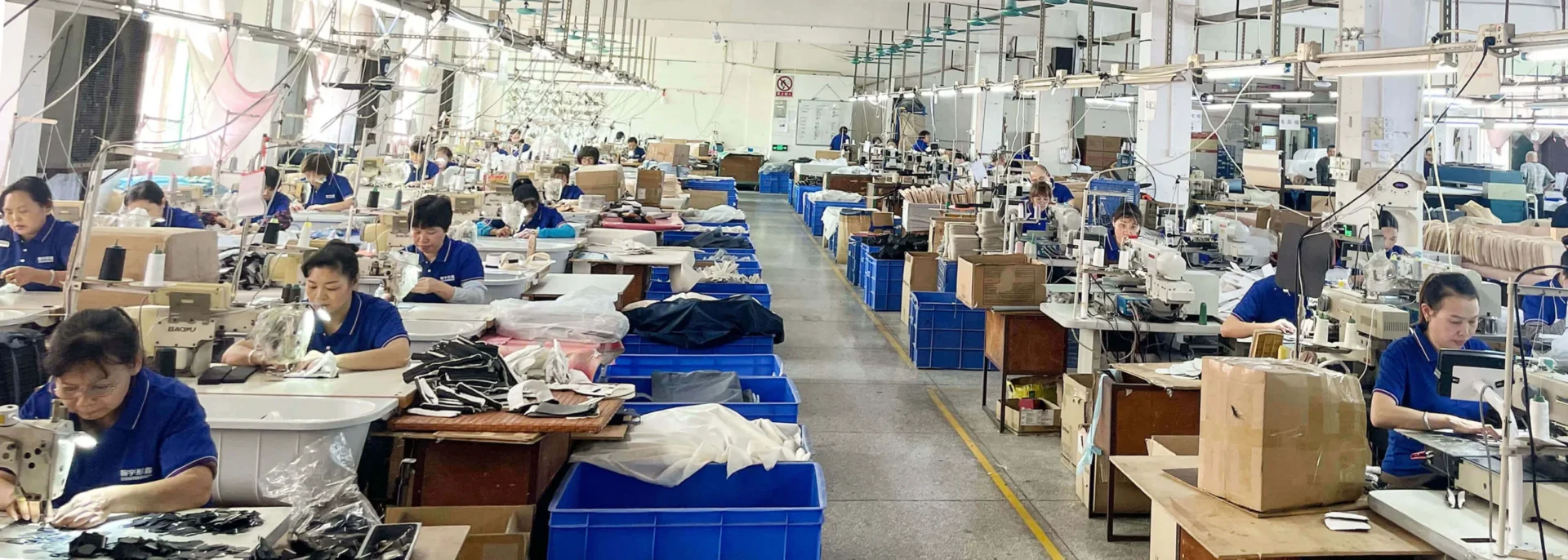
For Dongguan production coordination, delivery risk often appears after sewing is complete: wrong carton marks, unclear version labels, missing receiver information or late destination changes. A controlled delivery checklist helps keep production, packing and logistics aligned.
Less suitable fit for event tote delivery projects
This delivery checklist is less suitable when the buyer only has a logo and event date, but no quantity split, contents list, receiving contacts, address file or delivery responsibility. In that case, the project needs planning before quotation.
FAQ: Event tote bag delivery checklist
What MOQ can buyers expect for multi-city event tote bags?
A practical production baseline is often 500 pcs per style when material, color, logo and packing stay workable. Several city or country splits, sponsor versions, VIP kits, special inserts, custom labels or strict document scope can raise the practical MOQ. Buyers should show quantity per destination and per version before asking factories to quote.
How long do event tote samples take, and are there sample fees?
Sample timing is confirmed after the material, construction, logo method, artwork, packaging and approval scope are clear; the working schedule also depends on revision speed and current capacity. Sample fees depend on material, structure, logo method and packing complexity. For qualified bulk orders, standard sample fees can typically be credited or refunded after project confirmation, while hardware molds or unusual tooling may be handled separately.
What lead time should campaign teams plan for bulk production?
Sample timing is confirmed after the material, construction, logo method, artwork, packaging and approval scope are clear; the working schedule also depends on revision speed and current capacity. Bulk production timing is confirmed after sample approval, based on material availability, process complexity, quantity, packaging, delivery plan and current capacity. Multi-city campaigns should also allow time for carton mark approval, delivery appointment booking, packed sample review and location file checking. If the event date cannot move, artwork and city allocation should freeze earlier, before material cutting and carton planning begin.
How is multi-city delivery different from conference check-in planning?
Conference check-in planning focuses on sponsor exposure, attendee contents and desk distribution at one event. Multi-city delivery focuses on city allocation, venue receiving windows, 3PL handoff, carton marks and version control across several locations. The delivery file must prevent correct totes from reaching the wrong city or arriving without a receiver ready.
What should be included in a multi-city delivery RFQ?
Send size, material, quantity, city split, logo artwork, sponsor version table, packed contents, carton mark format, receiving contacts, delivery windows, document requirements and sample deadline. Also state whether each city receives the same tote or a different kit version, because that changes packing, labeling, carton counts, delivery responsibility and sample proofing.
Which certification documents matter for event totes?
Relevant documents depend on material route, claim wording, destination market, sponsor checklist and shipping route. Recycled-content, textile safety, paper packaging and factory audit files should match the actual event tote scope. If claim wording appears in event communications, the buyer should confirm support before printing hangtags, sleeves or campaign materials.
When should buyers contact Ecoicolortote?
Contact Ecoicolortote when the campaign use case, quantity range, material direction, artwork, packed contents, address list and city or country delivery file are clear enough for sample planning and quote-scope review. If the buyer only has an event date and logo, the first step should be building the delivery checklist.
Share city split, version table, artwork, packed contents, carton mark format, receiving contacts, delivery windows and document needs. Ecoicolortote can help connect production, packing and delivery before the campaign deadline. Start an event tote delivery review.