

 Zoe Yu
 Organic cotton tote approval should not stop at a first sample photo. Brand buyers need dye lot, bulk-lot swatch, material handfeel, companion-product match and document wording reviewed before MOQ 500+ bulk production.
Review Organic Cotton ColorView Material Route
Organic cotton projects need sample shade, material handfeel and companion-product match reviewed together before bulk.
Quick Summary
This brief helps beauty, wellness and private-label buyers review organic cotton tote color before bulk. It supports the organic cotton product page by focusing on sample-to-bulk shade control and material coordination, not general material selection.
Before organic cotton bulk approval, confirm target color, physical sample standard, bulk-lot swatch, fabric weight, companion-product material, logo method, document wording and final use case. If the tote must match a cosmetic pouch, box or product set, review all components together before bulk release.
Buyer scenario: color approval before bulk release
Physical color standard
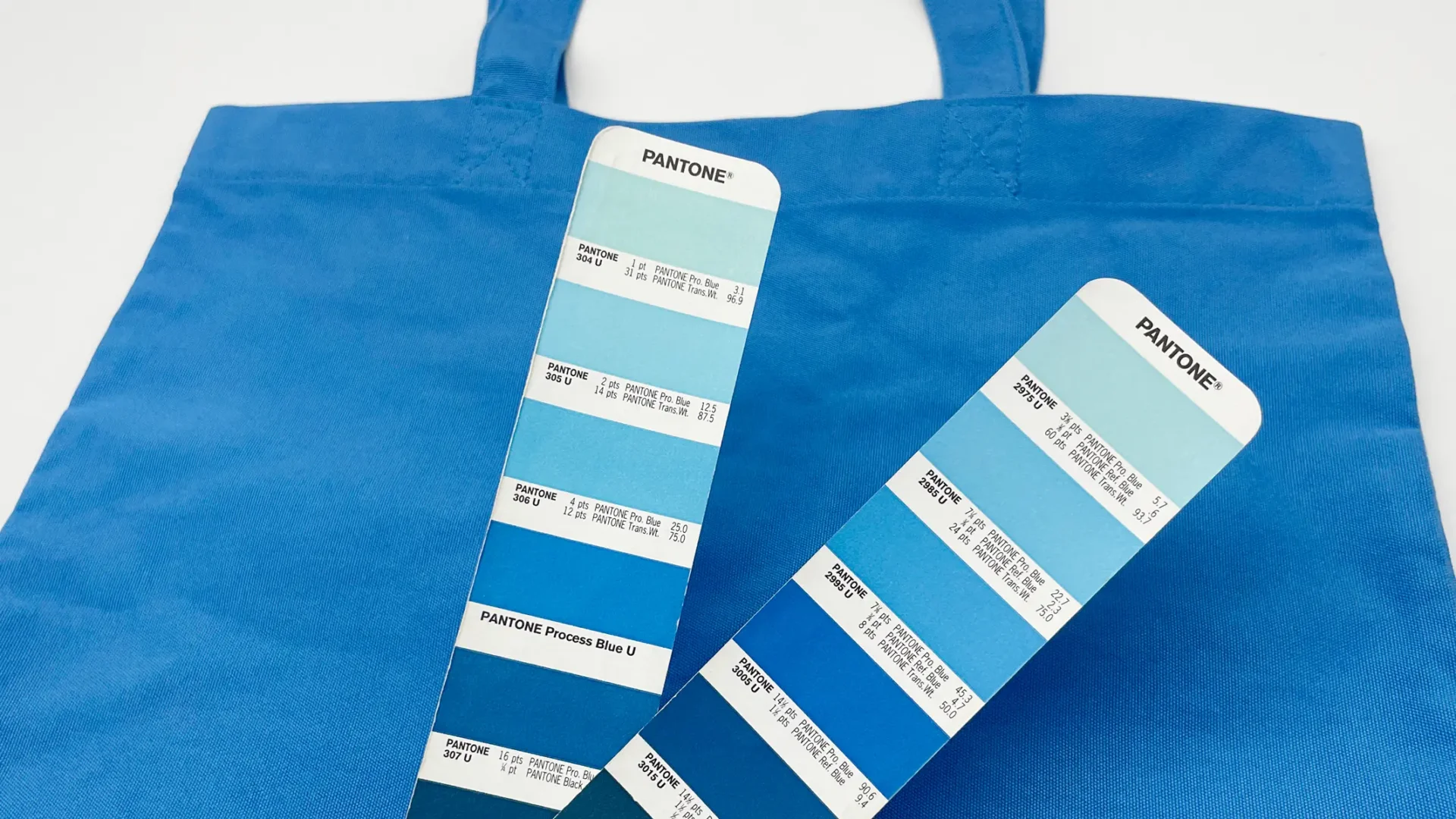
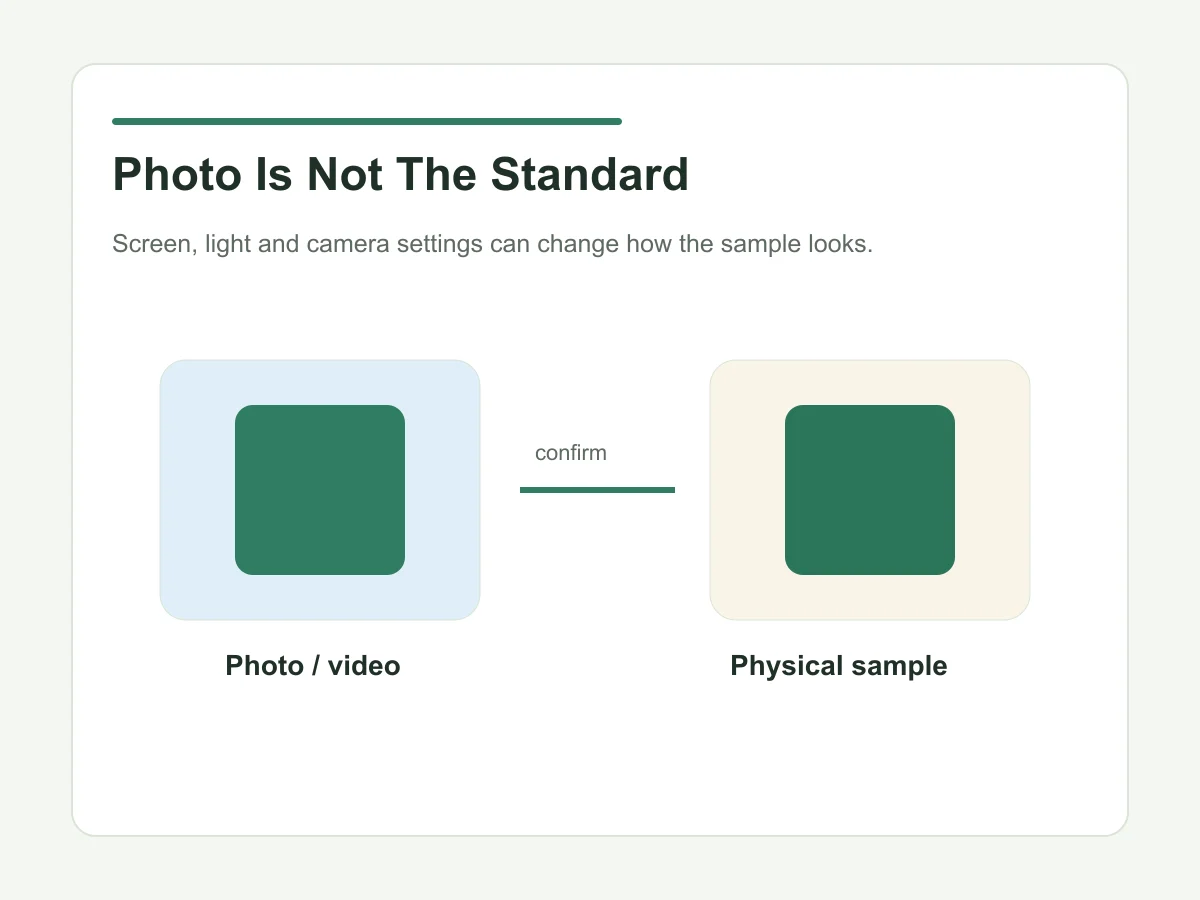
Prepare an approved sample, lab dip or bulk-lot swatch before bulk release. Screens and photos cannot be the final color standard.
Material route
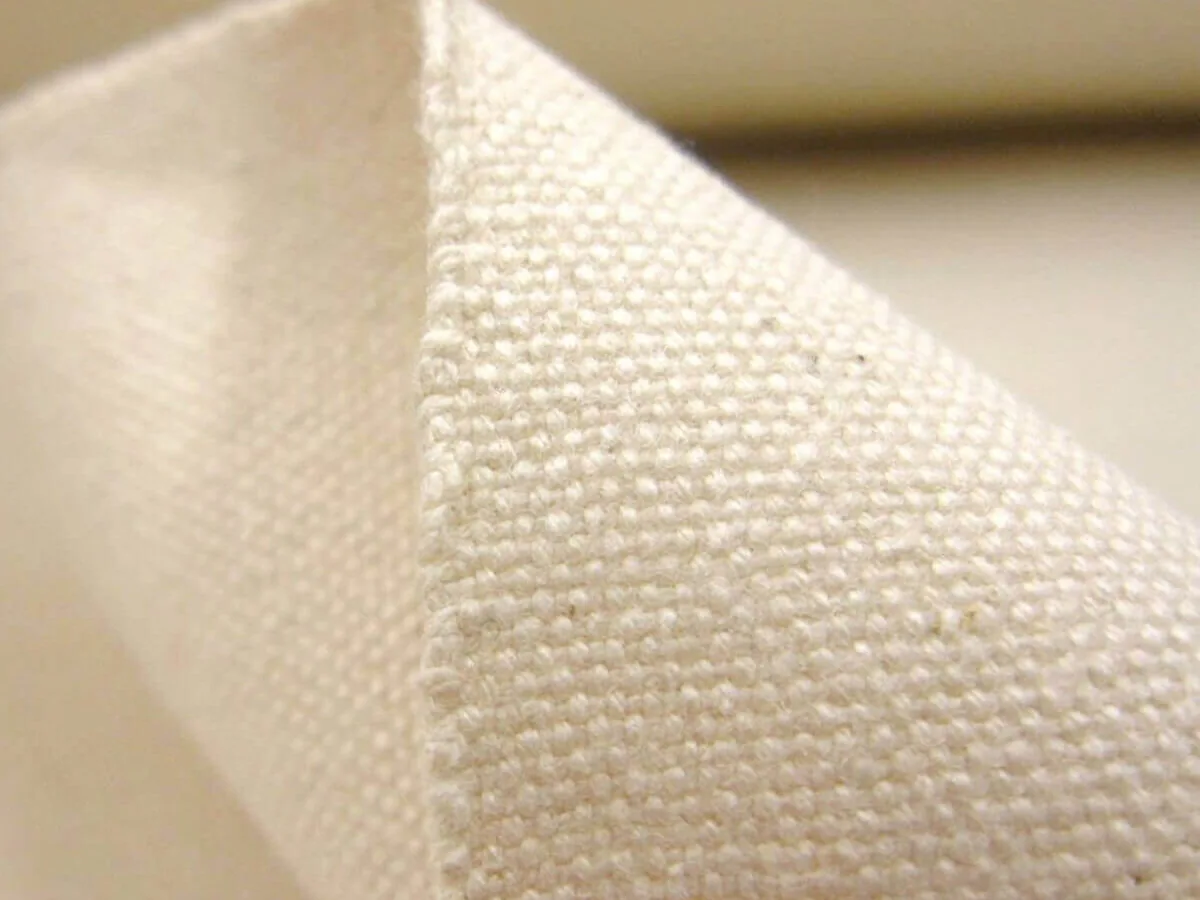
Confirm organic cotton fabric route, weight and weave. The same color can look different when the fabric route changes.
Companion product
Review pouch, box, sleeve or other launch products together with the tote. Series consistency matters when items are packed together.
Document wording
Keep organic cotton wording tied to project-specific evidence and market scope, not generic public claims.
Organic textile document language needs scope control. GOTS official standard context [1] is useful background when buyers discuss organic textile routes and document expectations.
Textile testing context can also matter for buyer-side material review. OEKO-TEX Standard 100 overview [2] is useful background for product-scope testing discussions when a buyer asks about textile safety documents.
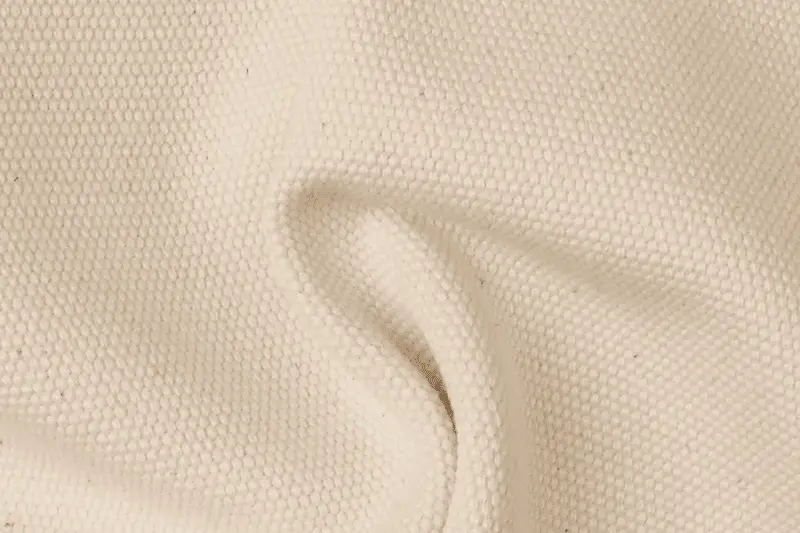
A physical swatch gives the buyer a shared reference when sample shade, bulk shade and companion products need to match.
- sample shade
- bulk lot
- material match
Common mismatch patterns in organic cotton sets
Sample shade is approved alone
The tote looks fine alone but not beside the pouch, box or product set. Add target delivery market, companion products, artwork status and sample timing so color approval can stay connected to the actual launch use case.
Bulk lot arrives lighter
The first sample handfeel is approved, but bulk fabric feels lighter or shows a different shade. Add target delivery market, companion products, artwork status and sample timing so color approval can stay connected to the actual launch use case.
Document wording changes late
The buyer asks to add organic wording after hangtag or carton copy is already designed. Add target delivery market, companion products, artwork status and sample timing so color approval can stay connected to the actual launch use case.
Request Bulk-Lot Swatch ReviewView Material Route
Sample check: tote, pouch and package together
Color management context helps explain why screen color and physical cotton shade can differ. ICC color management resources [3] is useful background when buyers compare digital references with physical samples.
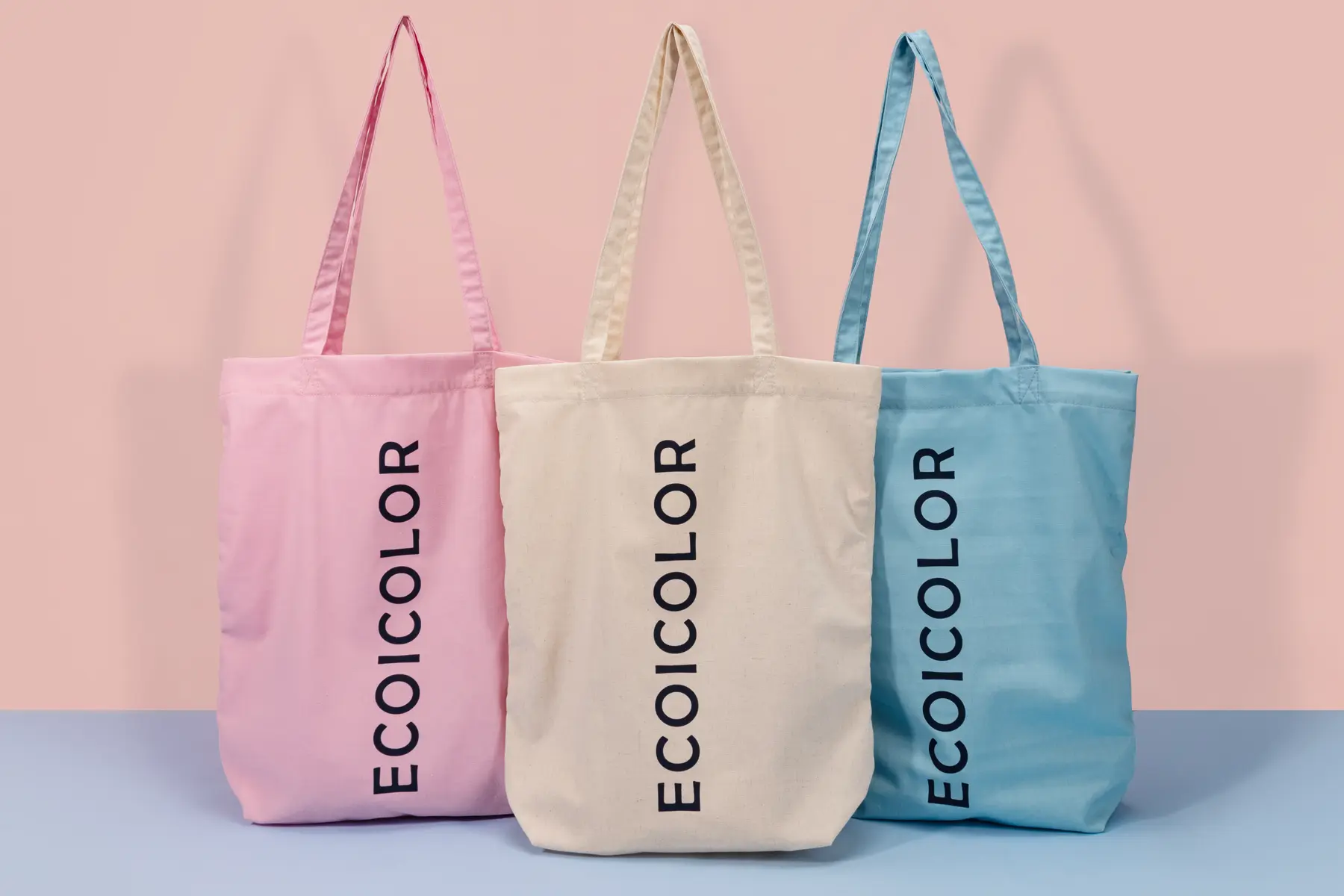
The useful approval route is a material-match set: tote fabric, companion pouch fabric, box or sleeve color if used, logo proof and one written note stating which shade and material route are approved for bulk.
A tote and companion pouch can look mismatched when material route differs, even if the color direction is close.
- same fabric route
- handfeel match
- series consistency
Use this brief when shade and material must match
Best fit: beauty, wellness, bakery, retail and private-label buyers planning MOQ 500+ organic cotton tote projects where color, material handfeel, companion products or document wording must stay consistent through sample and bulk.
Less suitable: blank natural cotton totes with no color match, personal gifts, buyers comparing only unit price, or projects where no physical sample or bulk-lot swatch can be reviewed before production.
Factory-Side Color Approval Rule
No verified organic cotton customer case is used in this guide. Color must be approved on the exact selected fabric, weave and finish for the current project. Keep the approved physical swatch or sample as the bulk reference. A conventional cotton, recycled cotton or different-weave project cannot be used as evidence for an organic cotton dye lot.
Related organic cotton and material route links
Use this guide with the rPET print result checklist when the buyer is comparing printed logo behavior, and with the recycled vs organic cotton route guide when the material decision is still open. The owner route is Organic Cotton Totes.
FAQ
What should a buyer approve before organic cotton tote bulk production?
Approve the physical color standard, fabric route, fabric weight, logo method, companion-product match, document wording and bulk-lot swatch when available. A first sample photo is not enough because photos can hide shade, weave and handfeel differences that become visible in bulk production. Add target delivery market, companion products, artwork status and sample timing so color approval can stay connected to the actual launch use case.
Why can organic cotton color look different between sample and bulk?
Color can shift because dye lot, fabric weight, weave, finishing and lighting change how the material appears. A bulk-lot swatch or pre-production standard gives the buyer and supplier a shared physical reference before the full MOQ 500+ order moves forward. Add target delivery market, companion products, artwork status and sample timing so color approval can stay connected to the actual launch use case.
Should tote and cosmetic pouch use the same material?
If they are packed as one beauty GWP set or series launch, using the same or clearly coordinated material route is usually safer. Different materials can make the set look mismatched even when the color direction is close, especially when the buyer expects one brand family look. Add target delivery market, companion products, artwork status and sample timing so color approval can stay connected to the actual launch use case.
Can Pantone alone control organic cotton color?
Pantone is useful as a direction, but the physical cotton sample still matters. Cotton texture, dye route, lighting and finishing can change the final shade. Treat Pantone as a target direction, then use the approved physical sample or bulk-lot swatch as the production reference for supplier and buyer-side review.
Where should document wording be reviewed?
Document wording should be reviewed before hangtag, carton label, website copy or public claim language is released. The wording should match the project material route, supplier documents and buyer market. Do not wait until after print or packing to decide how the material will be described. Add target delivery market, companion products, artwork status and sample timing so color approval can stay connected to the actual launch use case.
How is this different from a general color approval guide?
A general color guide can cover any custom tote material. This article is narrower: it focuses on organic cotton dye lot, bulk shade, material handfeel, companion-product match and document wording before an MOQ 500+ organic cotton tote project is approved. Add target delivery market, companion products, artwork status and sample timing so color approval can stay connected to the actual launch use case.
Who should use this brief?
Use this brief if you are a beauty, wellness, bakery, retail or private-label buyer preparing an organic cotton tote order where color, material and companion-product fit affect the final brand result. It is not for no-color blank totes, personal gifts or orders without sample review. Add target delivery market, companion products, artwork status and sample timing so color approval can stay connected to the actual launch use case.
Sources
About the Author
 | Zoe Yu is B2B Sales Manager at Ecoicolortote, supporting overseas brand buyers with custom tote bag RFQs, material route review, logo execution, sampling, packing and bulk production coordination. |
Check Material Match SampleView Material Route