

 Zoe Yu
 An rPET tote bag RFQ is not complete when the buyer only sends artwork and asks for a recycled route. The print result needs to be reviewed on the actual rPET tote surface, with logo method, color proof, folding route, packing and document wording checked before bulk approval.
Review rPET Print ResultView Material Route
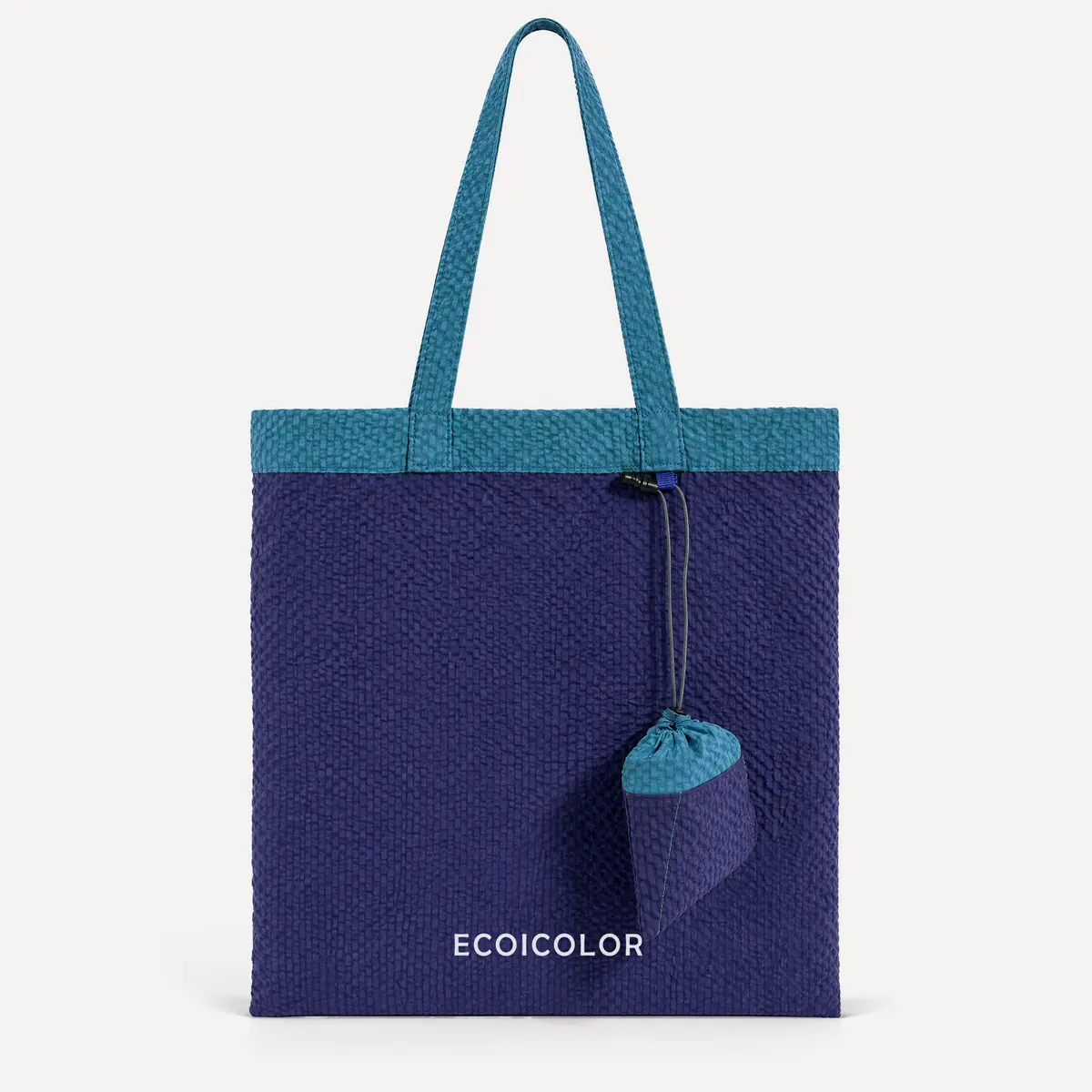
The same artwork can look different on rPET, recycled cotton and canvas. For rPET, sample approval needs logo edge, coverage and handfeel checked together.
Quick Summary
This checklist helps brand buyers review rPET tote print results before MOQ 500+ sampling or bulk approval. It supports the broader material guide by focusing only on how print, material surface and proofing decisions affect the finished rPET tote.
For rPET print approval, send artwork file, Pantone or color target, logo method preference, tote size, print area, folding route, packing method, material route and final use case. Approve a physical print sample before bulk because digital artwork cannot show surface texture, ink coverage or folding effect.
Use this checklist after the print route is selected to inspect coverage, edge definition, color proof, handfeel and packing effects on the physical rPET sample before bulk approval. If artwork, print method or claim scope is not yet defined, prepare the RFQ first with the Printed rPET Tote RFQ Guide.
Print-proof map for the rPET RFQ
| Decision area | What to prepare | Why it matters |
|---|---|---|
| Artwork file | Vector file, print size, placement and color target. | The supplier needs actual print dimensions, not only the brand mark. |
| Material surface | rPET texture, fabric weight, folding behavior and surface finish. | A smoother or lighter route can change edge sharpness and ink coverage. |
| Logo method | Screen print, heat transfer, sublimation or woven label route when relevant. | The best method depends on artwork detail, color count and surface response. |
| Document wording | Recycled-route wording and buyer market scope. | Document language should match the project route and available evidence. |
Recycled-route wording needs careful scope. GRS standard context [1] is useful background when buyers ask how recycled-content claims and document routes are discussed for textile products.
The RFQ should separate artwork approval from material-route approval. A logo can be technically printable, but the buyer still needs to decide whether the material handfeel, fold line and document wording match the campaign.
A print can pass flat-sample review but crease or distort after folding if the print area crosses a stress point.
- print area
- fold line
- bulk handfeel
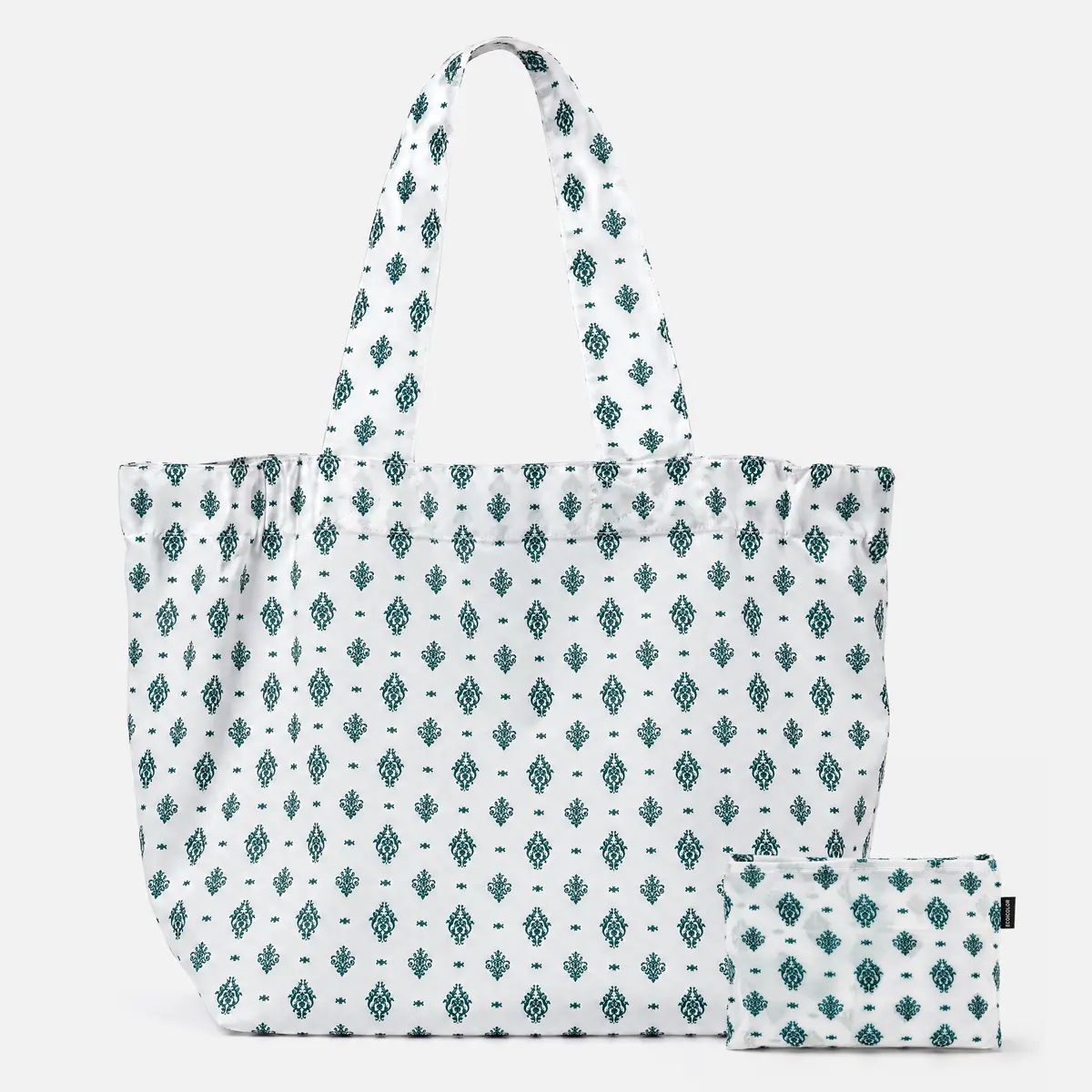
Common sample traps on recycled PET fabric
Digital proof looks sharper
The PDF can look clean while the actual woven or nonwoven rPET surface softens logo edges. Add quantity, delivery market, artwork status and sample timing so the print review can separate logo method, material route and bulk approval risk.
Fold line crosses print area
The tote folds through the print zone and creates a crease after packing. Add quantity, delivery market, artwork status and sample timing so the print review can separate logo method, material route and bulk approval risk.
Document wording arrives late
The buyer approves print first, then asks for recycled wording that was not in the sample brief. Add quantity, delivery market, artwork status and sample timing so the print review can separate logo method, material route and bulk approval risk.
Check Logo Method SampleView Material Route
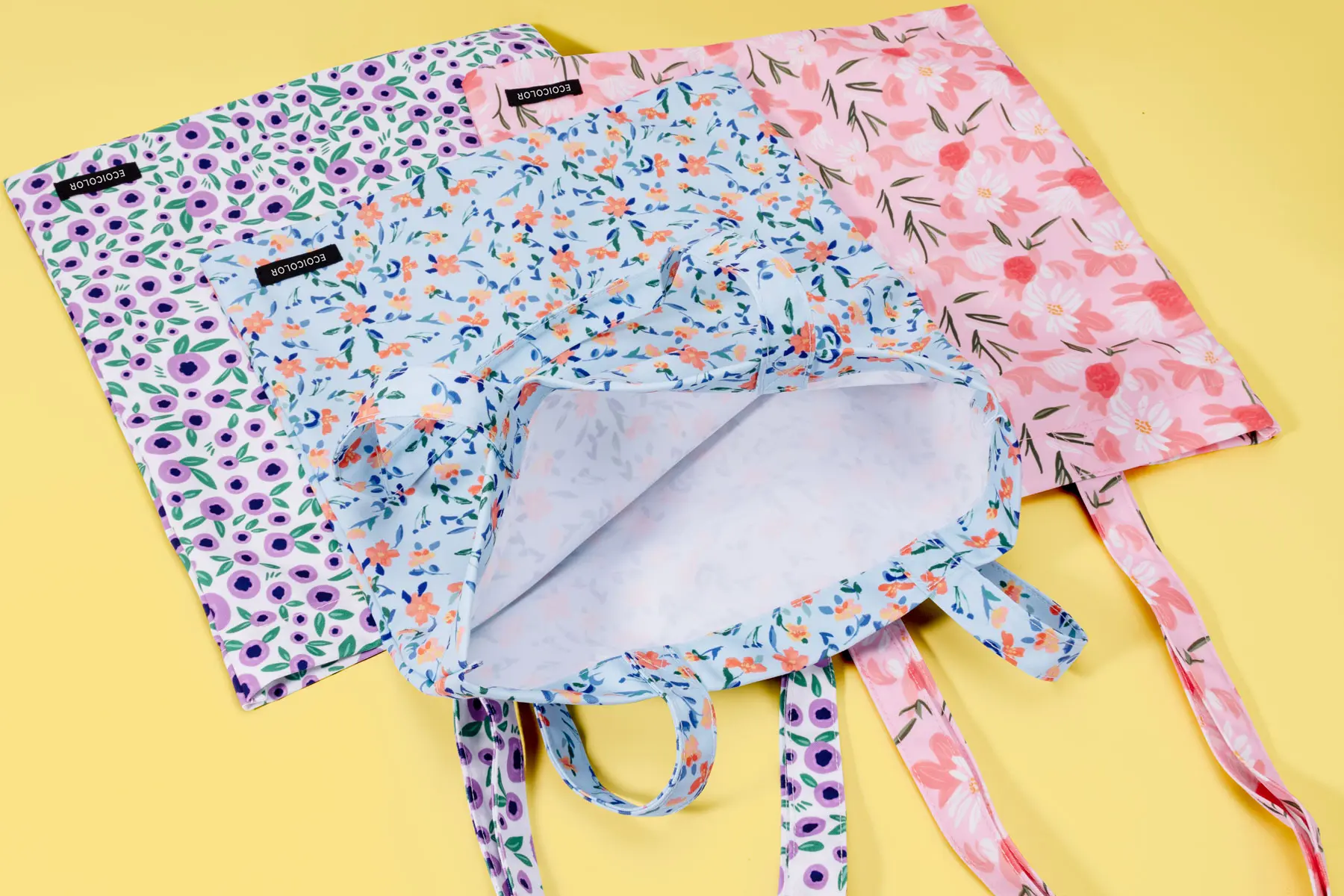
Sample approval sequence before bulk print
Textile testing context matters when buyers discuss print durability and color review. AATCC textile standards context [2] is useful background for why performance language should stay test-aware.
Color management context also matters when buyers compare digital files, screen views and physical samples. ICC color management resources [3] is useful background for why printed color cannot be judged only from a monitor.
The useful approval file is a sample-photo set: front view, close-up of logo edge, folded view if the tote is foldable, packed view if retail-ready, and one note listing final logo method and document wording.
The buyer is not only approving a logo. The sample should show whether material, print, folding and packing still look suitable for the campaign.
- surface texture
- ink coverage
- packout view
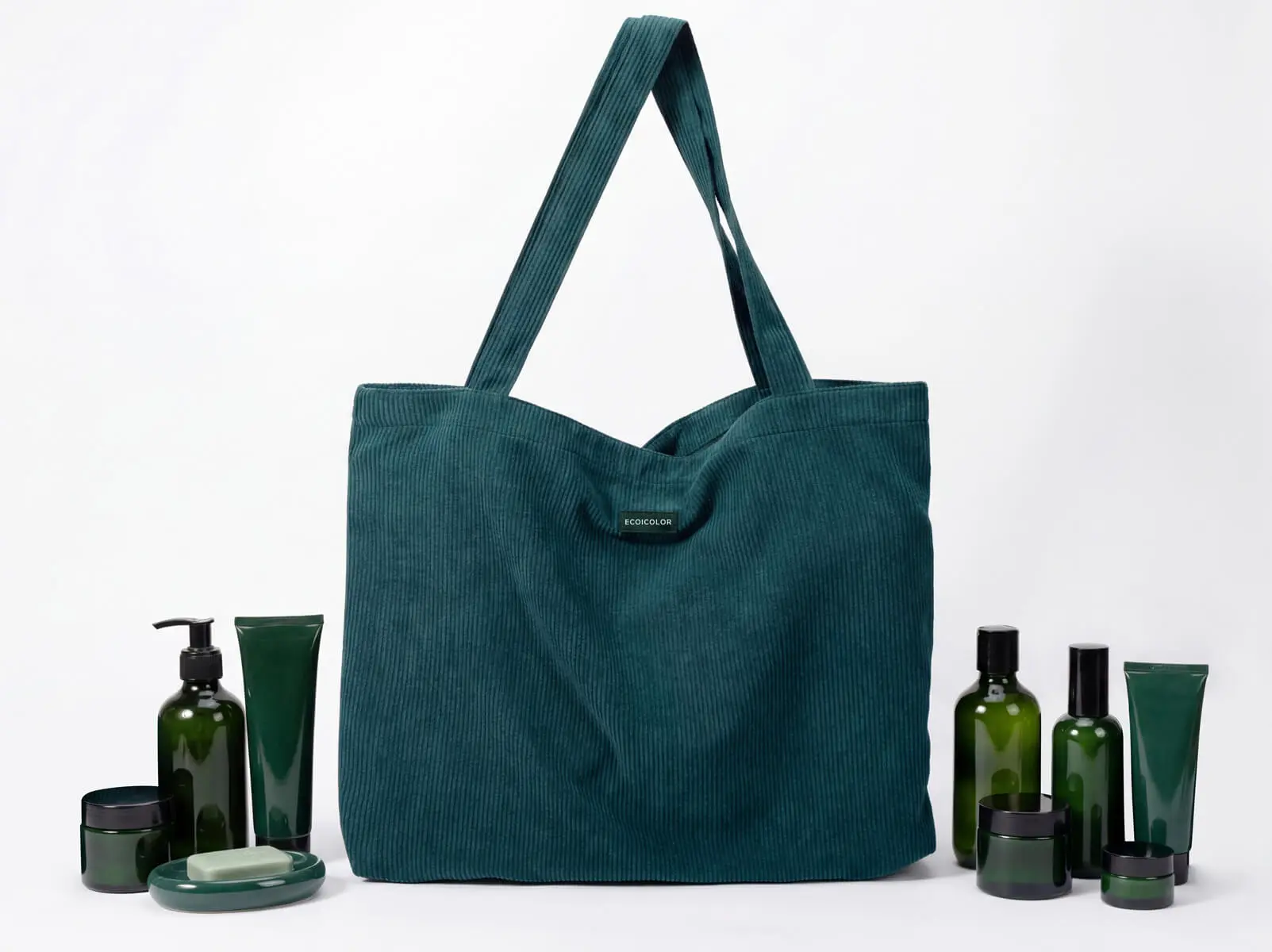
Use this when print result is the main risk
Best fit: beauty, wellness, retail, event and GWP buyers planning MOQ 500+ rPET tote projects where artwork result, recycled-route wording, print method and sample approval need to be locked before bulk.
Less suitable: buyers comparing only unit price, personal gifts, blank totes, projects with no final artwork, or RFQs where the buyer has not decided whether the item is a giveaway, retail tote, event bag or launch kit.
Factory-side note from rPET print reviews
Factory-side observation: rPET questions often start with the recycled route, but approval usually turns on the printed result. The practical risk is a logo that looks acceptable in a digital mockup but loses edge clarity or shifts tone on the actual rPET surface. The safer route is one material-route sample plus one final artwork proof before bulk printing.

Related rPET and material route links
For a tote quotation, review rPET Tote Bags and send the selected style, artwork, print coverage and sample requirements. Use this checklist to record coverage, edge definition, color proof, handfeel and packing effects on the physical rPET sample.
FAQ
What should a buyer send for rPET tote print review?
Send the artwork file, print size, placement, color target, tote size, material direction, folding route, packing method and final use case. The supplier can then review logo method and sample route before bulk approval instead of guessing from a digital mockup or general brand guideline. Add quantity, delivery market, artwork status and sample timing so the print review can separate logo method, material route and bulk approval risk.
Is rPET always the best material for printed tote bags?
No. rPET can work well for lightweight campaigns, event giveaways and certain retail routes, but the best route depends on artwork detail, handfeel target, foldability, packing and document wording. A buyer comparing print quality alone may still choose cotton canvas or recycled cotton for a softer surface. Add quantity, delivery market, artwork status and sample timing so the print review can separate logo method, material route and bulk approval risk.
Why does the physical print sample matter?
The physical sample shows surface texture, ink coverage, edge sharpness, color behavior and folding effect. Digital files cannot show how the print sits on the actual rPET material or whether the logo crosses a stress area that may crease after packing or use. Add quantity, delivery market, artwork status and sample timing so the print review can separate logo method, material route and bulk approval risk.
Can recycled-route wording be printed on the tote?
It can be reviewed, but wording needs project-specific document scope. Confirm available document support, target market and final wording placement before print approval, whether the wording appears on the tote, hangtag, carton label or internal buyer file. Add quantity, delivery market, artwork status and sample timing so the print review can separate logo method, material route and bulk approval risk.
Which logo method works best on rPET totes?
The route depends on artwork detail, color count, surface, order quantity, packing and use case. Screen print may suit simple logos, heat transfer may suit fuller color artwork, and a woven label can work when the buyer wants a physical brand marker instead of a large printed area.
How is this different from a general rPET material guide?
A general material guide compares rPET with recycled cotton, canvas and other routes. This checklist is narrower: it focuses on print-result approval after the buyer has already selected or is seriously considering rPET for a custom tote project. Add quantity, delivery market, artwork status and sample timing so the print review can separate logo method, material route and bulk approval risk.
Who should use this checklist?
Use it if you are a brand, retail, beauty, wellness, event or GWP buyer preparing an MOQ 500+ rPET tote order with printed artwork. It is not for single-piece gifts, no-artwork RFQs, or projects where the buyer only compares unit price without sample review. Add quantity, delivery market, artwork status and sample timing so the print review can separate logo method, material route and bulk approval risk.
Sources
About the Author
 | Zoe Yu is B2B Sales Manager at Ecoicolortote, supporting overseas brand buyers with custom tote bag RFQs, material route review, logo execution, sampling, packing and bulk production coordination. |
Review Recycled Material ProofView Material Route