

 Zoe Yu
 Quick Summary
Recycled cotton totes and rPET totes solve different buyer problems. Recycled cotton usually fits softer natural-feel retail, wellness, resort and private label routes. rPET often fits lightweight, color-stable, foldable, campaign and water-resistant directions. The right choice depends on product use, logo method, packaging, document scope, MOQ 500+, sample approval and claim wording, not only on which material sounds more sustainable.
Compare handfeel, logo method, packaging route and document scope before RFQ.

Table of contents
How this comparison differs from the two product pages
The recycled cotton totes product page is for buyers already leaning toward a natural-feel textile route. The rPET recycled totes product page is for buyers already leaning toward recycled PET. This guide sits before those decisions: it helps a buyer choose which route should receive the first sample brief.
For background, buyers can also review recycled cotton material and recycled PET material. For broader program planning, use private label totes or GWP tote bags.
Recycled cotton vs rPET: route comparison
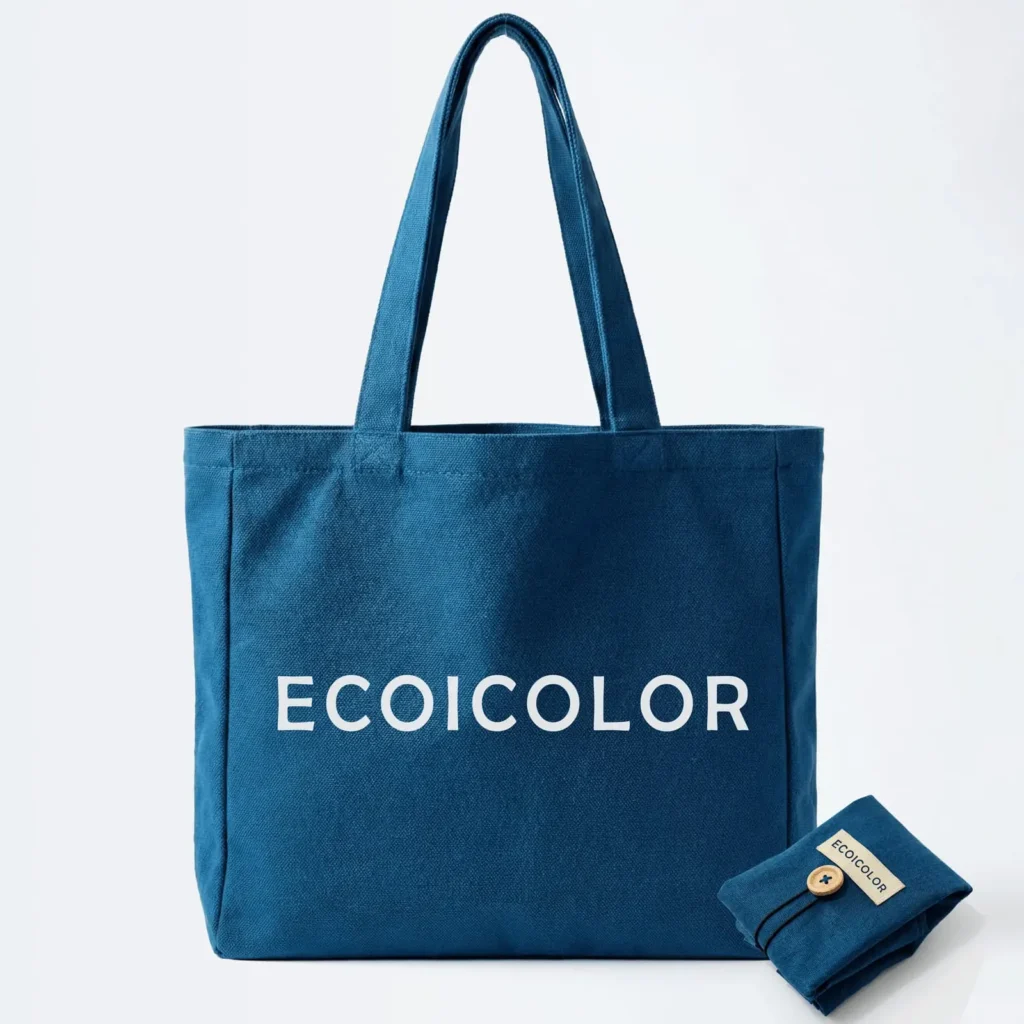
| Buyer need | Recycled cotton tote route | rPET tote route |
|---|---|---|
| Handfeel | Softer, natural textile feel | Smoother, lighter or more technical feel |
| Brand use | Wellness, resort retail, natural beauty, private label | GWP, event, travel, foldable campaign, lightweight retail |
| Logo route | Screen print, embroidery, woven label, patch | Screen print, heat transfer, woven label, patch, selected sublimation |
| Packaging | Hangtag, retail fold, paper card, natural presentation | Polybag, compact fold, campaign pack-out, color version control |
| Main risk | Shrinkage, fabric shade, lint, natural texture variation | Surface handfeel, print adhesion, heat sensitivity, claim wording |
Document scope should follow the material route
Textile Exchange standards provide recycled-material framework context1. Buyers should ask which document route applies to the selected recycled cotton or rPET material, instead of assuming the same wording works for every recycled textile.
GOTS explains organic textile processing and labeling scope3. This matters when buyers compare recycled cotton with organic cotton or natural-fiber routes. ISO 14021 gives environmental-claim wording context4, so claim language should stay specific and document-scoped.
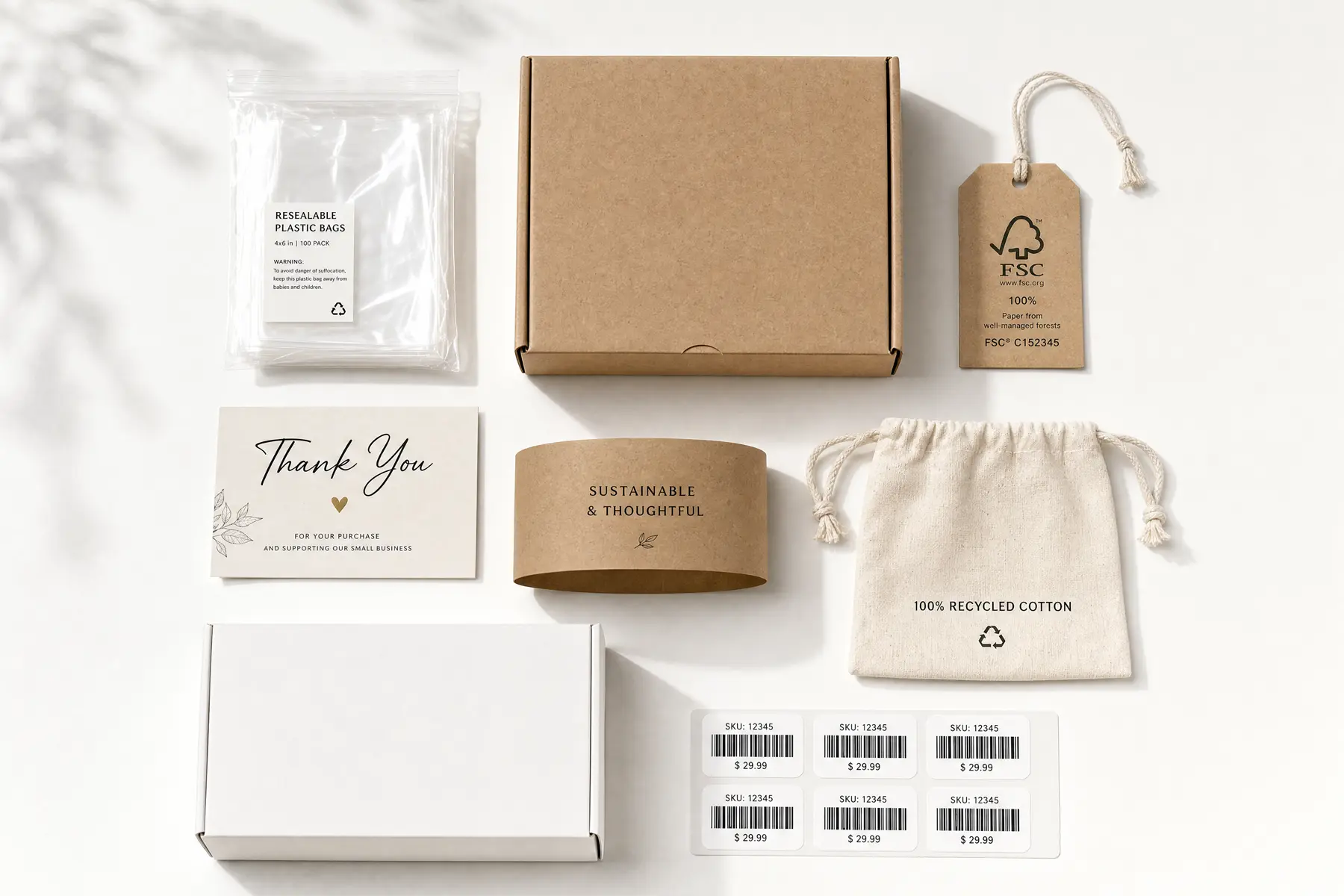
Logo and packaging decisions by route
Recycled cotton + embroidery
Works for premium natural-feel totes when the buyer wants texture. Check thread color, backing and stitch density.
Recycled cotton + woven label
Useful for retail and private label programs where brand detail should feel sewn-in rather than campaign-like.
rPET + heat transfer
Useful for sharper campaign artwork. Test adhesion, handfeel and edge behavior on the selected surface.
rPET + foldable packing
Good for travel, event or GWP routes where compact packing matters. Check folded shape and carton ratio.
Best fit by buyer type
Choose recycled cotton when the buyer wants a softer natural feel, retail-friendly texture, wellness or resort presentation, embroidery, woven label or private label shelf presence. Choose rPET when the buyer wants lightweight campaign distribution, foldable packing, color version control, travel use, event use or a smoother recycled PET material story. In both cases, MOQ 500+ and sample-first approval remain the practical starting point.
Less suitable fit
This comparison is less suitable for buyers who only want a generic tote image, a one-piece personal gift or the lowest possible unit price without sample review. It is also not enough for buyers planning public recycled or organic claims; claim wording still needs material-specific document review before printing.
Decision matrix: recycled cotton or rPET?
This page compares two routes; it is not the commercial owner for either. Continue to private-label rPET totes for recycled-polyester sourcing or recycled cotton totes for reclaimed-cotton composition, handfeel and color approval.
| Decision point | Recycled cotton | rPET |
|---|---|---|
| Material question | Confirm exact recycled-cotton composition, blend, handfeel and color tolerance. | Confirm recycled-polyester route, fabric construction, finish and document scope. |
| Color approval | Use Pantone plus a physical swatch or approved sample; recycled fibers can show shade and texture variation. | Review Pantone, print route and surface finish on the selected rPET construction. |
| Logo | Approve screen print, embroidery, patch or label on the actual textured fabric. | Approve print adhesion, edge clarity and handfeel on the actual rPET surface. |
| Packing | Check fold behavior, filled shape, carton ratio and material recovery after packing. | Check folded size, crease behavior, coating or finish and carton efficiency. |
| Documents | Match composition and recycled-content wording to the selected supplier and order scope. | Match recycled-polyester wording and any GRS or transaction-document request to the selected route and order scope. |
FAQ: recycled cotton totes vs rPET totes
Are recycled cotton totes or rPET totes better for beauty GWP programs?
Both can work, but they fit different gift signals. Recycled cotton gives a softer natural feel for wellness, skincare and retail-friendly gifting, while rPET can support lightweight, foldable or color-stable campaign routes. Buyers should match material to contents, brand look, logo method and packaging plan. Send the target contents, brand look, delivery market and packaging plan so Ecoicolortote can recommend a route that fits the actual buyer use case.
Which material is better for retail-ready private label totes?
Recycled cotton can feel more natural and premium for retail shelves, especially with hangtags or woven labels. rPET can be stronger for lightweight promotional, foldable or weather-tolerant use. The better route depends on SKU plan, logo method, packaging, delivery market and reorder expectations. Buyers should compare the route against shelf presentation, carton volume, logo method and reorder plan before choosing the material for a retail program.
Can both recycled cotton and rPET support document review?
Yes, both can be reviewed for document support, but the document scope differs by material source, supplier chain, order scope and claim wording. Buyers should not copy the same claim language across materials without checking the actual document route for that project. This is why recycled cotton, rPET and organic cotton wording should not be mixed without checking the exact document route and approved claim language.
Which material is easier for logo application?
Recycled cotton often supports screen print, embroidery, woven labels and patches well because the surface feels familiar and textile-like. rPET can work with screen print, heat transfer, woven labels, patches and selected sublimation routes, but the surface, coating and fabric texture should be tested before bulk. The sample should use the actual fabric and logo method, because a method that works on cotton may behave differently on a smoother rPET surface.
Which route fits MOQ 500+ projects better?
Both routes can fit MOQ 500+ B2B custom tote projects when the buyer provides artwork, material direction, packaging needs and delivery timing. Higher customization, unusual color, special trim, multiple SKUs or stronger document demands can increase route complexity beyond a simple MOQ answer. The buyer should send quantity range, artwork, packaging needs and launch timing so MOQ can be reviewed with the full production route.
Who should not use this comparison guide?
This guide is not for one-piece personal gifts, no-brand consumer shopping or cheap-only tote buying. It is written for brand, retail, hospitality, event and private label buyers who need to choose a material route before RFQ, sampling, packaging and bulk approval. Buyers with real brand, retail, hotel, event or private label projects should use it before RFQ so the first sample tests the right material route.
Ask Ecoicolortote to Compare Material Routes
Can one project use both recycled cotton and rPET routes?
Yes, one program can use both routes when the buyer has separate use cases, such as recycled cotton for retail gift sets and rPET for foldable campaign distribution. The safest method is to split the RFQ by route, sample each material against its own logo and packaging requirements, and avoid using one document claim across both materials without review.
 | Zoe Yu is Sales Manager at Ecoicolortote, supporting B2B buyers with custom tote bag quotation, sample coordination, logo file review, packaging details, carton mark review and delivery preparation. She helps brand, retail and hospitality buyers turn material and sampling questions into factory-readable briefs before bulk production. |
Trademark and certification note
Textile Exchange, OEKO-TEX, GOTS, ISO and other standard, certification or testing names belong to their respective organizations. This buyer-side sourcing article does not claim that every material, component, tote bag, order or shipment automatically carries every listed document. Buyers should confirm current certificate validity, document scope, material coverage, label wording, test method and order-specific claim language before quotation, sampling or bulk production.
Sources
- Textile Exchange standards provide recycled-material chain-of-custody and claim framework context. ↩
- OEKO-TEX STANDARD 100 provides textile chemical-safety testing context for finished materials and components. ↩
- GOTS explains organic textile processing and labeling scope for organic cotton routes. ↩
- ISO 14021 provides environmental labels and declarations context for self-declared environmental claims. ↩