

 Zoe Yu
 Quick Summary
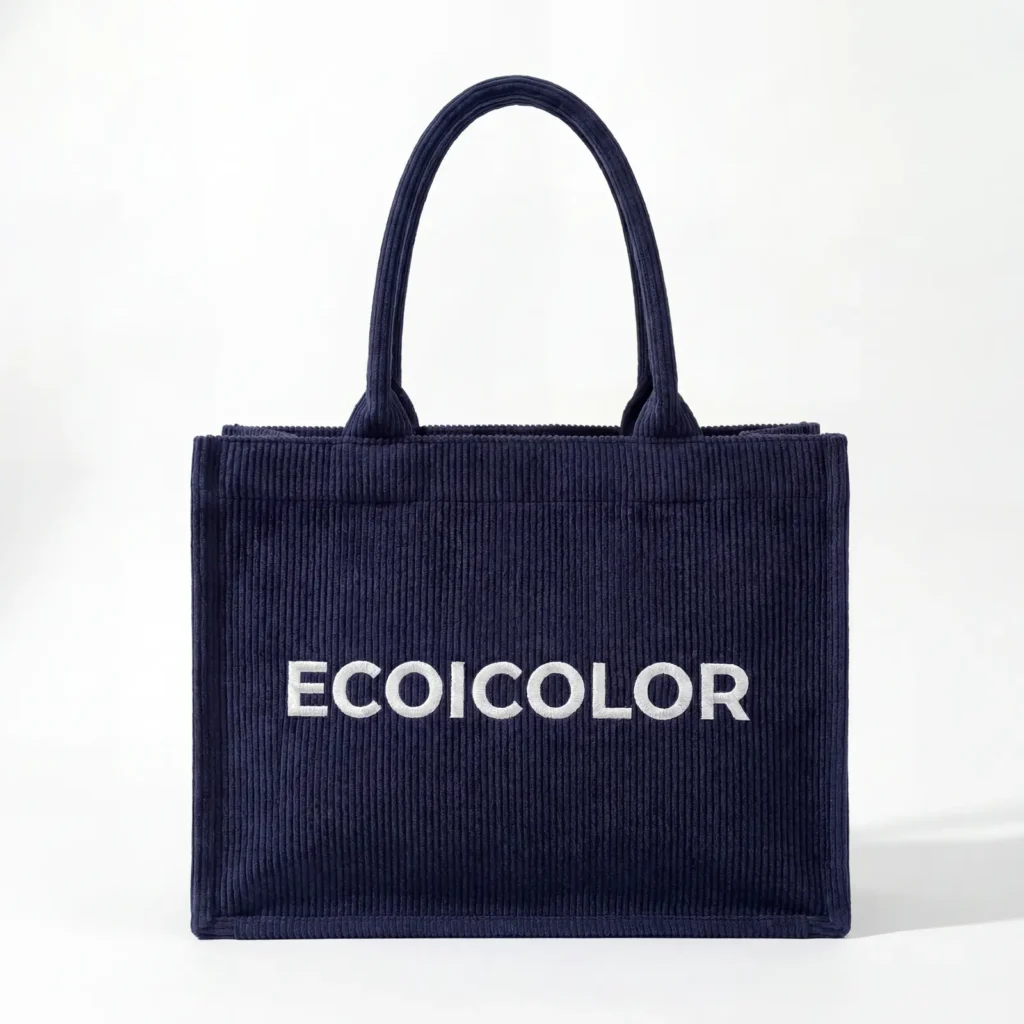
For rPET tote bags, MOQ and sample approval should be reviewed together. A buyer may ask for MOQ 500+, but the real production route depends on fabric availability, color, logo method, packaging, document scope and delivery market. This guide helps brand teams decide what to send before sampling so Ecoicolortote can confirm whether the order should start with stock material, custom material, a logo sample or a packaging mockup.
Plan MOQ 500+, logo versions, material route and packaging before sample approval.
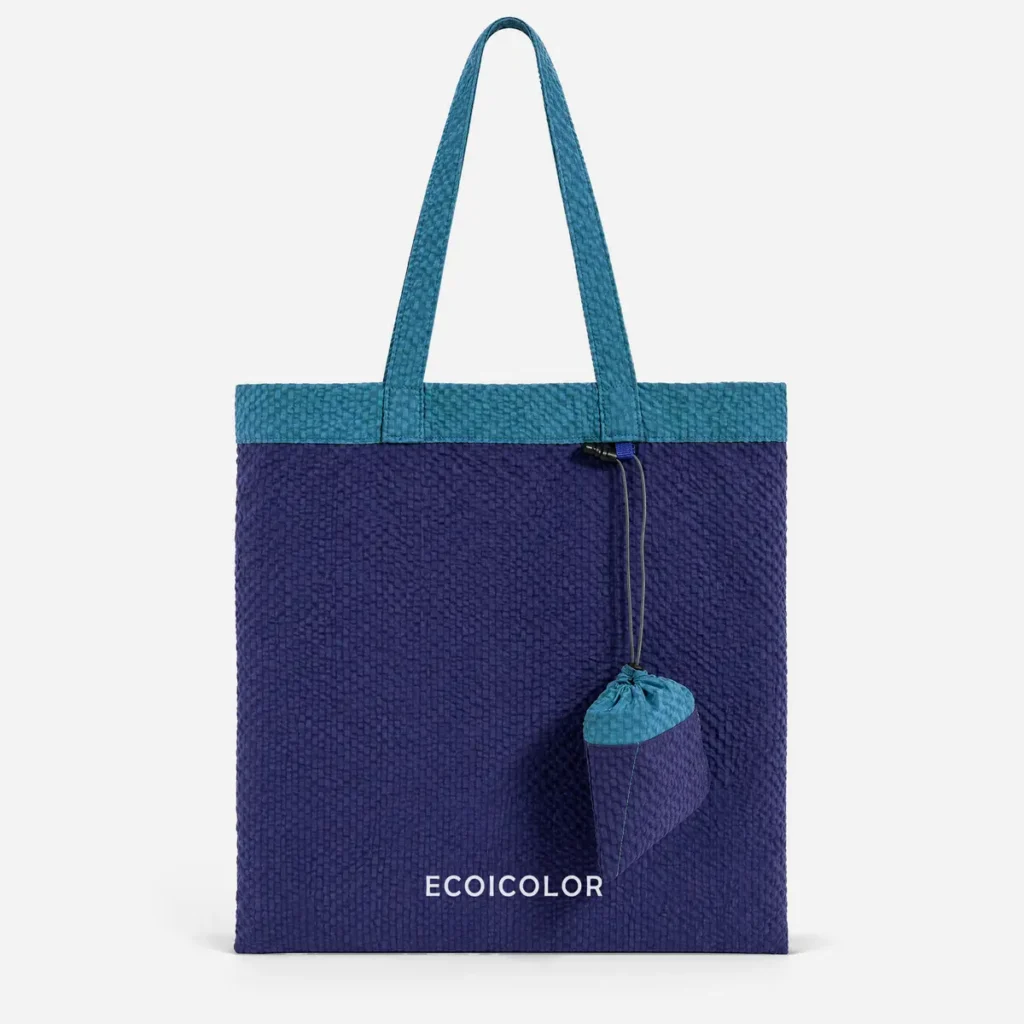
Table of contents
How this MOQ guide differs from the rPET factory checklist
The rPET factory checklist helps buyers evaluate the supplier route. This guide focuses on MOQ and sample approval: what the buyer should send so Ecoicolortote can decide whether the project can move from inquiry to swatch, logo sample, full sample or packaging mockup. The product route remains rPET recycled totes.
What changes the MOQ route for rPET totes?
| Variable | Lower-risk route | Higher-risk route |
|---|---|---|
| Material | Available stock rPET fabric | Custom texture, color or weight |
| Logo | One simple screen print | Many placements, patches, labels or transfers |
| Packaging | Plain bulk carton | Retail polybag, hangtag, barcode or carton mark |
| Version count | One color and one logo | Several colors, SKUs or delivery destinations |
| Document need | Internal material review only | Buyer-facing recycled or safety claim review |
Which rPET sample should be approved?
Material swatch
Use it to check handfeel, color direction and fabric texture before paying for a full tote sample.
Logo sample
Use it when artwork detail, transfer edge, print color or label placement is the main risk.
Full tote sample
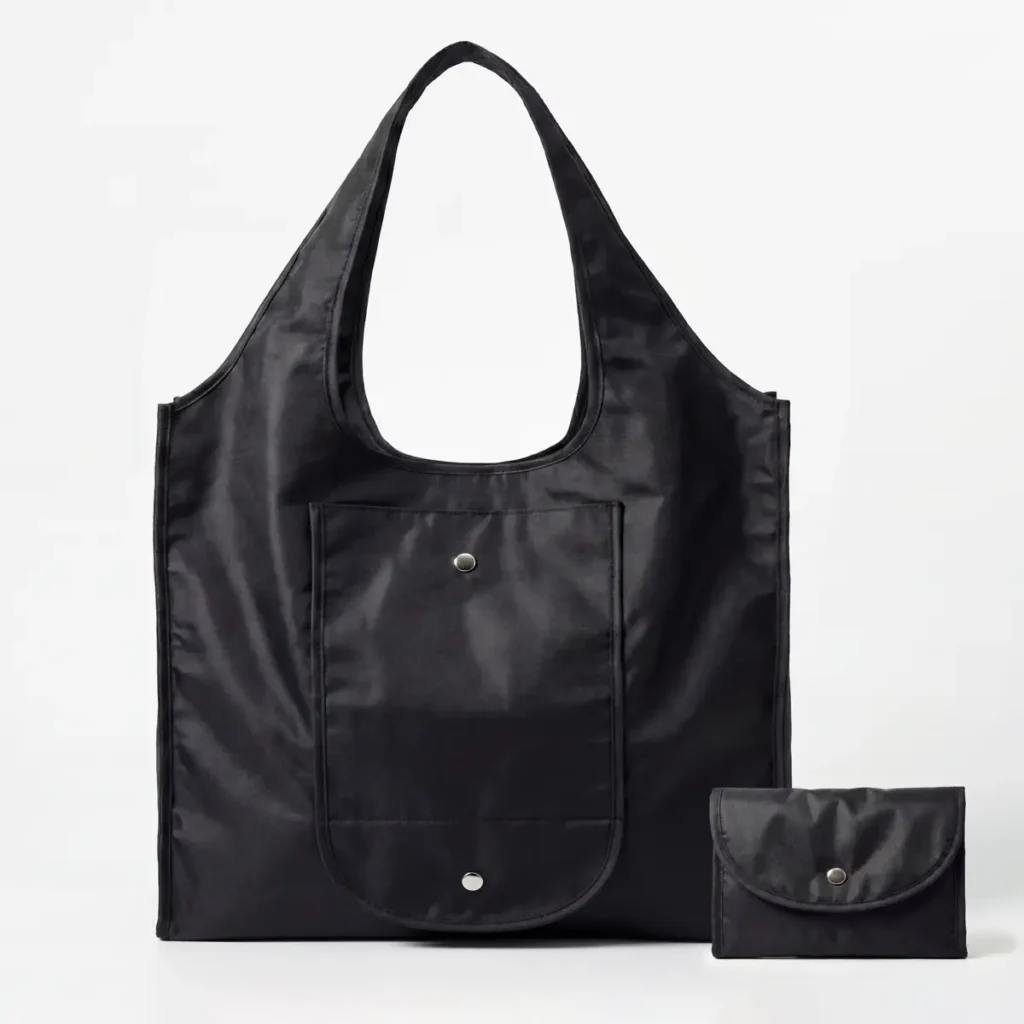
Use it when handle length, stitching, shape, inner pocket, foldability or retail presentation matters.
Packing mockup
Use it when hangtag, barcode, sticker, carton mark or GWP pack-out must be approved before shipment.
Document review before claim wording
Textile Exchange standards provide recycled-material framework context1. For a buyer, the practical task is to confirm which document support applies to the selected material and order before printing claim language on the tote, hangtag or product page.
OEKO-TEX STANDARD 100 provides chemical-safety testing context2. If the buyer needs chemical-safety support, it should be discussed before sample approval, not added after bulk packing.
ISO 14021 provides context for environmental claim wording3. Specific, document-scoped wording is safer than broad unsupported claims.
Sample and lead-time planning
Sample timing is confirmed after the material, construction, logo method, artwork, packaging and approval scope are clear; the working schedule also depends on revision speed and current capacity. Custom material, special logo routes, complicated packaging or multiple SKU versions can extend the review cycle. Bulk lead time should be confirmed after sample approval because production should not start from an unapproved artwork or claim route.
Send Artwork for Sample Review
Best fit for this MOQ and sample route
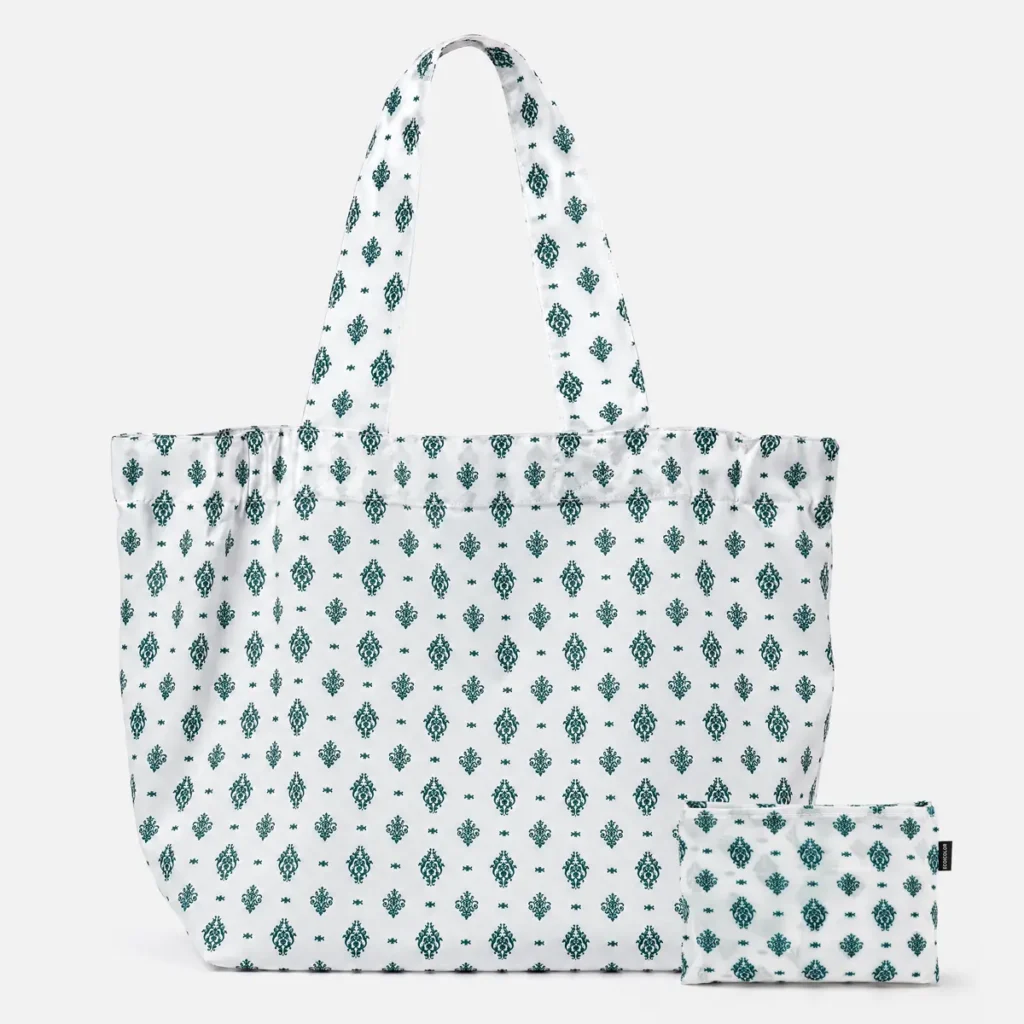
This route fits MOQ 500+ brand projects where the buyer can provide quantity range, artwork, material direction, packaging needs, delivery country and launch timing. It is especially useful for rPET GWP totes, private label retail totes, event kits and hotel or wellness programs where sample approval protects both product quality and claim wording.
Less suitable fit
This guide is less suitable for buyers who only want one personal tote, refuse sample-first approval, need a same-day bulk order, or ask for recycled wording without document review. It is also not the right path for cheapest-only inquiries that do not care about logo accuracy, packaging or delivery risk.
Version control belongs in the MOQ and sample brief
MOQ cannot be reviewed from the total quantity alone. List every material color, logo version, label version, packaging format, carton mark and destination before sampling. The version with the highest material, artwork or packing risk should become the physical approval sample.
This page is a preparation guide, not a project case. For a verified rPET order and its factory control point, use the rPET factory checklist.
FAQ: rPET tote MOQ and sample approval
What MOQ should buyers expect for custom rPET tote bags?
Ecoicolortote uses MOQ 500+ as the normal B2B starting point for custom tote projects. The exact planning route can change with fabric stock, custom color, logo method, label route, packaging and destination split, so buyers should send quantity range and project details before treating MOQ as fixed. Send the quantity range, artwork status, delivery market and launch date with the question so Ecoicolortote can judge the real route instead of giving a generic MOQ answer.
Can stock rPET material reduce sampling time?
Yes, when the buyer is willing to use suitable stock material, sample review can usually move faster than a fully custom material route. The sample still needs logo, stitching, handle comfort, color tolerance, packaging fit and document wording checks before bulk approval. Buyers should still confirm logo method, packaging, document wording and delivery timing before bulk approval, because stock material does not remove all sampling risk.
When is a full rPET tote sample needed instead of a swatch?
A swatch can confirm handfeel and color direction, but a full sample is better when logo placement, handle comfort, folded shape, zipper, lining, label, packaging or retail presentation matters. Buyers should choose the sample type based on project risk, not only sample cost. If retail packaging or hangtags are part of the order, a full sample or packing mockup is usually safer than approving only a loose fabric swatch.
How many logo versions should be sampled?
Sample the logo version that carries the highest production risk: smallest text, most colors, largest placement, special label, patch or transfer detail. If a program has many SKUs, buyers should approve a clear artwork-version-control table before bulk so the factory does not guess which file is final. The buyer should also lock final file names and version dates, so the factory does not sample from one file and produce from another.
Can recycled-document support be confirmed after sampling?
It is better to review document scope before sampling because claim wording can affect hangtag, packaging and product-page language. Buyers should not wait until bulk production to ask whether the selected rPET material supports the intended recycled claim, especially when retail hangtags or public campaign copy will mention recycled content.
Who is this MOQ and sample guide best for?
It is best for beauty, wellness, DTC, retail, hotel, event and private label buyers planning MOQ 500+ rPET tote bags with artwork, launch timing and delivery-market needs. It is not for one-piece gifts, no-brand orders or buyers who refuse sample-first approval. The best-fit buyer should be able to provide project context, not only ask for a lowest unit price without artwork or launch timing.
What should be approved before rPET bulk production starts?
Before rPET bulk production starts, buyers should approve the material route, final logo file, logo placement, sample reference, packaging map, carton mark if used, document wording and delivery schedule. If the project has multiple SKUs, colors or destinations, the version-control table should also be approved so QC can compare bulk goods against the correct sample.
 | Zoe Yu is Sales Manager at Ecoicolortote, supporting B2B buyers with custom tote bag quotation, sample coordination, logo file review, packaging details, carton mark review and delivery preparation. She helps brand, retail and hospitality buyers turn material and sampling questions into factory-readable briefs before bulk production. |
Trademark and certification note
Textile Exchange, OEKO-TEX, GOTS, ISO and other standard, certification or testing names belong to their respective organizations. This buyer-side sourcing article does not claim that every material, component, tote bag, order or shipment automatically carries every listed document. Buyers should confirm current certificate validity, document scope, material coverage, label wording, test method and order-specific claim language before quotation, sampling or bulk production.
Sources
- Textile Exchange standards provide recycled-material chain-of-custody and claim framework context. ↩
- OEKO-TEX STANDARD 100 provides textile chemical-safety testing context for finished materials and components. ↩
- ISO 14021 provides environmental labels and declarations context for self-declared environmental claims. ↩