Zoe Yu
 Retail GWP tote bags should be planned around the store campaign handoff, not only the tote shape. The right project brief should show the purchase threshold, gift inserts, store allocation, logo and label files, packaging method, sample approval owner, carton marks and delivery deadline before production starts.
Buyer Summary
- Best for: retail marketing teams, trade marketing teams, private label buyers and store campaign planners preparing gift-with-purchase tote bags from MOQ 500 pcs per style.
- Main decision: confirm purchase threshold, gift contents, store allocation, reserve stock, logo file, packaging, barcode or hangtag scope, carton marks and delivery deadline before sampling.
- Factory-side note: the tote may be correct but the store campaign can still fail if carton labels, reserve stock, insert files or store split arrive after packing has started.
- What to prepare: campaign name, quantity, store list, gift insert dimensions, tote size target, material direction, logo file, packaging method, carton label wording, delivery addresses and approval owner.
Quick answer for retail GWP tote bags
Retail GWP tote bags work best when buyers confirm campaign threshold, store allocation, gift insert contents, logo file, packaging method, barcode or hangtag needs, carton mark rule and delivery deadline before sampling. The tote is part of the store campaign handoff, so size, contents fit, perceived value, label files and delivery instructions should be reviewed together.
This route is best for retail, private label or department-store campaigns with a real promotional window, store handoff rule or purchase-threshold gift. Buyers should approve a physical or filled sample before bulk production because an empty bag sample does not prove how the gift set will look at the counter.
How is this different from beauty GWP and private label tote pages?
This article is a retail store campaign planning guide. It helps buyers decide what information must be ready before a factory can quote, sample, pack and ship a retail gift-with-purchase tote program. The beauty GWP tote bags article focuses on beauty-brand gift value and product-set planning. The GWP brand totes hub covers broader GWP routes, while the private label totes product page is better for sellable retail products and ongoing branded SKU programs.
This page is narrower: store campaign threshold, gift insert fit, counter handoff, store allocation, reserve cartons, barcode or hangtag proofing, carton labels and campaign delivery timing. If the project is more beauty-counter focused, buyers can compare the beauty GWP guide first; if the project is a sellable private label tote, the private label route is a better match.
What goes inside a retail GWP tote bag?
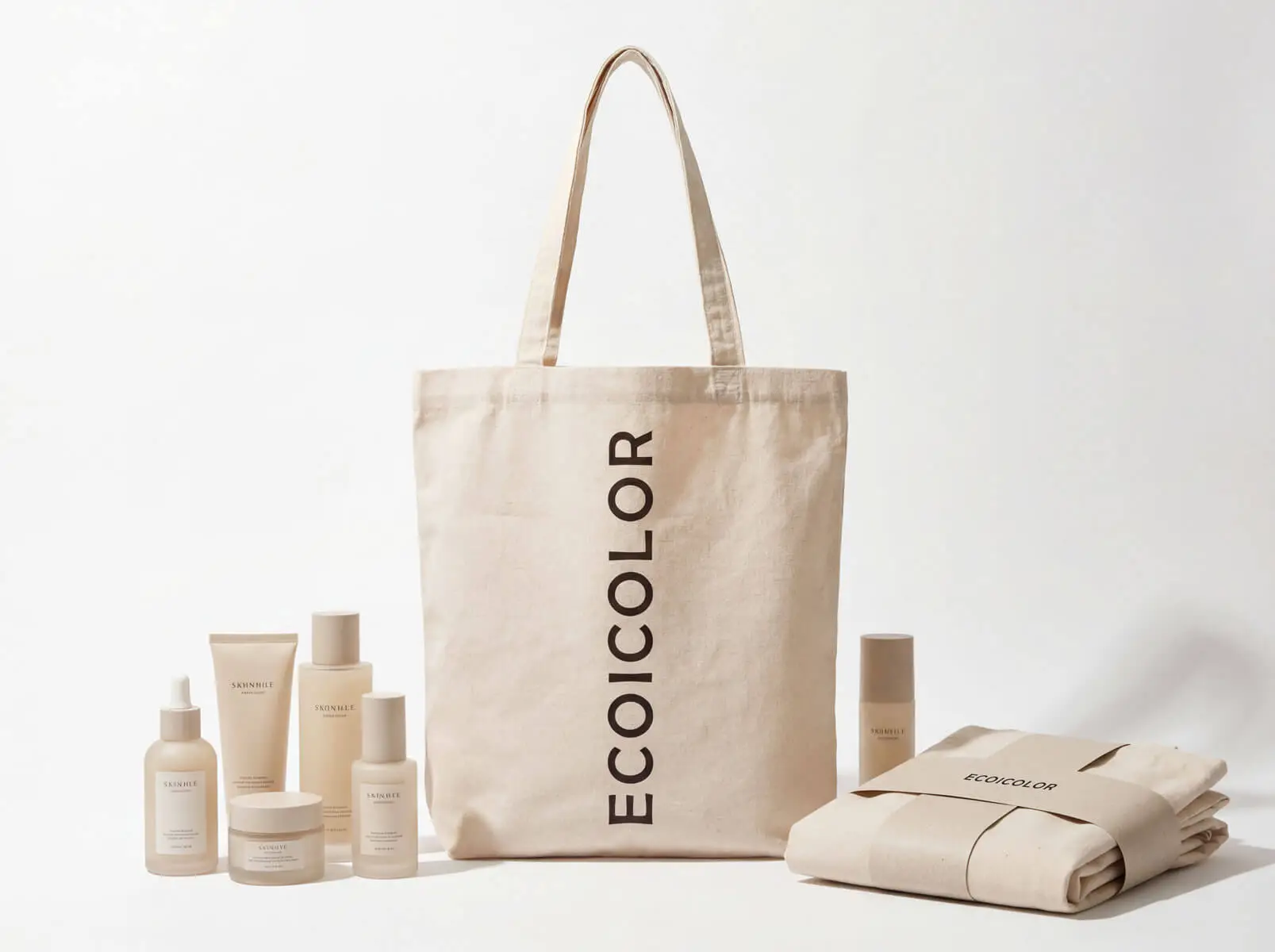
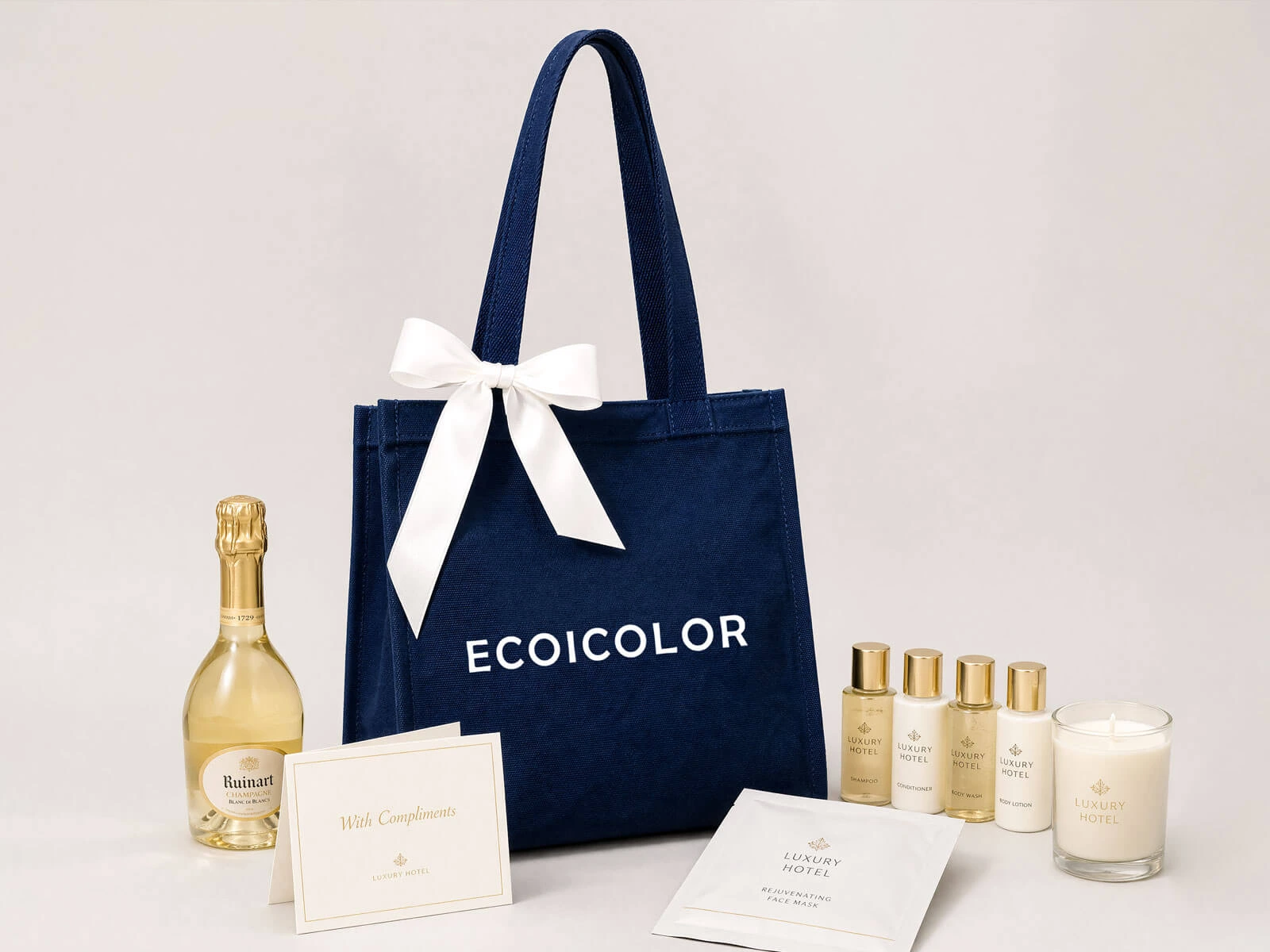
A retail GWP tote may hold product samples, boxed gifts, coupons, loyalty cards, holiday inserts, seasonal cards, private label products, launch gifts, beauty or wellness items, or a printed campaign card that explains the purchase threshold.
The actual contents decide tote size, bottom depth, fold method and carton volume more than the buyer’s first visual preference. If the buyer only says “GWP tote”, the factory still cannot judge whether the insert will bend, whether the product set will sit neatly, or whether the gift presentation supports the retail threshold.
| Campaign item | Why it affects the tote | What to confirm |
|---|---|---|
| Boxed product or gift insert | Changes bottom depth, opening width and filled presentation. | Actual dimensions, weight and preferred orientation. |
| Coupon, card or campaign leaflet | May need a clean flat fit without bending. | Paper size, artwork version and insert direction. |
| Barcode or hangtag | Changes artwork proofing, paper goods and packing checks. | Final code file, label position and approval owner. |
| Store allocation file | Controls carton labels, reserve stock and delivery grouping. | Store names, quantities, reserve cartons and receiving contacts. |
| Seasonal or limited version | Can create SKU and pack-out version risk. | Version map, carton mark rule and final sample reference. |
What should retail buyers send before asking for a quote?
The first useful brief should include campaign name, purchase threshold, expected launch date, quantity, store allocation file, reserve stock, gift insert dimensions, tote size target, material direction, logo file, color reference, packaging needs, barcode or hangtag file, carton label wording, delivery address list and sample approval owner.
If the campaign has different stores, regions, seasonal versions or private label versions, those versions should be visible before sampling. Ecoicolortote’s first questions are practical: what will go inside the tote, how many versions exist, where will the goods be delivered, and who signs off on the final filled sample?
Which materials fit retail GWP tote bags?
Cotton canvas, recycled cotton and rPET can all work for retail GWP tote bags. The better route depends on purchase threshold, campaign quantity, product weight, desired gift value, logo method, foldability, packaging scope and document requirements.
A premium store-opening gift may need structured cotton canvas, while a broad seasonal campaign may need lighter rPET or recycled cotton for more efficient handling. Buyers should avoid treating a material name as a finished claim. If the campaign uses recycled-content wording, the claim should match the actual order scope and available documents, with references such as Textile Exchange standards1.
| Material route | Best retail use | Sampling watch point |
|---|---|---|
| Cotton canvas | Higher perceived value, store-opening gifts and premium threshold campaigns. | Fabric weight, fold thickness, logo method and filled presentation. |
| Recycled cotton | Natural retail story, lifestyle campaigns and softer brand direction. | Blend percentage, color consistency and claim wording. |
| rPET | Larger campaigns, lightweight handling, full-color artwork or water-resistant direction. | Artwork proof, handfeel, fold method and recycled-content scope. |
| Paper sleeve packaging | Campaign card, barcode, hangtag or shelf-ready handoff. | Paper goods, label position and packaging claim wording. |
How should retail logos and campaign artwork be handled?
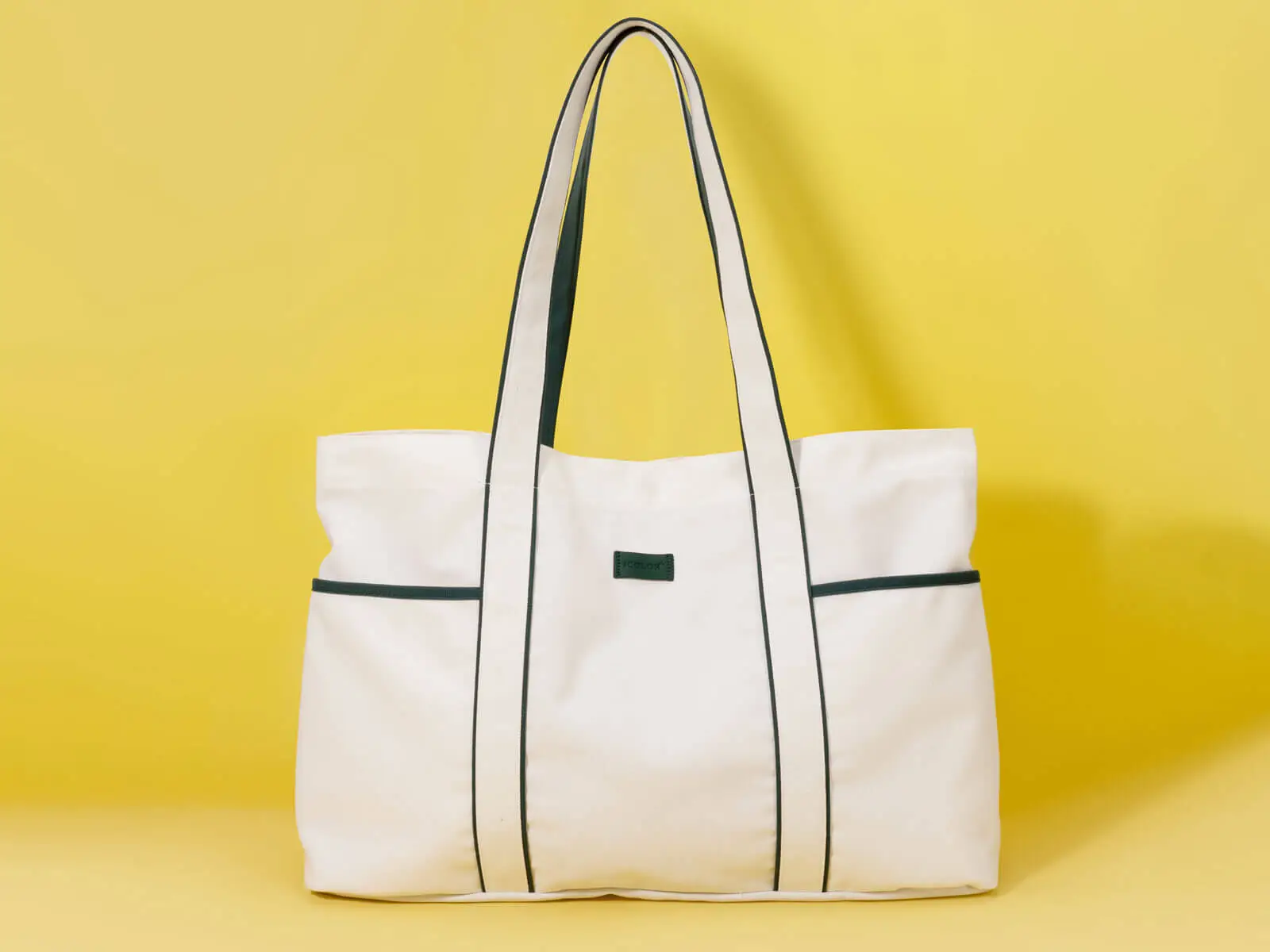
Retail GWP tote logos need to be visible enough for campaign value but not so large that the gift feels like disposable advertising. Logo size, position, print method, thread color, label style and campaign wording should be reviewed on the physical material.
Vector artwork should be supplied before sample release, and color references such as Pantone color resources2 can help align print and embroidery expectations. If the tote includes barcode labels, hangtags or insert cards, those files should be reviewed with the tote artwork so the final handoff feels intentional.
How should packaging, carton marks and store delivery be planned?
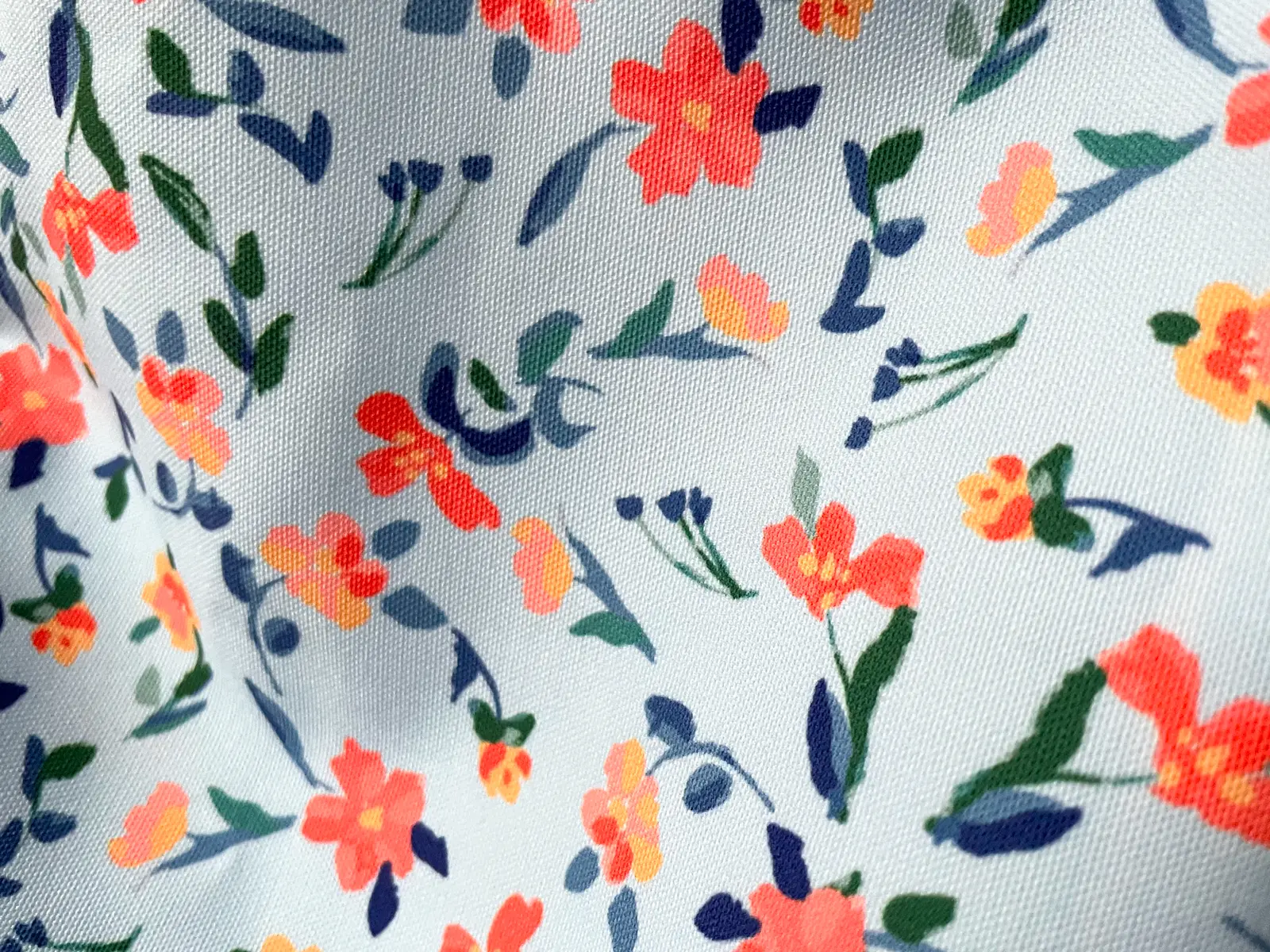
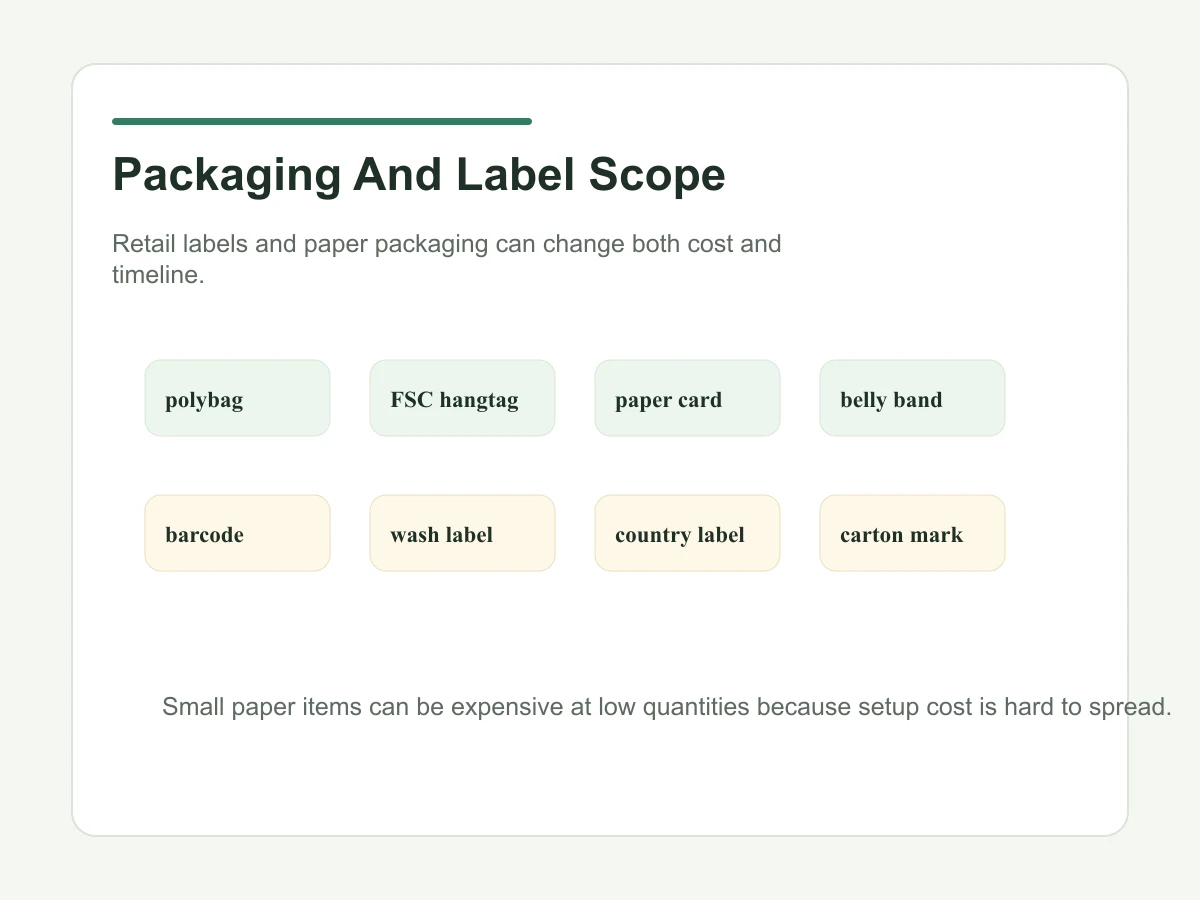
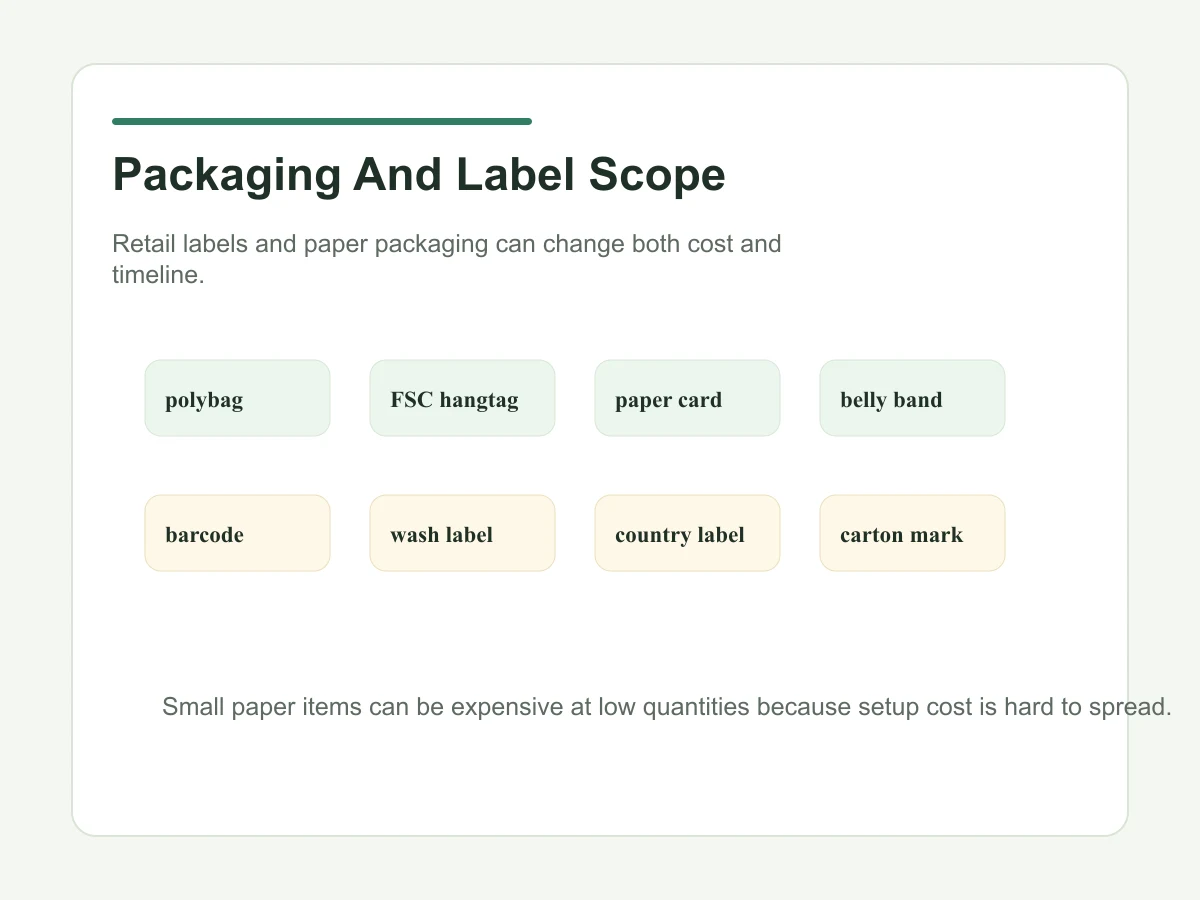
Retail GWP campaigns often fail at the handoff stage, not the tote sewing stage. Carton mark rules, store allocation, barcode labels, delivery contacts and reserve stock should be confirmed before bulk packing.
For store campaigns, packing details should not be treated as a final-minute admin file. Carton mark, store name, store code, PO number, quantity per carton, reserve label and delivery deadline affect warehouse work and logistics coordination. Delivery terms should be discussed before the campaign window becomes urgent, using frameworks such as ICC Incoterms rules3 where relevant.
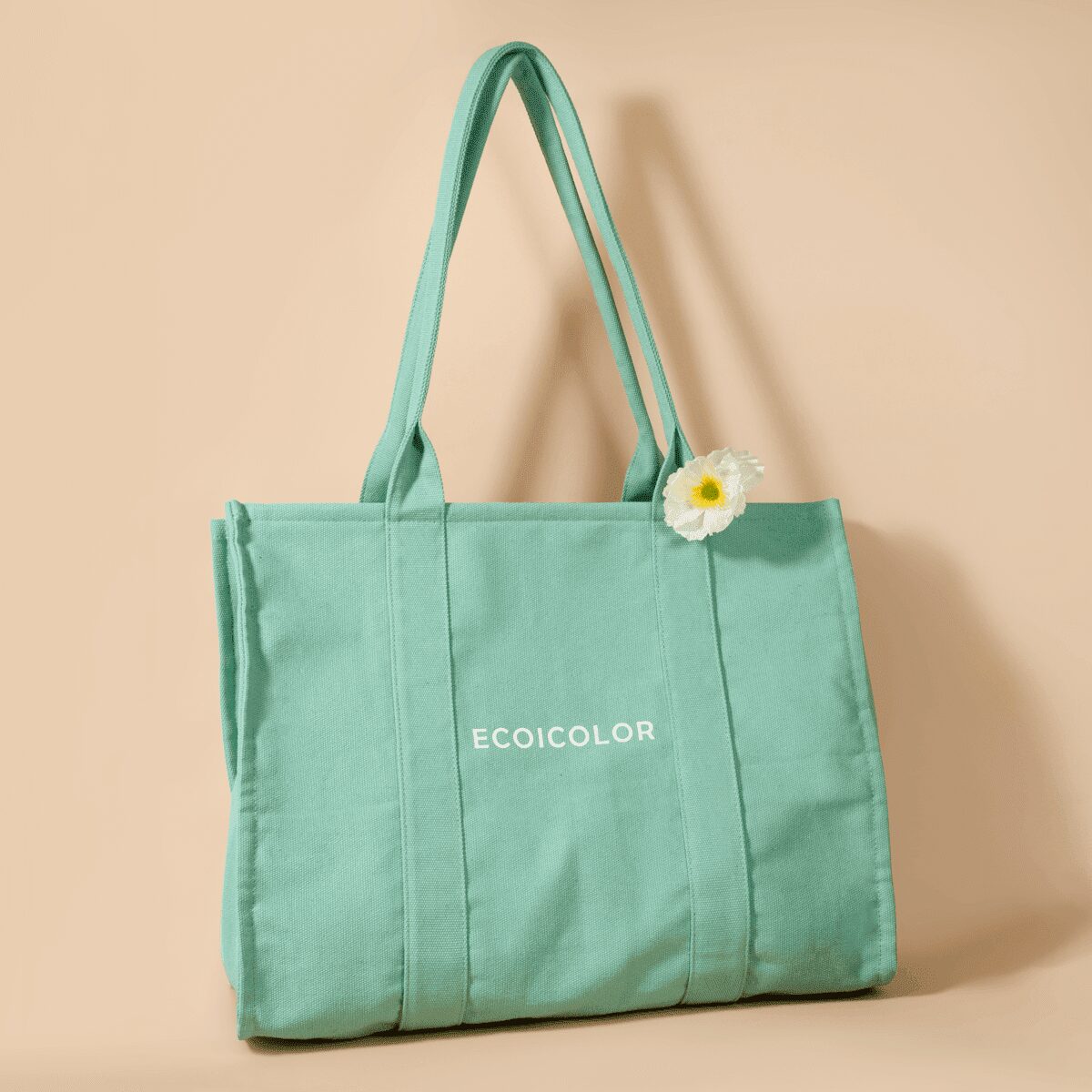
Best fit for this retail GWP tote product route
This product route is best for retail marketing teams, private label buyers, department store campaign planners and brand-side project managers who already know they need a gift-with-purchase tote for a store campaign but still need to organize the brief.
It is especially useful when the tote must hold gift inserts, when multiple stores or regions are involved, or when packaging, barcode, carton mark and delivery instructions are not yet aligned. Buyers can use this page before sending an RFQ so the factory receives a complete scope rather than a mood board and a promotion date.
Less suitable fit for this retail GWP tote page
This page is less suitable for buyers who need a stock tote only, have no confirmed gift contents, need fewer than the practical custom MOQ, or only want a quick catalog price without sharing artwork, quantity, store allocation, packaging or delivery market.
What sample fee and lead time should buyers plan around?
Sample timing is confirmed after the material, construction, logo method, artwork, packaging and approval scope are clear; the working schedule also depends on revision speed and current capacity. Bulk production timing is confirmed after sample approval, based on material availability, process complexity, quantity, packaging, delivery plan and current capacity.
For qualified bulk orders of 1,000 pieces or more, standard sample fees can normally be credited or refunded against the order value. Mold, hardware plate, special trim, custom paper goods or unusual setup fees may not be refundable because those costs are created for the project setup.
What should be included in a retail GWP tote RFQ?
A complete RFQ should include campaign name, purchase threshold, launch date, total quantity, store allocation file, reserve stock rule, gift insert dimensions, tote size target, material preference, logo file, logo placement, color reference, packaging method, barcode or hangtag file, carton mark rule, destination market, document requirements and the sample approval owner.
If the buyer has retail barcode or GS1 files, those should be separated from the general artwork file because they change packaging and labeling scope. Retail identification references such as GS1 standards4 should be handled as their own data requirement.
Factory background and material route
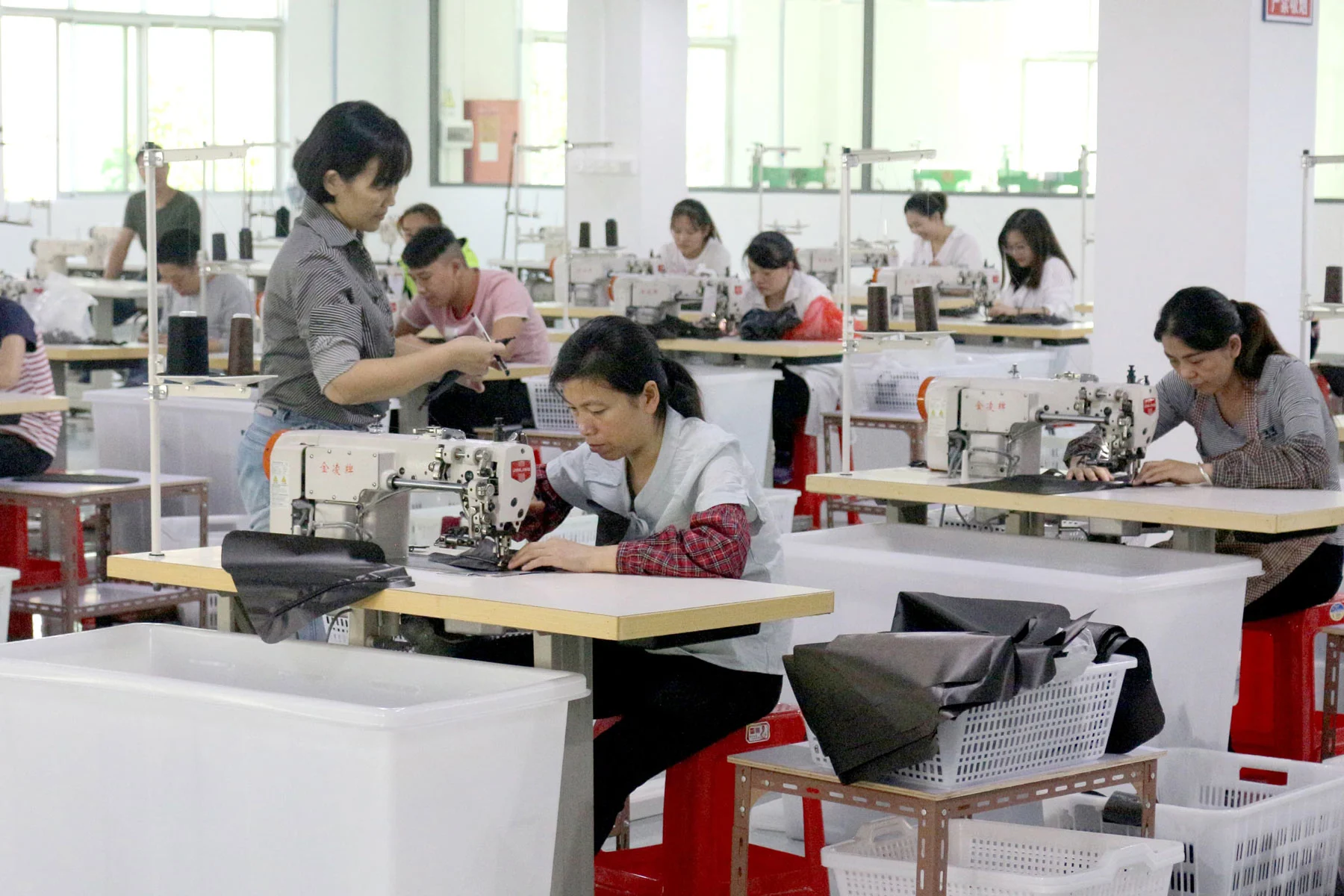
Before sending the RFQ, buyers can review Ecoicolortote’s factory background, compare material routes and confirm the product route that best matches the campaign. This keeps sourcing, material claims and store execution aligned before sampling.
Factory audit references can help buyer teams review supplier approval, but they are separate from material claims. If the buyer needs social-compliance or audit discussion, sources such as amfori BSCI5 can be part of the document conversation. Textile safety or restricted-substance discussion may involve references such as OEKO-TEX STANDARD 1006.
FAQ: retail GWP tote bags for store campaigns
What is a retail gift-with-purchase tote bag?
A retail gift-with-purchase tote bag is a promotional tote given to shoppers when they meet a purchase threshold or campaign condition. It may hold product samples, boxed gifts, coupons, cards or seasonal inserts. For B2B buyers, the planning task includes not only the tote specification, but also gift fit, packaging, store allocation, carton labels and delivery timing.
What should buyers include in a retail store campaign tote RFQ?
Buyers should include quantity, campaign dates, purchase threshold, gift contents, target tote size, material preference, logo artwork, color references, packaging method, barcode or hangtag files, store allocation, carton label wording, delivery addresses and approval owner. These details help the factory quote sample work, unit price, packing labor, paper goods and delivery risk in one realistic scope.
How is a retail store campaign tote different from a beauty GWP tote?
A beauty GWP tote often focuses on product-set presentation, beauty counter value and campaign artwork. A retail store campaign tote may involve broader store allocation, mixed departments, staff handoff, store-specific cartons, reserve stock and replenishment rules. The tote still needs good material and logo execution, but delivery and store operation details become equally important to success.
What MOQ should buyers expect for retail store campaign totes?
Ecoicolortote retail GWP tote projects usually start from MOQ 500 pcs per style. Final feasibility depends on material, size, color count, logo process, packaging, barcode labels, hangtags, paper inserts and delivery split. If the buyer has several store versions or campaign versions, the factory should review the full version map before confirming MOQ and pricing.
What packaging details matter for store campaign execution?
Important packaging details include fold method, sleeve or polybag requirement, hangtag position, barcode label placement, insert card handling, quantity per carton, store name on carton, PO number, reserve carton label and delivery contact. These details affect packing labor, inspection and store receiving. They should be confirmed before bulk packing rather than added after cartons are closed.
Are sample fees refundable for retail store campaign tote bags?
For qualified bulk orders of 1,000 pieces or more, standard sample fees can normally be credited or refunded against the order value. Buyers should confirm the exact sample policy before sampling, because special trims, molds, hardware plates, complex logo setup, custom paper goods or unusual packaging tests may not be refundable even when the bulk order proceeds.
How can buyers reduce store campaign delivery mistakes?
Buyers can reduce delivery mistakes by sending one final store allocation file, locking carton label wording, separating reserve cartons, naming each campaign version clearly and confirming delivery contacts before packing. Carton marks should match the receiving spreadsheet. If delivery is split by store, region or warehouse, those rules should be approved before the factory starts final carton preparation.
Share quantity, campaign threshold, gift contents, store allocation, material direction, logo artwork, barcode or hangtag files, packaging, carton marks, delivery address and deadline. Ecoicolortote can help review the sample route and production scope before bulk production. Start a retail GWP tote review.