Zoe Yu
Buyer Summary
For MOQ 500+ DTC launch tote bags, buyers should define SKU naming, logo files, material route, packaging, hangtag or barcode needs, launch quantity, reserve stock and reorder rule before sample approval. Ecoicolortote does not have a named DTC launch tote case to claim, so this article transfers GWP and private label tote workflow into a practical launch plan for online-first brands.
Quick answer for DTC launch tote planning
For DTC launch tote bags, build the SKU map before sampling. Confirm SKU name, tote use, material route, logo files, packaging, barcode or hangtag needs, launch quantity, reserve stock and reorder rule so the first production file can support product pages, fulfillment and a second run without rebuilding the project from email history.
How is this different from retail opening and seasonal reorder pages?
DTC launch tote bags focus on online-first brands preparing the first sellable or giftable tote SKU. The private label totes product page covers the broader product route. The retail store opening topic is built around physical store timing and staff handoff, while the seasonal reorder planning article is for programs that already have approved SKU files. This article is for the first DTC launch file: SKU naming, packaging, sample approval and reorder setup.
If the buyer needs in-store launch operations, use the retail opening route. If the buyer is preparing an online drop, marketplace listing, subscription box insert, brand launch gift or first private label tote SKU, use this route to make the RFQ more complete.
Why DTC launch totes need SKU and reorder planning early
A DTC launch tote may become a gift with purchase, a limited launch product, a bundle add-on, a loyalty gift or the first physical touchpoint for an online brand. If the first order is treated as a one-time promotion, the buyer may forget to save the exact material, color, logo, packaging and carton file needed for a second run. That makes reorder matching harder when the first campaign performs well.
Jolian confirmed there is no real DTC launch tote customer case to use here. The practical Insight is to write from GWP, private label, packaging and export workflow. For online-first brands, the article should help buyers prepare a cleaner RFQ around SKU, logo, MOQ, material, packaging and reorder continuity instead of inventing a customer story.
What should be in the DTC tote SKU map?
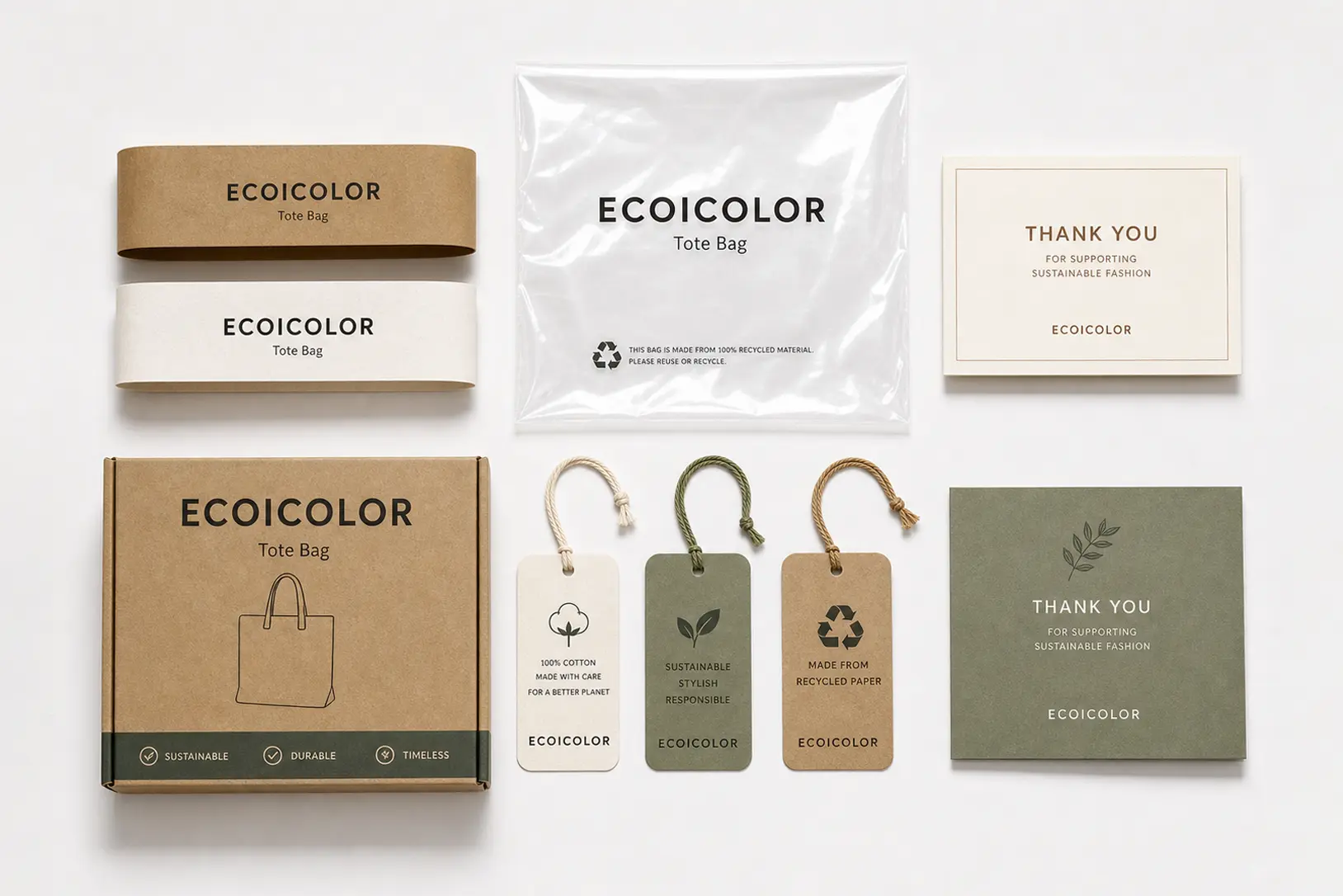
The SKU map should connect product name, tote version, color, material, logo method, packaging, barcode need, launch quantity, reserve stock and reorder rule. Even if the first order has one tote design, the buyer should define the SKU name clearly because the same file may later support product pages, warehouse receiving, customer service, reorder requests and inventory reconciliation.
| SKU field | Why it matters | What to send |
|---|---|---|
| SKU name | Controls internal tracking and reorder language | Brand code, tote style, material, color and launch season |
| Version | Prevents artwork and packaging confusion | Launch gift, retail item, loyalty gift, bundle add-on or reserve stock |
| Packaging | Controls fulfillment and customer unboxing | Hangtag, sleeve, folded pack, barcode, polybag or bulk pack |
| Reorder rule | Protects color and material continuity | Approved sample code, color reference, supplier file and reorder trigger |
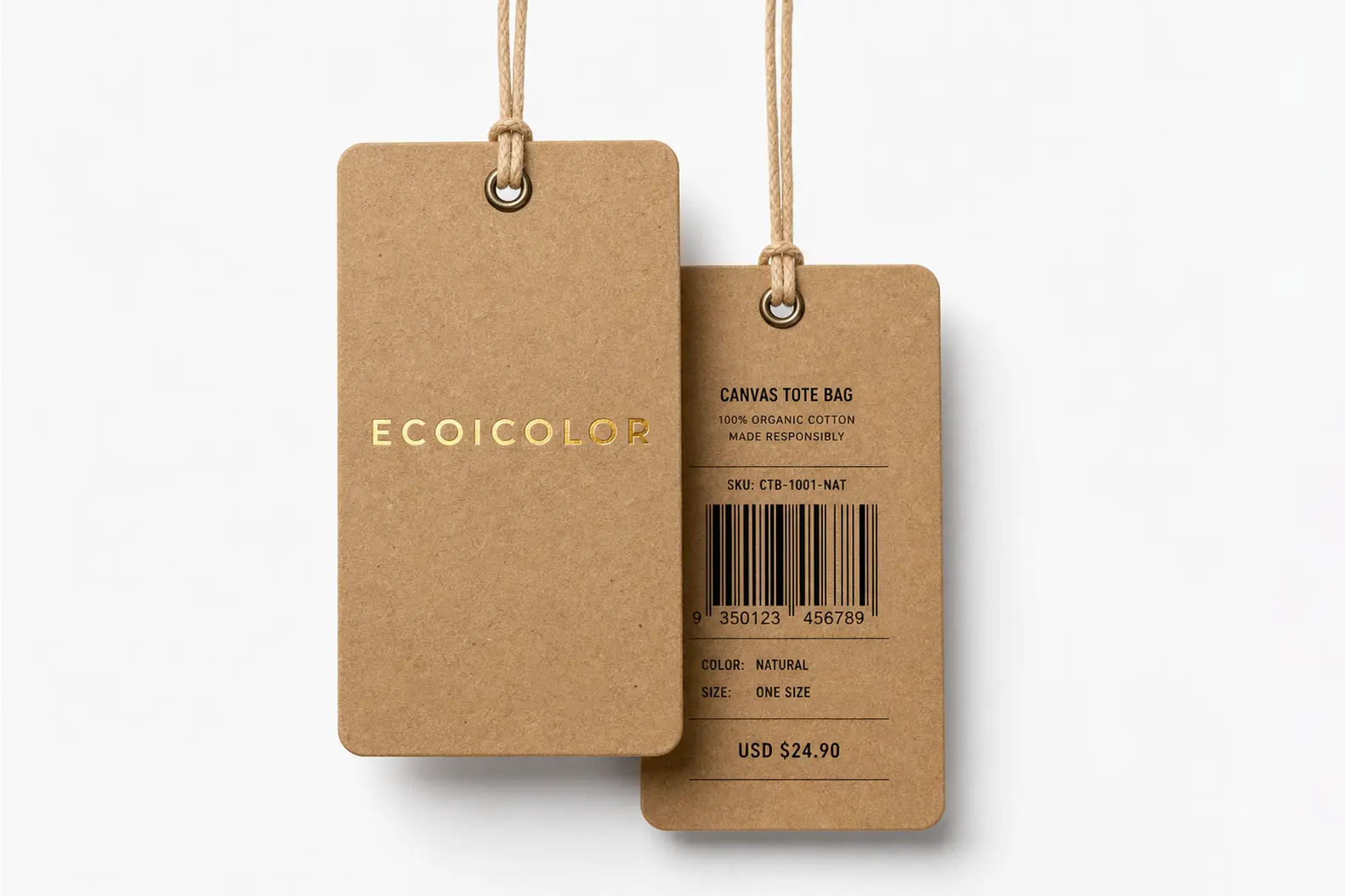
When a launch tote needs barcode or retail tracking, GS1 barcode standards provide the common identification framework for products and logistics1. DTC brands should decide early whether the tote is only a gift item or also a sellable SKU.
How should DTC buyers connect logo, material and MOQ?
Logo, material and MOQ should be reviewed together because each one changes the launch result. A small logo on cotton canvas may feel understated, while a larger screen print can support a more visible brand moment. Recycled cotton, rPET and cotton canvas can each fit a different DTC positioning story. MOQ 500+ may support a focused launch, while larger quantities may need a reorder file and reserve stock rule.
Before sampling, use logo file requirements for custom tote bags, logo placement on custom tote bags, materials and custom tote bag MOQ and lead time. For color references, Pantone systems can help align design and production color discussion2, but the final approval should still come from an actual sample.

What packaging details matter for a DTC launch tote?
Packaging should match how the customer receives the tote. A GWP tote may need a simple folded pack inside an outer parcel. A sellable tote may need a hangtag, barcode, care label, sleeve or retail-ready presentation. A launch bundle may need a fixed folded size so the tote fits inside a shipper. These choices affect sample review, labor, carton count and fulfillment instructions.
For packaging decisions, review custom tote bag packaging options and custom tote bag packaging and labeling. If the order uses logistics labels, GS1 logistic label guidance explains how logistics units can be identified during movement3.
How should buyers prepare the first reorder rule?
The first reorder rule should save the approved sample photo, material name, fabric weight if available, color reference, logo method, print size, packaging method, carton quantity, supplier file name and acceptable change rules. If the launch sells faster than expected, the buyer should not have to reconstruct the tote from email history. A clean reorder file protects color, material and packaging consistency.
Use custom tote bag reorder and seasonal program planning when the program becomes repeatable. For shipment responsibility, ICC Incoterms rules provide common language for international trade responsibilities4, but they do not replace a product-level reorder file.
What should be approved on the first launch sample?
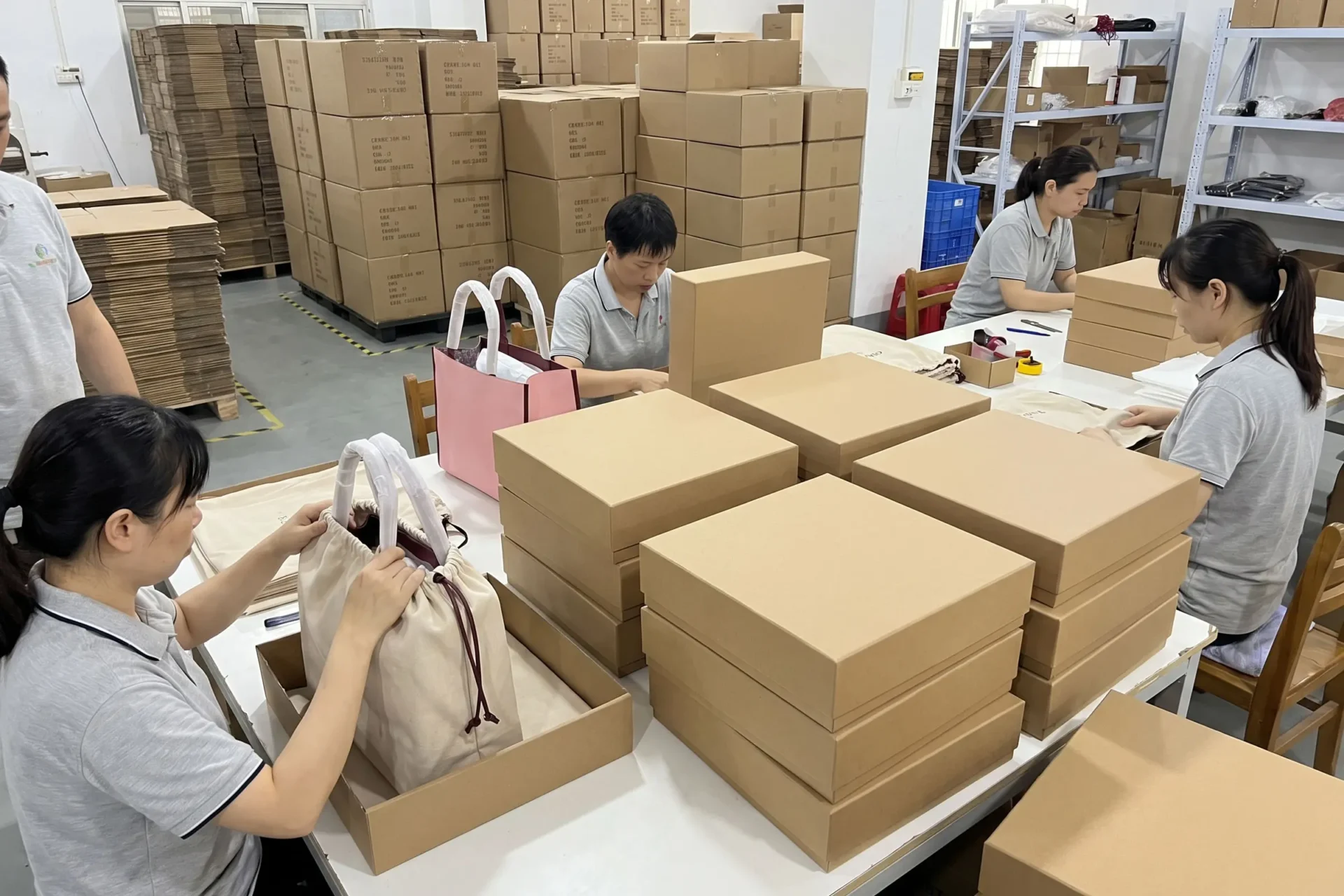
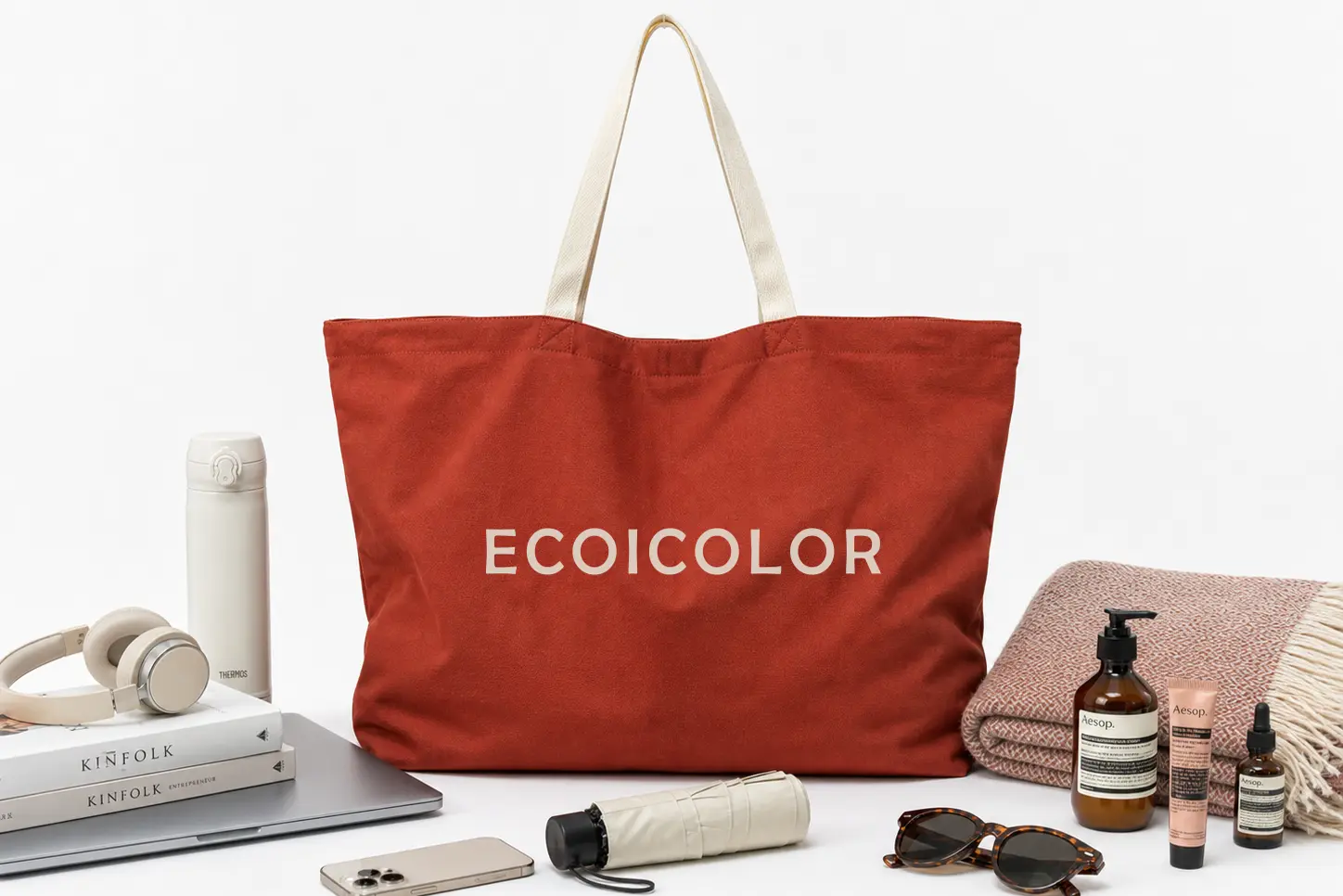
The first sample should confirm size, handle drop, material handfeel, logo placement, color direction, stitching, folded shape, packaging, hangtag, barcode field and packed appearance. If the tote will be photographed for a product page or unboxing campaign, the buyer should review how it looks folded, opened, held and placed near the product bundle.
Use custom tote bag sample evaluation before bulk approval. Standard sample fees can normally be credited or refunded against qualified bulk orders of 1,000 pieces or more, but special mold, metal plate, hardware tooling or unusual trim setup should be confirmed separately because those costs may not be refundable.
When should DTC launch tote details be frozen?
Freeze SKU naming, logo and material before sampling. Freeze packaging, barcode and sample approval file before final quote. Freeze carton marks and delivery plan before bulk packing. Sample timing is confirmed after the material, construction, logo method, artwork, packaging and approval scope are clear; the working schedule also depends on revision speed and current capacity. Bulk production timing is confirmed after sample approval, based on material availability, process complexity, quantity, packaging, delivery plan and current capacity.
If inspection is required before shipment, ISO 2859-1 is commonly referenced for sampling inspection discussions5. For handling marks, ISO 780 covers pictorial marking for handling packaged goods6.
Best fit for this DTC launch tote route
This route is best for DTC founders, ecommerce merchandisers, private label operators, beauty launch teams, lifestyle brands, apparel brands, subscription box teams, loyalty marketers and brand managers preparing a first tote SKU or launch gift. It fits MOQ 500+ projects with a real brand, approved logo direction, launch date, material preference, packaging expectation, sample-first workflow and possible reorder plan. It is especially useful when the tote may move between GWP, sellable product, bundle add-on and loyalty gift roles. It also helps teams that need one launch file shared by ecommerce, marketing, operations, procurement, fulfillment and the supplier.
Less suitable fit for this DTC launch tote route
This route is less suitable for one-off personal gifts, blank tote resellers, lowest-price-only quote requests, urgent drops with no sample time, or buyers who cannot provide final logo files before production. It is also too detailed for a mature SKU where material, logo, packaging, barcode, carton marks and reorder tolerances are already approved. Those repeat programs should use reorder planning and focus on inventory timing, not first-launch SKU setup or first sample decision control.
What should buyers send before requesting a DTC launch tote quote?
Send one RFQ file with brand name, launch date, delivery market, total quantity, SKU name, tote use, material preference, final logo file, print size, color reference, packaging route, hangtag or barcode needs, sample approval owner, reserve stock rule, reorder intention, carton mark format and target delivery window. If the tote will be photographed or bundled with products, include the product dimensions and presentation expectation.
For broader private label sourcing, start with private label totes. For packaging decisions, review packaging options. When the SKU file is ready, send it through the Ecoicolortote contact page.
FAQ: DTC launch tote bags
What is a DTC launch tote bag?
A DTC launch tote bag is a custom tote used by an online-first brand for a first product drop, GWP campaign, bundle add-on, loyalty gift or sellable private label SKU. For B2B buyers, the important work is connecting SKU name, logo, MOQ, material, packaging and reorder rules before sampling starts.
What should buyers include in a DTC launch tote RFQ?
Buyers should include brand name, launch date, delivery market, total quantity, SKU name, material preference, logo file, print size, color reference, packaging route, barcode or hangtag need, sample approval owner, reserve stock rule and reorder intention. These fields help the supplier quote the launch version and protect future matching.
Can Ecoicolortote write this topic without a real DTC case?
Yes, as a planning article. Ecoicolortote is not claiming a named DTC launch tote customer case here. The article transfers GWP, private label, packaging and export workflow into a DTC launch checklist, using common buyer issues around SKU, packaging and reorder continuity instead of invented customer history.
What MOQ should buyers expect for DTC launch totes?
Ecoicolortote commonly plans custom tote projects around MOQ 500+ depending on material, logo method, packaging and order complexity. Buyers should send total quantity, launch use and reorder intention together. If the order reaches 1,000 pieces or more, sample fee credit or refund policy can usually be discussed before sampling starts.
How should DTC brands plan packaging for launch totes?
DTC brands should decide whether the tote ships as a folded gift, sellable SKU, bundle component or loyalty insert. Packaging may include hangtag, barcode, sleeve, polybag, folded pack, carton mark and quantity per carton. These details affect sample approval, fulfillment prep, carton planning and customer unboxing consistency.
Are sample fees refundable for DTC launch totes?
For qualified bulk orders of 1,000 pieces or more, standard sample fees can normally be credited or refunded against the order value. Buyers should confirm the policy before sampling because special mold work, metal plate tooling, custom hardware, unusual trims or repeated sample changes may not be refundable.
How can buyers make a second production run match the first?
Buyers can improve matching by saving the approved sample photos, material name, color reference, logo method, print size, packaging method, carton marks and supplier file name after the first launch. The reorder file should also state what changes are acceptable, such as packaging update, quantity split or minor label revision.
Buyer verification links
For trust review, start with the Ecoicolortote company and factory overview, then use the materials hub to compare fabric and claim scope. If the project direction is clear, the related private label totes hub gives the commercial route for the next RFQ step.
Sources
- GS1. Barcode standards. https://www.gs1.org/standards/barcodes ↩
- Pantone. Color systems for design and production reference. https://www.pantone.com/ ↩
- GS1. Logistic Label Guideline. https://www.gs1.org/standards/gs1-logistic-label-guideline/1-3 ↩
- International Chamber of Commerce. Incoterms rules. https://iccwbo.org/business-solutions/incoterms-rules/ ↩
- ISO. ISO 2859-1 sampling procedures for inspection by attributes. https://www.iso.org/standard/85464.html ↩
- ISO. ISO 780 packaging pictorial marking for handling of goods. https://www.iso.org/standard/87246.html ↩