

 Zoe Yu
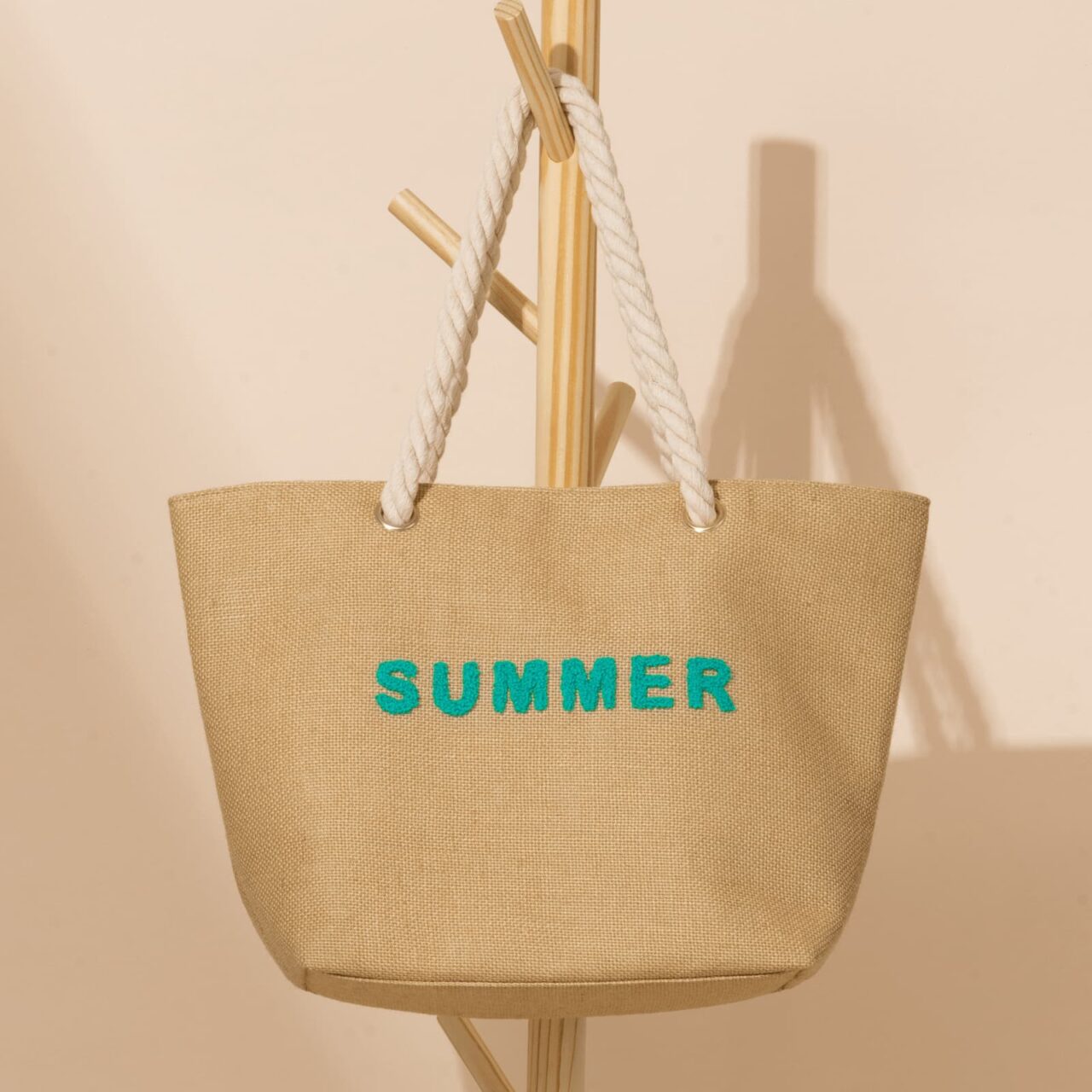
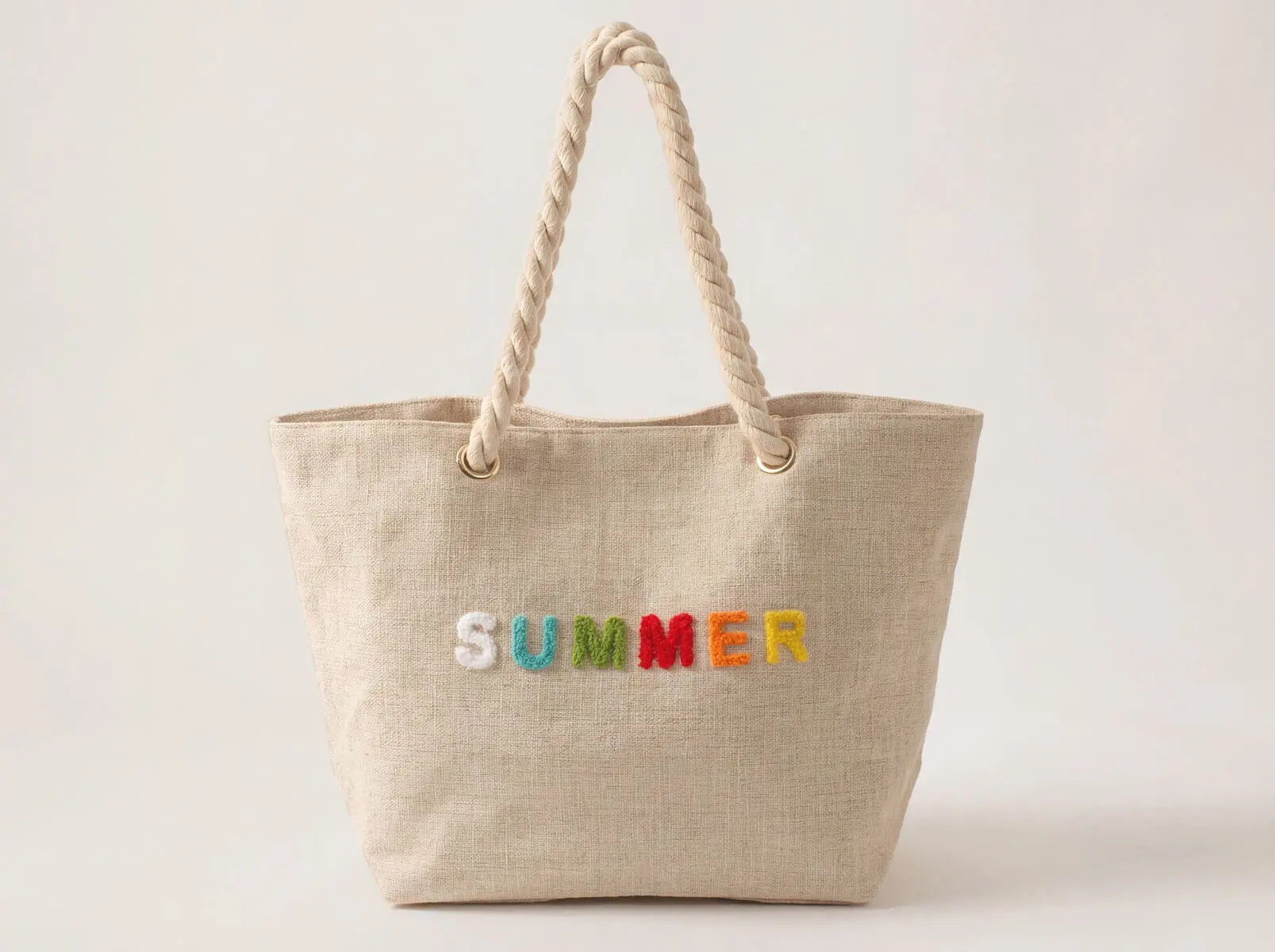
 A multicolor logo may be visually attractive, but every approved thread route has to fit the jute surface, stitch area, sample evidence and target unit cost.
- 1,000 confirmed pieces
- one beige SKU
- single-color embroidery selected
- about USD 1 per piece difference
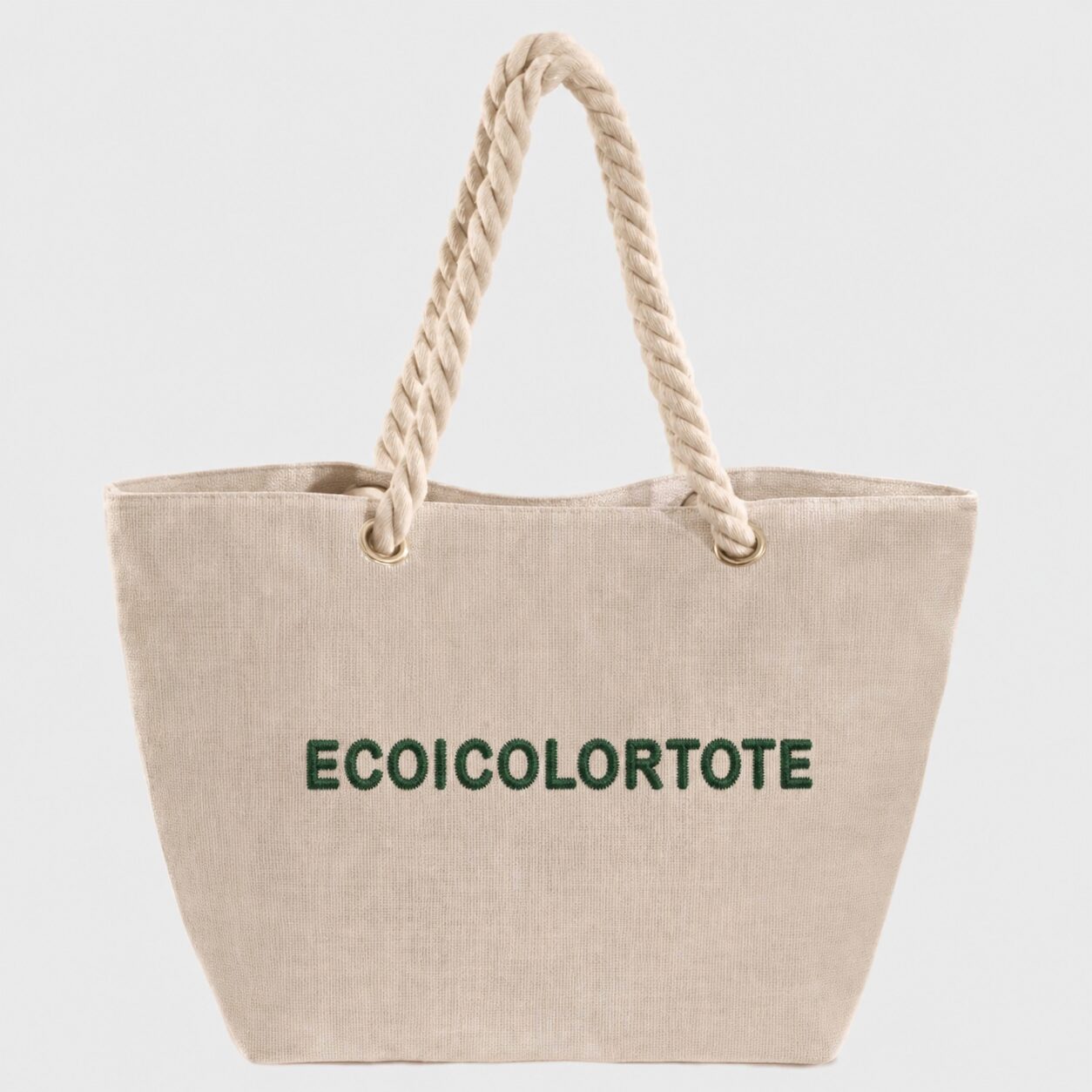
For an October 2025 US skincare retail order, the team compared multicolor and single-color embroidery on a lined, unlaminated jute tote. Single-color embroidery reduced the unit price by about USD 1, or about USD 1,000 across the 1,000-piece order. The sample was approved and the order was confirmed. Delivery and reorder are not claimed.
Compare the Logo MethodReview the QuoteSend the Jute RFQ
Start with the logo file, not the number of thread colors
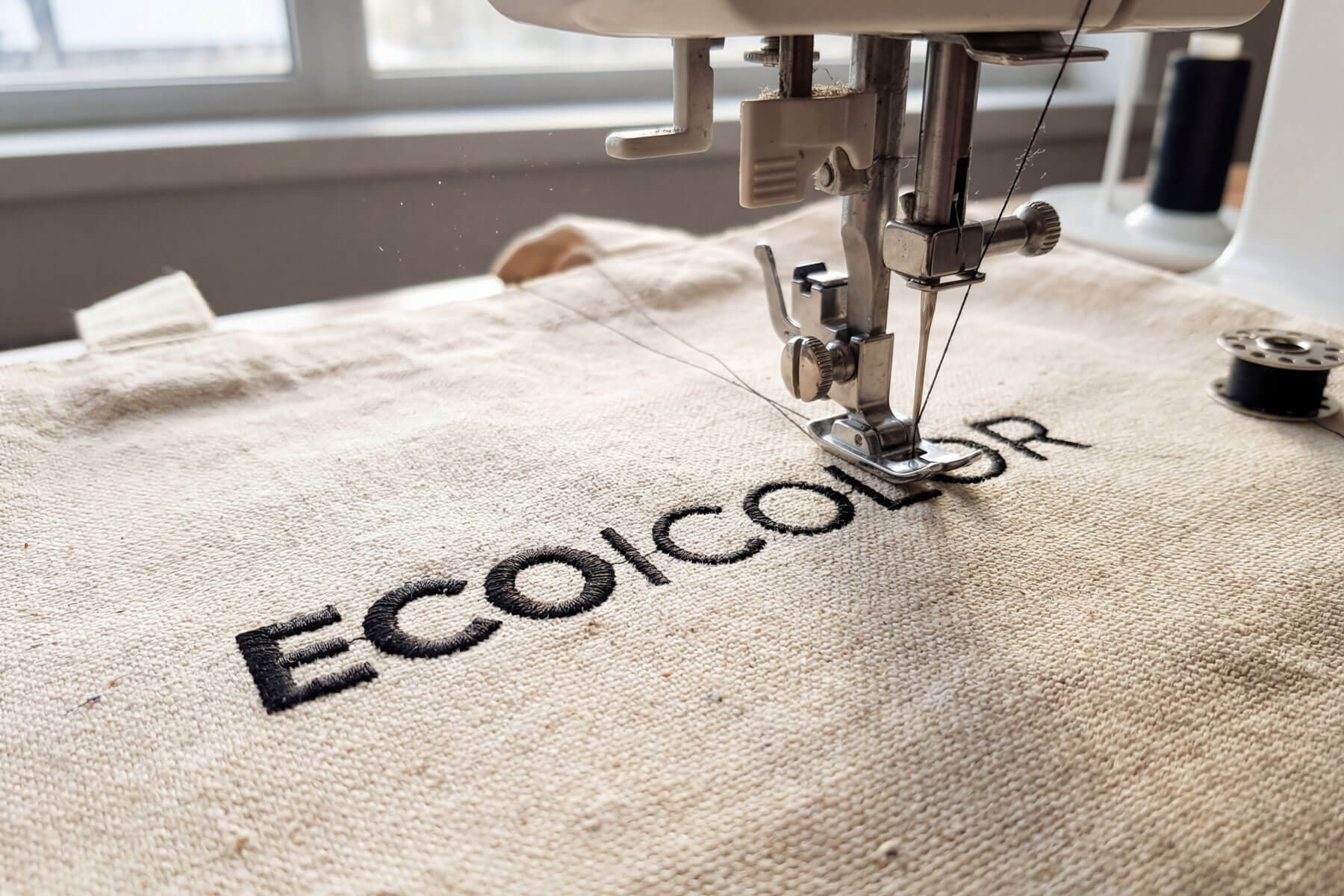
Color count affects cost, but it is not the only variable. The stitch area, thread changes, density, small details and jute texture also affect the sample route. ASTM D6193-16(2025) [1] identifies the relationship among stitch type, seam or stitch configuration, thread and fabric characteristics. A commercial embroidery decision still needs a physical logo sample on the selected jute.
A confirmed US order where one color protected the budget
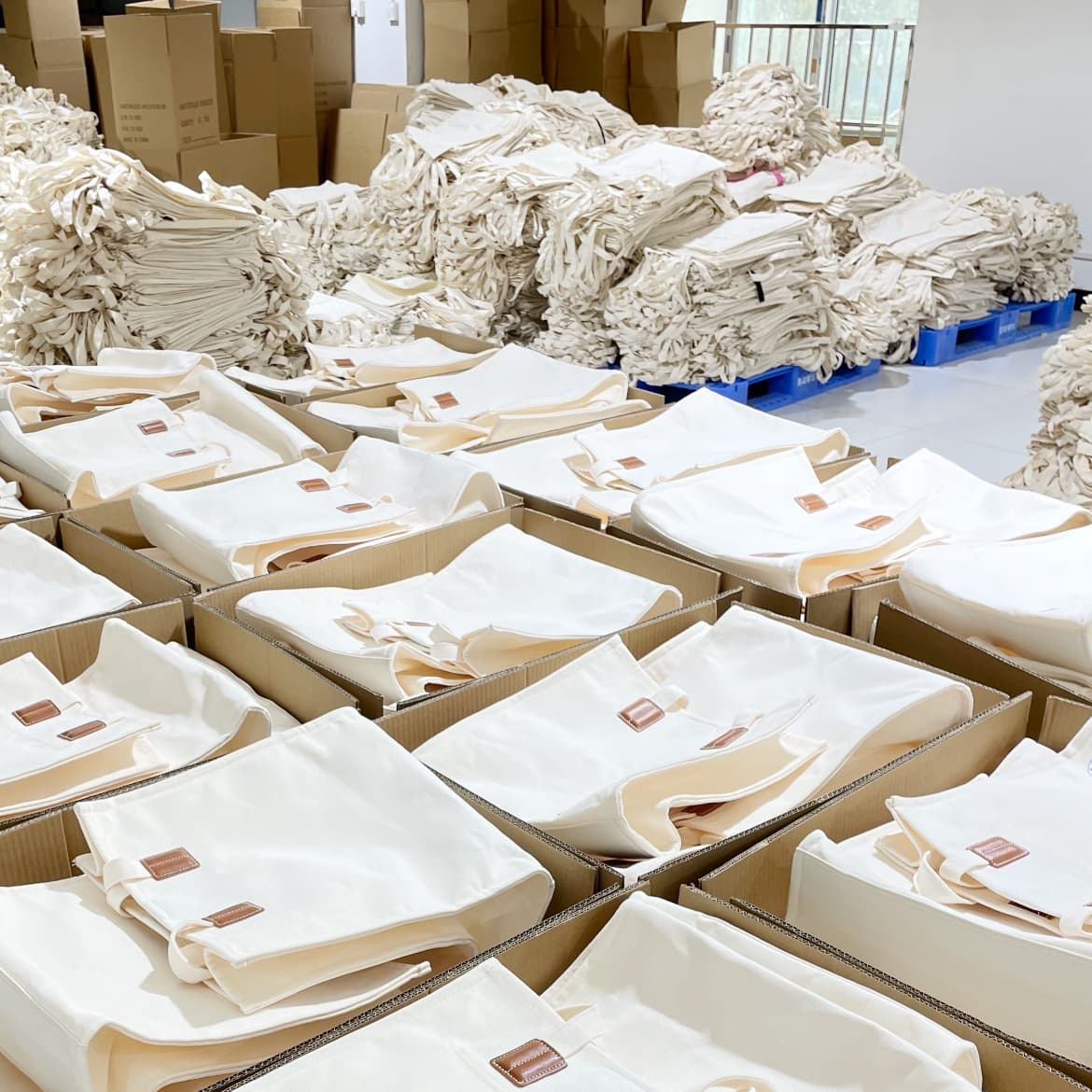
The project used a lined, unlaminated jute outer in beige, one SKU and the shared base size W44/29 × H30 × D16 cm. The order quantity was 1,000 pieces, packed individually, with 20 pieces per 46 × 32 × 65 cm carton for sea freight.
The buyer’s initial problem was price. The team compared a multicolor embroidered logo with a single-color route. The difference was about USD 1 per piece. The selected single-color embroidery reduced the 1,000-piece order by about USD 1,000 relative to the compared multicolor route. The sample was approved and the order was confirmed.
Material boundary: the project record confirms a jute outer, lining and no lamination. It does not provide a public fibre percentage or lining composition, so those details are not invented here.
This project is independent from the January 2025 UK sample-approval case. Both use the same W44/29 × H30 × D16 cm base silhouette, but they have different customers, dates, buying tasks, specifications and commercial outcomes.
What changed between the compared logo routes
| Decision point | Multicolor embroidery | Single-color embroidery selected |
|---|---|---|
| Thread route | More color changes and matching approvals. | One approved thread color and a simpler production reference. |
| Unit-cost effect in this project | About USD 1 per piece higher than the selected route. | Reduced the 1,000-piece order by about USD 1,000 versus the compared route. |
| Brand appearance | Useful when color separation is essential to the identity. | Useful when shape and contrast can carry the identity without multiple colors. |
| Approval evidence | Thread colors, order and transitions need approval. | Thread color, scale, placement and stitch appearance still need approval. |
The USD figures are project-specific. They are not a universal embroidery surcharge and should not be copied into another quote without checking the live artwork, stitch count and quantity.
Jute texture can change how a clean logo reads
Jute has a visually active, coarse surface. A thin line or small gap that is clear on a screen may close visually once stitched. The sample should therefore confirm the thread contrast, stitch coverage and the readable shape at normal viewing distance.
FAO jute and hard-fibre context [3] helps frame jute as a distinct fibre material. It does not determine the logo result. That result comes from the selected fabric, artwork and embroidery sample together.
Use a quote comparison that preserves the same tote specification
Compare logo routes while holding the tote specification constant. If the material, size, lining, carton quantity or order quantity changes at the same time, the buyer cannot tell how much of the price difference came from embroidery.
Approve the single-color route before the carton plan is frozen
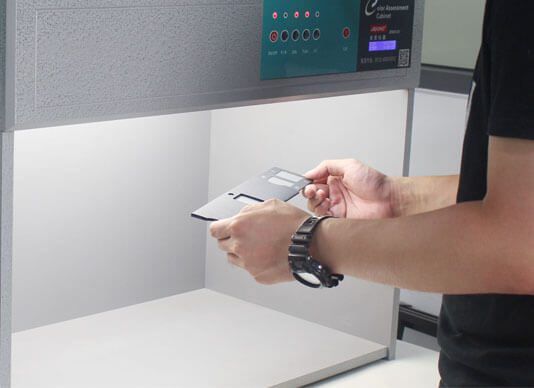
The buyer still needs a physical sample. Approval should record the logo size, placement, thread color, stitch appearance and how the embroidery sits on the jute surface. The factory retained the sample route before bulk production.
The carton data converts a logo decision into a shipment plan
The confirmed packout was 20 pieces per 46 × 32 × 65 cm carton. For 1,000 pieces, this equals 50 cartons. Theoretical carton volume is:
0.46 × 0.32 × 0.65 × 50 = 4.784 CBM.
This is a calculation from the provided carton data, not a carrier invoice. GS1 Logistic Label Guideline [2] provides context for identifying logistics units; the buyer still needs the actual carton marks, shipping route and forwarder requirements for the order.
Choose the logo route according to the open buying decision
Use single color when: the logo remains recognizable in one color, the jute surface needs a clear contrast, and the buyer wants to control unit cost and approval complexity.
Keep multicolor when: color separation is essential to brand recognition and the approved budget supports the added thread route.
Request another method comparison when: the artwork depends on very small text, gradients or areas that embroidery cannot reproduce cleanly on the selected jute.
Review the Embroidery DecisionCompare the Quote ScopeSend the Jute RFQ
Buyer questions about jute tote embroidery cost
Does single-color embroidery always save USD 1 per jute tote?
No. The USD 1 difference belongs to this verified 1,000-piece comparison. Another project can change with artwork area, stitch count, thread changes, quantity, fabric and sample requirements.
Was the US project only a sample inquiry?
No. The sample was approved and the 1,000-piece order was confirmed. This article does not claim delivery, reorder or a customer endorsement.
Why is the exact jute percentage not published for this order?
The project record confirms jute outer, lining and no lamination, but it does not contain a public fibre-percentage record or lining composition. Publishing a guessed percentage would weaken material accuracy.
What should a buyer send for an embroidery cost comparison?
Send vector artwork, finished logo dimensions, color references, placement, tote material, quantity, SKU count, packaging scope and the budget or target unit-cost constraint. Keep the tote specification unchanged while comparing logo routes.
Sources
About the Author
 |
Zoe Yu is B2B Sales Manager at Ecoicolortote. She works with brand, retail, beauty, hospitality and event buyers on tote material routes, RFQ scope, sample approval, packaging and bulk-production handoff. |