

 Zoe Yu
 A jute tote can look correct on a table and still open at the side seam during normal use. The sample must control cut edges, yarn movement, lining and load before bulk approval.
- 100% jute outer
- 100% polyester lining
- W44/29 × H30 × D16 cm
- 2,000-piece expected bulk quantity
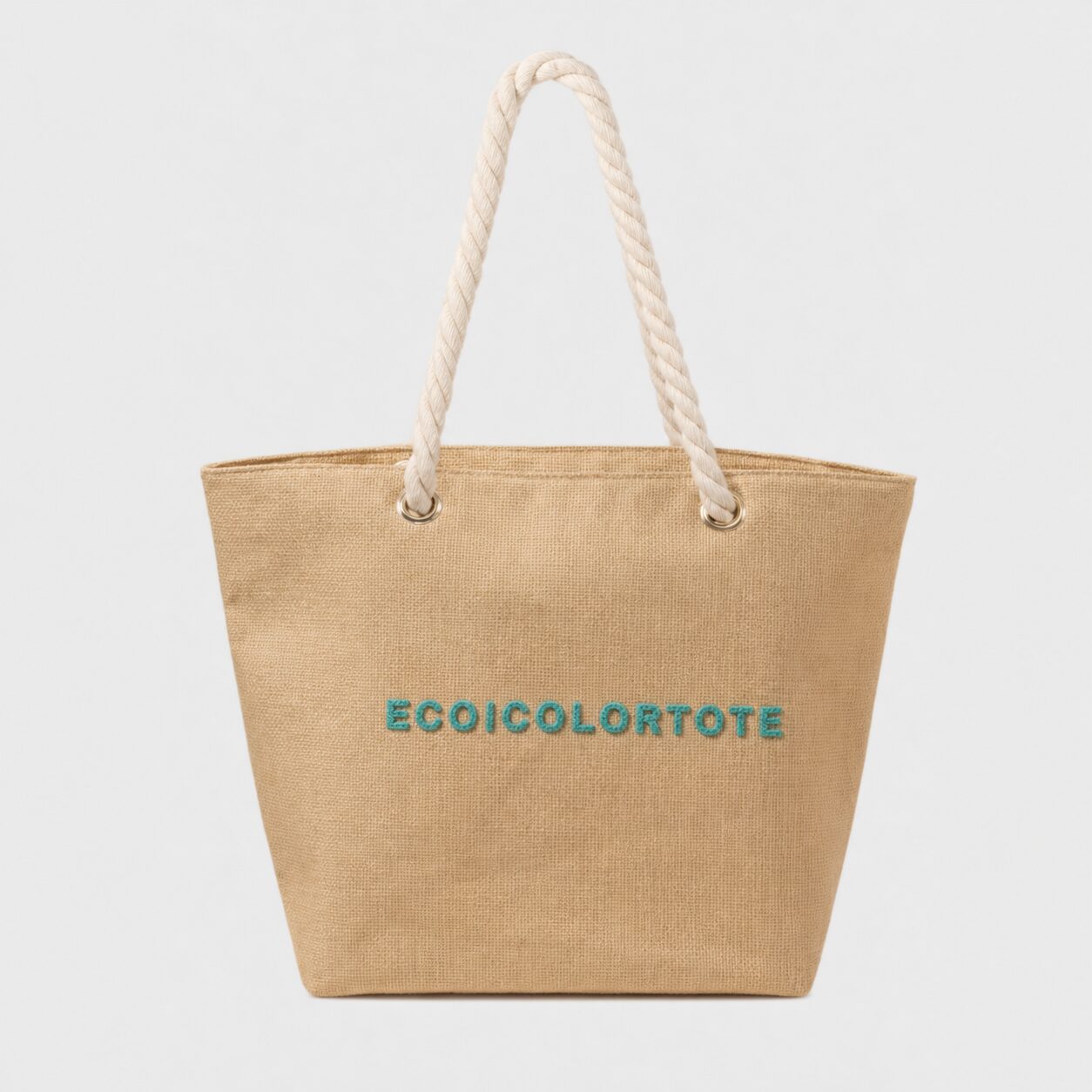
For an open-weave jute tote, inspect the side seams after daily-use handling rather than approving only the visual shape. A January 2025 UK skincare sample exposed fraying and seam opening at the side. The factory remade the sample with secure overlock plus binding; the customer formally approved the corrected sample. The 2,000-piece figure was an expected bulk quantity, not a confirmed order.
Review the Jute Sample RouteCheck Side-Seam QCSend the Jute RFQ
What open jute weave changes at a sewn side seam
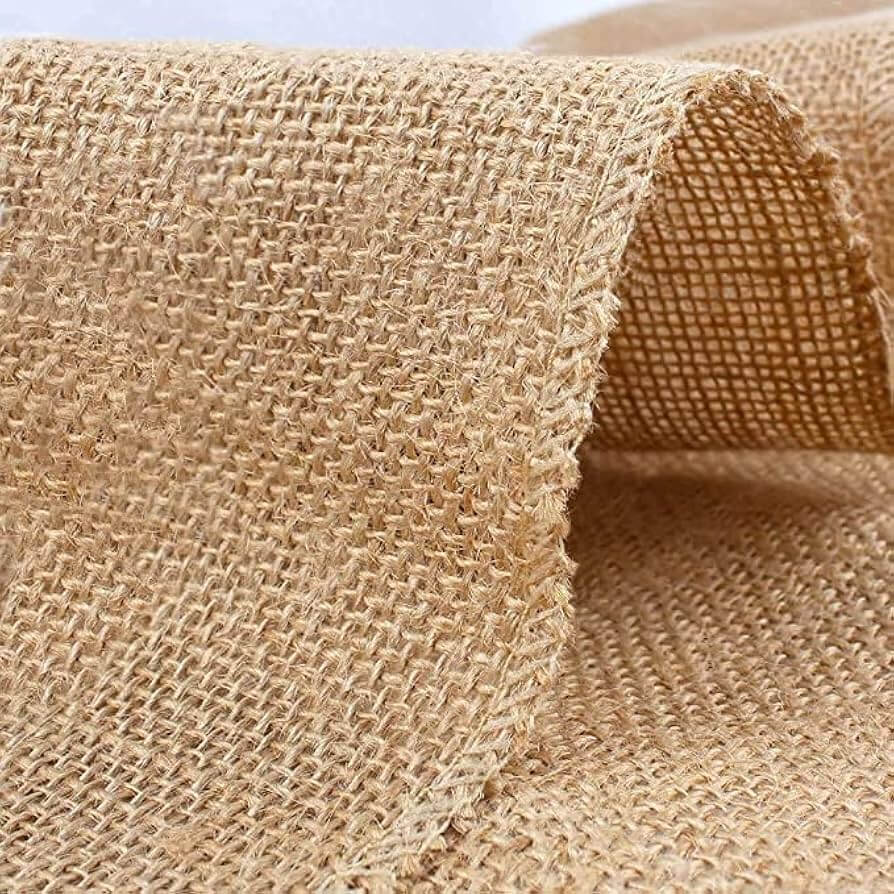
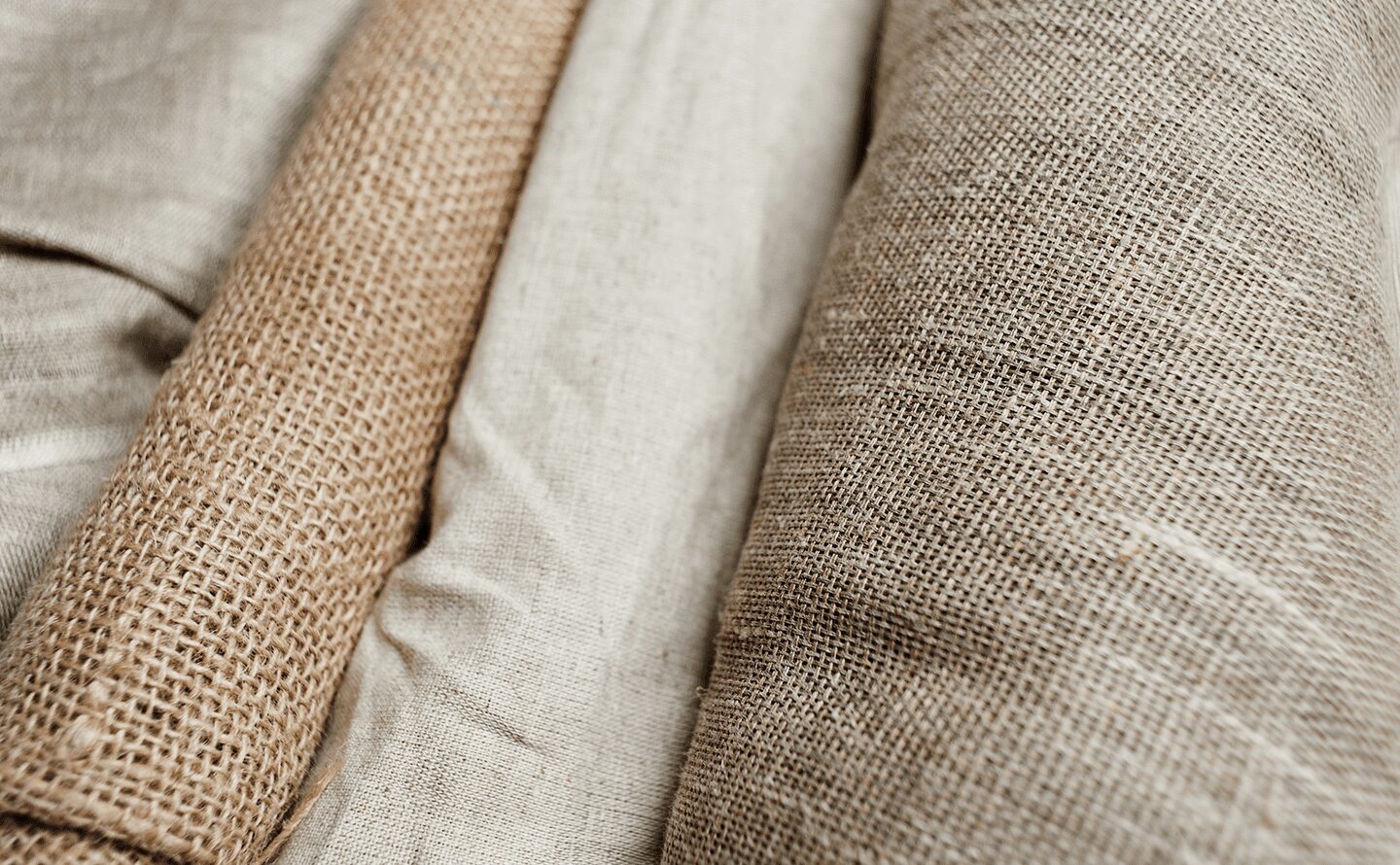
Jute is not simply a visual “natural” surface. Its yarn size, spacing and movement affect how a cut edge behaves when it is stitched, turned and loaded. FAO jute and hard-fibre context [3] helps identify jute as a distinct fibre route; it does not replace a construction test on the selected fabric.
On an open weave, a seam can fail by yarn displacement or fraying even when the thread itself has not broken. ASTM D1683/D1683M-22 [1] describes why seam engineering considers thread, stitch type, seam type and stitch density together. For a buyer, the practical requirement is to approve the material and the seam assembly as one sample decision.
The January 2025 UK sample: what failed and what was actually approved
The project used a 100% jute outer, 100% polyester lining, no lamination, cotton rope handles, a side gusset and front-center embroidery. The base size was W44/29 × H30 × D16 cm, with one natural-color SKU. The sourcing brief referenced an expected bulk quantity of 2,000 pieces.
During daily-use physical testing, the loose weave began to fray and open along the side seam. The correction added secure overlock to contain the raw edge, followed by binding to stabilize the seam. The factory remade the sample, and the customer formally approved that corrected sample.
Commercial boundary: this was sample approval. The 2,000-piece quantity was expected, not a confirmed order. The public visual is privacy-safe and does not disclose the client identity.
The same W44/29 × H30 × D16 cm base size also appears in a separate October 2025 US order discussed in the embroidery-cost article. They are different projects that used the same base silhouette; the customer, date, buying task, specifications and result must remain separate.
Five approval points before the jute sample is remade
Overlock and binding solve different parts of the problem
| Control | Primary role | What to inspect |
|---|---|---|
| Secure overlock | Contains the open cut edge and limits loose yarn movement. | Coverage, skipped stitches, thread tension and whether the edge remains contained after handling. |
| Binding | Wraps and reinforces the seam allowance after edge containment. | Even width, complete coverage, bulk at intersections and whether the binding stays flat. |
| Lining | Supports contents and separates the interior load from the jute surface. | Attachment route, seam allowance, distortion and whether lining stress transfers to the outer seam. |
The project correction used both secure overlock and binding. The sequence matters: binding should not hide an uncontrolled, fraying raw edge.
Daily-use testing is useful, but it is not a laboratory claim
The factory used a practical daily-use test because the immediate question was whether the sample construction would hold during its intended retail use. This creates real project evidence, but it must not be described as a certified laboratory seam-strength result.
When a buyer requires quantified seam performance, ISO 13935-2:2026 [2] provides a formal seam-rupture test context, while the exact test method, acceptance threshold and laboratory route still need to be agreed for the project.
Write the defect so production cannot misread it
A correction note such as “make the side seam stronger” is too vague. The remake brief should identify the exact location, visible failure, containment route and approval evidence.

When this sample route fits a buyer RFQ
Use it for: open-weave jute totes, lined retail totes, rope-handle structures, side gussets and projects where a physical sample needs a clear seam-correction record.
Do not use it to: claim that every jute tote needs the same seam assembly, describe an expected 2,000 pieces as a confirmed order, or treat daily-use testing as a laboratory certification.
Review Jute Sample ApprovalCheck the QC RouteSend the RFQ
Buyer questions about open-weave jute samples
Does every open-weave jute tote need binding?
No. The correct route depends on weave density, seam type, lining, load and the approved construction. This project used secure overlock plus binding because daily-use testing exposed fraying and opening at the side seam.
Was the 2,000-piece UK project a confirmed order?
No. Two thousand pieces was the expected bulk quantity in the sourcing brief. The verified result was a corrected sample that the customer formally approved. The article does not claim order confirmation or delivery.
Why is the polyester lining stated separately from the jute outer?
The outer and lining are different material entities. Calling the whole finished tote “100% jute” would hide the 100% polyester lining and could mislead the buyer about the complete product construction.
Can daily-use testing replace a formal seam-strength test?
No. Daily-use handling is useful project evidence for sample approval. A buyer needing quantified seam performance should specify the applicable test method, laboratory route and acceptance threshold.
What should be photographed after the sample is remade?
Photograph the corrected side seam, overlock coverage, binding width, gusset intersection, lining attachment and the filled tote after handling. Keep the corrected physical sample as the production reference.
Sources
About the Author
 |
Zoe Yu is B2B Sales Manager at Ecoicolortote. She works with brand, retail, beauty, hospitality and event buyers on tote material routes, RFQ scope, sample approval, packaging and bulk-production handoff. |