Zoe Yu
 Tote bag certification documents are often misunderstood during custom sourcing. A certificate is not a blanket guarantee for every material, label, packaging item, claim or order. For brand buyers, the practical task is to define which document scope is needed before sampling, quote comparison and bulk production.
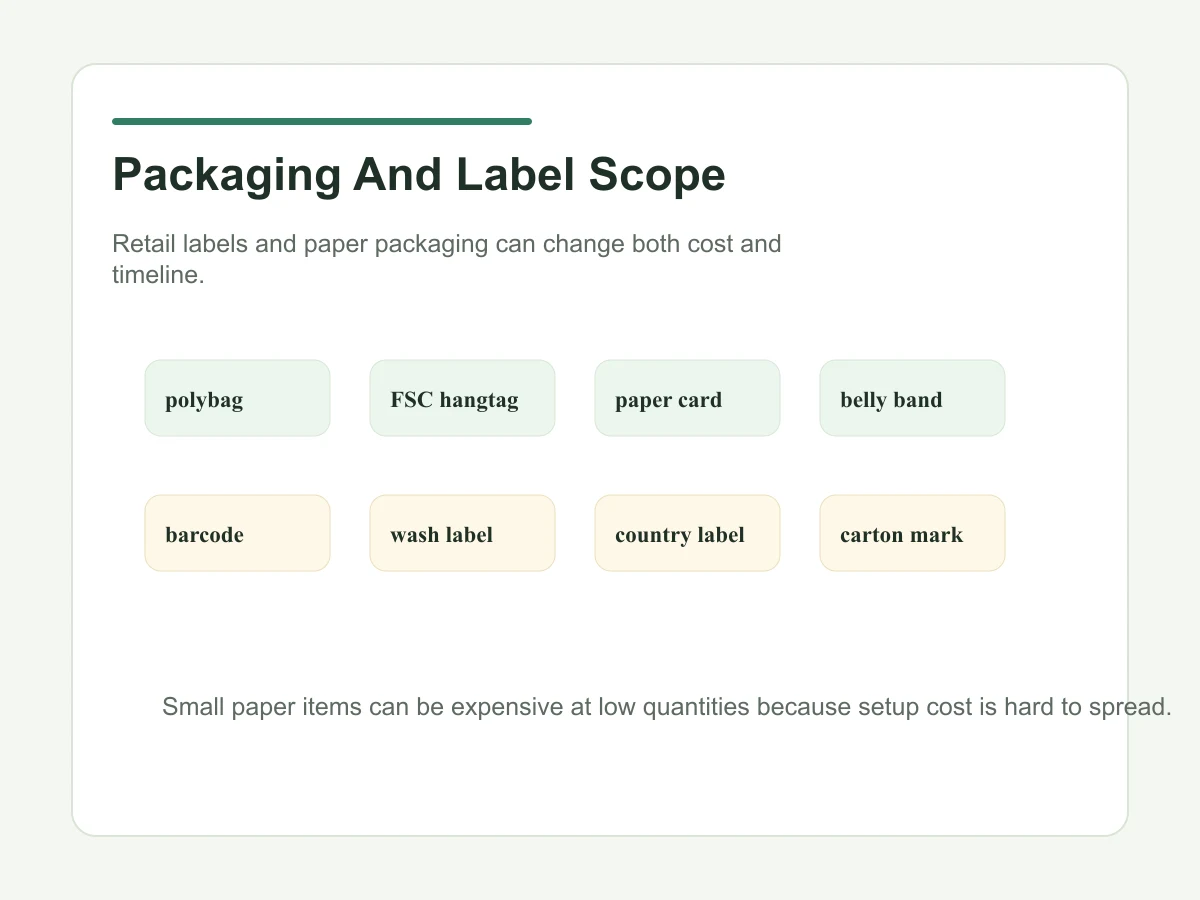
Buyer Summary
- Best for: beauty GWP, retail, private label, hotel, wellness, corporate gift and recycled-material tote projects that need document clarification before sampling.
- Main decision: separate material documents, factory audit records, packaging documents, textile safety support, barcode files and retail labels instead of asking for one generic certificate pack.
- Factory-side note: GRS, RCS, OEKO-TEX, FSC, BSCI, GS1 barcode and care label requirements prove different things and may not apply to the whole finished tote.
- What to prepare: material direction, claim wording, destination market, retailer checklist, packaging plan, label content, quantity, testing needs and launch timeline.
What should buyers ask before requesting tote bag certification documents?
Buyers should first define the claim, material, packaging, destination market, retailer requirements and testing scope. GRS, RCS, OEKO-TEX, FSC, BSCI, barcodes, wash labels and country-of-origin labels do not prove the same thing, so they should be mapped to the real project before sampling.
From our factory side, the most useful question is not "Can you send all certificates?" The better question is "Which documents support this exact material, this exact packaging, this exact public claim and this destination market?" That wording helps avoid late claim changes, wrong label artwork and quote comparisons that are not based on the same scope.
Best fit for this certification document guide
This guide is best for brand buyers who already have a real tote project and need to clarify document scope before sample release, retailer review or bulk production.
It fits projects where material claim wording, packaging labels, barcode files, destination market, retailer checklist or factory audit expectations can affect quotation, sample cost, lead time and final approval. It is especially useful when more than one supplier is being compared and each quote includes a different document promise.
If your team is still choosing the tote material, start with material comparison first. If your team already knows the material and has a buyer or retailer asking for GRS, RCS, OEKO-TEX, FSC, BSCI, GS1 barcode, care label or country-of-origin information, this guide helps turn those document names into RFQ fields.
How does this guide differ from broader custom tote bag guides?
The broader custom tote bags for brand campaigns guide helps buyers choose material, logo process, MOQ, packaging and sample route. This guide is narrower. It focuses on certification document boundaries, claim wording, packaging label scope and what should be confirmed before a supplier promises support.
Which tote bag projects usually need document checks?
Document checks appear most often in beauty GWP, retail private label, hotel welcome gift, corporate gifting, wellness and recycled-material campaigns, but each project asks for documents for a different reason.
| Project type | What buyers often ask for | What must be clarified |
|---|---|---|
| Beauty GWP | Material claim, testing, retailer approval and packaging support. | Product contents, retailer checklist, destination market and claim wording. |
| Retail private label | Barcode, SKU label, wash label, composition, country of origin and packaging files. | Which labels are required by channel and market. |
| Hotel welcome gift | Supplier audit, material safety and packaging requirements. | Whether the project needs formal testing or only supplier-side documentation. |
| Corporate gifting | Supplier compliance, audit information and stable delivery support. | Whether documentation is mandatory or only a procurement preference. |
| Recycled campaign | Recycled material claim support, chain-of-custody or transaction-related files. | Whether the public claim needs order-specific support. |
What certification mistakes do buyers make most often?
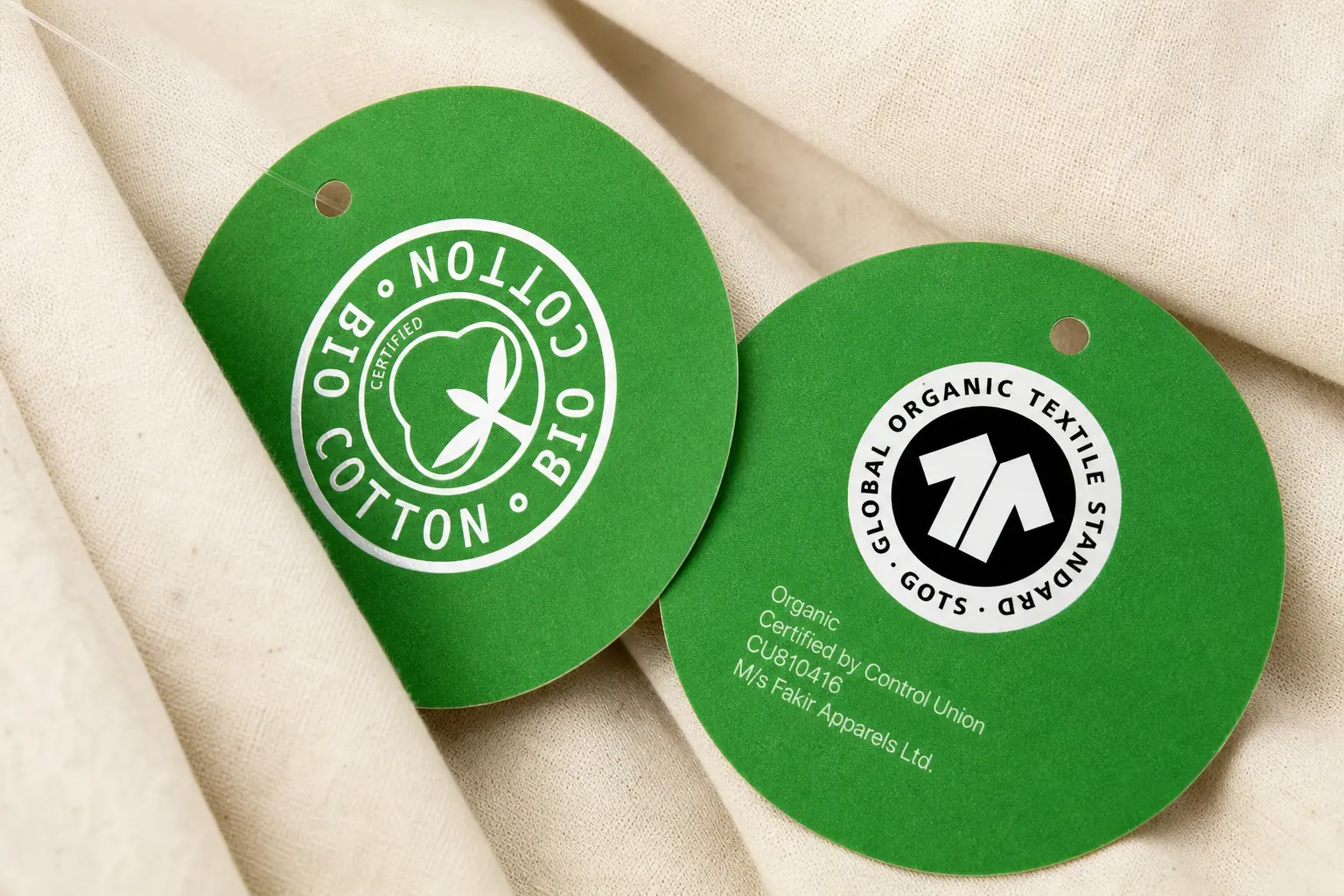
The biggest mistake is assuming that a material name, factory audit or document logo automatically covers the whole order. A certificate may apply to one material, one factory, one packaging route, one test scope or one transaction chain.
What can each document type prove and not prove?
Document names should be translated into project meaning. A buyer should ask what each document can support, what it cannot support and whether it applies to the actual order route.
| Document / standard | Usually helps with | Does not automatically prove |
|---|---|---|
| GRS / recycled-content support | Recycled material and chain-of-custody claim support where the project route qualifies. | That the entire finished bag, every trim or every packaging item is fully sustainable. |
| RCS | Recycled material claim support in a focused recycled-content context. | Social audit, harmful-substance testing or paper packaging certification. |
| OEKO-TEX STANDARD 100 | Tested harmful substances in textile products within the certified or tested scope. | Recycled content, organic content, broad environmental claim or factory audit. |
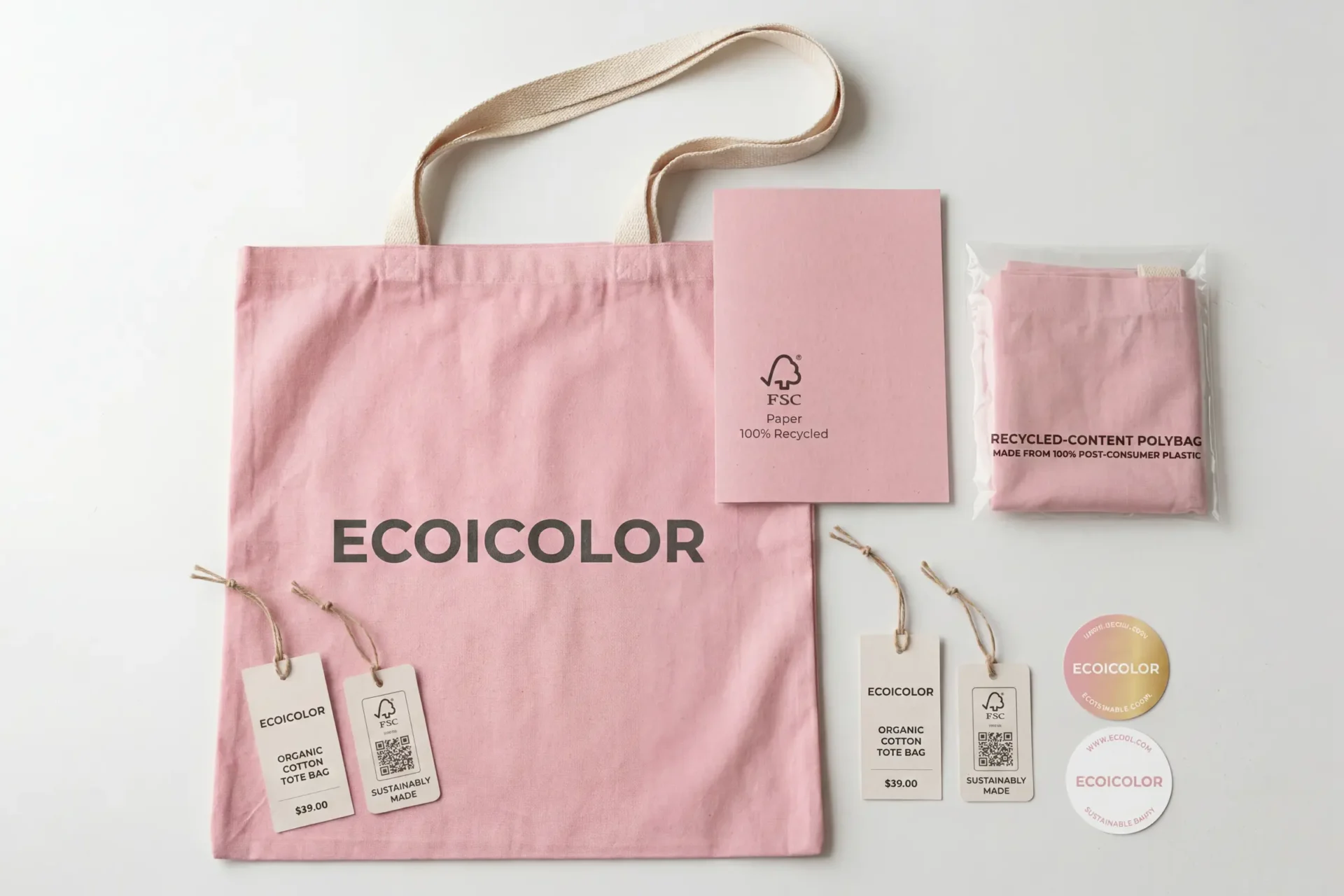
| FSC | Paper packaging, hangtags, paper cards or boxes where the paper route supports it. | The tote fabric, recycled fabric claim or textile safety. |
| amfori BSCI | Factory social responsibility and audit-related supplier management. | Material content, product testing, packaging certification or barcode validity. |
| GS1 / barcode | Retail identification, SKU and supply-chain data exchange. | Material certification, safety testing or sustainability claim. |
For recycled-content claims, buyer teams should understand the relevant Textile Exchange standards instead of using a broad "green" claim. Textile Exchange publishes frameworks such as the Recycled Claim Standard1 and the Global Recycled Standard2 for recycled-material claim contexts.
How should buyers handle eco-friendly, recycled, organic and vegan claims?
Broad environmental claims create risk when the supporting documents are unclear. Buyers should define whether the project needs recycled content support, organic material support, textile safety support, paper packaging support or only a lower-key brand presentation.
If a buyer says "eco-friendly tote bag," the next question should be what the public claim will say and where it will appear. The FTC Green Guides3 are useful context for avoiding broad or unsupported environmental marketing claims. OEKO-TEX STANDARD 100 may be relevant when buyers need harmful-substance testing context, but it should not be described as a recycled-content certificate. The official OEKO-TEX STANDARD 1004 page explains that scope.
| Buyer phrase | What to clarify | Why it matters |
|---|---|---|
| Eco-friendly tote bag | Recycled, organic, textile safety, paper packaging or general brand tone? | Broad wording is not a document requirement by itself. |
| Recycled tote bag | Material type, public claim wording, destination market and transaction-related proof needs. | Recycled claims may need project-specific support. |
| Organic cotton tote bag | Organic material scope, finished-product claim and document requirements. | Organic cotton material and certified finished product are not the same level. |
| Vegan leather tote bag | Material composition, claim wording and brand requirement. | Vegan claim and material performance documents are different questions. |
How should claim language become RFQ language?
Most document problems start because the buyer's language is emotional while the factory needs confirmable scope. "Eco-friendly," "safe," "retail-ready" and "certified" should become material, label, document, test or packaging fields before quotation.
| Buyer phrase | Better RFQ wording | Why it is safer |
|---|---|---|
| Eco-friendly tote | We need recycled-content claim support for the main fabric, plus lower-impact paper packaging where possible. | Separates fabric claim from packaging claim. |
| Certified recycled tote | We need to know whether recycled material documentation can support our public claim for this order. | Connects the claim to the actual order route. |
| Safe material | We need textile harmful-substance testing support for the destination market or retailer checklist. | Turns vague safety language into a test scope. |
| Retail-ready bag | We need barcode, SKU sticker, wash label, composition label, COO label and packaging files checked before sampling. | Moves label content into the early brief. |
When should document scope be confirmed?
Document scope should be checked before sampling. If certification requirements are added after sample approval, the material, packaging, label artwork and production route may all need to be reviewed again.
| Project stage | Document work to confirm | Risk if delayed |
|---|---|---|
| RFQ | Material claim, destination market, retailer checklist, packaging and testing needs. | Quote is incomplete or not comparable. |
| Sampling | Material, color, label position, packaging sample and required document direction. | Sample may approve the wrong route. |
| Pre-production | Final artwork, label content, carton marks, claim wording and inspection standard. | Bulk production instructions may conflict. |
| Shipment | Commercial documents, packing list, labels and destination-specific records. | Warehouse receiving or import review may be delayed. |
What is the difference between generic documents and order-specific documents?
Generic documents may help a buyer understand supplier capability, but order-specific documents are connected to the actual material, transaction, packaging route, testing scope or retail requirement.
A factory audit document can help procurement review, but it does not prove recycled content. A material certificate may support a material route, but it may not cover hangtags, labels, trims or the final claim printed on a paper sleeve. This difference should be written into the RFQ before suppliers are compared.
Which packaging and retail labels belong in the document scope?
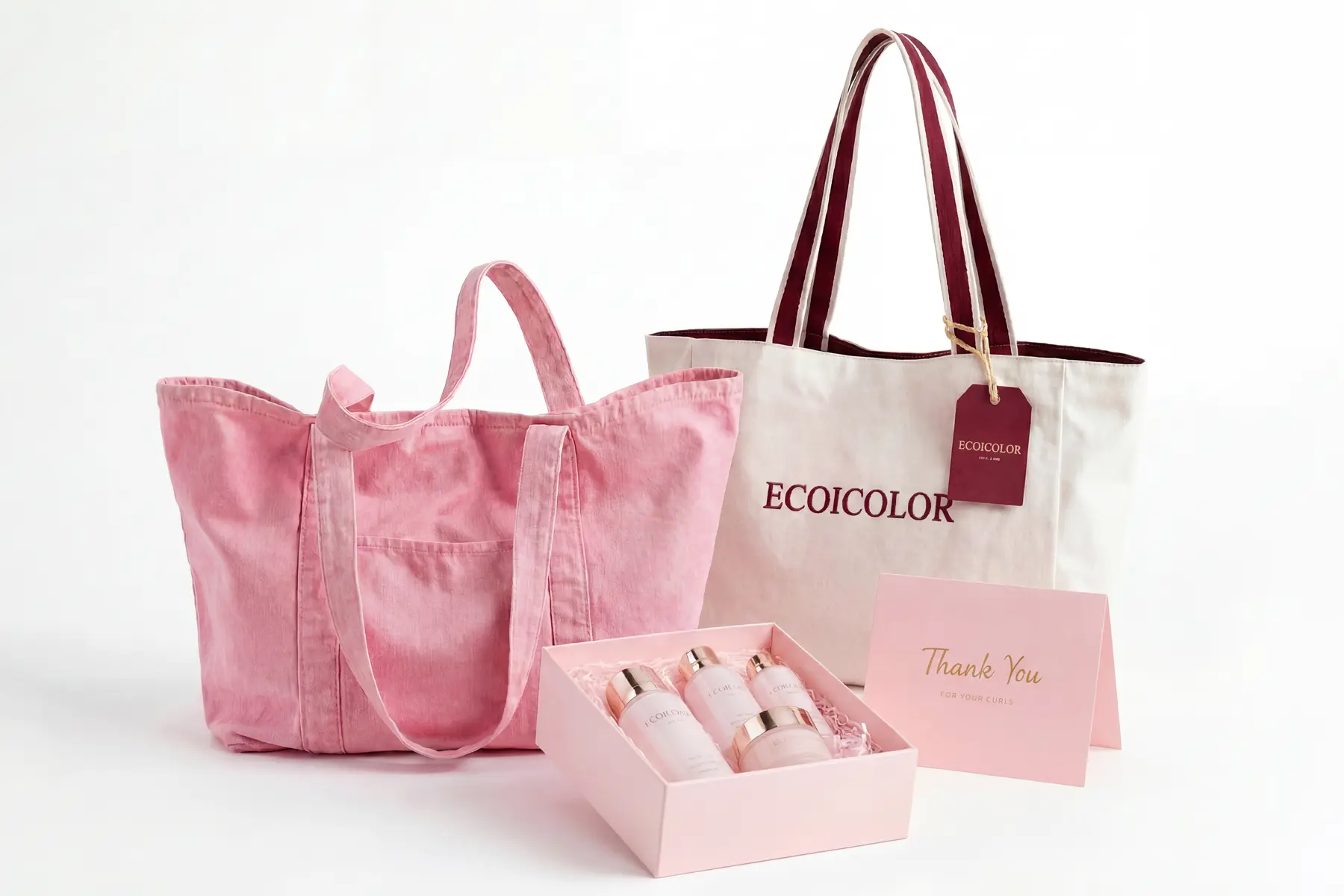
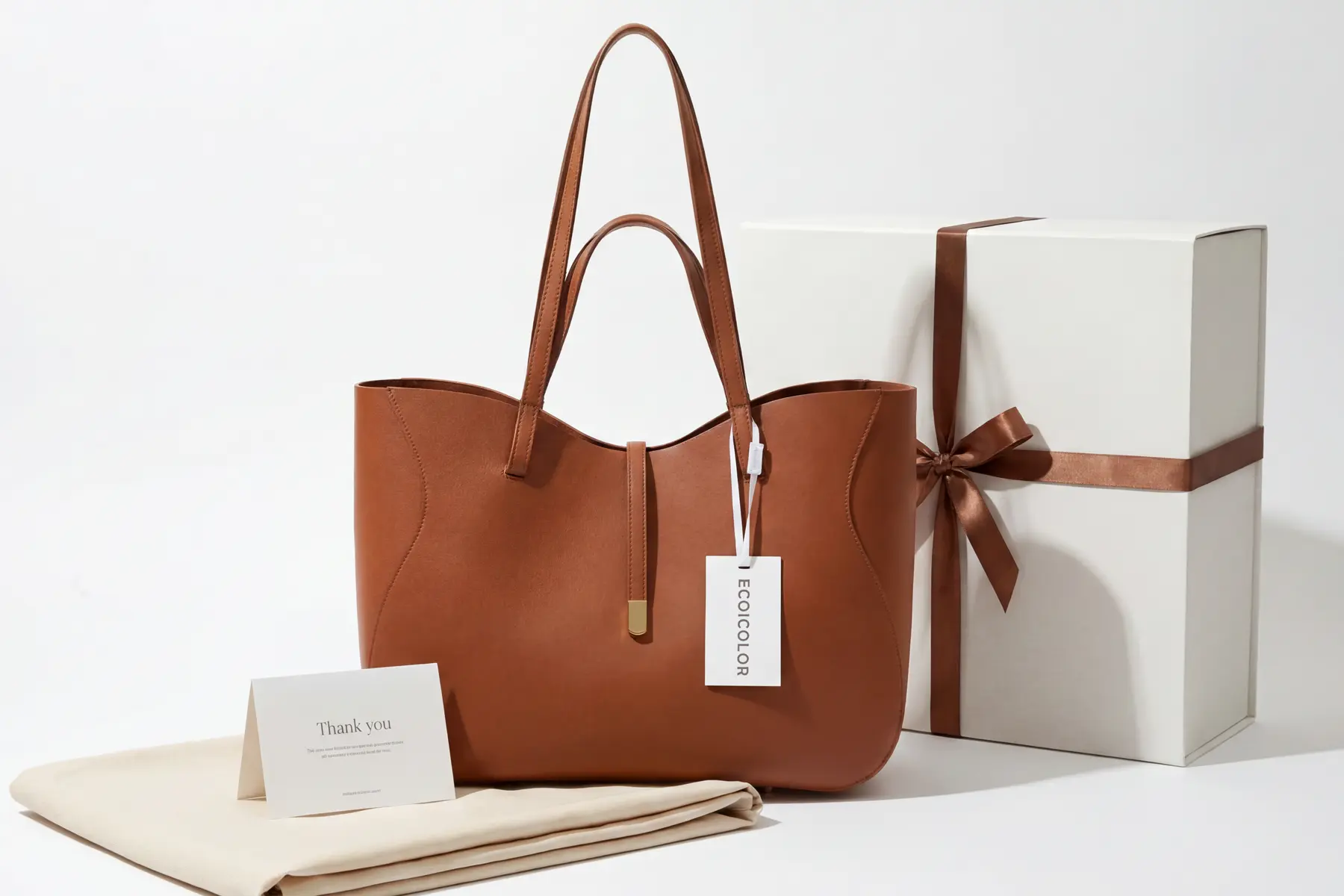
Packaging and retail labels should be treated as part of the document scope when the tote will enter retail, GWP, private label, hotel or multi-location distribution channels.
Paper cards, hangtags and sleeves may need separate paper or printing support. Barcode and SKU data should follow the buyer's retail system, and GS1 barcode standards can be useful reference for barcode discussions. GS1 barcode standards5 relate to product identification, not to material safety or sustainability. For textile labeling, buyer teams may also need to consider market-specific guidance such as FTC textile and care labeling resources. FTC textile labeling guidance6 is a useful reference when U.S. labeling questions are involved.
What document information should buyers send in the RFQ?
A useful RFQ does not need to solve every document question, but it should show what must be checked. If the buyer has a retailer requirement checklist, send it early.
When the claim is connected to artwork, packaging and market, the sample route becomes clearer. If the buyer only asks for "all certificates," the supplier may send generic documents that do not answer the real project question.
How should buyers compare document-heavy quotes?
Quotes are not comparable if one supplier includes material claim support, packaging documents and label checking while another only quotes the bag. Compare the same material, logo, packaging, label, testing and document scope before judging price.
| Quote item | Why it matters | Buyer check |
|---|---|---|
| Material route | Documents depend on the actual supply path, not only the product name. | Is the material and claim scope clearly stated? |
| Packaging route | Paper cards, hangtags and sleeves may need separate support. | Are packaging documents included or excluded? |
| Testing requirement | Third-party tests can change cost and timing. | Is testing required by buyer, retailer or market? |
| Retail labels | Barcode, wash label, composition and COO affect artwork and production. | Are final label contents provided before production? |
How does Ecoicolortote support document clarification?
Ecoicolortote's useful role is to help break down document requirements into material claim, packaging claim, factory audit, label content, testing, destination market and retailer checklist before sampling.
We should not tell buyers that every certificate is always available for every order. Instead, we check what the chosen material, packaging route and order scope can reasonably support. If a claim is too broad, the wording can be adjusted. If packaging needs separate support, it can be quoted separately. If a retailer checklist includes unfamiliar items, we can flag what needs confirmation before bulk production.
Less suitable fit for document-heavy tote projects
Ecoicolortote is less suitable for requests that expect broad certificate promises without a clear material, market, claim and packaging scope.
FAQ: Tote bag certification documents
Can Ecoicolortote provide every certificate for every custom tote order?
No. Document availability depends on material route, supplier chain, packaging, claim wording, order details, testing needs and destination market. Ecoicolortote can help check which documents are relevant before sampling, but one order cannot automatically receive every certificate name. Buyers should share the actual claim, market and checklist so the available support can be reviewed honestly.
Is BSCI a material certificate?
No. amfori BSCI relates to factory social responsibility and audit context. It is not proof of recycled content, organic cotton, textile safety, barcode validity or paper packaging certification. Buyers can use BSCI as part of supplier compliance review, while material and packaging claims still need their own support. The amfori BSCI overview7 is useful for understanding that difference.
Should packaging documents be checked separately from tote fabric documents?
Yes. Paper cards, hangtags, sleeves, boxes, barcode labels and carton marks may have a separate document route from tote fabric. A recycled fabric claim does not automatically cover paper packaging, and FSC paper support does not automatically cover the textile bag. Buyers should list packaging requirements in the RFQ so the supplier can quote and sample the correct scope.
What should buyers send if they have a retailer checklist?
Send the checklist together with material choice, quantity, destination market, packaging plan, label content and target timeline before sampling. Retailer checklists can affect artwork, barcode placement, carton labels, test scope and inspection requirements. If the checklist arrives after sample approval, the project may need rework even when the tote shape, color and logo already look acceptable.
Is OEKO-TEX the same as a recycled material certificate?
No. OEKO-TEX STANDARD 100 is commonly used for harmful-substance testing context within its certified or tested scope. It should not be used as proof of recycled content, organic content, paper packaging or factory social audit. If the buyer needs both textile safety discussion and recycled claim support, those requirements should be written as separate RFQ lines.
Can a supplier quote document-heavy tote bags before final artwork is ready?
A supplier can often give an early estimate, but final document-heavy pricing needs more detail. Claim wording, hangtag artwork, barcode data, packaging method, destination market and testing requirements may all change cost and timeline. Buyers should avoid comparing early estimates as final quotes unless every supplier is quoting the same material, packaging, label and document scope.
What should buyers send to Ecoicolortote first?
Send quantity, material direction, logo file, claim wording, destination market, packaging plan, label content, retailer checklist and launch timeline. If the team is unsure which documents are mandatory, share the reason for the request. Ecoicolortote can help separate material claims, packaging support, audit context, barcode files and testing discussions before sample release.
Share material choice, destination market, retailer checklist, packaging plan, label content and claim wording. Ecoicolortote can help check which document questions should be confirmed before your sample route is locked. Start a document scope review.