Zoe Yu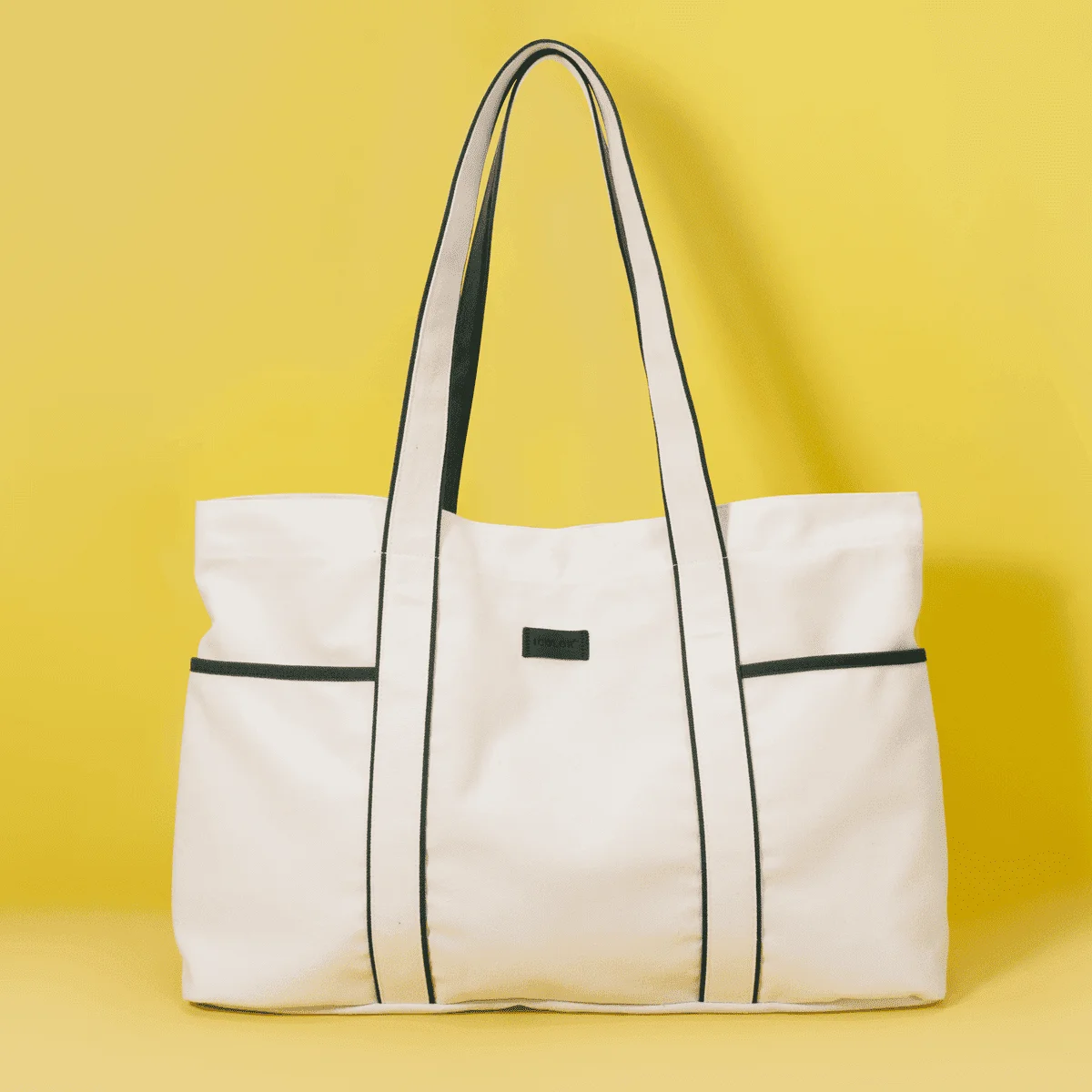
Custom tote bags for brand campaigns should be planned as a project, not only as a bag with a logo. Campaign use case, material choice, logo method, MOQ, sample review, packaging and delivery planning all affect whether the final tote supports the brand launch.
When a brand buyer asks for custom tote bags, the request often sounds simple: a bag, a logo, a quantity and a deadline. From our factory side, a good tote project depends on more decisions than that. The use case, material route, logo method, color plan, packaging, document scope and sample approval process all affect the final result.
Ecoicolortote is a better fit for clear brand projects than for one-off personal purchases. Our MOQ starts from 500 pcs per style, and we usually support beauty GWP, DTC and retail merchandise, hotel welcome totes, brand events, conference totes and seasonal gift programs. Buyers can review our customization options, private label totes, GWP brand totes and materials before choosing a route.
Buyer Summary
- Best for: brand-led custom tote bag projects with MOQ 500+ and clear expectations for material, logo, packaging and timing.
- Main decision: compare custom tote bag quotes only after material, logo process, packaging, documents and production sample scope are aligned.
- Factory-side note: if buyers are unsure about material or logo method, the route should be recommended from campaign use, budget and brand positioning before sampling.
- What to prepare: use case, quantity, size, logo file, material direction or budget, packaging needs, timing and delivery market.
What should buyers confirm before sourcing custom tote bags for brand campaigns?
A strong custom tote bag brief should define the campaign use case, quantity, size, material direction, logo artwork, packaging requirement, target timing and delivery market. Without these details, different suppliers may quote different bags under the same custom tote bag request.
For brand campaigns, the first question is not "What is the cheapest tote bag?" It is "What must this tote do for the brand?" A beauty GWP tote, retail private label tote, hotel welcome tote and event tote may all need different material, structure, print process and packing choices.
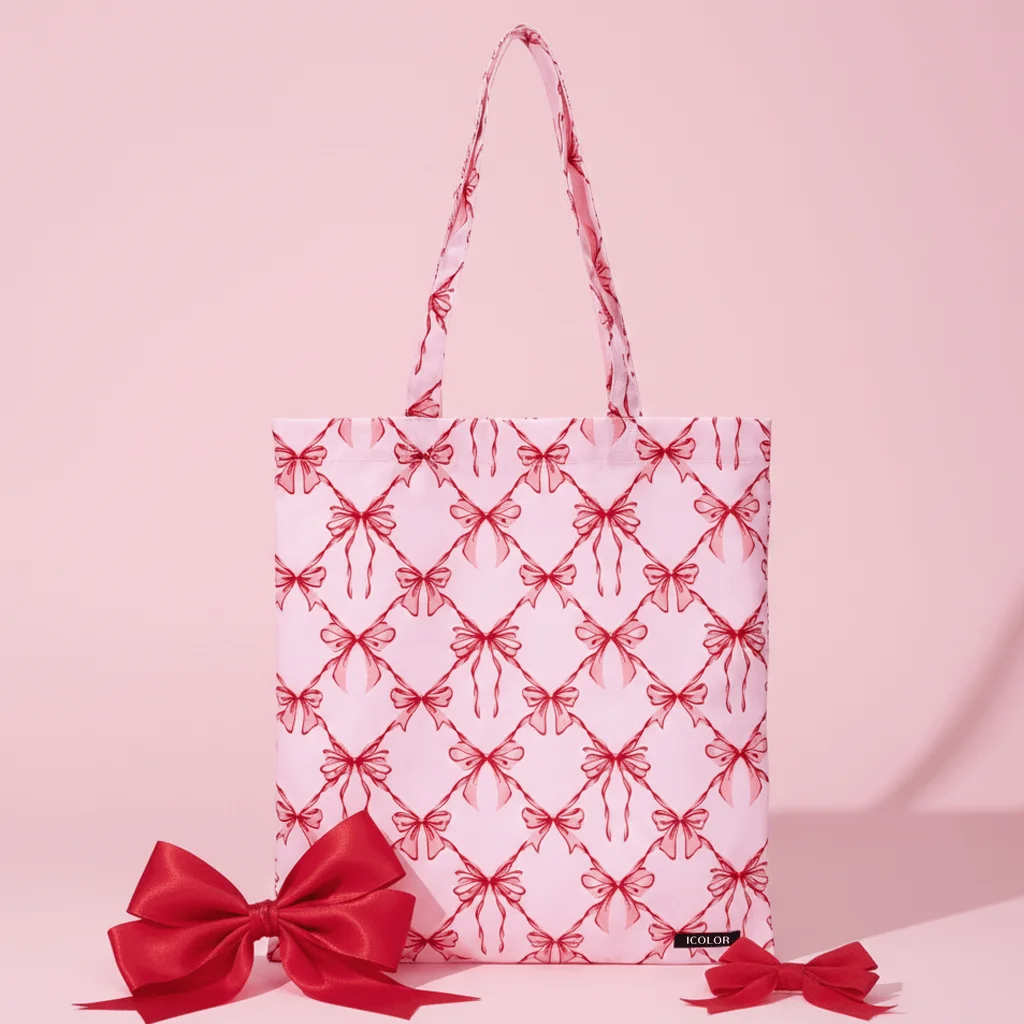
If the project is mainly a gift-with-purchase program, start with our GWP tote bag definition and GWP brand totes category first. If the buyer is not sure which route fits, send the use case, logo file, order quantity and target budget, and we can suggest options before sampling.
This page is the broad planning guide for custom tote bags for brand campaigns. It helps buyers decide the project route before using deeper material, product, logo, sample, packaging or quote-comparison guides.
If the main question is material comparison, use the tote bag materials by campaign type guide or the materials hub. If the buyer already wants a canvas route, use the custom canvas tote bags guide. If the project is retail or private label, use the private label totes product hub.
This page should help the buyer move from a broad idea to a clearer RFQ. After that, detailed articles on logo files, sample approval, packaging and quote comparison can support specific decisions.
Which brand campaign scenarios need different tote bag decisions?
The right custom tote bag depends on the campaign job. Beauty GWP projects usually care about budget, capacity and brand feel; retail projects care about handfeel and sellable structure; hotels care about clean presentation and useful capacity; events care about cost, print effect and delivery speed.
| Scenario | What buyers usually care about | Factory-side planning point |
|---|---|---|
| Beauty GWP tote | Budget, capacity, campaign timing, brand feel | Confirm product dimensions, pack-out plan, logo visibility and launch deadline. |
| DTC / retail private label tote | Handfeel, structure, sellable look, labels and packaging | Check fabric weight, stitching, retail label, barcode and shelf presentation. |
| Hotel welcome tote | Clean look, practicality, timing and guest experience | Confirm handle comfort, fabric cleanliness, room presentation and delivery schedule. |
| Event / conference tote | Quantity, cost, print effect and delivery speed | Keep material and print setup practical; avoid late artwork or color changes. |
| Seasonal / holiday gift tote | Artwork, packaging, launch date and internal approval | Plan samples early because artwork, packaging and approvals can move together. |
A project becomes easier to quote when the buyer explains what the tote must carry, where it will be used, and how it should feel in the customer's hand. The same tote size can feel right for one campaign and wrong for another.
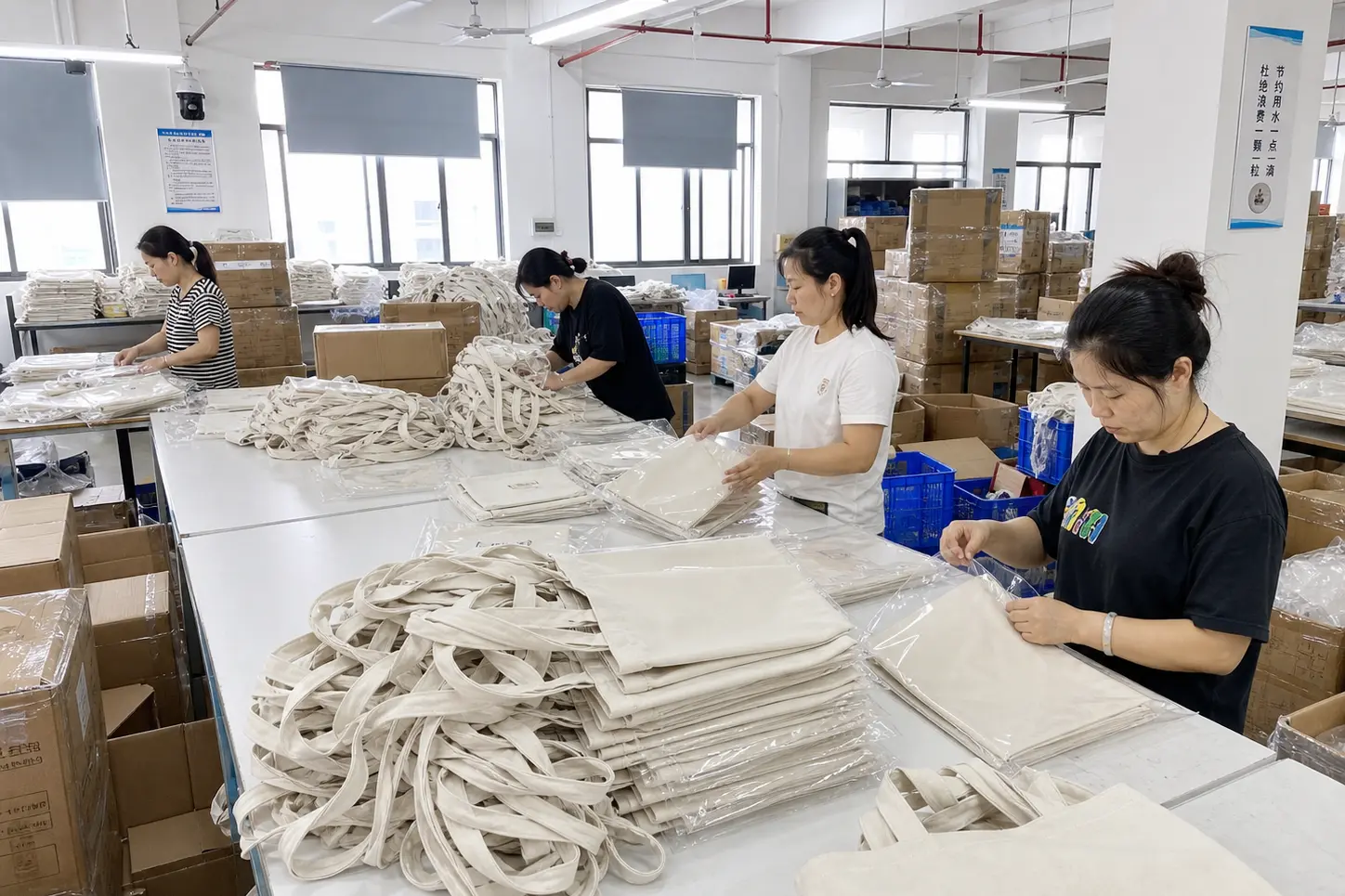
What information do buyers often miss before asking for a quote?
The most common missing details are size, use case, what products the bag must hold, logo file, packaging needs, certification or document requirements and target delivery timing. Missing details can make the first quote look fast but unreliable.
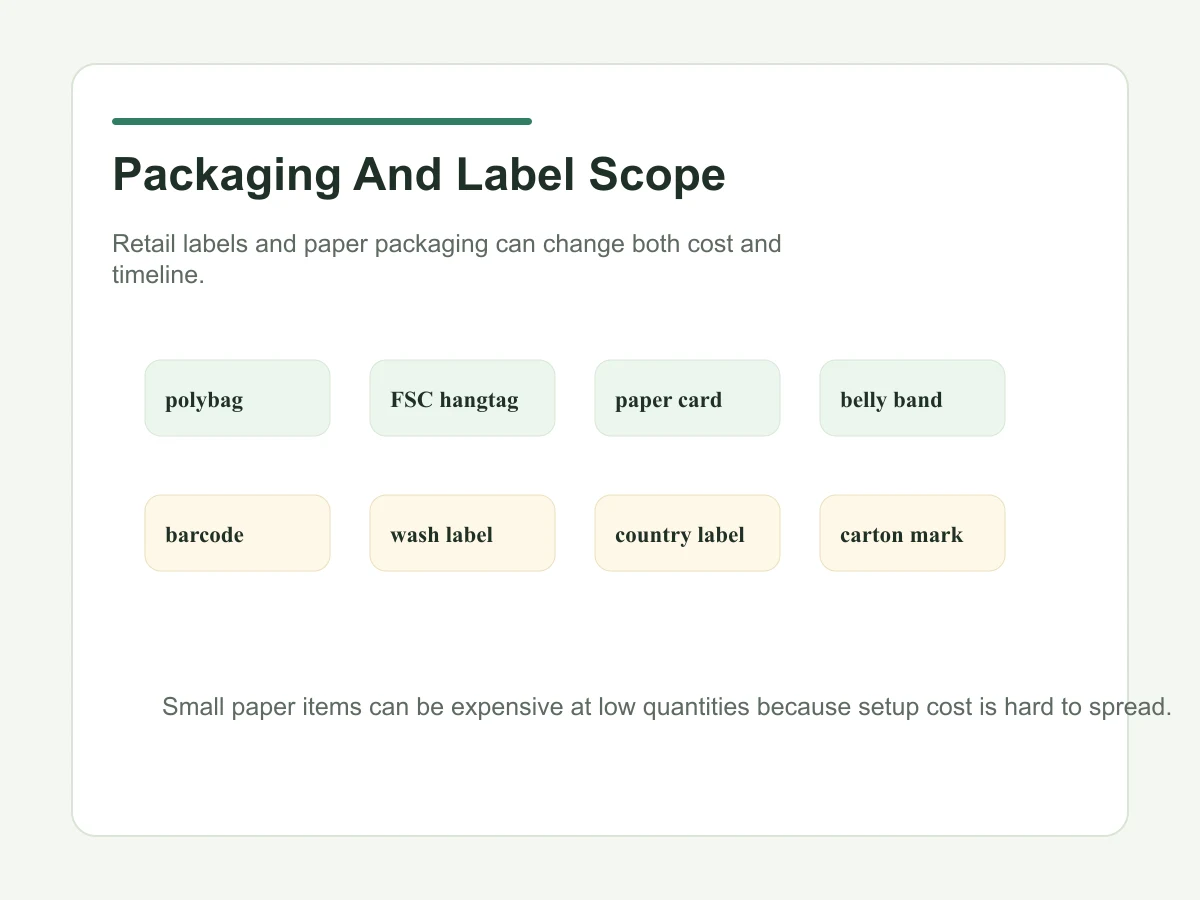
Many buyers send a mockup and quantity, then add packaging, labels or document needs later. That can change both cost and timeline. Paper cards, hangtags, barcode stickers, wash labels, composition labels and country-of-origin labels may seem small, but they can add setup work and approval time.
Other common gaps include low-resolution JPG logos, no Pantone reference, unclear product dimensions, vague color expectations and no target delivery market. Pantone color systems1 can help buyers and factories discuss color more consistently, but buyers still need to confirm color on the actual fabric and process.
- Use case: GWP, retail, hotel, event, conference or seasonal gift?
- Product fit: What needs to go inside the tote, and how heavy is it?
- Logo file: AI, EPS or editable PDF is easier to check than a low-resolution JPG.
- Packaging: Polybag, recycled-content polybag, hangtag, paper card, belly band or barcode?
- Documents: Material, testing, factory audit or packaging claim documents?
- Timing: Campaign launch date, internal approval date and delivery market.
Our logo file requirements and RFQ checklist can help buyers prepare a cleaner first brief.
Which materials usually fit custom tote bag projects for brands?
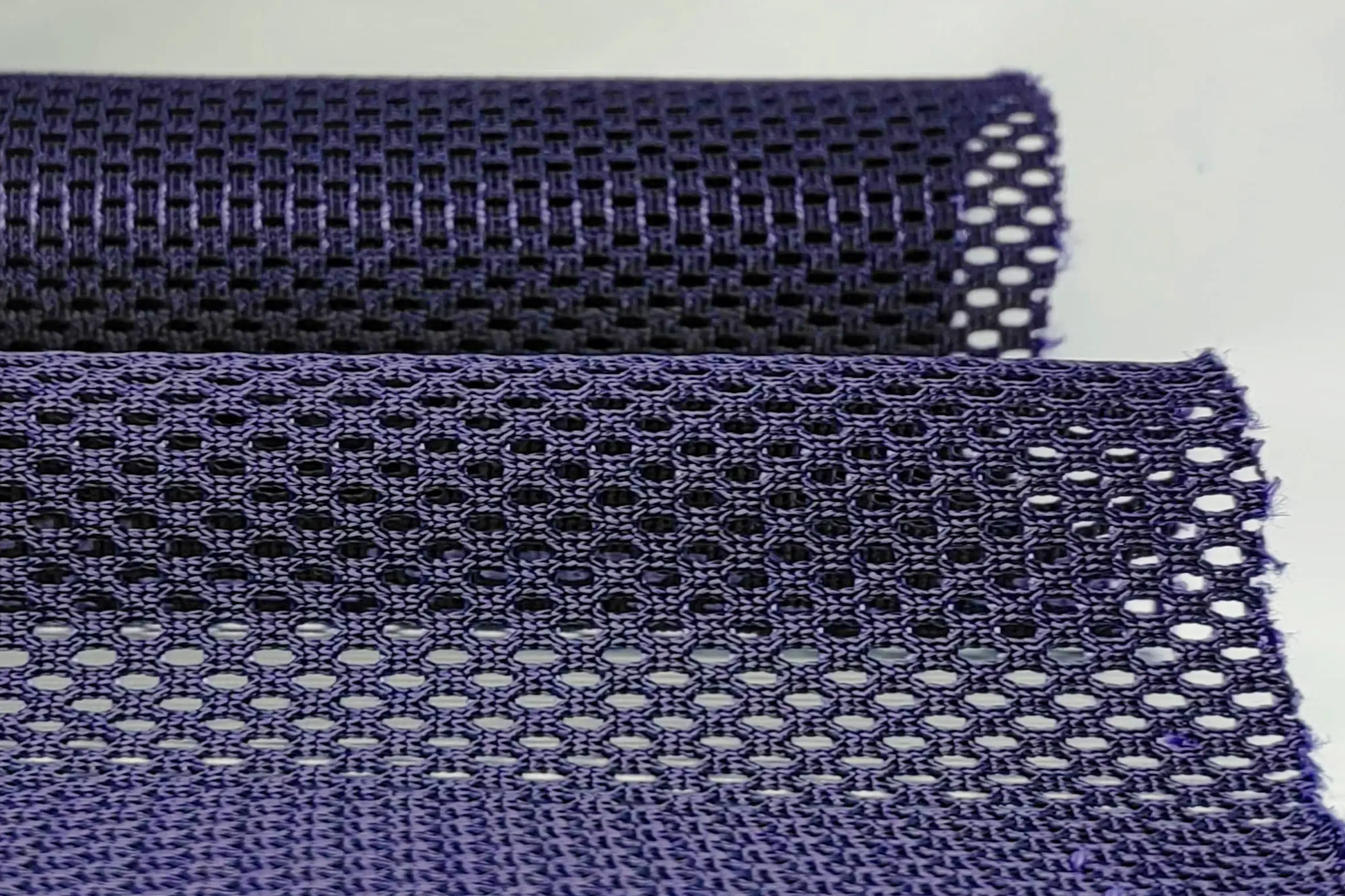
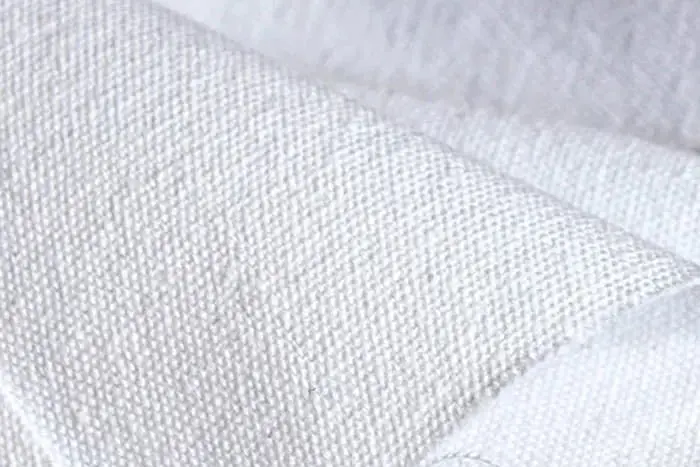
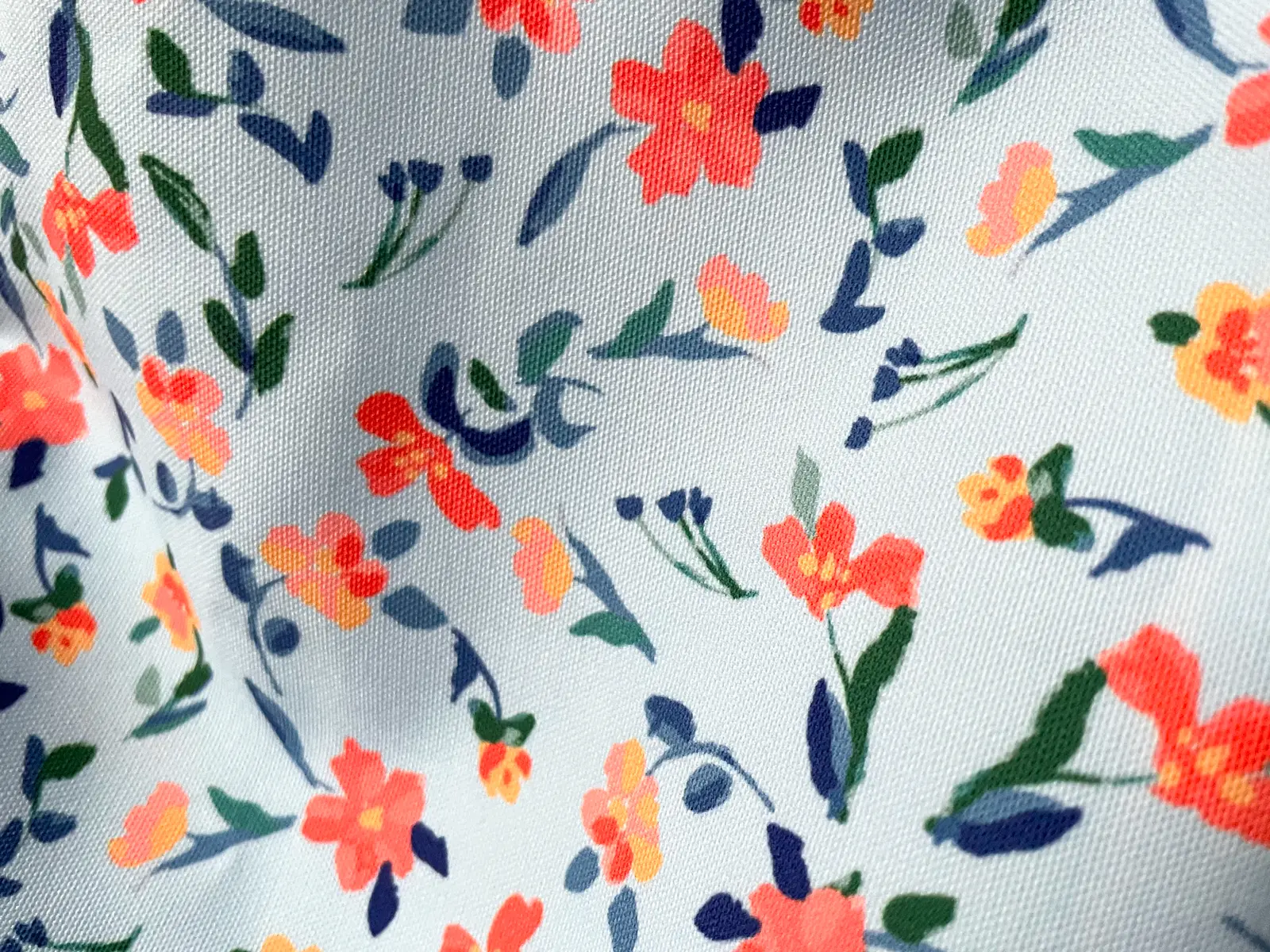
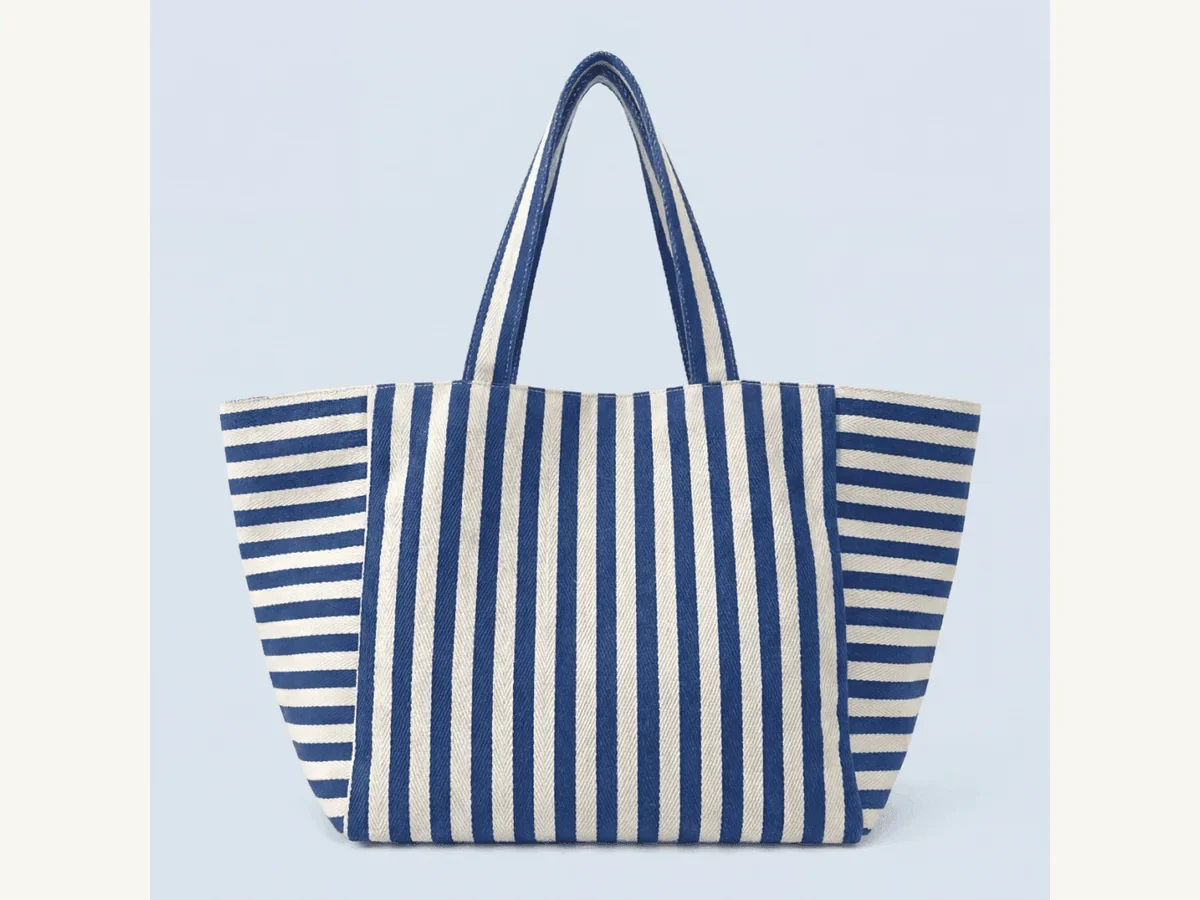
For Ecoicolortote projects, rPET, recycled cotton and cotton canvas are common starting points. rPET can fit GWP, events, full-print and lightweight projects; recycled cotton can fit practical responsible-material campaigns; cotton canvas can fit retail, private label and stronger structure needs.
Material choice should start from the campaign goal, not from a broad phrase like "responsible-material tote bag." If a buyer asks for a lower-impact or recycled-material direction, we usually ask whether the priority is a recycled story, natural handfeel, organic claim, packaging presentation, budget or document support.
| Material route | Often fits | Buyer check |
|---|---|---|
| rPET | GWP, events, full-print artwork, lightweight campaigns | Confirm recycled-content claim scope and artwork performance. |
| Recycled cotton | Practical responsible-material projects with a natural feel | Confirm composition, handfeel and whether documents match the claim. |
| Cotton canvas | Retail, private label and structured brand totes | Confirm fabric weight, shrinkage, logo method and packing volume. |
| Organic cotton | Projects with clearer organic positioning | Confirm GOTS or OCS scope, license status and supply chain coverage before claim use. |
| Bamboo fiber | Wellness or natural-feel positioning when the claim is controlled | Clarify bamboo rayon, viscose or lyocell wording and avoid unsupported claims. |
| Vegan leather | Premium retail or gift programs | Confirm terminology, material composition and market-specific claim risk. |
For environmental wording, buyers should avoid broad claims unless the claim is specific and supported. FTC Green Guides summary2 helps keep environmental marketing claims truthful, clear and properly qualified. Global Recycled Standard3 can support recycled material discussions, while OEKO-TEX STANDARD 1004 is useful for textile safety discussion.
How should buyers choose logo options for custom tote bags?
Screen printing often fits simple logos and clear color blocks, heat transfer fits multi-color or gradient artwork, embroidery fits smaller premium marks, and woven labels, patches or metal plates can create brand-detail effects. The right method depends on artwork, material surface, budget and positioning.
Logo decisions often cause sample problems when the buyer only reviews a computer mockup. A low-resolution JPG, missing Pantone reference, thin lines, tiny text, unoutlined fonts or a complex multi-color logo can all change the result.
| Logo method | Good fit | Common risk |
|---|---|---|
| Screen printing | Simple logos, solid colors, controlled cost | Small text, color registration and print opacity need checking. |
| Heat transfer | Multi-color, gradient or more complex artwork | Handfeel and durability should be tested on the actual fabric. |
| Embroidery | Small logos, premium texture, retail-style positioning | Tiny letters, thin lines and gradients do not translate well into stitches. |
| Woven label | Quiet brand detail and retail-like finish | Label size, edge finish and placement should match bag proportion. |
| Patch or metal plate | Premium detail, vegan leather or structured tote projects | Attachment method, weight, edge finish and cost need approval. |
Sometimes we suggest changing the logo method rather than following the original request. If a logo is too complex for embroidery on custom tote bags, has too many colors for screen printing, or does not match the fabric surface, changing the process can protect the final look and avoid a weak sample. Multi-color artwork may also be better reviewed through our heat transfer printing for custom tote bags guide.
What MOQ and lead time should buyers expect for custom tote bags for brand campaigns?
Ecoicolortote starts from MOQ 500 pcs per style. At this quantity, the most common configuration is one size, one to two colors, one main logo process and basic packaging. More colors, custom material, complex trims or retail packaging can raise cost and execution complexity.
A 500 pcs project can sometimes discuss two colors, but we usually suggest keeping the color plan practical. When one project splits into many colors, each color becomes a smaller production run. That can affect material allocation, setup efficiency, unit cost and quality control.
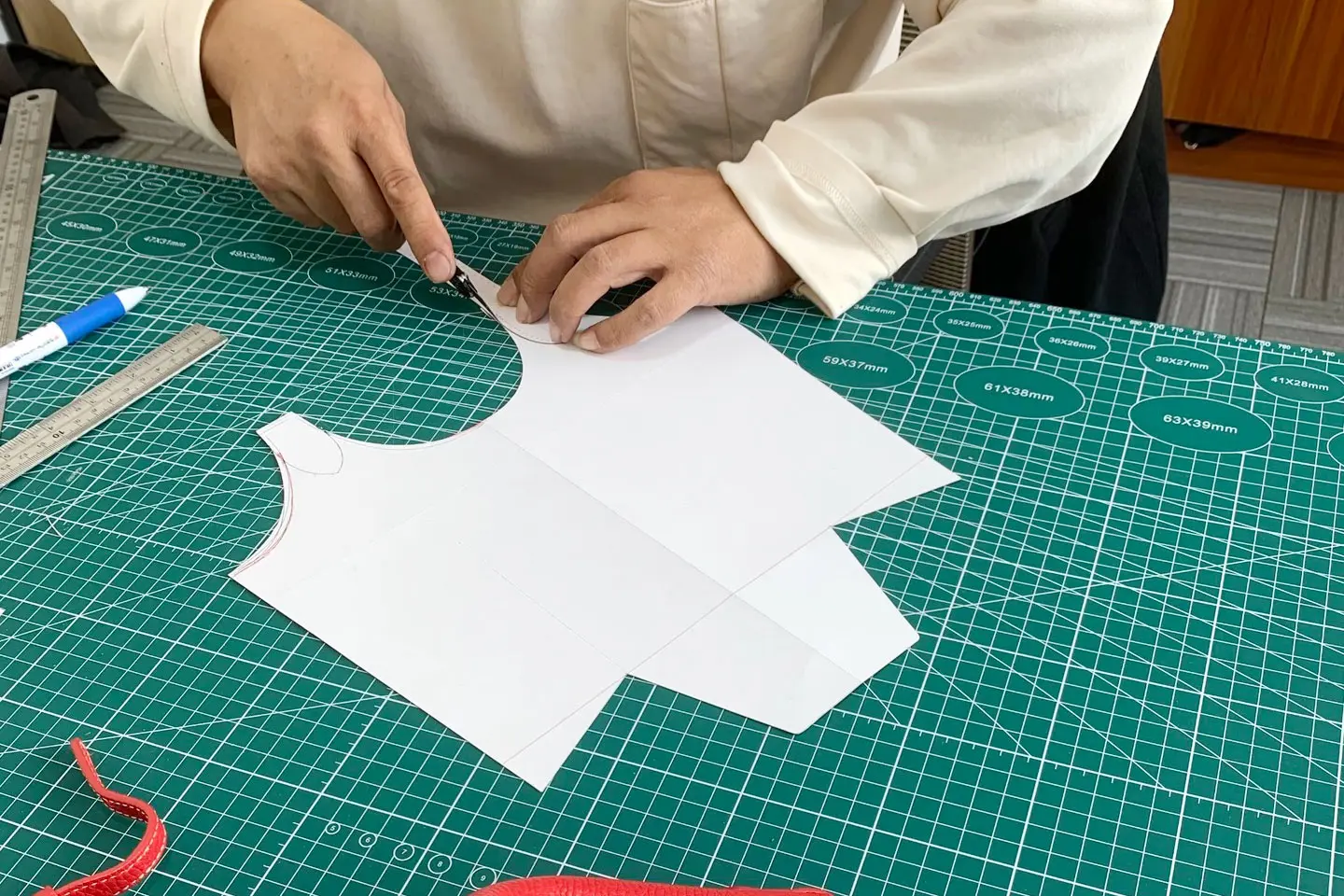
Sampling timing should stay flexible. Sample timing is confirmed after the material, construction, logo method, artwork, packaging and approval scope are clear; the working schedule also depends on revision speed and current capacity.
Before bulk production, buyers should confirm size, material, color, logo process, packaging, labels, document requirements, pre-production sample and timeline milestones. A production sample is the reference point for bulk.
How should packaging be planned for custom tote bag projects?
Packaging is part of the brand project, not an afterthought. Common needs include individual polybags, recycled-content polybags, FSC paper hangtags, paper cards, belly bands, barcode stickers, wash labels, composition labels, country-of-origin labels and carton marks.
Packaging can affect cost, lead time and MOQ. Small-batch paper items, barcode labels, special tags, gift boxes and combined retail packing often need extra setup and approval. If packaging is added after the tote sample is approved, the quote and timeline may need to change.
For paper-based claims, buyers should keep the claim scope clear. FSC paper and packaging5 mainly applies to paper-based packaging such as paper cards, hangtags or cartons, not to tote fabric itself. If a retail program needs barcodes, GS1 General Specifications6 and retailer requirements may also affect label setup.
Why should buyers compare quotes by specification, not only by unit price?
A low unit price is not meaningful if the material, logo process, packaging, documents, production sample and delivery timing are different. For brand projects, buyers should compare quotes only after the specification scope is aligned.
Two suppliers can quote the same "custom tote bag" with different fabric weights, logo methods, packing methods or label assumptions. One quote may include a hangtag and barcode sticker; another may include only a simple polybag. One may include pre-production sample approval; another may not make that clear.
Our custom tote bag supplier quote comparison guide gives a more detailed quote-checking framework.
What should be included in the RFQ?
To start a custom tote bag project, send the use case, quantity, size, logo file, material direction or budget, packaging needs, target timing and delivery market. If the material or logo process is not decided, send the campaign goal first and we can recommend options.
| RFQ item | What to send | Why it matters |
|---|---|---|
| Use case | GWP, retail, hotel, event, conference or seasonal gift | Defines material, structure, packing and timeline priorities. |
| Quantity | MOQ 500+ per style; color split if needed | Controls setup efficiency, unit cost and material planning. |
| Size | Bag dimensions or product dimensions to fit inside | Prevents samples that look good but do not hold the real items. |
| Logo file | AI, EPS or editable PDF; Pantone if needed | Allows factory to judge screen print, heat transfer or embroidery feasibility. |
| Material direction | rPET, recycled cotton, cotton canvas or budget range | Helps match brand story, handfeel and claim requirements. |
| Packaging | Polybag, hangtag, paper card, belly band, barcode or label | Packaging can change cost, lead time and retail readiness. |
| Documents | OEKO-TEX, GRS, FSC packaging, BSCI or buyer-specific requirements | Document scope must match material, factory, order and claim. |
Some brand programs also ask for factory social-compliance documents or buyer audit support. amfori BSCI audit guidance7 can be part of supplier audit discussions, depending on buyer requirements.
Who We Do Not Take On
Ecoicolortote is a better fit for brand-led projects with MOQ 500+, clear use cases and a need for material, logo, packaging and document coordination. We are usually not the right fit for personal one-off orders, very small test quantities, lowest-price-only sourcing or projects that skip sample confirmation.
If a buyer only wants a very small quantity or does not want to confirm specifications, they may be better served by a stock product seller. If a brand needs a tote that supports a campaign, retail launch, hotel guest experience or seasonal gift program, a project-based process is more useful.
Send your campaign brief with quantity, size, logo file, material direction, packaging needs and timing. If you are not sure which material or logo process fits, we can recommend a route before sampling. Contact Ecoicolortote.
FAQ: Custom tote bags for brand campaigns
What should buyers confirm before sourcing custom tote bags for brand campaigns?
Buyers should confirm use case, quantity, size, logo file, material direction, packaging needs, document scope, target timing and delivery market before asking for a final quote.
What sample details matter most for custom tote bags for brand campaigns?
Material handfeel, logo size, color, stitching, handle comfort, product fit, packaging, labels and the approved pre-production sample should be checked before bulk production.
What MOQ and lead time should buyers expect for custom tote bags for brand campaigns?
Ecoicolortote starts from MOQ 500 pcs per style. Sample timing is confirmed after the material, construction, logo method, artwork, packaging and approval scope are clear; the working schedule also depends on revision speed and current capacity.
Which material or certification evidence should be checked?
Check material composition, recycled or organic claim scope, textile safety needs, FSC paper packaging, audit information and any buyer-specific document checklist.
What should be included in the RFQ?
The RFQ should include use case, quantity, size, logo file, material direction, packaging, label needs, document requirements, launch date and delivery destination.
What mistake causes the most rework?
The biggest mistake is comparing unit prices before aligning material, logo method, packaging, documents and sample approval scope. Late changes can require new quotes and samples.
When should buyers contact Ecoicolortote?
Contact Ecoicolortote when your MOQ 500+ brand project needs help matching campaign use case, material, logo method, packaging and delivery planning before sampling.
Sources
- Pantone color systems explained↩
- FTC Green Guides summary - environmental marketing claims↩
- Global Recycled Standard - recycled-content reference↩
- OEKO-TEX STANDARD 100 - textile safety reference↩
- FSC paper and packaging↩
- GS1 General Specifications - barcode and identification standards↩
- amfori BSCI audit guidance - producer audit requests↩