Zoe Yu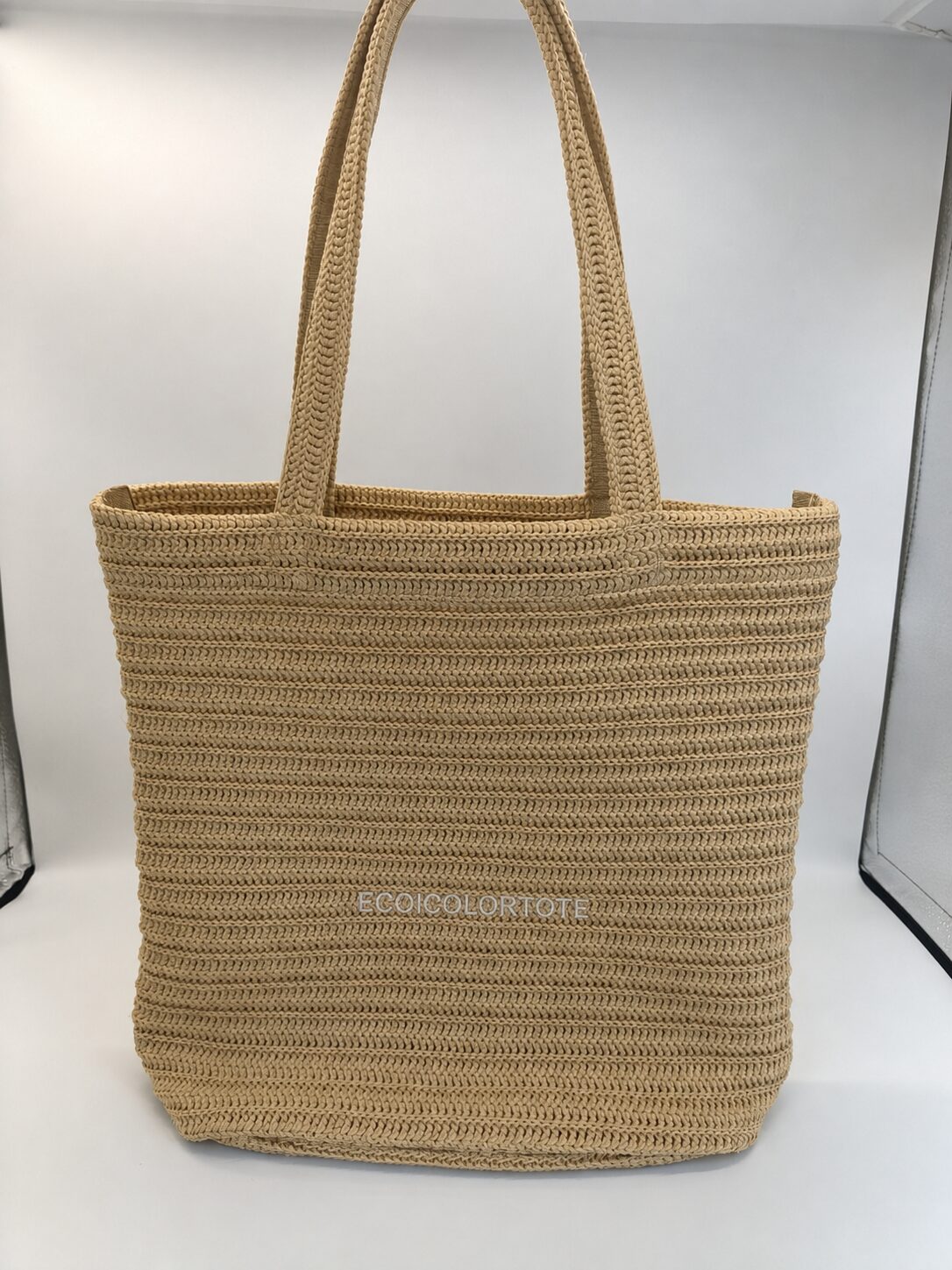
Private label tote bags for retail brands are not only custom logo totes. A retail-ready tote has to look like a sellable product: material, structure, finishing, woven label, hangtag, barcode, wash label, packaging and SKU consistency all have to work together.
Ecoicolortote is a better fit for MOQ 500+ retail and private label projects where the buyer cares about label systems, packaging, repeat order management and product consistency. If you are planning a retail tote line and are not sure how to build the label or packaging route, send us your private label brief first.
Buyer Summary
- Best fit: DTC retail totes, boutique retail totes, museum/gift shop totes, beauty retail totes and fashion merchandise.
- Main risk: making a nice logo bag but forgetting label content, barcode, hangtag, packaging, SKU mapping and repeat-order consistency.
- Best brief: use case, quantity, size, material direction, logo file, SKU/color versions, packaging and label requirements, launch date and delivery market.
- Factory support: we can help turn "premium," "retail-ready" or any material claim into material, label, packaging, document and sample checks.
What is the quick answer for private label tote bags for retail brands?
A private label tote bag should be planned as a retail product, not only a branded giveaway. Buyers should confirm material, structure, logo detail, label system, barcode, hangtag, packaging, SKU versions, target launch date and repeat-order expectations before comparing quotes.
For retail buyers, the tote has to survive more than one first impression. It may be sold online, displayed in a boutique, placed in a museum gift shop, bundled with beauty products or used as fashion merchandise. The details that make it look sellable are often small: label placement, finishing, tag quality, barcode accuracy, packaging and consistent color/version control.
If a buyer only says "premium retail tote bag,"we usually ask what premium means in that project: stronger structure, better logo detail, more complete packaging, a special material story, or a higher target retail price. The answer changes the material and production route.
How does this guide differ from our broader brand campaigns guide?
Our custom tote bags for brand campaigns guide helps buyers plan broad branded tote projects. This page focuses only on retail/private label execution: label systems, barcodes, packaging, SKU consistency, repeat orders and shelf-ready presentation.
If the buyer is still deciding what kind of brand tote project they need, start with the broader guide. If the tote will be sold as a retail product, use this page to plan labels, packaging and repeat-order control. If the project is specifically canvas-led, our custom canvas tote bags for brands guide goes deeper on fabric weight, handfeel and sample checks.
Which private label retail tote scenarios should buyers separate?
DTC retail, boutique retail, museum/gift shop, beauty retail and fashion merch projects all need sellable finishing, but their priorities are different. The retail context should shape material, branding, packaging and SKU decisions.
| Scenario | Buyer priority | Factory-side check |
|---|---|---|
| DTC retail tote | Handfeel, structure, SKU clarity, repeat consistency | Confirm SKU mapping, color repeatability, packaging and reorder standard. |
| Boutique retail tote | Brand tone, detail quality, refined finishing | Check woven label, embroidery, patch, hangtag and material handfeel. |
| Museum / gift shop tote | Design story, display value, retail presentation | Plan artwork, hangtag, barcode and shelf/peg display needs. |
| Beauty retail tote | Packaging coordination, label detail, giftable feel | Match tote, hangtag, packaging and product-line tone. |
| Fashion merch tote | Logo expression, wearable look, social visibility | Confirm logo style, material drape, handle comfort and visual identity. |
What do private label buyers often miss before RFQ?
Private label buyers often miss SKU and color versions, label content, barcode, packaging, target launch date, composition label and country-of-origin label requirements. These details decide whether the tote looks retail-ready.
The most common mistake is building a good logo sample without a complete label and packaging system. A tote can look fine in a mockup but still feel like a promotional bag if it has no hangtag, barcode, wash label, composition label, packaging or finishing detail.
Retail projects also underestimate the time needed for label content, barcode confirmation, paper card approval, packaging sample review, sample revision and repeat-order controls.
Which materials fit private label tote bags for retail brands?
Cotton canvas fits structure and basic retail positioning, recycled cotton fits practical environmental positioning, organic cotton fits natural or clean positioning, vegan leather details can support premium retail, and rPET can fit lighter graphic retail projects.
| Retail positioning | Material route | Buyer check |
|---|---|---|
| Basic retail / DTC | Cotton canvas, recycled cotton | Check structure, handfeel, logo clarity and repeat color standard. |
| Boutique / museum shop | Canvas, recycled cotton, organic cotton, patch/label details | Make sure material story and display presentation match the retail context. |
| Beauty retail | Canvas, organic cotton, recycled cotton | Coordinate material tone with packaging, hangtag and giftable feel. |
| Fashion merch | Canvas, vegan leather detail, printed rPET where suitable | Check wearable look, logo expression and social visibility. |
| Premium retail | Thicker canvas, organic cotton, vegan leather detail, metal or patch detail | Confirm cost, MOQ, sampling time and whether the premium detail fits the buyer's price point. |
Organic cotton, recycled cotton and vegan leather are often misunderstood. A material story does not automatically solve retail execution. Buyers still need to check handfeel, structure, logo process, labels, packaging, document scope and target retail price.
Environmental claim wording should be specific. FTC Green Guides1 help keep environmental marketing claims qualified. Textile Exchange standards2 can help frame recycled or preferred material documentation, but the exact document scope must be confirmed for each order. OEKO-TEX STANDARD 1003 can support textile safety discussions where applicable.
How should retail buyers plan logo, labels and brand finishing?
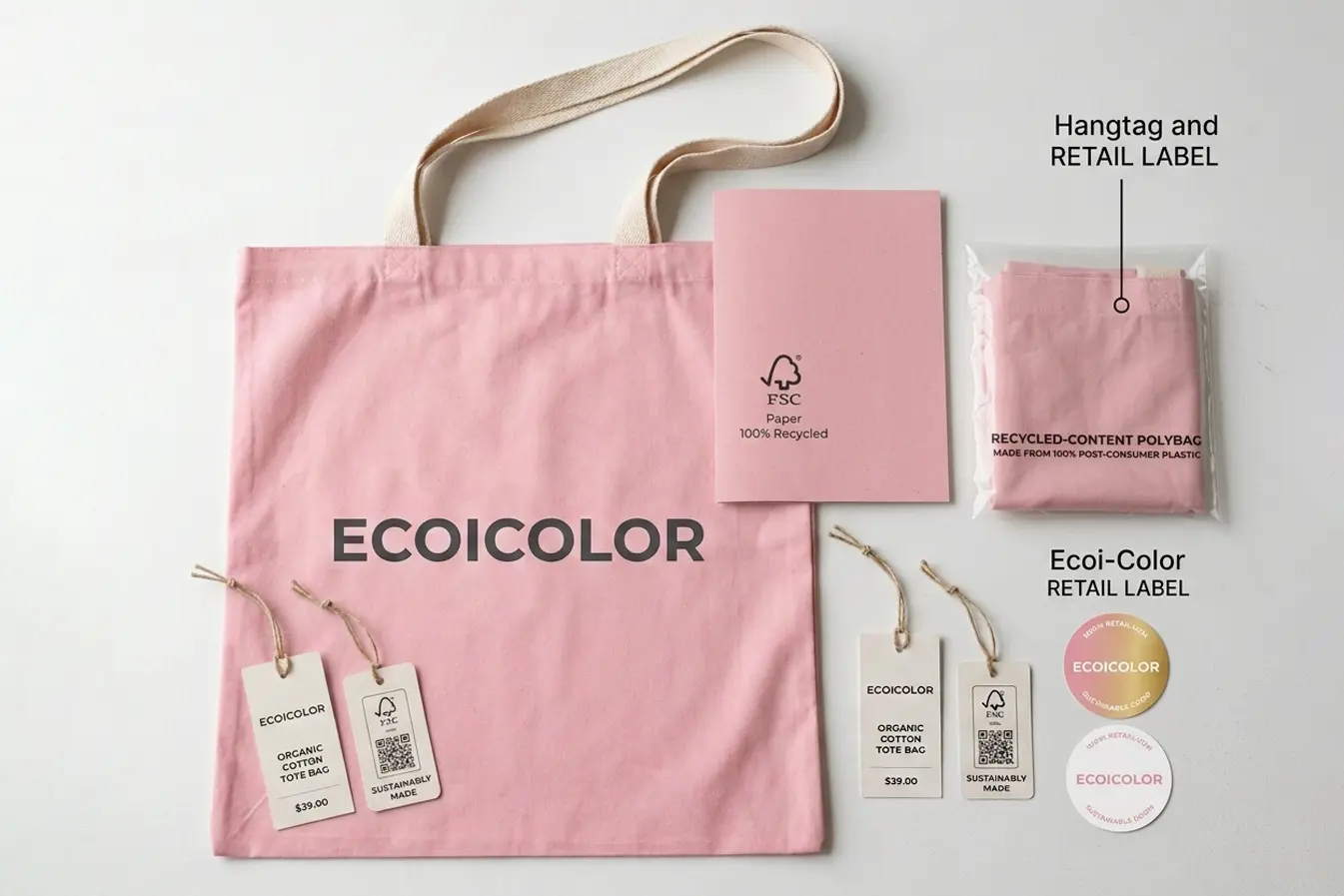
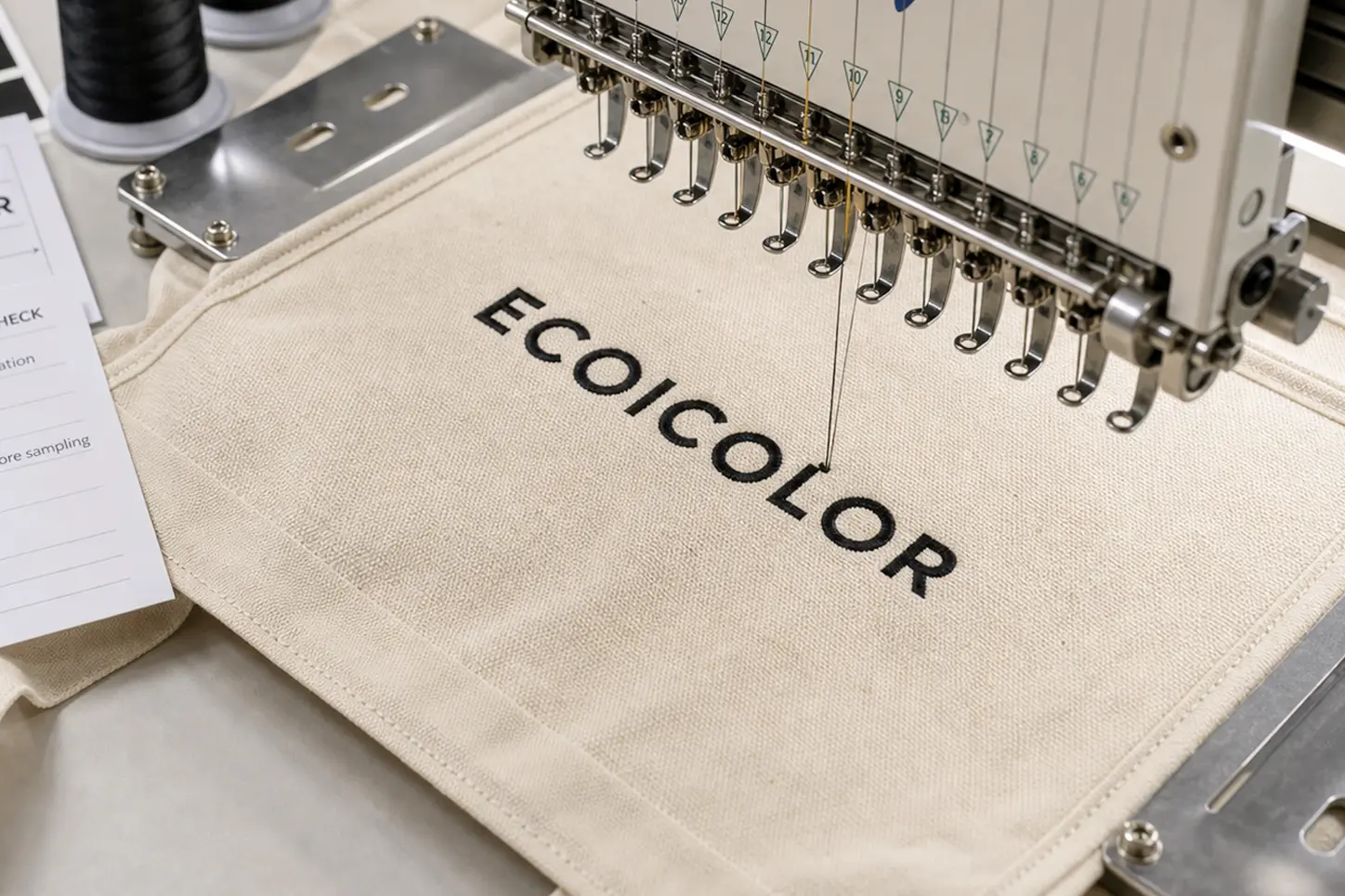
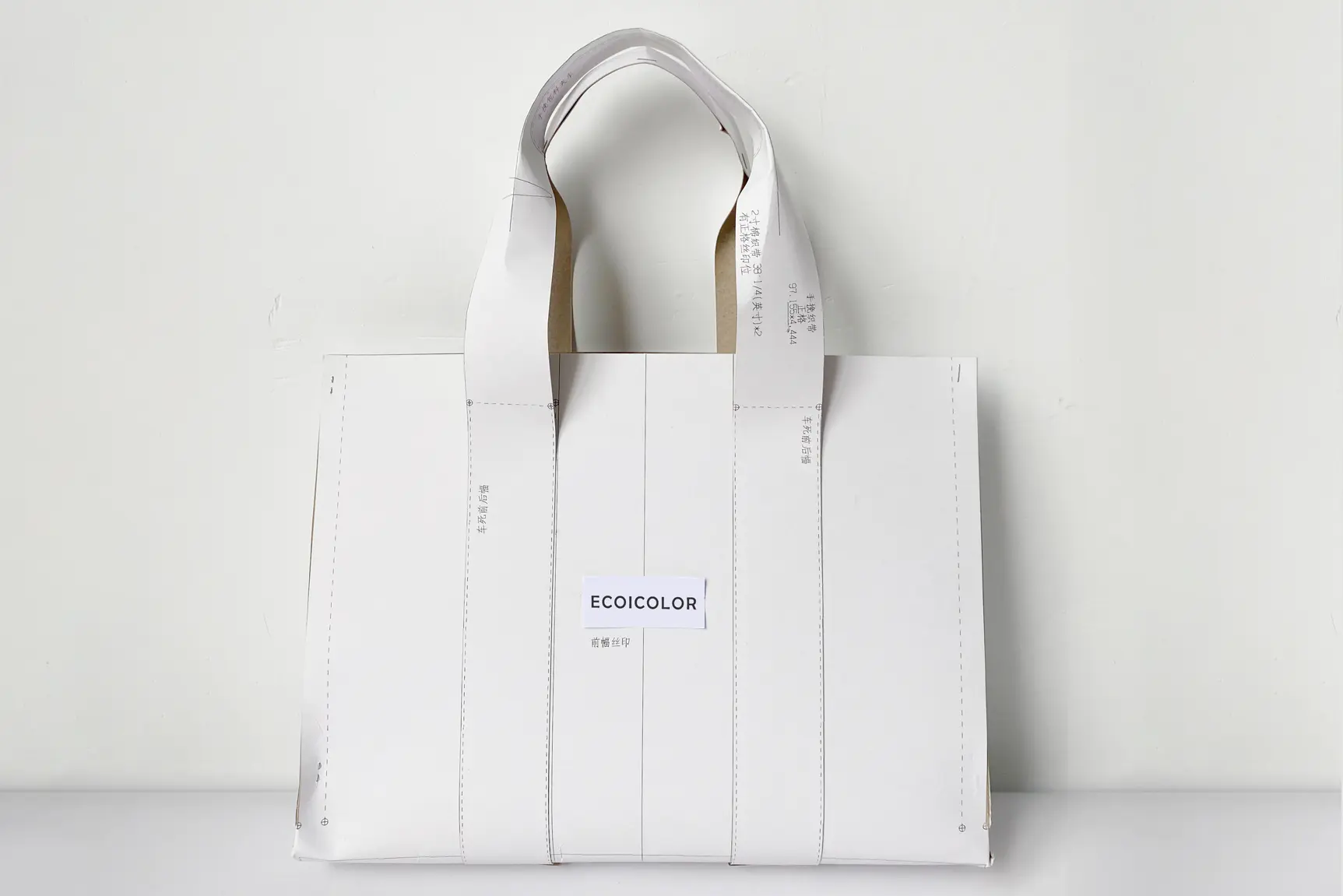
Private label totes should not rely on logo alone. The stronger retail route is a complete product finishing system: woven label, embroidery or print, hangtag, wash label, composition label, country-of-origin label, barcode and packaging.
| Branding item | Common placement | Why it matters |
|---|---|---|
| Woven label | Inside, side seam or small outside position | Creates a private label product feel without overprinting the whole bag. |
| Wash / composition label | Inside seam or inner panel | Supports retail information needs and customer care communication. |
| Hangtag | Handle, main opening or attached loop | Communicates brand story, SKU, barcode and price information. |
| Barcode / SKU sticker | Hangtag, sticker or outer packaging | Helps retail receiving, checkout and inventory management. |
| Patch / metal plate | Front panel, side area or trim detail | Can create premium detail, but affects cost, lead time and sample review. |
Low-resolution logos, unoutlined files, incomplete label content, wrong barcode versions and confusing SKU information can all cause sampling and production errors. GS1 barcode standards4 are widely used for retail identification and scanning. FTC textile labeling guidance5 is useful when discussing fiber content, country of origin and responsible party information for textile products sold in the United States. The FTC Care Labeling Rule6 is also relevant when care instructions apply.
For process details, see our logo file requirements, embroidery custom tote bags and heat transfer printing guides.
What MOQ, color, SKU and sampling rules apply to private label totes?
Ecoicolortote private label tote projects start from MOQ 500 pcs per style. A common setup is one base style, one to two colors, one main logo method, a complete label system and basic retail packaging.
If 500 pcs needs several colors or multiple SKUs, we usually suggest keeping the base construction and most branding consistent, then changing color, hangtag, barcode, SKU sticker or small label details. This keeps cost and execution more controlled.
Sample timing is quoted after the construction, material, logo process, label and packaging system, SKU count and revision scope are confirmed. A single-process sample may be simpler than a multi-process retail program, but use the project-specific sample plan—not a generic day range—for launch scheduling. Retail projects can take longer when label systems, packaging samples, metal plates, patches or multiple SKU versions are involved.
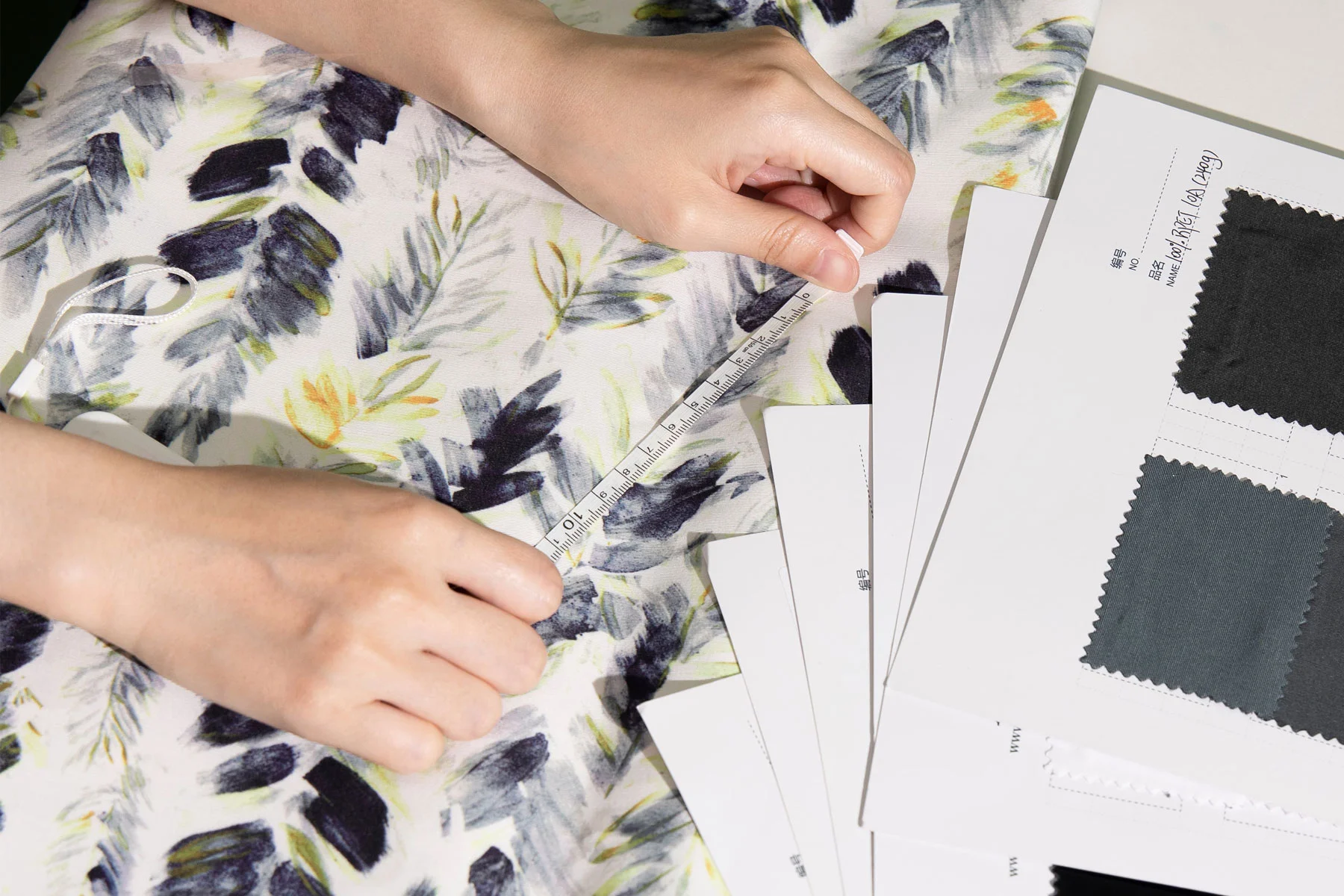
Before bulk production, retail buyers should confirm size, material, color, logo process, all label content, barcode, hangtag, packaging, pre-production sample and SKU mapping. Pantone color systems9 can help color communication, but physical material and sample approval remain important. Our sample approval mistakes article explains common sign-off risks.
How should retail packaging and shelf-ready labels be planned?
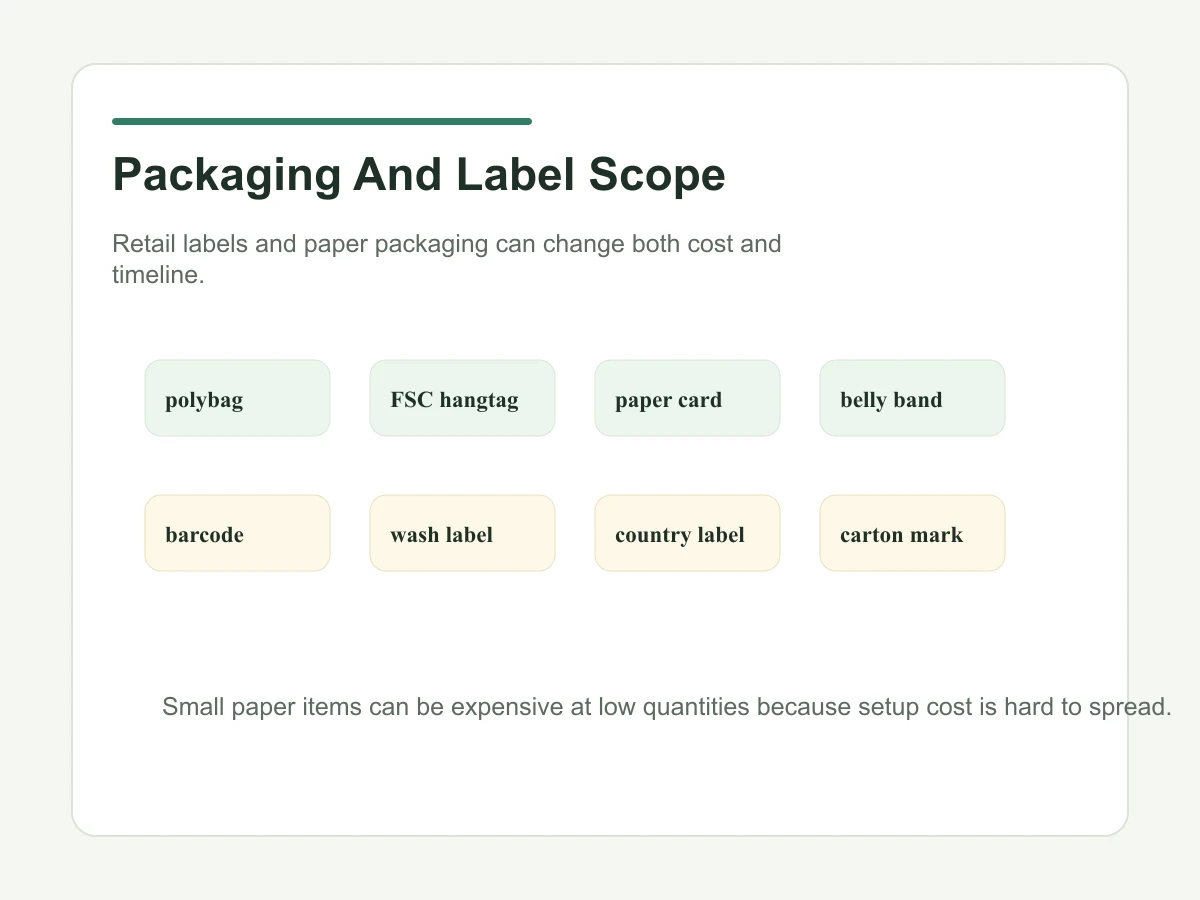
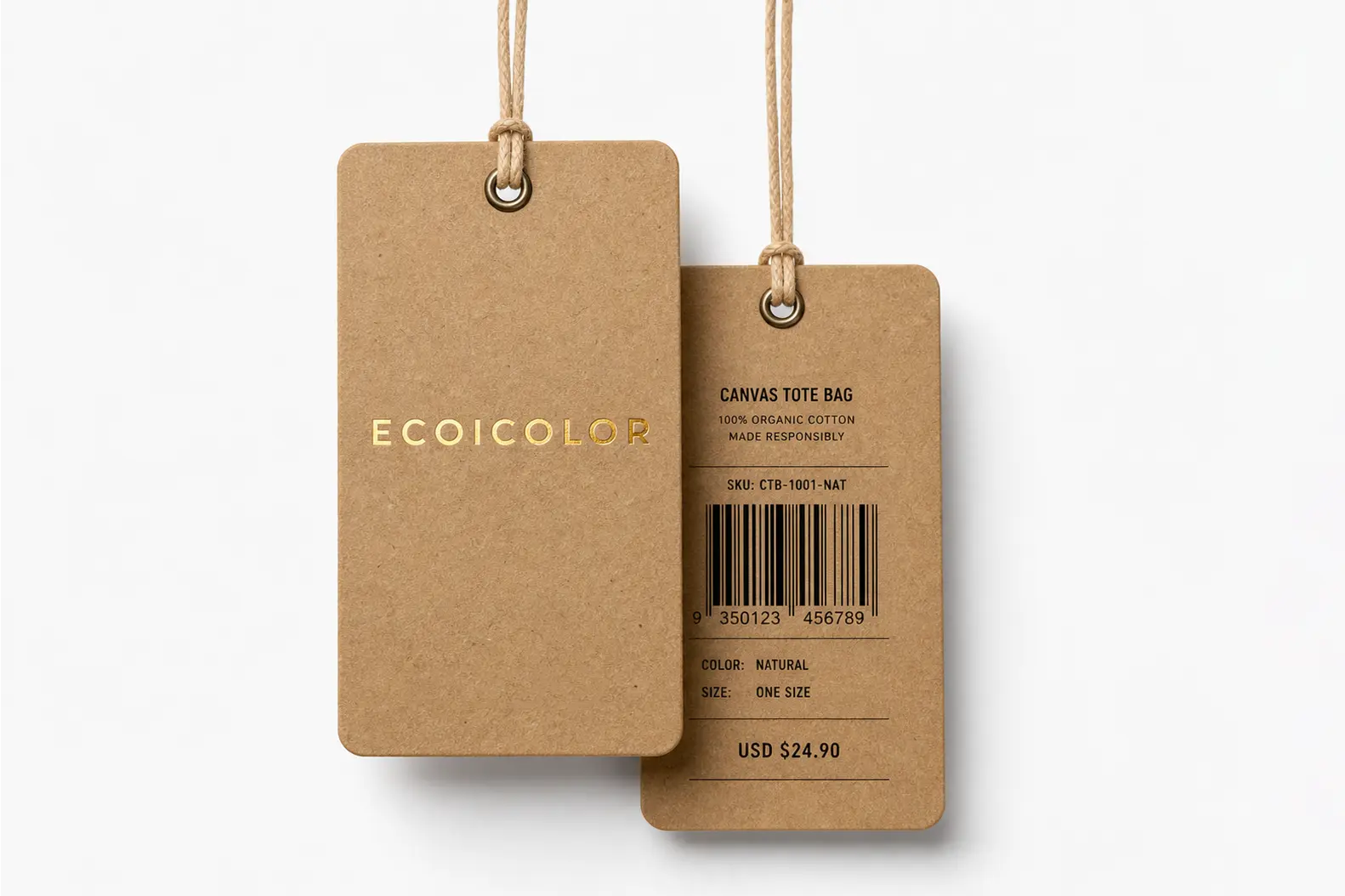
Retail/private label tote projects often need hangtags, barcode stickers, wash labels, composition labels, country-of-origin labels, paper cards, belly bands, polybags or recycled-content polybags. These items affect cost, lead time and MOQ.
Packaging should be part of the first RFQ because it changes artwork, material sourcing, sampling, carton size and inspection. FSC labels7 can be relevant for paper cards or paper packaging claim discussions, but the exact paper and label scope should be confirmed before using claim wording.
| Retail item | Impact | Confirm early? |
|---|---|---|
| Hangtag | Brand story, barcode, SKU and price communication | Yes |
| Barcode / SKU sticker | Retail checkout, inventory and receiving | Yes |
| Wash / composition label | Consumer information and product identification | Yes |
| Country-of-origin label | Retail and import information needs | Yes |
| Paper card / belly band | Display, brand story and packaging presentation | Yes |
| Gift box or complex retail pack | Cost, MOQ, lead time, carton volume and sample approval | Yes |
Send your SKU map, barcode plan, label needs and packaging direction, and we can recommend a retail-ready route before sampling. Our custom tote bag packaging options guide covers more packaging choices.
Why do repeat orders and SKU consistency matter for retail totes?
Retail totes are often reordered. If material, color, logo detail, label content, barcode placement and packaging are not documented clearly, repeat orders can drift from the original retail standard.
For private label projects, the factory and buyer should keep a clear production reference: approved sample, material direction, color reference, logo method, label artwork, barcode/SKU map, packaging file and carton mark rules. This is especially important for DTC brands, boutique retailers and museum shops where customer reviews and shelf presentation depend on consistency.
| Repeat-order item | What to keep consistent | Why it matters |
|---|---|---|
| Material | Fabric type, weight direction, handfeel and color tone | Protects product quality perception across drops. |
| Branding | Logo size, method, label placement and trim detail | Keeps the product recognizable to returning customers. |
| Packaging | Hangtag, barcode, paper card, polybag and carton marks | Supports retail receiving and consistent presentation. |
| SKU mapping | Color, version, barcode and label content | Reduces mix-ups between variants. |
How does retail launch size change the private label tote plan?
A small boutique drop and a larger DTC retail launch may both need private label tote bags, but they do not need the same level of SKU control, packaging complexity or repeat-order documentation.
Retail buyers often focus on the first production run, but the better question is whether the tote line needs to be repeated. If repeat orders are likely, the first RFQ should record material, label, packaging and SKU decisions clearly enough to reproduce the product later.
| Retail launch type | Typical planning logic | Main risk if ignored |
|---|---|---|
| Small boutique drop | One style, one to two colors, refined label or hangtag, simple packaging | Overbuilding the packaging can make the project too expensive for the quantity. |
| Museum / gift shop program | Design story, barcode, hangtag, display presentation and reorder consistency | Beautiful artwork can still fail if barcode and shelf presentation are not ready. |
| DTC retail launch | SKU map, packaging, barcode, product photography needs and repeat-order standard | Color or label drift can create customer-service and inventory issues later. |
| Multi-SKU fashion merch line | Version control, label consistency, color approval and carton/SKU separation | Mixed SKUs, wrong barcodes or inconsistent finishing can disrupt launch fulfillment. |
Real retail project: a 500-piece PP woven straw tote route
In March 2026, a Morocco-based retail brand approved a 500-piece, single-SKU private-label tote program in khaki PP woven straw material. The original fully handwoven route was too costly for the target retail program. Ecoicolortote proposed a cut-panel and sewn construction using a similar PP woven straw material, while retaining the W38 × H35 × D14.5 cm tote structure and embroidered brand mark. The sample was approved and the 500-piece first order was confirmed.
| Project field | Confirmed route |
|---|---|
| Buyer and market | Morocco-based retail brand |
| Program | One khaki retail SKU, 500 pieces |
| Material | PP woven straw; a synthetic polypropylene construction route |
| Finished size | W38 × H35 × D14.5 cm |
| Branding | Embroidered logo; client identity removed from the public image |
| Construction decision | Cut panels and sewn seams replaced the costly fully handwoven route |
| Outcome | Sample approved; 500-piece first order confirmed |
Factory-side lesson: when a woven-look tote exceeds the target retail cost, buyers can compare a fully handwoven route with a cut-panel and sewn route before sampling. The material name, seam layout, handle construction, embroidery backing and edge finish still need physical approval.
What private label project boundaries should buyers confirm early?
Private label tote projects become easier to manage when the buyer confirms style count, SKU count, color count, label complexity, packaging level and repeat-order expectation early. These boundaries affect MOQ, sampling route, production control and future reorder stability.
Ecoicolortote can support retail projects with multiple colors and SKU versions, but the cleaner route is usually to keep the main bag construction consistent and manage differences through color, barcode, hangtag, small label or packaging version. When every SKU changes material, logo, label and packaging at the same time, the project needs more sampling and stricter version control.
| Boundary to confirm | Practical starting point | When complexity increases |
|---|---|---|
| MOQ | 500 pcs per style | More colors, materials or full design versions may need separate confirmation. |
| SKU count | 1 base style with 1-2 colors is the cleanest route | Multiple colors, barcode versions and packaging versions require a SKU map. |
| Label system | Woven label, wash/composition label, hangtag and barcode can be planned together | Different label content by SKU increases proofing and inspection work. |
| Packaging | Hangtag, sticker, paper card or polybag are common retail routes | Gift boxes, belly bands or multi-component packs add lead time and sample checks. |
| Repeat order | Keep approved sample, material, color, label and packaging files | Longer reorder gaps or material changes may require renewed sample confirmation. |
Why should retail buyers compare private label tote quotes by full scope?
Private label tote quotes are only comparable when size, material, logo method, label system, barcode, packaging, SKU count, document needs, delivery condition and repeat-order requirements are the same.
A low unit price may exclude hangtags, barcode stickers, wash labels, paper cards, packaging samples, pre-production sample, SKU separation or document review. These exclusions can make the tote cheaper on paper but less retail-ready in practice.
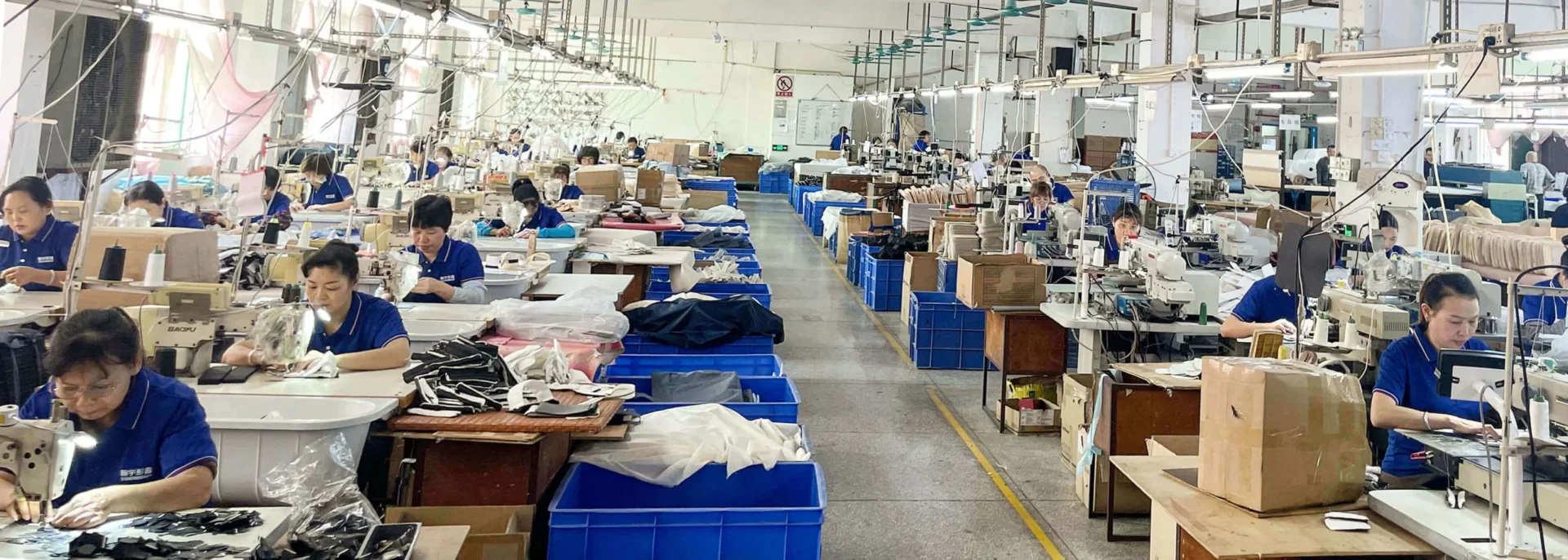
Dongguan supply-chain support can help when a retail tote combines woven labels, patches, metal details, hangtags, barcode stickers, paper packaging, sample revisions, video audit coordination and repeat-order controls. If social compliance is part of the retail vendor review, amfori BSCI8 can be discussed by requested scope. For quote review logic, see our custom tote supplier quote comparison and RFQ checklist for brand buyers.
What RFQ checks should private label buyers confirm before sampling?
Private label buyers should confirm use case, quantity, size, material direction, logo file, SKU/color versions, packaging and label requirements, target launch date and delivery market before sampling.
Material handfeel, structure, label position, logo quality, packaging effect and overall retail feel should be confirmed by physical sample where the project schedule allows. Words such as premium, retail-ready, material-specific and low MOQ should become specific material, logo, label, packaging, document, MOQ and timeline requirements.
| Buyer word | Needs to become | Confirm by |
|---|---|---|
| Premium | Material, structure, logo detail, finishing and packaging standard | Physical sample and target price review |
| Retail-ready | Hangtag, barcode, wash/composition label, packaging and SKU map | Packaging and label sample |
| material-specific | Material route, packaging route, document scope and claim wording | Document review and sample approval |
| Low MOQ | Practical style count, limited colors, simple packaging and realistic sampling | Quote scope and production plan |
Public pages can explain general options, but exact document scope, custom color feasibility, testing requirements, material availability, repeat-order conditions and lead time details must be confirmed after RFQ review.
Less suitable fit for private label retail tote projects
Ecoicolortote is not the right fit for personal sellers, very small trial quantities, lowest-price-only inquiries, or retail buyers who do not want to confirm samples, labels and SKU details.
- Personal seller tests or marketplace trial runs below MOQ 500 pcs.
- Buyers who need many SKU versions but cannot provide a SKU map, barcode files or label content.
- Lowest-price-only projects that still expect premium material, full retail packaging and repeat-order control.
- Launches where hangtag, barcode, care label, packaging and sample approval time are already impossible.
- Projects asking for sustainability or certification claims before material and document scope are confirmed.
- Retail buyers who plan to skip physical sample review for handfeel, structure, labels and packaging.
- Programs where each SKU changes material, logo, label and packaging without enough sampling budget or timeline.
We are a stronger fit for mature DTC brands, boutique retail, beauty retail and repeatable private label programs with MOQ 500+, SKU logic, label/packaging needs and a clear production standard.
Packaging and labels
Use this when hangtags, barcodes, wash labels, composition labels, carton marks and shelf presentation need planning.
FAQ: Private label tote bags for retail brands
What are private label tote bags?
Private label tote bags are tote bags produced for a brand's own retail line, usually with brand labels, hangtags, barcode stickers, packaging and SKU control. They should be planned as sellable products rather than simple logo giveaways, so buyers need to confirm material, structure, label content, packaging, sample approval and repeat-order expectations.
Which materials work for retail tote bags?
Cotton canvas, recycled cotton, organic cotton, vegan leather details and rPET can all work for retail tote bags, depending on positioning, target retail price, artwork, handfeel and packaging plan. A boutique tote may need structure and refined finishing, while a DTC launch may prioritize SKU consistency, barcode setup and repeat-order stability.
What labels are common for retail totes?
Common labels include woven label, wash label, composition label, country-of-origin label, hangtag, barcode sticker, SKU sticker and paper card. The right label system depends on the selling channel and product scope. Buyers should confirm label content, placement, barcode files and packaging artwork before sampling so the tote can be checked as a retail-ready product.
What MOQ does Ecoicolortote use for private label tote projects?
Ecoicolortote private label tote projects start from MOQ 500 pcs per style. A practical starting route is one base style, one to two colors, one main logo method, a complete label system and basic retail packaging. Multiple SKU versions, barcode variations, premium trims or special packaging need extra quote and sample confirmation.
How should buyers control SKU and repeat-order consistency?
Buyers should keep a clear SKU map that connects color, size, barcode, hangtag file, label content, packaging file and carton marks. The approved sample, material reference, color standard and production notes should be saved for repeat orders. This helps prevent label drift, wrong barcodes, mixed colorways or inconsistent retail presentation later.
What should buyers send before asking for a quote?
Buyers should send use case, quantity, target size, material direction, logo files, SKU or color versions, label requirements, barcode files, packaging direction, target launch date and delivery market. If there is a target retail price or repeat-order plan, include it early because it affects material, finishing, packaging and production scope.
When should packaging and barcode files be confirmed?
Packaging and barcode files should be confirmed before sample approval whenever the tote will be sold as a retail item. Hangtags, barcode stickers, paper cards, belly bands, care labels and carton marks can all affect cost, lead time, inspection and receiving. Adding them after sampling may require new artwork, new packing notes or another approval round.