

 Zoe Yu
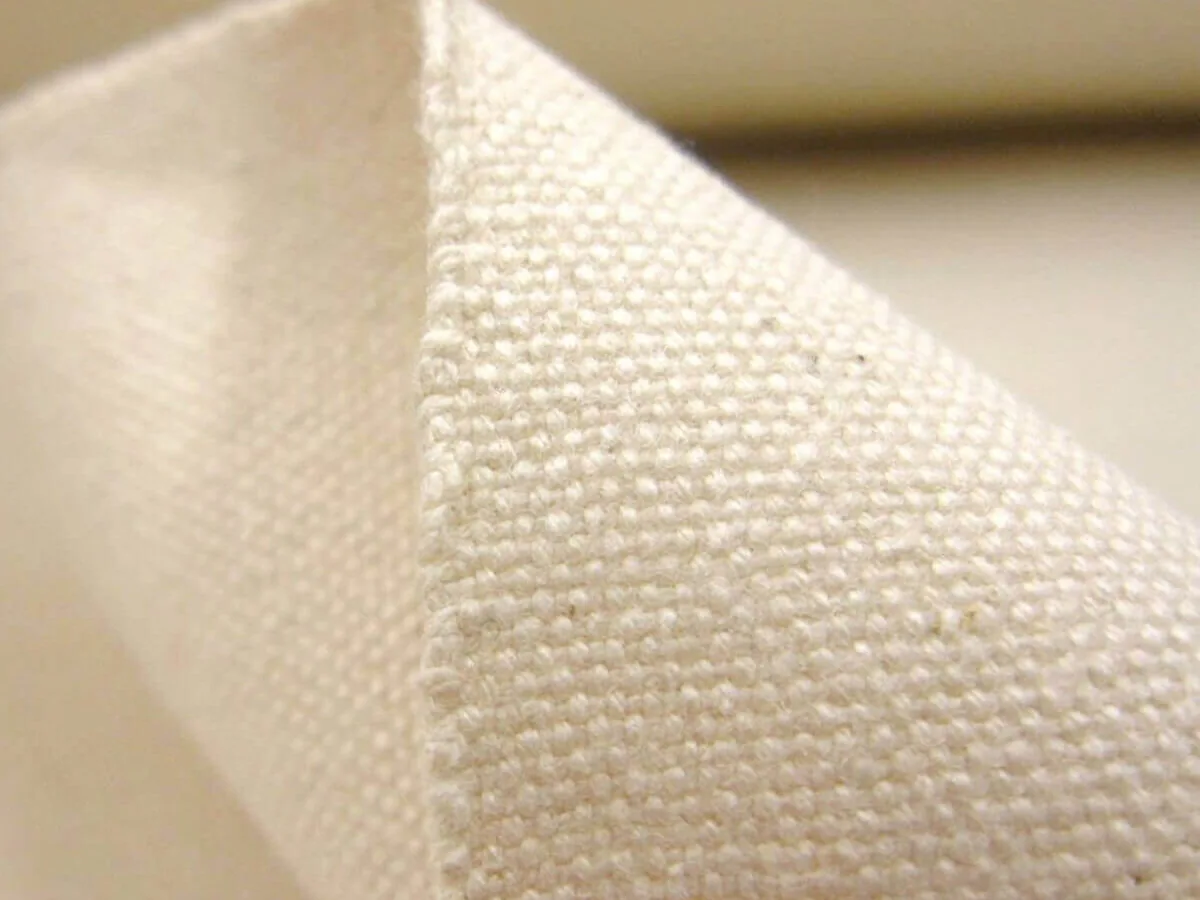
 A custom tote bag material swatch review helps buyers avoid paying for the wrong sample route. For MOQ 500+ brand, retail, GWP, hotel and event programs, the swatch should be judged by handfeel, surface, structure, logo method, packing route and document wording, not only by color.
Send Material Route Brief Request Swatch Review Plan Sample Route
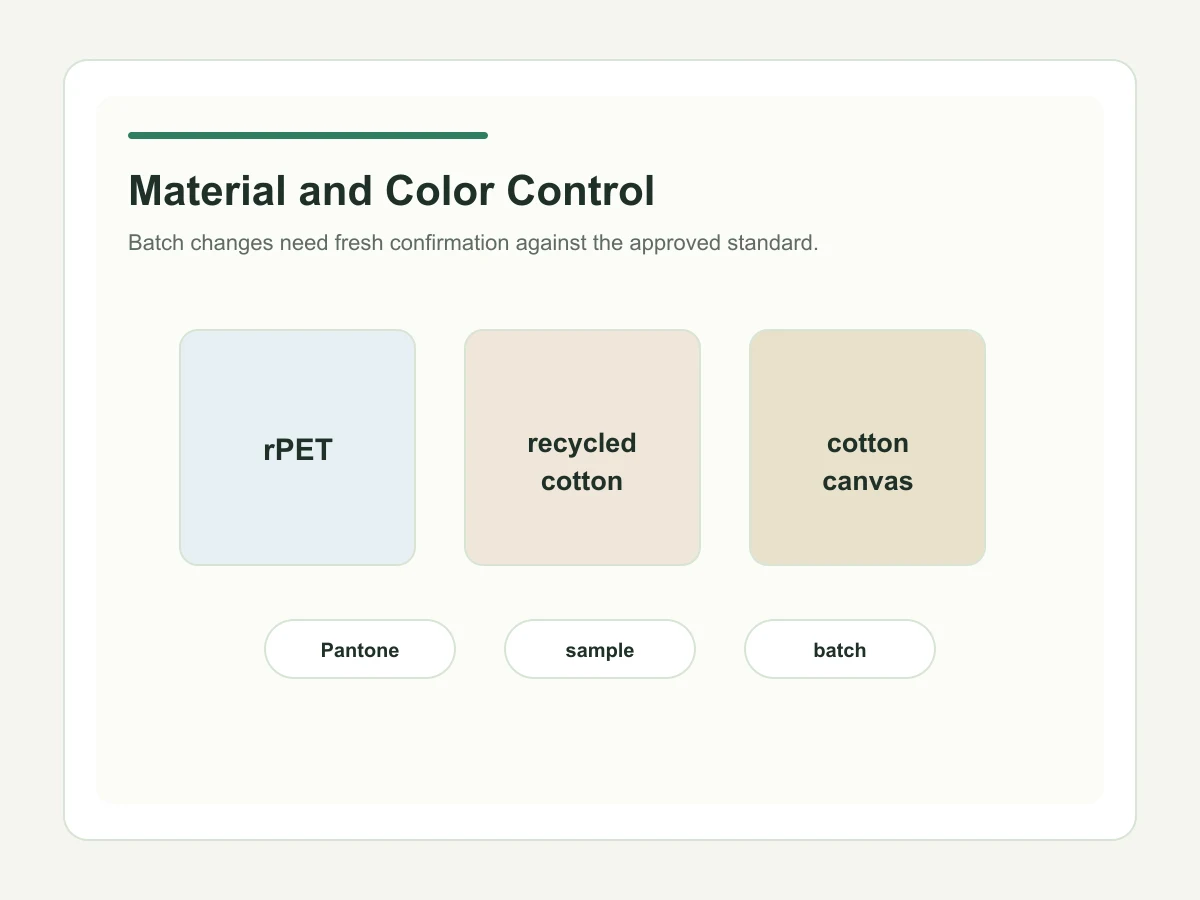
Canvas, recycled cotton, rPET, organic cotton and natural fiber routes can all look close in a mockup but behave differently in handfeel, print result, packing and document review.
Buyer Summary
This guide helps B2B buyers review tote bag material swatches before sampling. It covers canvas, recycled cotton, rPET, organic cotton and natural fiber routes, with attention to MOQ 500+, logo surface, handfeel, packing, document scope and final use case. The goal is a better RFQ and a cleaner sample route.
Quick answer
Before sampling, send target use, quantity range, MOQ 500+ plan, material preference, logo method, color need, packing route, delivery market and any claim wording. Ask the supplier to review swatches against those project details, then choose which route deserves a physical sample.
What should a buyer check during swatch review?
| Area | What to confirm | Why it matters |
|---|---|---|
| Handfeel and weight | Canvas weight, recycled cotton softness, rPET surface, natural fiber texture or organic cotton route. | A tote that looks good online can feel too soft, stiff, rough or thin for the buyer use case. |
| Logo surface | Whether screen print, embroidery, woven label, heat transfer or patch will sit cleanly on the fabric. | Logo approval depends on the actual surface, not a digital mockup. |
| Packing behavior | Fold, crease, lint, odor, thickness and carton volume after the tote is packed. | Material choice affects how the tote arrives and how it is handed out. |
| Document wording | Any recycled, organic, testing or market wording the buyer wants to use. | Claim language should be reviewed before sample approval, not after hangtags are printed. |
If the tote carries fiber, origin or responsible-party wording, review the label context before the sample route is locked. FTC textile labeling guidance [1] is useful background for why textile wording should be treated as a project file, not a last-minute note.
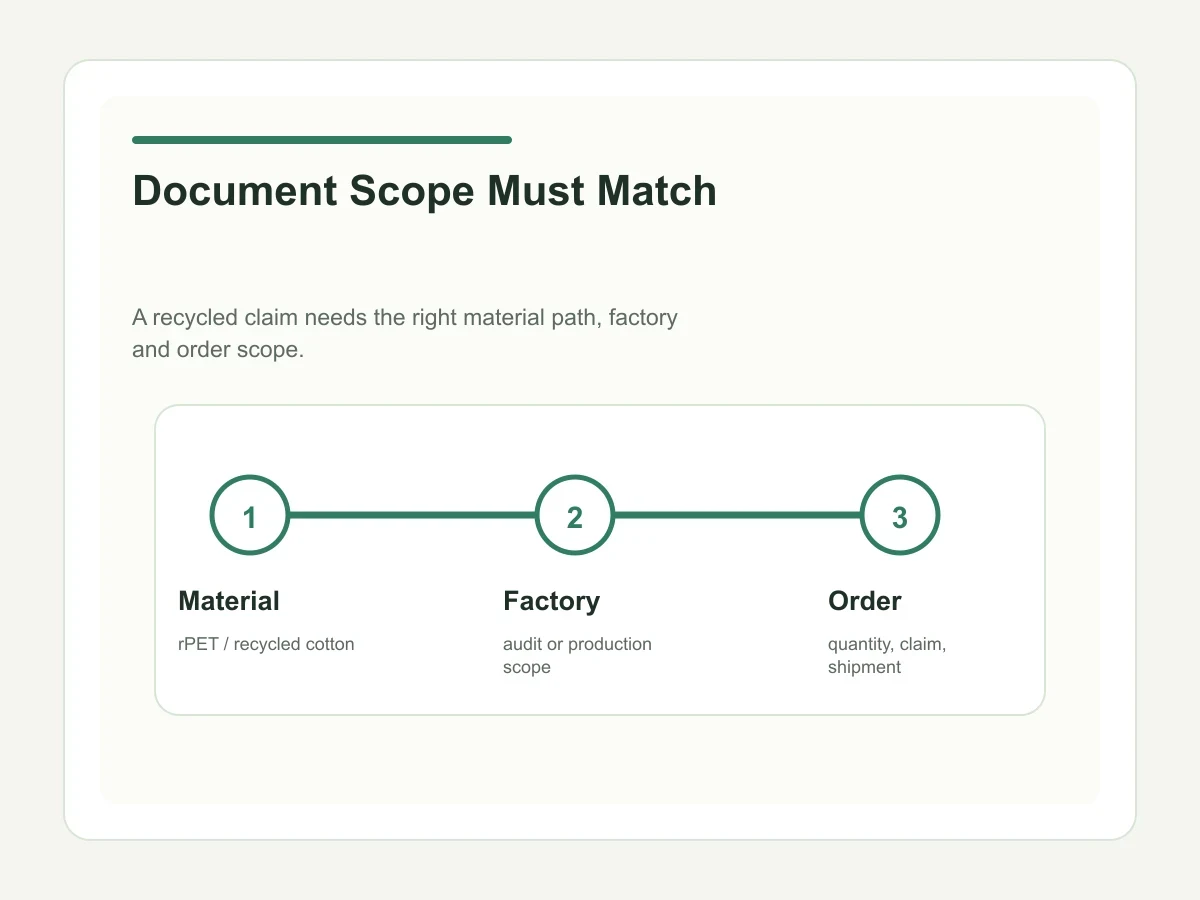
For recycled material routes, document scope should be discussed before the buyer writes campaign copy. Textile Exchange GRS overview [2] is useful context for recycled material conversations, while the final project still needs route-specific review.
Use swatches to compare handfeel, surface, fold behavior and logo risk before the buyer pays for a full sample.
- handfeel
- surface texture
- fold behavior

Which material routes should be compared before sampling?
Canvas route
Good for structure, print clarity and broad brand programs when weight and finish are confirmed.
Recycled or rPET route
Useful when the buyer wants recycled material context and can review document scope carefully.
Natural fiber route
Best when texture and retail character matter, but print and packing must be checked early.
The right route should be chosen from the buyer's real project use, not from a generic tote mockup. A brand, retail, hotel, GWP, event or private-label order can share the same tote shape but require different material, sample, QC and packing decisions.
How should document and claim scope be handled?
Testing support can be useful for some markets and buyer requirements. OEKO-TEX STANDARD 100 [3] is relevant background for textile testing discussions, but it should not be copied as an automatic claim across all tote routes.
Environmental wording should stay specific and evidence-aware. FTC Green Guides [4] is useful context for keeping recycled, organic or material claims tied to the actual project wording and documents.
Useful related routes include the primary supporting page, the related route page, the secondary buyer guide.
If a buyer wants organic cotton, recycled cotton or rPET wording, the swatch review should include what documents and final wording are actually relevant.
- document route
- claim wording
- target market
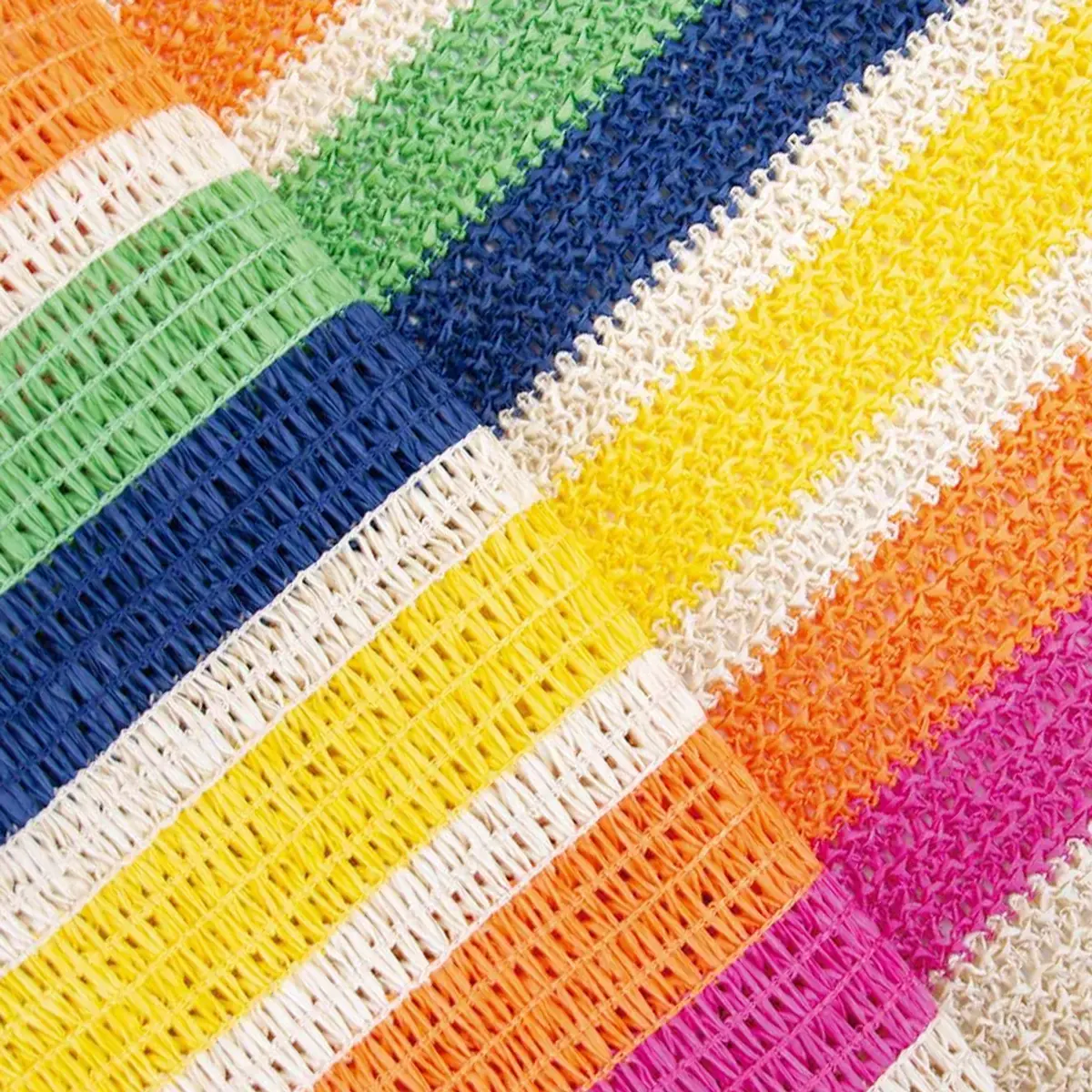
Natural, woven and textured material routes can look attractive, but they still need logo, odor, fold and packing checks before a full sample is approved.
- texture
- print result
- packing behavior
When this swatch route fits, and when it does not
Best fit: brand, retail, GWP, hotel, resort, event and private-label buyers planning MOQ 500+ custom totes where material choice affects look, logo, packing or document wording.
Less suitable: single-piece gifts, no-brand blank bag requests, price-only sourcing, or buyers who want a full sample before sharing use case, artwork, delivery market or material requirements.
Material Swatch Review Checklist
Disclosure: This is a planning checklist, not a customer case or reported project result.
- Compare handfeel, lint, surface texture, color direction and logo clarity.
- Check whether the swatch supports the intended construction and packing route.
- Match public material claims to the available composition and document scope.
- Approve a sample route only after the swatch trade-offs are recorded.
FAQ
What is a custom tote bag material swatch review?
A material swatch review is a pre-sampling step where the buyer checks fabric handfeel, weight, texture, color, logo surface, folding behavior and document wording before paying for a full tote sample. It helps the buyer choose which material route is worth sampling for a MOQ 500+ custom tote program and prevents unnecessary sample rounds.
Which materials should I compare before sampling?
The right comparison depends on the project. Many buyers compare canvas, recycled cotton, rPET, organic cotton and natural fiber routes. The comparison should be based on use case, logo method, target price, launch window, packing route and document needs. A swatch that looks attractive may still be wrong for the final buyer task.
Does a swatch replace a full sample?
No. A swatch helps narrow the material route before the full sample. The full sample still needs to confirm tote size, structure, handle comfort, logo result, stitching, packing and final presentation. Swatch review reduces wrong sampling, but it does not replace sample approval before bulk production for a serious B2B order.
What should I send before asking for swatches?
Send quantity range, MOQ 500+ expectation, tote use, target delivery country, preferred material route, logo method, artwork status, packing needs and any document or claim wording. These details help the supplier choose useful swatches instead of sending a random material set that does not match the buyer project or final sample route.
How does material choice affect logo approval?
Logo approval depends on the actual surface. A clean screen print on canvas may not behave the same on textured natural fiber or a foldable rPET surface. Embroidery, heat transfer, woven labels and patches also react differently by material. Buyers should review swatch surface before choosing the logo route and sample plan.
Can smaller quantities be reviewed?
MOQ 500+ is the preferred planning target for Ecoicolortote custom tote projects. Smaller quantities may be reviewed only when there is a real brand, retail, hotel, event or GWP project scope that can scale after sampling. The buyer should still send material, logo, packing and delivery details before review so feasibility is judged clearly.
Who should use this guide?
This guide is for procurement, brand, retail, wellness, hotel, event and private-label buyers planning custom tote programs where material route affects RFQ quality. It is not for personal gifts, one-piece requests, no-brand browsing or lowest-price-only sourcing without artwork, delivery market, material preference, sample approval readiness or project scope. It supports better supplier review before sampling begins.
Claim and document wording note
Material names, recycled content, organic wording, testing references and certification names belong to their respective organizations and document holders. Ecoicolortote can review material route and document-scope options for a specific RFQ, but a swatch photo or material name should not be treated as an automatic public claim.
Sources
- FTC textile labeling guidance for fiber content, origin and responsible-party context. ↩
- Textile Exchange Global Recycled Standard overview for recycled material route context. ↩
- OEKO-TEX STANDARD 100 overview for textile testing document context. ↩
- FTC Green Guides page for environmental claim wording discipline. ↩
About the Author
 | Zoe Yu is Sales Manager at Ecoicolortote. She helps overseas brand, retail, hospitality and event buyers review custom tote bag material routes, logo methods, MOQ feasibility, sample approval, packing requirements and bulk delivery planning before production. |