

 Zoe Yu
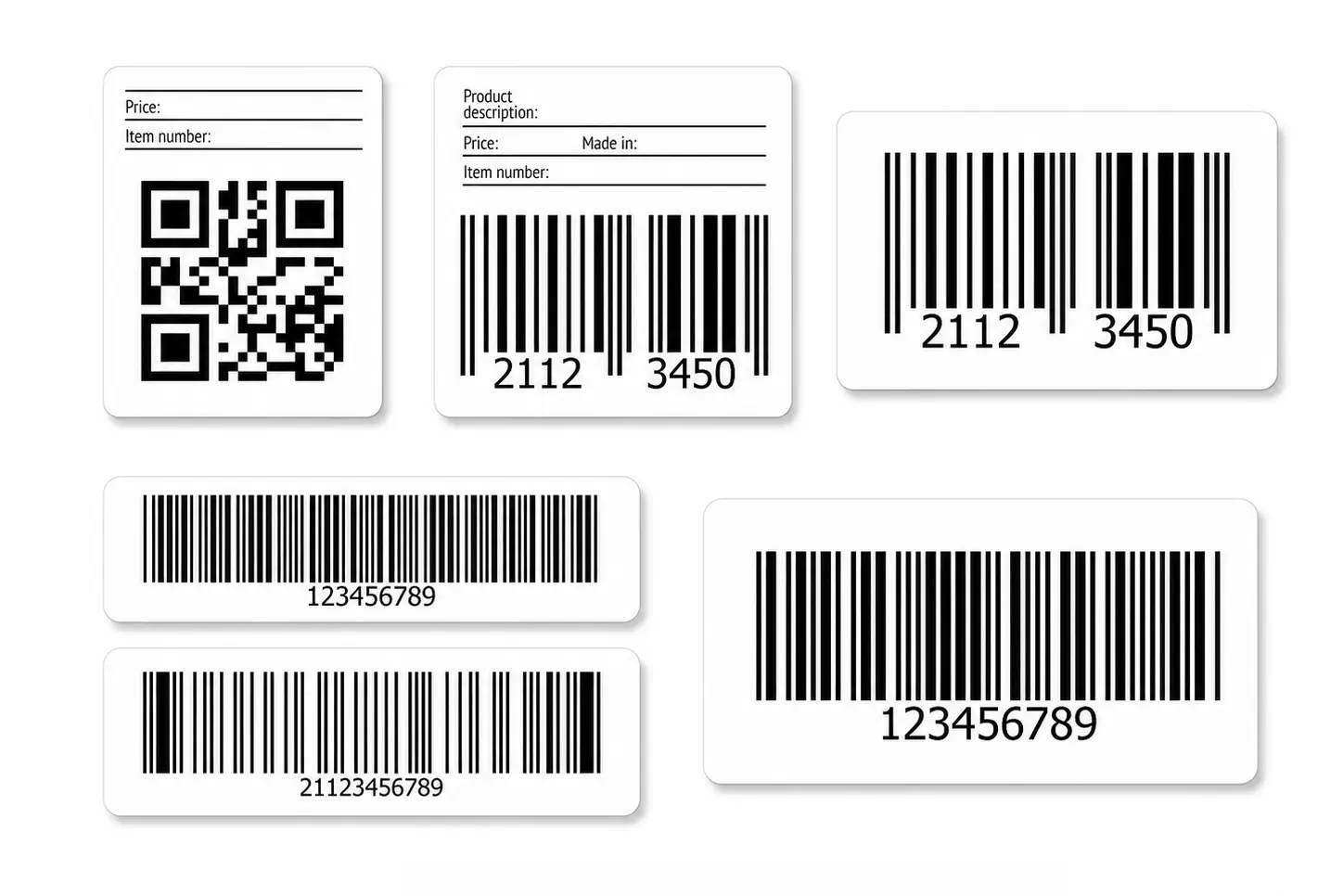
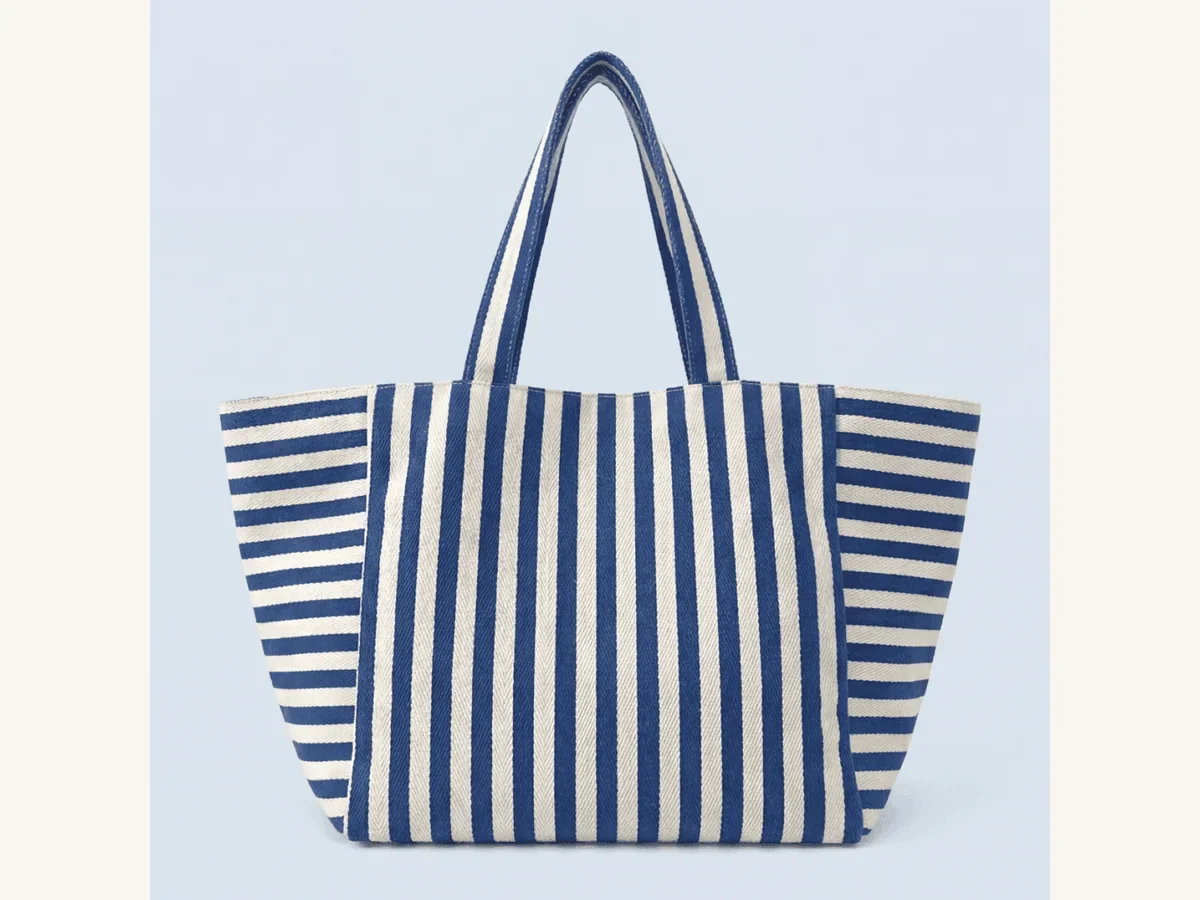
 Retail-ready tote bag carton labels are not just shipping stickers. For MOQ 500+ brand orders, carton labels connect SKU, barcode, version split, packing ratio and receiving handoff. If that data is unclear, a good tote can still create warehouse or retail receiving problems.
Send Packaging Brief Request File Review Ask for Sample Plan
A tote can look approved but still fail retail handoff if barcode, SKU, carton mark and packing ratio are unclear.
Buyer Summary
This checklist helps private-label, retail, DTC and GWP buyers prepare carton label requirements for retail-ready tote bag orders. It focuses on MOQ 500+ programs where SKU names, barcode files, carton marks, packing ratio, sample approval and receiving instructions must match. The goal is to reduce late relabeling and receiving confusion.
Quick answer
Before bulk packing, confirm SKU names, barcode files, carton mark wording, units per carton, color/logo version split, destination or store split, delivery term and sample approval reference. The carton label should match the approved tote and the buyer receiving system, not a separate last-minute spreadsheet.
What should a retail-ready carton label include?
| Area | What to confirm | Why it matters |
|---|---|---|
| SKU and version | SKU name, color, logo version, material route or campaign code where relevant. | Helps receiving teams identify the correct tote without opening every carton. |
| Barcode file reference | Barcode artwork or product identification file when the retail route requires it. | Keeps carton, hangtag and retail system data aligned. |
| Quantity data | Units per carton, carton count, split by version and packed unit rule. | Prevents count issues when the order has multiple versions. |
| Receiving handoff | Destination, delivery term, carton mark and buyer-specific receiving note. | Connects factory packing to buyer warehouse or store requirements. |
Barcode planning should be handled before final label approval. GS1 barcode guidance [1] is useful background for product identification, while each buyer controls the final retail system data and artwork file.
For imported goods, origin and marking context may need review before cartons ship. CBP marking guidance [2] is useful background for U.S.-bound goods.
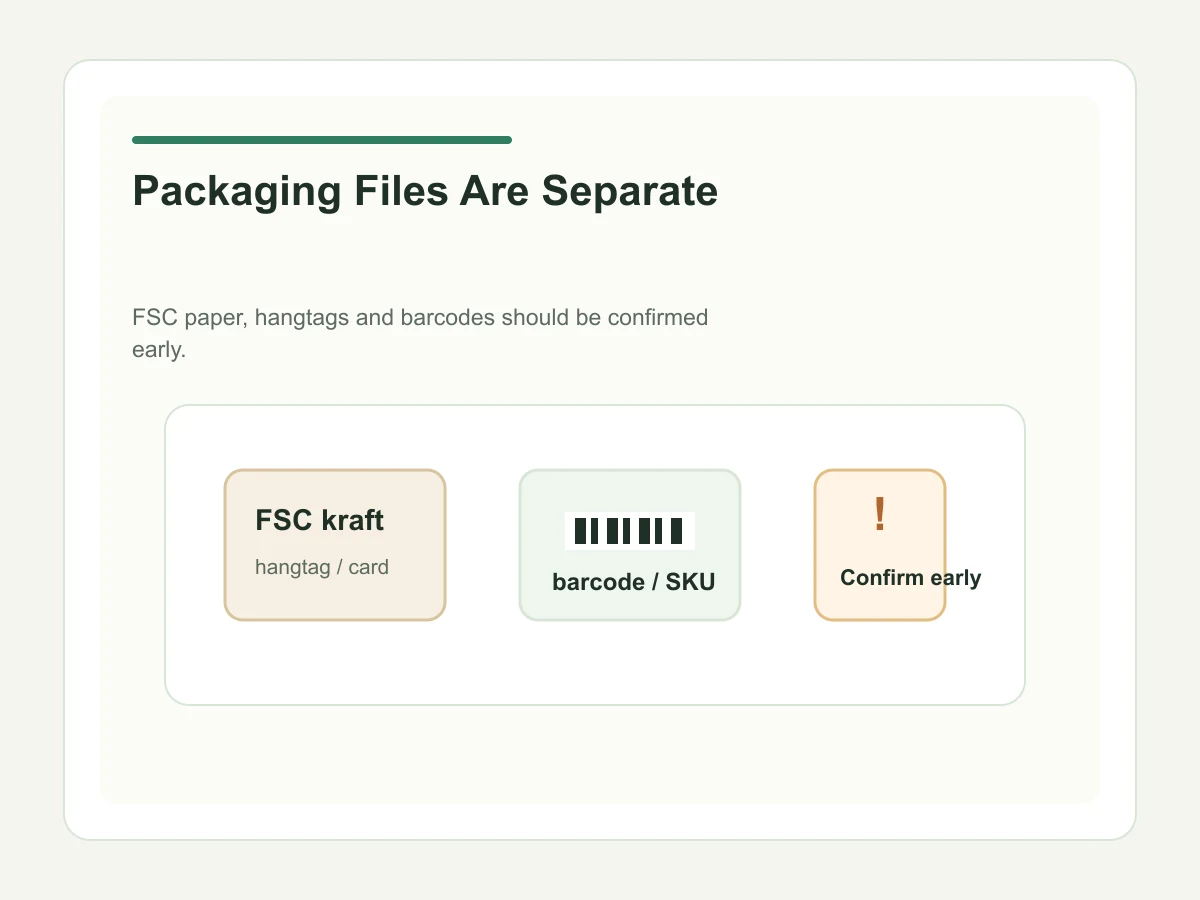
Carton labels should not be created from old SKU names, informal artwork notes or mixed version files.
- SKU name
- barcode file
- version split
Where do carton label mistakes usually happen?
Old SKU names
A label file uses an earlier version name that no longer matches the approved sample.
Mixed versions
Different colors, logos or stores are packed under one unclear carton label.
Late barcode file
The tote is approved but barcode artwork arrives after packing instructions are already set.
The right packaging route should follow the buyer's real receiving path. A retail, GWP, hotel, DTC or event order can have the same tote body but a very different packing, label, carton and inspection requirement.
How should labels be checked before shipment?
Handling symbols and package markings should be reviewed against the packing route. ISO 780 package marking guidance [3] is useful context for package marking discussions.
Delivery terms affect responsibility and handoff assumptions. ICC Incoterms rules [4] helps explain why carton label and delivery responsibility should be aligned before comparing final supplier quotes.
Useful related routes include the main supporting page, the related product or guide, the contact or handoff page.
Retail-ready inspection is not only seam, print and handle review. The carton label must match receiving expectations.
- AQL check
- carton mark
- packed version
Best fit and less suitable fit
Best fit: private-label, retail, DTC, GWP and store-opening buyers planning MOQ 500+ tote orders with SKU, barcode, carton label or warehouse receiving requirements.
Less suitable: single-piece gifts, no-brand blank tote orders, informal giveaways without SKU or receiving needs, or buyers who only want a unit price and cannot share label files.
FAQ
What is a retail-ready tote bag carton label?
A retail-ready tote bag carton label is a carton-level label that helps the buyer receive, identify and distribute packed totes. It may include SKU name, color or logo version, barcode reference, carton count, units per carton, destination, carton mark and receiving note. It should match the approved sample and buyer data.
Do all tote bag orders need carton labels?
Not every simple order needs a detailed retail carton label. For MOQ 500+ retail, DTC, GWP, store-opening or private-label programs, carton labels become more important because the buyer may have SKU, barcode, version split or warehouse receiving requirements. The label detail should follow the real distribution route and receiving process.
When should barcode files be sent?
Barcode files should be sent before final sample or packing approval when the tote will enter retail, DTC or warehouse systems. If barcode artwork arrives after packing starts, the supplier may need to relabel cartons, change hangtags or revise pack-out instructions. Early file review reduces late changes and receiving risk.
What carton label details should be checked during QC?
QC should check SKU name, version, barcode file reference, units per carton, carton count, destination or store split, carton mark wording and whether the packed tote matches the approved sample. A visual tote inspection alone is not enough when the shipment needs retail-ready receiving or SKU-level tracking after delivery to the buyer warehouse.
How does carton label planning connect with sample approval?
The approved sample should define the physical tote, artwork, hangtag or label route, and packing expectation. Carton label planning connects that approved sample to bulk receiving. If labels are not reviewed with the sample route, the buyer may receive correct-looking totes under unclear or incorrect carton data at the warehouse.
What MOQ applies to retail-ready tote programs?
MOQ 500+ is the preferred planning target for custom tote bag RFQs. Feasibility depends on material, logo method, version split, barcode needs, packing route and carton label complexity. Smaller quantities may be reviewed only when there is a real brand or retail project that can scale after sampling and repeat ordering.
Who should use this carton label checklist?
This checklist is for retail, private-label, DTC, GWP and store-opening buyers planning MOQ 500+ tote programs with SKU, barcode, carton mark or receiving requirements. It is not for one-piece gifts, personal tote orders, no-brand consumer requests or lowest-price-only inquiries without project details, receiving files or retail handoff requirements for a real warehouse or store team.
Trademark and certification note
Third-party standards, barcode systems, delivery terms, government guidance and certification names belong to their respective organizations. Ecoicolortote can review document routes, packaging files and artwork wording for a specific project, but these references should not be treated as automatic claims for all materials, products, labels or orders.
Sources
About the Author
 | Zoe Yu is Sales Manager at Ecoicolortote. She helps overseas brand, retail, hospitality and event buyers review custom tote bag material routes, logo methods, MOQ feasibility, sample approval, packing requirements and bulk delivery planning before production. |