

 Zoe Yu
 A custom tote bag specification file needs to connect packaging, finish and artwork with the physical sample. If those details live in separate emails, the supplier may quote one route, sample another route and pack a third route. A single specification checklist keeps the buyer and supplier aligned before MOQ 500+ bulk production.
Send Packaging and Artwork SpecView Related Buyer Guide
A custom tote quote is weak if packaging, finish and artwork are separated from material and sample approval.
Quick Summary
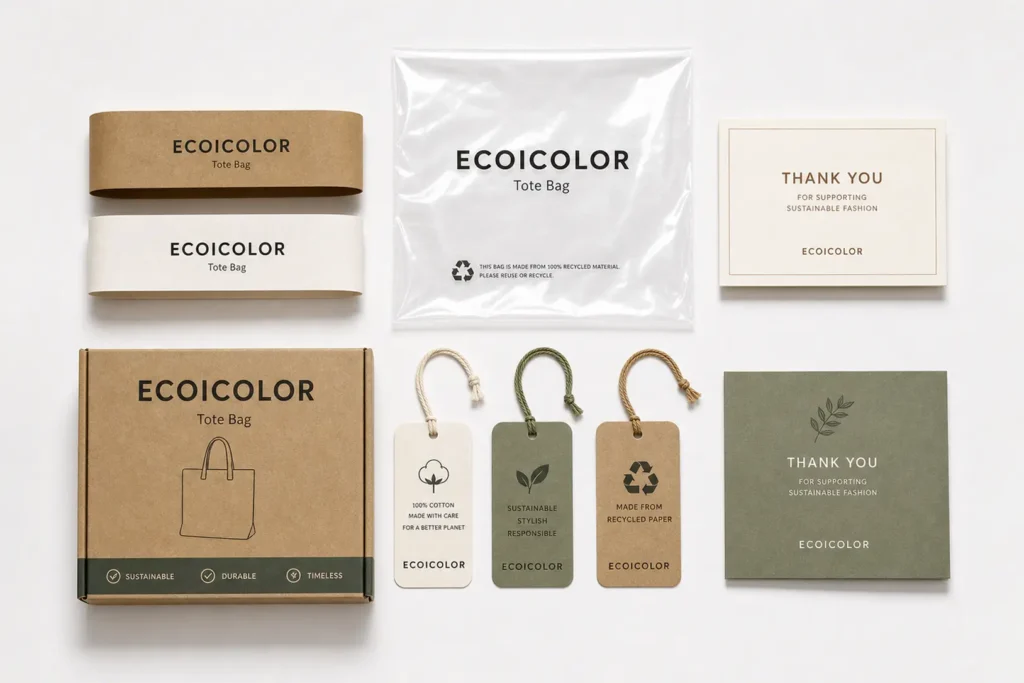
This checklist helps B2B buyers prepare a quote-ready custom tote specification file. It covers material and finish notes, logo and artwork files, color references, label or hangtag needs, barcode and carton mark files, packaging route, sample approval and which details need to be locked before supplier comparison.
Put packaging, finish and artwork requirements in one specification file: material route, tote size, finish, logo file, logo method, placement, color reference, hangtag, insert, barcode if needed, carton mark, packing method, quantity and sample approval owner. This makes supplier quotes easier to compare.
Which specification fields prevent quote confusion?
| Decision area | What to prepare | Why it matters |
|---|---|---|
| Material and finish | Fabric route, weight range, structure, handle, trim, lining, closure and finish expectations. | The supplier can quote the correct sample route rather than a vague base tote. |
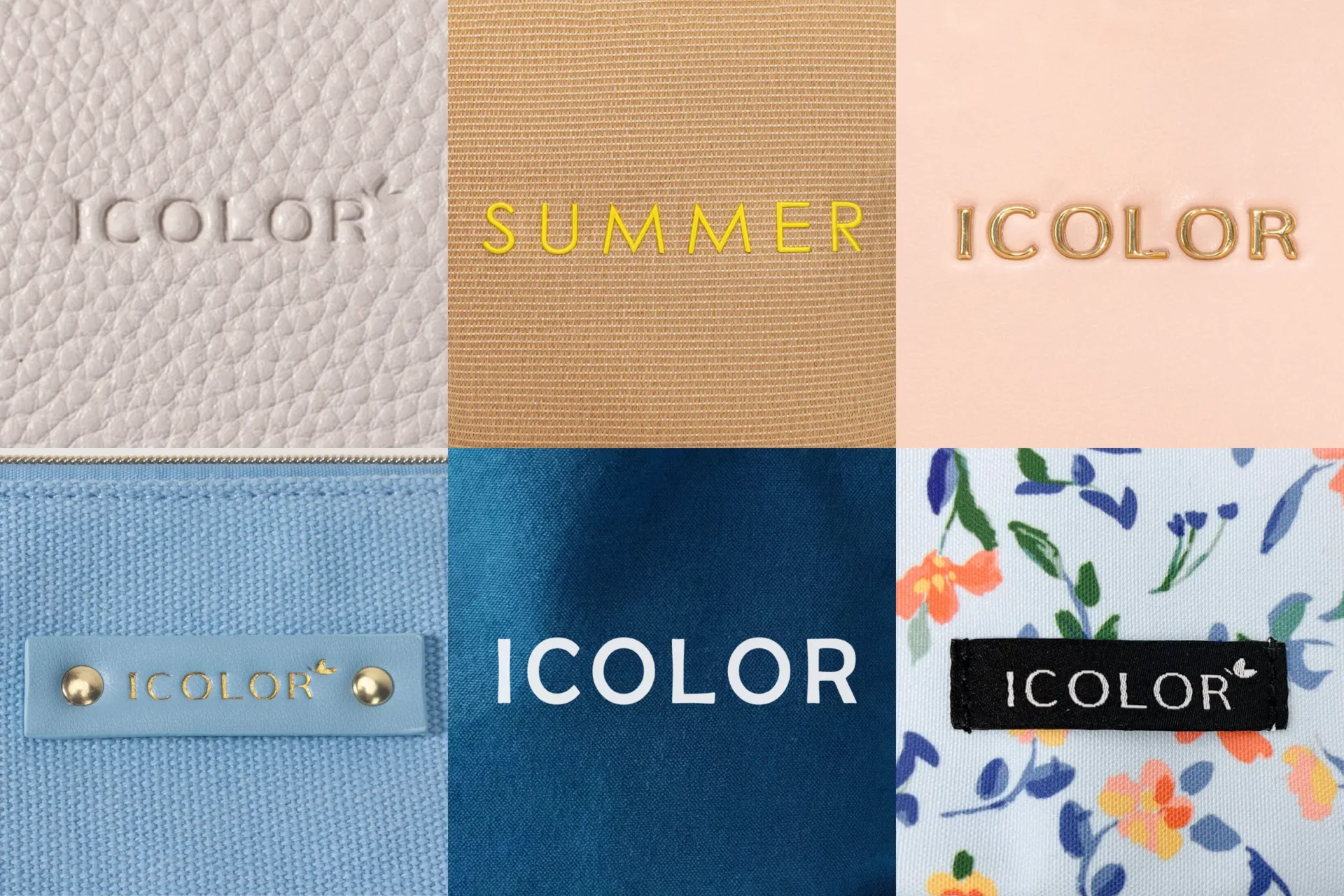
| Artwork and logo | Vector files, placement, size, Pantone or color reference, method preference and version owner. | Artwork route changes sample timing and setup cost. |
| Packaging files | Hangtag, insert, sleeve, barcode, carton mark, SKU and retail packing notes. | Packing files affect buyer experience and bulk handoff. |
| Approval rules | Who approves sample, artwork, packaging, carton data and any revised file before bulk. | Approval ownership reduces late changes. |
Retail barcode planning needs to happen before packing files are treated as final. GS1 barcode planning guidance [1] is useful context for why barcode ownership belongs in the specification file when a tote will enter a retail channel.
Color references need to stay consistent across digital files, fabric, print, paper and packaging. International Color Consortium color-management context [2] is useful background for why file and proof control matter before sample approval.
Supplier-side field note: A UK beauty-brand buyer planned a 20,000 pcs pure cotton tote order as part of the next product series, with other matching products in the same launch. The first sample direction used a different material from the companion items; even when the color looked close in isolation, the full set did not feel coordinated in hand. The correction was to move the tote and matching products back into the same material route, then review color, logo and packaging together before final sample approval.
A vector logo alone is not enough if placement, size, method and version control are missing.
- logo file
- placement
- version control
How should packaging and artwork stay connected?
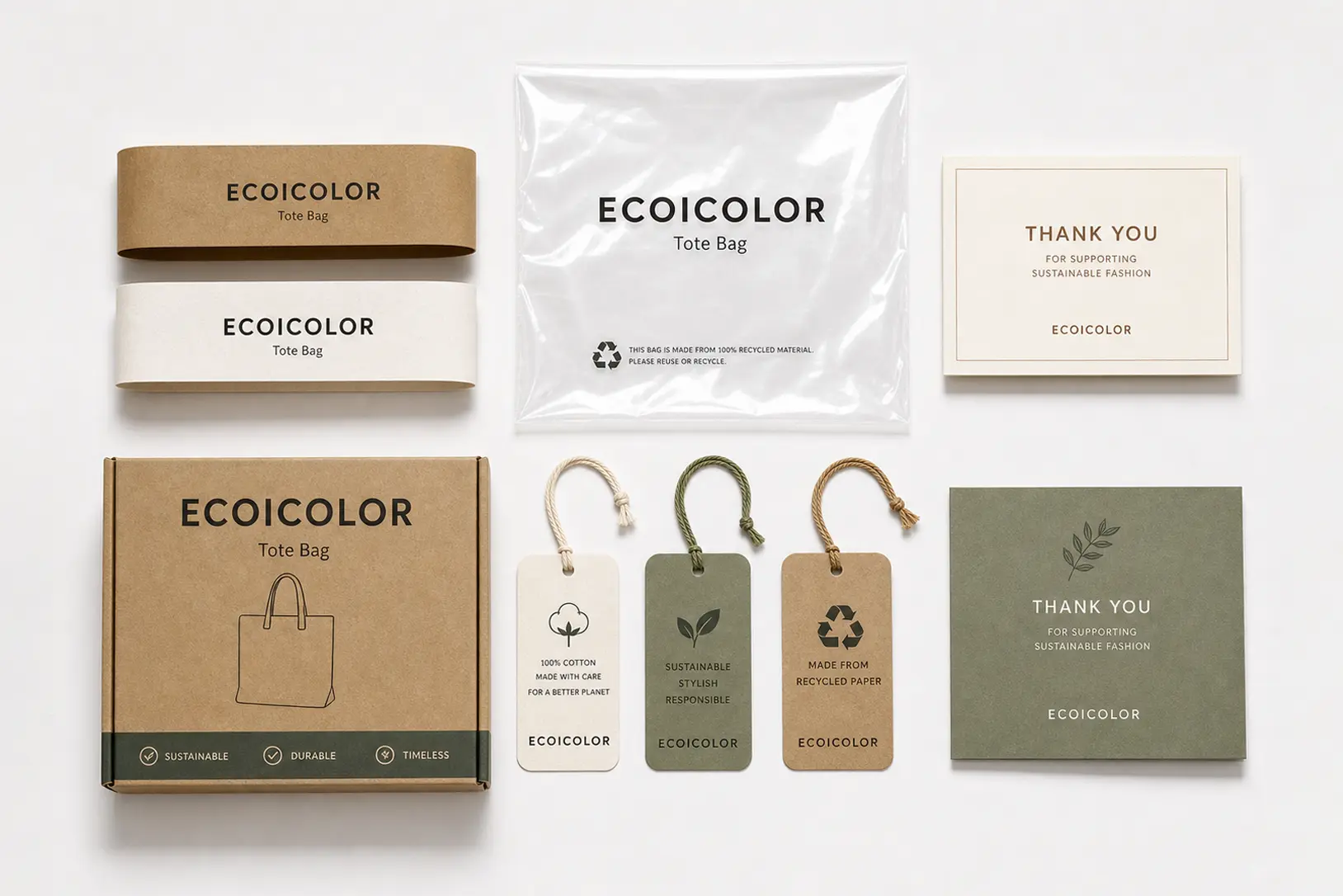
One file owner
Name who controls the latest artwork, packaging and label files so old versions do not return during sampling.
One sample route
Make the physical sample prove the finish, logo and packing route that the buyer expects in bulk.
One correction log
Record corrections by item: tote, logo, hangtag, insert, barcode, sleeve, carton mark and packing method.
Review Finish Sample RouteView Related Buyer Guide
When does a specification file become bulk-ready?
If textile testing or document language is part of the project, OEKO-TEX STANDARD 100 [3] gives useful context for testing-scope discussion. The buyer still needs project-specific QC points for tote construction, logo and packing.
A specification file is bulk-ready when every visible part has an approval path: fabric, size, handle, logo, color, finish, tag, insert, carton mark and packing route. If the buyer changes packaging after sample approval, the supplier needs to re-check carton count, packing time and photo confirmation before bulk packing.
Useful related Ecoicolortote routes include the main supporting route, the connected buyer guide and the broader route page.
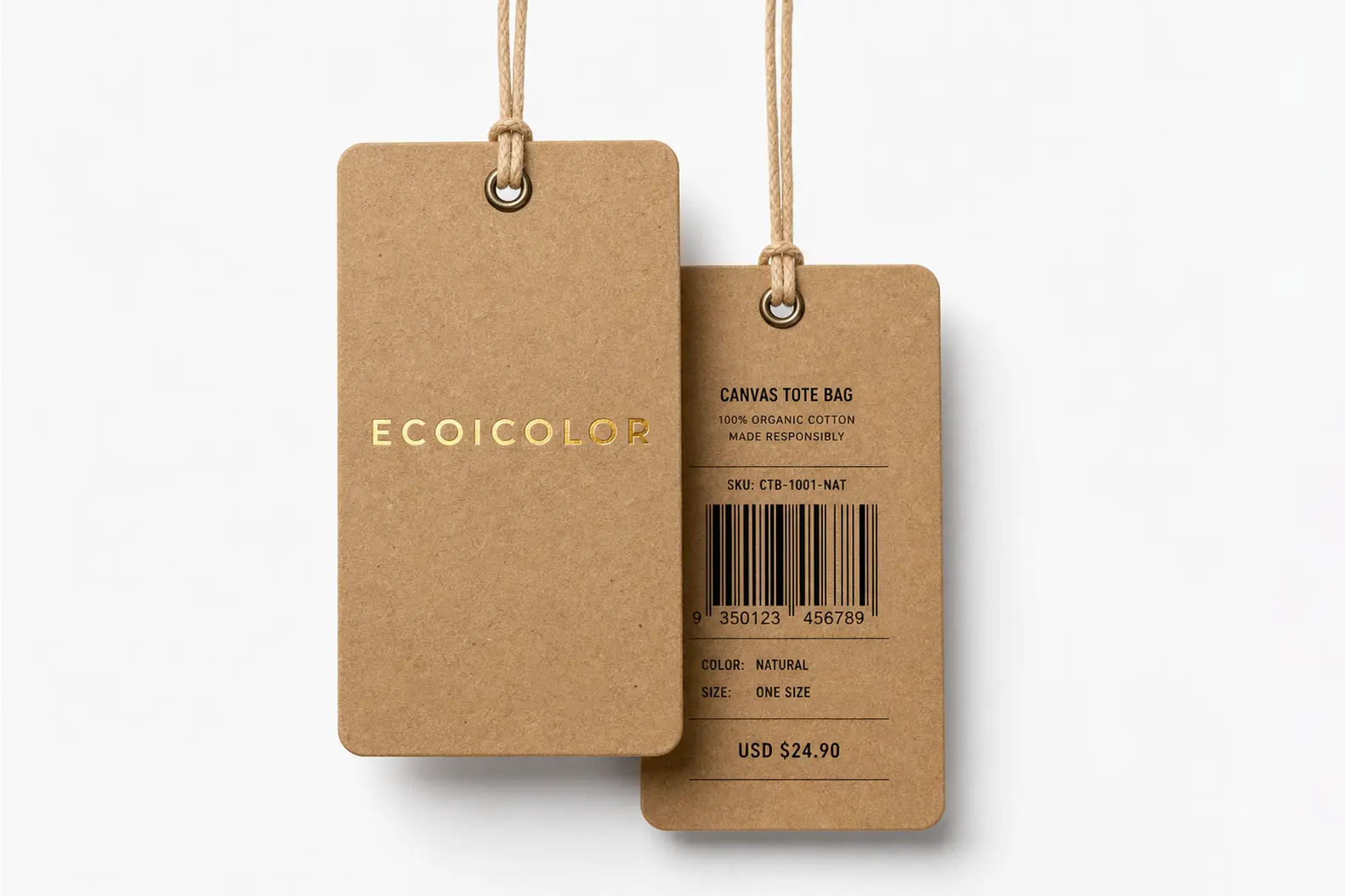
Hangtag, barcode, insert and carton-mark files need ownership before bulk packing week.
- hangtag
- barcode
- carton mark
When this specification checklist fits
Best fit: B2B brand, retail, food, beauty, hotel and private-label buyers preparing MOQ 500+ custom tote orders where packaging, finish, artwork files and sample approval need to be compared across suppliers.
Less suitable: simple blank tote orders, personal gifts, one-off samples, or projects where the buyer has no artwork, no packaging route and no bulk approval owner.
Anonymized specification-file note
A UK beauty-brand project showed why packaging, finish and artwork cannot be separated from material choice. The 20,000 pcs pure cotton tote needed to sit beside other products in the next series, so a different fabric route made the set look less coordinated. The useful supplier-side lesson is that sample approval should review the visible set together: material, color, logo scale and packaging route, not only the tote body as a standalone item.
Related guide note
This article supports the packaging options guide and the custom logo route. It does not replace the logo file requirements guide, which owns artwork-file preparation in more detail.
FAQ
What should a custom tote bag specification file include?
Include material route, fabric weight target, tote size, handle route, gusset, closure, trim, logo files, logo placement, color reference, finishing notes, hangtag, insert, sleeve, barcode, carton mark, quantity range, delivery market, sample deadline and approval owner. Keeping those fields together makes the supplier comparison more useful. This keeps quote scope, sampling and retail presentation aligned before production begins.
Why combine packaging, finish and artwork in one file?
These details affect each other. A logo method may change sample timing, a hangtag may change packout work, a sleeve may change carton count and a finish detail may change sample cost. When packaging, finish and artwork are separated, the buyer may compare quotes that are based on different assumptions. This keeps quote scope, sampling and retail presentation aligned before production begins.
Does every tote project need barcode planning?
No. Barcode planning matters when the tote is sold, scanned, stored by SKU or handled through retail packaging. GWP, hotel and event projects may not need a barcode, but they may still need hangtags, inserts, carton marks or destination labels. The specification file needs to state which file route applies. This keeps quote scope, sampling and retail presentation aligned before production begins.
How does MOQ 500+ affect specification review?
MOQ 500+ is the normal B2B planning point. At this stage, specification mistakes affect more than one sample because they can change bulk packing, artwork setup, carton data and approval timing. A clear specification file helps avoid repeated revisions across 500, 1,000 or higher quantity tiers. This keeps quote scope, sampling and retail presentation aligned before production begins.
What if the buyer does not have final artwork yet?
The RFQ can still move forward if the buyer shares logo status, expected file format, placement direction, color reference and approval timeline. The supplier can provide a quote basis with open artwork assumptions, but final sample approval needs production-ready files before bulk starts, especially when print size, label placement or packaging files affect the quote.
How is this different from a packaging options guide?
The packaging options guide explains route choices such as hangtag, sleeve, insert, carton mark and individual packing. This article explains how to put packaging, finish and artwork into one specification file for supplier comparison. It supports the packaging guide rather than repeating the same option list. This keeps quote scope, sampling and retail presentation aligned before production begins.
Who should use this guide?
Use this guide if you are a B2B buyer, designer, branding agency, retail team or private-label buyer preparing MOQ 500+ custom tote specifications. It is not intended for personal gifts, no-brand blank bags or price-only requests without artwork, packaging or sample approval needs. The best fit is a quote-ready project where visible details need supplier review.
Sources
About the Author
 | Zoe Yu is B2B Sales Manager at Ecoicolortote, supporting overseas brand buyers with custom tote bag RFQs, material route review, logo execution, sampling, packing and bulk production coordination. |
Check Retail Packout FilesView Related Buyer Guide