

 Zoe Yu
 Custom tote bag packaging specs decide whether a brand order can be quoted, sampled, packed and delivered without late file changes. For MOQ 500+ programs, buyers should brief packing method, label files, carton ratio, delivery market and sample approval before comparing supplier prices.
Send Packaging Brief Request File Review Ask for Sample Plan
For MOQ 500+ brand orders, packing method, insert card, label file and carton ratio should be visible before the sample route is approved.

Buyer Summary
This guide helps brand, retail, GWP and private-label buyers prepare packaging specs for MOQ 500+ custom tote bag orders. It explains what to send before sampling: individual packing, bulk carton route, insert card, hangtag, sticker, barcode file, carton mark, carton ratio and delivery handoff. The goal is a cleaner RFQ, not a generic packaging idea list.
Quick answer
Before asking for a packaging quote, send tote size, quantity, version split, pack-out method, hangtag or insert card file, barcode need, carton ratio, destination market and sample approval deadline. If the packaging route is missing, the quote may look complete but fail later in retail receiving, GWP pack-out or warehouse handoff.
Which packaging specs should be in the first RFQ?
| Area | What to confirm | Why it matters |
|---|---|---|
| Pack-out method | Bulk carton, individual polybag, sleeve, insert card, hangtag, sticker or retail-ready kit. | Changes labor, material cost, carton volume and sample approval. |
| Version split | Quantity by color, logo version, SKU, campaign, store, event or market. | Keeps labels and carton marks from being mixed after packing starts. |
| Retail file needs | Barcode, hangtag, care label, insert card and sticker artwork where relevant. | Prevents late artwork changes after the tote sample is approved. |
| Carton handoff | Carton size target, unit ratio, carton mark wording and delivery term. | Connects the approved pack-out to shipment and receiving. |
Barcode planning should be part of the packaging brief when a tote enters retail, DTC or warehouse systems. GS1 barcode guidance [1] is useful background for product identification planning, while the buyer still controls the final data and file approval.
If the carton needs handling symbols, those marks should be discussed before packing. ISO 780 package marking guidance [2] gives useful context for pictorial handling marks, while buyer-specific carton wording still depends on the actual project.
A buyer can approve the tote body and still miss the retail pack-out if label and sleeve files are late.
- insert card
- sticker
- retail sleeve
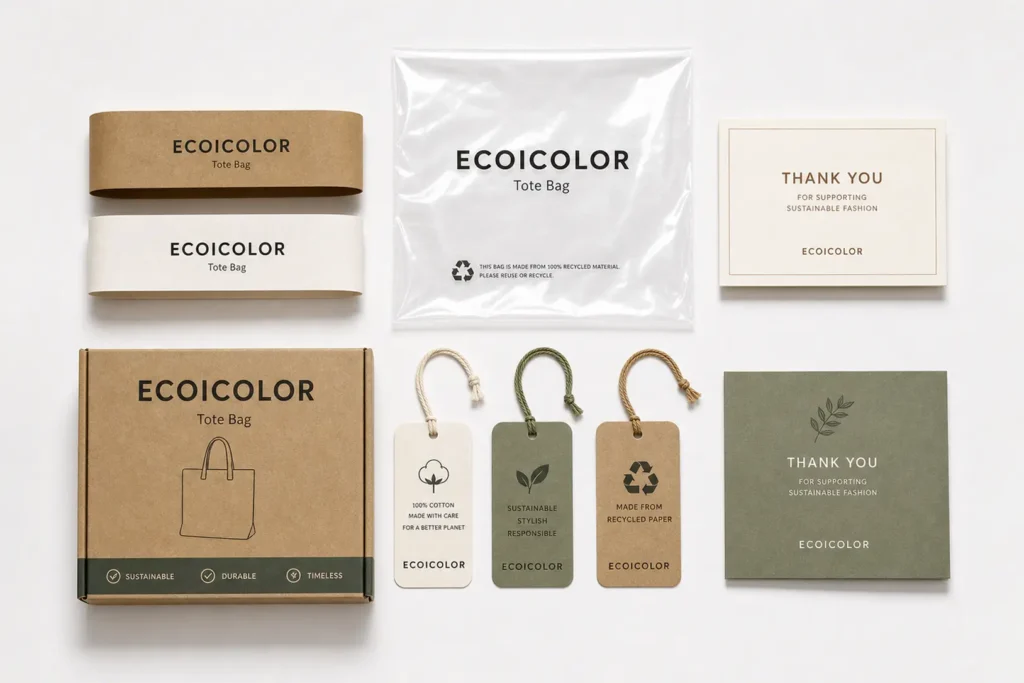
How should buyers choose between simple and retail-ready packing?
Simple bulk carton
Best when the tote is unpacked by a fulfillment team, event team or buyer warehouse.
Individual pack
Useful when each tote must stay clean, separated or ready for handout after delivery.
Retail-ready pack
Needed when barcode, hangtag, insert card or visible presentation affects sale or launch.
The right packaging route should follow the buyer's real receiving path. A retail, GWP, hotel, DTC or event order can have the same tote body but a very different packing, label, carton and inspection requirement.
What should be locked before bulk packing starts?
For cross-border projects, origin and marking discussions should not be pushed to the final week. CBP marking guidance [3] is useful background for U.S.-bound goods, though final wording depends on the actual product and market.
Delivery terms also affect how packaging and carton handoff are interpreted. ICC Incoterms rules [4] helps explain why the buyer and supplier should align delivery responsibilities before comparing final quotes.
Useful related routes include the main supporting page, the related product or guide, the contact or handoff page.
The warehouse should not guess how many units, sleeves, inserts or cartons belong to each version.
- carton ratio
- packing list
- version split
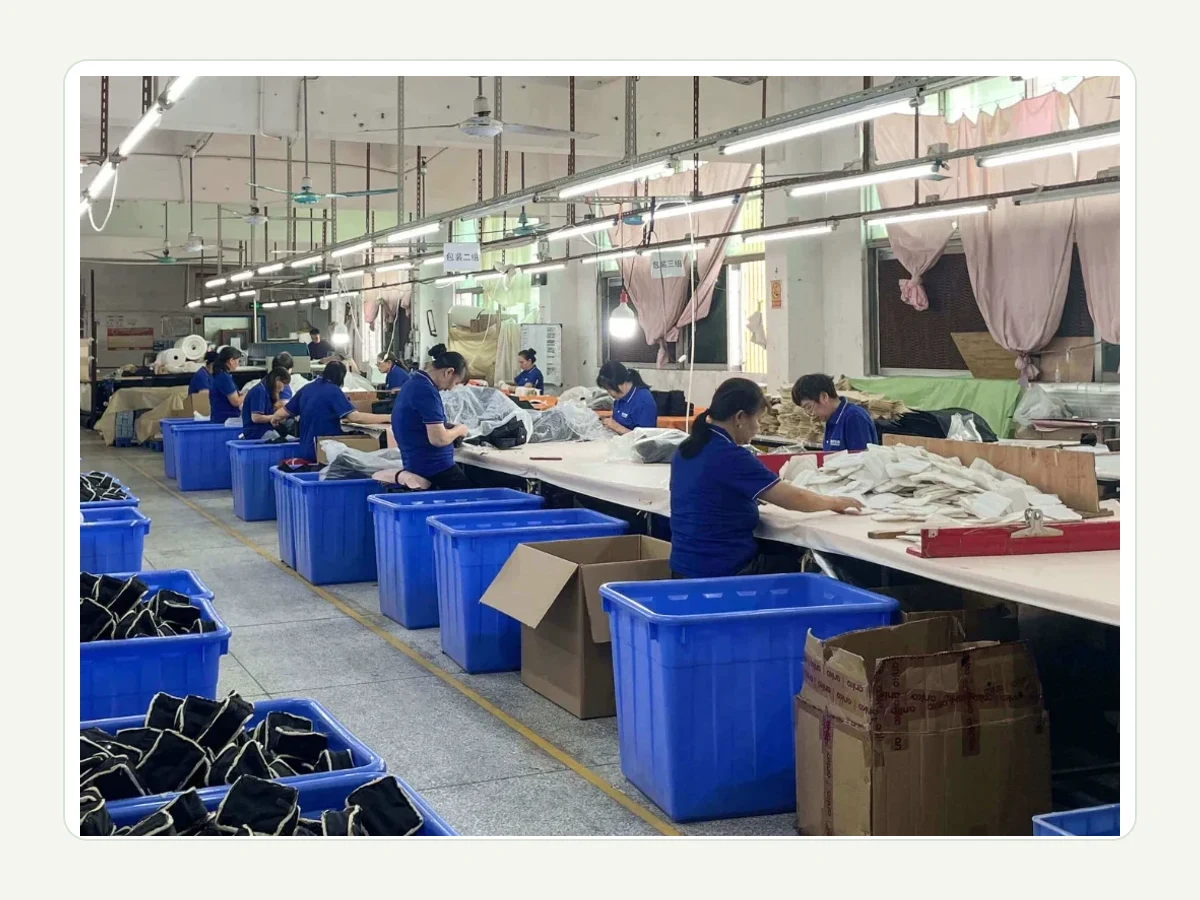
Best fit and less suitable fit
Best fit: brand, GWP, retail, DTC, hotel and event buyers planning MOQ 500+ tote orders with pack-out, label, barcode, carton or delivery handoff requirements.
Less suitable: single-piece gifts, no-brand orders, below-MOQ requests that refuse scoping, or buyers who want only a tote unit price without sharing packaging and delivery details.
FAQ
What packaging specs should I send for a custom tote bag order?
Send quantity range, MOQ 500+ expectation, tote size, material route, logo method, pack-out method, hangtag or insert card files, barcode needs, carton ratio, carton mark wording, delivery market and sample deadline. These details help the supplier quote the real packaging route instead of only quoting the tote body, and they reduce late changes during sample approval.
Should packaging be approved before or after the tote sample?
Packaging should be reviewed during the sample stage when the tote will be used for retail, GWP, hotel, event or DTC programs. The buyer may approve the tote body first, but the final bulk approval should include the packaging sample, label files, carton ratio and handoff documents so packing does not create late changes.
What is the difference between individual packing and bulk carton packing?
Individual packing keeps each tote separated with a sleeve, polybag, insert, sticker or hangtag route. Bulk carton packing places multiple totes together for warehouse or event handoff. The best choice depends on how the buyer distributes the tote, whether retail presentation matters, and whether each unit needs protection or barcode handling.
Do barcode and hangtag files belong in the packaging brief?
Yes, when the tote enters retail, DTC, warehouse or SKU systems. Barcode, hangtag and label files should be reviewed before sampling or before bulk packing begins. If those files arrive late, the supplier may need to revise sample approval, carton marks, packing ratio and receiving instructions after the tote itself already looks approved.
What carton details should be confirmed for custom tote bag packaging?
Confirm carton mark wording, carton size target where available, units per carton, version split, destination or store split, handling marks, packing list fields and delivery term. Carton details connect production to receiving. Without them, a buyer may approve a good tote but still create warehouse confusion during shipment and unpacking.
Can Ecoicolortote review smaller quantities than MOQ 500+?
MOQ 500+ is the preferred planning target for custom tote bag RFQs. Smaller quantities may be reviewed only when there is a real brand, retail, hotel, airline, event or GWP project scope that may scale after sampling. Packaging specs should still be provided so feasibility can be judged realistically before any sample path is discussed.
Who is this packaging specs guide for?
It is for procurement, brand, retail, GWP, hotel and event buyers planning MOQ 500+ custom tote bag programs with real packing, label, carton or delivery needs. It is not for one-piece gifts, consumer shopping, no-brand blank bags or lowest-price-only inquiries that cannot share packaging and delivery requirements before quotation and sample planning.
Trademark and certification note
Third-party standards, barcode systems, delivery terms, government guidance and certification names belong to their respective organizations. Ecoicolortote can review document routes, packaging files and artwork wording for a specific project, but these references should not be treated as automatic claims for all materials, products, labels or orders.
Sources
About the Author
 | Zoe Yu is Sales Manager at Ecoicolortote. She helps overseas brand, retail, hospitality and event buyers review custom tote bag material routes, logo methods, MOQ feasibility, sample approval, packing requirements and bulk delivery planning before production. |