

 Zoe Yu
 Individual bag packing and bulk carton packing answer different buyer jobs. One protects unit presentation; the other can simplify large-volume handoff. For MOQ 500+ custom tote projects, the route should be chosen before quote comparison because it affects labor, carton volume, sample approval and receiving.
Send Packaging Brief Request File Review Ask for Sample Plan
Individual packing and bulk carton packing affect unit presentation, labor, carton volume and warehouse handoff.

Buyer Summary
This comparison helps B2B buyers choose between individual bag packing and bulk carton packing for custom tote orders. It is written for MOQ 500+ retail, GWP, event, hotel and DTC programs where packing affects presentation, cost, carton ratio and warehouse handoff. The better route depends on how the tote will be distributed after delivery.
Quick answer
Use individual packing when each tote needs clean presentation, insert card, barcode, sticker, sleeve or direct handout. Use bulk carton packing when a warehouse, event team or fulfillment team will unpack and distribute the totes. In both cases, confirm carton ratio, version split, delivery market and sample approval before bulk.
When does individual packing make sense?
| Area | What to confirm | Why it matters |
|---|---|---|
| Retail or GWP presentation | Each tote needs a sleeve, hangtag, insert card, sticker or clean unit appearance. | Improves handout and retail readiness but adds labor and material scope. |
| Multi-version programs | Different SKUs, colors, logos, stores or campaign versions need unit separation. | Reduces version mix-ups when packing and receiving. |
| Protection requirement | The tote has trim, print, hardware or folded presentation that may mark or crease. | Protects the approved sample appearance better during transit. |
| Direct distribution | The buyer will hand out or ship the tote as an individual unit after receiving. | Cuts buyer-side repacking work. |
Delivery responsibilities should be aligned before packing route decisions are treated as final. ICC Incoterms rules [1] is useful context for why packing, delivery term and receiving responsibilities should be discussed together.
If the individual unit or carton needs handling symbols, those should be confirmed in the packing file. ISO 780 package marking guidance [2] is useful background for package handling marks.
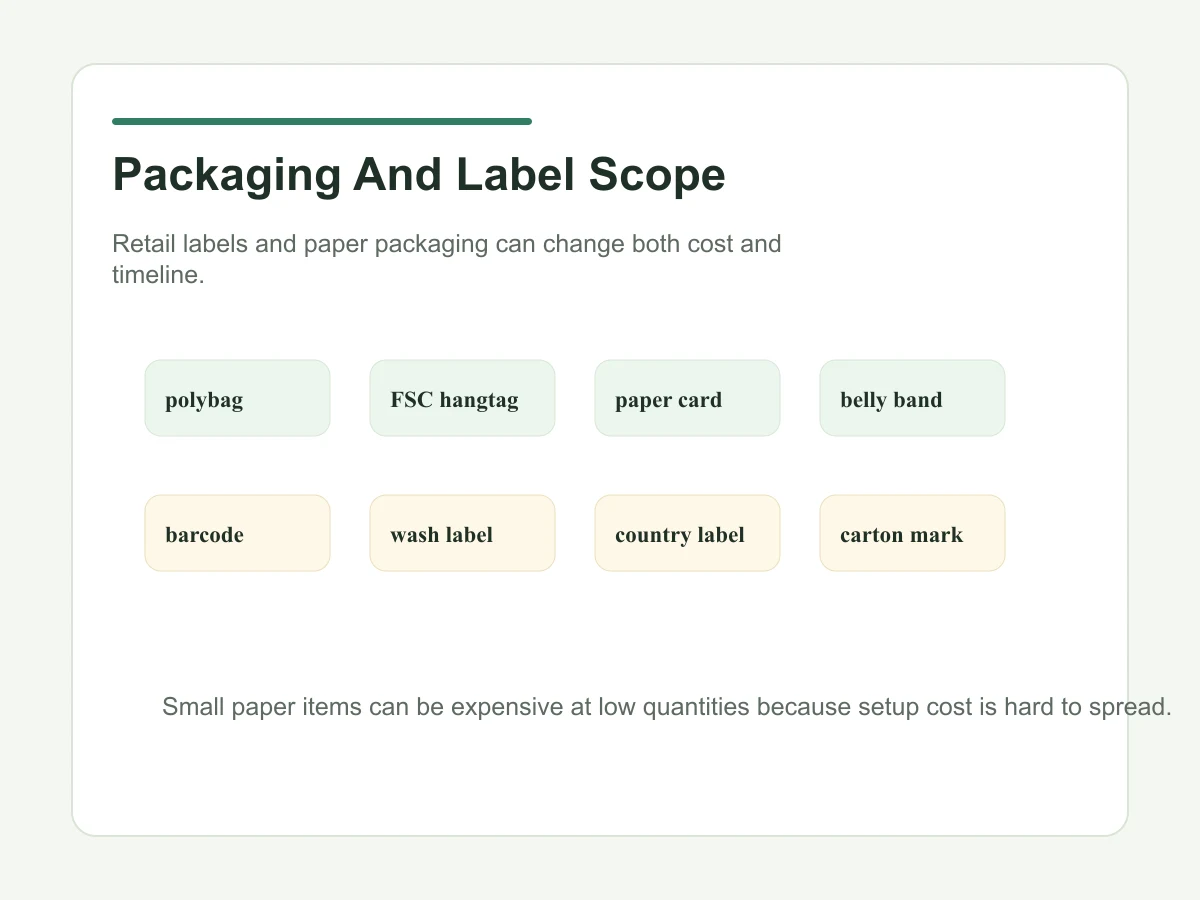
Use it when each tote needs sleeve, insert card, sticker, hangtag or clean unit separation.
- sleeve
- insert card
- unit protection
When is bulk carton packing the better route?
Lower handling scope
Bulk carton packing can reduce individual packing labor when presentation is not the main buyer need.
Warehouse unpacking
Use it when the buyer has a fulfillment team that will inspect, count and distribute units.
Event kit assembly
Bulk packing can work when totes will be combined with other items at the destination.
The right packaging route should follow the buyer's real receiving path. A retail, GWP, hotel, DTC or event order can have the same tote body but a very different packing, label, carton and inspection requirement.
What should be approved before the packing route is locked?
For imported goods, carton and product marking context may matter before the shipment leaves the factory. CBP marking guidance [3] is useful background for U.S.-bound goods.
If textile label information appears on the unit or packaging, review the file before sample approval. FTC textile labeling guidance [4] explains why fiber and origin context should not be handled casually.
Useful related routes include the main supporting page, the related product or guide, the contact or handoff page.
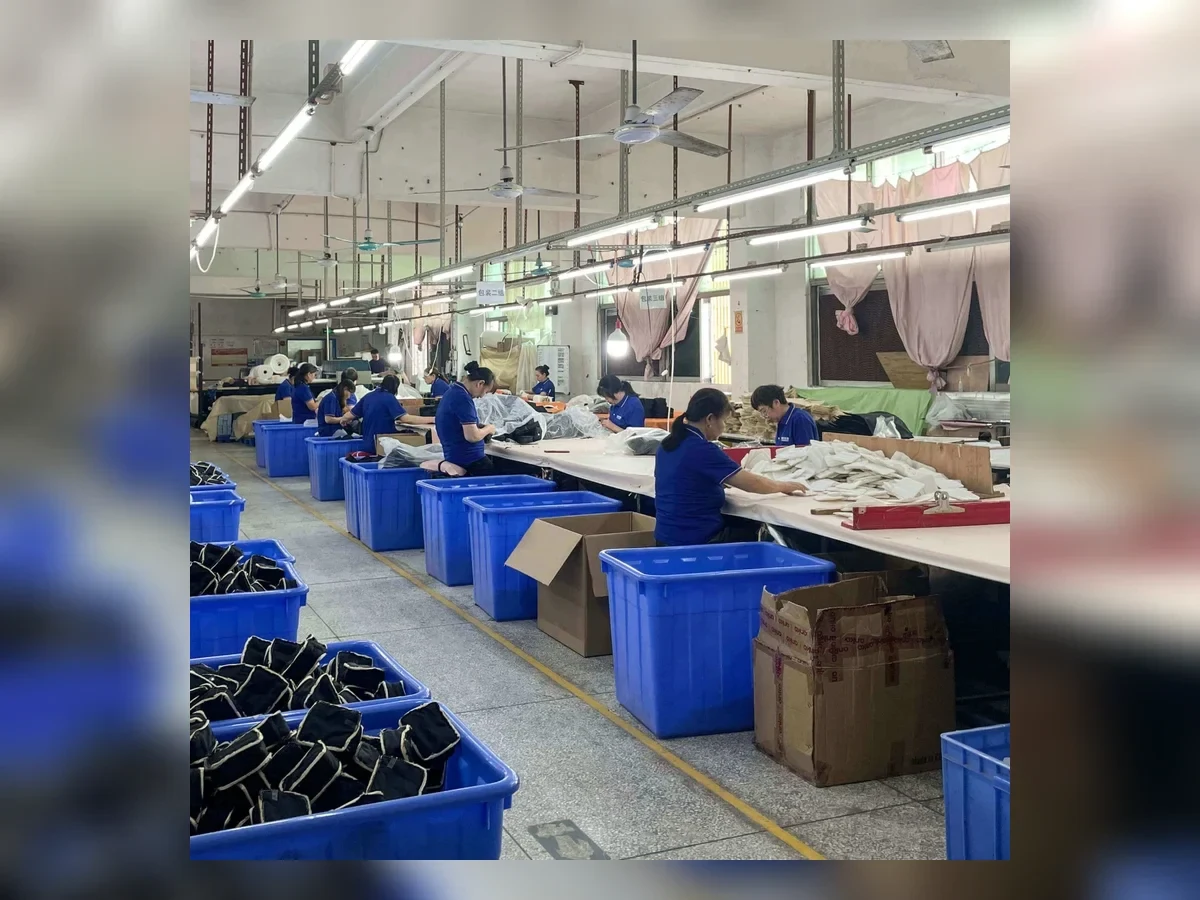
A low unit price can be offset by poor carton ratio, weak packing instructions or extra handling.
- folded size
- carton ratio
- handling rule

Best fit and less suitable fit
Best fit: buyers comparing packing routes for MOQ 500+ retail, GWP, event, hotel, DTC or private-label tote programs with real delivery and receiving requirements.
Less suitable: buyers who only want a blank tote price, one-piece gifts, no-brand small orders, or projects where packing method and receiving route are not yet known.
FAQ
Is individual packing always better for custom tote bags?
No. Individual packing is useful when each tote needs clean presentation, unit protection, barcode, insert card, sticker, hangtag or direct handout. It may add unnecessary labor and material when a warehouse or event team will unpack the totes anyway. The route should follow distribution, not only appearance preference or mockup style.
When should I choose bulk carton packing?
Choose bulk carton packing when totes will be unpacked by a warehouse, event team, hotel team or fulfillment partner before final distribution. Bulk packing can be efficient for MOQ 500+ orders when individual presentation is not needed. The buyer should still confirm carton ratio, version split, carton marks and inspection handoff.
Does individual packing change the sample approval process?
Yes. If the final order uses sleeves, stickers, insert cards, barcode labels or protective bags, the sample approval should include the unit pack-out. Approving only the tote body can miss packaging fit, label placement, folded size and carton ratio. The approved sample should show the intended final packed presentation and handoff rule.
How does packing route affect carton volume?
Individual packing can increase thickness, weight, labor and carton volume, especially when sleeves, inserts or protective bags are used. Bulk carton packing can be more compact, but it may require better count control and clearer carton marks. Buyers should ask the supplier to review carton ratio after the route is chosen.
Can one order use both individual and bulk packing?
Yes. A mixed route can work when VIP, retail, store-opening or sample sets need individual presentation while the rest of the quantity moves in bulk cartons. The buyer should list version split, packing rule and carton mark for each route so the factory can pack and inspect the order without confusion.
What details should I send before asking for a packing quote?
Send quantity, MOQ 500+ expectation, tote size, folded size if relevant, version split, individual packing requirement, bulk carton target, barcode or insert files, delivery country, receiving route and sample approval deadline. These details help the supplier compare labor, material, carton ratio and handoff fairly before a sample route is chosen.
Who should use this comparison?
This comparison is for brand, retail, GWP, hotel, event and DTC buyers planning MOQ 500+ custom tote orders where packing affects presentation, cost or receiving. It is not for single-piece gifts, no-brand consumer orders or buyers who cannot share how the totes will be distributed after delivery or unpacked by the receiving team.
Trademark and certification note
Third-party standards, barcode systems, delivery terms, government guidance and certification names belong to their respective organizations. Ecoicolortote can review document routes, packaging files and artwork wording for a specific project, but these references should not be treated as automatic claims for all materials, products, labels or orders.
Sources
About the Author
 | Zoe Yu is Sales Manager at Ecoicolortote. She helps overseas brand, retail, hospitality and event buyers review custom tote bag material routes, logo methods, MOQ feasibility, sample approval, packing requirements and bulk delivery planning before production. |