Zoe Yu
 Custom tote bag cost is not decided by one unit price alone. For brand buyers, the real cost depends on the material route, fabric weight, size, handle construction, bottom gusset, closure, logo process, packaging, sample approval, MOQ split, shipping term and document scope. A clear cost breakdown helps buyers compare the same project instead of comparing different assumptions.
Buyer Summary
- Best for: beauty GWP, retail, hotel, event and corporate buyers who need to understand why custom tote bag quotes differ before sampling or bulk approval.
- Main decision: compare material, structure, logo process, packaging, sample fee, MOQ split, delivery term and document scope instead of unit price alone.
- Factory-side note: a low quote may exclude packaging, barcode labels, carton marks, sample revisions, split packing, document support or shipping responsibilities.
- What to prepare: bag size, material direction, quantity, logo file, color references, handle and closure needs, packaging, destination, incoterm, sample deadline and certification requirements.
What is the quick answer on custom tote bag cost?
Custom tote bag cost should be reviewed as a full project scope, not only as a unit price. The buyer should confirm what is included in material, construction, logo, packaging, sample approval, MOQ split, shipping term and document support before deciding which quote is actually lower risk.
Two suppliers can quote the same bag size and still price different projects. One quote may include a stronger fabric, reinforced handles, paper sleeve, barcode labels and a pre-production sample. Another quote may only include a plain tote with one logo and simple bulk packing. The front product photo can look similar while the production standard is different.
Best fit for this custom tote bag cost breakdown guide
This guide is best for brand buyers who already have a project direction and need to understand the cost drivers before supplier comparison, sample release or internal budget approval.
It fits projects where material choice, handle strength, logo process, packaging, label system, sample fee, destination split or document requirements can change the real price. It is especially useful when sourcing, marketing and finance teams need one shared quote scope before choosing a factory partner.
How does this guide differ from MOQ and quote comparison pages?
The MOQ and lead-time guide explains how quantity, sampling and production timing affect planning. This cost breakdown guide is narrower. It explains why one custom tote quote can be higher or lower after material, construction, logo, packaging, sample and delivery details are separated.
Which cost components matter most?
The most common custom tote bag cost components are material, fabric weight, size, handle, stitching, bottom gusset, closure, logo process, packaging, sample fee, MOQ split, carton packing, shipping term and document scope.
| Cost part | What changes price | Buyer check |
|---|---|---|
| Material | Cotton, canvas, recycled cotton, rPET, organic route or other fabric. | Confirm composition, weight, handfeel and claim scope. |
| Structure | Flat tote, bottom gusset, side gusset, lining, reinforced handle or closure. | Check product fit, carry weight and final use case. |
| Logo | Screen print, heat transfer, embroidery, woven label, patch or multi-process artwork. | Approve real sample, color and placement. |
| Packaging | OPP bag, paper sleeve, hangtag, barcode label, carton mark or gift packing. | Confirm retail or GWP packaging before final quote. |
| Delivery | EXW, FOB, CIF, DDP, split shipment, carton volume and peak-season timing. | Compare the same delivery responsibility. |
| Documents | Material support, recycled claim, safety testing, paper packaging or factory audit file. | Ask which documents are included in the quote. |
How does material route change unit price?
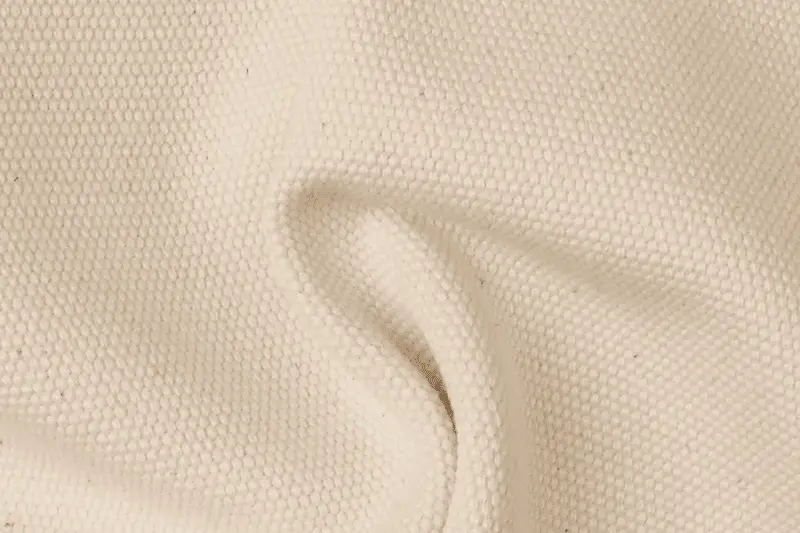
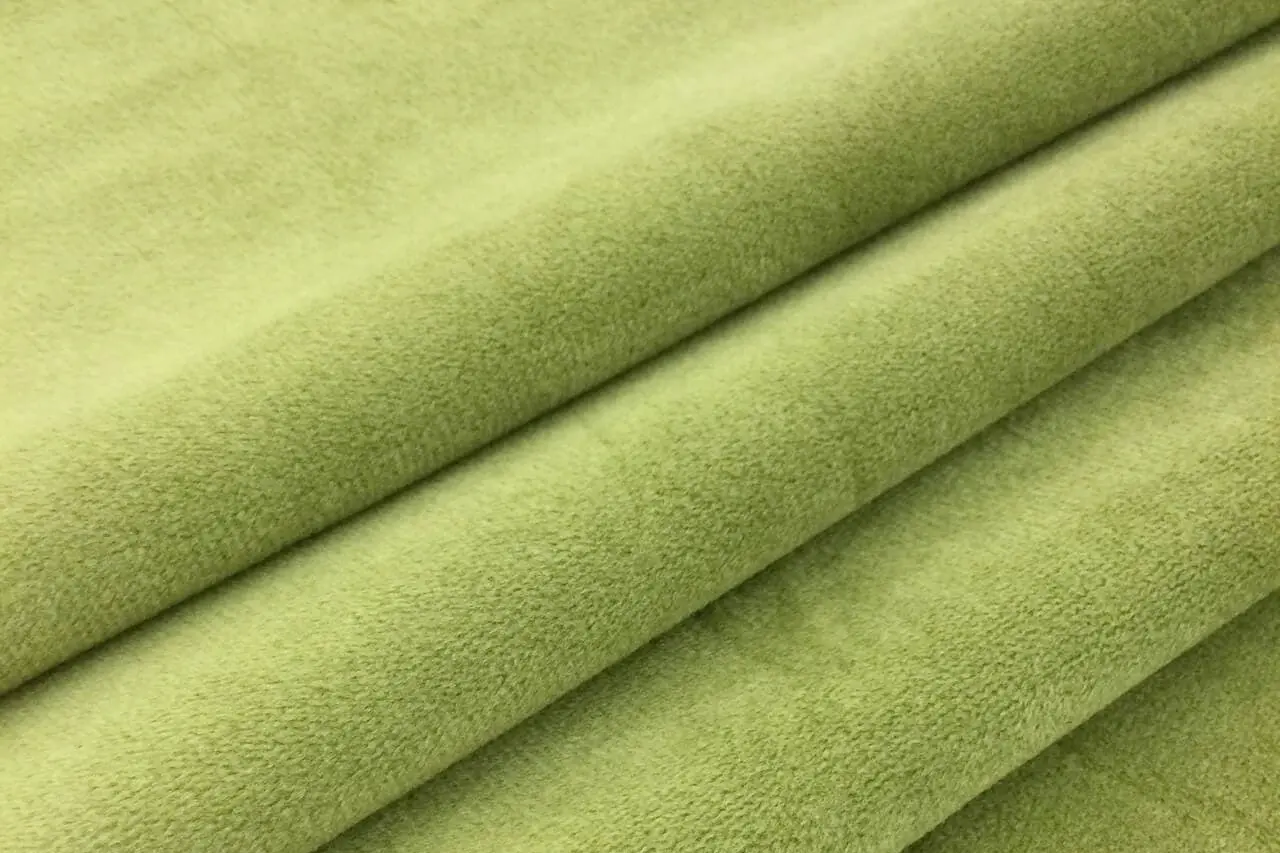
Material route changes cost through fabric composition, weight, surface finish, color route, MOQ, availability and document support. A cheaper fabric can become less useful if it cannot support the buyer's logo, claim language, handfeel target or delivery timeline.
Cotton canvas may feel stronger and more natural, while rPET can support lightweight campaigns and full-color artwork. Recycled cotton may support a softer environmental story, but recycled percentage and claim scope should be confirmed. For recycled-content projects, buyers may need standards or chain-of-custody discussion such as Textile Exchange recycled standards1 before the final wording is approved.
How do structure, gusset and closure change cost?
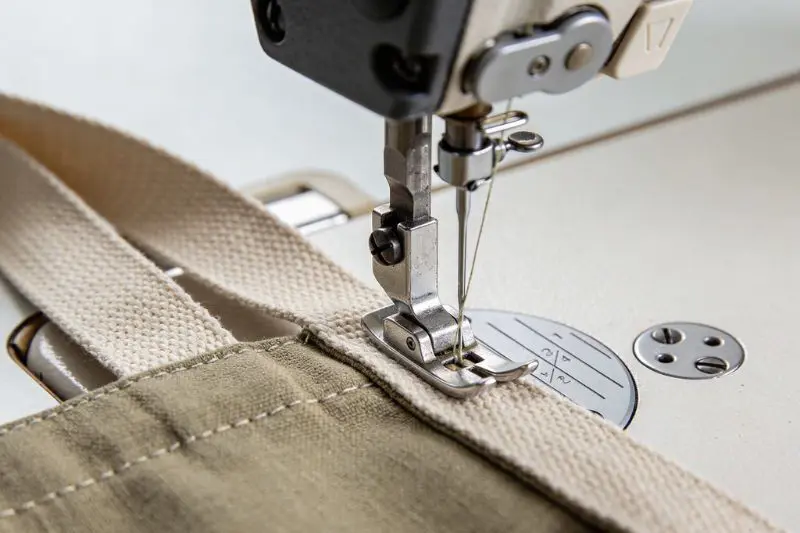
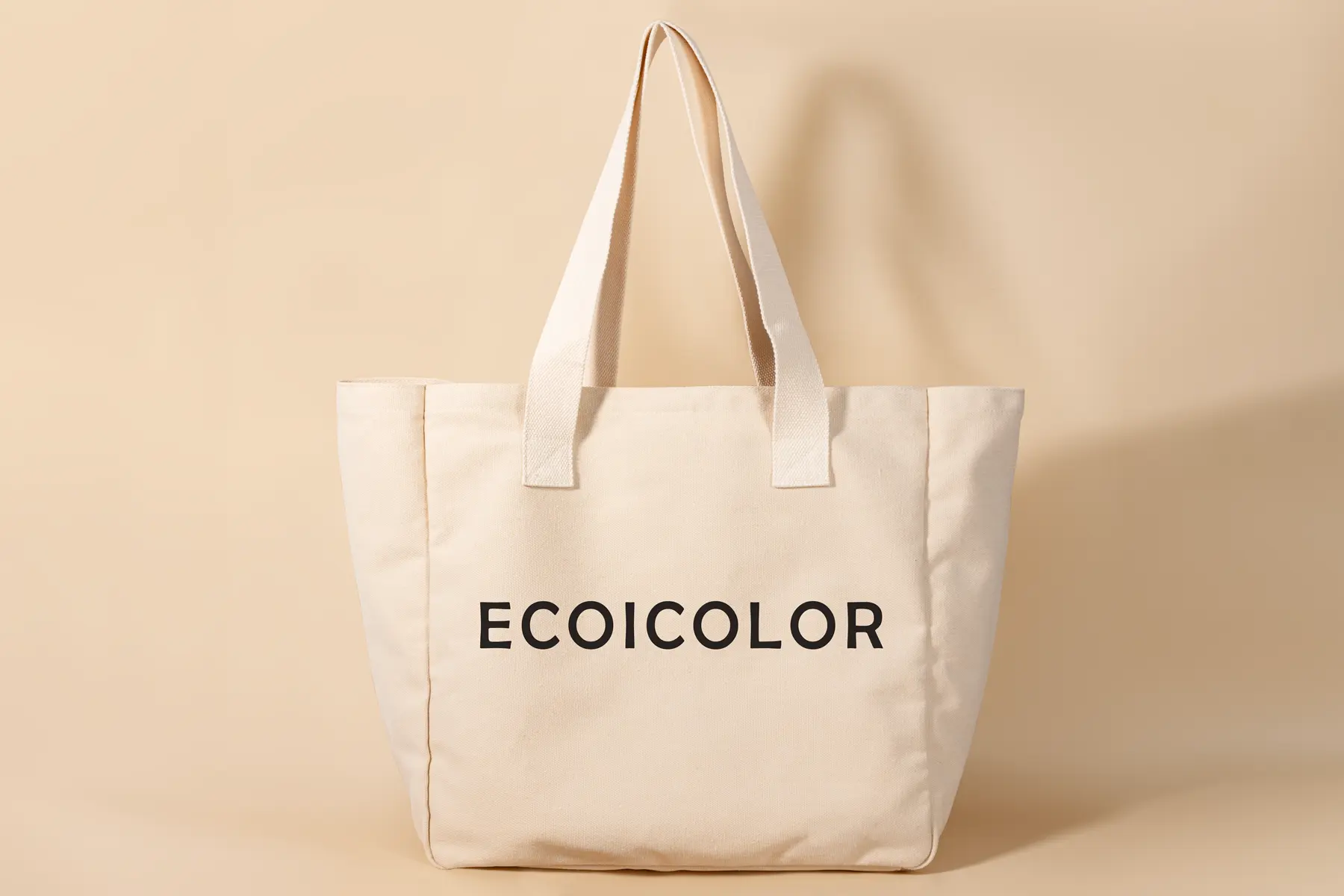
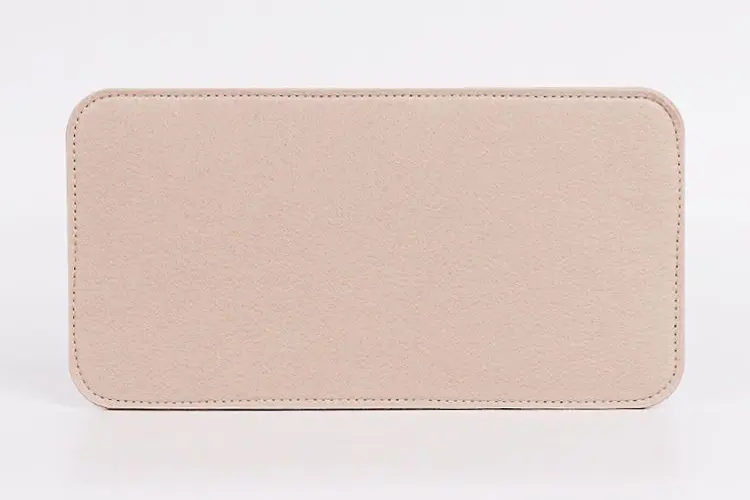
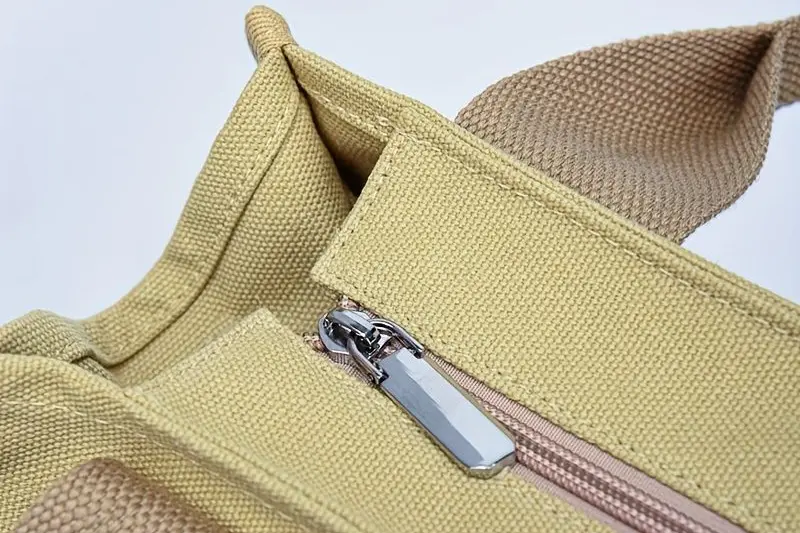
Structure changes cost because every extra construction decision can add fabric use, sewing time, trim cost, inspection points and packing volume. A bottom gusset, closure or reinforced handle may be worth the cost when the tote must carry heavier contents or present a gift set cleanly.
A flat tote is usually simpler. A bottom gusset can improve product fit but increases material and sewing work. A zipper, snap, button or drawstring can improve security but adds trim sourcing, sewing steps and sample approval. Buyers should review structure with real contents instead of approving the lowest-spec shape on a spec sheet.
How does logo process change the quote?
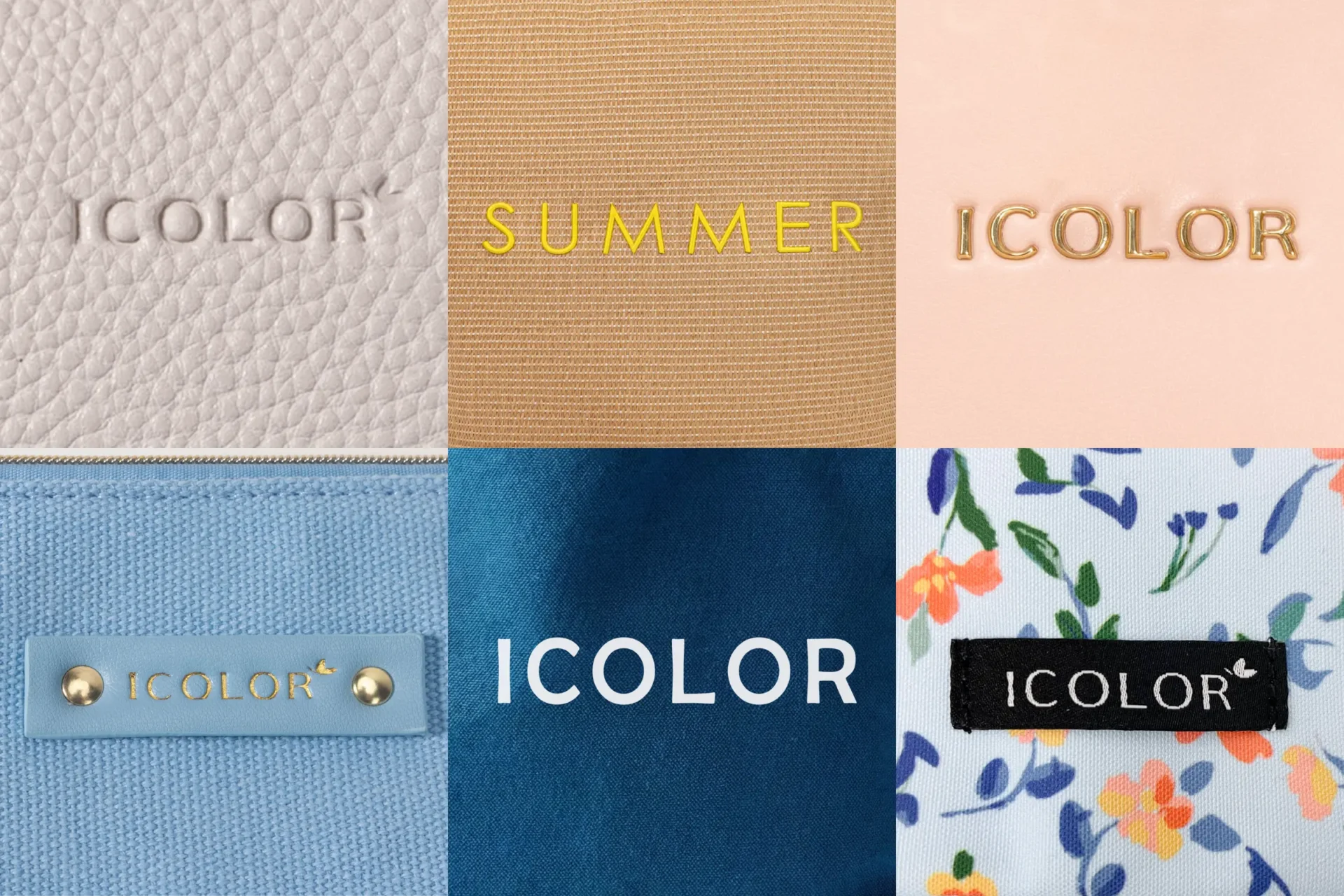
Logo process can change quote scope through setup, color count, print area, artwork complexity, fabric surface, sample approval and bulk tolerance. A one-color logo on canvas is not the same cost route as full-color artwork on rPET or embroidery on a structured retail tote.
Screen printing is often practical for simple logos and larger quantities. Heat transfer can help with gradients or photo-style artwork. Embroidery can add value for smaller premium marks but may not suit large campaign graphics. Buyers should send editable artwork, Pantone references and expected logo size before asking for a final quote.
How do packaging, labels and carton marks affect cost?
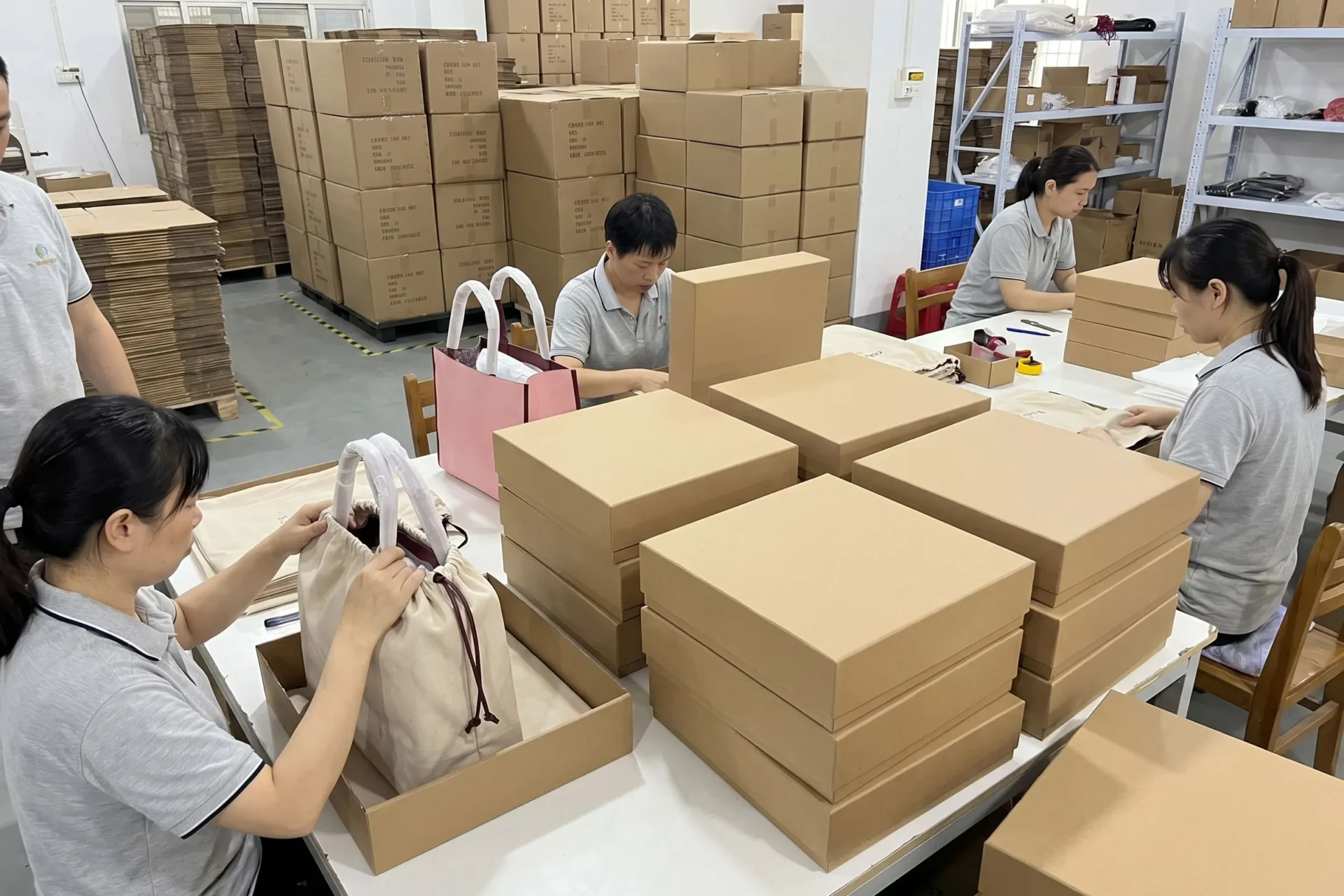
Packaging affects cost when the tote needs a paper sleeve, hangtag, barcode label, individual bag, gift pack-out, retailer carton label or destination split. These details can add materials, printing, packing labor, sample proofing and extra inspection steps.
For retail and GWP projects, packaging is often where an incomplete quote becomes visible. Paper packaging may also require a separate sourcing or claim discussion, and buyer teams should not apply fabric claims to packaging without confirmation. For paper packaging claims, buyers may need to review scope with references such as FSC paper and forest-based certification2.
How do MOQ, color split and SKU split affect unit price?
MOQ affects cost because material purchasing, dyeing, logo setup, packaging printing and production scheduling all work better when the scope is clear. A 2,000-piece order in one version usually prices differently from four 500-piece versions with separate colors, labels or delivery splits.
Buyers should tell the factory whether the quantity is one style, multiple colors, multiple logos, retailer versions or destination allocations. A quote that says 2,000 pcs may not cover four different SKUs unless the version split is already stated. Cost review should separate total quantity from version quantity.
| Quantity setup | Cost effect | Best buyer action |
|---|---|---|
| One size, one logo | Usually easier to quote and schedule. | Confirm exact material, logo and packaging. |
| Multiple colorways | May add fabric or logo setup complexity. | Share color split before final pricing. |
| Retail SKUs | Labels, barcodes and carton marks may differ. | Provide SKU and packing matrix early. |
| Multi-destination delivery | Carton packing, marks and shipping documents may change. | Confirm destination split and incoterm before approval. |
How should sample fees be handled before bulk confirmation?
Sample fees should be discussed before sample production because material, structure, logo process, closure, packaging and custom trims can all change sample cost. The sample is not only a photo; it is the approval standard for bulk production.
For qualified bulk orders, standard sample fees can normally be credited or refunded against order value after confirmation, while special molds, hardware tooling or unusual custom development may not be refundable. The buyer should confirm what the sample must prove, who approves it, and whether a pre-production sample is included before bulk release.
Which documents can affect the quote?
Document needs can affect material route, supplier selection, testing discussion, packaging sourcing, audit file work and approval timing. Buyers should state required documents before sample approval, not after the quote has already been compared.
Safety or restricted-substance requirements may involve textile safety discussions such as OEKO-TEX STANDARD 1003. Factory audit references such as amfori BSCI4 or buyer social-compliance files should be treated separately from material claims. Barcode or retail labeling may require the buyer's own label data and external systems such as GS1 barcode standards5.
What should buyers send for an accurate cost breakdown?
Buyers should send size, material direction, fabric weight if known, quantity, color split, logo artwork, Pantone references, handle and closure needs, packaging, label files, delivery destination, shipping term, sample deadline and document requirements.
If the project is still open, share the intended use case first. Ecoicolortote can help compare canvas, recycled cotton, rPET, organic cotton or other materials before sampling. When the brief is incomplete, the quote should be treated as a planning estimate rather than a final production standard.
What can be estimated publicly, and what still needs RFQ confirmation?
A public guide can explain cost drivers, common quote gaps and preparation steps, but it cannot provide a reliable final tote bag price without the approved specification, quantity, artwork, packaging, delivery term and document scope.
Final cost should be confirmed by RFQ because material availability, trim choice, logo size, fabric color, sample revisions, inspection needs and shipping terms can change quickly. For environmental or recycled claims, broad public wording should also be checked against actual project scope and market rules, including references such as the FTC Green Guides6.
How does factory coordination reduce cost surprises?
Factory coordination reduces cost surprises by connecting material sourcing, sample development, logo proofing, packaging files, carton planning, document scope and delivery instructions before bulk production starts.
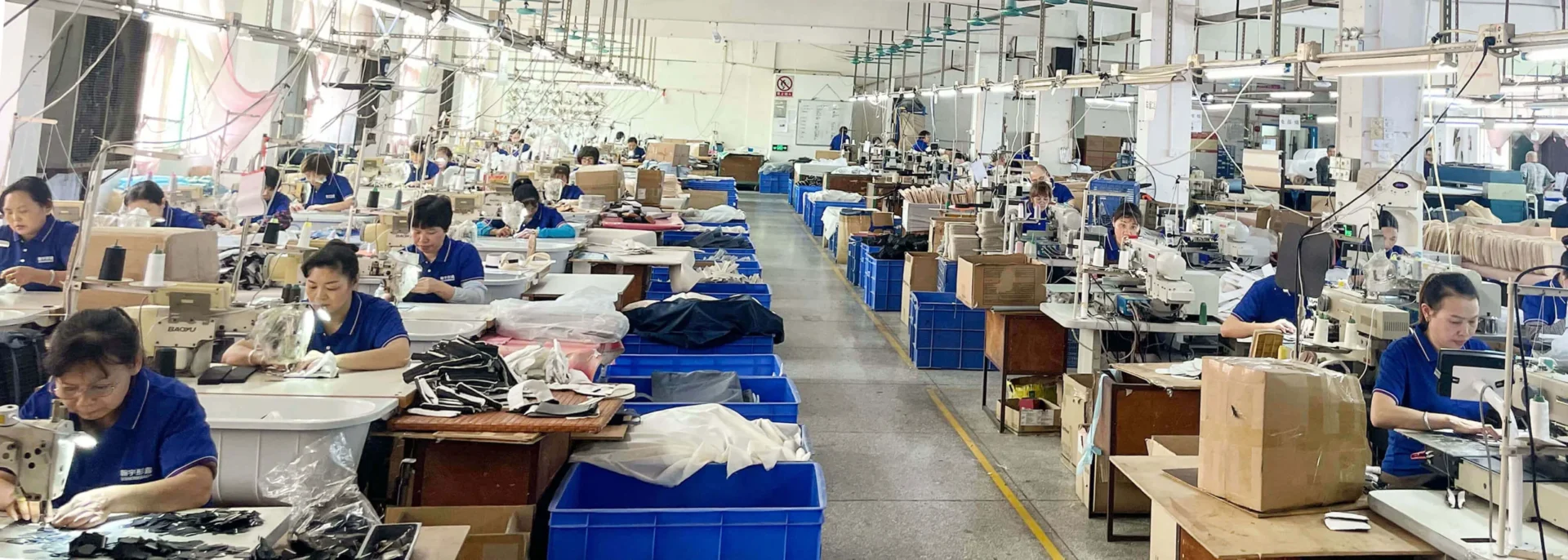
For projects made through Dongguan supply-chain coordination, fabric suppliers, logo process teams, trim sources, packing workers and carton planning all affect the final quote. A clean cost sheet helps the buyer see which decisions are locked, which are estimated and which still require approval.
Less suitable fit for custom tote bag cost projects
This cost breakdown approach is less suitable when the buyer wants only a price-only photo-matched tote, cannot share specifications, or does not want to confirm packaging, sample approval, delivery term or document requirements before placing an order.
FAQ: Custom tote bag cost breakdown
What usually changes custom tote bag unit price?
Material, fabric weight, size, handle construction, stitching, bottom gusset, closure, logo process, packaging, label needs, MOQ, sample scope, carton packing and delivery term usually change unit price. Buyers should also check whether the supplier included document support, sample revision, barcode labels, carton marks and split packing, because those details can make two similar-looking quotes very different.
Does a lower MOQ always mean a lower total project cost?
No. A lower MOQ can reduce total spend, but setup cost, sample work, material sourcing, logo proofing and packaging preparation may make the unit price higher. If the order is split into many colors, SKUs or destinations, the factory may need more setup and packing work. Buyers should compare total project scope, not only MOQ and unit price.
What MOQ should buyers expect for cost review?
Ecoicolortote usually reviews custom tote bag projects from MOQ 500 pcs per style, but the practical starting point depends on material, logo process, trim, packaging and document needs. A simple one-color logo tote is easier to quote at a lower quantity than a retail-ready project with multiple labels, special packaging and different SKU versions.
How do sample fees affect the cost plan?
Sample fees affect the cost plan because they cover real material preparation, logo setup, sewing work, packaging proofing or custom trim development. For qualified bulk orders, standard sample fees can often be credited or refunded after order confirmation, but special tooling or unusual hardware may be handled separately. Buyers should confirm sample fee policy before sample release.
Which documents can affect custom tote bag cost?
Documents can affect cost when the buyer needs recycled-content support, textile safety discussion, paper packaging scope, social-compliance references, retailer checklists or destination-level shipping files. These requirements can change material route, supplier selection, testing discussion and approval timing. They should be stated during RFQ so the factory can quote the right project instead of adding document work later.
Can a public article give a final tote bag price?
No. A public article can explain cost drivers and help buyers prepare a better RFQ, but final price depends on approved specifications, material availability, quantity, artwork, logo size, packaging, inspection needs, shipping term and delivery destination. The safest approach is to send a complete brief and ask suppliers to show included and excluded items clearly.
What should buyers send for an accurate cost breakdown?
Buyers should send target size, material direction, fabric weight if known, quantity, color split, logo artwork, Pantone references, print size, handle and closure details, packaging requirements, barcode or label files, destination, incoterm, sample deadline and document requirements. A complete brief lets Ecoicolortote separate material, structure, logo, packaging, sample and delivery cost in one quote scope.
Share quantity, size, material direction, logo artwork, packaging, delivery destination, incoterm and document needs. Ecoicolortote can help separate material, structure, logo, packaging, sample and delivery scope before you compare suppliers. Start a custom tote bag cost review.