

 Zoe Yu
 A custom tote bag stitching review should start from the filled sample, handle root, seam stress and reinforcement details, not only from a flat front-view mockup. For beauty GWP, retail, hotel, corporate gift and event projects, stitching quality should be approved as part of the production standard before bulk production.
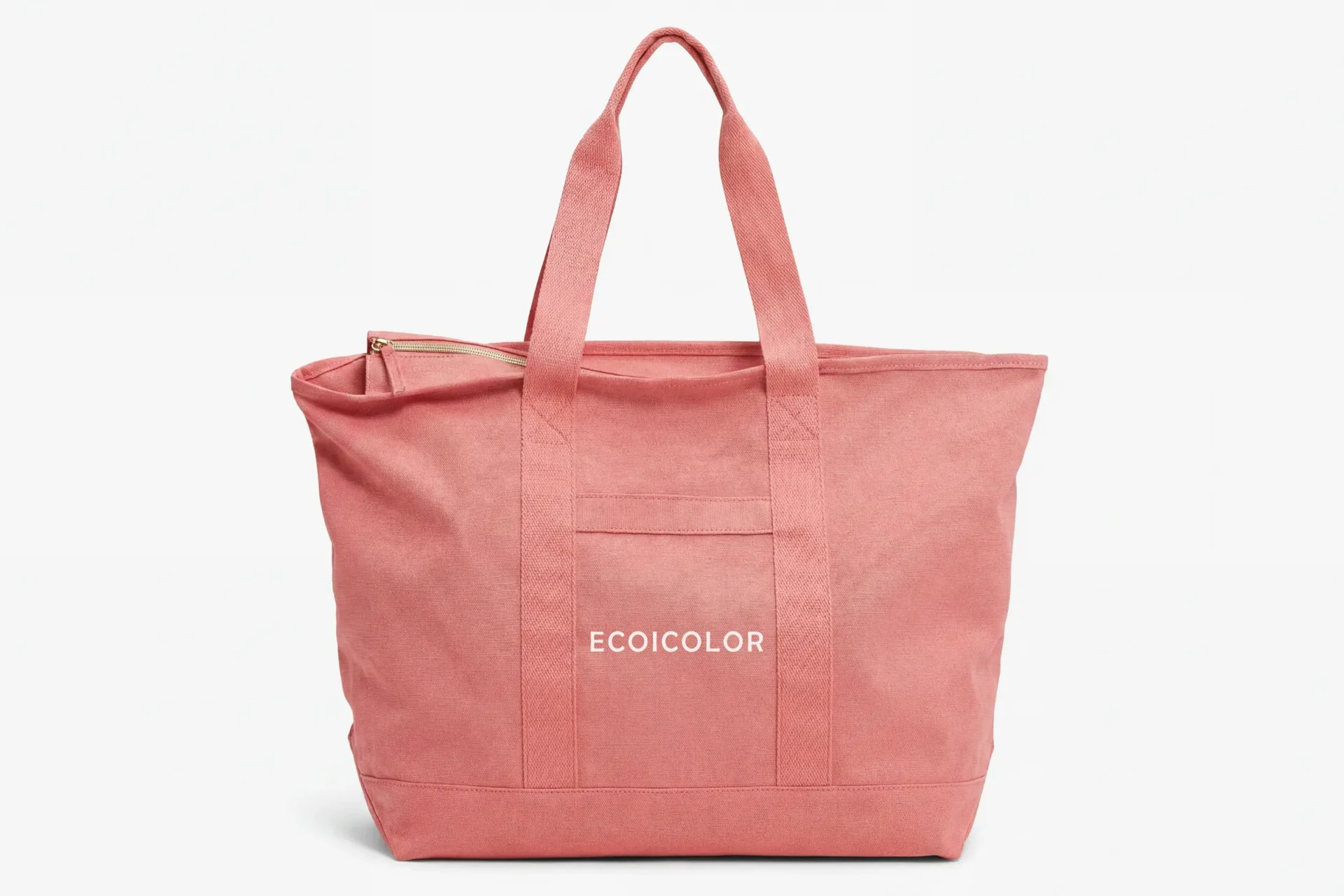
Buyer Summary
- Best for: beauty GWP, retail, private label, hotel, corporate gift and event buyers reviewing custom tote bag stitching quality from 500 pcs per style.
- Main decision: stitching quality should be judged from real contents, stress points, material behavior and the approved physical sample, not only from an empty front view.
- Factory-side note: handle-root stitching, side seams, bottom seams, reinforcement, thread tone and logo clearance can all affect perceived quality and bulk consistency.
- What to prepare: tote size, material direction, contents, estimated carry weight, handle preference, logo placement, packaging route, document needs and sample approval deadline.
What is the quick answer for custom tote bag stitching quality?
Custom tote bag stitching quality should be reviewed through the physical sample with real contents inside. Buyers should check handle-root reinforcement, side seam stress, bottom seam support, thread neatness, inside finishing, logo clearance and how the tote looks after filling. Strong stitching is not a single promise. It depends on material, handle route, thread, seam construction, reinforcement, contents, packaging and the agreed sample standard.
Best fit for custom tote bag stitching quality review
This guide is best for brand buyers who need a tote bag to carry real products, protect gift presentation or feel reliable after the campaign. Beauty GWP projects may need neat stitching around product sets and gift packaging. Retail and private label totes need repeatable sewing details. Corporate gift and hotel totes need clean presentation, while event totes need basic carrying reliability across quantity.
It is also useful when the buyer uses words like strong, durable, premium or reinforced but has not yet defined the real contents, carry style, material route or sample approval method. Those words should be converted into stitch locations, seam checks, filled-sample review and bulk QC standards.
How does this guide differ from structure, material performance and load capacity guides?
This guide is narrower than a general tote structure article. It does not explain every handle, gusset or closure option. It also does not replace material performance checks or load capacity planning. It focuses on stitching details that brand buyers can review during sample approval: handle root, side seam, bottom seam, reinforcement, stitch neatness, thread tone and how stitching interacts with logo placement.
| Nearby content | It owns | This article should not repeat |
|---|---|---|
| Structure details guide | Handles, gussets and closure options. | All structural choices. |
| Bottom gusset guide | Capacity and bottom shape. | Gusset sizing and carton volume as the main topic. |
| Material performance guide | Shrinkage, colorfastness and water resistance. | Textile testing as the main topic. |
| Load capacity article | Weight, contents and carrying load. | Fixed carrying weight claims without project scope. |
| Manufacturing process | Factory process from brief to bulk. | The full production workflow. |
Which brand projects should pay attention to tote bag stitching quality?
Stitching matters most when the tote is expected to carry real products, represent gift value or be reused after the campaign. Beauty GWP projects may need a neat, gift-ready finish. Retail totes need repeatable details. Corporate gifts need a clean recipient experience. Event totes may be lower cost, but handle root and seam neatness still affect onsite use.
| Project | Stitching concern | What to sample-check |
|---|---|---|
| Beauty GWP tote | Gift-ready finish and product weight. | Handle root, seam neatness, logo area and filled presentation. |
| Retail tote | Repeat use and customer complaints. | Side seam, bottom seam, handle stitching and thread color. |
| Corporate gift tote | Clean recipient experience. | Visible stitch neatness and handle comfort. |
| Event tote | Quick distribution and basic carrying use. | Handle root and seam consistency across quantity. |
| Large gift tote | Heavier contents and wider opening. | Reinforcement, seam stress and filled-sample balance. |
What do buyers often misunderstand about stitching?
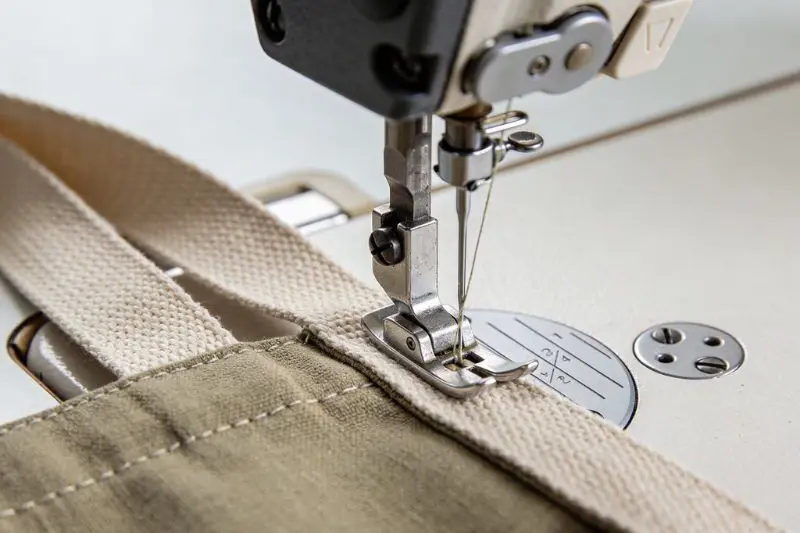
Buyers often ask whether the tote is strong, but they do not always define what will go inside the bag, how it will be carried, or which areas should be reinforced. Stitching quality is not only about stitch count. It includes fabric, thread, handle material, seam allowance, stress points, sample fit and bulk consistency.
Empty samples can hide stress
A tote may look neat when empty but pull at the handle root after products are placed inside.
Neat stitches are not a load claim
Load performance depends on contents, fabric, handle material, construction and test scope.
Logo placement can be affected
Reinforcement boxes, seams and handle roots can crowd the logo area if not checked early.
Which stitching areas should buyers review on a custom tote sample?
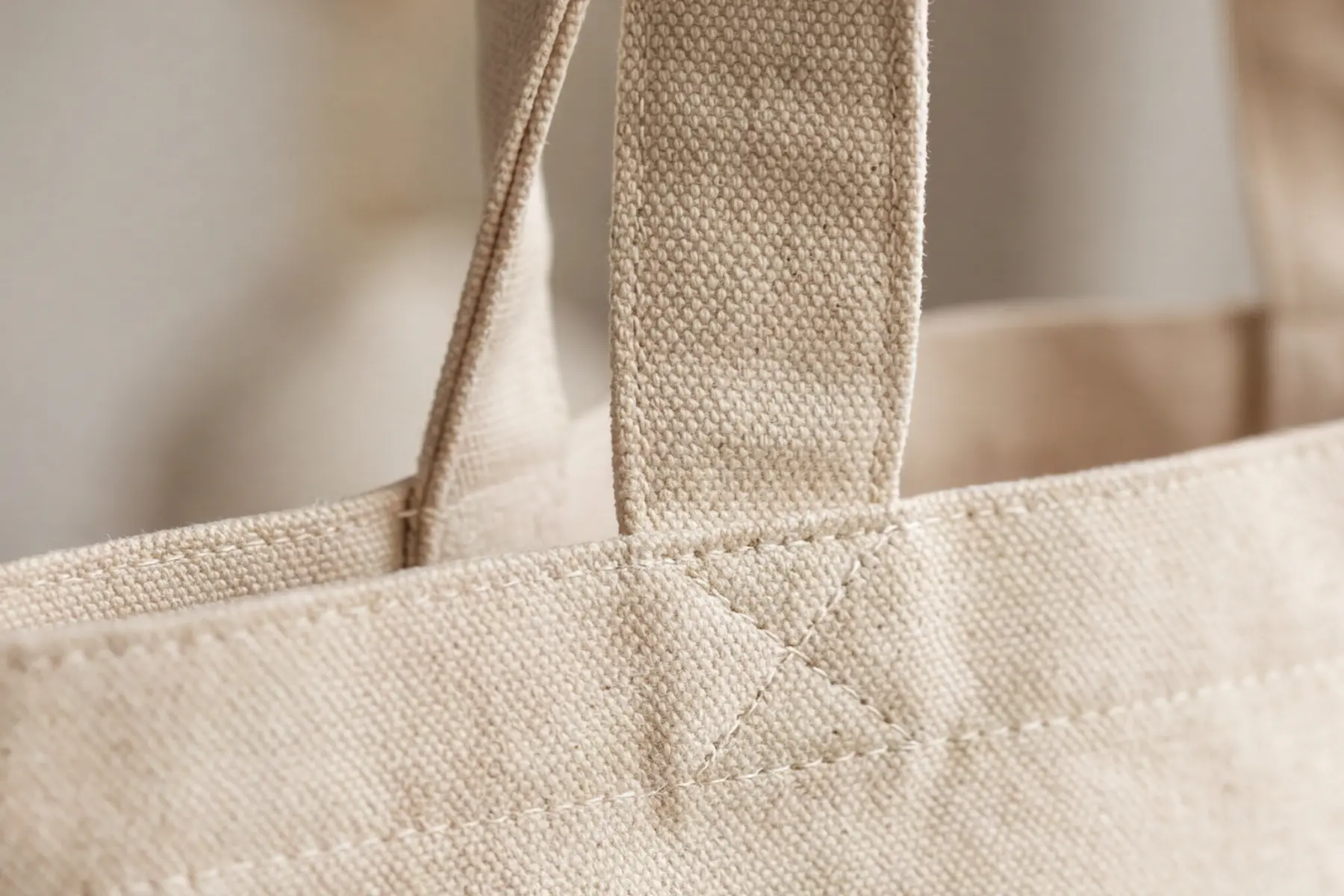
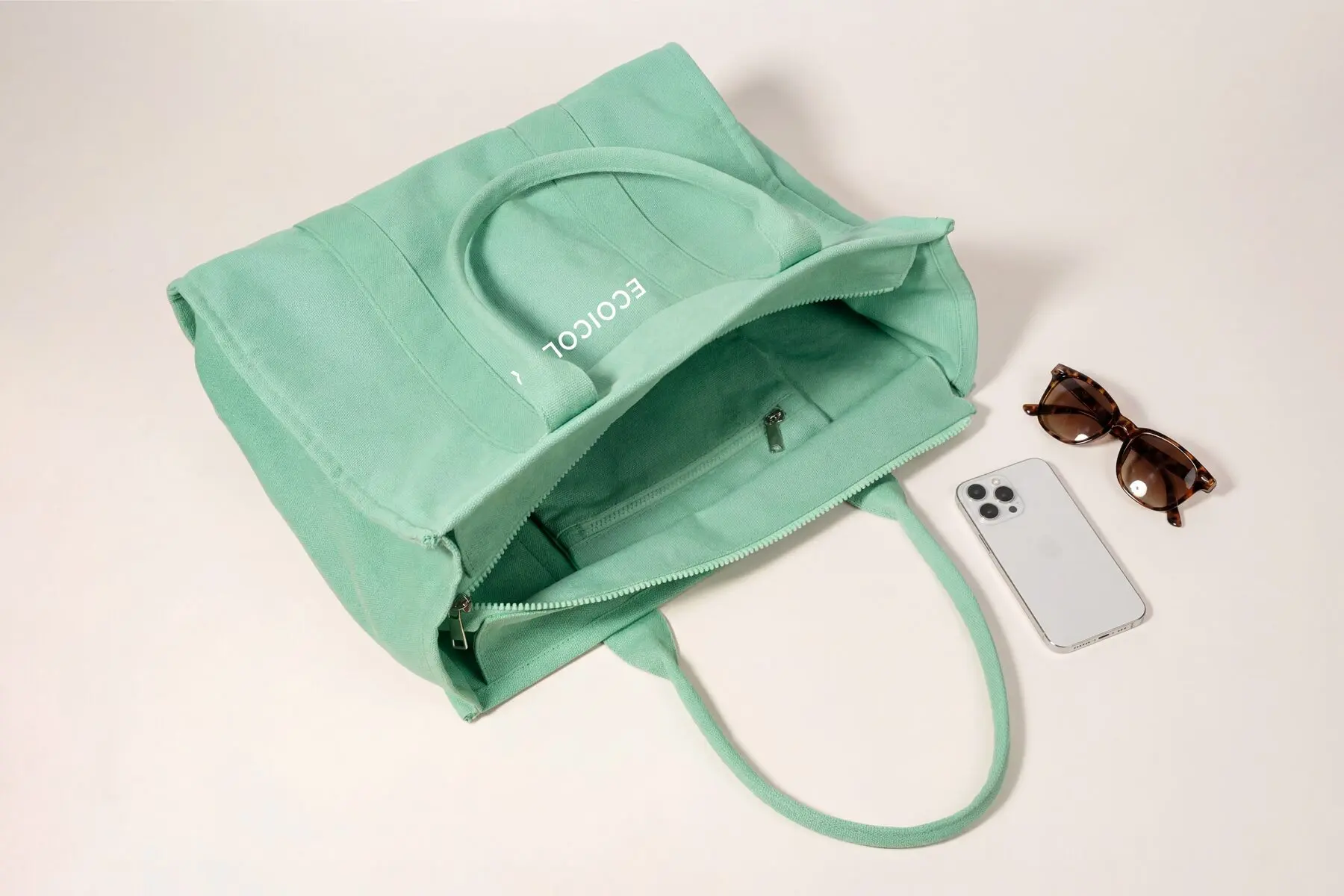
The most important sample review points are the handle root, handle width, side seam, bottom seam, top opening, inside finishing and the area around logo placement. If the bag has a gusset, zipper, lining or inner pocket, stitching review becomes more important because more construction points can affect the final presentation.
| Area | Why it matters | Sample check |
|---|---|---|
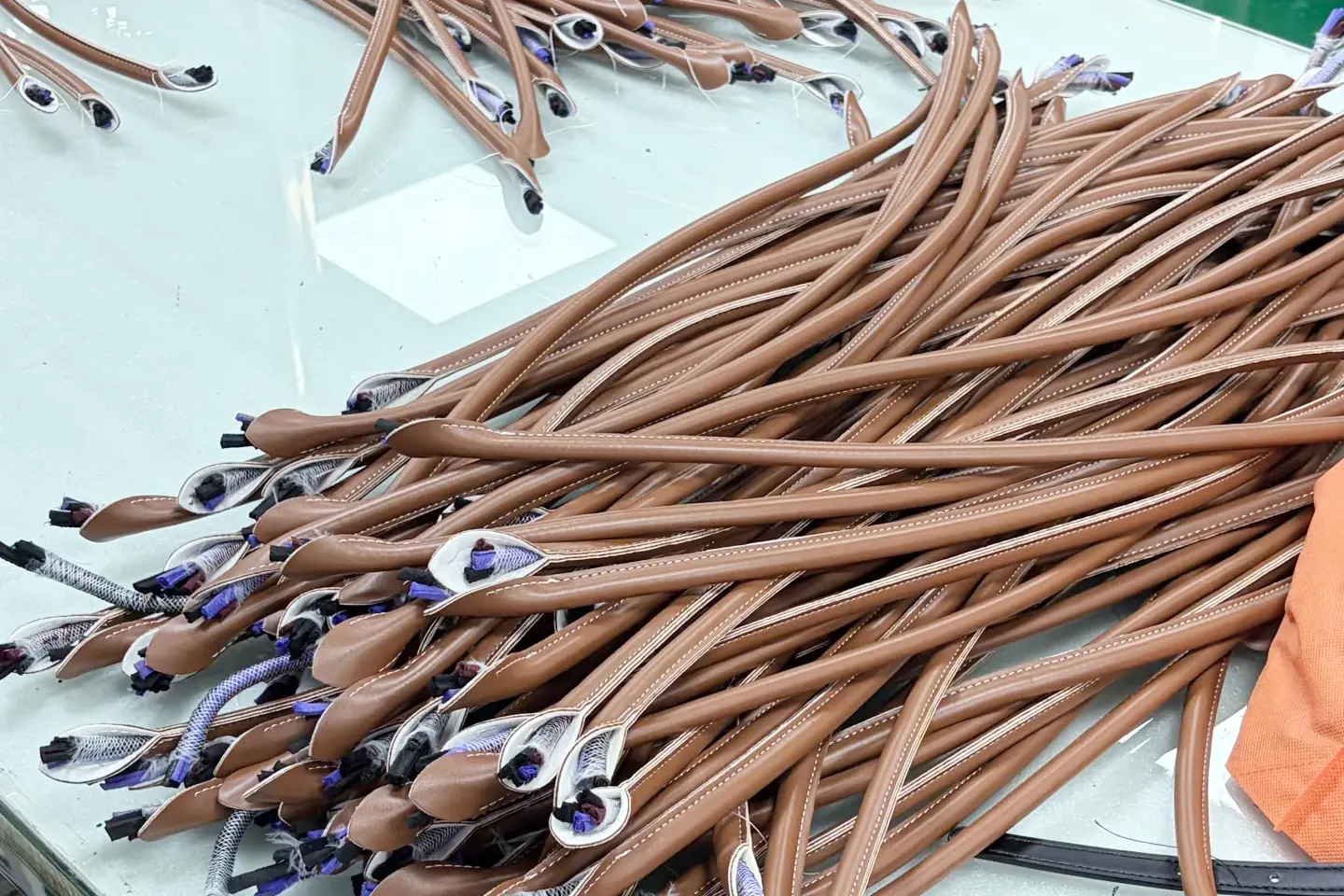
| Handle root | High stress point during carrying. | Check stitch type, reinforcement and pull direction. |
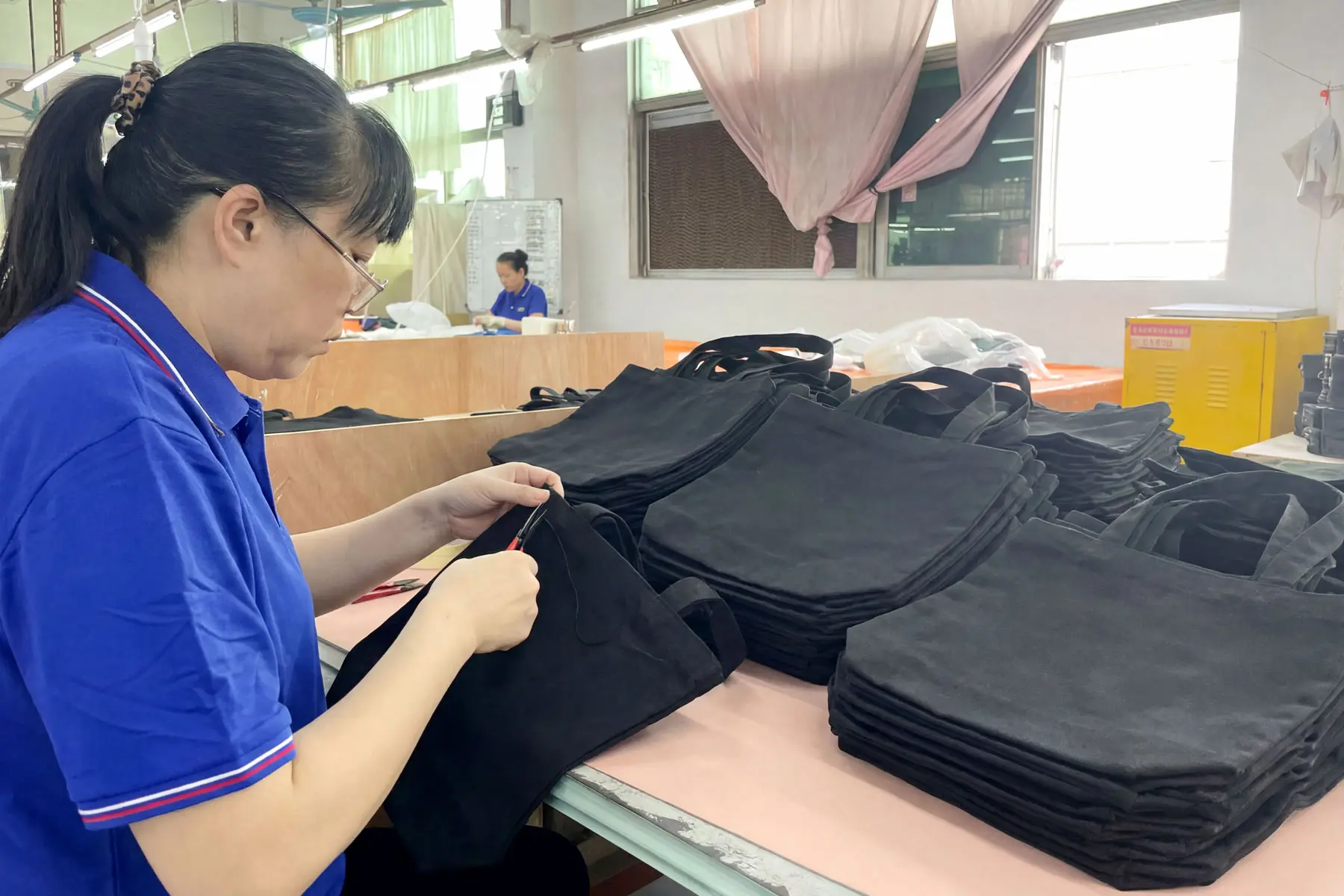
| Side seam | Affects shape and durability. | Check straightness, seam allowance and stress after filling. |
| Bottom seam | Supports contents and shape. | Check with actual product weight. |
| Top opening | Affects visual finish and daily use. | Check edge finishing and opening feel. |
| Inside finishing | Affects product feel and complaints. | Check loose thread, raw edge and label placement. |
| Logo area | Stitching can interrupt the visual field. | Check handle root distance and logo proportion. |
How should reinforced stitching be discussed without overpromising load capacity?
Reinforced stitching can improve tote structure, but it should not be written as a universal load commitment. Actual carrying performance depends on fabric, handle material, thread, seam construction, contents, user behavior and the approval standard. If the buyer needs a formal load claim, the test method, sample scope and acceptance criteria should be agreed before bulk production.
Buyers can use textile testing resources to frame questions, but project-level performance still needs a specific sample or test standard. AATCC textile testing resources1 and ASTM textile standards2 can support technical conversations, while the final tote still has to be judged against the agreed RFQ and sample scope.
| Buyer wording | Safer meaning | What Ecoicolortote should confirm |
|---|---|---|
| Strong handle | Handle root and stitch route need review. | Material, handle type and sample standard. |
| Heavy-duty tote | Structure and usage expectation need definition. | Contents, weight range and reinforcement areas. |
| Durable enough | Use case must be explained. | Event use, retail use, travel use or gift use. |
| Premium stitching | Visual finish and construction should both be checked. | Thread tone, stitch neatness and inside finishing. |
| Load capacity | Cannot be promised from wording alone. | Test method, sample and RFQ scope if required. |
How do material and stitching quality affect each other?
The same stitching can behave differently on different materials. A soft recycled cotton blend, thick canvas, rPET surface or organic cotton fabric may need different thread, tension, seam finishing or reinforcement. Textile safety and material claims should also be separated from stitching performance. OEKO-TEX, Textile Exchange and FTC resources can help buyers ask better material and claim questions, but they do not automatically define stitch strength for all projects.
If the project uses recycled or safer-chemistry wording, buyers should confirm document scope separately from sewing expectations. OEKO-TEX STANDARD 1003, Global Recycled Standard4 and FTC Green Guides5 are useful references, but final wording should still match the actual material and order scope.
| Material route | Stitching point to check | Buyer risk |
|---|---|---|
| Cotton canvas | Needle, thread and seam bulk. | Thick areas can look bulky if not finished cleanly. |
| Recycled cotton | Texture and seam consistency. | Natural variation may affect finished appearance. |
| rPET | Surface, edge and heat-sensitive processes. | Stitching and print route must be reviewed together. |
| Organic cotton | Softness and possible puckering. | Embroidery or dense stitch areas need sample approval. |
| Bamboo fiber | Soft handfeel and seam control. | Claim wording and fabric route should be confirmed. |
How can stitching affect logo placement and brand presentation?
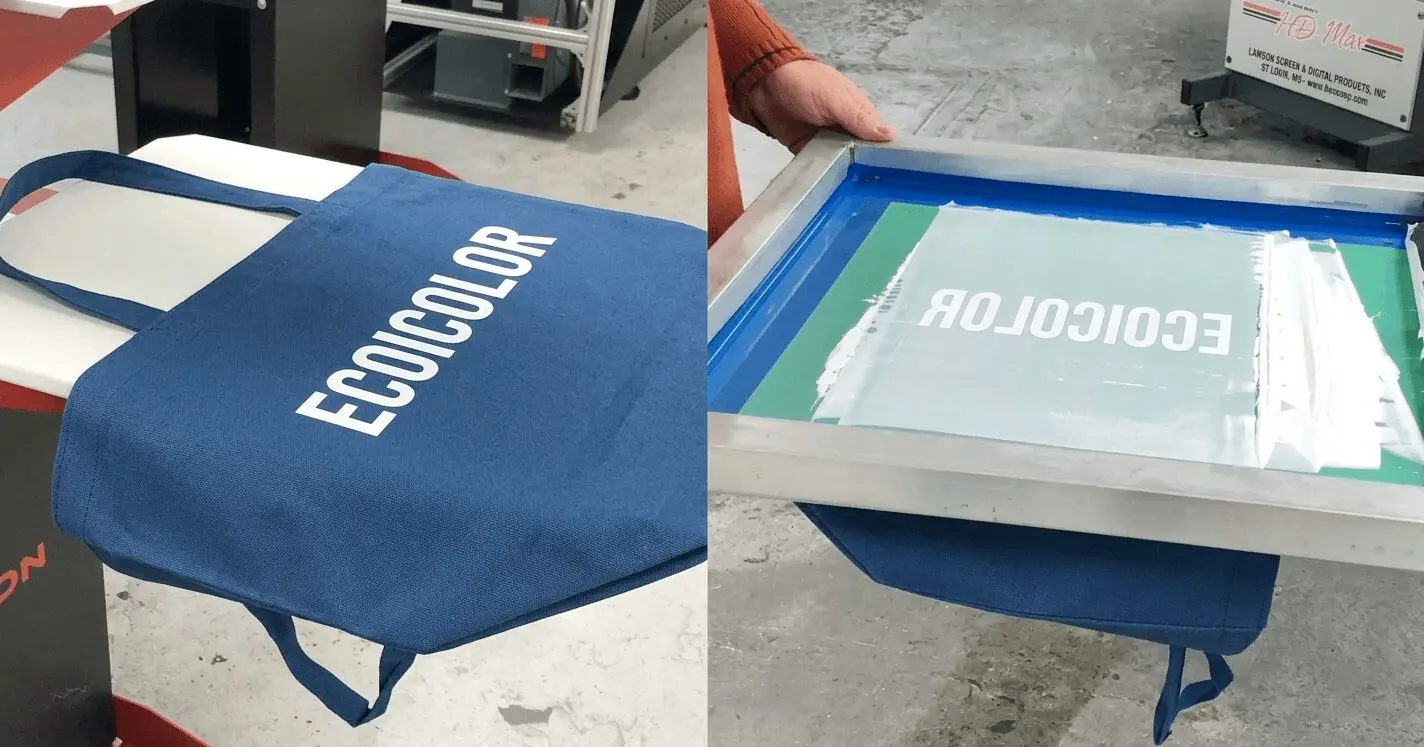
Stitching can affect where the logo should sit. If the logo is too close to a handle root, reinforcement box, side seam or top opening, the bag can look crowded even if the artwork file is correct. For Beauty GWP and retail gift projects, buyers should review logo placement on the physical sample after the tote is filled, because product weight can change how the front panel hangs.
| Logo issue | Possible stitching cause | What to adjust |
|---|---|---|
| Logo looks too high | Handle root and top seam compress the visual field. | Move logo lower or reduce size. |
| Logo looks tilted | Panel or side seam pulls after filling. | Check filled sample and panel balance. |
| Embroidery puckers | Fabric and stitch density do not match. | Adjust backing, stitch density or logo method. |
| Woven label feels misplaced | Label too close to seam or gusset. | Confirm label location on sample. |
| Print edge looks uneven | Material texture and seam location affect edge. | Review print process and artwork scale. |
What MOQ, sample and bulk checks should be set before production?
At MOQ 500 pcs per style, the most stable route is usually one size, one main material, one handle configuration, one primary logo process and a physical sample with clear stitch approval points. More complex handle materials, lining, pockets, gussets, hardware or multiple gift versions can add stitching complexity and sample time.
| Stage | Stitching check | Why it matters |
|---|---|---|
| Brief | Contents, carry style and material route. | Defines stress points. |
| Sample | Handle root, seam neatness and logo area. | Sets the approval standard. |
| Filled sample | Product fit, carry feel and seam pull. | Reveals real-use issues. |
| Pre-production | Thread tone, stitch consistency and reinforcement. | Controls bulk expectation. |
| Bulk QC | Random checks against approved sample. | Reduces visible inconsistency. |
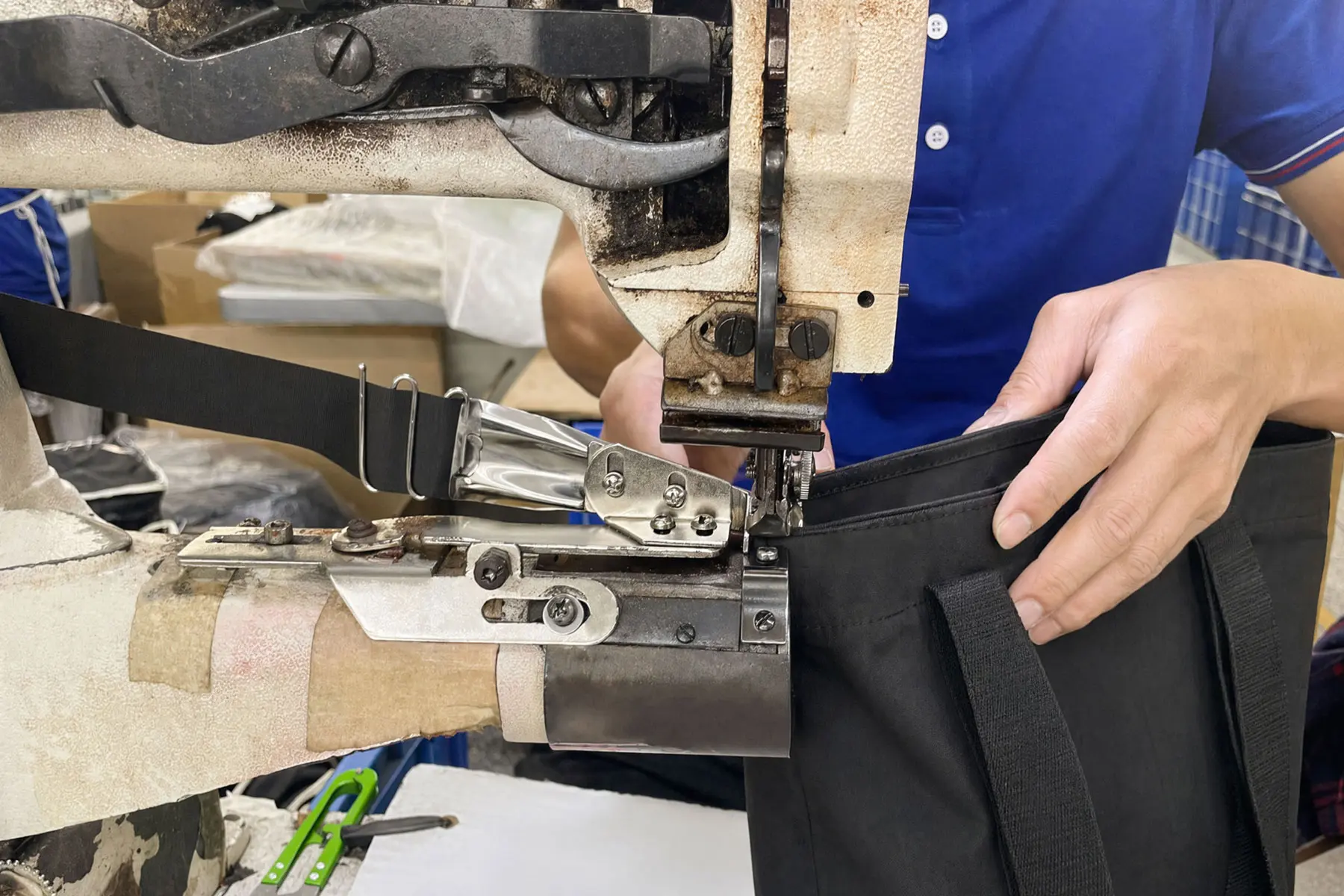
What should buyers send before asking for stitching quality advice?
A good RFQ should make the tote use case visible. If the buyer only asks for good stitching, the supplier still has to guess the contents, weight, carry style, handle type and whether the bag is for beauty GWP, retail, event or corporate gift use.
| RFQ field | What to send | Why it matters |
|---|---|---|
| Use case | Beauty GWP, retail, event, hotel or corporate gift. | Sets stitch and finish expectations. |
| Quantity | Total pcs and versions. | Affects MOQ and sample route. |
| Contents | Product size and estimated weight. | Defines stress points. |
| Tote dimensions | Width, height, gusset and opening. | Controls seam location and panel shape. |
| Handle preference | Self-fabric, webbing, rope or padded. | Affects stitch route and comfort. |
| Logo file | Vector file and placement target. | Prevents conflict with handle root or seams. |
| Packaging | Gift sleeve, insert, polybag or carton label. | Can change folding and seam pressure. |
Send your product dimensions, estimated weight, carrying style, handle preference, material direction and logo file before sampling. Ecoicolortote can then check whether the stitching route matches the real use case.
What still needs RFQ confirmation?
A public guide cannot prove load capacity, stitch durability or bulk quality for every material and use case. Those details depend on actual contents, material route, handle construction, reinforcement method, thread, seam type, packaging pressure and whether the buyer requires a defined test method. If a buyer needs a fixed performance claim, the RFQ should include sample criteria, test scope and acceptance language.
Document requirements also need project confirmation. Social compliance, material certification, retailer files, care labeling, carton marks and destination-market requirements should be separated from stitch appearance. amfori BSCI audit guidance6 can support supplier audit discussions, but order-level stitching quality still needs sample approval.
Why does Dongguan supply-chain coordination help with stitching quality?
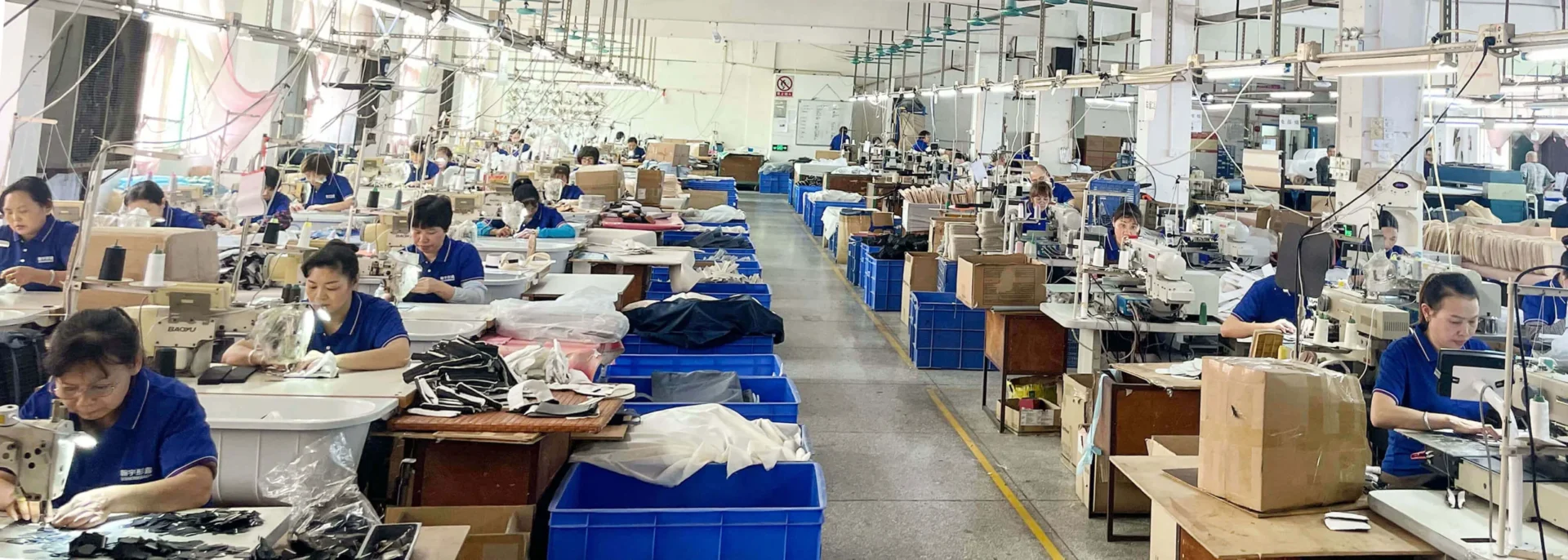
Ecoicolortote builds tote bag projects from Dongguan, where fabric, webbing, thread, logo process, packaging and sample room decisions can be coordinated together. Stitching quality is rarely isolated from these choices. A handle-root adjustment may affect logo placement. A thicker fabric may affect seam bulk. A packaging sleeve may compress the tote and change how stitching looks after folding.
Factory-side coordination helps the buyer avoid treating stitching as a last-minute QC comment. The goal is to define the stitch route, reinforcement points, sample standard and bulk check method before production starts.
Less suitable fit for stitching-focused custom tote projects
Ecoicolortote is a better fit for MOQ 500+ brand projects where contents, material, handle route and sample approval standard can be confirmed before production. It is less suitable for very small orders, urgent projects with complex reinforcement, or buyers who want load promises without defining contents and test scope.
A stitching-focused project also becomes difficult when the buyer only approves a flat mockup, refuses physical sample review, or wants premium stitching while comparing only the lowest unit price. In those cases, the approval standard is too unclear for a controlled bulk result.
FAQ: Custom tote bag stitching quality
What should buyers check first in tote bag stitching quality?
Buyers should check handle-root stitching, seam alignment, reinforcement areas, thread tension, inside finishing and how the filled sample carries weight. The first review should not be only a front-view photo. Put the real product set or estimated contents inside the sample, then check whether the handle root pulls, the side seam twists, the bottom seam holds shape and the logo area still looks balanced.
Does stronger stitching always mean a higher unit price?
Not always. Some reinforcement is already part of the selected structure, while extra rows, bartacks, heavier webbing, lining support or special finishing can change labor time and cost. The buyer should ask what is standard for the chosen material and what is an added request. A clear RFQ prevents the quote from changing after sample review.
What MOQ can buyers expect for custom tote bags with stitching requirements?
Ecoicolortote usually reviews stitching-specific custom tote projects from MOQ 500 pcs per style. Exact MOQ depends on material, structure, logo method, handle route, trim route and packaging needs. A simple canvas tote with standard handle stitching is easier to plan than a multi-version tote with lining, reinforced webbing, special thread color and gift packaging.
How long do stitching samples take, and are there sample fees?
Sample timing depends on material, reinforcement, handle type and customization complexity. A simple sample can usually move faster than a project with special webbing, lining, embroidery, closure, packaging or document review. Sample fees depend on the same scope and are typically credited against qualified bulk orders after project confirmation, but tooling or unusual trim costs should be discussed separately.
Which documents matter for stitching quality review?
Documents depend on the buyer's claim, market and internal approval file. Buyers may need recycled-content evidence, textile safety discussion, social compliance references, care label requirements or packaging documents. These documents do not automatically prove stitch strength, but they help define the material and buyer-file scope. Stitching performance still needs sample approval or an agreed test method if a performance claim is required.
Can photos replace a physical stitching sample?
No. Photos help review appearance, thread tone, seam line and general presentation, but they cannot fully show filled carrying feel, handle comfort, seam stress or how packaging pressure changes the tote. For brand projects, a physical sample should be reviewed with real contents or a realistic substitute, especially when the bag is used for beauty GWP, retail, hotel or corporate gifting.
What should be sent in the RFQ for stitching review?
Send tote size, material direction, handle type, target contents, estimated weight, logo position, closure, quantity, packaging route and document requirements. If the buyer expects a load claim, include the desired test method or acceptance standard. A complete RFQ helps the factory recommend stitch route, reinforcement areas, sample scope and bulk QC checks instead of guessing from a broad request for good stitching.
Send your stitching quality brief before sampling
Share tote size, contents, estimated weight, material direction, handle preference, logo placement, packaging route and sample deadline. Ecoicolortote can help check whether the stitching route matches the real use case before bulk production.
Sources and useful references
About the Author

Zoe Yu
Zoe Yu is a Sales Manager at Ecoicolortote, working with beauty, wellness, retail, hotel and event buyers on custom tote bag projects.
She supports material selection, logo process planning, packaging details, sample approval and production coordination for branded tote bag programs.
For project questions, buyers can contact Ecoicolortote with quantity, material direction, logo files, packaging needs and delivery timeline.