

 Zoe Yu
 Custom tote bag closure options affect more than appearance. Open top, zipper, magnetic snap, button and drawstring routes can change cost, sample time, opening size, packaging, material choice and real user experience for brand buyers. If the project has already selected a zipper route, use the custom totes with zipper project page for supplier and RFQ planning.
Buyer Summary
- Best for: beauty GWP, hotel welcome, event, conference, retail and private label buyers comparing open top, zipper, snap, button or drawstring tote bag closure options.
- Main decision: closure should improve the real use case, not simply make the bag look more complex.
- Factory-side note: zipper, snap and hardware choices can change fabric support, opening width, logo position, folding, carton volume and sample approval scope.
- What to prepare: use case, contents, target quantity, material direction, closure preference, opening width needs, lining or pocket plan, packaging method and launch timing.
What is the quick answer for custom tote bag closure options?
Open top tote bags work best when the project needs light weight, easy access, fast handout and cost control. Zipper tote bags are better when the buyer needs security, retail feel, travel use or a more finished product experience. Snap, button and drawstring closures can sit between those two routes when the buyer wants light closure control without the full weight, cost or construction impact of a zipper.
Best fit for custom tote bag closure planning
This guide is most useful when a brand buyer already knows the tote use case but is unsure whether the closure route should stay simple or become more structured. Open top can be the best fit for events, conferences, hotel room gifts and simple GWP programs because users need fast access and the buyer needs efficient packing. Zipper, snap or button can be the better fit when the project needs security, retail presentation, travel use or a more finished product feel.
The best closure is not the most expensive option. It is the option that supports product fit, material behavior, logo visibility, sample timing, packaging and the final user experience. For many projects, putting more budget into material, printing or packaging may create more value than adding a closure that users do not need.
How does this guide differ from structure details, zipper category and cost breakdown pages?
A structure details guide covers handle, gusset, lining, pocket and closure together. This article is narrower. It focuses on closure choice: open top, zipper, magnetic snap, button, drawstring, flap or related options. A zipper tote category page is a product route page for zipper totes. This article is a buyer decision guide that helps the buyer decide whether zipper is truly needed before sampling.
A cost breakdown article explains why specifications change unit price. This guide mentions cost only as one factor. The main question here is project fit: does closure improve real use, or does it add complexity without enough value?
Which projects most often compare open top vs zipper tote bags?
Retail, travel, hotel, event, GWP and holiday gift projects all ask closure questions, but for different reasons. Private label tote and travel projects care about finished feel and security. Event and conference projects care about access, speed and cost. Hotel projects care about guest experience and clean presentation. GWP and holiday gift projects balance gift value with budget and packaging.
| Project type | Closure priority | Likely route |
|---|---|---|
| Retail / private label | Finished product feel and repeat use. | Zipper, snap or refined open top depending on positioning. |
| Travel tote | Security, practical use and carrying comfort. | Zipper or structured closure route. |
| Hotel welcome tote | Clean, easy guest use and room presentation. | Open top or light snap depending on guest use. |
| Event / conference | Fast handout, easy access, quantity and cost. | Open top. |
| Beauty GWP | Gift feel and budget balance. | Open top, zipper or snap depending on threshold and contents. |
| Holiday gift | Gift presentation, package feel and contents. | Zipper, drawstring, snap or open top with packaging support. |
What closure mistakes do brand buyers often make?
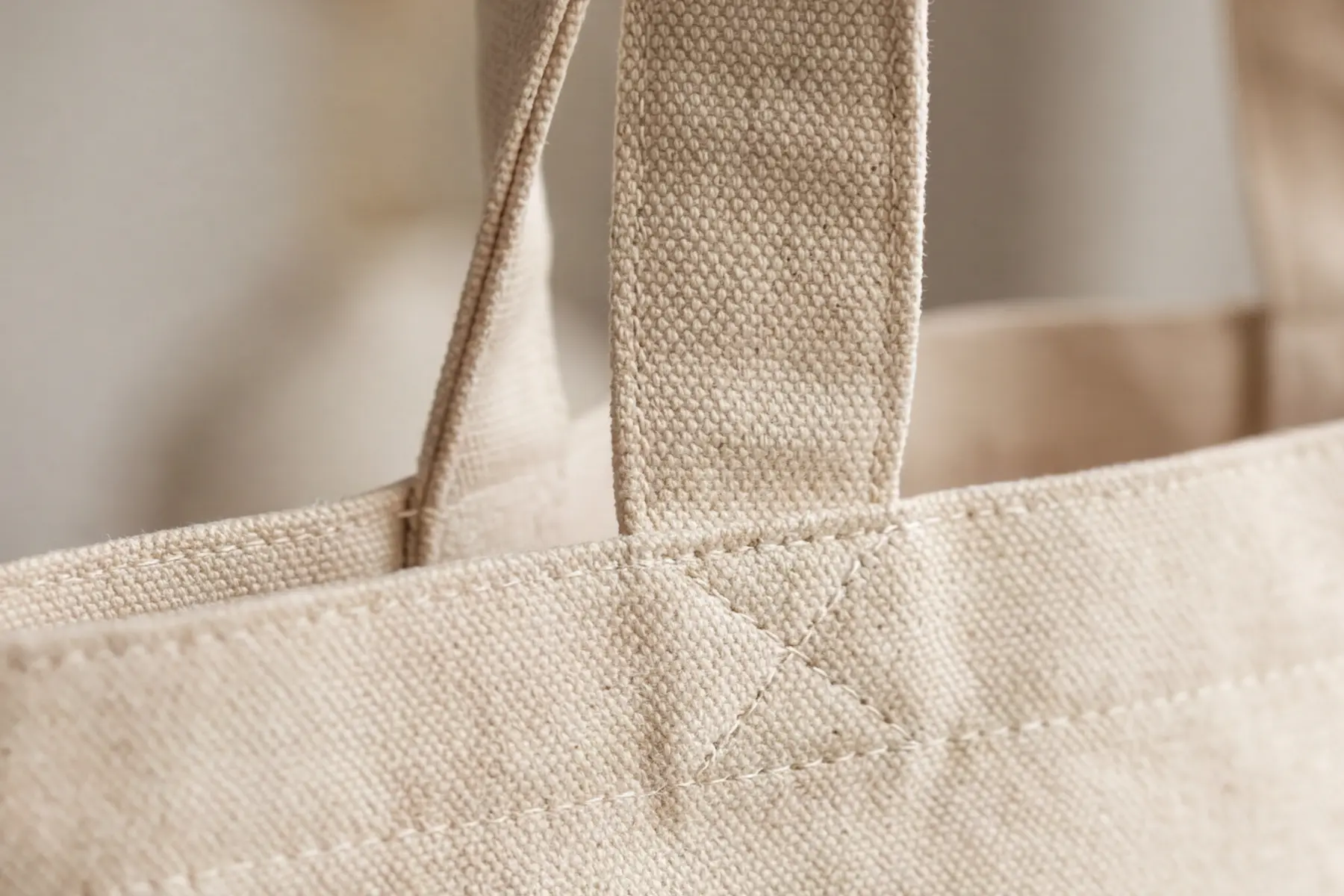
The most common mistake is assuming zipper always makes the tote better. A zipper can make a tote feel more finished, but it can also add cost, weight, sewing complexity, QC points, sample time and packaging thickness. If the project is a quick event handout or basic GWP, zipper may not improve real use enough to justify the added scope.
Another mistake is adding zipper late. Closure is not a final decoration detail. It changes the opening, construction, sewing route, material support, lining, pocket planning and sometimes logo placement. Adding it after the sample can require a new sample and a new quote.
Zipper is not automatically premium
It is premium only when it improves the real use case.
Opening size matters
A tote can be large but still hard to use if the zipper opening is narrow.
Closure affects packaging
Added hardware or structure can change folding, carton volume and presentation.
How should buyers compare closure routes before choosing the expensive option?
Before choosing a zipper or hardware closure, buyers should compare the closure route against the job the tote must perform. A closure decision is not only a style decision. It changes the way the tote opens, how quickly products can be loaded, how the bag folds, how the logo sits near the opening, and how the final item feels in the user's hand. For some projects, open top plus better material or better packaging creates more value than adding a zipper.
The practical comparison should start with contents and use. If the tote will hold brochures, event samples or hotel room amenities, quick access may matter more than security. If the tote is a private label retail item, travel gift or premium GWP, closure may help the product feel more complete. If the buyer wants a middle route, snap, button or drawstring may add enough control without the full zipper construction.
| Buyer question | What it reveals | Possible closure route |
|---|---|---|
| Will users need quick access? | Fast loading, handout speed and easy product removal matter more than security. | Open top or light button. |
| Will the tote carry small personal items? | Security and opening control matter more. | Zipper or magnetic snap. |
| Is the project retail-ready? | Finished product feel and repeat use are important. | Zipper, snap or carefully finished open top. |
| Does the tote need to fold flat? | Hardware and zipper may increase thickness and carton volume. | Open top, button or light snap. |
| Is the visual style soft, casual or gift-like? | The closure can become part of the brand tone. | Drawstring, button or open top with packaging. |
When should buyers choose open top tote bags?
Open top tote bags are often the best choice for event, conference, basic GWP, hotel room tote and quick handout projects. They are light, cost-aware, easy to use, easy to pack and fast for on-site distribution. For projects where the user needs to put catalogs, samples, bottles or guest items in and out quickly, open top can be more practical than zipper.
The risk is lower security. Open top is not ideal when the buyer wants travel use, premium retail feel, small-item protection or a stronger sense of finished product. If the tote will carry small items, cosmetics, travel goods or retail merchandise, closure may deserve more attention.
| Open top advantage | Why it helps | Best-fit project |
|---|---|---|
| Easy access | Users can load and remove items quickly. | Conference, event and welcome tote projects. |
| Lower construction complexity | Fewer sewing and hardware points need checking. | Basic GWP and budget-aware campaigns. |
| Simple folding | The tote is easier to flatten and pack. | Large carton quantities and fast distribution. |

When is zipper worth adding to a custom tote bag?
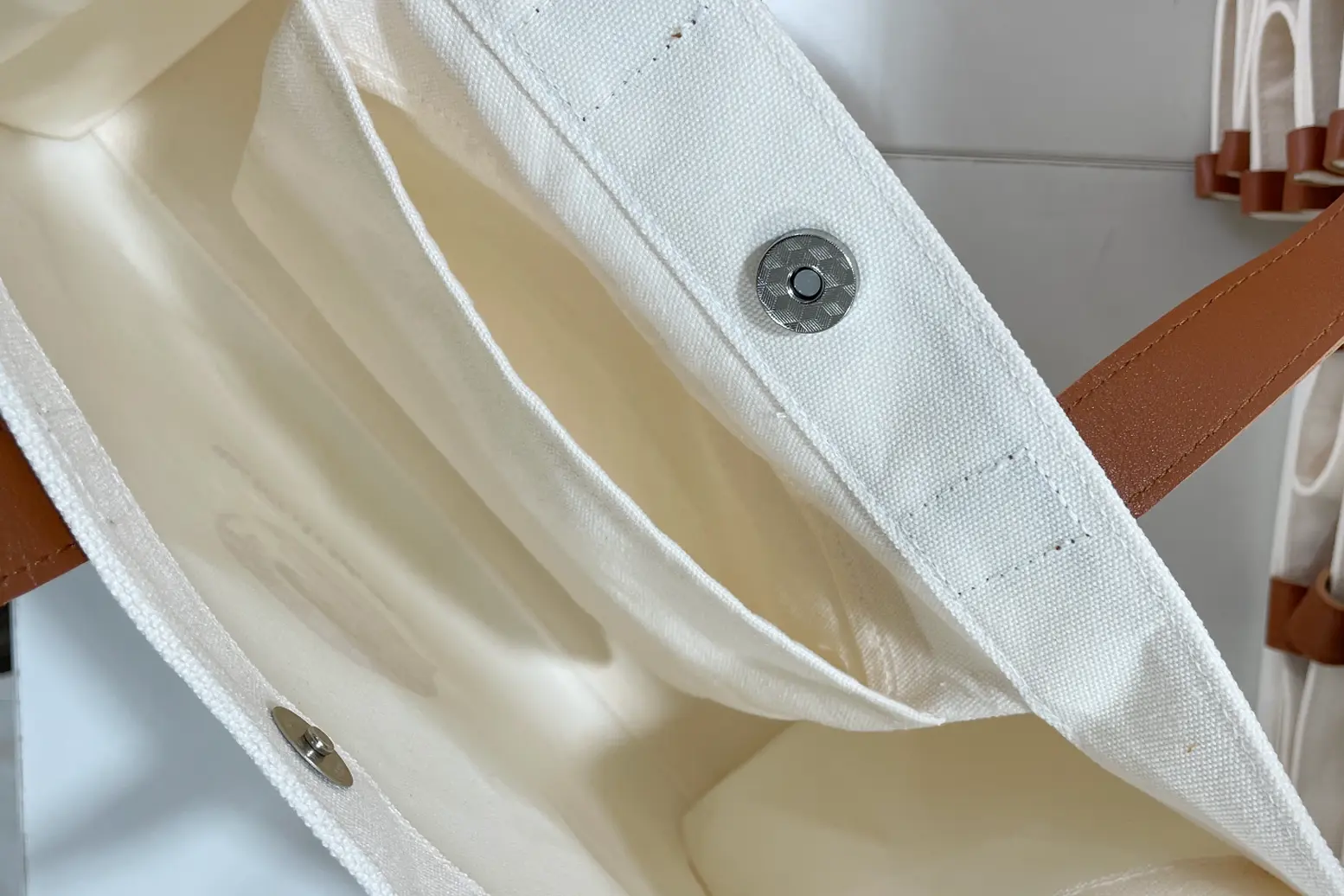
Zipper is worth adding when security, product value, travel use or retail presentation matters enough to justify the extra structure. It can help a tote feel more complete, especially for private label, travel, premium GWP and gift-set projects. A zipper can also protect small items and make the tote feel closer to a saleable product.
However, zipper should be reviewed as a construction detail, not only as a product word. Buyers should check the opening width, zipper smoothness, material support, sewing alignment, lining needs, pocket interaction, logo position and packaging thickness before bulk production.
| Zipper check | Why it matters | When to confirm |
|---|---|---|
| Opening width | A narrow opening can make a large tote hard to use. | Before sample approval. |
| Zipper smoothness | Rough operation lowers perceived quality. | On the physical sample. |
| Material support | Weak fabric can wrinkle or pull around the zipper line. | Before bulk material confirmation. |
| Packaging thickness | Zipper can affect folding and carton volume. | Before bulk packing plan. |
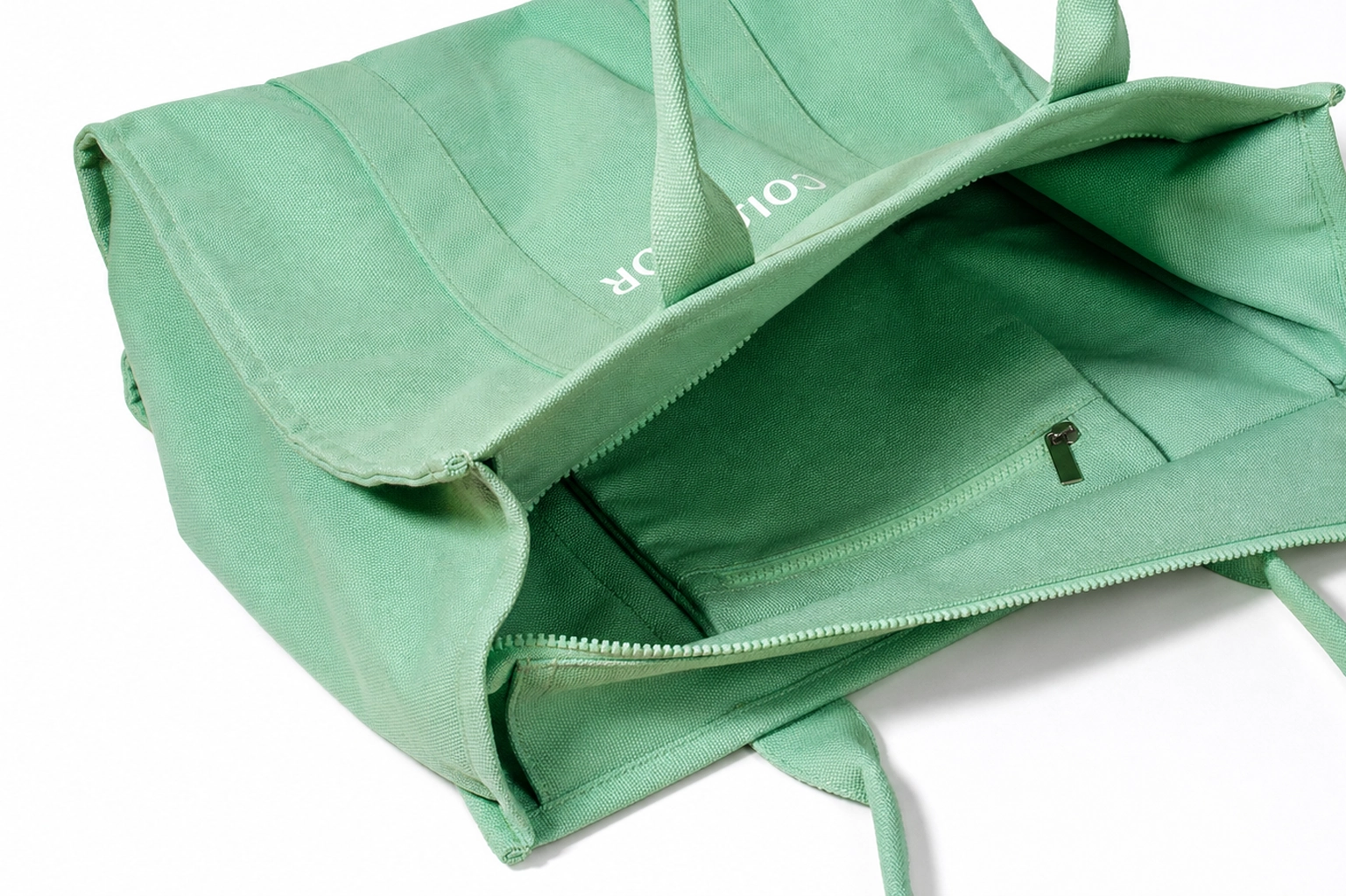
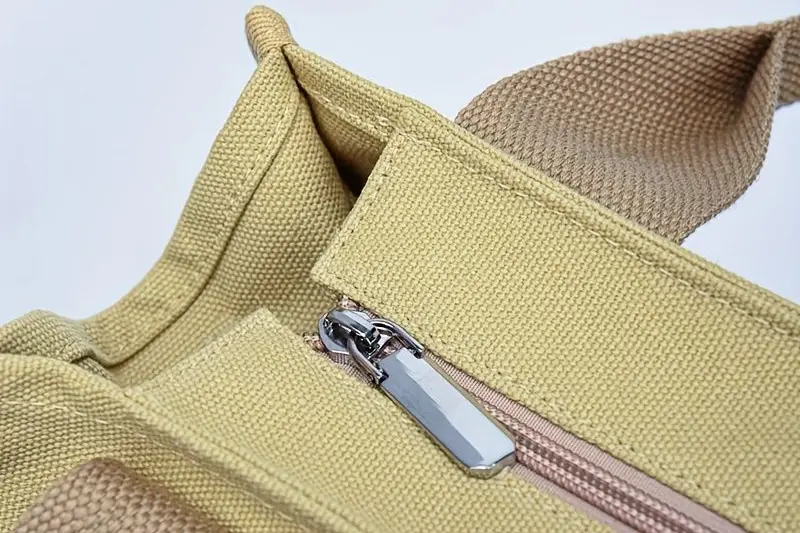
Magnetic snap works when the buyer wants a clean and slightly premium feel without the weight or construction of zipper. Button closure can fit simple, light and cost-aware projects. Drawstring can work for casual, pouch-like, gift-style or specific brand concepts. Velcro and flap closures should be used more carefully because they can feel functional rather than refined unless the project style supports them.
| Closure type | Best-fit use | Limit |
|---|---|---|
| Magnetic snap | Clean, light premium feel. | Not as secure as zipper. |
| Button | Simple closure for light projects. | Limited protection and style-specific. |
| Drawstring | Gift, pouch-like or casual brand route. | Changes opening and presentation. |
| Velcro | Functional or specific utility projects. | Can feel less premium. |
| Flap | Design-led or functional projects. | Adds material and structure complexity. |
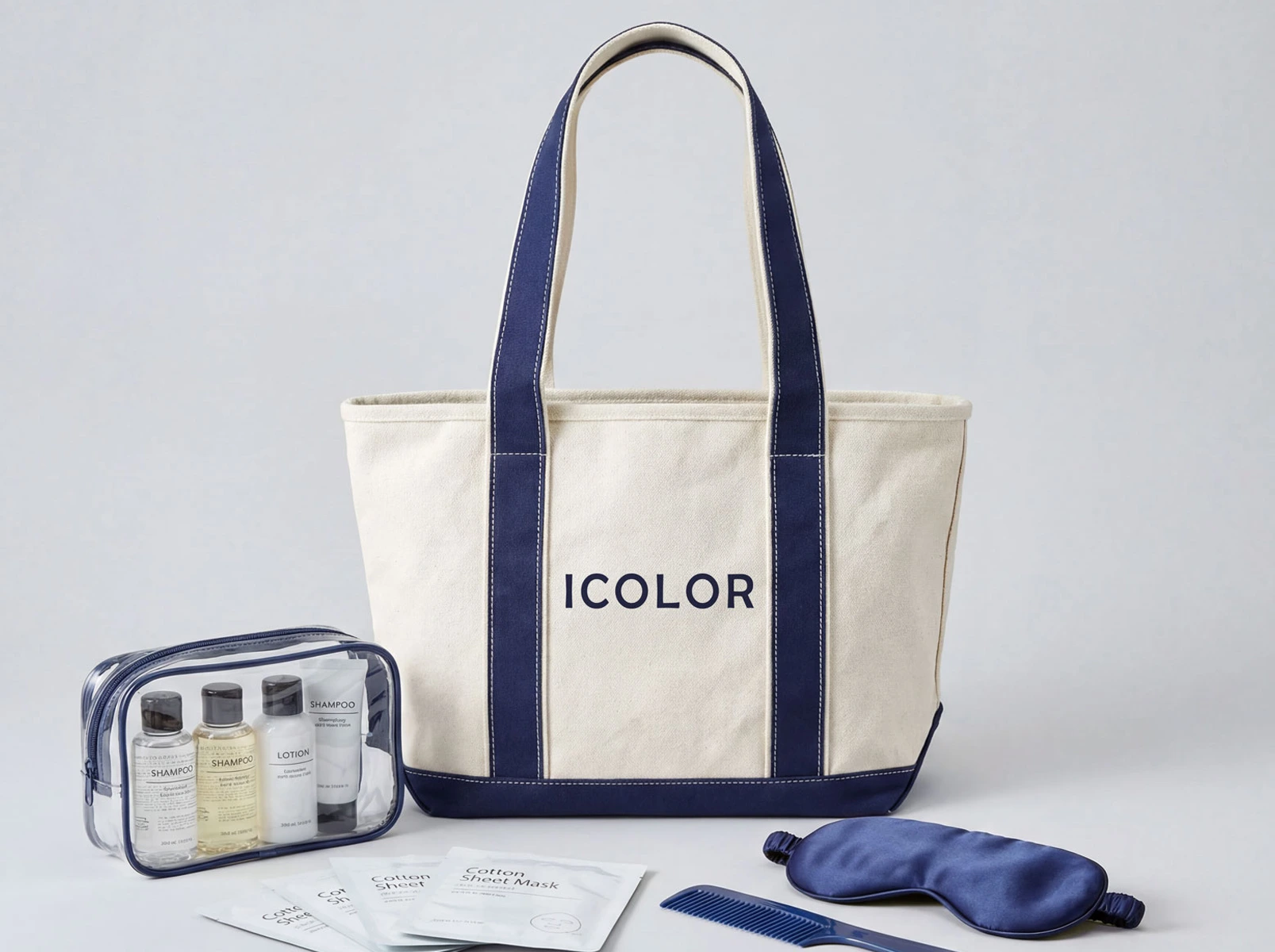
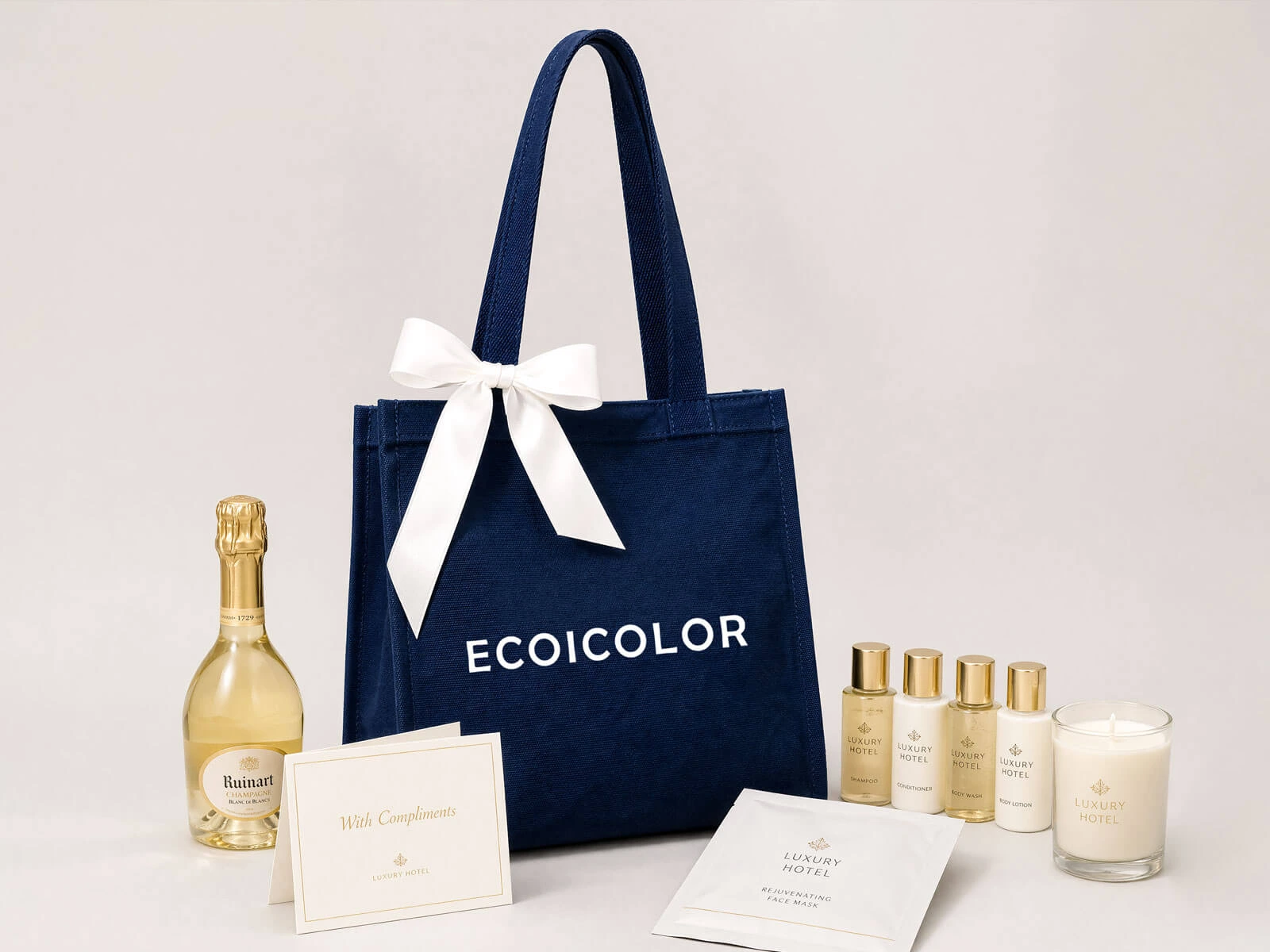
Can closure affect material, logo placement, labels and packaging?
Yes. Zipper, snap and flap closures place more demand on material stability than a simple open top. Closure can also affect logo placement, available print area, interior label position, pocket planning, lining, folding method and packaging. If the tote has lining, pocket or bottom support, closure decisions become more connected to the whole structure.
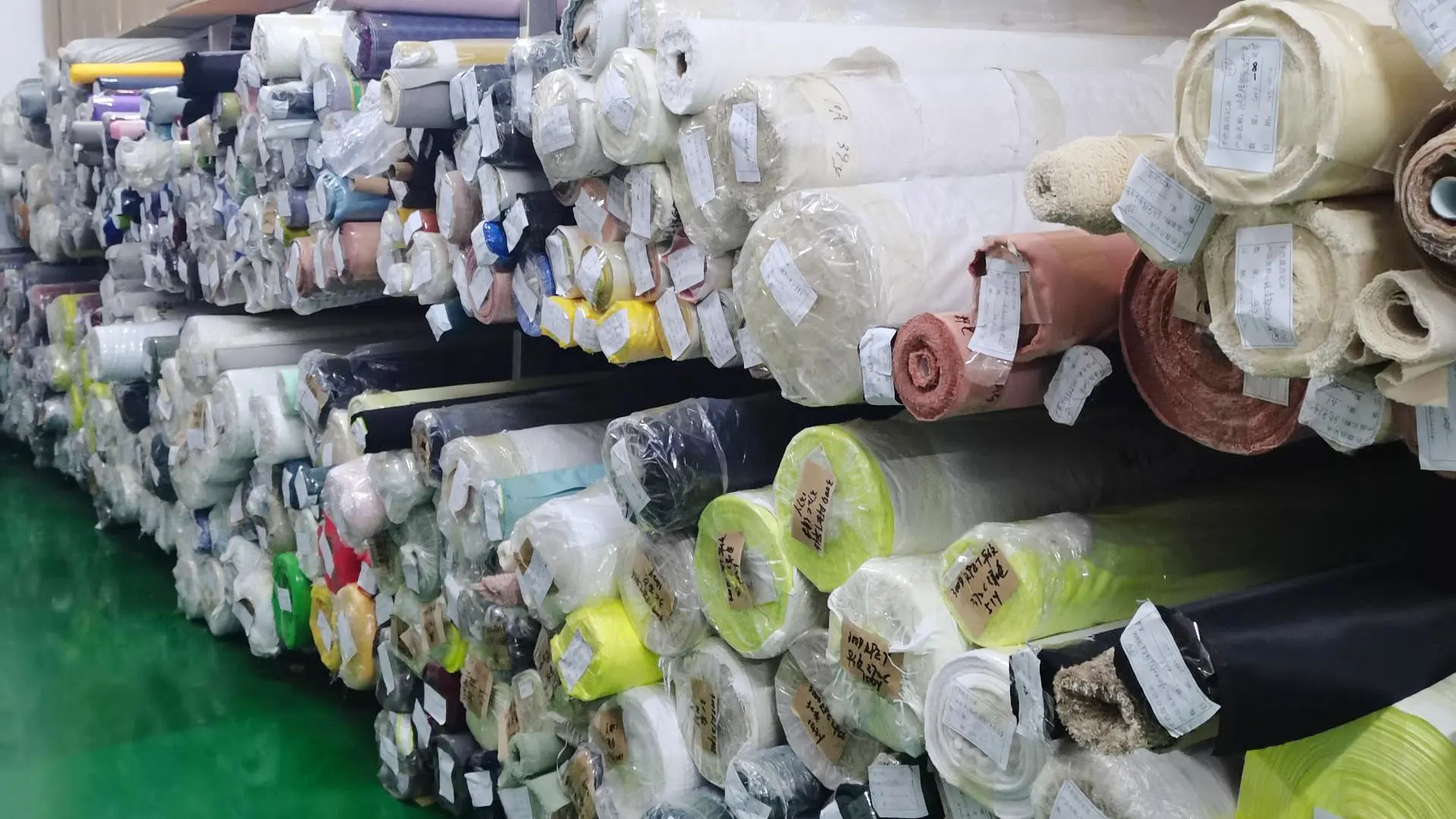
Closure behaves differently by tote bag materials. Custom canvas tote bags for brands may support zipper better when the weight and structure are suitable. rPET may need different reinforcement and sewing review. Vegan leather can look premium with closure details, but it may require more careful construction, edge and hardware planning.
| Related detail | Closure impact | Buyer check |
|---|---|---|
| Material | Needs enough stability to support zipper or snap. | Check fabric weight and structure. |
| Logo placement | Closure may reduce clear print area or change visual balance. | Check front panel and opening line. |
| Interior label | Zipper, lining and pocket affect label position. | Confirm label location at sample stage. |
| Packaging | Closure can change fold thickness and carton volume. | Review packing route before bulk. |
Which document or testing evidence should be checked with closure choices?
Closure review can also become a document review when the buyer needs recycled material claims, textile safety evidence, care labeling or social compliance files. Material and trim scope should be separated from marketing wording. For example, recycled material claims should match the selected fabric and document route, while textile safety or care requirements should be checked against the actual fabric, lining, trim and buyer market. OEKO-TEX STANDARD 1001, Global Recycled Standard2 and FTC Green Guides3 are useful references when buyers discuss textile safety, recycled scope and environmental claim wording.
If the project includes retail labels, barcodes or carton marks, those files should also be checked before packaging. GS1 General Specifications4 may be relevant when SKU identification and barcode structure need to be coordinated with retail packing. If the buyer needs factory social compliance information, amfori BSCI audit guidance5 can help frame producer audit request workflows.
What should be confirmed in the sample before bulk production?
At MOQ 500 pcs per style, open top is usually the simplest closure route. Zipper, snap, button and hardware routes can affect sample time and lead time. If closure is added after the sample, the project may need pattern changes, cost review, new sample and new packaging check.
For sampling-plan context, the current ISO 2859-1:20266 is an official reference; each project still needs an order-specific inspection plan.
For pre-production sample review, buyers should confirm opening size, zipper smoothness, sewing line, closure position, usage feel, material support, lining or pocket effect and folding behavior. This is especially important for retail, travel and premium GWP projects where closure becomes part of the product value.
| Sample check | What to review | Why it matters |
|---|---|---|
| Opening size | Can products fit through the opening? | Prevents a large tote from feeling hard to use. |
| Zipper smoothness | Does it open and close easily? | Protects perceived quality. |
| Sewing and alignment | Is the closure line stable and clean? | Protects structure and appearance. |
| Usage feel | Does closure help or slow the user? | Checks real project fit. |
| Packaging | Does closure change folding and carton volume? | Protects delivery planning. |
What can photos show, and what still needs a physical sample?
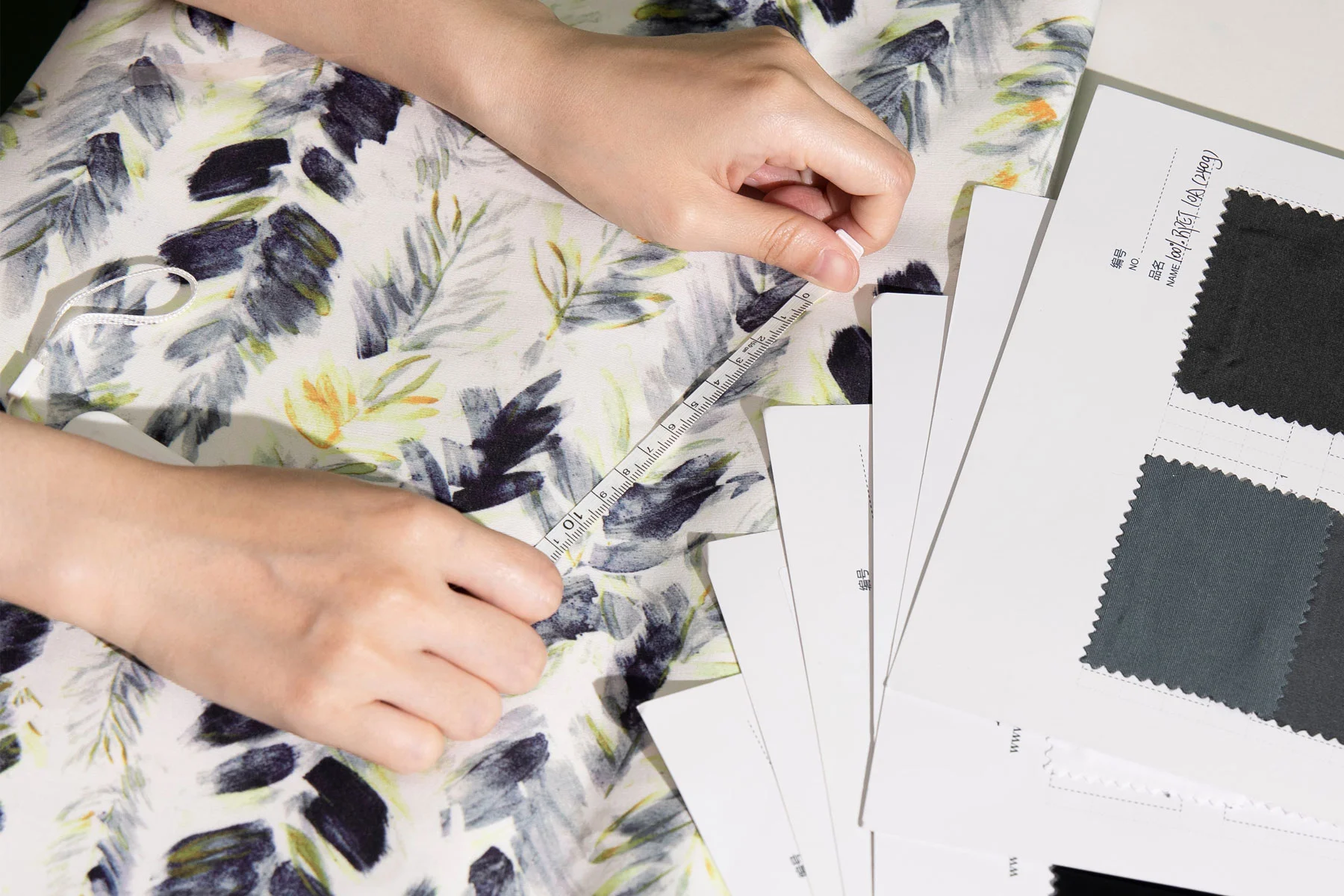
Photos can help buyers compare visual direction, opening shape, closure placement, handle balance and whether the tote looks open, secure, casual or retail-ready. They are useful for narrowing the route before sampling. But photos cannot fully judge zipper smoothness, snap strength, opening comfort, fabric support, folding thickness or the feeling of using the closure repeatedly.
This matters because closure is touched every time the tote is used. A zipper may look clean in a photo but feel stiff in the hand. A snap may look minimal but close too loosely for the intended contents. A drawstring may look gift-like but slow down packing if the project needs fast assembly. Open top may look simple but be the most practical option when the buyer needs quick access.
What closure information should buyers send in the RFQ?
Buyers should send use case, products to be carried, whether security matters, whether travel use is expected, preferred closure, opening width requirement, whether lining or pocket is needed, and target brand style. If the buyer says secure, premium, easy to use or travel-ready, Ecoicolortote should translate that into closure type, opening size, material support, hardware route and sample checks.
| RFQ detail | What to send | Why it matters |
|---|---|---|
| Use case | Retail, travel, hotel, event, GWP or gift. | Defines whether closure adds value. |
| Contents | Products, boxes, catalogs, bottles or small items. | Defines opening width and security need. |
| Closure preference | Open top, zipper, snap, button, drawstring or unsure. | Helps compare practical routes. |
| Lining / pocket | Needed or not needed. | Changes structure and sewing complexity. |
| Brand style | Premium, light, casual, travel-ready, easy access. | Turns vague language into closure specifications. |
| Packaging | Flat pack, retail pack, gift pack or carton requirement. | Closure can change fold thickness. |
Send your closure requirement before sampling. The custom tote bag RFQ checklist can help organize use case, product size, closure preference and packaging needs.
What still needs RFQ confirmation?
A public guide can explain common closure options, but it cannot promise zipper smoothness, hardware durability, final usage feel, opening width fit, material support or bulk lead time on all projects. Those depend on the selected material, size, construction, hardware, sample route and project schedule.
Testing or safety wording should also be handled carefully. If a buyer has a checklist or performance requirement, the closure and material should be reviewed together with the sample standard. Environmental or recycled-content claims should also match the selected material document route and avoid loose marketing wording.
Closure decision checklist before sampling
Choose a closure from the intended contents, access speed, security need, material support, logo layout and pack-out plan. The checks below are planning controls, not a reconstruction of an unverified customer project.
| Check | Confirm before sample | Decision signal |
|---|---|---|
| Contents and access | Largest item, opening width and how often users need access. | Fast handout often favors open top; secure repeat use may justify zipper. |
| Material support | Body fabric, top-edge reinforcement, lining and seam allowance. | Do not add hardware that the selected construction cannot hold cleanly. |
| Logo balance | Logo position with the bag open, closed and filled. | Move or resize artwork if the closure line competes with the mark. |
| Packaging | Folded thickness, individual bag, hangtag, barcode and carton count. | Compare perceived value against pack-out and freight impact. |
| Approval | Physical sample, actual contents, opening test and written bulk standard. | Do not approve closure from a flat artwork or front photo alone. |
Why does Dongguan supply-chain coordination help with closure choices?
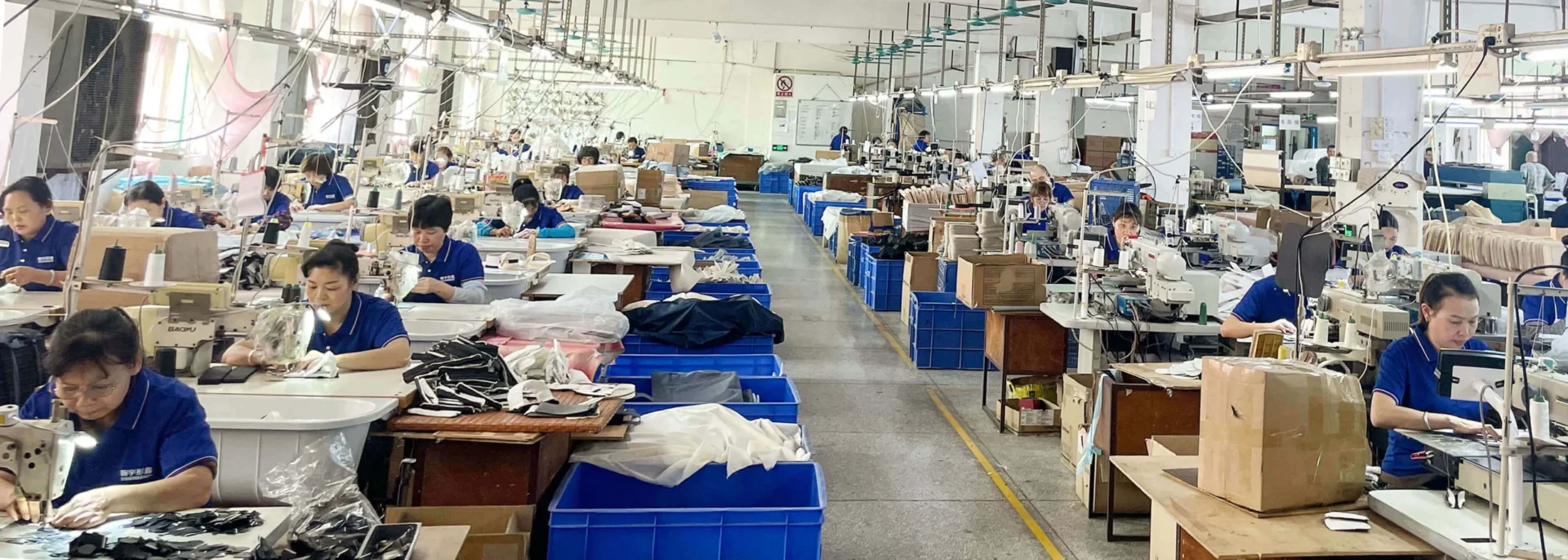
Ecoicolortote builds tote bag projects from Dongguan, and closure decisions depend on coordination between material, zipper, snap, button, lining, pocket, sewing, hardware, sample room and packaging. Dongguan supply-chain coordination helps because these details can be adjusted together. The factory can review whether open top, zipper, snap or drawstring makes more sense before the project spends time on the wrong sample route.
That reduces rework. Instead of adding zipper after the design is nearly finished, the buyer can confirm closure logic at RFQ stage and test opening size, usage feel and packaging in the sample.
Less suitable fit for complex tote bag closure projects
This review is best for MOQ 500+ brand projects where closure needs can be confirmed before sampling. It is less suitable for very small orders, urgent projects with no sample review window, highly complex closure combinations, or buyers who want multiple closure routes while only accepting the lowest possible budget.
A complex closure route works best when the buyer can share contents, opening width expectations, material direction, logo placement, packaging route and document needs early. Without those details, a zipper or hardware request can become a guess rather than a controlled production decision.
FAQ: Custom tote bag closure options
Is zipper always more premium than open top?
No. Zipper can add security and a more finished product feel, but open top can be better for event, conference, basic GWP and quick access projects. The premium choice depends on whether closure improves the user's real experience. If the bag needs fast loading, simple handout, easy access or flat packing, open top may create more value than a zipper that adds cost and construction complexity.
When is open top the better choice?
Open top is often better when the buyer needs light weight, cost control, fast handout, easy access and simple packing. It works well for event totes, hotel room totes, conference giveaways and basic gift-with-purchase programs where users need to put items in and out quickly. The buyer should still confirm handle strength, fabric weight, logo position and packing method, because simple construction still needs a clear production standard.
When is zipper worth adding?
Zipper is worth considering for retail, travel, private label, premium GWP and gift sets where closure improves real use. It can help protect smaller items, create a more finished feeling and support repeat use. The buyer should confirm opening width, zipper smoothness, fabric support, lining needs, sewing alignment and fold thickness before approving bulk production, because zipper changes more than the top edge of the tote.
Can snap or button replace zipper?
Sometimes. Snap or button can add light closure control, but they do not provide the same security as zipper. They can be useful when the buyer wants a cleaner presentation, lower weight, easier folding or a softer gift feel. The sample should still be tested with real contents, because a snap may close too loosely, a button may slow access, and either option may affect the visual balance near the opening.
What should be confirmed in a zipper sample?
Opening width, zipper smoothness, sewing line, material support, lining or pocket effect, folding and user feel should be checked. Buyers should place real products inside the sample instead of judging only from flat photos. A large tote can still feel difficult to use if the zipper opening is narrow. The sample should also be reviewed with logo position, carton packing and retail or gift presentation in mind.
What MOQ can buyers expect for custom tote bag with closure?
Ecoicolortote usually reviews closure projects from MOQ 500 pcs per style. Exact MOQ depends on material, closure type, logo method, trim route and certification document needs. Open top is usually the simplest route at this quantity, while zipper, snap, lining, pocket, hardware and special materials can affect sample cost, lead time and bulk production planning. Buyers should send closure requirements before quoting.
How long do closure samples take, and are there sample fees?
Sample timing depends on closure type, material and customization complexity. A simple open-top sample can usually move faster than a zipper, lining or hardware route, but final timing still depends on artwork, fabric availability, trim sourcing and approval speed. Sample fees depend on the same scope and, for qualified bulk orders, are typically credited against the order value after project confirmation.
Send your closure requirement before sampling
Share use case, product size, security need, opening width, closure preference, lining or pocket plan, brand style and packaging route. Ecoicolortote can help compare open top, zipper tote project routes, snap, button and drawstring options before sampling.
Sources
About the Author

Zoe Yu
Zoe Yu is a Sales Manager at Ecoicolortote, working with beauty, wellness, retail, hotel and event buyers on custom tote bag projects.
She supports material selection, logo process planning, packaging details, sample approval and production coordination for branded tote bag programs.
For project questions, buyers can contact Ecoicolortote with quantity, material direction, logo files, packaging needs and delivery timeline.