

 Zoe Yu
 A good custom tote bag supplier follow-up is not a generic sales message. It should clarify the missing details that affect price, sample route, bulk timing and delivery risk. For a B2B buyer, answering those questions quickly can turn a vague RFQ into a quote that can actually be compared.
For B2B projects, supplier follow-up questions usually protect the buyer from a quote that hides material, logo, sample or delivery assumptions.
Quick Summary
This guide helps brand, beauty, retail, hotel and event buyers understand what a supplier may ask after an RFQ. It focuses on the post-RFQ stage: material route, logo file, MOQ 500+ quantity, size, packing, delivery country, sample approval and whether sea freight or air freight should be quoted.
If the supplier asks follow-up questions, answer them in one structured reply: project use, quantity, material direction, logo method, size, color reference, packing, delivery country, launch window and sample needs. This reduces quote revisions and helps both sides confirm whether the project is suitable before bulk production.
Send Missing RFQ DetailsView Related Buyer Guide
Which follow-up questions matter most after an RFQ?
| Decision area | What to prepare | Why it matters |
|---|---|---|
| Quantity and use case | Confirm MOQ 500+ target, launch type, buyer channel and whether the order is one style or multiple versions. | Quantity affects production planning, sample route and quote comparability. |
| Material and structure | State canvas, recycled cotton, rPET, jute, foldable, zipper, pocket, gusset or handle requirements. | Material and construction drive cost, timing and sample feasibility. |
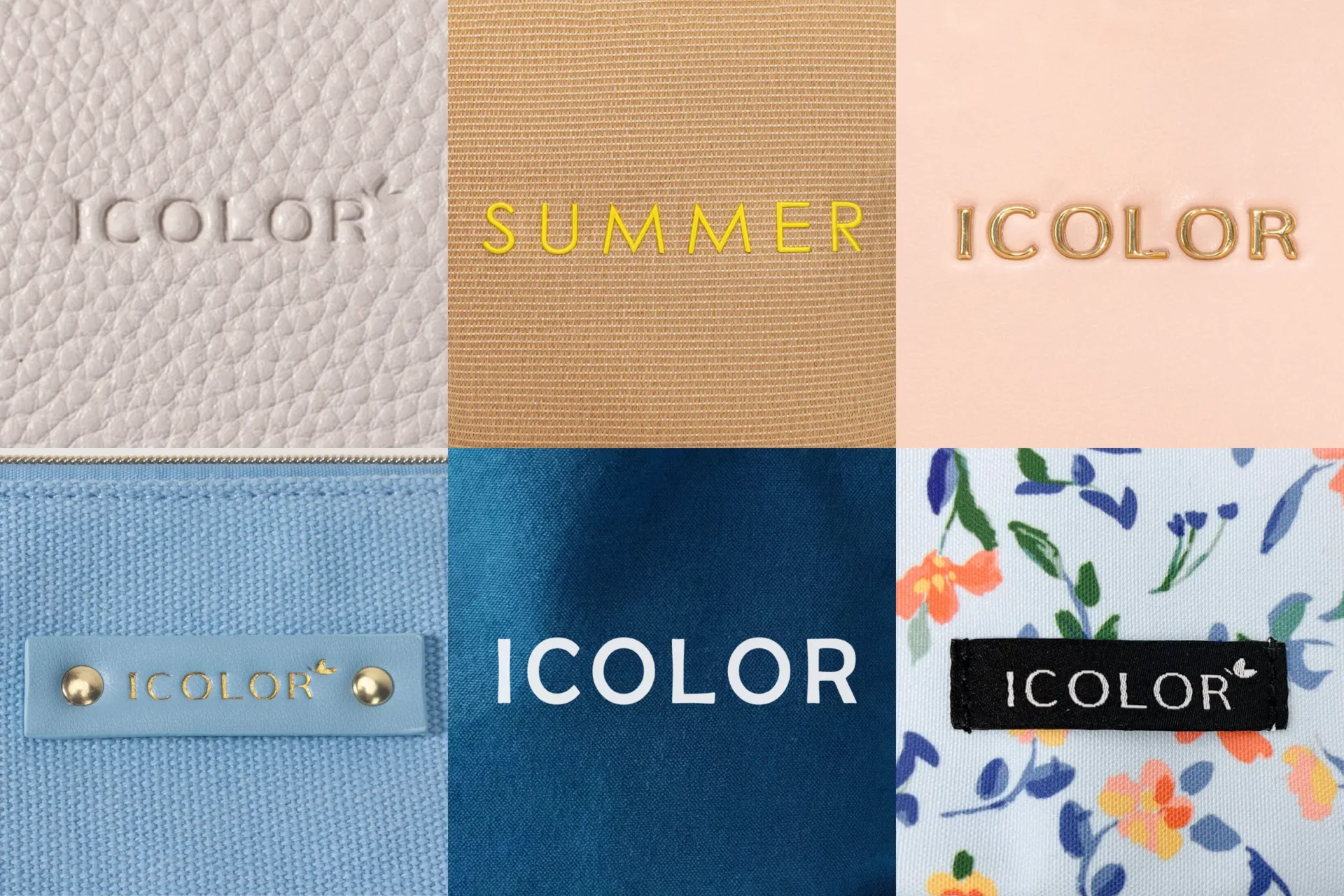
| Logo and artwork | Send vector files, placement, size, Pantone reference, version count and logo method preference. | Artwork gaps create quote revisions and sample delays. |
| Packing and delivery | Clarify hangtag, sleeve, carton mark, sea freight, air freight, destination and delivery window. | Delivery responsibility affects total project cost, not only unit price. |
Delivery terms should be discussed before the buyer compares total cost. ICC Incoterms rules [1] are useful context for why responsibility, freight and delivery basis need to be clear in a B2B quote.
If the buyer expects inspection language or sample release rules, the follow-up should say so early. ISO 2859-1 sampling procedures [2] provides useful context for how buyers discuss acceptance checks in bulk orders.
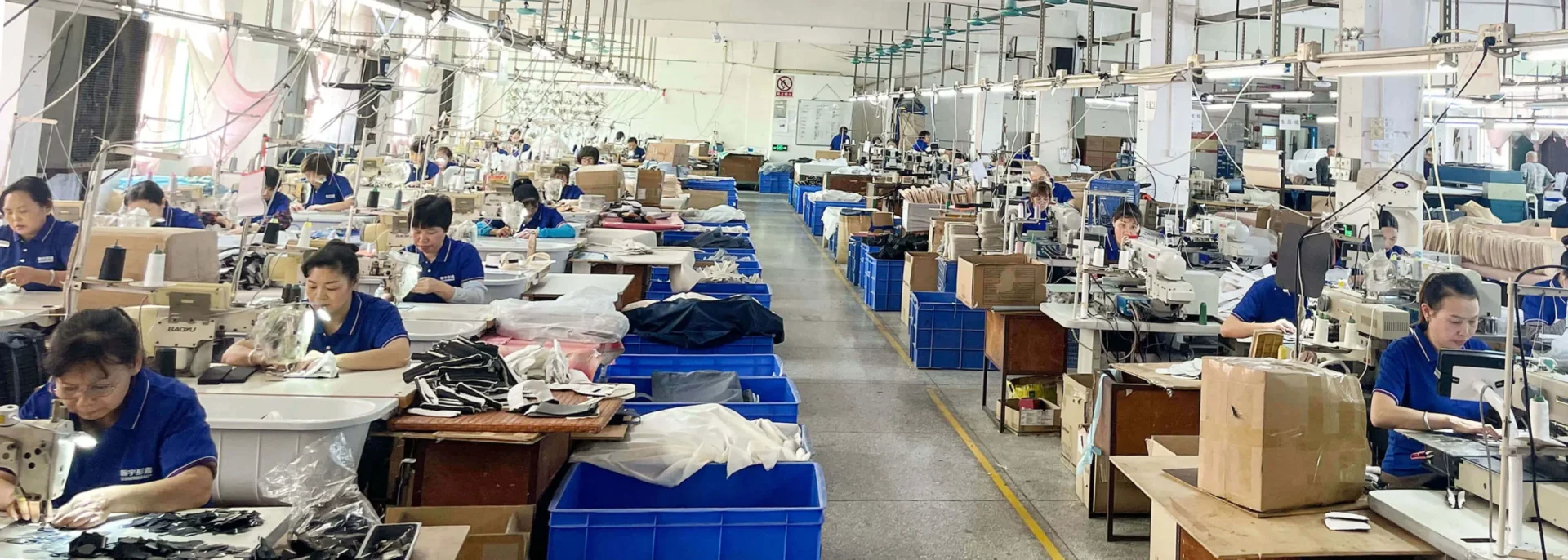
Supplier-side field note: In real RFQ follow-up, some RFQs arrive without stating whether the tote is a gift item or a sellable product, what the product will be used for, or when the goods need to arrive. Brand buyers usually send more complete information, while short price-only RFQs often require the supplier to show material or style options before the buyer can narrow the direction. Most serious buyers can clarify the quote scope in one follow-up round, but a vague brief gives the supplier less chance to match the buyer's taste and project context.
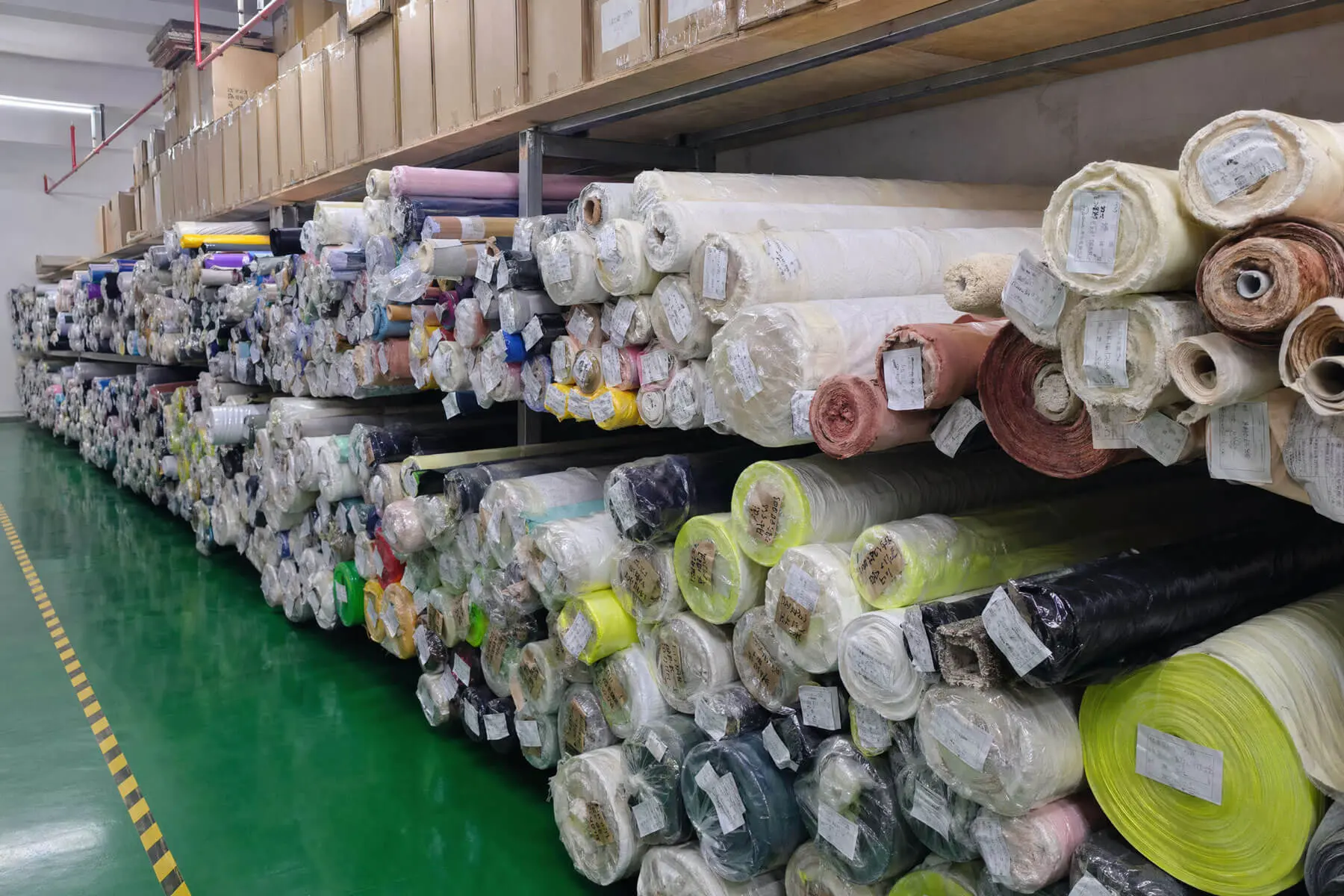
The fastest reply usually includes material direction, logo file, size, delivery country and use case in one answer.
- material route
- logo file
- delivery market
How should buyers reply without slowing the quote?
Answer in one block
Put quantity, country, timing, material, logo, packing and sample notes together instead of sending details across many short replies.
Separate must-have from flexible
Tell the supplier which items are fixed and which can use available material, stock color or alternative packing.
Ask for next-step output
Request quote basis, sample path, open questions and timeline rather than only asking for a unit price.
Clarify Quote ScopeView Related Buyer Guide
When does follow-up mean the RFQ is still too vague?
Retail-ready projects should include barcode, label or hangtag planning when relevant. GS1 barcode planning guidance [3] is useful background for why retail file needs should not wait until packing week.
A follow-up becomes a warning sign when the buyer still cannot define quantity range, delivery market, product use, artwork owner or sample approval owner. At that point, price comparison is weaker than preparing a clearer brief first. A lower quote based on missing scope can create larger problems later.
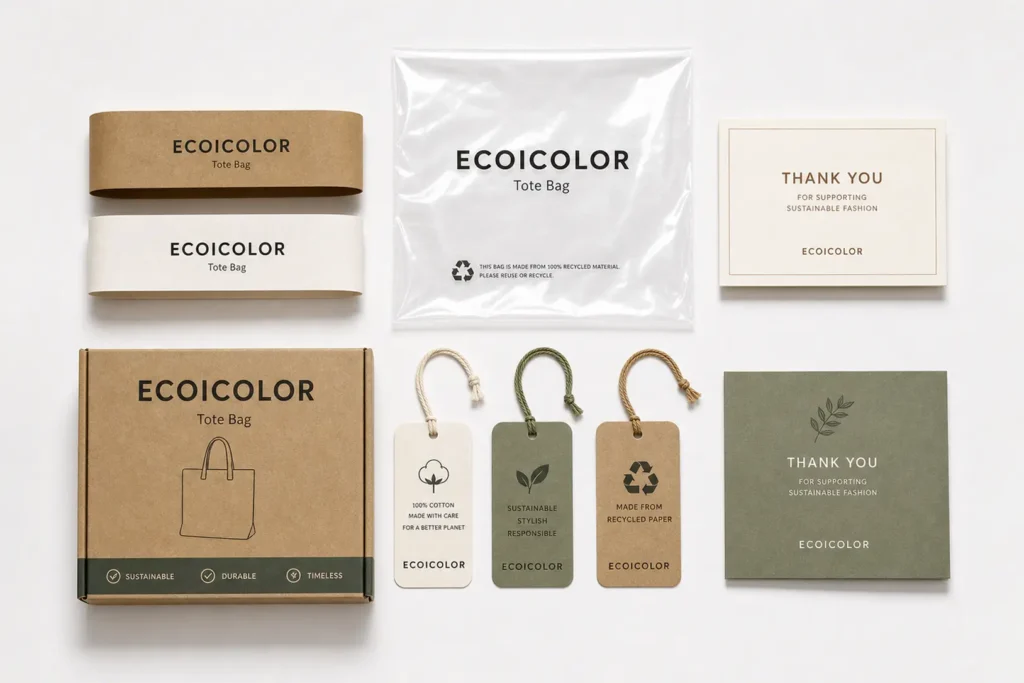
A tote-only quote is different from a quote that includes hangtag, sleeve, carton mark or set packing.
- hangtag
- sleeve
- carton mark
When this follow-up guide fits
Best fit: B2B brand, beauty, wellness, retail, hotel, event and private-label buyers who have a real custom tote project, MOQ 500+ potential and need to answer supplier questions before quote or sample approval.
Less suitable: one-piece gift requests, blank bag browsing, lowest-price-only messages, or buyers who cannot provide project use, quantity, material direction, artwork, timing or delivery country.
Real RFQ follow-up note
In supplier-side RFQ handling, short inquiries often miss whether the tote is a gift item or a sellable product, what the product will be used for and when the goods need to arrive. Brand buyers usually provide more complete information, while short price-only messages often require sales to show material or style options before the buyer can narrow the direction. Most serious buyers can clarify the quote scope in one follow-up round, but a brief with only a few lines gives the supplier less chance to match the buyer’s taste and project context.
Related RFQ planning note
This guide supports the main RFQ checklist and quote-scope pages. It should not replace those broader planning guides. Its job is to help buyers answer the second round of supplier questions when the first RFQ is incomplete.
FAQ
Why does a custom tote bag supplier ask follow-up questions after an RFQ?
A supplier asks follow-up questions when the first RFQ is missing information that changes price, sample route, lead time, packing or delivery responsibility. For B2B orders, details such as quantity, material, logo method, color reference, size and destination can change the quote. A clear follow-up protects both buyer and supplier.
What should buyers answer first if they want a faster quote?
Start with the details that change feasibility: quantity range, delivery country, launch window, material direction, tote size, logo file, color reference, packing route and whether sample approval is required before bulk. If the buyer has flexibility, say which parts can use stock material or standard construction.
Should the buyer answer every question before asking for price?
The buyer can ask for a budget direction early, but a final quote should not be treated as stable until key scope is clear. If the supplier does not know material, logo method, size, packing and delivery basis, the quote may exclude important cost drivers and become difficult to compare later.
How does MOQ 500+ fit into follow-up questions?
MOQ 500+ is the normal B2B planning point for Ecoicolortote custom tote projects. A supplier may still ask whether the buyer wants 500, 1,000 or higher tiers, and whether each color or version is counted separately. This helps avoid confusion when the buyer has multiple logo, color or set versions.
What if the exact material is not clear yet?
State the target use, handfeel, structure, budget sensitivity, color need and document expectations. The supplier can then suggest a material route for sampling. It is better to say “heavy canvas feel, green color, beauty product set” than to choose a random fabric weight without context.
How is this different from the RFQ checklist page?
The RFQ checklist page explains the first-brief structure. This article is narrower: it explains what happens after the supplier reviews an incomplete RFQ and asks for missing details. It should support that broader RFQ planning guide, not compete with it for the same broad query or repeat the same first-brief checklist.
Who should use this guide?
Use this guide if you are a B2B buyer preparing or answering a custom tote supplier follow-up for MOQ 500+ potential. It is not intended for personal gifts, single-piece requests, no-brand blank bag purchases or price-only inquiries without a real launch, campaign or retail use case.
Sources
About the Author
 | Zoe Yu is B2B Sales Manager at Ecoicolortote, supporting overseas brand buyers with custom tote bag RFQs, material route review, logo execution, sampling, packing and bulk production coordination. |
Confirm Sample RouteView Related Buyer Guide