

 Zoe Yu
 Heat transfer vs screen print is not only a logo-method comparison. For custom tote bags, the right route depends on artwork detail, fabric surface, color target, handfeel, setup, sample approval and whether the finished logo still matches the buyer's brand use case.
Send Sample BriefView Owner Route
Heat transfer and screen print can both work on tote bags, but the right route depends on artwork detail, fabric texture, handfeel, color target and bulk approval risk.
- artwork detail
- fabric surface
- bulk repeatability
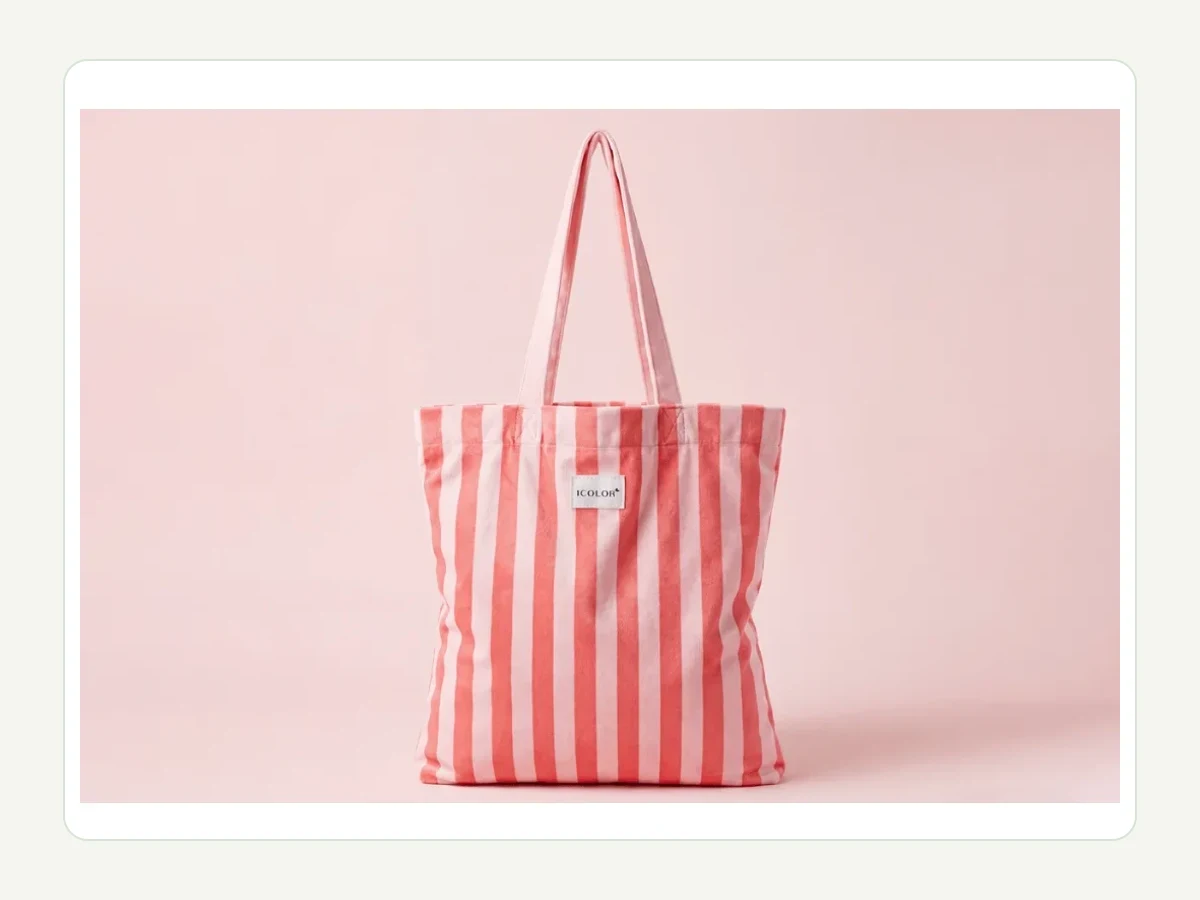
Quick Summary
This guide helps B2B buyers compare heat transfer and screen print for MOQ 500+ custom tote bag projects. It supports the custom logo tote route by focusing on method choice before sample approval, not broad artwork-file preparation.
Use screen print when the artwork is simpler, color count is controlled and the material surface supports direct ink. Consider heat transfer when artwork detail, fuller color or a smoother edge is more important. In both cases, approve the method on the actual tote material.
Cost and finish trade-off before sampling
| Question | Heat transfer | Screen print |
|---|---|---|
| Artwork detail | Can support more detailed color artwork when sampled correctly. | Often stronger for simpler solid marks and controlled color counts. |
| Fabric surface | Needs handfeel and adhesion review on the selected fabric. | Needs edge and coverage review on textured cotton or canvas. |
| Approval risk | Risk is a logo that feels too separate from the material. | Risk is softened edges, coverage issues or color shift on texture. |
| Best RFQ detail | Artwork detail, color target, material and handfeel expectation. | Logo size, color count, material surface and print area. |
Color-management context matters because a digital artwork color does not automatically equal the finished tote logo color. ICC color management resources [1] is useful background for why physical sample review remains necessary.
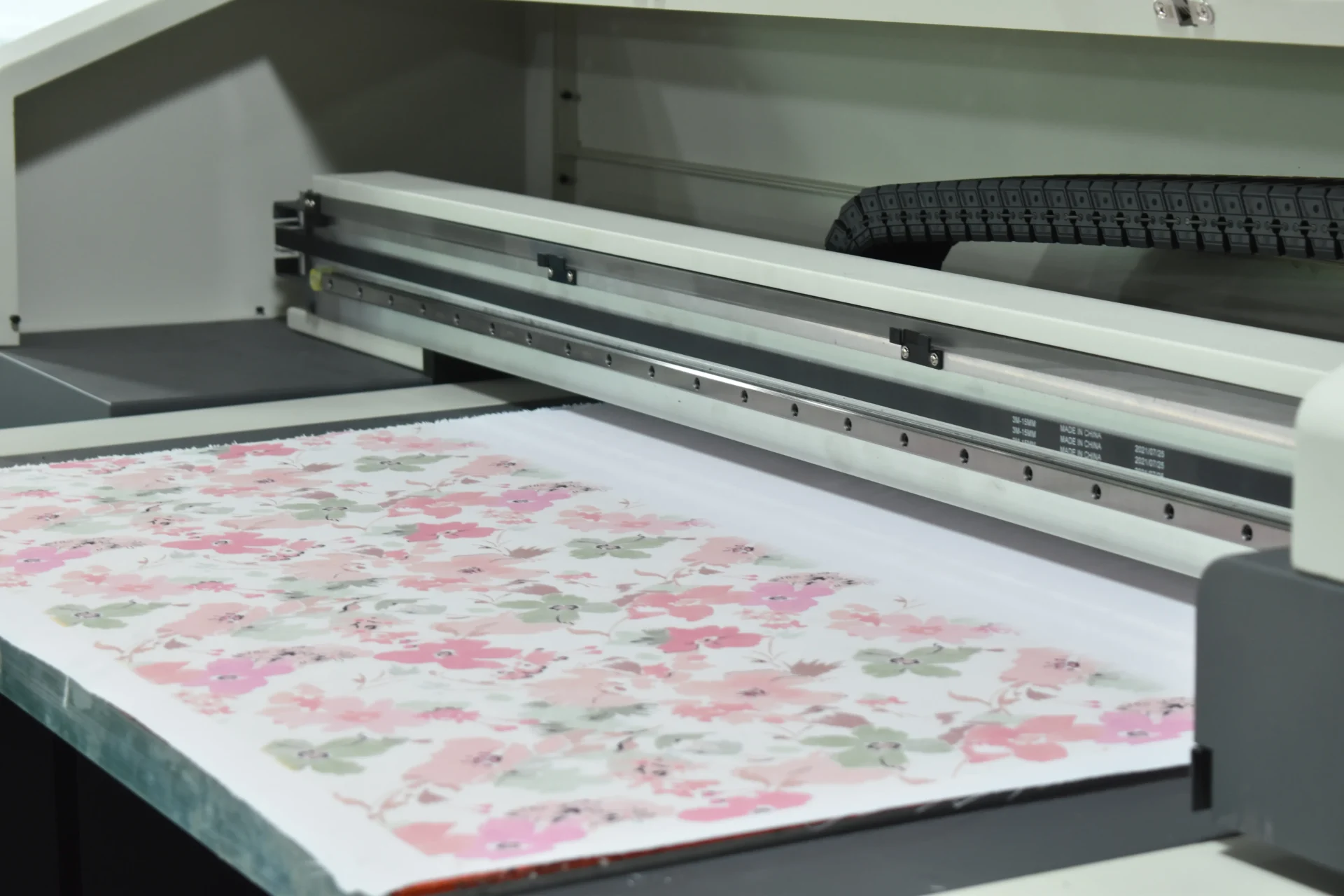
Screen print can behave differently on smooth fabric and textured canvas.
- fabric weave
- logo edge
- color coverage
Where method choice usually goes wrong
Choosing by unit price only
A method that looks lower on the first quote can become slower if it needs another sample round because the artwork or fabric was not tested.
Ignoring handfeel
A buyer may like the visual result but dislike the raised or film-like feel. Handfeel belongs in the approval note.
Overlooking fabric texture
Canvas, recycled cotton and rPET surfaces can change the edge, saturation and perceived logo quality.
Review This Approval RouteBrowse Customization Hub
How to brief a method test without overcomplicating the RFQ
Textile performance and colorfastness language should stay test-aware. AATCC standards overview [2] is useful background when buyers discuss fabric and print performance context. For document-route discussions, OEKO-TEX STANDARD 100 overview [3] is useful background, but it should not be treated as an automatic claim for every tote project.
A practical RFQ can ask the supplier to quote one recommended method and one alternate method. The RFQ should state artwork detail, color target, tote material, quantity, delivery market, packing route and sample deadline. The supplier can then explain which method is more realistic before sampling.
Simple artwork can work well with screen print when the fabric surface and color count are suitable.
- edge clarity
- coverage
- fabric texture
When to choose heat transfer or screen print
Best fit: brand, retail, event, hotel, GWP and private-label buyers comparing two logo-method routes for MOQ 500+ custom tote bags before paying for a physical sample.
Less suitable: buyers without artwork, blank tote requests, single-piece gifts, or RFQs that compare only unit price while ignoring sample route, handfeel, color and bulk repeatability.
Real order decision: stock blue canvas plus screen print
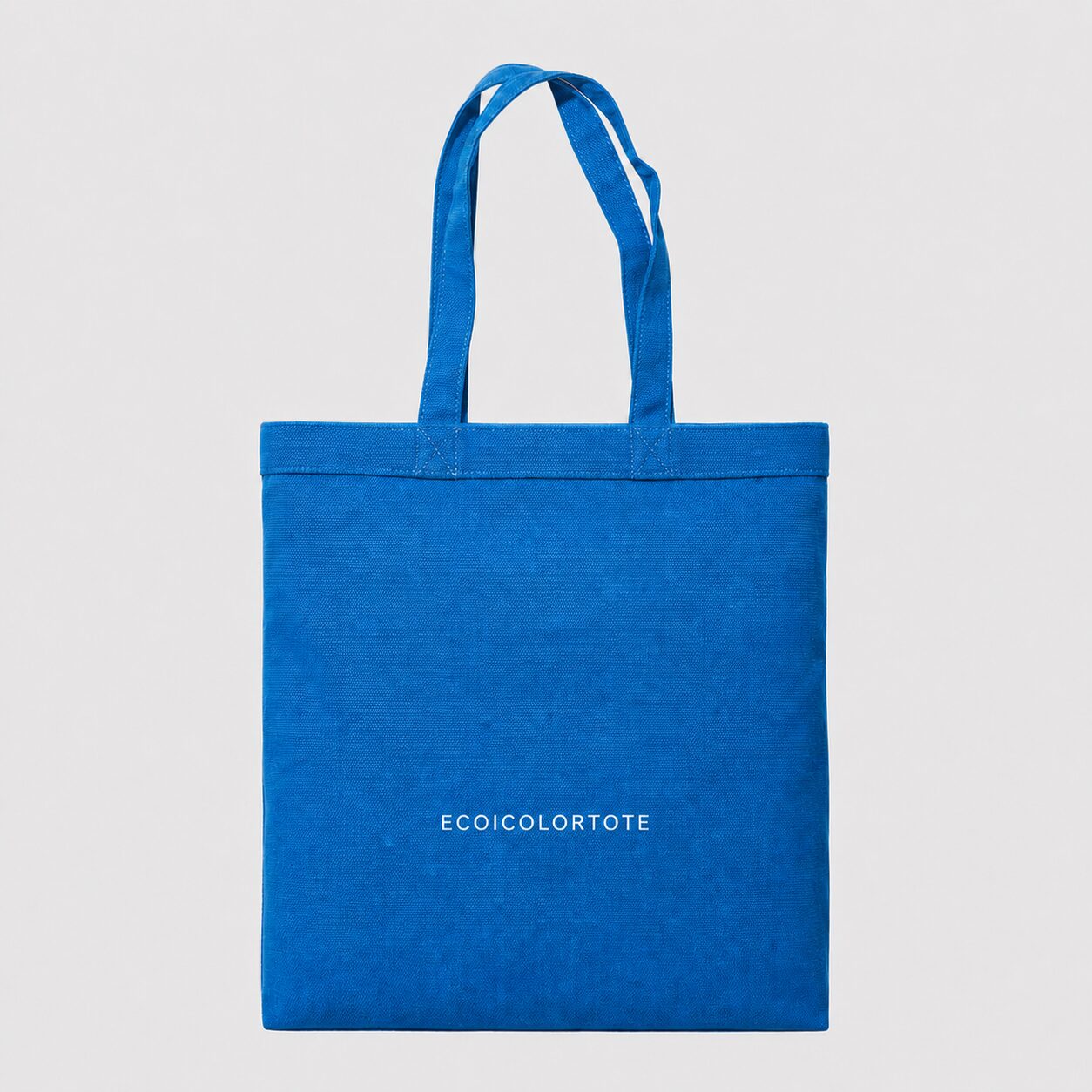
On March 16, 2026, a German skincare brand reviewed a 1,000-piece blue 16 oz canvas tote. The first route assumed a custom Pantone-matched bag body and heat-transfer branding, but that combination added cost and fabric-development time. After checking available stock materials, we found a close blue canvas and moved the logo to screen print. The stock-fabric route saved about one week, the sample passed, and the buyer placed the order. This does not mean screen print is always the lower-cost choice; it worked here because the stock shade was acceptable and the artwork could be reproduced cleanly with screen print.
The decision combined fabric color, logo method, sample approval and delivery timing instead of comparing print price alone.
- 1,000-piece order
- 16 oz blue canvas
- about one week saved
Related logo method links
Use Zipper tote sample approval checklist when the tote has a functional closure, and use Logo placement approval checklist when the logo position is the main risk. The owner route is Custom logo totes product route.
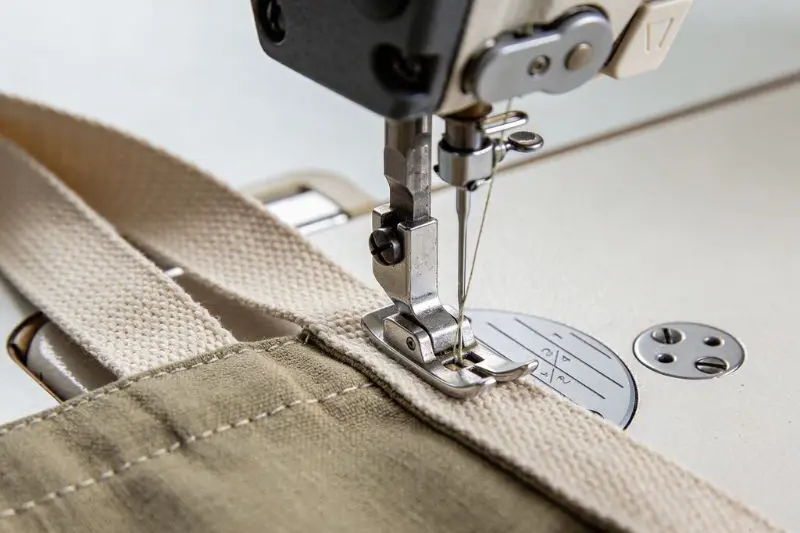
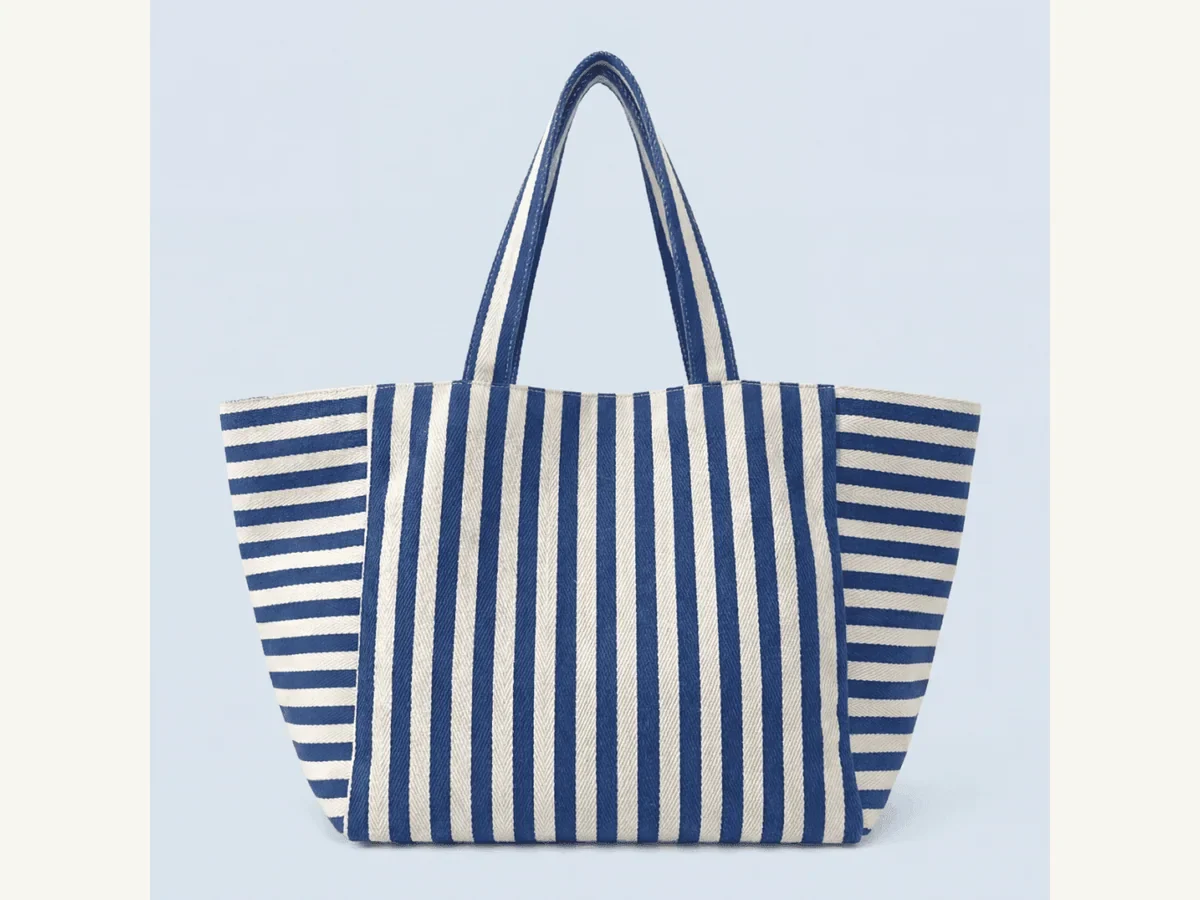
Logo method decisions should be reviewed together with placement, not as an isolated price line.
- logo readability
- process route
- sample control
FAQ
When should buyers choose heat transfer for tote bag logos?
Heat transfer can be useful when the artwork has more color detail, a smoother edge requirement or a design that does not suit simple screen print. The buyer still needs a physical sample on the selected fabric because handfeel, adhesion, edge behavior and color result can change by material route.
When is screen print the better tote bag logo route?
Screen print can be suitable for simpler artwork, solid color marks, larger logo areas and projects where the buyer wants a direct printed feel. It needs sample review when the fabric has visible texture, when the logo has small text, or when the color target must match packaging or other brand items.
Is heat transfer always more premium than screen print?
No. Premium result depends on artwork, fabric, color, handfeel, placement and final use case. A clean screen print can look better than an overbuilt transfer on the wrong material. The correct question is which method makes the brand mark readable and consistent after sampling and bulk production.
What should be included in a logo method RFQ?
Include artwork file, logo size, color target, fabric route, tote size, placement, expected use, quantity, packing route and delivery market. If the buyer is comparing heat transfer and screen print, request both method assumptions in the quote so setup, sample timing and bulk approval are not mixed together.
Can one order use both heat transfer and screen print?
It can, but splitting logo methods creates separate setup, sample and QC paths. If one colorway uses screen print and another uses heat transfer, the approval file should record which method belongs to which SKU, quantity and packing route before bulk. Otherwise the warehouse or production team may receive conflicting file instructions.
How does logo method affect MOQ 500+ projects?
At MOQ 500+, logo method affects setup cost, sample timing, artwork version control, packing photo and bulk QC. A method that looks cheaper in a simple quote may not be the best landed choice if it creates another sample round or a weaker finished brand presentation.
Who should use this comparison guide?
Use this guide if you are a brand, GWP, retail, event, hotel or private-label buyer comparing heat transfer and screen print for MOQ 500+ custom tote bags. It is not intended for no-logo blank bags, personal gifts or buyers who cannot provide artwork before sample review.
Sources
About the Author
 | Zoe Yu is B2B Sales Manager at Ecoicolortote, supporting overseas brand buyers with custom tote bag RFQs, material route review, logo execution, sampling, packing and bulk production coordination. |
Send This Project BriefView Supporting Page