

 Zoe Yu
 A zipper tote bag sample should be approved around real use, not only around outside measurements. For retail, travel, beauty or event buyers, the risk is whether the tote opens smoothly, holds the intended contents, closes without stress and still looks like the brand sample after packing.
Send Sample BriefView Owner Route
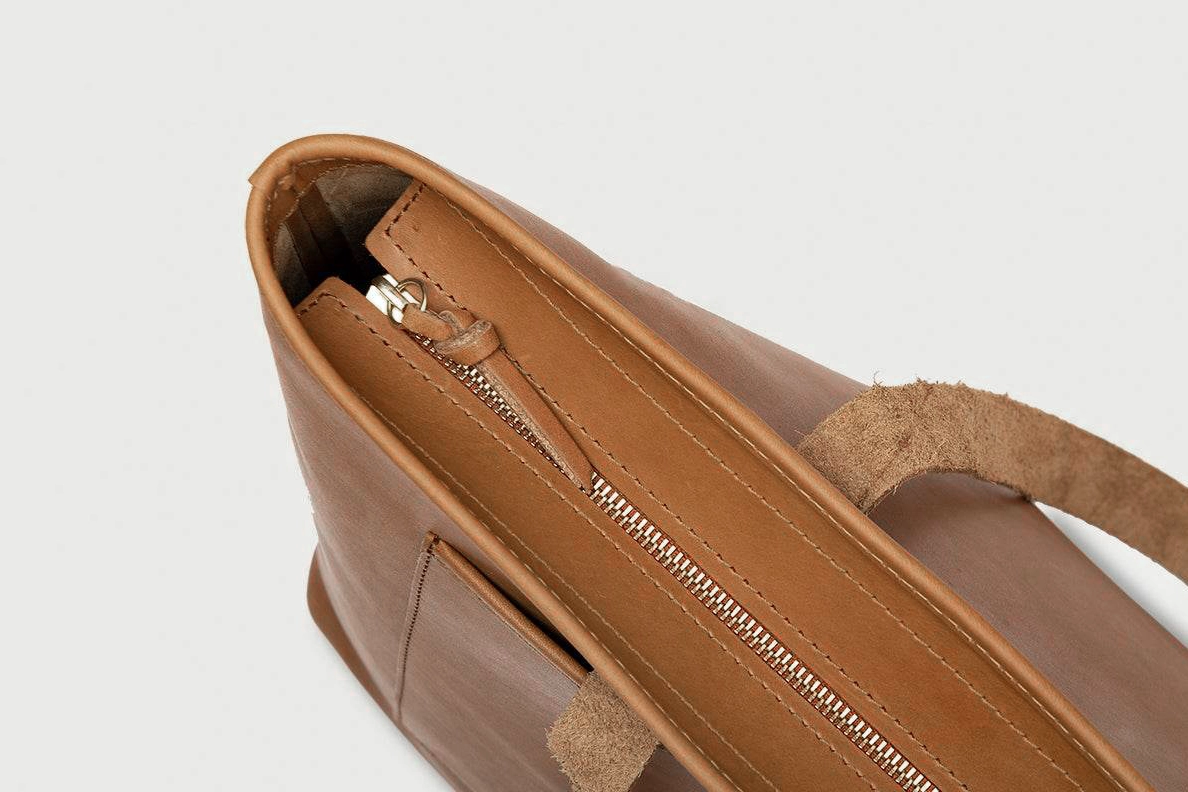
A zipper tote can look correct in a flat sample but still fail when the buyer puts real products inside or checks how the zipper opens after packing.
- opening width
- puller route
- content fit
Quick Summary
This zipper tote bag sample approval checklist helps MOQ 500+ buyers review opening width, puller, lining, content fit, seam finish, packed shape and logo placement before bulk. It supports the zipper tote product route by focusing only on sample approval, not general zipper tote RFQ planning.
For a zipper tote sample, send the target contents, opening width expectation, tote size, lining route, zipper color, puller preference, logo file, packing method, delivery market and launch window. Approve a physical sample after loading real contents.
Opening-width checks before sample approval
| Sample area | What to check | Buyer risk if skipped |
|---|---|---|
| Opening width | Load the intended contents and close the zipper without forcing the sides. | The tote looks correct flat but feels difficult in real use. |
| Puller and tape | Check puller size, color, feel, tape color and stitch line. | The closure feels lower quality than the tote body. |
| Lining and pocket | Review inner pocket position, lining pressure and seam finish. | The zipper, pocket and lining fight for space near the opening. |
| Packing shape | Check the sample after folded or carton-ready packing. | The zipper waves, presses into the tote, or changes the retail presentation. |
Inspection planning is useful background when buyers decide how sample approval and bulk inspection should connect. ISO 2859-1 sampling procedures [1] is one common reference point for sampling-plan context.
Zipper route decisions can change seam stress, lining behavior and carton packing.
- opening width
- lining pressure
- packed shape
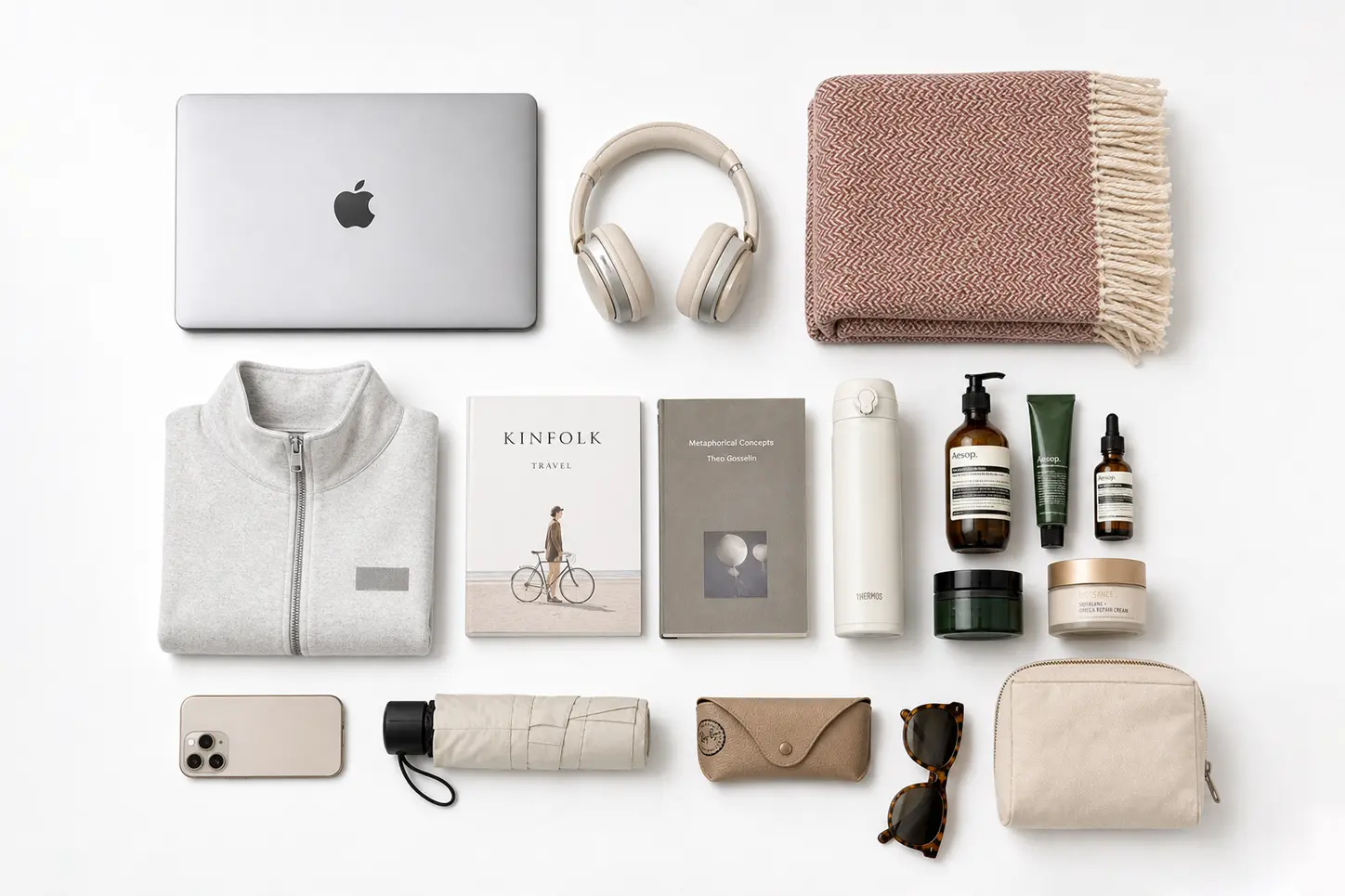
Buyer scenario: secure tote without overbuilding the bag
Retail and travel buyers often ask for a zipper because the tote feels more secure, but the project still has to stay practical for MOQ 500+ production. A zipper route can add lining work, sample time and packing sensitivity. If the tote also carries care, fiber or origin wording, textile labeling context such as FTC textile labeling guidance [3] should be checked before the label or hangtag artwork is frozen. Confirm whether the closure is solving a real use problem, or whether a magnetic snap, inner pocket or open-top route is enough.
Retail handoff
Check whether the tote needs barcode, hangtag, individual bag, carton label or shelf-ready presentation. A zipper can improve perceived value, but it can also make packing less flat.
Travel use
Check laptop, amenity, document or personal-item contents. The opening should be wide enough for the real contents, not only the catalog dimension.
Beauty set
Check bottles, pouch, insert card and logo visibility after contents are placed inside. The zipper should not press against the filled set.
Review This Approval RouteBrowse Customization Hub
Sample test: load, close, carry and pack
Textile performance references help explain why a closure should be reviewed as part of the finished item, not as a decorative trim. AATCC textile standards context [2] is useful background when buyers discuss fabric behavior, color and performance language.
The practical sample test is simple: load the tote with the intended products, close the zipper three to five times, carry it by the handles, then pack it the way the bulk order will ship. If the zipper distorts the top edge or blocks loading, the issue should be corrected before bulk.
Pocket and zipper details can compete for space near the opening.
- inner pocket
- top closure
- logo panel
When zipper sample review should lead the brief
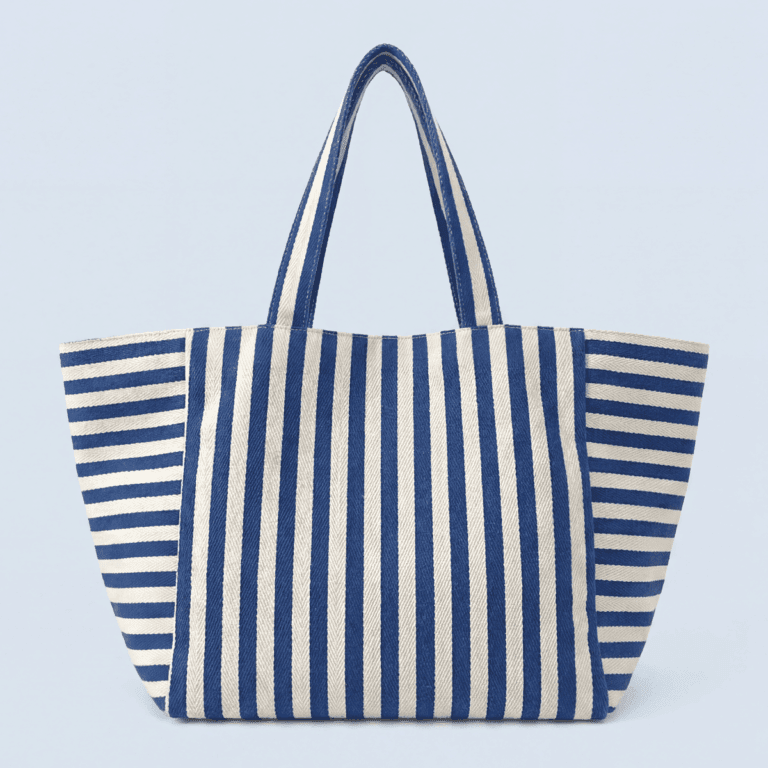
Best fit: retail, travel, beauty, wellness, hotel, event and private-label buyers planning MOQ 500+ zipper tote bags where contents, security, logo placement, lining and packing need sample approval before bulk.
Less suitable: blank open-top totes, single-piece gifts, no-content projects, or buyer requests that only ask for unit price without sharing what the tote must carry.
Factory-side failure pattern to avoid
Factory-side observation: zipper tote problems usually appear after the sample is filled, not when it is photographed flat. The common correction is not just changing zipper length. It may require opening-width adjustment, lining tension review, top seam adjustment or a different packing route. That is why the sample approval note should include the loaded photo and the packed photo.
Packing can expose zipper waves or pocket pressure that were not visible in a flat sample.
- folded view
- carton route
- bulk reference
Related customization route links
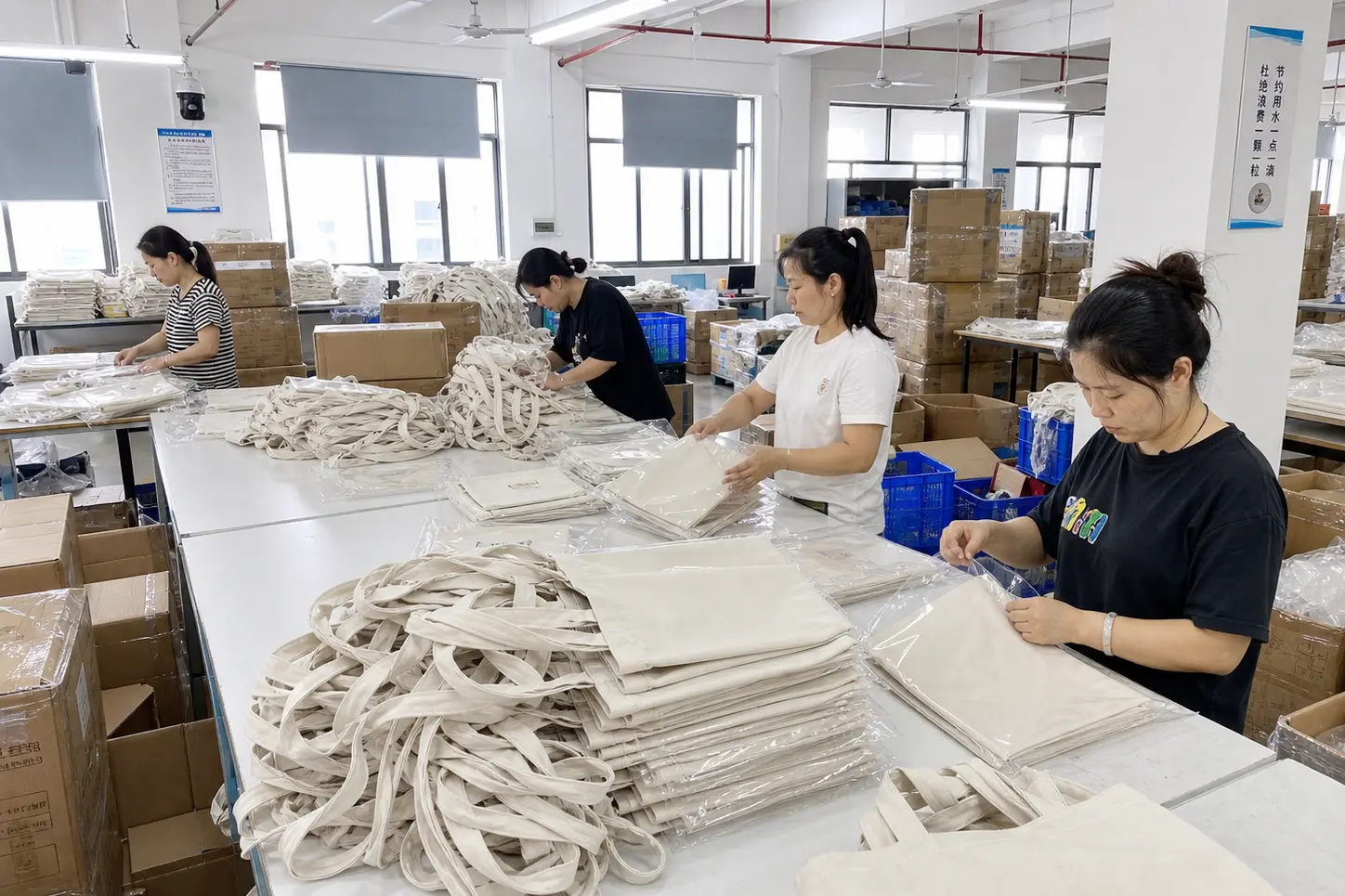
Use Heat transfer vs screen print logo method guide when the buyer also needs to choose print method, and use Logo placement approval checklist when logo location is the main approval risk. The owner product route is Totes with zipper product route.
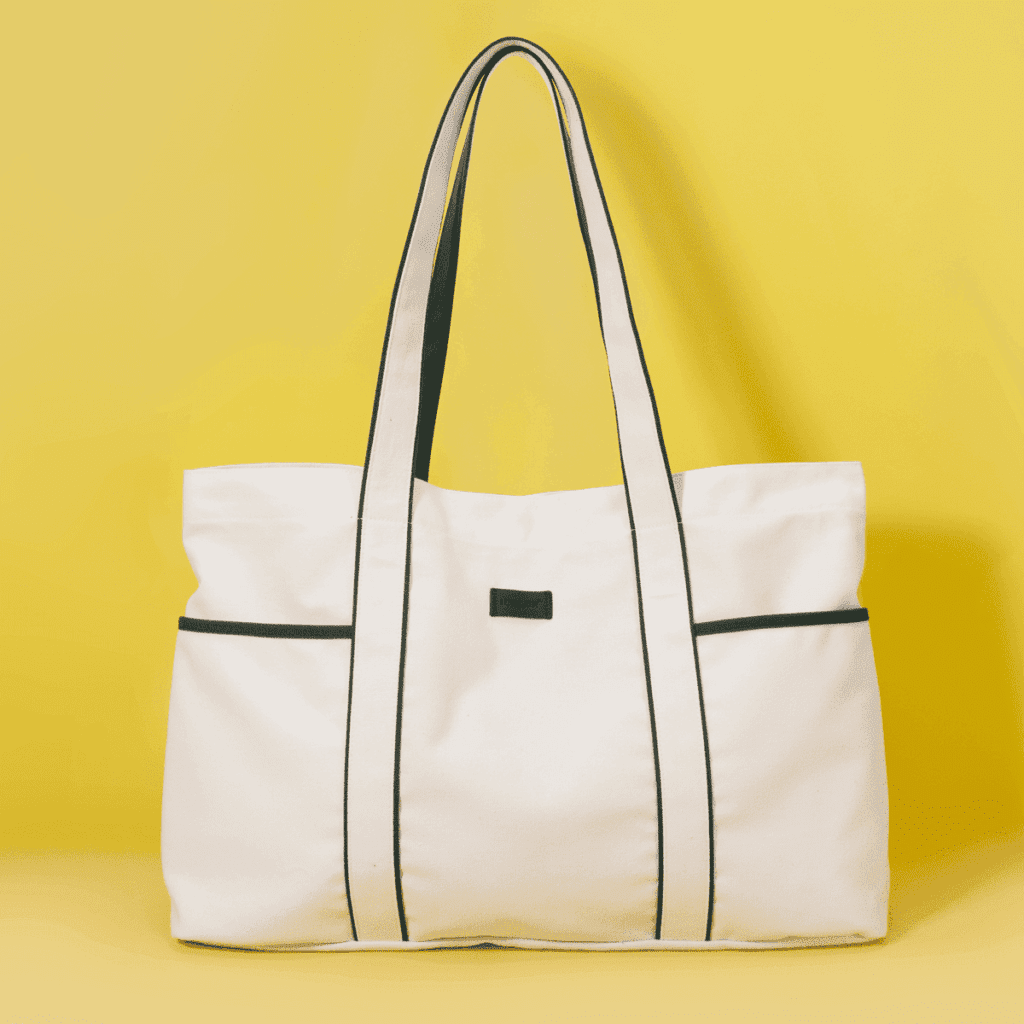
The last sample check should connect zipper function with bulk QC, not only visual appearance.
- opening control
- seam finish
- packed shape
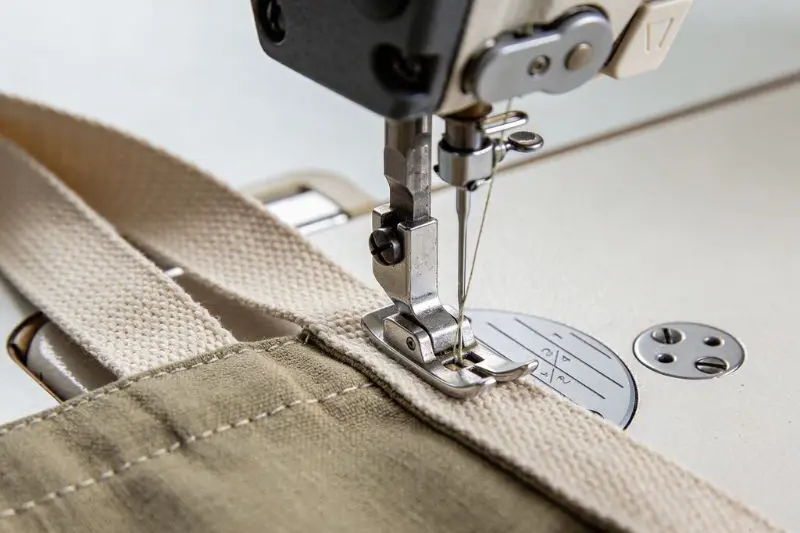
FAQ
What should a zipper tote sample approval checklist include?
A zipper tote sample approval checklist should include opening width, zipper length, puller feel, seam finish, lining pressure, content fit, logo placement, packed shape, carton route and final sample notes. The approval test should use the actual contents before bulk, because a zipper can pass visual review but fail when products are loaded.
Why is opening width more important than outside size?
Outside size tells the buyer how large the tote looks, but opening width decides whether the intended products can be loaded easily. A retail or travel tote may have enough volume but still feel difficult to use if the zipper route narrows the opening or pulls the side panels inward.
Should the zipper be approved before logo placement?
The zipper route and logo placement should be reviewed together. Zipper tape, top seam, handle drop and pocket position can change the visible logo area. If the logo is approved first and the zipper route changes later, the sample may need another artwork or placement check before bulk production.
What is the main failure pattern with zipper tote bags?
The common failure pattern is approving a clean flat sample without loading real contents. Once the buyer adds retail products, travel items or a gift set, the zipper can pull tight, the lining can wrinkle, or the opening can feel too narrow. A content-fit test prevents that late surprise.
What MOQ applies to custom zipper tote bags?
MOQ 500+ is the normal B2B planning point, but zipper route, lining, fabric, logo method, packing and available material can affect feasibility. If the buyer can use an existing material or standard zipper color, the sample route may be easier than a fully custom zipper and fabric combination.
How should a buyer write zipper requirements in the RFQ?
Write the intended product use, contents, tote size, opening width preference, lining need, zipper color, puller route, logo file, packing route, delivery market and launch date. This gives the supplier enough information to judge whether the zipper route is a practical feature or a risk for the campaign.
Who should use this checklist?
Use this checklist if you are a retail, travel, beauty, wellness, hotel or event buyer planning MOQ 500+ zipper tote bags with real contents, logo, packing and sample approval needs. It is not useful for single-piece gifts, blank stock totes or price-only requests without a sample review path.
Sources
About the Author
 | Zoe Yu is B2B Sales Manager at Ecoicolortote, supporting overseas brand buyers with custom tote bag RFQs, material route review, logo execution, sampling, packing and bulk production coordination. |
Send This Project BriefView Supporting Page