

 Zoe Yu
 A side gusset can improve tote capacity and shape. Once the gusset receives a hard support, however, the tote may stop behaving like a flat textile item and start shipping as a dimensional product.
Review the Structure and Packing RouteView the Specialty Tote Route
The unit-price change can be limited while the shipment-volume change becomes the larger budget issue.
- confirm whether the tote can still lie flat
- freeze the post-sample carton method
- recheck freight before bulk approval
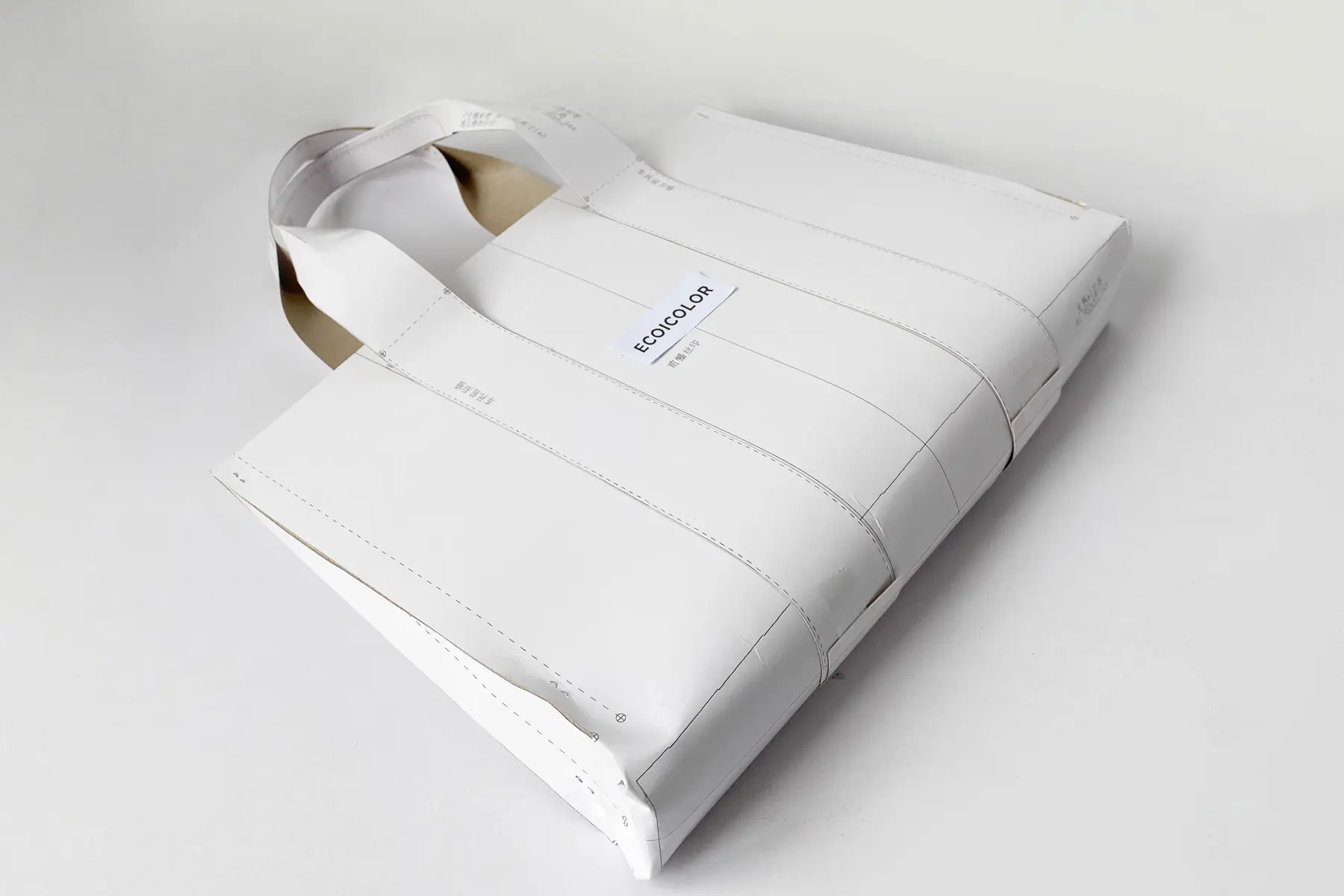
Zoe’s factory-side experience is specific: after a tote gains a side gusset and the gusset is reinforced with hard support, it can no longer be pressed flat for carton packing. It needs dimensional packing. The effect on unit price may be small, but the larger shipment volume can become the biggest change to the project budget.
The packing problem begins at the structure decision
A buyer may approve a wider gusset because it helps the tote stand, hold products or create a premium retail shape. The packing consequence depends on what holds that shape. Soft fabric can usually collapse. A fixed hard insert, stiff board, thick support or rigidly constructed gusset may resist compression.
The right time to discuss freight is therefore not only after production. The sourcing team needs a provisional packing route during quotation and a corrected carton estimate after the physical sample confirms the real structure.
The sample review needs to cover both the desired standing shape and the approved shipping condition.
- fixed or removable support
- folding and recovery after unpacking
- risk of creasing or structure damage
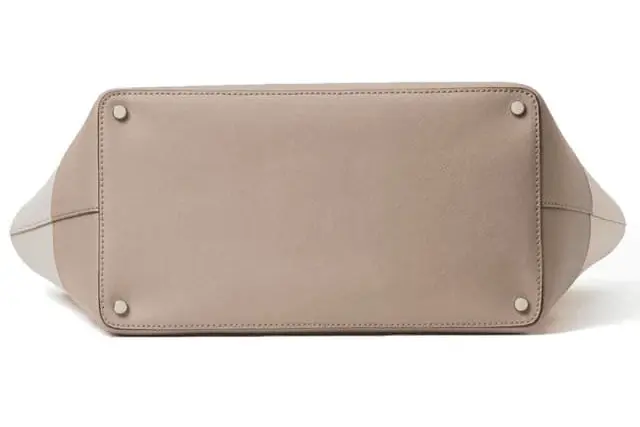
One design choice creates two different cost paths
Soft, compressible route
The side gusset can fold inward, units can lie flatter and more pieces may fit into a carton. The buyer still needs to check crease recovery and presentation after unpacking.
Hard-supported route
The tote keeps a defined shape but may need upright, nested or otherwise dimensional packing. Fewer pieces may fit per carton, so total volume needs a fresh estimate.
| Decision field | Flat or compressible route | Hard-supported route |
|---|---|---|
| Finished presentation | More flexible; may need reshaping after unpacking | More stable shape for display or product loading |
| Packing method | Fold, stack or compress within approved limits | Dimensional, nested or upright packing may be required |
| Carton estimate | Can start from a flat textile assumption, then verify | Must be recalculated from the approved sample |
| Budget risk | Creasing, recovery and presentation | Shipment volume and freight may dominate the change |
Why unit price alone can hide the real project change
The hard support adds material and assembly work, but that line may look small beside the base tote price. Freight is different because the packing effect repeats across the full order. If the finished tote occupies more carton space, total shipment volume can increase even when product weight and unit price do not move dramatically.
DHL Express Weight and Dimensions Guide [1] explains why carriers distinguish actual and volumetric weight for parcel shipments. For freight, final cost depends on the actual shipment data, route and commercial terms. DHL Global Forwarding Freight FAQs [2] reinforces the need for accurate dimensions and handling information rather than a pre-sample assumption.
Do not carry a flat-tote carton estimate into a rigidly supported production order without another packing trial.
- pieces per carton
- outer carton dimensions and weight
- carton count and total volume
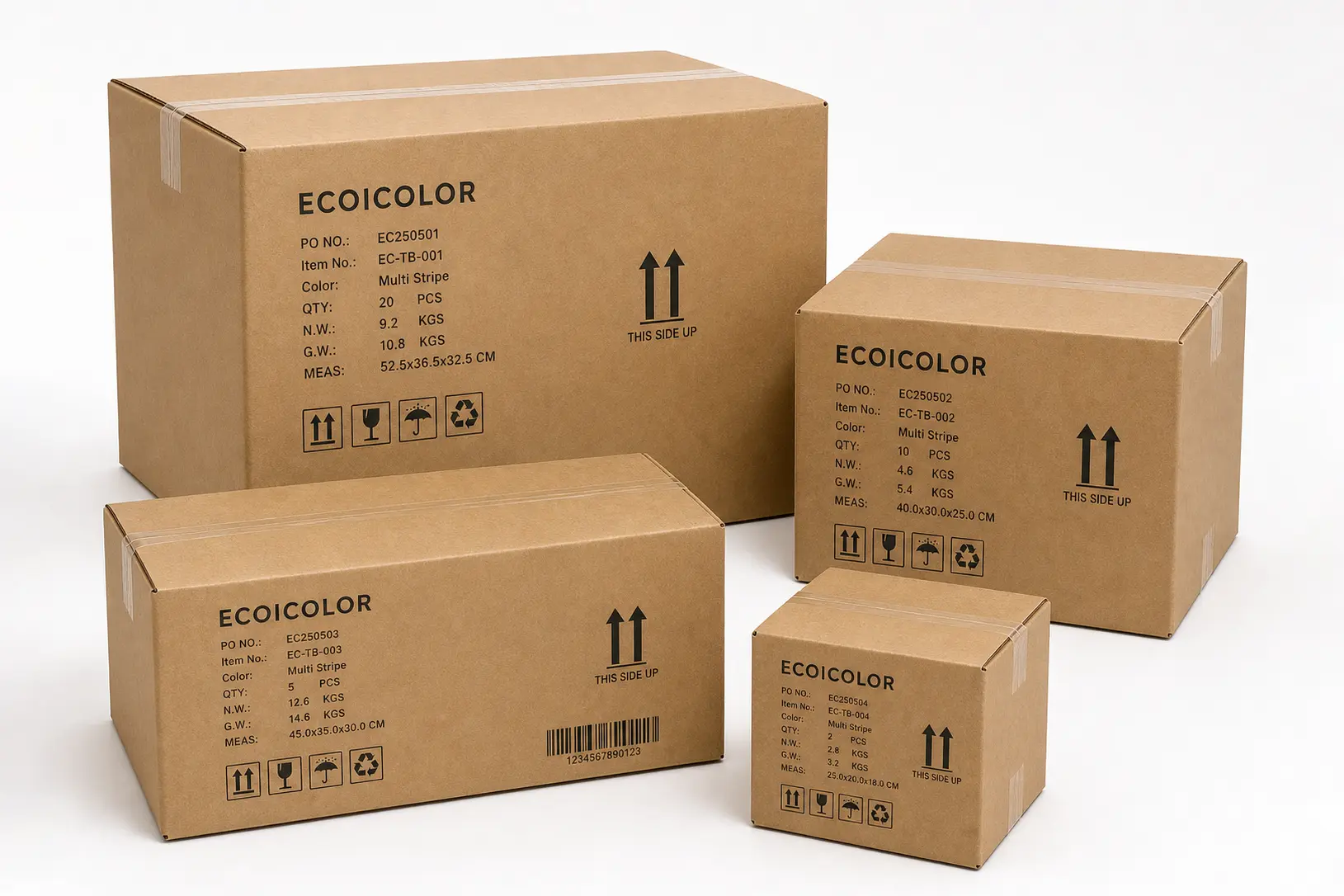
Verified packing record: the same carton held 40% fewer totes
When this tote design added a side gusset and hard support inside the gusset, the finished bag could no longer be pressed flat into cartons. The outer carton remained 52 x 40 x 40 cm, but packing density fell from 25 pieces to 15 pieces per carton. That is 10 fewer pieces per carton, or a 40% reduction in pieces per carton.
| Recorded field | Before the structure change | After the side gusset and hard support |
|---|---|---|
| Outer carton size | 52 x 40 x 40 cm | 52 x 40 x 40 cm |
| Packing quantity | 25 pieces per carton | 15 pieces per carton |
| Project-level change | Baseline packing plan | 13 additional cartons |
| Recorded volume and freight effect | Baseline logistics budget | About 1.04 CBM more and approximately US$1,600 more freight |
The unit-price effect of the structure change was relatively limited, but the transport-cost effect was much larger. This is why the packing trial and freight recalculation need to happen before the buyer signs off the final structure.
This is not a universal claim that every gusset tote becomes expensive to ship. It is a warning to identify the structure that prevents compression. A soft gusset, removable board or different support route may behave differently and requires its own sample and packing test.
If the sample changes after the first carton estimate, the packing and freight data need to change with it.
- signed sample and specification
- approved support material and position
- packing trial and carton record
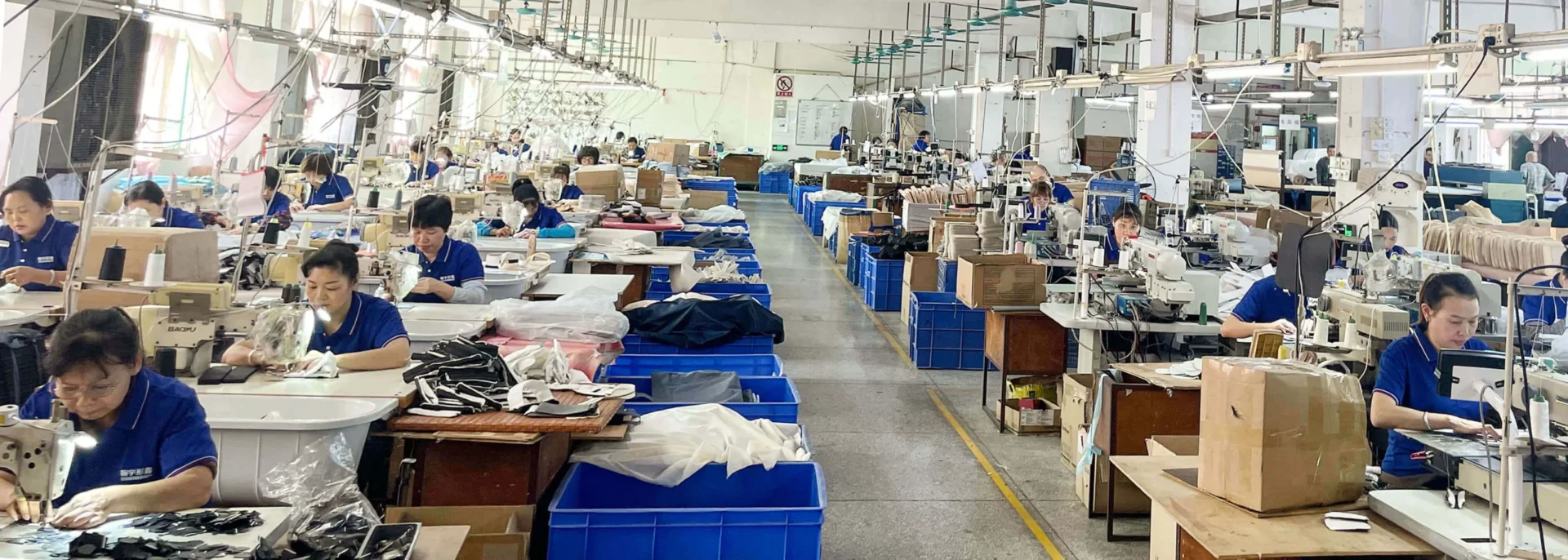
Freeze five fields before the freight budget becomes a promise
The buyer needs a shipment basis that matches the final product and delivery route, not only an attractive unit quote.
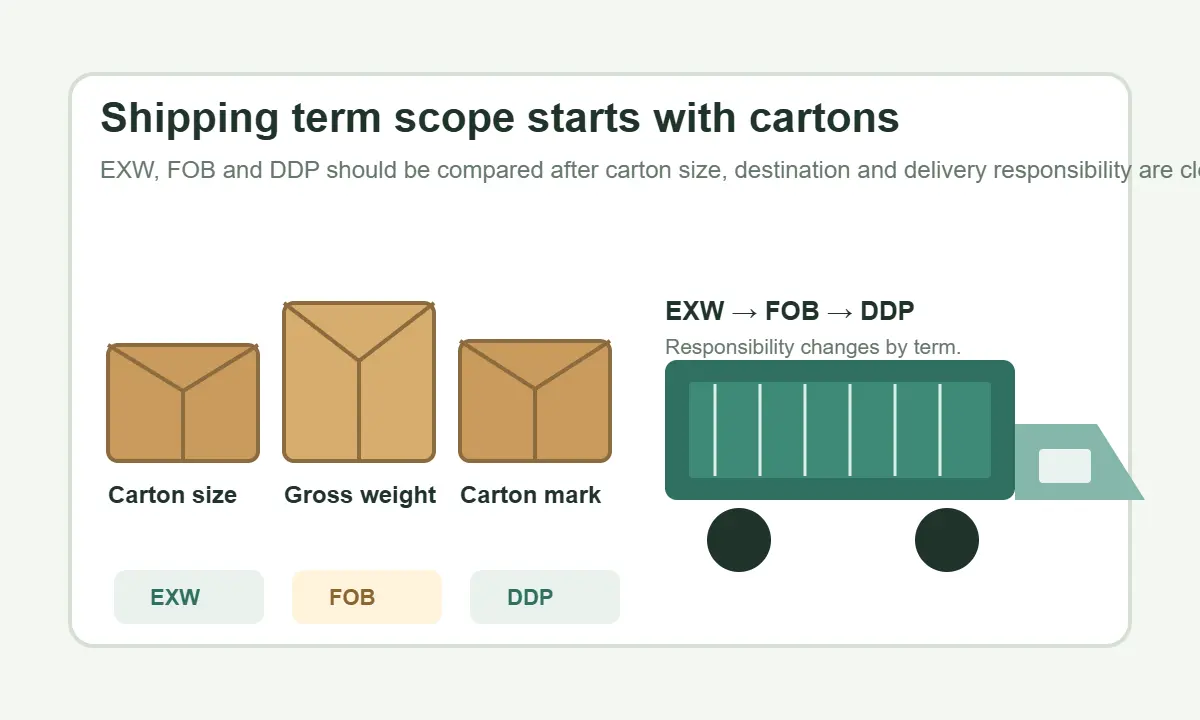
- carton dimensions and count
- gross and net weight
- destination, Incoterm and transport mode
Use the sample to choose between presentation and packability
A hard-supported gusset may still be the correct route when retail presentation, product protection or a standing display matters more than compact shipment. A softer route may be better when distribution volume, event logistics or international freight is the dominant constraint.
The supplier’s job is to show the trade-off before the buyer approves the sample. The buyer can then decide whether to keep the structure, change the support, make it removable or accept a different packing and freight budget.
Recheck the commercial volume before sign-off: a dimensional cross-check using 13 additional cartons at 52 x 40 x 40 cm gives 1.0816 CBM, or about 1.08 CBM. The project logistics record states about 1.04 CBM. This article keeps the recorded 1.04 CBM figure and shows the dimensional cross-check rather than hiding the difference. The factory and forwarder should confirm the final measured cartons and chargeable volume before the freight quote becomes final.
The final packing trial is the bridge between sample approval and a credible freight budget.
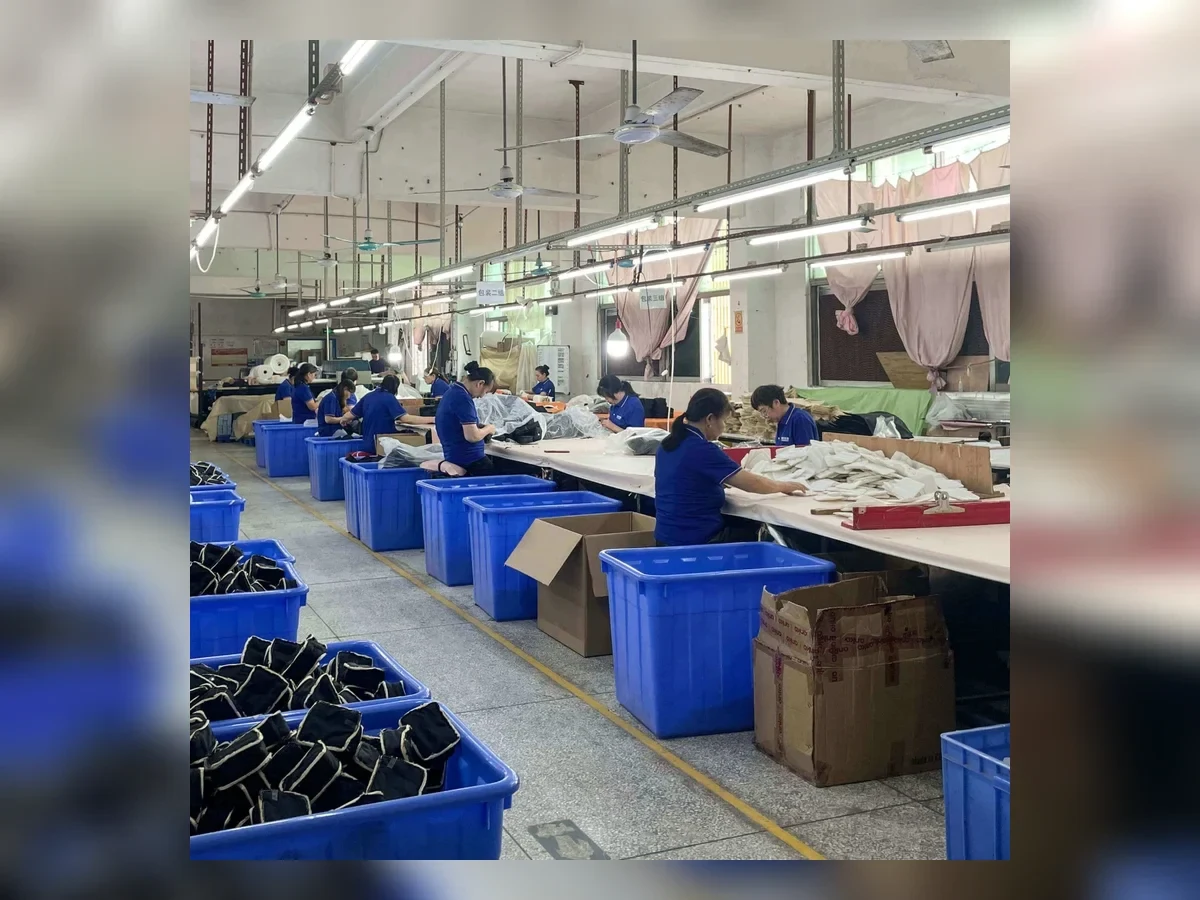
- finished sample in packing condition
- documented carton method
- updated commercial estimate before bulk approval
Which buyer briefs benefit from this review
Best fit: GWP, retail, hotel, event or brand-merch totes with side gussets, hard bottoms, fixed boards, linings, boxes or other structure that may prevent flat packing.
Less useful: buyers requesting a simple flat tote with no support, or projects that refuse to freeze the physical sample before treating a preliminary freight estimate as final.
Review Packing ScopeCheck the Quote and Freight BasisCheck Delivery BasisPlan Sample Approval
Buyer questions about structured tote packing
Does adding a side gusset always increase tote-bag freight cost?
Not by itself. A soft side gusset may still fold efficiently. The major change occurs when the finished construction, hard support, lining, padding or packaging prevents compression. Freight planning needs the approved sample, folding method, carton dimensions, carton count and destination rather than a decision based only on the gusset name.
Why can a hard insert affect freight more than the tote unit price?
The insert may add only a limited component and assembly cost, but it can change the packing geometry for every unit. In the verified packing record used here, the same 52 x 40 x 40 cm carton changed from 25 to 15 pieces, creating 13 additional cartons. The project record lists about 1.04 CBM more volume and approximately US$1,600 more freight.
When should carton data be confirmed for a structured tote order?
Use an early estimate during quotation, then recalculate after the physical sample freezes the side gusset, hard support, lining, closure and packaging. Final shipping data should come from the production packing method and confirmed carton, not from a generic flat tote assumption made before the structure was approved.
Can the hard insert be packed separately to reduce volume?
Sometimes a removable board or separately packed component can be considered, but that changes assembly, retail presentation, user experience, packing labor and possible loss or damage risk. It is a design decision that needs buyer approval and sample testing. Do not assume separate packing is suitable for every GWP, retail or event program.
What should a buyer include in the RFQ for a side-gusset tote?
Share finished dimensions, side and bottom gusset, support material and whether it is fixed or removable, lining, closure, product contents, retail presentation, individual packaging, quantity, delivery market and required arrival window. Ask the supplier for the proposed folding method and a post-sample carton estimate before the freight budget is locked.
Sources
About the Author
 |
Zoe Yu is B2B Sales Manager at Ecoicolortote. She works with brand, retail, beauty, hospitality and event buyers on tote material routes, RFQ scope, sample approval, packaging, document planning and bulk-production handoff. |