

 Zoe Yu
 An MOQ 500 custom tote bag RFQ brief helps serious buyers get a useful supplier response faster. This checklist is designed to make the first message useful, not vague. If the brief only says custom tote bag with logo, the supplier cannot judge material route, logo method, sample plan, packing cost, delivery risk or whether the project is a good fit.
Send MOQ 500 RFQ Brief Review Sample Route Check Material and Logo Scope
MOQ 500+ buyers should share quantity, use case, artwork, material, packing and delivery details before asking for a quote.

Buyer Summary
This checklist shows what to include in an MOQ 500 custom tote bag RFQ brief. It is written for brand, retail, GWP, hotel, event and private-label buyers who can share project details and accept a sample-first workflow. It filters out single-piece, no-brand and lowest-price-only inquiries while helping qualified buyers get a clearer route.
Quick answer
A strong MOQ 500 RFQ checklist should include buyer type, brand or project use, quantity range, version split, material route, tote size, logo file, packing requirement, delivery country, launch window, sample deadline and any document wording. The more specific the brief, the faster the supplier can review feasibility.
What should an MOQ 500 RFQ checklist include?
| Area | What to confirm | Why it matters |
|---|---|---|
| Buyer and project use | Brand, retail, GWP, hotel, event, airline, resort, nonprofit or corporate program context. | Helps the supplier judge whether the project is a target B2B fit. |
| Quantity and versions | MOQ 500+ plan, color split, logo versions, SKU or market split. | Prevents a quote based on one version when the project needs many. |
| Material and logo route | Canvas, recycled cotton, rPET, organic cotton, natural fiber, logo method, artwork file and placement. | Controls sample route, setup needs and final appearance. |
| Packing and delivery | Individual pack, bulk carton, barcode, hangtag, delivery country, launch window and sample deadline. | Turns the RFQ into a practical sourcing plan instead of a vague price request. |
Delivery terms should be clear when comparing quotes. ICC Incoterms rules [1] is useful context for aligning delivery responsibilities before the buyer compares supplier pricing.
If the project needs SKU, barcode or retail data, include that in the brief early. GS1 barcode guidance [2] is useful background for product identification planning in retail or DTC systems.
A 500-piece order with one version is different from a 500-piece order split across many colors, logos or packing routes.
- quantity range
- color split
- logo version
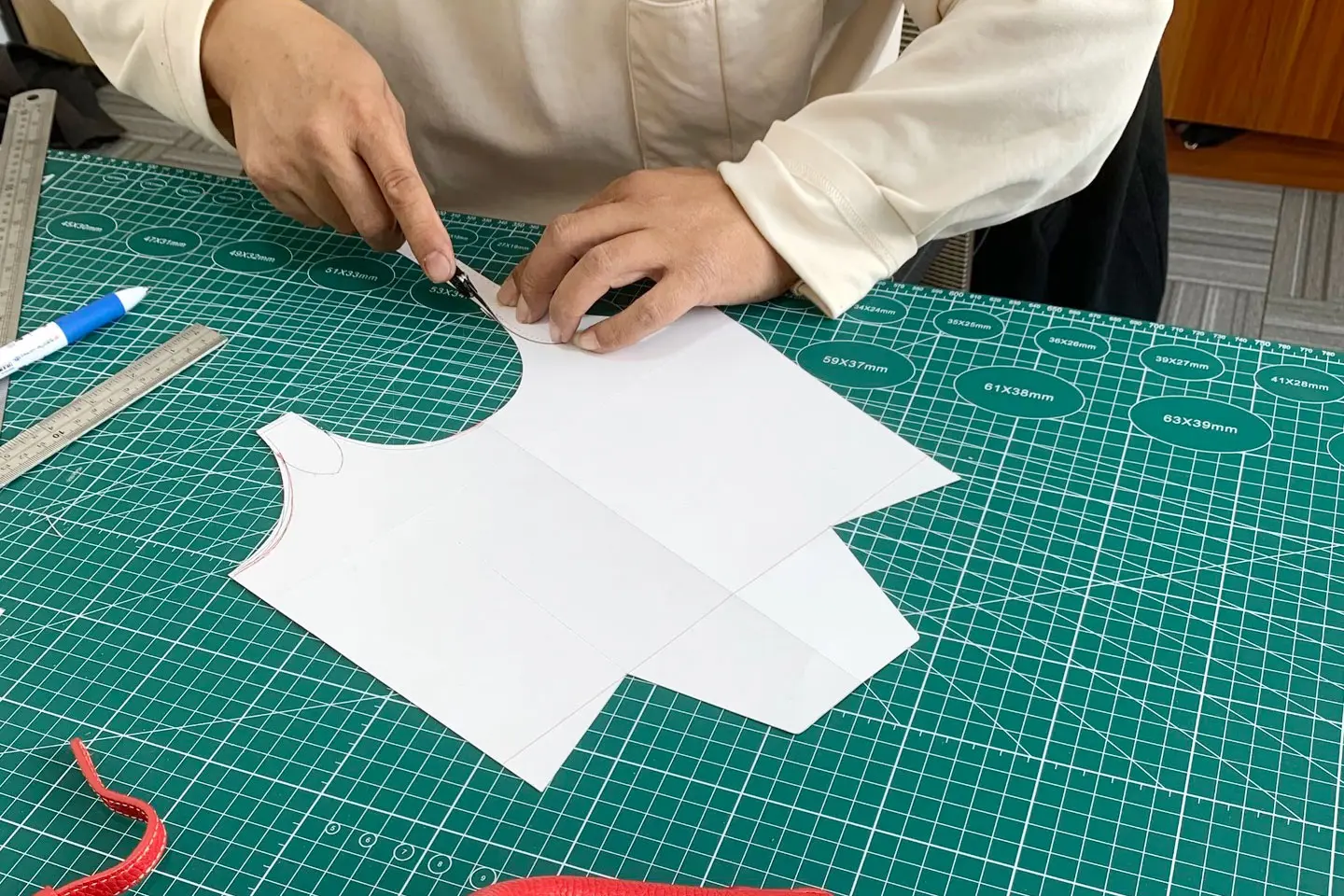
Which missing details slow down quotation?
No quantity split
The total quantity is given, but colors, logo versions or delivery markets are not separated.
No artwork status
The buyer wants a logo quote but has not shared file format, size, color or placement.
No packing route
The quote ignores hangtag, barcode, insert card, carton mark or delivery handoff.
The right route should be chosen from the buyer's real project use, not from a generic tote mockup. A brand, retail, hotel, GWP, event or private-label order can share the same tote shape but require different material, sample, QC and packing decisions.
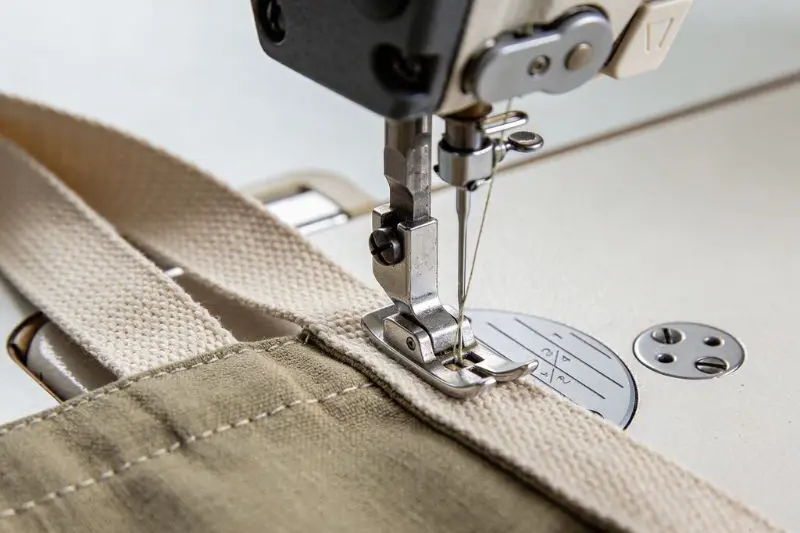
How should the brief connect to sample approval?
If label wording, fiber content or origin context appears on the tote or tag, the file should be reviewed before sample approval. FTC textile labeling guidance [3] is useful background for why textile wording belongs in the project file.
For U.S.-bound goods, marking context may need review before shipment. CBP marking guidance [4] is useful background for import marking discussions, while final wording depends on the actual project.
Useful related routes include the primary supporting page, the related route page, the secondary buyer guide.
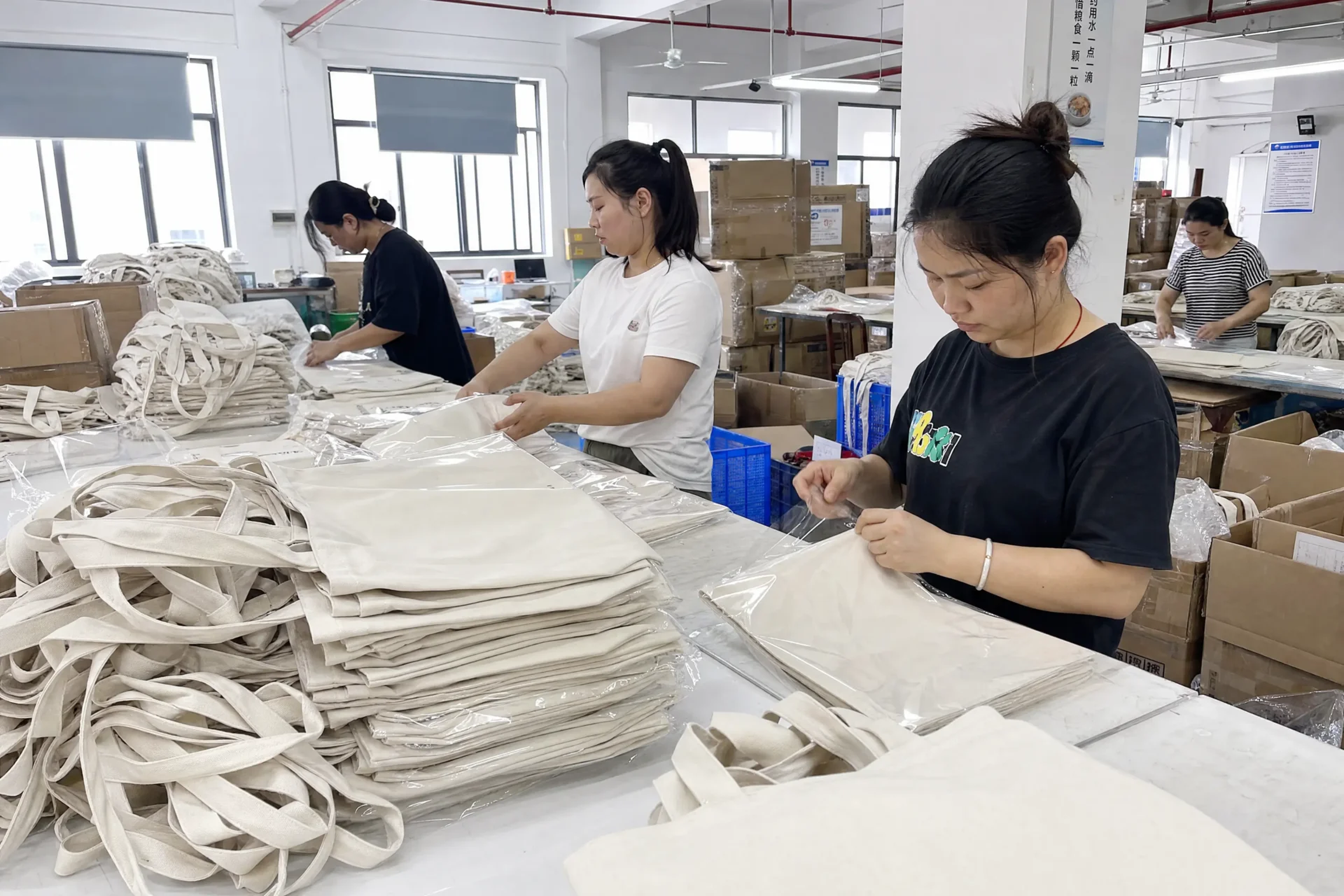
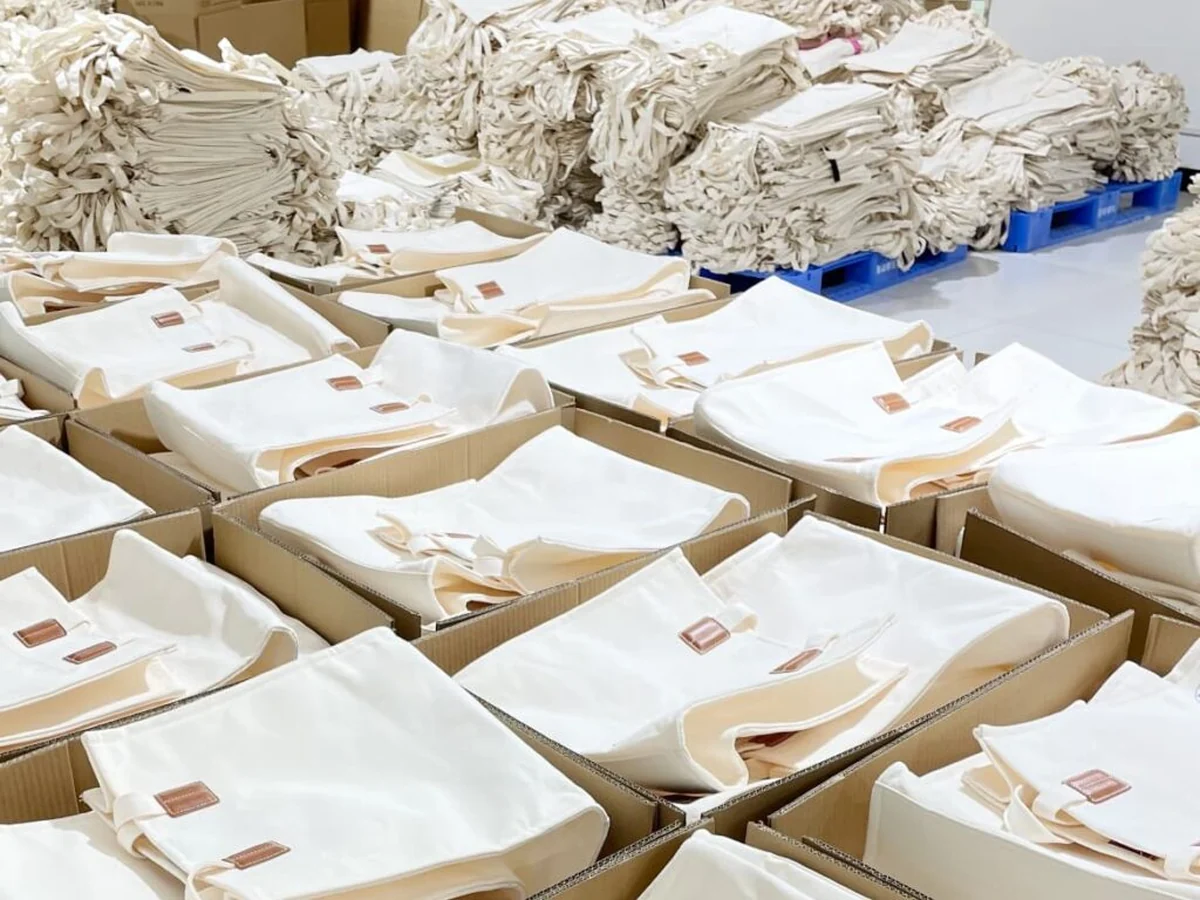
A quote without packing, carton and delivery handoff details can hide real labor and receiving requirements.
- individual pack
- carton mark
- delivery split
Who should send this MOQ 500 RFQ brief?
Best fit: qualified brand, retail, GWP, hotel, airline, resort, event, university, nonprofit and private-label buyers with a real MOQ 500+ project or a serious scope that may reach MOQ after review.
Less suitable: single-piece gifts, personal shopping, no-brand blank tote requests, lowest-price-only inquiries, or below-MOQ requests that cannot share brand, use case, sample or delivery details.
FAQ
What is an MOQ 500 custom tote bag RFQ brief?
An MOQ 500 custom tote bag RFQ brief is a project summary that tells the supplier what the buyer wants to make, how many units are needed, how many versions exist, which material and logo route are preferred, how the totes will be packed, and where and when the order needs to arrive. This checklist keeps those details in one place.
Why does Ecoicolortote use MOQ 500+ as the main filter?
MOQ 500+ keeps the conversation focused on qualified B2B custom tote projects where sampling, artwork review, material routing, packing and bulk production are practical. Smaller quantities may be reviewed only when there is a serious brand, retail, hotel, event or GWP project that may scale after sample review and has clear project details.
What details are most important before quotation?
The most important details are quantity range, version split, tote use, material route, size, logo method, artwork status, packing requirement, delivery country, launch window and sample deadline. These details allow the supplier to review feasibility. Without them, a quote may look fast but fail when sampling, packing or delivery planning starts.
Should I send artwork before asking for price?
Yes, if artwork is available. Send editable artwork, logo size, placement, color reference and any label or hangtag files. If artwork is not ready, describe the intended logo method and placement in the RFQ checklist. Artwork affects setup, sample route, printing risk, color control and final price, so it should not be treated as a minor detail.
How does version split affect MOQ and cost?
Version split affects MOQ because each color, logo, SKU, label or delivery market can create a separate production and packing path. A 500-piece order in one version is simpler than 500 pieces split across many designs. Buyers should list version quantities in the checklist early so feasibility and pricing are reviewed honestly.
What packing details belong in the RFQ brief?
Include individual packing, bulk carton packing, hangtag, insert card, barcode, sticker, carton mark, carton ratio, store or market split and delivery handoff requirements. Packing affects material cost, labor, carton volume and receiving. If this checklist item is missing from the RFQ brief, the first quote may exclude important work and later need revision.
Who should not use this RFQ checklist?
This RFQ checklist is not for one-piece gifts, no-brand consumer shopping, generic blank tote browsing or buyers who only want the lowest unit price. It is for serious B2B buyers who can share project use, quantity, artwork, material, packing, delivery market and sample approval requirements before quotation and supplier review.
MOQ 500 RFQ Scope Checklist
Disclosure: This is a planning checklist, not a customer case or reported project result.
- State the quantity by color, size and logo version instead of only the total MOQ.
- Provide material direction, artwork files, packing route and delivery market.
- Identify sample approval and label-file owners.
- Ask suppliers to separate setup, packaging and delivery-dependent cost drivers.
RFQ wording and certification note
MOQ, delivery terms, barcode systems, textile wording and import marking should be applied to the actual project scope. Ecoicolortote can review feasibility, document route and sample planning for a specific RFQ, but the buyer should avoid copying generic certification or material claims into a public campaign without project-specific review.
Sources
About the Author
 | Zoe Yu is Sales Manager at Ecoicolortote. She helps overseas brand, retail, hospitality and event buyers review custom tote bag material routes, logo methods, MOQ feasibility, sample approval, packing requirements and bulk delivery planning before production. |