

 Zoe Yu
 A recycled cotton tote bag supplier should not be judged only by whether the product name contains recycled cotton. For a real B2B project, the buyer needs to review material route, handfeel, color tolerance, logo method, claim wording, sample approval, packing and delivery market.
Send Project Brief Request Route Review Ask for Sample Plan
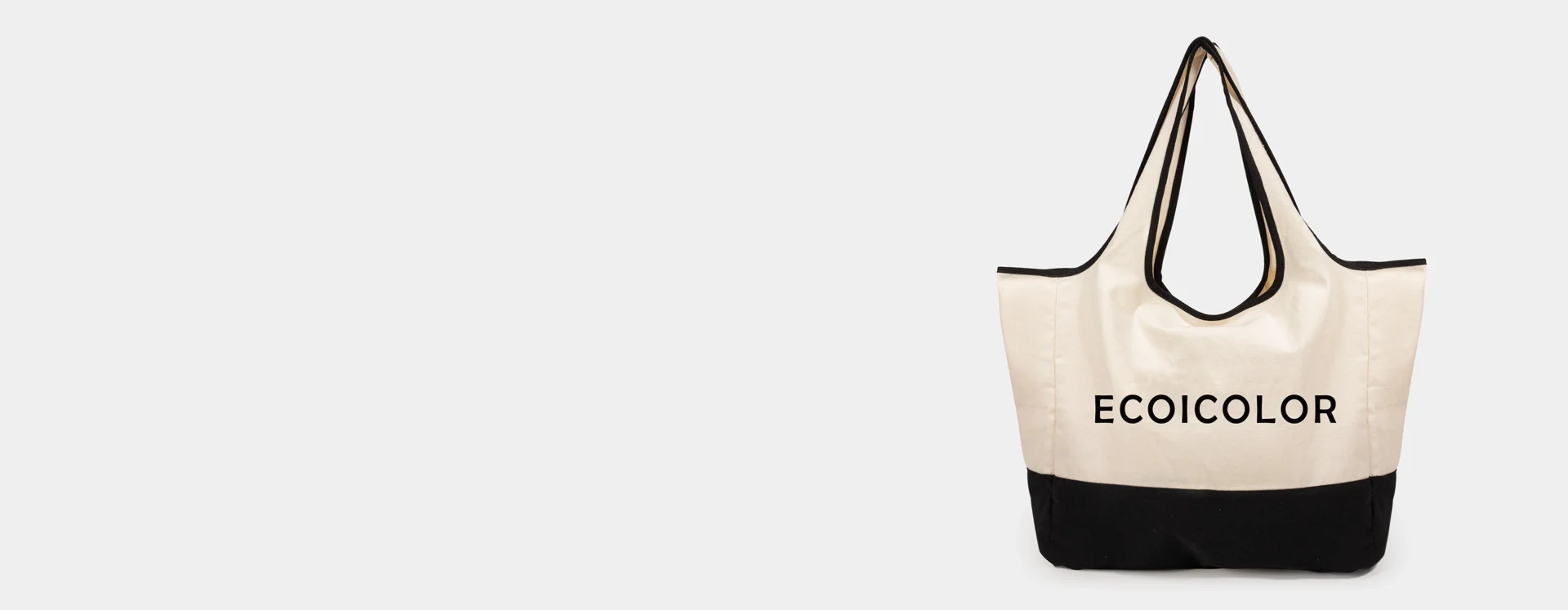
A recycled cotton tote brief should define handfeel, color tolerance, logo route, claim wording and sample approval before bulk.
Buyer Summary
This checklist helps beauty, wellness, retail, hotel, GWP and private label buyers review recycled cotton tote bag suppliers before sending an RFQ. It focuses on MOQ 500+ projects where the buyer needs a usable material route, clear logo execution, careful claim wording and sample-to-bulk control. It also helps buyers separate recycled cotton from rPET or standard canvas routes.
Quick answer
Ask the supplier to review recycled cotton material route, handfeel, color tolerance, logo method, label wording, sample approval, packing and delivery market. Do not approve a recycled cotton tote only from a material name or catalog image.
What should a recycled cotton tote supplier prove?
| Area | What to confirm | Why it matters |
|---|---|---|
| Material route | Clarify recycled cotton route, fabric handfeel, shade tolerance and available color direction. | The buyer avoids treating every recycled cotton option as identical. |
| Logo compatibility | Review screen print, embroidery, woven label, patch or heat transfer on the actual fabric. | Texture can change logo edge, thread tension and brand look. |
| Claim wording | Check what wording is supported for hangtag, product page, campaign or retail file. | Broad or unsupported wording can create compliance and trust risk. |
| Packing route | Confirm hangtag, polybag, carton mark, pack-out and retail receiving needs. | A good material choice can still fail if packing is not launch-ready. |
When recycled content is part of the buyer brief, ask what document route and wording the supplier can review. Textile Exchange GRS overview [1] is useful background for recycled material standards, but it does not make every recycled cotton tote automatically claim-ready.
Environmental wording should stay precise. FTC Green Guides [2] is useful context for avoiding broad claims that are not tied to a specific material route, document scope or buyer-approved wording.
Ask what the material route supports before using claim language on tags or product pages.
- fiber route
- document scope
- sample approval
Which supplier questions should be asked before sampling?
Material and shade
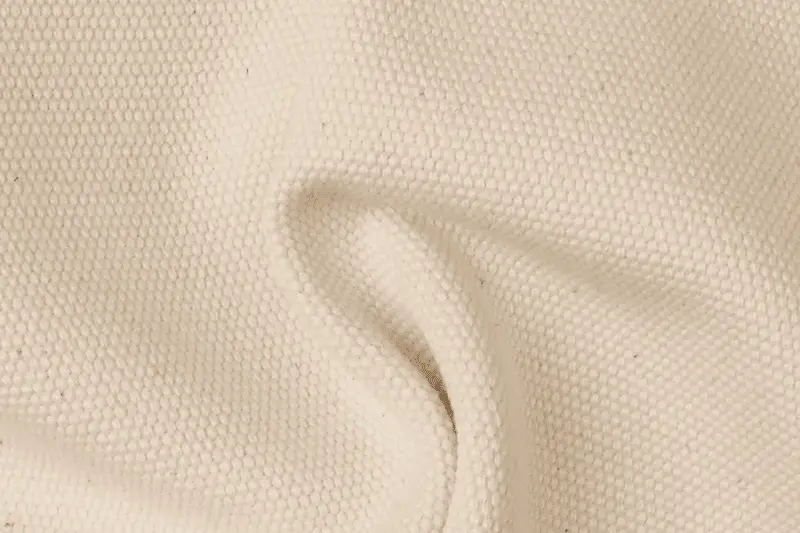
Ask whether the buyer is reviewing natural tone, dyed fabric, blend direction or available stock material.
Logo route
Ask which logo method is best for the fabric texture and whether small details need a test print.
Packing and claim
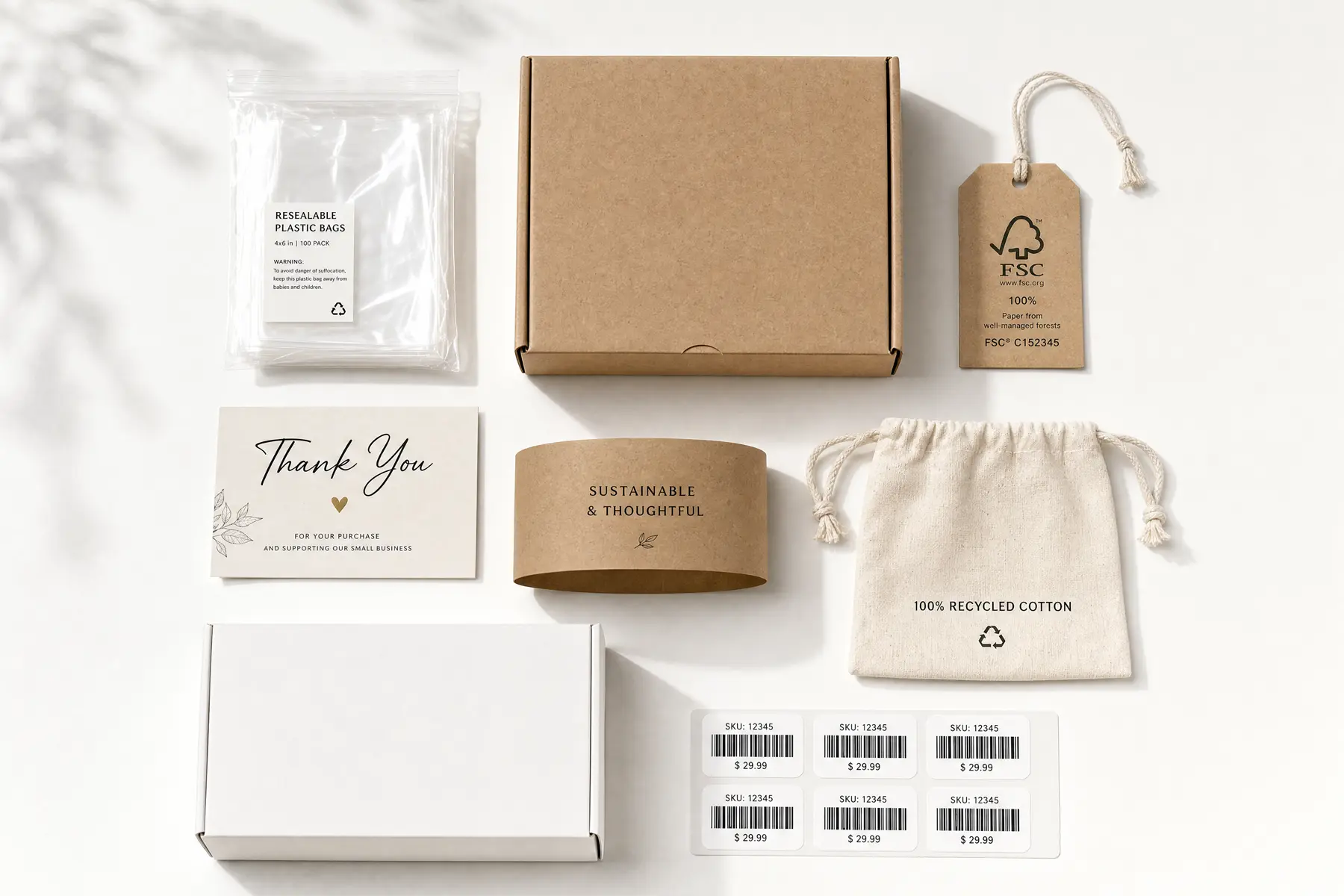
Ask whether hangtags, barcode stickers, care labels, carton marks or market-specific wording are needed.
A good supplier review should connect the buyer's commercial goal with the physical sample. MOQ, material, logo method, label files, packing and delivery market all change how the project should be quoted and approved.
How should buyers avoid recycled cotton and rPET confusion?
Recycled cotton and rPET are different sourcing routes. If a buyer also needs textile testing context, OEKO-TEX STANDARD 100 [3] may be relevant background, but it should be discussed as document support, not as a replacement for material route selection.
Fiber labeling and hangtag wording should also be reviewed when material content is shown publicly. FTC textile labeling guidance [4] is useful context for why fiber information and origin details need careful handling.
Useful internal routes for this decision include the main destination page, the supporting guide, the related customization route.
A recycled cotton tote supplier should show how the selected logo method behaves on the actual fabric.
- screen print edge
- embroidery tension
- woven label placement

Best fit and less suitable fit
Best fit: brand, GWP, retail, hotel, wellness and private label buyers planning MOQ 500+ recycled cotton tote projects with artwork, material intent, sample timing and packing needs.
Less suitable: single-piece requests, consumer gift browsing, lowest-price-only requests, or buyers who want recycled wording without reviewing material route, label wording or sample evidence.
Evidence to request before approving a recycled cotton supplier
- Exact fiber and blend declaration for the selected fabric, not only the material family name.
- A physical swatch or sample reviewed under controlled light when color matters.
- A Pantone or other agreed color reference; video should not be the sole color standard.
- A signed sample or bulk reference covering size, color, logo, labels and packing.
- Separate confirmation of certification, transaction, audit and testing scope; these documents are not interchangeable.
The supplier review should connect the material evidence to the actual RFQ, sample and order file before bulk approval.
FAQ
How should buyers choose a recycled cotton tote bag supplier?
Buyers should choose a supplier by reviewing material route, handfeel, color tolerance, logo method, sample approval, packing ability and document-scope support. A supplier that only sends catalog images may not be enough for a brand launch. For MOQ 500+ projects, the RFQ should include artwork, target market and claim direction.
Is recycled cotton the same as rPET?
No. Recycled cotton and rPET are different material routes with different handfeel, texture, logo behavior and claim wording considerations. Recycled cotton usually feels more textile-like and natural, while rPET is a recycled polyester route. Buyers should choose based on use case, brand feel, document support and sample result rather than treating both as interchangeable.
What should be checked on a recycled cotton tote sample?
Check fabric handfeel, shade tolerance, logo clarity, handle strength, stitching, gusset, packed shape, hangtag wording and carton packing. If the tote is for beauty, retail or hotel programs, fill the sample with expected contents before approval. The sample should prove both material appearance and practical use before bulk production begins.
Can Ecoicolortote support claim wording for recycled cotton totes?
Ecoicolortote can review material route and buyer wording for a specific project, but claim support depends on the chosen material, supplier route, document scope and final wording. Buyers should send intended hangtag, website or retail language before sampling. Broad wording should not be assumed across all projects or all recycled cotton options.
What MOQ applies to recycled cotton tote bag projects?
MOQ 500+ is the standard B2B starting point. Exact feasibility can depend on fabric availability, color direction, logo method, packing requirement and whether the buyer needs special label or document review. If the buyer is willing to use available stock material, say so in the brief because that can change the sample route.
Which logo methods work on recycled cotton totes?
Screen print, embroidery, woven labels, patches and heat transfer can all be possible depending on texture, artwork detail and brand look. Recycled cotton fabric may have more visible texture than some smooth synthetic routes, so fine lines, small text and dense colors should be sampled. The supplier should recommend the logo route after seeing artwork.
Who should use this supplier checklist?
This checklist is best for B2B buyers sourcing recycled cotton totes for GWP, wellness, retail, hotel, private label or event projects with MOQ 500+ and real brand requirements. It is not for consumer one-off orders, no-brand resale, vague eco claims or buyers unwilling to review material route and sample evidence.
Trademark and certification note
Third-party standards, certification names, barcode systems, carrier references and government guidance belong to their respective organizations. Ecoicolortote can review document routes and artwork wording for a specific project, but these references should not be treated as automatic claims for all materials, products, labels or orders.
Sources
- Textile Exchange Global Recycled Standard overview for recycled material route context. ↩
- FTC Green Guides page for environmental claim wording discipline. ↩
- OEKO-TEX STANDARD 100 overview for textile testing document context. ↩
- FTC textile labeling guidance for fiber content, origin and responsible-party context. ↩
About the Author
 | Zoe Yu is Sales Manager at Ecoicolortote. She helps overseas brand, retail, hospitality and event buyers review custom tote bag material routes, logo methods, MOQ feasibility, sample approval, packing requirements and bulk delivery planning before production. |