

 Zoe Yu
 White label tote bags and private label tote bags are often mixed together in buyer briefs, but they are not the same sourcing route. A buyer asking for a logo on an available tote base needs a different review from a buyer planning SKU codes, hangtags, barcodes, carton marks and repeat retail orders.
Send Project Brief Request Route Review Ask for Sample Plan
White label can work when the buyer accepts available material and a standard tote base; private label fits buyers who need SKU, packaging and reorder control.
Buyer Summary
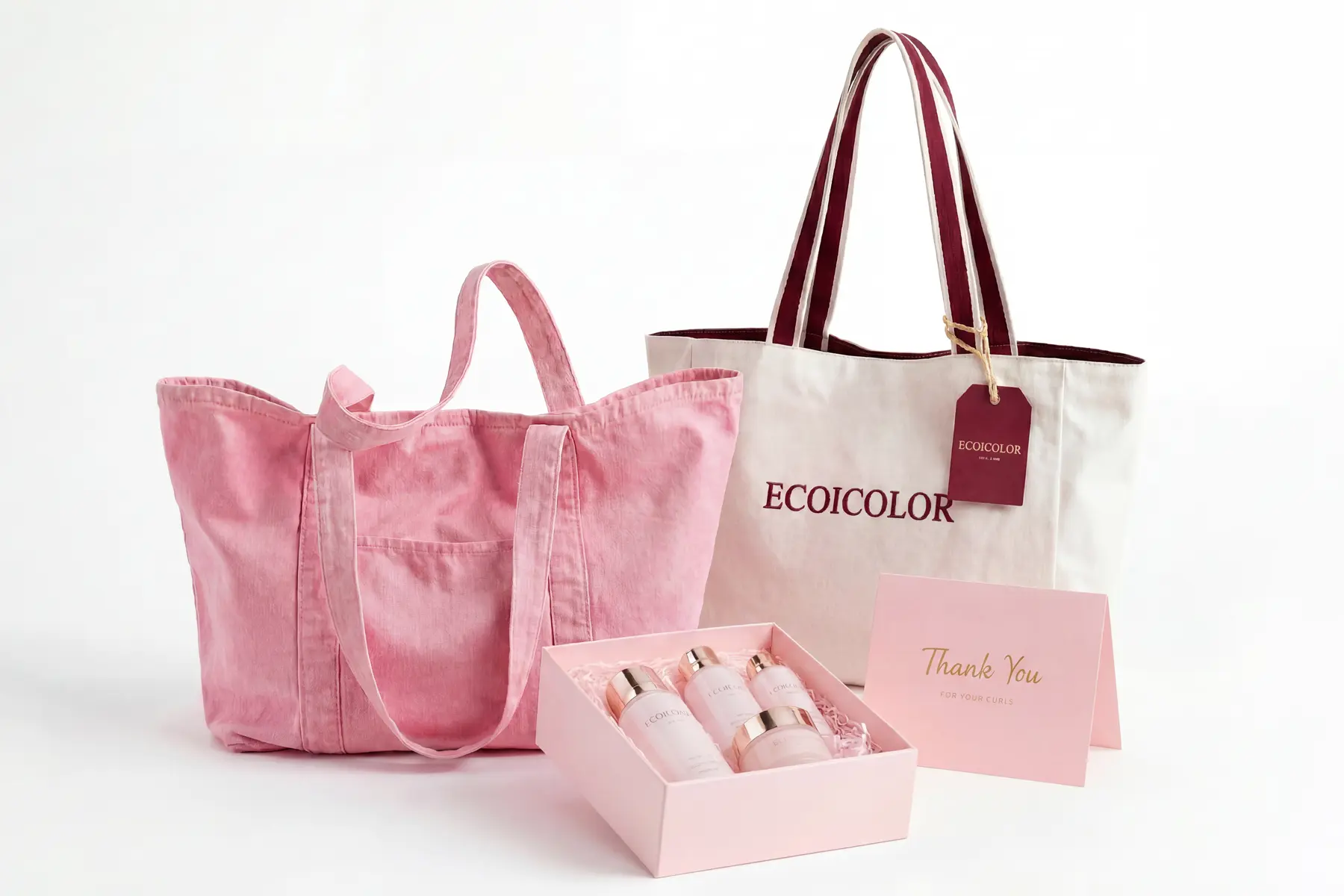
This guide is for B2B buyers comparing white label and private label tote bag routes before they send an RFQ. It explains when a simpler stock-material or standard-base approach can be enough, and when the buyer should choose a fuller private label route with SKU, label, packaging, sample approval and reorder control. It is written for MOQ 500+ brand, retail, GWP, hotel and DTC projects.
Quick answer
Use white label when the buyer is willing to use available material, a standard tote base and limited artwork changes. Use private label when the buyer needs SKU control, custom packaging, label files, barcode planning, market-specific cartons, repeat ordering or a more controlled brand program.
How is a white label tote route different from private label?
| Area | What to confirm | Why it matters |
|---|---|---|
| White label route | Available or standard tote base, buyer logo, simple packing and limited file changes. | Faster review when the buyer accepts existing material and construction choices. |
| Private label route | Buyer-controlled SKU, material, logo method, label, hangtag, barcode, packing and reorder rule. | Better fit for retail, DTC, hotel, GWP and replenishment programs. |
| Hybrid route | Standard tote body with custom label, color, packaging or carton mark. | Useful when the buyer needs some control but does not want full development. |
| Not a fit | Single-piece, no-brand, price-only or consumer gift requests. | These requests do not match the B2B MOQ 500+ sourcing route. |
Textile labels and hangtags should not be improvised after the tote body is chosen. FTC textile labeling guidance [1] is useful context for why fiber content, origin and responsible-party details need accurate handling.
If the tote becomes a private label retail item, SKU and barcode discipline matter. GS1 barcode guidance [2] helps explain why product identification should be planned before sample or packing approval.
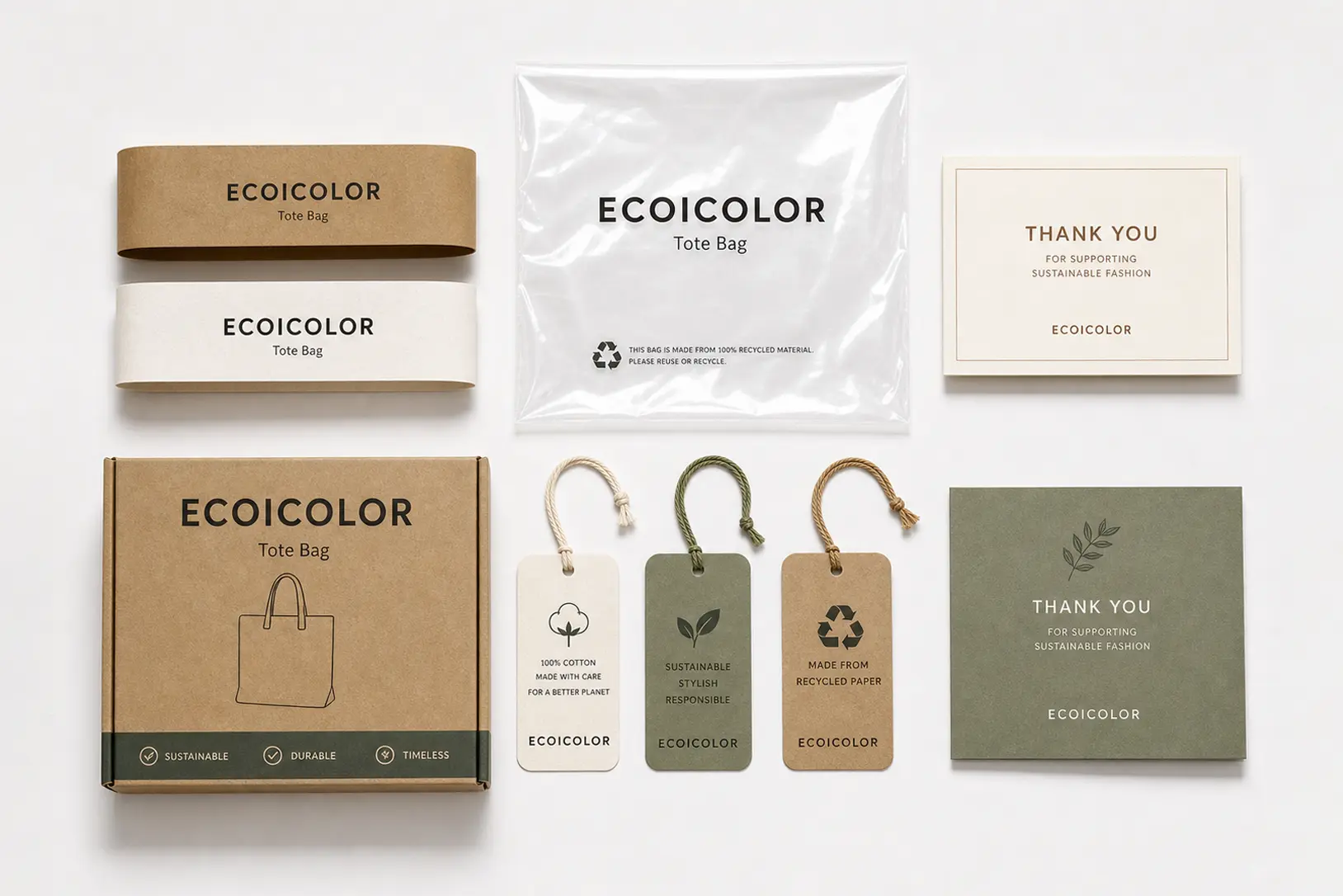
SKU, hangtag, barcode and carton data should be reviewed before production artwork is locked.
- SKU map
- hangtag and barcode file
- reorder naming rule
When does a buyer need private label control?
Retail SKU route
Choose private label when the tote needs item codes, barcode files, hangtags, carton labels or store receiving instructions.
Reorder route
Choose private label when the same tote may repeat by color, season, market or SKU and must stay consistent.
Brand pack-out route
Choose private label when the tote is part of a GWP, hotel welcome kit, DTC shipment or gift set pack-out.
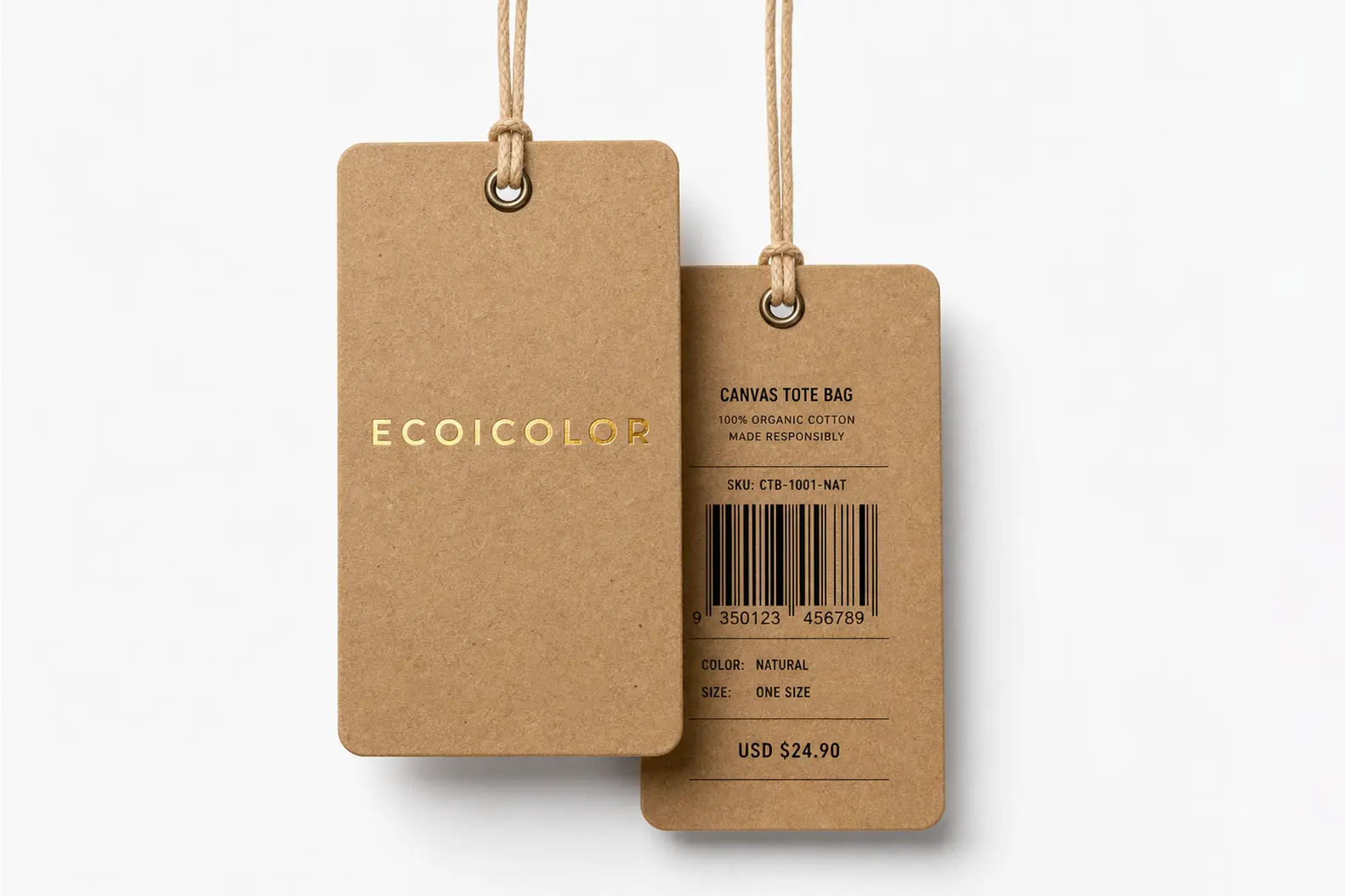
A good supplier review should connect the buyer's commercial goal with the physical sample. MOQ, material, logo method, label files, packing and delivery market all change how the project should be quoted and approved.
What should buyers send for each route?
For U.S.-bound projects, country marking and import labeling should be reviewed before packaging is locked. CBP marking guidance [3] is useful background, while the exact label wording still depends on the final product and buyer route.
If environmental wording appears on a tag, product page or campaign claim, keep the claim specific. FTC Green Guides [4] is a reminder that broad material claims should be supported by project-specific evidence and wording.
Useful internal routes for this decision include the main destination page, the supporting guide, the related customization route.
A tote that enters retail, hotel or GWP distribution needs more than a logo quote.
- packing ratio
- label placement
- carton mark
Best fit and less suitable fit
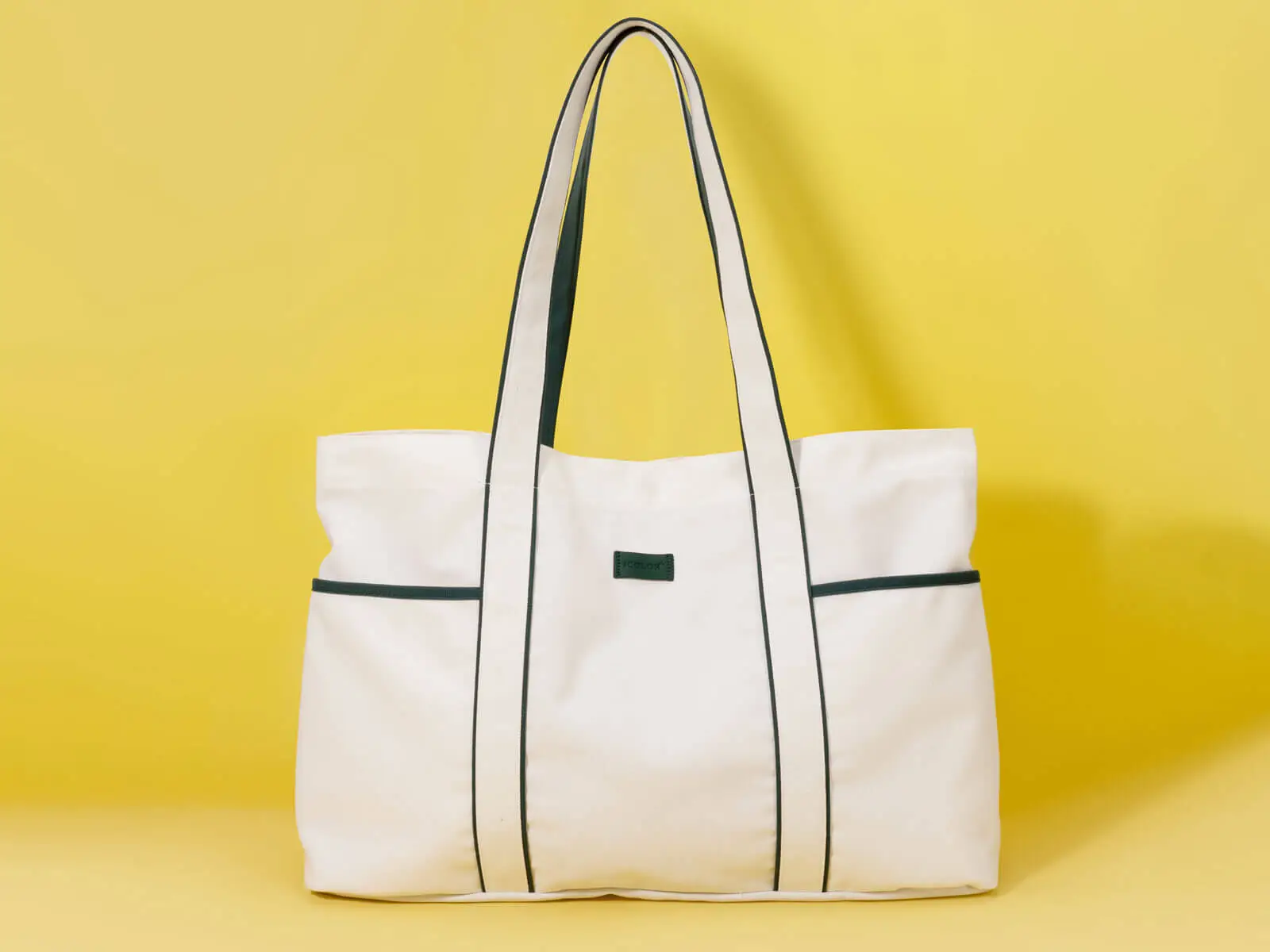
Best fit: brand, retail, DTC, hotel, GWP and private label buyers planning MOQ 500+ tote programs with real artwork, delivery market, SKU or packaging needs.
Less suitable: single-piece requests, no-brand consumer gifts, price-only sourcing, below-MOQ requests that refuse review, or buyers unwilling to share artwork, quantity or target launch details.
Decide the route before sampling
Use a white-label route when the buyer can accept an existing base construction with limited brand changes. Use a private-label route when the RFQ must control material, size, logo process, labels, SKU or color versions, packaging and repeat-order references. Freeze that choice before sampling so the quotation, approval files and production reference describe the same route.
FAQ
Are white label tote bags the same as private label tote bags?
No. White label usually means the buyer accepts an available or standard tote base with limited customization, such as logo placement or simple packing. Private label usually means the buyer controls more of the product route, including SKU, material direction, labels, packaging, carton data and repeat order consistency. The correct route depends on launch risk, not only price.
When is a white label tote bag route enough?
A white label route can be enough when the buyer accepts available stock material, a standard tote size, limited logo changes and straightforward packing. This can support a faster review if the buyer does not need custom SKU systems, special hangtags, retailer labels or market-specific carton rules. The buyer should still approve a sample before bulk production.
When should a buyer choose a private label tote route?
Choose a private label route when the tote is part of a retail SKU, DTC launch, GWP pack-out, hotel program, event kit or repeat seasonal order. These projects usually need stronger control of artwork files, labels, barcode data, packing ratio, carton marks and sample approval. A private label route protects future reorders better than a simple logo-only route.
Does private label always mean fully custom material?
Not always. A private label project can still use available material if the buyer is willing to accept that route and the material fits the brand brief. The difference is that the buyer also needs stronger control of SKU, packaging, labels, artwork approval and reorder data. Stock material flexibility should be stated clearly in the RFQ.
What is the MOQ for these tote routes?
Ecoicolortote uses MOQ 500+ as the standard B2B starting point. The exact route can depend on material, size, color split, logo method, packing and whether the buyer needs custom labels or SKU-level control. A buyer who wants many versions under one total quantity should explain the split early so feasibility can be reviewed.
What should a buyer include in a private label tote RFQ?
A useful private label RFQ should include quantity range, target delivery country, use case, tote size, material direction, logo file, label or hangtag needs, barcode or SKU data, packing method, carton mark rules and launch window. These details help Ecoicolortote quote the route without guessing whether the request is logo-only or private label.
Who should not use this guide?
This guide is not for one-piece custom gifts, no-brand consumer shopping, marketplace-style low-price browsing or buyers who cannot share real project details. It is written for B2B teams planning MOQ 500+ tote programs where route choice, artwork control, packing, sample approval and repeat production matter before quotation and reorder planning.
Trademark and certification note
Third-party standards, certification names, barcode systems, carrier references and government guidance belong to their respective organizations. Ecoicolortote can review document routes and artwork wording for a specific project, but these references should not be treated as automatic claims for all materials, products, labels or orders.
Sources
About the Author
 | Zoe Yu is Sales Manager at Ecoicolortote. She helps overseas brand, retail, hospitality and event buyers review custom tote bag material routes, logo methods, MOQ feasibility, sample approval, packing requirements and bulk delivery planning before production. |