Zoe Yu
 Recycled cotton tote bags are often considered for beauty GWP launches, wellness gifts, corporate gifting and retail projects because they can offer a softer natural feel and a recycled story. From our factory side, recycled cotton should be discussed as a material route and claim scope, not as automatic proof that the whole finished tote is fully sustainable.
Buyer Summary
- Best for: beauty GWP, wellness, corporate gifting, retail private label and brand campaign buyers sourcing custom recycled cotton tote bags from 500 pcs per style.
- Main decision: confirm whether recycled cotton blend, handfeel, color variation, logo result and claim scope fit the project better than rPET, canvas, organic cotton or bamboo fiber.
- Factory-side note: recycled cotton is often a blend; recycled content percentage, document scope and marketing wording should be checked before sampling.
- What to prepare: use case, quantity, size, target recycled content if any, fabric weight, handfeel target, logo file, packaging plan, claim wording and launch date.
What is the quick answer for recycled cotton tote bag projects?
Recycled cotton can be a strong route for beauty GWP, wellness and corporate brand projects when the buyer wants a natural-feel tote with a clearer material story than conventional cotton. Buyers should still confirm recycled content percentage, blend, handfeel, color variation, logo process, packaging, document scope and sample approval before bulk production.
A recycled cotton tote can feel soft, natural and brand-appropriate, but it is not automatically the cheapest or simplest material. The same broad material name can cover different blends, weights, surface textures and document routes. That is why the physical sample and claim wording should be approved together.
Best fit for this recycled cotton tote guide
This guide is best for brand buyers who already have a real project brief and need to decide whether recycled cotton is the right material route before quote, sample or bulk production.
It fits projects where blend percentage, fabric weight, handfeel, color variation, logo process and recycled-claim document scope affect the sample, final cost, approval path or delivery plan. It is especially useful for beauty GWP, wellness, corporate gifting and retail private label teams comparing more than one supplier.
Use it when the project involves custom logo work, packaging, buyer-side approval records, retail or campaign deadlines, and a clear handoff to production. If the buyer can provide files, target quantity, destination market and sample expectations, Ecoicolortote can respond with fewer assumptions.
How does this guide differ from the material guide and recycled cotton category page?
The general tote material guide helps buyers compare rPET, recycled cotton, cotton canvas, organic cotton, bamboo fiber and vegan leather. The recycled cotton category page is closer to product and sourcing routes. This guide is narrower: it explains how recycled cotton projects should confirm blend, handfeel, color, logo result, claim scope and physical sample risk.
Which beauty GWP and wellness projects use recycled cotton tote bags most often?
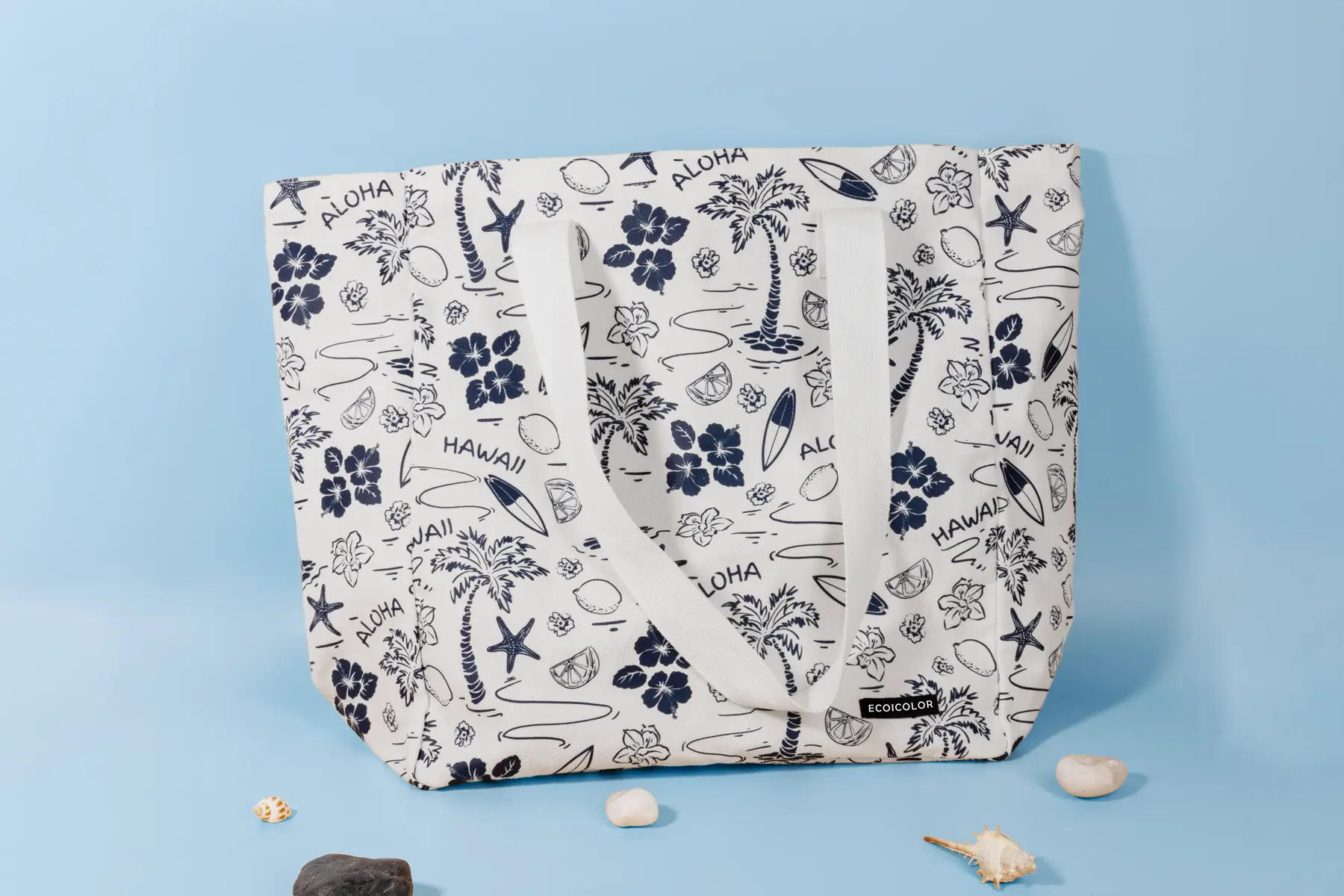
Recycled cotton is often considered when a beauty GWP, skincare launch kit or wellness gift needs a softer material story without moving into a more premium organic cotton route.
It can also fit corporate gifting, retail private label and event giveaways when the buyer wants a natural texture and a recycled-content message. The key is not only the material name. Buyers should confirm whether the tote must carry products, work as a gift, support a retail label, or communicate a claim on packaging.
| Project type | Why recycled cotton may fit | What must be checked |
|---|---|---|
| Beauty GWP launch kit | Soft natural feel, gift value, recycled story | Blend, logo contrast, packaging and claim wording |
| Wellness gift | Calm texture and lower-key branding | Handfeel, natural tone and document scope |
| Corporate gift | Practical tote with explainable material route | Quantity, logo process and cost route |
| Retail private label | Natural-feel tote with stronger product finish | Label system, repeat-order consistency and tolerance |
| Event giveaway | Softer feel than some synthetic routes | Budget, carton volume and print clarity |
What do buyers often misunderstand about recycled cotton claims?
Buyers often assume recycled cotton means 100% recycled cotton, a lower price, a stronger eco claim or automatic certification. None of those assumptions should be made without checking the material route and document scope.
What recycled cotton blend questions should buyers ask first?
The first question is not simply whether the tote is recycled cotton. The buyer should ask what percentage is recycled, what it is blended with, what fabric weight is proposed, what handfeel is expected and what document support is available.
| Buyer asks | Need to confirm |
|---|---|
| Is it recycled cotton? | Recycled content percentage and blend. |
| Is it 100% recycled? | Whether the fabric is 100% recycled or blended. |
| Can we claim recycled? | Claim wording and document scope. |
| Will it feel natural? | Handfeel, texture and sample approval. |
| Can it be dyed? | Color route, batch tolerance and MOQ. |
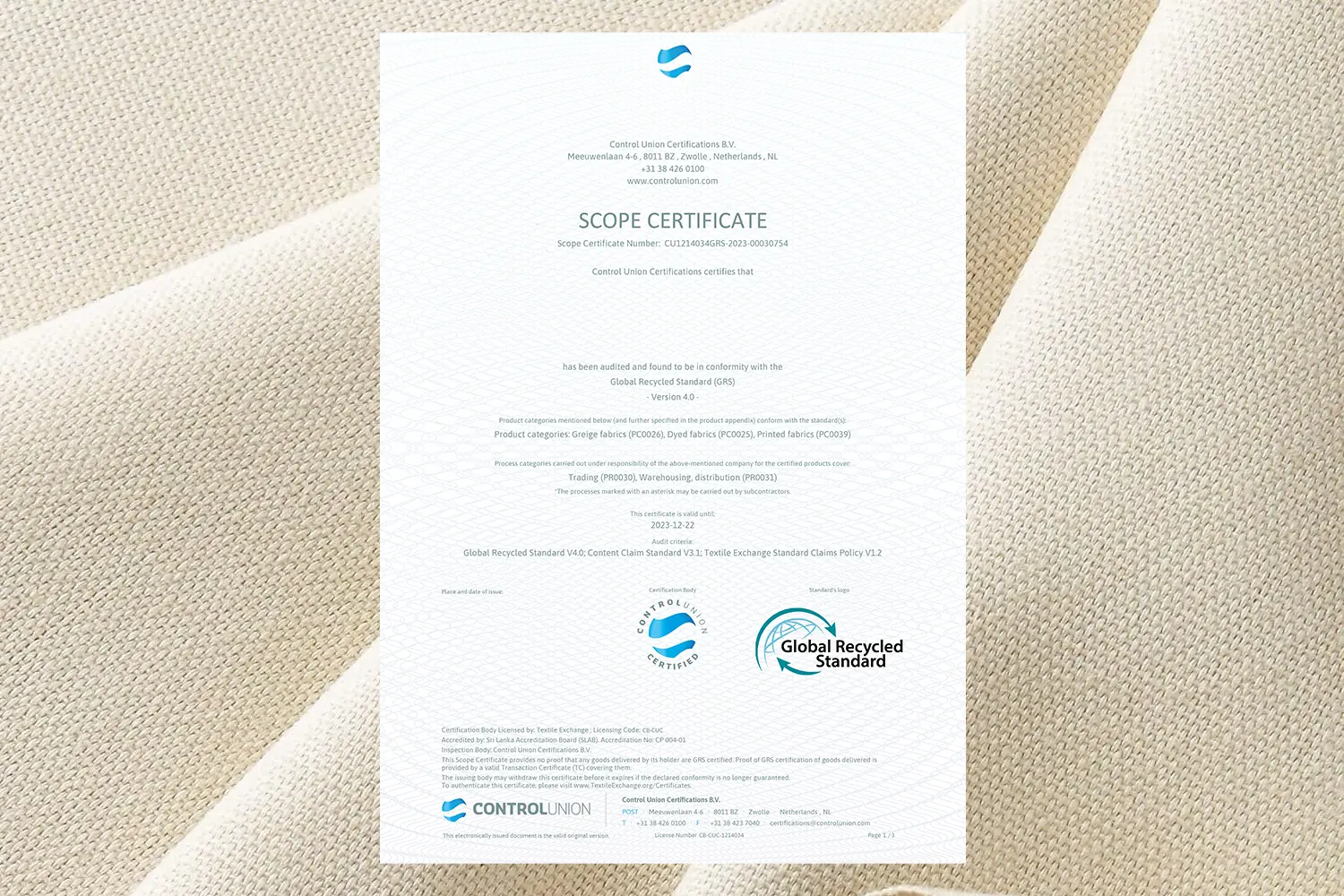
For recycled-content standards, the buyer should clarify whether the project needs material-level support, chain-of-custody documentation or a specific claim framework such as GRS or RCS2. Buyer teams can also use Textile Exchange preferred-material resources5 to understand why broad material names need project-level confirmation.
How does recycled cotton handfeel and texture vary?
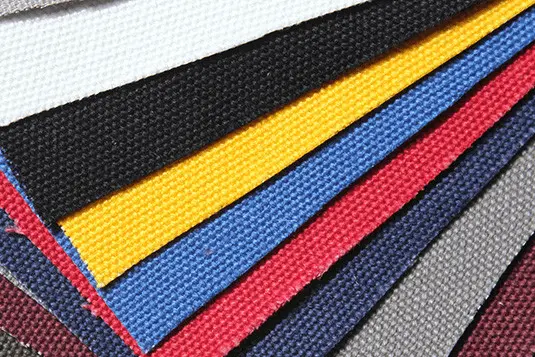
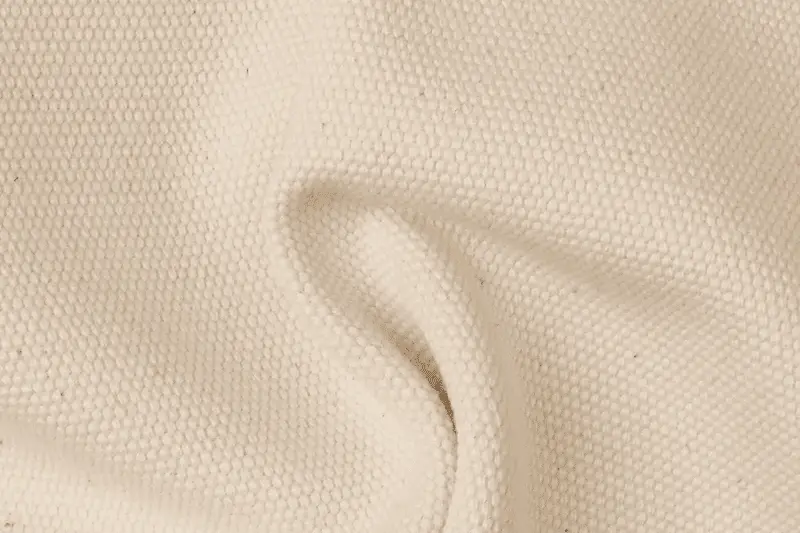
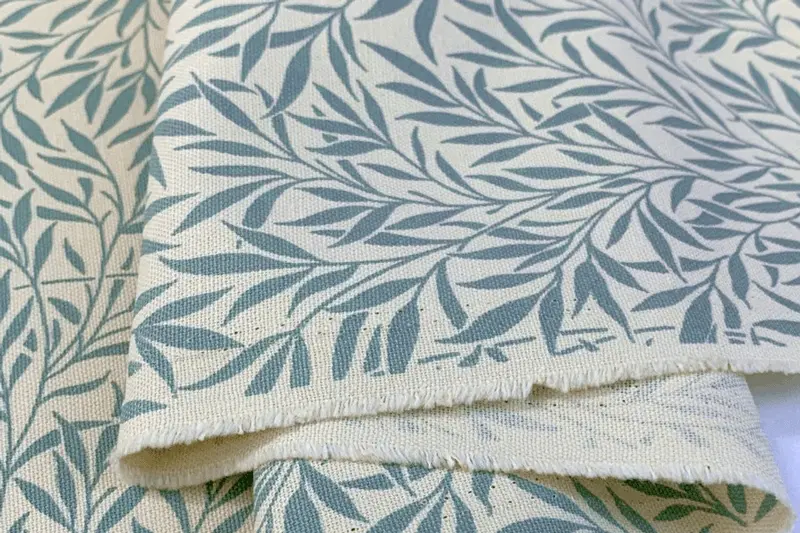
Recycled cotton may feel softer, more textured, more melange or more natural than some smooth synthetic routes. That can be attractive for beauty GWP and wellness gifts, but it can also create visible texture that affects clean white looks, high-precision logo work or very uniform color expectations.
Natural-fiber and recycled-content fabrics may show normal variation in tone, texture and handfeel, so approval should be based on agreed sample and production tolerance. Buyers should touch the material, check real product fit, review logo behavior and approve packaging wording before bulk production.
How does logo printing perform on recycled cotton?
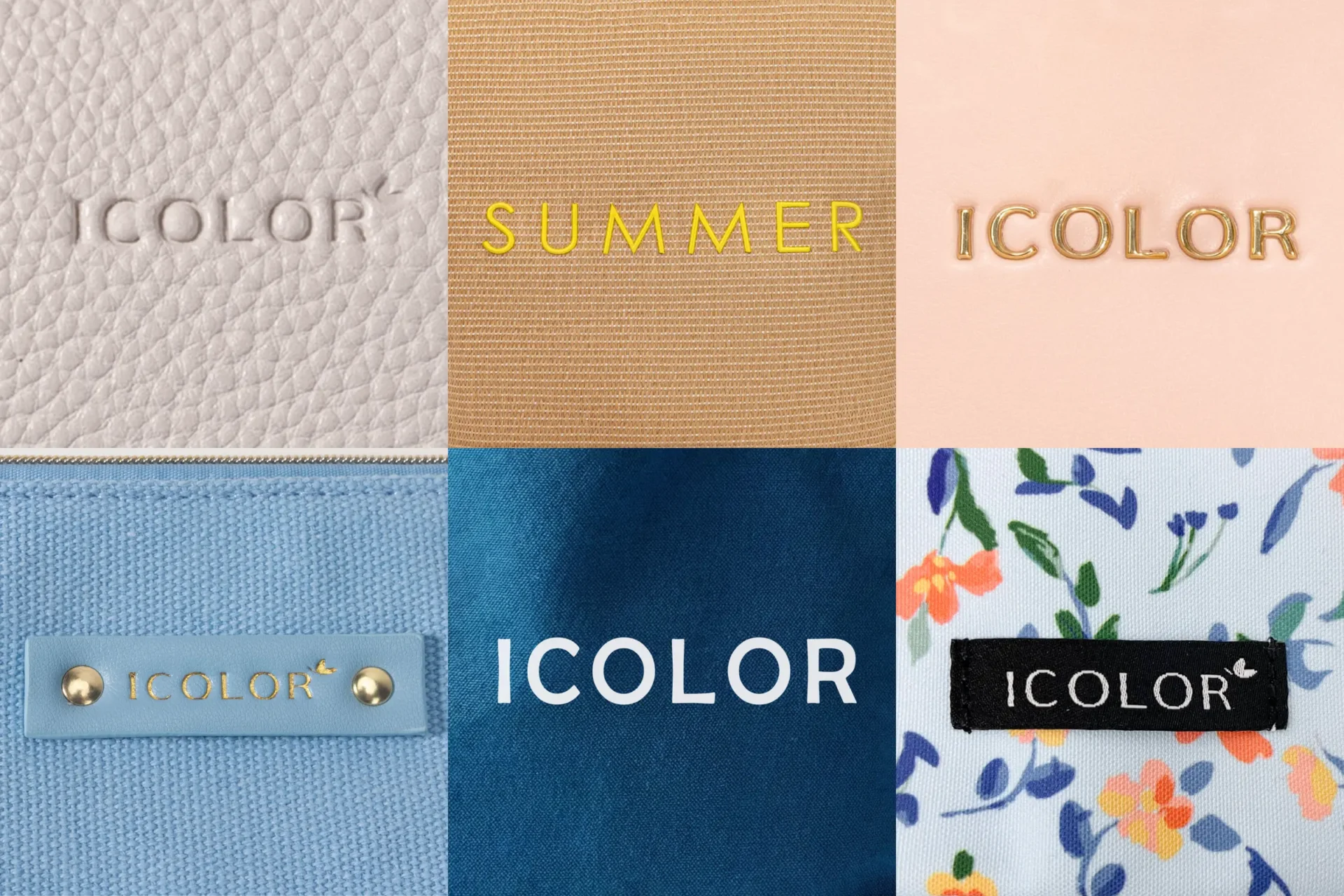
Logo approval on recycled cotton should be based on physical sample, not only a digital mockup. Screen printing, embroidery, woven labels, patches and simple heat transfer can all work, but fine lines, small text, low-contrast colors and large artwork should be checked against the real fabric surface.
| Logo route | Works well when | Risk to sample |
|---|---|---|
| Screen printing | Logo is simple and contrast is clear | Texture may affect edge clarity. |
| Embroidery | Logo is small, bold and premium | Soft fabric may wrinkle or distort fine detail. |
| Woven label | Brand wants a clean small detail | Label position and sewing should be reviewed. |
| Patch | Project needs stronger branded detail | Patch material and stiffness must match the tote. |
| Heat transfer | Artwork needs more color detail | Handfeel and edge behavior should be checked. |
How should buyers approve recycled cotton color and batch variation?
Recycled cotton color approval should be handled carefully when the project uses natural tones, dyed fabric, dark logos or visible melange texture. The buyer should not expect every recycled cotton batch to look completely identical unless tolerance has been discussed and approved by sample.
For dyed routes, color communication and lab dip approval may be needed before bulk. Color references should be treated as production controls, not as screen-only expectations. If the project is tied to a launch window, color approval should happen before packaging and claim files are locked.
What recycled cotton claim wording is safe for marketing?
Safe wording depends on the material route, recycled percentage, supplier document, packaging, destination market and buyer checklist. The finished tote, the fabric, the hangtag and the marketing copy may not all have the same document scope.
The document scope depends on material route, supplier chain, order details, packaging and buyer requirement. It should be confirmed before sampling when the claim will appear in marketing, retail material, hangtags, paper cards or internal procurement documents.
| Claim area | What to confirm | Why it matters |
|---|---|---|
| Material claim | Recycled cotton percentage and blend | Prevents overstatement. |
| Finished product claim | Whether the claim applies to the whole tote | Fabric, trims and labels may differ. |
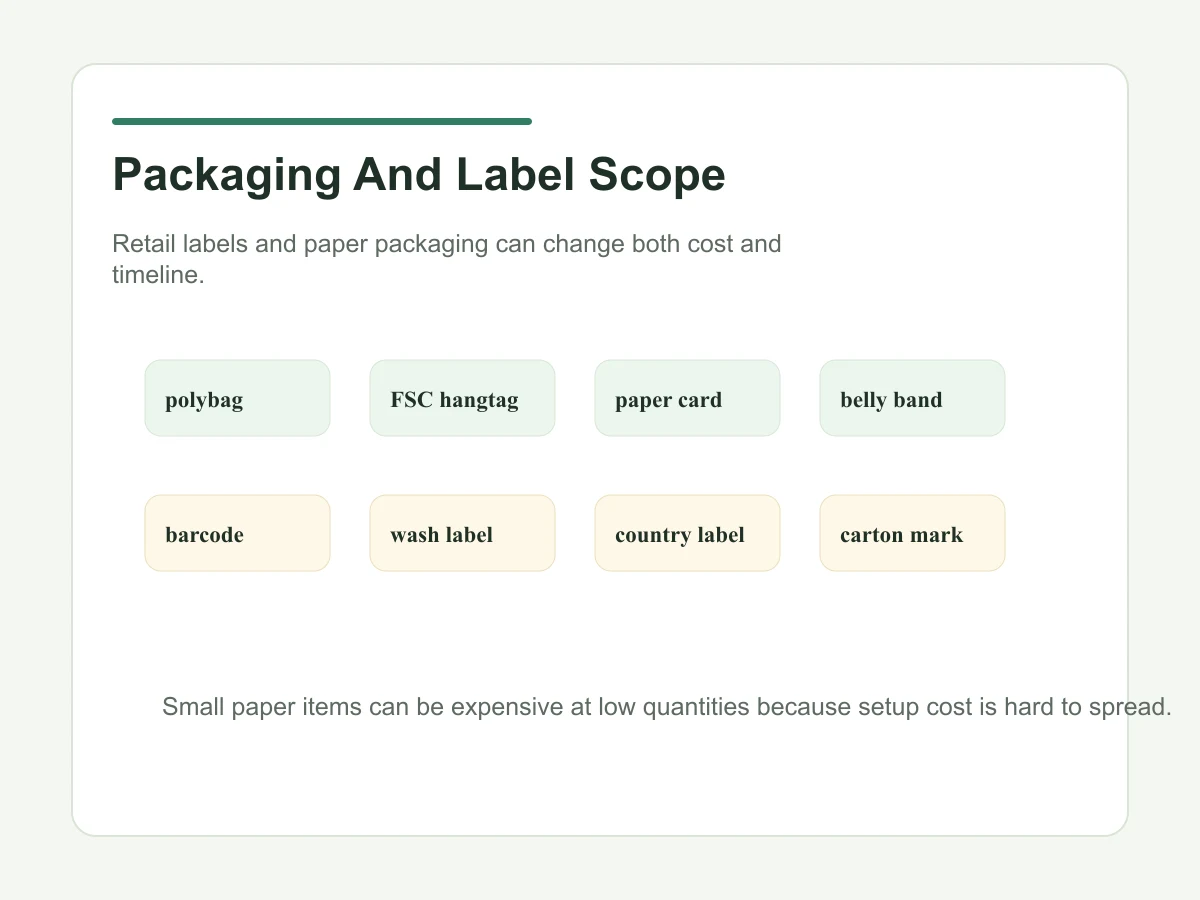
| Packaging claim | Paper card, FSC or recycled-content package scope | Packaging should not borrow fabric claims; FSC3 applies to relevant paper and forest-based scope. |
| Retail wording | Buyer checklist and market requirements | Retail claims need careful review. |
| Factory audit | Supplier audit or social responsibility requirement | Audit scope is separate from material claim; frameworks such as amfori BSCI4 relate to social compliance. |
How should recycled cotton samples be approved before bulk production?
Sample approval should include handfeel, fabric weight, color, logo result, texture, product fit, packaging and claim wording if the claim appears on a hangtag, paper card or campaign brief.
If the buyer also has restricted-substance or product-safety requirements, references such as OEKO-TEX STANDARD 1006 should be checked against the actual material and order scope. The approved physical sample should become the reference for bulk production, not only a visual direction.
Less suitable fit for recycled cotton tote projects
Recycled cotton is less suitable when the buyer needs a perfectly clean white base, very high-precision fine-line artwork, exact color repeatability, confirmed 100% recycled wording or an extremely fast lowest-price order.
Two verified recycled cotton order routes
Pantone confirmation for a 1,000-piece 100% recycled cotton tote
Project record: In September 2025, a US skincare brand approved one 1,000-piece SKU in 100% recycled cotton. The color-block tote measured 54 cm at the top, 40 cm at the base, H36 × D15 cm, with long shoulder handles, screen-printed branding and individual packing.
Problem: Video review changed with lighting, camera angle and screen settings, so it could not serve as the color standard.
Correction: The buyer supplied the Pantone reference. Video was then used only to show structure and overall appearance against the agreed color reference. The sample was approved and the order was placed.
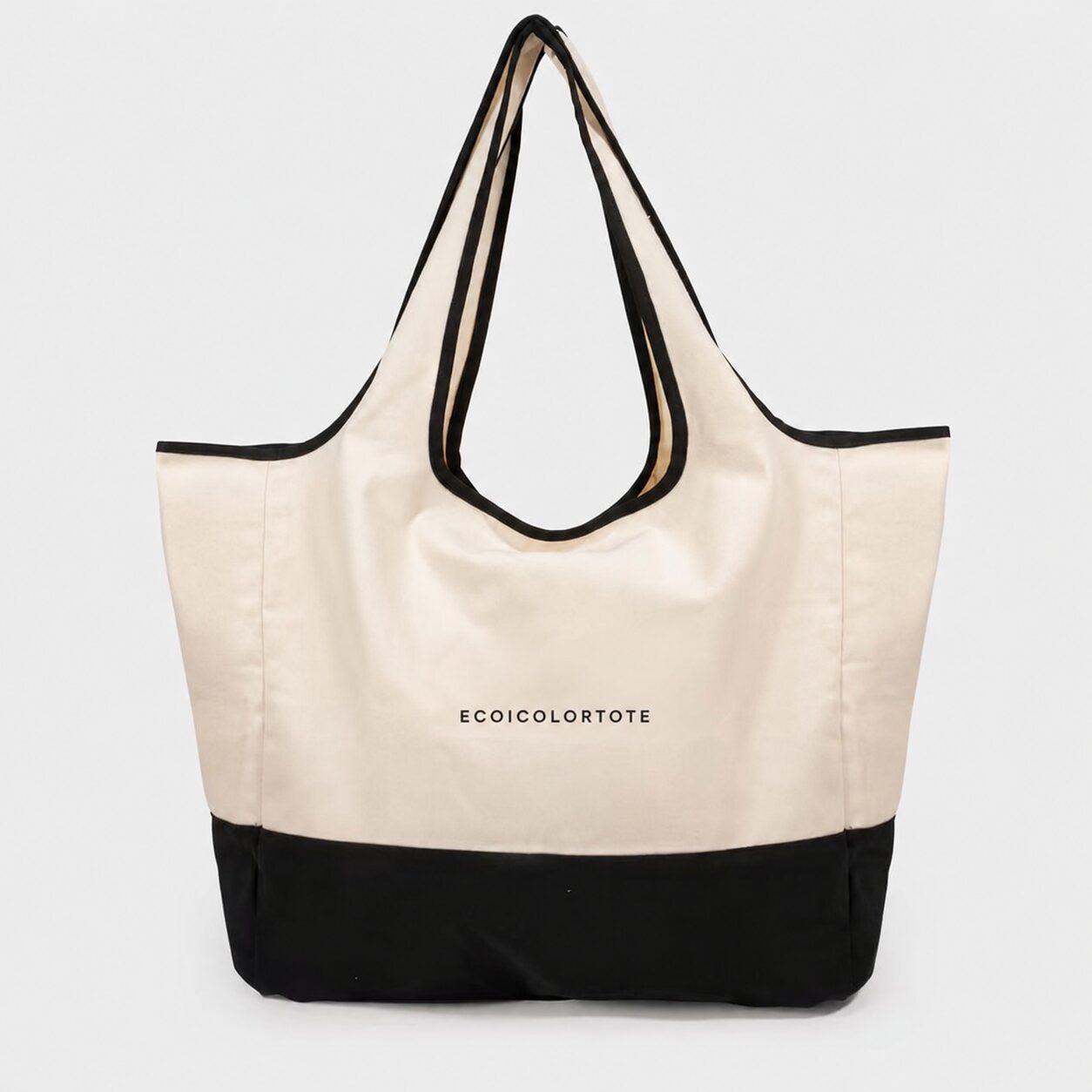
Factory-side lesson: a video can support visual review, but the RFQ should lock Pantone plus a physical swatch or approved sample when color matters.
Capacity testing without the buyer's skincare products
Project record: In January 2026, a German skincare brand approved one 1,000-piece tote SKU in 47.3% recycled cotton, 35.8% polyester and 16.9% viscose. The tote measured L35.5 × W15 × H37.5 cm, with handles, a natural greige body, patch label and individual packing.
Problem: The buyer's products were not available at the factory, so capacity and filled shape could not be tested with the actual items.
Correction: The buyer supplied each product dimension. Dimension-equivalent paper boxes were made and used to test the opening, capacity and filled shape. The sample was approved and the order was placed.
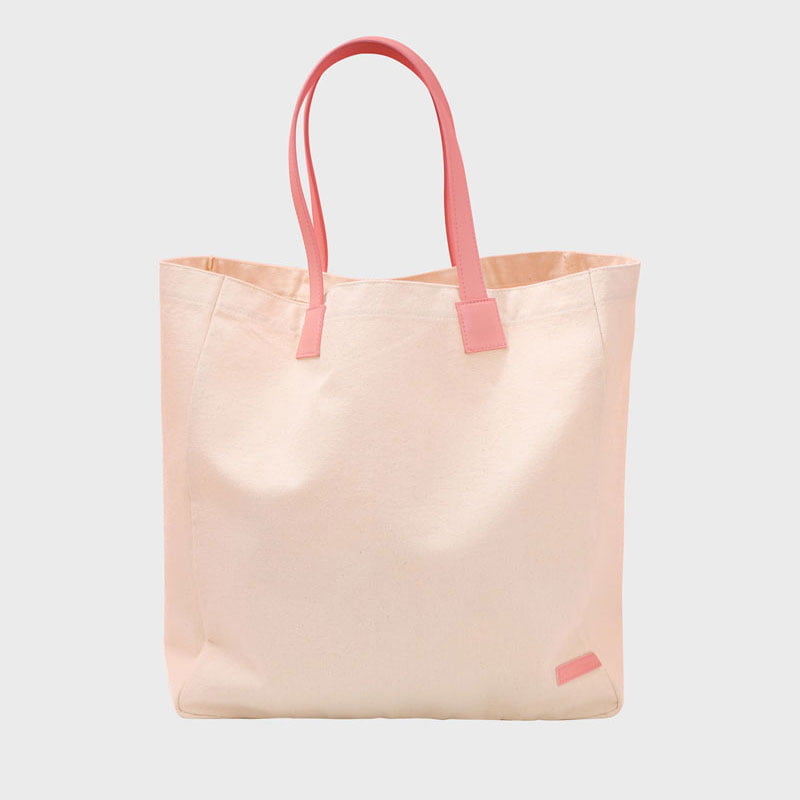
Factory-side lesson: when the actual products are unavailable, capacity should be checked with dimension-equivalent test boxes and a visible filled-use record rather than guessed from nominal bag dimensions.
What MOQ, sample timing and cost should buyers expect?
At MOQ 500 pcs per style, a practical recycled cotton tote usually starts with one size, one or two colors, one main logo process, basic packaging and clear material claim scope.
Exact recycled percentage, special dyed color, retail packaging, paper card, formal certification requirement or complex logo can increase sample work, cost and timing. Sample timing is confirmed after the material, construction, logo method, artwork, packaging and approval scope are clear; the working schedule also depends on revision speed and current capacity.
What should buyers send before asking for a recycled cotton quote?
Buyers should send the use case, quantity, size, expected recycled cotton percentage if any, fabric weight or handfeel target, logo artwork, packaging requirement, claim or document requirement and target delivery date.
If the buyer is not sure whether recycled cotton is the right route, share the campaign goal first. Ecoicolortote can compare recycled cotton with rPET, cotton canvas, organic cotton or bamboo fiber before sampling, especially when artwork, packaging or document requirements may change the project route.
FAQ: Recycled cotton tote bags
Are recycled cotton tote bags always 100% recycled cotton?
No. Many recycled cotton tote bags use a blend, and the blend may include recycled cotton, virgin cotton, polyester or other fibers depending on the supplier route. Buyers should ask for the recycled content percentage, fabric composition, available documents and claim scope before using recycled wording in packaging, retail copy or campaign material.
Are recycled cotton tote bags good for beauty GWP projects?
Recycled cotton can be a good fit for beauty GWP projects when the brand wants a soft, natural-feel tote with a recycled material story. It works best when the product set, logo contrast, handfeel, packaging and claim wording are checked before sampling. If the artwork is very detailed or color-sensitive, rPET or another material may be easier.
What should buyers confirm before requesting a recycled cotton tote quote?
Buyers should confirm the use case, target size, quantity, material direction, desired recycled content if any, fabric weight, logo file, packaging method, destination market, delivery deadline and required documents before asking for final pricing. These details affect sample work, quote scope, approval timing, claim wording, packing instructions and supplier comparison.
Can recycled cotton tote bags use screen printing or embroidery?
Yes. Recycled cotton can work with screen printing, embroidery, woven labels, patches and some heat transfer routes. The best process depends on logo size, artwork detail, fabric texture, color contrast and budget. Buyers should approve the logo on the real material because recycled cotton texture can affect edge clarity, small text and embroidery tension.
Can buyers make sustainability claims on recycled cotton totes?
Claims should match the actual material, recycled percentage, supplier documents, order scope, packaging and destination market. A fabric-level recycled claim is not always the same as a finished-product claim. Buyers should avoid broad sustainability wording unless the project has supporting documents and the claim language has been checked before hangtags or paper cards are printed.
What lead time should buyers plan around?
Sample timing is confirmed after the material, construction, logo method, artwork, packaging and approval scope are clear; the working schedule also depends on revision speed and current capacity. Bulk production timing depends on material availability, order quantity, logo process, packaging, document checks and launch schedule.
When should buyers contact Ecoicolortote?
Contact Ecoicolortote before sampling if your team needs to compare recycled cotton with rPET, canvas, organic cotton or bamboo fiber, or if blend percentage, logo result, packaging, claim wording or launch timing may affect the production route. A clear first brief helps reduce avoidable sample revisions and late approval changes.
Share quantity, size, desired handfeel, recycled content expectation, logo artwork, packaging requirement and claim wording. Ecoicolortote can help check whether recycled cotton is the right route before sample development. Start a recycled cotton tote review.