Zoe Yu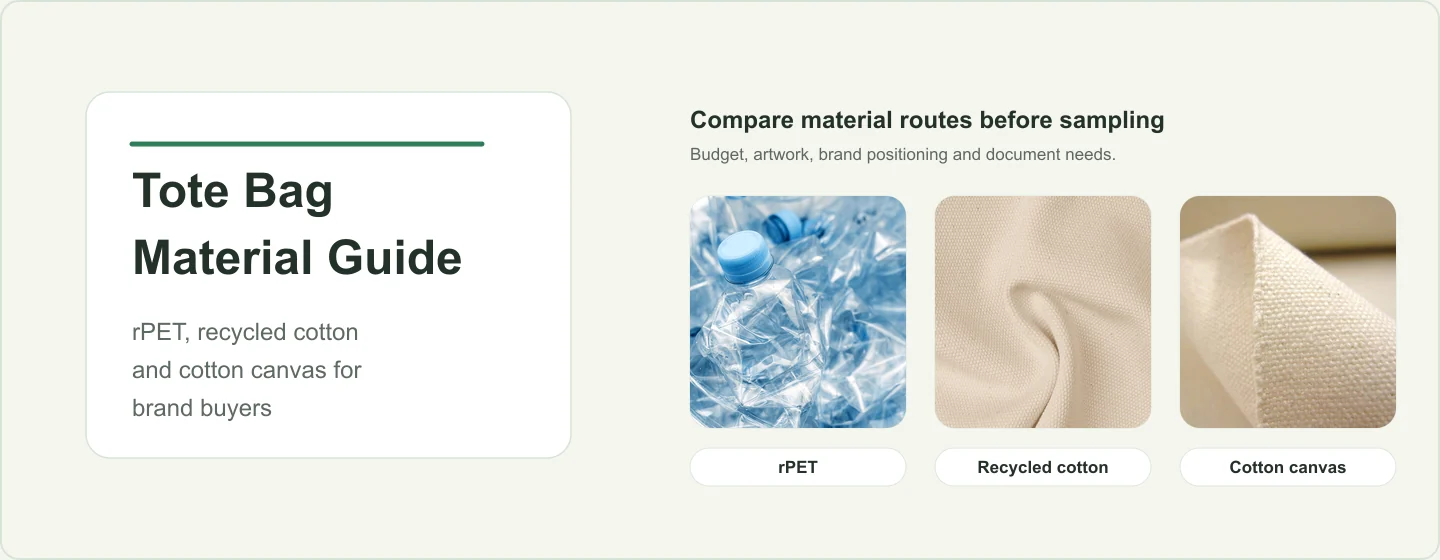
Buyer Summary
- Best for: beauty GWP buyers, DTC and private label brands, retail buyers, hotel welcome gift teams, event buyers and Amazon/FBA sellers comparing rPET, recycled cotton, cotton canvas and organic cotton tote options.
- Main decision: choose material by use case, brand positioning, artwork, logo process, claim scope and budget, not by material name alone.
- Factory-side note: the same logo, Pantone color or tote structure can look and feel different on rPET, recycled cotton and cotton canvas, so swatches and physical samples matter before bulk production.
- What to prepare: target use case, quantity, colorways, preferred material, artwork, logo process, Pantone or color direction, packaging, document needs and launch timeline.
rPET, recycled cotton and cotton canvas can all work for custom tote bag projects, but they solve different buyer problems. The right material depends on budget, artwork, use case, handfeel, brand positioning, document scope, packaging and how the tote will be approved before bulk production.
TL;DR: rPET is often strong for recycled-content storytelling, lightweight structure and complex printing. Recycled cotton can support a recycled-material story with a softer cotton-like appearance, but blended recycled cotton and all-cotton recycled material have different cost logic. Cotton canvas is useful for natural positioning, structure and retail-ready tote programs. Buyers should choose material by use case, artwork, logo process, claim wording, packaging, document scope and physical sample approval, not by material name alone.
For a custom tote bag project, material choice is rarely a simple "which material is better?" question. rPET, recycled cotton and cotton canvas can all work for GWP, retail, hotel, event and brand merchandise projects. The practical choice depends on cost direction, artwork, logo process, required structure and whether the buyer needs recycled-content, textile safety, organic or paper-packaging evidence.
From our factory side, we usually start with three questions: what is your budget level, what does your artwork look like, and is this tote a gift-with-purchase item, retail product, event tote or welcome bag? The answer changes the material recommendation quickly, especially when the design involves all-over printing, embroidery, heavy structure or a recycled-material claim.
Best fit for this material guide
This guide is best for beauty GWP buyers, wellness brands, DTC teams, private label sellers, retail buyers, hotel welcome gift teams, event buyers and Amazon/FBA sellers comparing rPET, recycled cotton, cotton canvas and organic cotton before sampling. It is especially useful for MOQ 500+ projects where material choice affects artwork result, handfeel, structure, recycled-content claim wording, packaging, label files, document scope and final approval. The strongest fit is a buyer who can share target use case, artwork, quantity, colorways, logo process, budget direction, packaging plan, destination market and launch timing before asking the factory to recommend a material route.
What should buyers decide before choosing tote bag material?
Brand buyers should decide budget level, artwork style, use case and brand positioning before choosing tote bag material. rPET, recycled cotton and cotton canvas can all work, but full-print GWP, retail tote, hotel welcome bag and natural-brand projects need different material logic.
The first decision is not whether rPET or cotton canvas sounds more attractive. It is what the tote needs to do. A gift-with-purchase tote may need strong visual impact within a controlled campaign budget. A retail tote may need repeat use and a stronger handfeel. A hotel welcome tote may need to match the property positioning. A wellness brand may prefer a natural material story even when a recycled-content option is also available.
Artwork is just as important. If the design is a full-panel print, complex all-over artwork or photo-style pattern, rPET may be more practical because print effects can be strong and cost control is often easier. If the design is a simple logo, embroidery, woven label or patch, recycled cotton and cotton canvas can also work well.
| Buyer question | Why it changes material choice |
|---|---|
| What is the budget level? | Material, printing method, lining, packaging and documents all affect cost. |
| What does the artwork look like? | All-over print, embroidery, small logo and patches need different material surfaces. |
| Gift or retail product? | GWP can prioritize campaign impact; retail needs stronger repeat-use value. |
| Natural or recycled-content positioning? | Some brands prefer natural fibers; others prefer recycled-content storytelling. |
| What documents are required? | Recycled, organic, textile safety and paper packaging claims need different document paths. |
How is this material guide different from campaign and product pages?
This guide compares rPET, recycled cotton and cotton canvas as material routes. Campaign pages start from the buyer use case, while product pages show commercial tote options. Use this page when the main decision is material fit, claim scope, artwork result and sample risk.
If your team is choosing material by campaign type, use the tote bag materials by campaign type guide. If you need a private label product route, review private label totes. If your team is planning a gift-with-purchase program, start with the GWP tote bags route; for skincare or beauty contents, the beauty GWP tote bags page may be a better entry point.
This article stays focused on material behavior: handfeel, print surface, structure, MOQ, sample timing and document scope.
How do rPET, recycled cotton and cotton canvas compare?
rPET is strong for recycled-content stories, lightweight structures and complex printing. Recycled cotton is useful for budget-sensitive recycled-material tote projects, especially blended recycled cotton. Cotton canvas is a natural-positioning option with more structure, but complex all-over printing may be better suited to rPET.
For GWP projects, all three material groups can work. The difference is not always visible from a product photo. It appears in print method, handfeel, material cost, brand positioning and the buyer's claim wording.
Recycled cotton needs extra explanation because the term can describe different material routes. Blended recycled cotton with polyester is often a cost-efficient option for giveaways and promotional tote bags. All-cotton recycled material sits closer to regular cotton pricing. It may be only slightly lower than regular cotton, depending on sourcing and project details.
Cotton canvas also needs careful wording. Cotton is a fiber source. Canvas is a woven fabric structure. A cotton canvas tote is usually thicker and more structured than a lightweight cotton tote, but cotton itself can still come in many weights, textures and constructions.
| Material route | Strong fit | Buyer should watch |
|---|---|---|
| rPET | GWP, folding bags, all-over print, water-resistant feel, recycled-content story | Confirm desired handfeel and recycled-document requirements |
| Blended recycled cotton | Budget-sensitive recycled-material tote, giveaway tote, basic branded tote | Some fiber flecks, color variation or mixed-fiber character may appear |
| All-cotton recycled material | Natural-feel projects where recycled story matters | Cost can be close to regular cotton, so do not assume a large saving |
| Cotton canvas | Retail tote, private label tote, structured shopping tote, natural brand positioning | Complex all-over print may be less suitable than rPET for some designs |
Which tote bag material fits each buyer type?
Beauty GWP buyers often need rPET or blended recycled cotton for campaign impact and cost control. DTC, private label and retail buyers often need canvas, organic cotton or recycled cotton for brand feel. Hotels and events usually choose material by presentation, durability, budget and delivery timing.
| Buyer type | Material direction to consider | Why it fits | What to confirm early |
|---|---|---|---|
| Beauty / skincare / wellness GWP | rPET, blended recycled cotton, lightweight cotton canvas | Supports GWP campaigns, seasonal artwork, recycled-content story and controlled budget | Launch date, campaign quantity, artwork style, packaging and claim wording |
| DTC / private label brand | Cotton canvas, organic cotton, all-cotton recycled material, structured rPET | Helps create a retail-ready product with stronger handfeel and repeat-use value | Colorways, retail labels, barcode, packaging, logo process and reorder expectations |
| Retail chain / Amazon seller | rPET, cotton canvas, blended recycled cotton | Works for stable specifications, repeat orders, SKU control and retail packaging | SKU split, carton marks, barcode labels, material consistency and warehouse requirements |
| Hotel / resort welcome bag | Cotton canvas, natural-feel cotton, recycled cotton, premium rPET | Matches welcome gift positioning, durability and guest-facing presentation | Room-ready use, welcome kit size, handle comfort, packing method and delivery batch |
| Conference / event buyer | Lightweight rPET, blended recycled cotton, basic cotton canvas | Useful for medium-budget, high-visibility, bulk distribution projects | Event date, sponsor logo versions, carton sorting, venue delivery and budget level |
GWP sourcing routes after material selection
If this material choice is for a GWP tote program, the next step is to match the material route with the campaign use case, product contents, packaging, RFQ scope and delivery plan before sampling.
Start with GWP tote bags when the tote is part of a gift-with-purchase campaign. For beauty and skincare gift sets, review the beauty GWP tote contents fit checklist so bottle height, pouch fit, fabric choice and logo position are checked together. If the project brief is not ready, use the GWP tote bag RFQ brief template to align material, artwork, packing, carton and sample approval details.
When does rPET make sense for custom tote bags?
rPET makes sense when a brand needs a recycled-content story, lightweight structure, easy-care surface, color stability or complex all-over printing. It is especially useful for GWP, folding shopping bags, event totes, hotel bags and retail projects with strong printed artwork.
rPET is not limited to a basic plastic-like handfeel. Current rPET material options are richer than many buyers expect. Depending on the construction, rPET can be made with softer textures, plush or velvet-like surfaces, smoother finishes, water-resistant feel and even silk-like sheen.
We often consider rPET when the design has a strong visual surface. Full-panel print, all-over print, seasonal patterns and complex graphics can work well on rPET, and the printing route is often easier to control than trying to force the same effect onto cotton canvas.
One combination we like for a more elevated look is all-over rPET printing with a PU label or patch. The print can carry the campaign story, while the patch adds structure and brand detail.

When does recycled cotton make sense?
Recycled cotton is useful when a buyer wants a recycled-material story with a softer cotton-like appearance. Blended recycled cotton can be cost-efficient for GWP and promotional projects, while all-cotton recycled material is usually closer to regular cotton pricing.
Recycled cotton can be a practical answer when a brand wants a recycled-material tote but does not want to move into a fully natural premium route. It can work for GWP, private label, wellness, retail and hotel projects, but the recommendation still depends on brand positioning and campaign purpose.
The key is to clarify which recycled cotton route the buyer means. Blended recycled cotton with polyester can be very cost-efficient and suitable for promotional use. All-cotton recycled material has a different cost structure and can sit close to regular cotton. If the buyer assumes every recycled cotton option is automatically much lower in cost, the quote can become confusing.
Recycled cotton may show slight fiber flecks, color variation or a more natural recycled texture. This is not necessarily a defect, but it should be confirmed through material swatches and samples.
When does cotton canvas make sense?
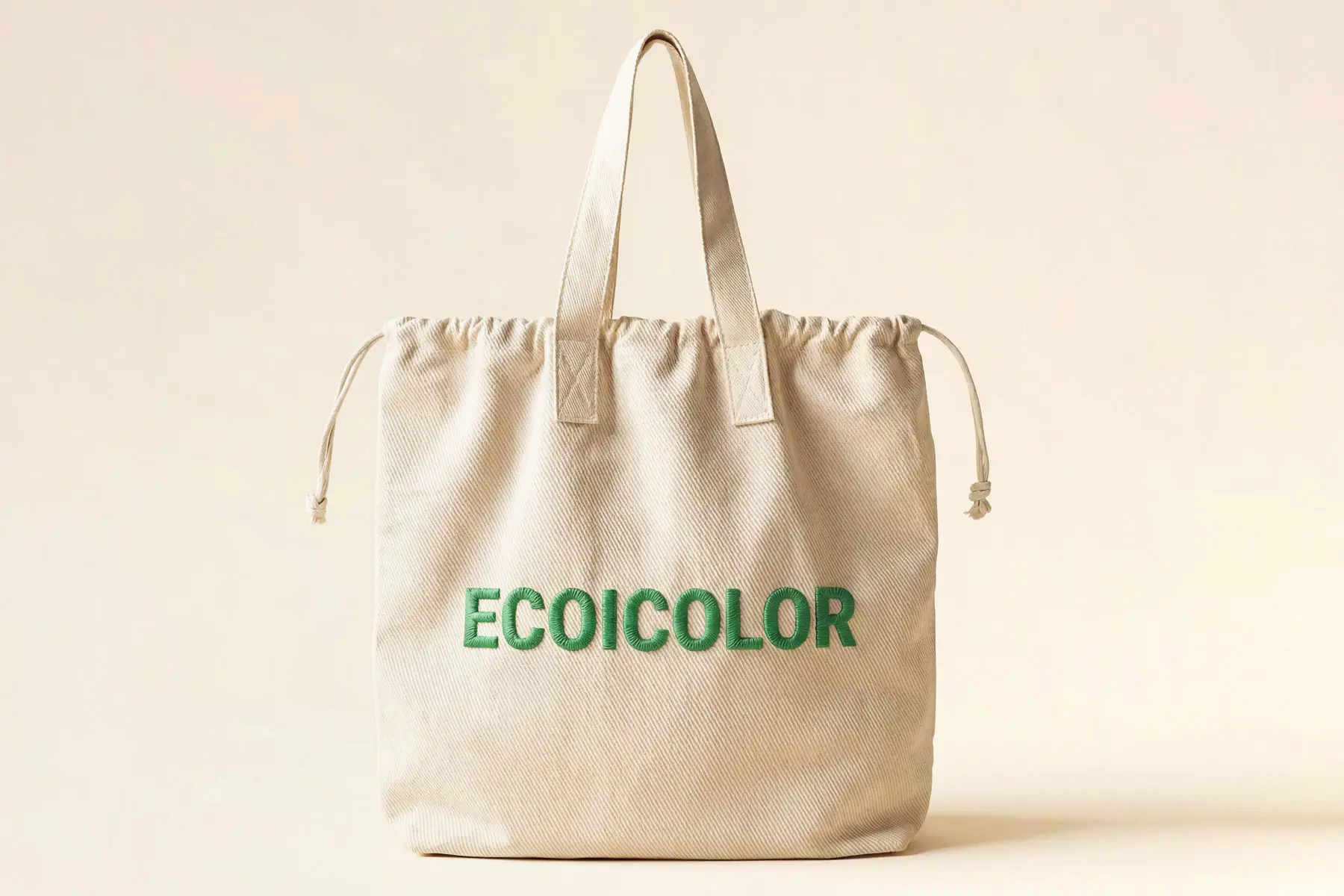
Cotton canvas makes sense when the brand wants a natural material direction, stronger structure or a retail-ready tote feel. It can work well with screen printing, embroidery, patches, metal plates, lining and zippers, but complex all-over printing may be better planned with rPET.
Cotton canvas is often selected for retail totes, private label tote bags, shopping totes and premium brand merchandise because it can feel more structured than lightweight cotton. But canvas is not the only natural-feel tote material. Cotton fabrics come in many thicknesses and constructions, and bamboo fiber or other natural-feel materials may also fit certain brand stories.
Common canvas weights such as 8 oz, 10 oz, 12 oz or 16 oz can be discussed when the buyer wants a certain structure or carrying feel. A heavier canvas can feel stronger, but it can also affect cost, packing volume and shipping weight. The right weight should match the use case, not just the idea that heavier is always better.
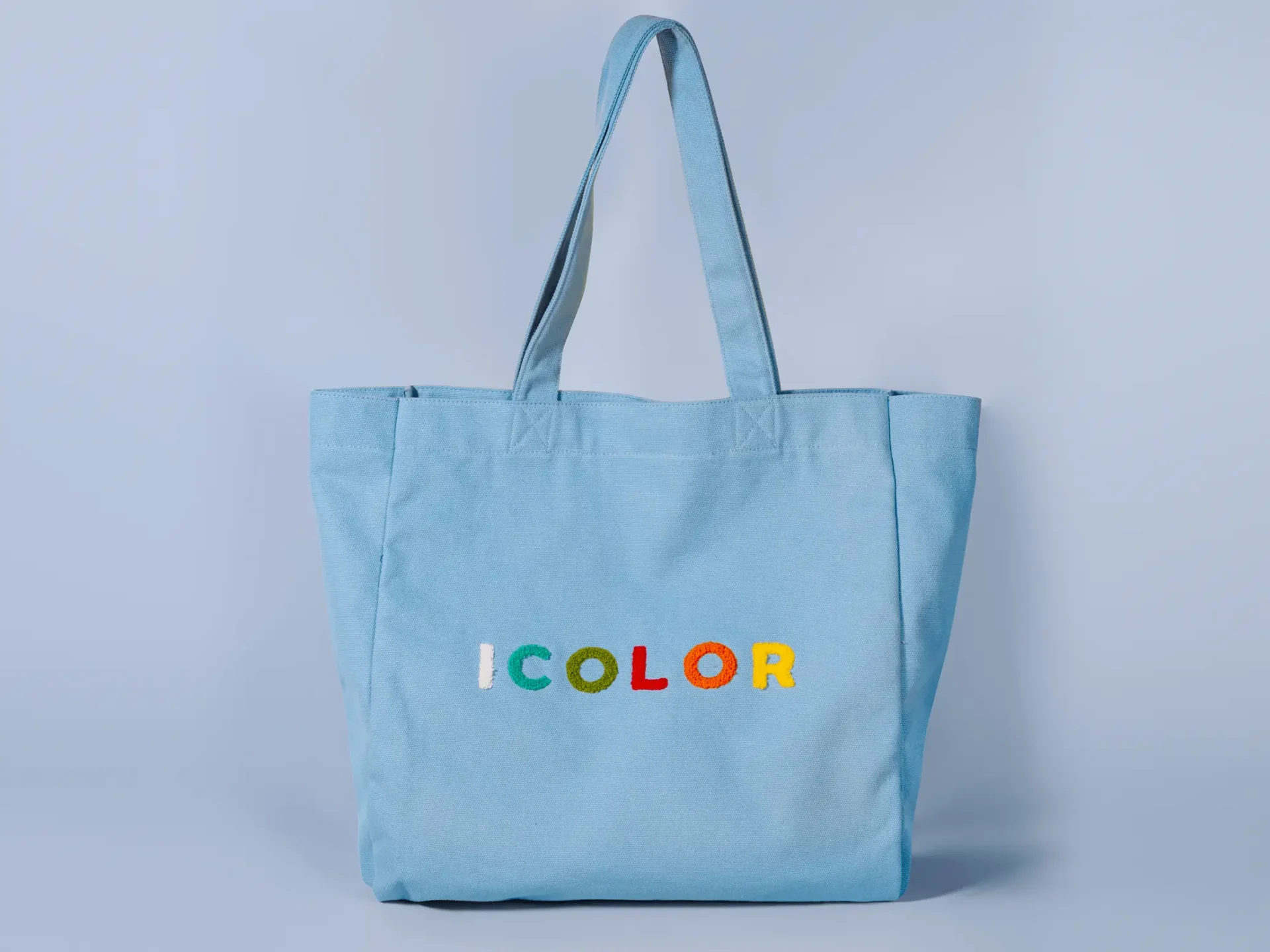
Canvas works well with screen printing, embroidery, woven labels, leather-look patches, metal plates, lining, zipper and inner pockets. The main caution is complex all-over artwork. When the design needs very detailed full-surface printing, rPET may be a more practical route.
How do MOQ, cost factors and timeline change by material?
Ecoicolortote can discuss MOQ from 500 pcs per style for rPET, recycled cotton and cotton canvas projects. Cost changes with material route, custom color, fabric weight, dedicated documents, lining, packaging, logo process, quantity and artwork complexity.
For the materials in this article, 500 pcs per style can be discussed. The question is not only MOQ, but whether the chosen material is in stock, whether the color needs to be customized, whether the buyer needs a special weight, and whether the order requires dedicated documents.
| Cost factor | How it affects the project |
|---|---|
| Material route | Blended recycled cotton, rPET, all-cotton recycled material and cotton canvas have different cost logic. |
| Artwork | All-over print, embroidery, patches and multi-process logos change production setup. |
| Custom color | Special color development may require separate material preparation. |
| Fabric weight | Heavier or special-weight material can change cost, feel and shipping volume. |
| Document scope | Dedicated batch documents may require extra planning and cost. |
| Lining and structure | Adding lining, zipper, pockets or reinforcement increases material and labor. |
As a rough internal cost logic, blended recycled cotton is often a lower-cost route, followed by many rPET options, then all-cotton recycled material, then cotton canvas or organic cotton depending on the exact specification. This should not be treated as a fixed price ranking because artwork, structure and document scope can change the result.
Sample timing is confirmed after the material, construction, logo method, artwork, packaging and approval scope are clear; the working schedule also depends on revision speed and current capacity. Bulk timing should be discussed after sample approval and depends on material availability, order quantity and process complexity.
What documents and claims should buyers check?
Buyers should match environmental claims to the actual material, supply chain and order scope. rPET and recycled cotton may involve GRS-related documents; OEKO-TEX may support textile safety needs; FSC is related to paper packaging, not fabric certification.
A recycled material story is useful only when the claim is clear and supported. If the buyer says the tote is made with recycled material, the team should confirm which component is recycled, whether the document covers that material, and whether the document applies to the order scope.
For recycled-content claims, buyers should be careful with wording. The FTC Green Guides summary explains that environmental marketing claims should be clear, specific and supported1. For recycled material projects, Textile Standards publishes the Global Recycled Standard for recycled-content and chain-of-custody requirements2.
For textile safety questions, OEKO-TEX STANDARD 100 is related to harmful-substance testing for textile products and components3. FSC paper and packaging guidance applies to paper packaging scope4, such as hangtags and cartons, not to tote fabric itself. Global Organic Textile Standard explains organic textile processing requirements5, which should be checked separately from recycled-content or paper-packaging claims.
| Claim or need | Document path to discuss | Buyer reminder |
|---|---|---|
| Recycled rPET | GRS-related material documents when applicable | Confirm whether the document matches material and order scope |
| Recycled cotton | GRS-related documents or material report when applicable | Clarify blended recycled cotton vs all-cotton recycled material |
| Textile safety | OEKO-TEX when applicable | Check whether the specific fabric or component is covered |
| Paper packaging | FSC paper or packaging documents | Do not mix packaging certification with fabric certification |
| Organic cotton claim | Organic cotton scope and supplier documents when applicable | Confirm whether the claim covers fiber, material, product or order-specific paperwork |
What material selection mistakes should buyers avoid?
Common mistakes include choosing material only from photos, assuming all recycled cotton has the same cost, treating canvas as a fiber source, forcing complex all-over print onto the wrong surface, and asking for environmental claims before confirming documents.
The biggest practical mistake is judging material only by a website image. A photo can show color and shape, but it cannot fully show handfeel, weight, softness, structure or surface texture. Our process is to provide material swatches for selection, then make a sample, confirm the pre-production sample and move into bulk only after approval.
Another common issue is trying to combine every priority at once: recycled-content story, premium handfeel, low budget, complex artwork and tight timing. Brand buyers usually care about design, quality and material story, but the project still needs a priority order. If the artwork is the hero, choose the surface that supports it. If the brand positioning is pure natural, choose the material family that supports that story. If document scope is central, start with documents before finalizing the material.
- Do not choose material from photos only; confirm swatches and physical samples.
- Do not assume blended recycled cotton and all-cotton recycled material have the same cost.
- Do not treat cotton canvas as a fiber source; it is a fabric construction.
- Do not force complex all-over print onto a material that does not support the desired effect.
- Do not make recycled or organic claims before checking document scope.
What should buyers send before asking for material advice?
A useful material brief should include target budget level, use case, artwork, logo process, quantity, desired handfeel, brand positioning, packaging, document needs and launch timeline. With that information, the factory can recommend material routes instead of guessing.
If the buyer only asks "which material should I use?", the answer will be too general. A strong material recommendation needs the project context. We can reverse-engineer a material direction from budget, artwork and use case, but the buyer should share enough detail for the recommendation to be meaningful.
For example, if a beauty brand wants a GWP tote with a full seasonal pattern and a PU patch, rPET may be a strong route. If a wellness brand wants a natural-feel tote and is willing to accept a higher material cost, organic cotton or a cotton canvas direction may fit the brand story. If a campaign needs a recycled story and controlled budget, blended recycled cotton may be worth reviewing.
- Use case: GWP, retail, hotel welcome tote, event, subscription box or private label SKU.
- Artwork: simple logo, embroidery, all-over print, patch, metal plate or mixed process.
- Budget level and quantity.
- Preferred handfeel: soft, structured, lightweight, premium, natural or water-resistant.
- Brand positioning: recycled-content story, natural material story, retail durability or seasonal campaign.
- Document requirements.
- Packaging: hangtag, FSC paper card, recycled-content polybag, barcode sticker or gift packaging.
- Target sample date and launch timeline.
Material brief checklist
Before asking a factory for material advice, buyers should prepare the use case, quantity, colorways, preferred material, logo process, Pantone or color reference, packaging requirement, document needs and launch date.
| Brief item | What to send | Why it matters |
|---|---|---|
| Use case | Beauty GWP, DTC retail SKU, hotel welcome bag, event tote, Amazon/FBA or private label line | Different channels need different handfeel, durability, packing and price logic |
| Quantity and colorways | Total quantity, styles, color split and expected reorder plan | Material availability and color consistency depend on quantity and batch planning |
| Artwork and logo process | AI/PDF logo file, all-over print file, embroidery, patch, woven label or metal plate direction | The material surface must match the logo process |
| Color direction | Pantone reference, physical swatch or target color family | rPET, recycled cotton and canvas can show color differently |
| Packaging and labels | Hangtag, barcode, SKU sticker, FSC paper card, carton mark or retail packing needs | Packaging can affect cost, timeline and material claim wording |
| Documents | GRS-related documents, OEKO-TEX, FSC packaging or organic cotton claim needs | Document scope should be checked before the claim is used in product files |
Use the material guide only while the route is still open
Use this comparison when the buyer has not yet chosen among rPET, recycled cotton and cotton canvas. Once the material route is selected, continue to the relevant owner page rather than using this broad guide as a quotation destination.
Commercial owners: rPET totes, recycled cotton totes, and canvas totes.
Less suitable fit for this material route
This material route is less suitable for buyers who cannot confirm use case, artwork, budget direction, claim wording, packaging needs, document requirements or sample timing before material decisions are needed.
It may also be less suitable for orders below MOQ, buyers who choose material only from photos, or projects that want strong environmental claims without checking document scope. Ecoicolortote is a stronger fit for MOQ 500+ brand projects where material swatches, logo process, packaging, certification scope and physical sample approval can be reviewed before bulk production.
Send your artwork, target quantity, use case, budget level, material preference, packaging needs and document requirements. We can help compare rPET, recycled cotton, cotton canvas, organic cotton and other options from our material library before sampling. For GWP programs, also share product dimensions, campaign quantity and packing route, or review the GWP tote bags route before sending the brief.
Review GWP Material Route Request Material Swatches
FAQ: rPET, recycled cotton and cotton canvas tote materials
What should buyers confirm before choosing tote bag material?
Buyers should confirm use case, budget level, quantity, artwork style, logo process, desired handfeel, packaging needs, document scope and launch timeline before choosing tote bag material. These details help the factory compare rPET, recycled cotton, cotton canvas and organic cotton by real project fit instead of material name alone. They also help prevent late changes after swatches, samples or packaging files have already been approved.
What sample details matter most for tote bag material approval?
Buyers should check material swatches, handfeel, fabric weight, color, print effect, logo process, structure, packaging compatibility and the approved physical sample before bulk production. A website image cannot fully show surface texture, softness, stiffness or color shift, so swatches and samples should guide final material approval. The approved sample should also be used as the reference for bulk QC review.
What MOQ and lead time should buyers expect for rPET, recycled cotton and canvas?
Ecoicolortote can discuss MOQ from 500 pcs per style. Sample timing is confirmed after the material, construction, logo method, artwork, packaging and approval scope are clear; the working schedule also depends on revision speed and current capacity. Bulk production timing depends on material availability, order quantity, logo process, packaging requirements and document needs. Custom colors, special weights, lining, zippers or dedicated testing can add extra time.
Which material or certification evidence should be checked?
Buyers should check recycled-content scope for rPET or recycled cotton, OEKO-TEX where textile safety is relevant, FSC paper packaging scope, organic cotton evidence and any buyer-specific document checklist. Environmental claims should match the actual material, supply chain and order scope before the wording is used on packaging or product pages. A general material file and an order-specific document may not mean the same thing.
What should be included in the RFQ?
The RFQ should include use case, quantity, colorways, preferred material, artwork, logo process, Pantone or color direction, packaging needs, document requirements, destination and launch date. If the buyer is unsure which material to choose, the RFQ should also explain the desired handfeel, brand position and budget direction. This gives the factory enough context to compare material routes before quoting.
What mistake causes the most rework?
The biggest mistake is choosing material only from photos or material names before checking swatches, logo effect, handfeel, document scope and physical sample performance. Rework often happens when artwork, claim wording or packaging needs are added after the material has already been selected and sampled. The safer route is to confirm material, logo process and claim wording together before bulk approval.
When should buyers contact Ecoicolortote?
Contact Ecoicolortote when your MOQ 500+ project needs help comparing rPET, recycled cotton, cotton canvas, organic cotton or other tote materials before sampling. The most useful inquiry includes artwork, quantity, material preference, budget level, claim wording, packaging needs, document requirements and launch timeline. Sharing the intended sales channel or campaign type also helps us recommend a more realistic material route.
Trademark and certification note
GRS, OEKO-TEX, FSC, GOTS, FTC, rPET and other standard, certification, organization or material names belong to their respective owners or recognized usage contexts. This article is a buyer-side sourcing guide and does not claim that every material, product, order, packaging item or shipment automatically carries every listed certification. Buyers should confirm current document validity, material coverage, certificate scope, claim wording, destination market rules and order-specific requirements before final quotation, sampling or bulk production.