Zoe Yu
Custom tote bag MOQ and lead time planning is not only about asking whether a factory can make 500 pcs. For brand buyers, the real question is whether the quantity split, color versions, SKU map, sample round, artwork approval, packaging files, production slot and delivery readiness can work together before the launch date.
Ecoicolortote is a better fit for MOQ 500+ brand projects where buyers need a realistic sample-to-bulk schedule. If you are not sure whether your requested quantity, versions and deadline can work, send us your MOQ and timeline brief before the sample route is locked.
Buyer Summary
- Best for: brand buyers planning custom tote bag projects from MOQ 500 pcs per style, especially retail, GWP, hotel, event and seasonal programs with fixed launch dates.
- Main decision: MOQ and lead time should be judged by quantity split, version count, sample rounds, approval deadline, packing schedule and delivery readiness, not by total quantity alone.
- Factory-side note: lead time should start after final artwork, material direction, packaging files and sample approval are confirmed, not after the first inquiry.
- What to prepare: total quantity, quantity per style or color, SKU versions, size, material direction, logo file, packaging files, target approval date, required delivery date and destination.
What is the short answer on custom tote bag MOQ planning?
Ecoicolortote custom tote bag projects start from MOQ 500 pcs per style. A practical 500 pcs setup is usually one size, one to two colors, one main logo process and a clear packing plan that can move through sample approval without too many revisions.
The more colors, SKU versions, artwork versions, packaging files, retailer labels or destination splits a buyer adds, the more the timeline needs to be checked before sampling. Sample time, bulk production time, packing time and delivery-to-warehouse timing are separate checkpoints. A project can be technically possible but still unrealistic if approval happens too late.
How is this different from the MOQ and lead time guide?
Our custom tote bag MOQ and lead time guide explains the basic rules: MOQ 500 pcs per style, sample timing, production lead time and quote inputs. This planning guide focuses on execution: sample route, version count, packaging files, SKU labels, delivery readiness and split shipment.
Use the MOQ and lead-time guide when the first question is whether the quantity and timeline are feasible. Use this planning guide when the project already has several versions, labels, packaging routes, split delivery or a fixed launch date that needs schedule control.
What does MOQ 500 pcs per style actually mean?
MOQ 500 pcs per style means the specification should stay practical: one style, one size, one to two colors, one main logo route and a packing plan that can be approved before the production slot is reserved.
It does not mean every detail can be split into small versions without sample, material and production-planning impact. A 500 pcs order with one color and one artwork is very different from a 500 pcs order with five colors, three labels, two packaging files and two delivery destinations.
| 500 pcs setup | Timeline risk | Factory-side planning note |
|---|---|---|
| 1 size + 1 color + 1 logo process | Lower | Usually easier to sample, approve and schedule. |
| 1 size + 2 colors + same logo process | Moderate | Color split and sample review should be confirmed early. |
| 3-5 colors at 500 pcs total | Higher | Color split may make material planning and approval slower. |
| Multiple retailer or SKU versions | Higher | Label map, barcode file and packing sequence need early lock-in. |
| Custom material + complex logo + retail packaging | High | Sample route, approval deadline and production window need separate review. |

Why can the same 500 pcs quantity be easy or difficult?
The same quantity becomes easier or harder depending on color split, SKU split, material availability, artwork readiness, sample round, approval delay, label mapping, packing sequence and delivery deadline.
A buyer may say "500 pcs" and assume it is one simple order, but the real production plan may include multiple bag colors, several artwork files, barcode labels, a sleeve file and destination-specific cartons. Each version has to be mapped before sampling or before final packing. When those details arrive late, the production slot can become difficult to hold.
- Color split: each color needs confirmation of material availability and sample appearance.
- SKU split: each SKU needs label mapping and packing control.
- Artwork split: each artwork version may need proofing or sample review.
- Packaging split: each paper item or carton label can add file approval time.
- Destination split: each destination needs final quantity and carton instructions before packing.
When should custom tote bag lead time start?
Lead time should be counted from final confirmed files and approved sample, not from the first inquiry. The first inquiry starts review; it does not start production.
Before lead time can be locked, the factory needs final size, material direction, color, logo file, logo placement, packaging files, label map, quantity split, delivery destination and any document requirements. If these details change after approval, the schedule may need to be recalculated.
| Checkpoint | What must be ready | Common delay |
|---|---|---|
| Initial review | Quantity, size, material direction, artwork and required date | Buyer sends only a photo without quantity split or deadline. |
| Sample route | Material, logo process, color and packaging direction | Artwork or packaging files are not final. |
| Sample approval | Physical sample or pre-production standard | Internal approval takes longer than planned. |
| Production slot | Approved sample, final quantity split and locked files | Version changes appear after approval. |
| Packing readiness | Labels, carton marks, destination split and delivery instruction | Carton labels or destination list arrive late. |

How long does sampling usually take?
Sample timing is confirmed after the material, construction, logo method, artwork, packaging and approval scope are clear; the working schedule also depends on revision speed and current capacity.
Sample timing should be treated separately from bulk production timing. A sample round can be extended by missing artwork, unclear logo placement, custom color review, packaging files, small text embroidery, barcode labels or an internal approval delay.
For color-sensitive projects, Pantone color systems1 can help with color communication, but physical sample review remains important. Color approval should happen early enough to protect the production window.
Which factors extend bulk production lead time?
Lead time gets longer when the project includes custom dyed materials, complex artwork, several logo processes, packaging paper, retailer labels, set assembly, special testing, document review, holiday peaks or split delivery.
| Factor | Why it extends the schedule | How to reduce delay |
|---|---|---|
| Custom dyed material | Color development and material readiness need confirmation. | Use available material colors when the timeline is tight. |
| Complex artwork | Heat transfer, embroidery or multi-process artwork may need testing. | Choose one main process or simplify fine details. |
| Retail packaging | Paper cards, sleeves, barcodes and carton marks add file approval steps. | Confirm packaging before sampling. |
| Multiple SKUs | Labels, barcodes and color/version mapping need checking. | Keep the bag body consistent and vary small labels or inserts. |
| Holiday or launch season | Freight cutoffs and approval calendars become less flexible. | Plan backward from the required arrival date. |
How should buyers plan colors and SKU versions?
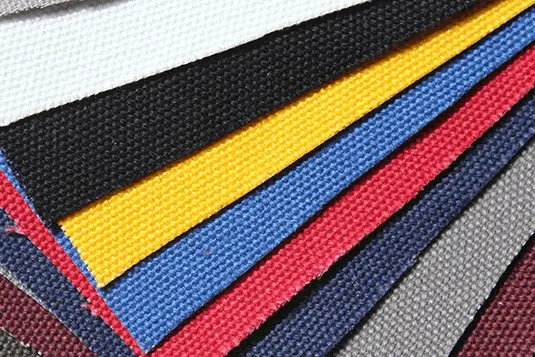
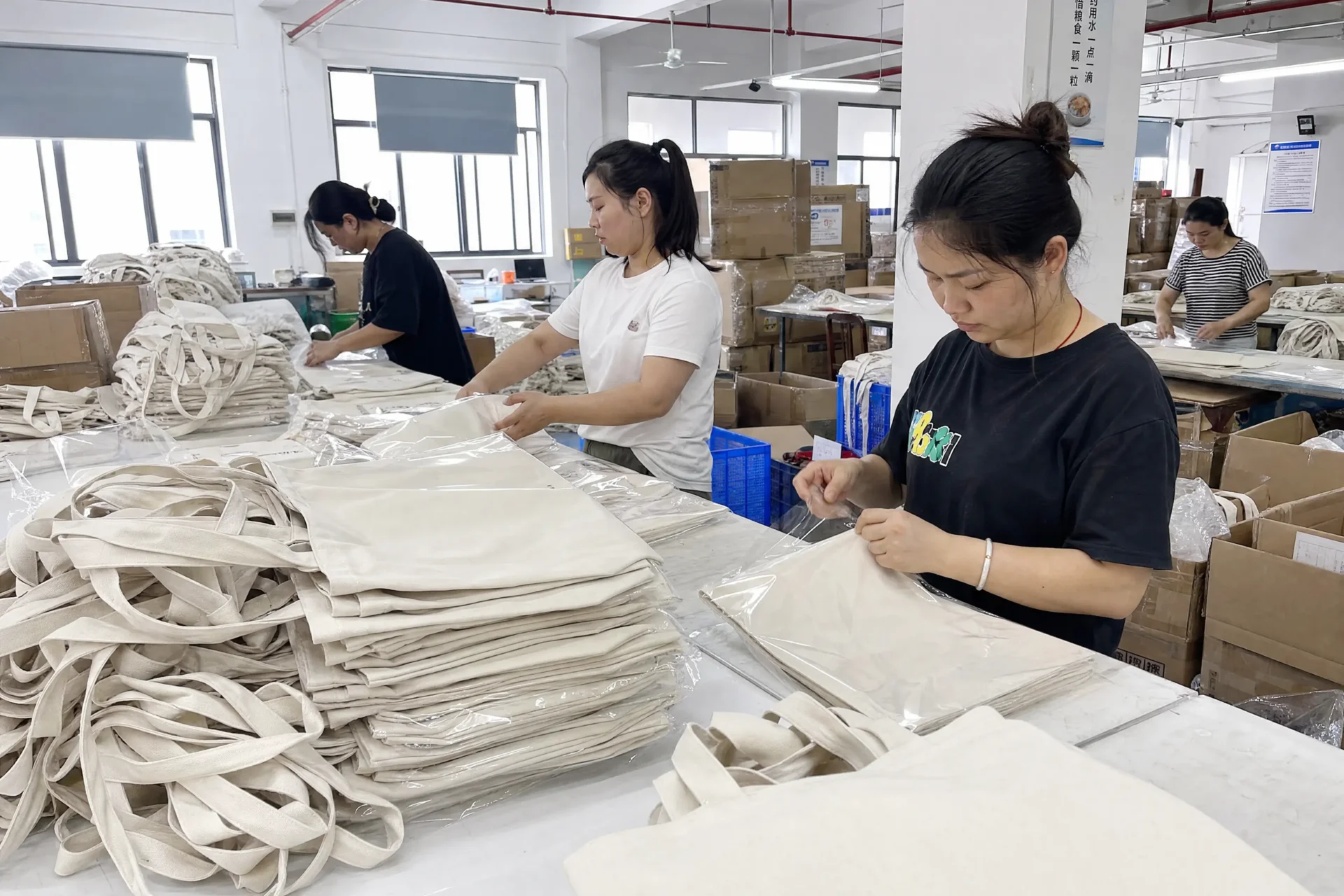
When quantity is not large but versions are many, use one shared bag body and place differences in hangtag, barcode, insert, carton label or small woven label where possible.
Version planning is where many timelines quietly break. A 500 pcs order may become three colors, two artwork versions, several retailer labels and two destination groups. The safest route is to lock the master bag body first, then map version differences in a simple table before sampling.
| Version element | When to lock it | Why it matters |
|---|---|---|
| Color split | Before sample route | Color split affects material review and approval. |
| Artwork version | Before sample making | Late artwork changes can require another sample round. |
| SKU / barcode | Before packaging approval | Wrong mapping can create packing and receiving problems. |
| Carton label | Before final packing | Destination and SKU labels must match the packing plan. |
| Reorder window | Before final specification is closed | Repeat orders are easier when version records are stable. |
Retail barcode and identification systems should be planned before packing. GS1 General Specifications2 are a useful reference when buyers need barcode and retail-label coordination.
How does packaging affect MOQ and lead time?
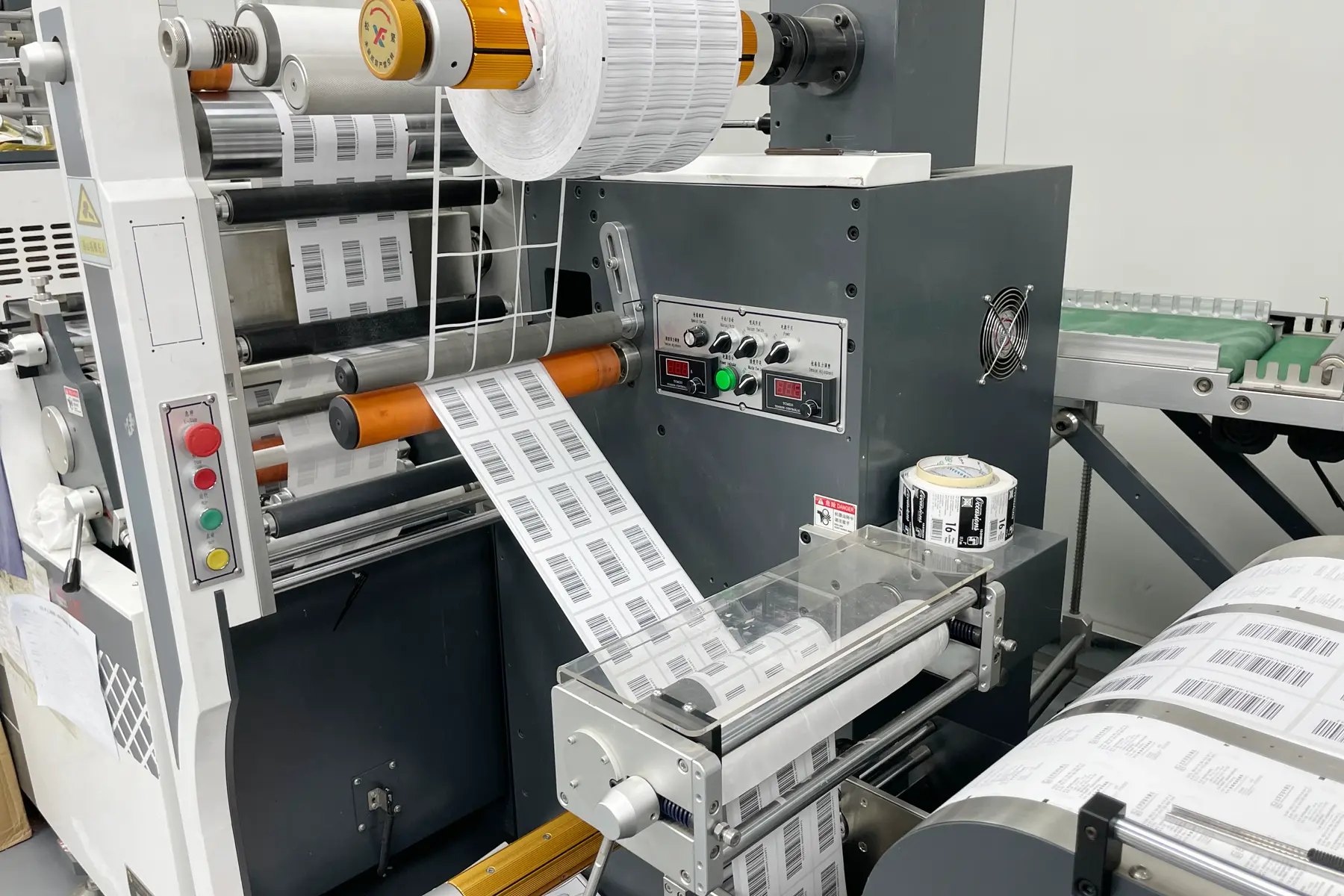
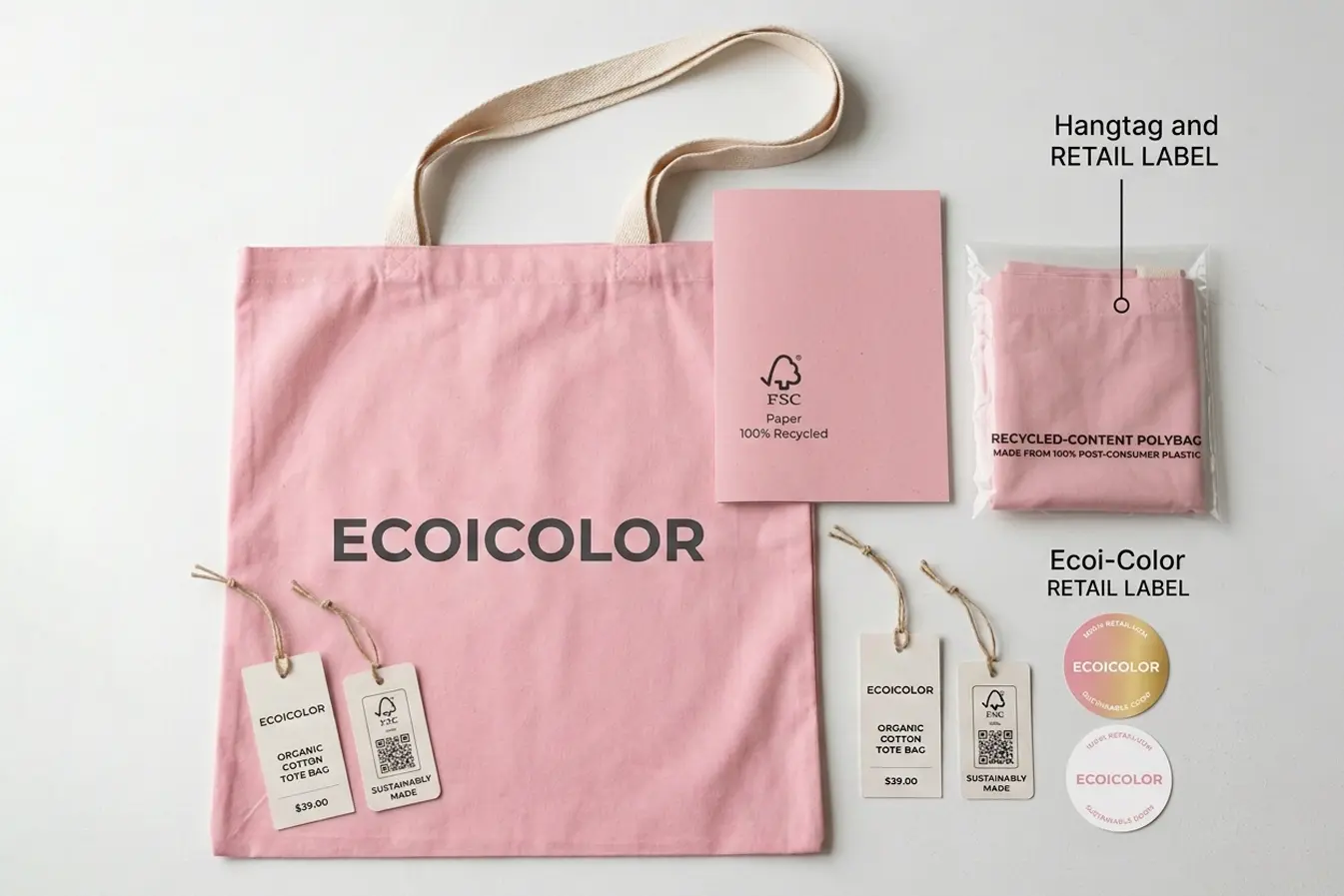
Packaging can affect MOQ planning and lead time when hangtags, sleeves, paper cards, barcodes, carton labels, recycled claims or retailer packing rules need file approval and version mapping.
Packaging should be confirmed before sample approval when it affects presentation, barcode placement or packing sequence. Paper sleeves, hangtags and carton labels may be simple items, but they can delay packing if artwork, barcode data or destination information is not ready.
| Packaging item | Timeline checkpoint | Delay risk |
|---|---|---|
| Hangtag / paper card | Artwork approval before sample or pre-production review | Late copy or paper claim changes. |
| Barcode label | SKU mapping before packing schedule | Wrong barcode or missing version map. |
| Carton label | Destination split before final packing | Receiving labels arrive after cartons are planned. |
| Set assembly | Assembly sequence before production handoff | Products or inserts are not ready for pack-out. |
For paper cards and sleeves, FSC paper and packaging3 may be relevant to packaging claims, not to the tote fabric itself.
How do material claims and tests change timing?
Material claims, testing requirements and certification documents can add review time, especially when recycled, organic, textile safety or retailer compliance wording is requested.
For textile safety discussions, OEKO-TEX STANDARD 1004 may be relevant depending on material and order scope. Environmental claim wording should stay qualified; FTC Green Guides5 are a useful reference for avoiding broad unsupported claims.
Document needs should be raised at RFQ stage because they may affect material selection, sample review and buyer approval. They should not appear only after the production schedule is already tight.
How should rush orders be evaluated?
Urgent and fast delivery should be translated into checkable information: quantity, version count, material readiness, logo process, packaging files, destination and simplification options.
| Urgent request | Schedule risk | Better route |
|---|---|---|
| 1 color, available material, basic logo, basic packing | Lower | Review artwork and sample route quickly. |
| 2 colors, same logo, simple packing | Moderate | Confirm color split and approval deadline first. |
| 5 colors, complex logo, retail packaging, short deadline | High | Simplify colors, process or packaging before sampling. |
| Holiday gift with paper cards and split delivery | High | Plan backward from shipping cutoff and freeze files early. |
| Retailer checklist added after sample approval | High | Recheck labels, documents and packing instructions before bulk work starts. |
How do shipping terms and destination affect delivery readiness?
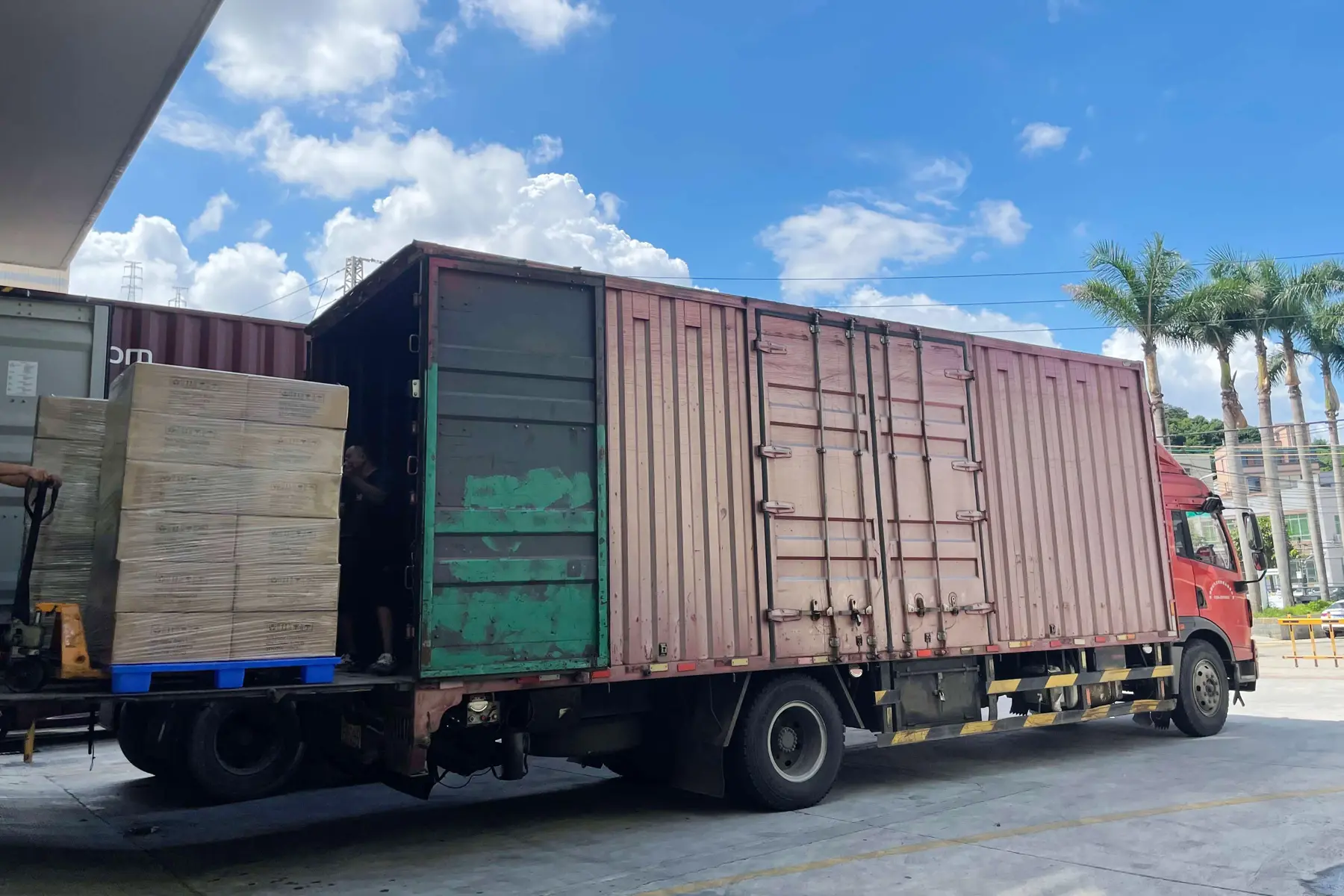
Production lead time and delivery-to-warehouse timing are different. Delivery readiness depends on destination, shipment method, customs documents, carton labeling, split delivery and trade terms.
For international projects, buyers may use ICC Incoterms rules6 to define delivery responsibilities, but the practical shipping plan still needs to be discussed for each order.
| Delivery variable | Why it matters | Buyer should confirm |
|---|---|---|
| Destination country | Transit time, documents and receiving requirements differ by market. | Final ship-to country and required arrival date. |
| Shipment method | Air, sea, express or forwarder pickup affects the delivery calendar. | Whether speed or freight control is more important. |
| Incoterms | Defines responsibility points, but not every packing detail. | Which term the buyer expects and who controls freight. |
| Carton labels | Retailer, event or hotel receiving may require specific marks. | Label format, PO number, SKU and destination split. |
| Split delivery | Multiple locations need carton sorting and quantity allocation. | Location list and quantity per location before packing. |
What should buyers send for MOQ and timeline review?
The fastest useful MOQ and timeline review needs the information that affects production planning: quantity, versions, size, material, logo route, packaging files, approval deadline and delivery requirement.
- Quantity: total quantity and quantity per style, color or SKU.
- Version count: number of colors, artwork versions, retailer versions and labels.
- Size and material: target dimensions, material direction and any custom color need.
- Logo process: screen print, heat transfer, embroidery, patch, woven label or mixed process.
- Packaging: polybag, hangtag, paper card, barcode, carton label, gift set or assembly.
- Dates: target sample approval date, production-ready date, required arrival date and destination.
How should buyers compare schedules with different lead times?
Schedules are only comparable when the sample route, file status, approval deadline, production window, packing buffer and delivery requirement are also the same.
A shorter promised lead time may be realistic if the specification is simple and files are ready. It may be risky if the schedule ignores sample revision, packaging approval, carton labels or delivery buffer. Buyers should ask what must be locked before the production slot can be confirmed.
How does Ecoicolortote support MOQ and lead-time planning?
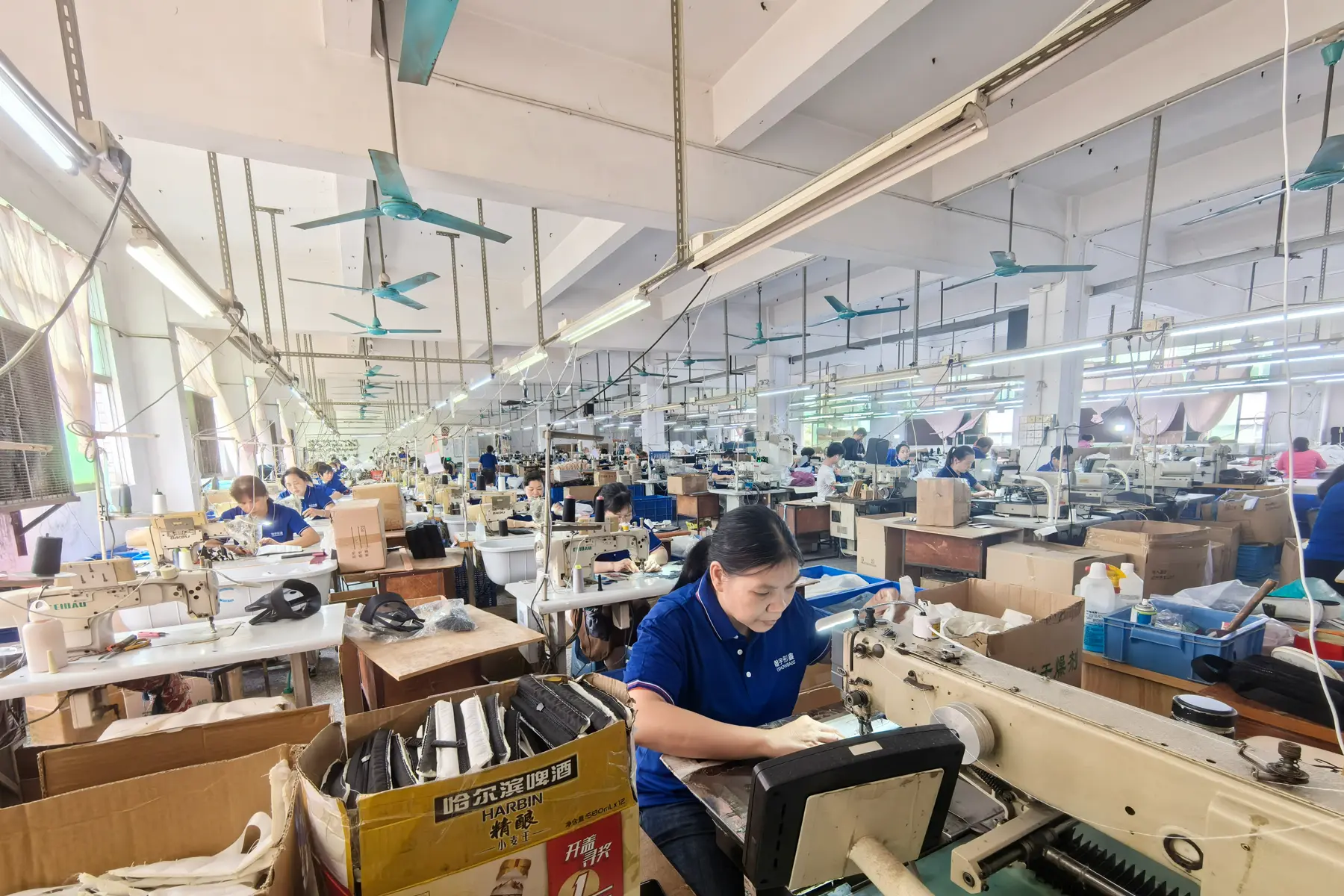
Ecoicolortote can review quantity, versions, material, artwork, packaging and delivery requirements before sampling, then suggest a practical route for MOQ, sample timing and bulk production.
The goal is not only to make the bag. It is to prevent a project from becoming unrealistic after artwork, labels or delivery dates are already fixed. MOQ and lead-time review should connect buyer requirements with real material, sample, production and delivery conditions.
Who We Do Not Take On
Ecoicolortote is not the right fit for very small quantities, last-minute rush orders with many versions, unclear file status or projects that want complex artwork, retail packaging and fixed delivery with no sample confirmation time.
We are better suited for MOQ 500+ brand projects where the buyer can confirm sample approval, version map and delivery window with enough information.
Share your quantity, color split, SKU versions, artwork status, packaging files, target sample approval date, required arrival date and destination. Contact Ecoicolortote.
FAQ: Tote bag MOQ and lead time planning
Does MOQ 500 pcs mean I can split into many colors?
Not automatically. Two colors may be workable when each color quantity is reasonable and the rest of the specification stays simple. Three to five colors at 500 pcs total usually need review because sample, material and version control become harder.
Can production lead time be counted from my first inquiry?
No. Lead time should be counted after final artwork, material direction, packaging files and sample approval are confirmed. The first inquiry starts review, not production.
What is the safest way to reduce lead-time risk?
Use available materials, reduce version count, freeze artwork early, confirm packaging before sampling and avoid late retailer labels or document requirements.
Can Ecoicolortote help if I only know the delivery date?
Yes. Send quantity, colors, material direction, artwork status, packaging needs, required arrival date and destination. We can check whether the timeline is realistic and what needs simplification.