Zoe Yu
 Tote bag material performance checks help brand buyers avoid problems that do not show up in a flat mockup. Shrinkage, water response, colorfastness, rub marks, wash behavior, logo process and carton pressure should be discussed before sampling when the tote will be sold, gifted, washed, packed tightly or used in a public campaign.
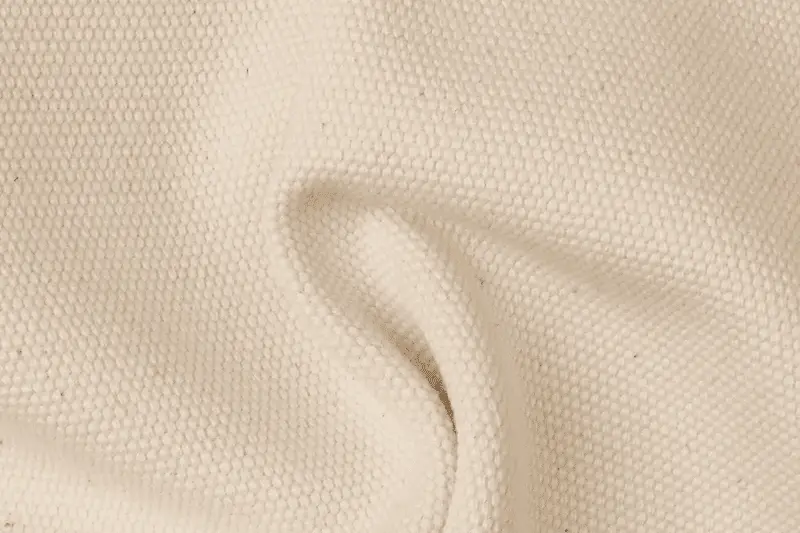
Buyer Summary
- Best for: retail, beauty GWP, hotel, event, travel, resort and repeat-use tote projects where material behavior can affect customer complaints or campaign quality.
- Main decision: match shrinkage, water response, colorfastness, rub behavior, wash expectation and logo process checks to the real use case.
- Factory-side note: a recycled, organic, canvas or rPET material name does not automatically prove shrinkage, colorfastness, water resistance or print durability.
- What to prepare: material direction, color, artwork, logo process, wash expectation, target market, retailer checklist, packaging contact, quantity and launch timing.
What is the quick answer for tote bag material performance checks?
Material performance checks should match the actual use case. A retail tote may need colorfastness and daily-use stability. A hotel welcome tote may need clean handfeel and stable color. A travel or resort tote may need water-resistant discussion. A beauty GWP printed tote may need artwork, rub, edge and gift-presentation review.
The goal is not to test everything blindly. The goal is to identify the material risks that matter before the sample is approved. For many orders, a focused sample review is enough. For retailer programs, public performance wording, washable claims or target-market requirements, buyer-specific test scope should be discussed before material and artwork are locked.
Best fit for this material performance guide
This guide is best for brand buyers who already have a material direction and need to decide what performance checks matter before sampling or bulk approval.
It fits projects where dark fabric, all-over print, washing, light-clothing contact, outdoor use, hotel guest use, retail selling, logo durability or packaging contact can affect quality perception. It also helps teams avoid asking for broad performance promises without defining material, process, target market or test method.
If the buyer is still choosing between rPET, recycled cotton, canvas, organic cotton or bamboo fiber, start with a material comparison first. If the material has already been chosen and now the question is how it behaves in real use, this guide is the right next step.
How does this guide differ from material selection and certification guides?
The material guide helps buyers choose a material family. A certification document guide explains document and claim scope. This article is different: it explains what can go wrong in real use after the material direction is chosen.
| Buyer question | What it answers | What it does not prove |
|---|---|---|
| Material identity | Whether the fabric route is canvas, rPET, recycled cotton, organic cotton or coated material. | It does not prove shrinkage, colorfastness, water response or print durability. |
| Material performance | How the selected fabric behaves under handling, rubbing, folding, washing, moisture or packing pressure. | It does not replace certificate-scope review or buyer-specific lab testing. |
| Certification document | Whether a supplier chain or component route can support a stated claim. | It does not automatically prove the finished tote will pass every physical performance expectation. |
Which brand projects need shrinkage, water resistance and colorfastness checks?
Retail, hotel, outdoor, travel, dark-color event totes, all-over print holiday gifts and beauty printed GWP projects often need more careful material performance review.
| Project type | Main performance concern | Why buyers should check early |
|---|---|---|
| Retail tote | Colorfastness, daily-use stability and complaint risk. | The tote is sold or used repeatedly, so defects become visible. |
| Beauty GWP | Print stability, color tone and gift presentation. | The tote supports perceived value and campaign trust. |
| Hotel welcome tote | Clean appearance, guest contact and stable color. | Guests may use the tote with clothing, towels or amenities. |
| Event tote | Short-term print stability and moisture exposure. | Rain, crowd handling and distribution can expose weak material choices. |
| Outdoor / travel tote | Water-resistant expectation and material stability. | Use environment is less controlled than indoor retail. |
What material performance mistakes do buyers often make?
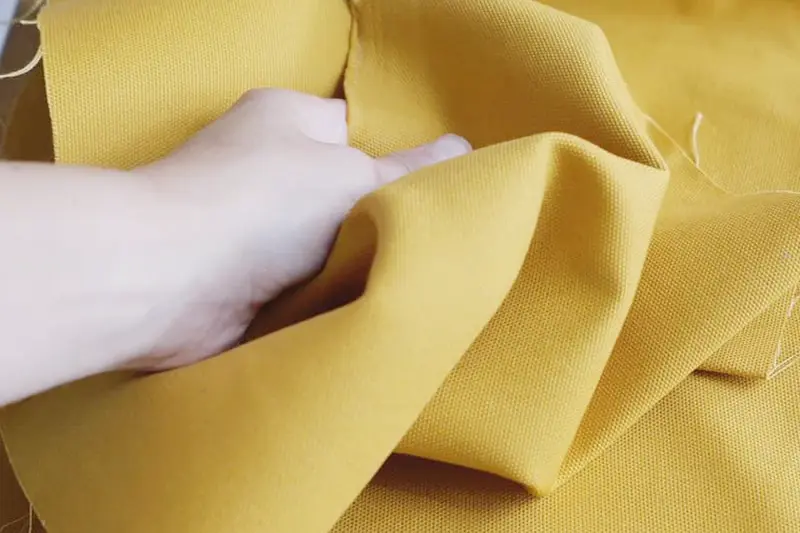
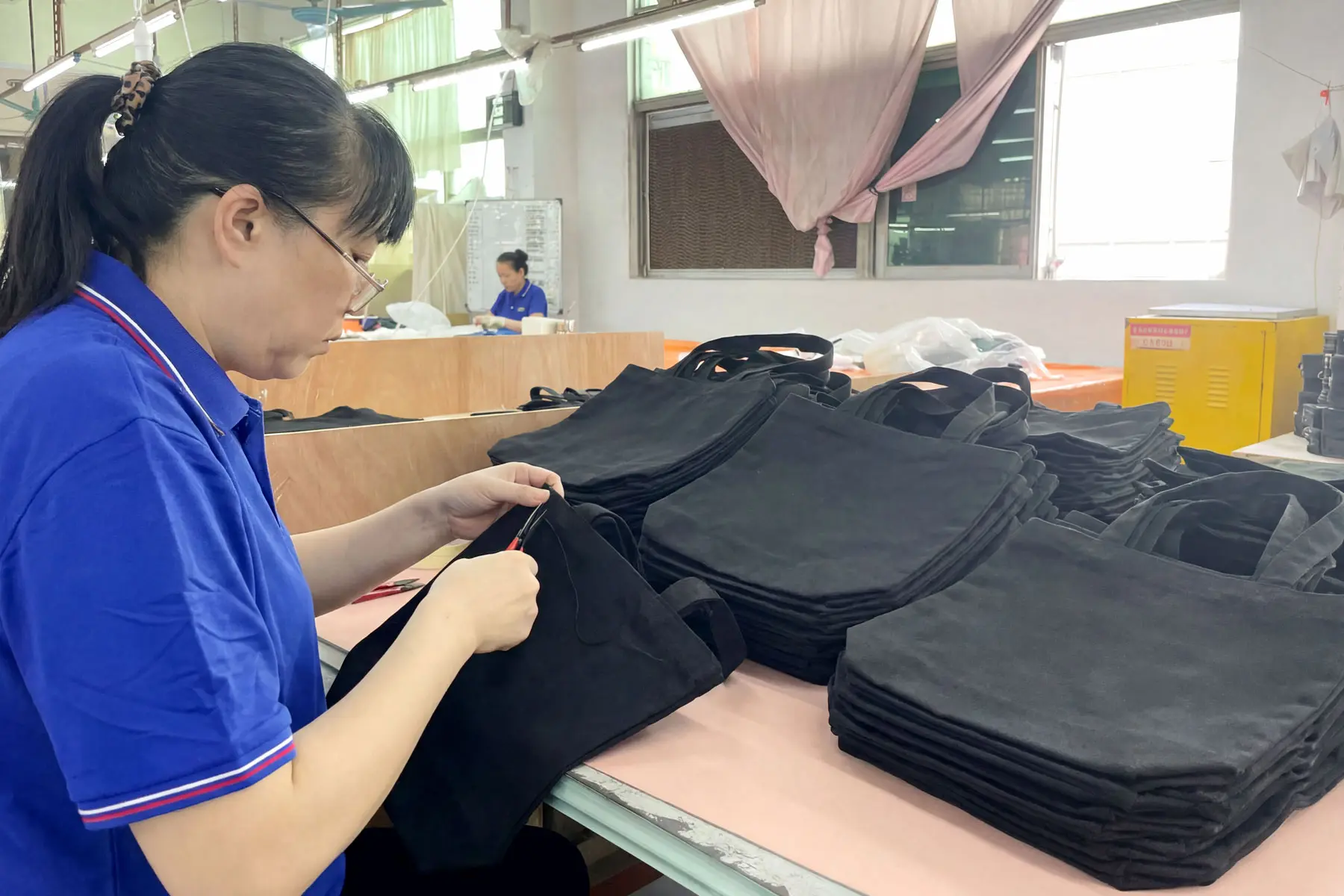
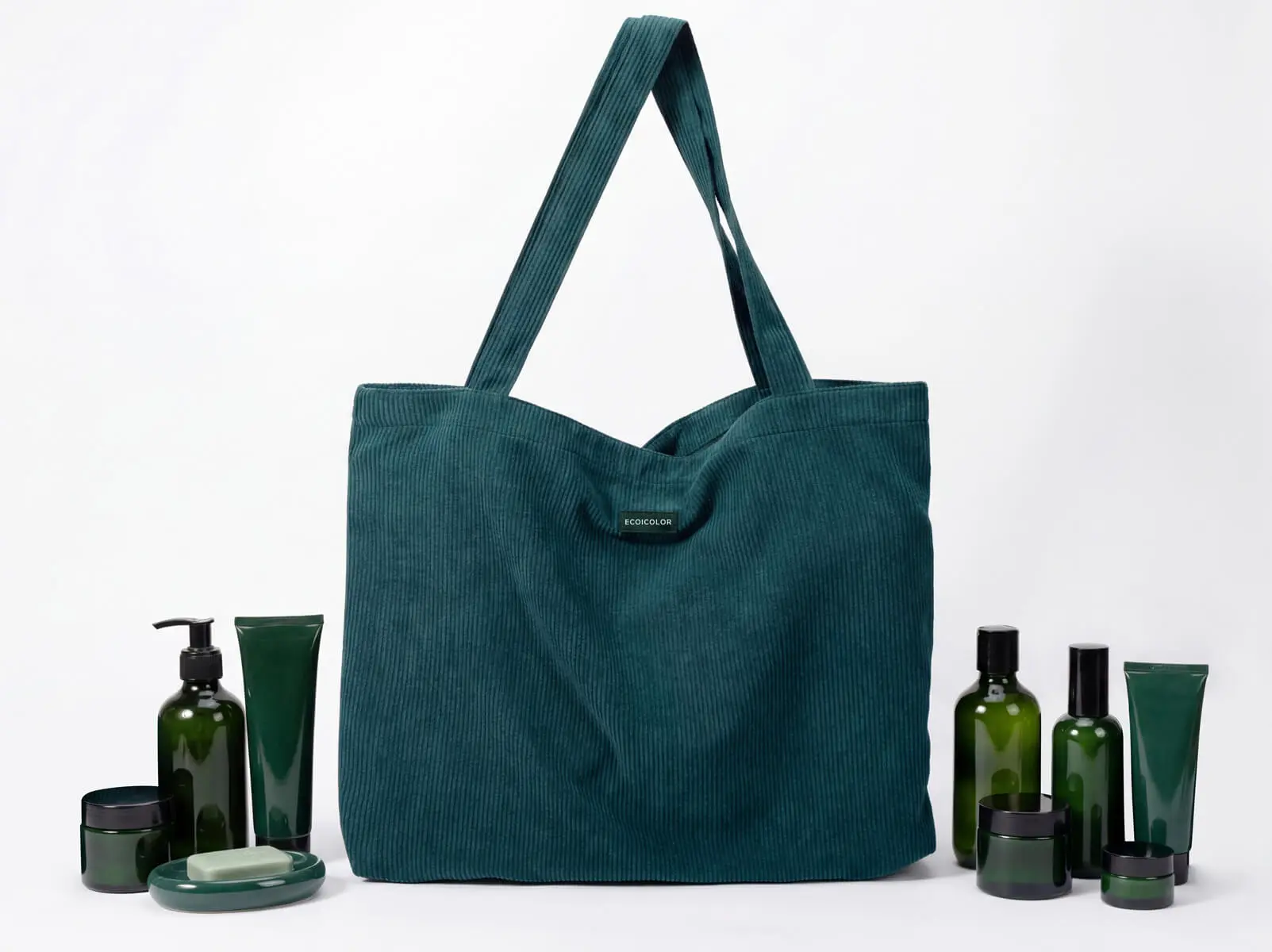
The biggest mistake is treating material claims as performance proof. Recycled, organic, bamboo, cotton canvas or rPET are material directions, not automatic proof that shrinkage, rub, wash, moisture and color stability will fit a specific project.
When should buyers worry about tote bag shrinkage?
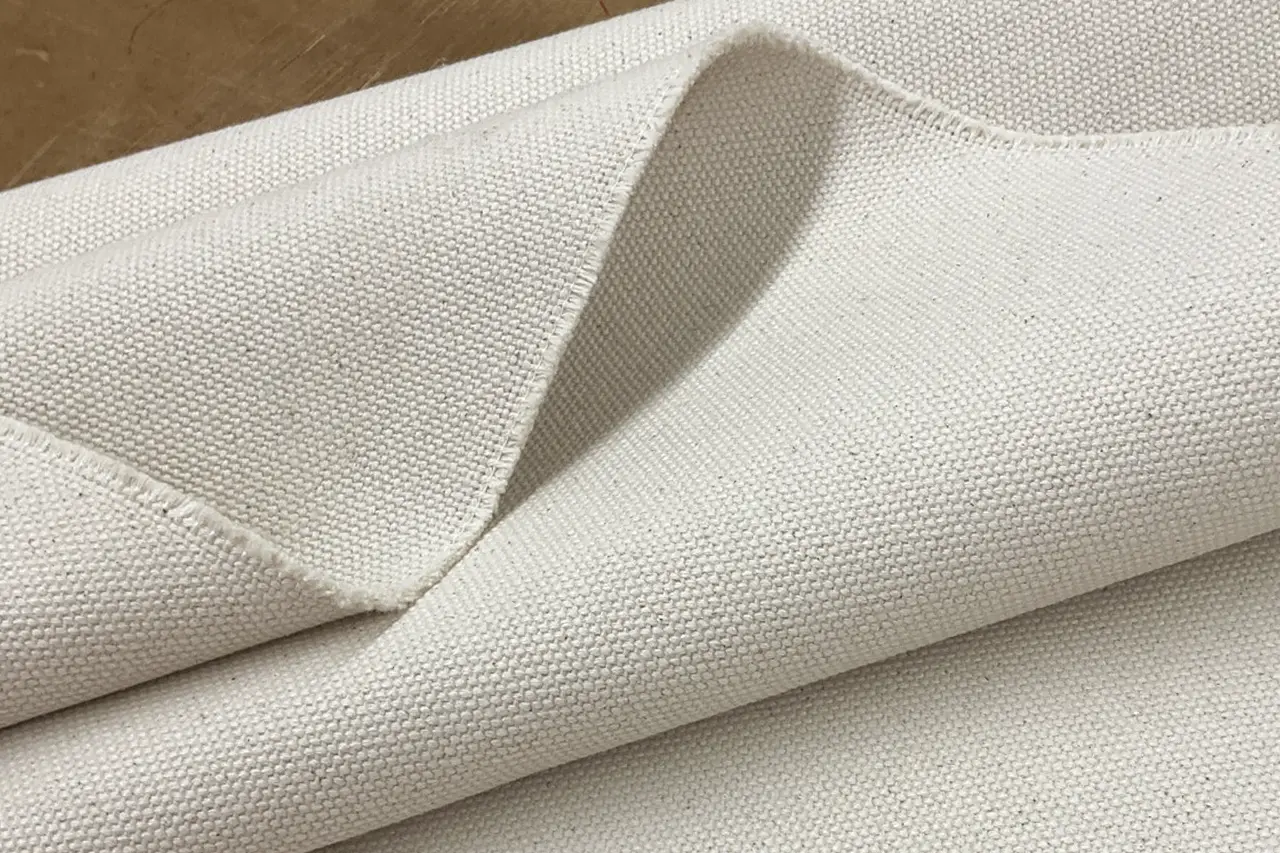
Shrinkage and dimensional stability matter most when the tote uses cotton canvas, organic cotton, recycled cotton, bamboo fiber or other natural-feel routes.
These materials can be strong choices for brand projects, but buyers should not assume the finished tote will behave the same under washing, steam, heat, packing pressure or repeated use. rPET usually has lower shrinkage risk than many cotton-based routes, but it can still be affected by heat transfer, pressing and finishing. Shrinkage depends on fiber, weave, finish, washing condition, logo process and structure.

How should buyers discuss water resistance without overclaiming?
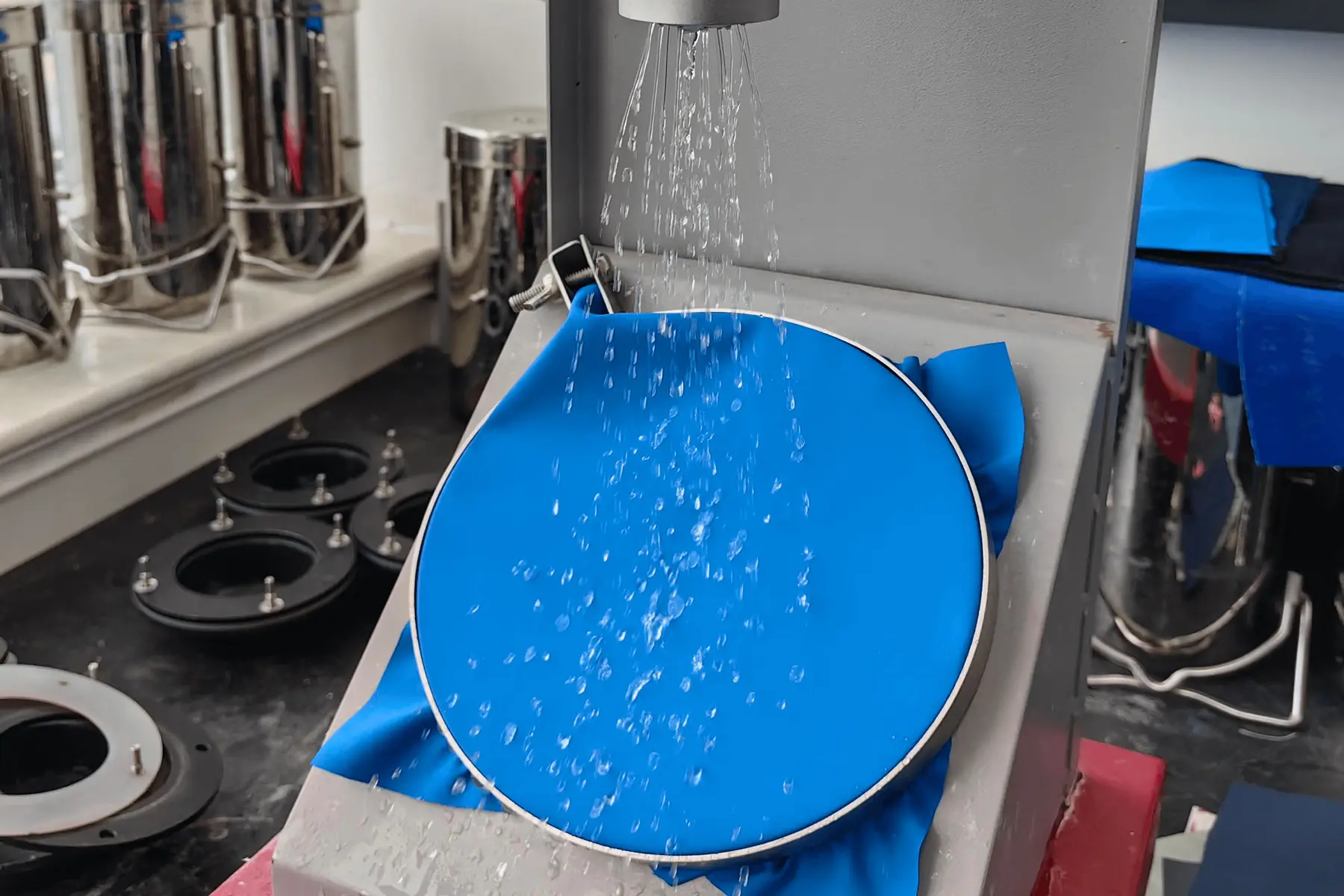
Water-resistant and waterproof should not be used as if they mean the same thing. Water-resistant usually means the material may resist light moisture under certain conditions. Waterproof is a stronger claim and should not be promised unless the material, construction, seam route and test scope support it.
Travel, resort, outdoor, event and some beauty pouch-style tote projects are more likely to ask about water resistance. rPET, coated fabric and vegan leather routes are asked about more often, while cotton and canvas should not be treated as waterproof by default. If water performance matters, it should be written into the RFQ before sampling.
Which colorfastness risks should buyers check?
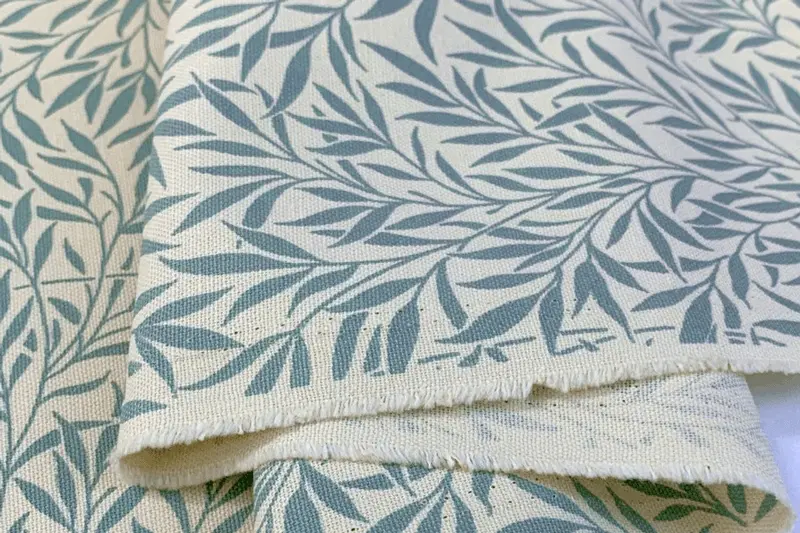
Colorfastness matters when the tote uses dark fabric, dyed canvas, red or black shades, all-over print, light-clothing contact, hotel guest use or retail selling.
Rubbing, washing, crocking and light exposure can create different risks. A tote that looks good in a photo may still need a rub or wash review when it will touch clothing, towels, tissue paper, box inserts or light packaging. AATCC textile testing resources can be useful references when buyers need defined methods instead of general sample comments. AATCC textile testing resources1
How do logo processes change performance checks?
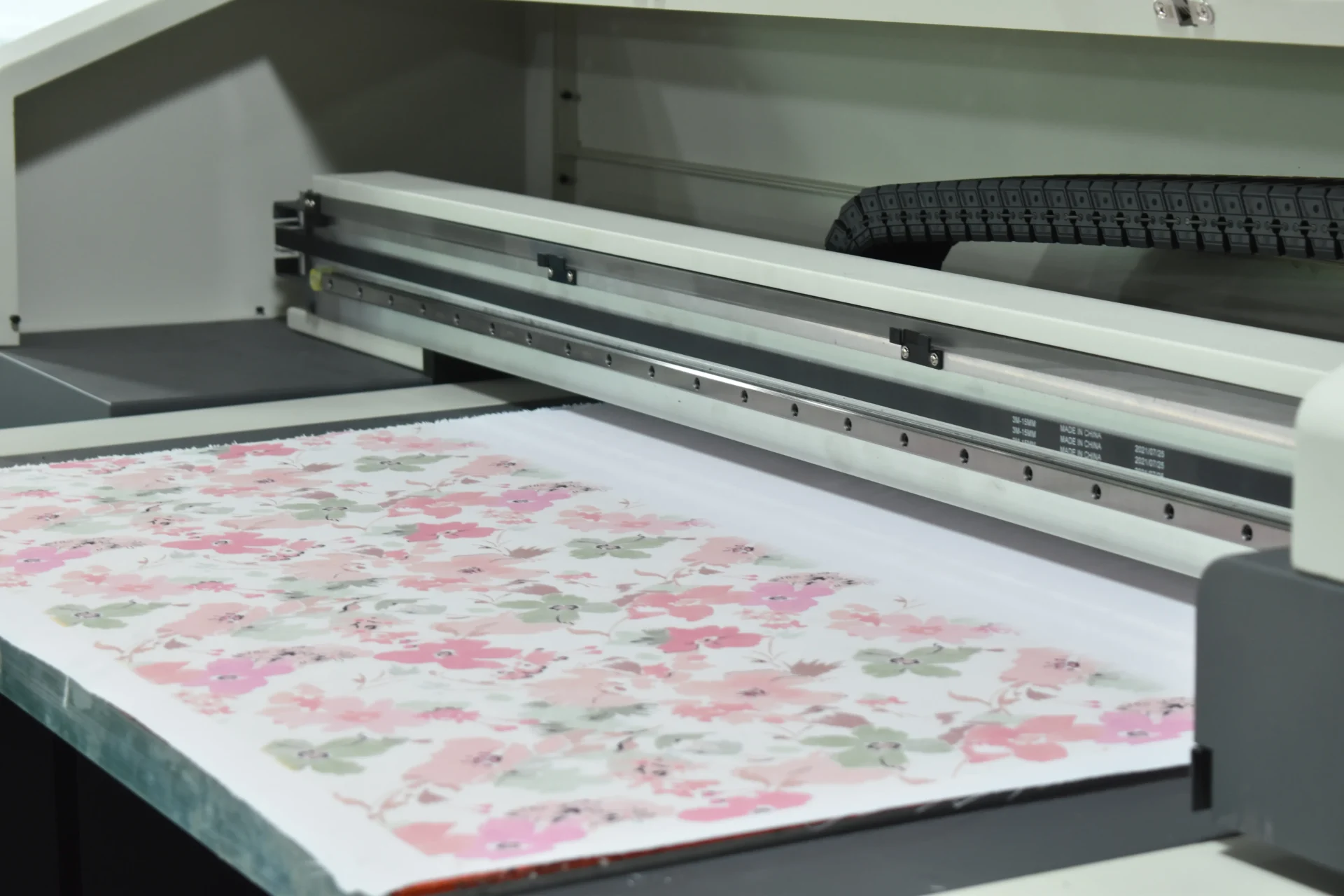
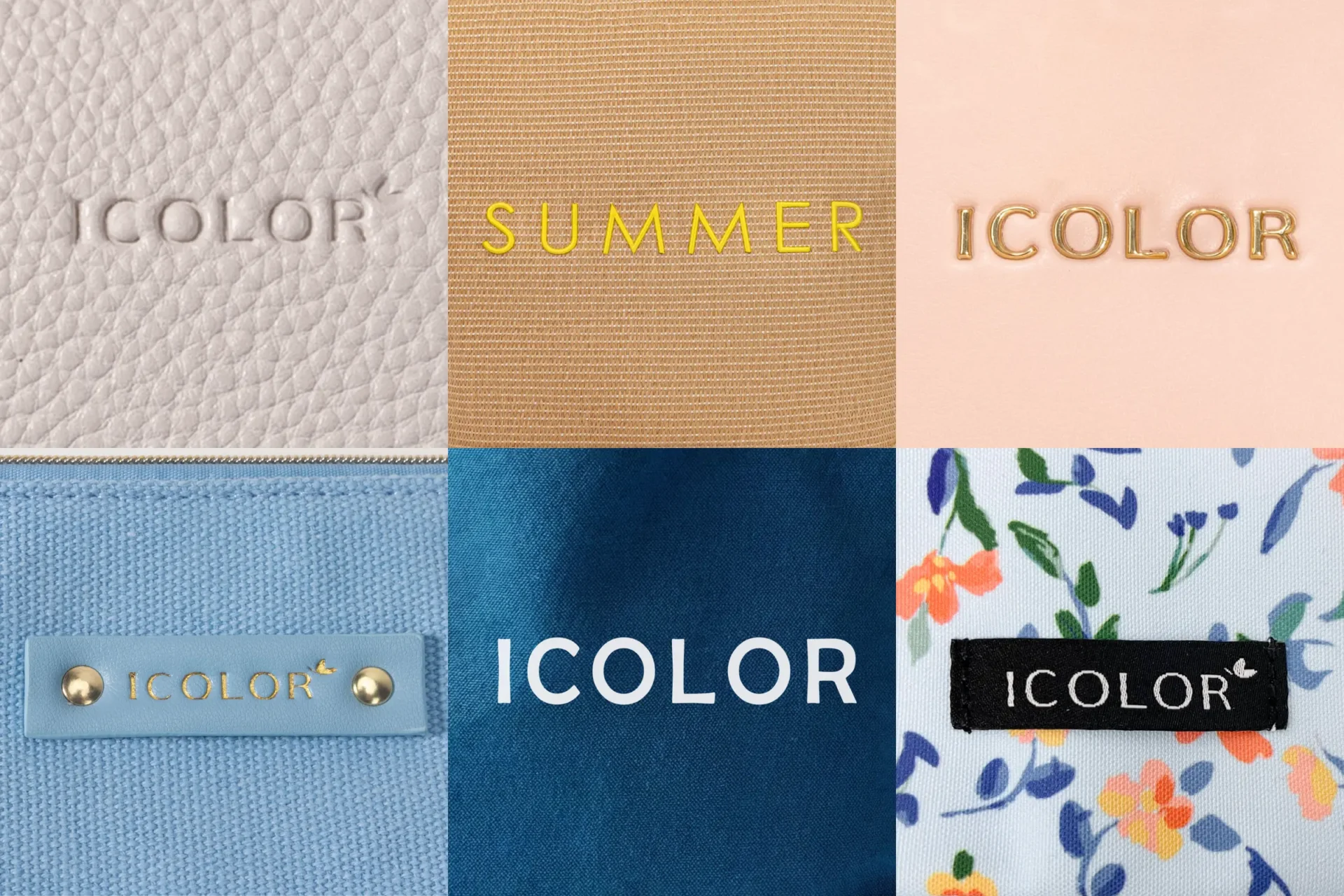
Screen printing, heat transfer, embroidery, dyed fabric and all-over print each create different performance questions. The logo process should be reviewed on the real material, not only as a flat artwork file.
Screen print may need rub and edge clarity review. Heat transfer may need edge, handfeel, water, rub and wash discussion. Embroidery may need backing, puckering, small-text readability and shrinkage-after-use review. All-over print may need placement, batch and color stability checks. Performance is not only about fabric. It is about fabric plus process.
How should handle, seam, folding and carton pressure be checked?
Material performance also shows up after sewing and packing. A fabric may look acceptable flat, but behave differently at the handle root, bottom seam, side gusset, fold line or carton stack.
| Performance point | Typical risk | Before-bulk check |
|---|---|---|
| Handle root | Stress marks, stitch pull or fabric distortion near the carry point. | Check reinforcement route and sample carrying behavior. |
| Bottom seam / side gusset | Shape change, seam strain or corner rubbing. | Review loaded sample shape and seam finish. |
| Folding / crease line | Permanent crease, print cracking or color change on fold. | Confirm folding method and whether logo crosses the fold. |
| Retail sleeve or paper insert | Print transfer, sticking or dark fabric marking light paper. | Check real packaging contact, not only bag sample. |
Which tests or checks should be discussed at MOQ 500+?
At MOQ 500 pcs per style, common checks include sample appearance, colorfastness risk, rubbing behavior, size confirmation, handling feel, folding behavior and simplified wash or use checks where the project needs them.
Not every project needs third-party testing. But if the buyer has a retailer checklist, claim language, washable expectation or target market requirement, test scope should be discussed early. ASTM textile standards and OEKO-TEX references may be useful when buyers need formal testing or harmful-substance context, but those references should not be confused with every physical performance result. ASTM textile standards2 OEKO-TEX STANDARD 1003
What testing information should buyers send in the RFQ?
Buyers should send material direction, use scenario, wash expectation, light-clothing contact risk, color or print details, target market, retailer checklist and any performance wording such as durable, water-resistant, washable, safe or color stable.
| RFQ detail | What to send | Why it matters |
|---|---|---|
| Use scenario | Retail, hotel, GWP, event, travel, outdoor or gift. | Defines the real performance risk. |
| Material direction | Canvas, rPET, recycled cotton, organic cotton, bamboo fiber or coated material. | Different materials need different checks. |
| Color and artwork | Dark shade, red/black, dyed fabric, all-over print or light color. | Colorfastness risk changes by color and process. |
| Wash or cleaning expectation | Will users wash it, wipe it or only use it as gift packaging? | Determines whether wash or handling checks matter. |
| Performance wording | Water-resistant, washable, durable, safe, color stable. | Turns marketing language into confirmable scope. |
Which claims and test results remain unresolved until RFQ?
A public guide can explain common risks, but it cannot promise a specific test result, waterproof claim, washable claim, colorfastness scope or third-party approval across all projects.
Those results depend on selected material, construction, artwork, finish, target market, test method and buyer checklist. Environmental and recycled-content wording should also stay tied to real component and document scope. The FTC environmental marketing guidance4 and Textile Exchange standards5 are useful references for claim discussions, but they do not replace physical sample review.
What should be checked before bulk approval?
Before bulk approval, the buyer should confirm the approved sample standard, material surface, color, print or embroidery effect, size expectation, packaging presentation and any performance wording used in marketing or retailer documents.
Performance review should connect with packaging. A tote that passes a material discussion can still create problems if dark color transfers to tissue paper, if a printed surface sticks to a sleeve, if carton pressure changes shape, or if labels make a retail claim that the material route does not support. The final decision should reference a named sample, material route, color tolerance, logo process, packing method and any agreed test or handling check.
Less suitable fit for complex material performance review
This review is best for MOQ 500+ brand projects where testing scope, sample standard and performance wording can be discussed before sampling. It is less suitable when performance language is high-risk but the brief, budget or schedule cannot support the required checks.
Why does Dongguan supply-chain coordination help with performance checks?
Material performance review often touches several suppliers and processes: fabric, dyeing, printing, embroidery, finishing, sewing, packaging and bulk QC. Coordination helps because these checks can be reviewed together rather than separately.
Ecoicolortote's Sales / PM workflow can help buyers translate broad words into practical checks: durable into use scenario, waterproof into material and test scope, washable into wash conditions, safe into document and target market review, and color stable into rub, wash or light exposure questions. If care labeling is involved, buyer teams can also review market-specific care label guidance. FTC Care Labeling Rule guidance6
FAQ: Tote bag material performance checks
Does recycled or organic fabric mean the tote will perform better?
No. Material story and physical performance should be checked separately. A material can have a strong sourcing story and still need shrinkage, rub, wash, water or colorfastness review. Buyers should not use recycled, organic or natural wording as proof that the finished tote will perform in a specific use case.
Is cotton canvas waterproof?
No. Cotton canvas should not be treated as waterproof by default. Some finishes or coated routes may improve water response, but waterproof is a stronger claim that needs project-specific material, construction and test support. If water performance matters, the buyer should define the use scenario and wording before sampling clearly.
When is a wash test useful?
A wash test is useful when the tote is sold for repeat use, used in hotels, expected to be cleaned, or marketed as washable. It can also matter when the tote uses cotton canvas, recycled cotton, organic cotton or dark dyed fabric. The buyer should confirm wash conditions and acceptable change before production.
Which colors need colorfastness review most?
Dark colors, red, black, dyed canvas, all-over print and projects touching light clothing or towels deserve more attention. Color transfer risk can also appear when dark totes contact tissue paper, paper sleeves, box inserts or light packaging. A screen mockup cannot show rubbing, wet handling or real surface behavior reliably.
Can performance be approved from photos?
No. Photos help with appearance, but they do not prove rub, wash, shrinkage, handfeel, folding behavior or water response. Buyers should approve a physical sample when the project has performance wording, dark colors, all-over print, retail use, hotel use or packaging contact risk. Photos can support review, but should not be the only standard.
When should third-party testing be discussed?
Third-party testing should be discussed when the buyer has a retailer checklist, regulated market requirement, public performance wording, care-label expectation or formal pass/fail threshold. It should be discussed before material, artwork, packaging and delivery are locked, because testing can affect sample route, cost, schedule and even material choice significantly later.
What should buyers send before asking for performance advice?
Buyers should send the use scenario, material direction, color, artwork, logo process, wash or cleaning expectation, target market, retailer checklist, packaging contact and any performance wording. This lets Ecoicolortote identify the likely risk points and suggest focused sample checks instead of guessing from a material name or digital mockup alone.
Share use scenario, material direction, dark color or print concerns, wash expectation, water wording, logo process, packaging contact and retailer checklist. Ecoicolortote can help review the risk route before material, artwork and testing scope are locked. Start a material performance review.