
 Yu, Zoe
 Airline amenity tote bags for premium passenger kits should be planned around the full kit system: passenger tier, route or market split, contents fit, weight control, logo visibility, packing file, carton marks and delivery handoff. The tote is not only a small bag; it becomes part of the passenger experience and the warehouse workflow.
Buyer Summary
- Best for: onboard service teams, airline marketing, travel retail sourcing, lounge merchandising and hospitality suppliers planning airline amenity tote bags from 500 pcs per style.
- Main decision: confirm kit contents, passenger tier, route or market split, material route, logo method, sample owner, packing file, carton marks and delivery deadline.
- Factory-side note: airline-specific approvals and cabin-use requirements remain buyer-side decisions; Ecoicolortote supports tote material, sample, packaging and delivery preparation.
- What to prepare: quantity, launch date, contents list, item dimensions, material preference, logo file, color reference, closure need, version split, carton label rule and address sheet.
Quick answer for airline amenity tote buyers
Airline amenity tote bags work best when the buyer sends the passenger kit contents and version split before sampling. A premium cabin kit, lounge gift, travel retail set or partner campaign tote may need different material, closure, logo scale, folding behavior, packing file and carton labels.
For MOQ 500+ projects, Ecoicolortote can quote more accurately when the brief includes contents dimensions, quantity by route or market, launch window, logo file, sample approval owner and delivery market. The sample should be checked filled, folded, stacked and photographed before bulk release.
How is this different from hotel welcome tote and travel gift pages?
This product route is about airline amenity tote bags for premium passenger kits, onboard partner campaigns, lounge handoff items and travel retail gift sets. The custom hotel welcome tote bags page is broader hospitality content for room arrival gifts and guest welcome kits. The custom tote bag packaging options page focuses on packaging routes across many projects.
This airline amenity route stays narrower: it covers kit contents, weight, route split, passenger tier, packing file and delivery handoff. If the buyer is planning a room welcome gift, start with the hotel welcome page. If the tote will support a premium passenger program, route-specific kit, lounge gift or onboard partner campaign, use this route to prepare a clearer RFQ.
When should an airline or travel team use a custom amenity tote?
A custom amenity tote can support premium cabin passenger kits, loyalty member gifts, lounge retail handoff, route launch campaigns, travel partner co-branded sets, seasonal passenger appreciation or destination campaign packs.
In these projects, the tote is not only a bag. It becomes part of the passenger touchpoint, so the buyer usually cares about material feel, weight, foldability, print position, kit fit and how the packed unit looks when handed over. Buyers get better samples when they send the kit contents, route split and packing file at the beginning, not at the final warehouse stage.
Which materials make sense for airline amenity tote bags?
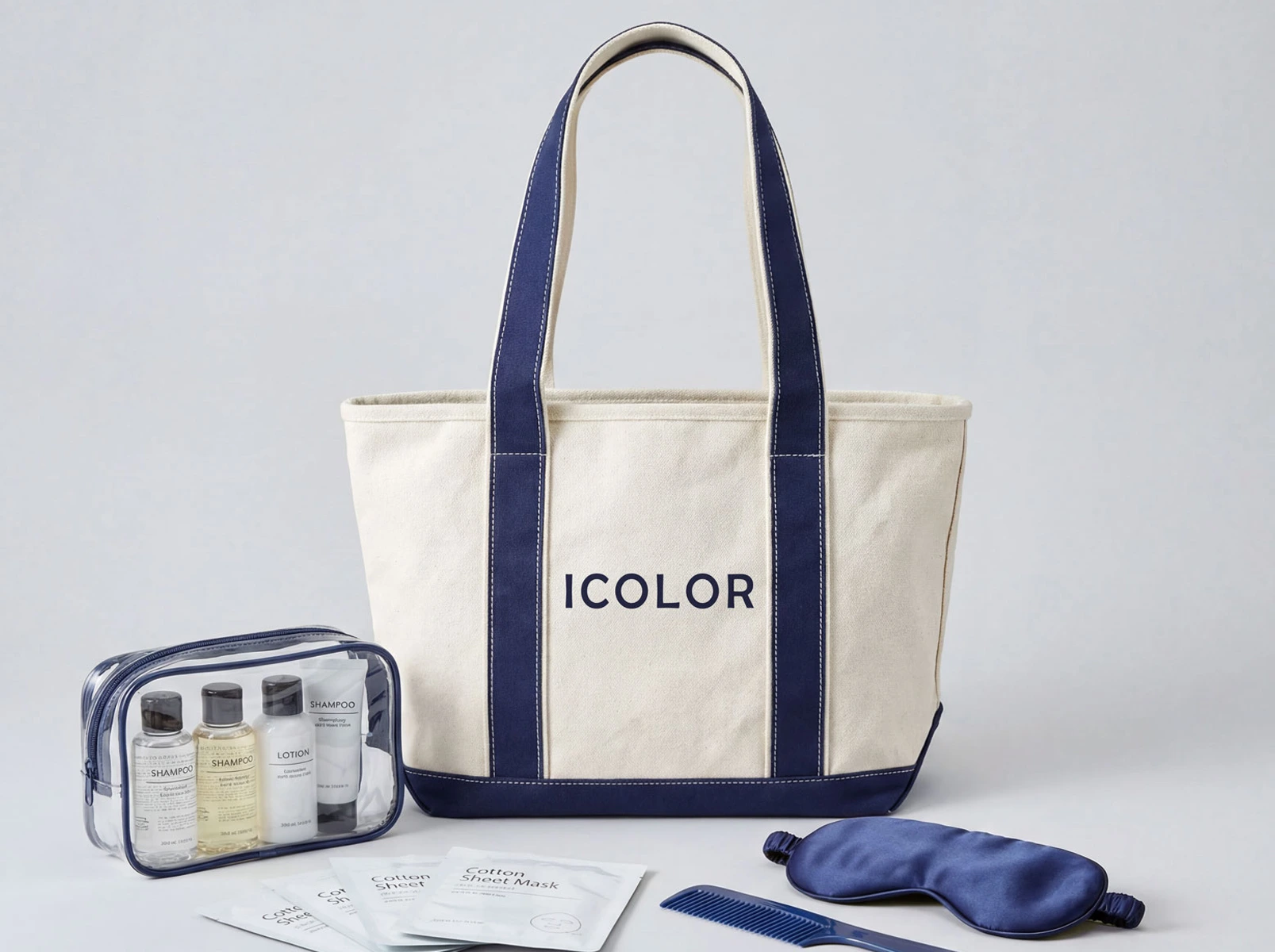
Airline amenity tote projects often start with lightweight canvas, recycled cotton, rPET, polyester, soft woven fabric or a coated textile route. The right option depends on passenger tier, contents weight, folding requirement, logo method, document scope and budget.
| Material route | Best use | Sample check |
|---|---|---|
| Lightweight canvas | Premium natural look for lounge or cabin gift sets | Weight, handfeel, fold line, logo clarity |
| Recycled cotton | Soft travel gift route with document-based wording | Color variation, lint, label language, contents fit |
| rPET or polyester | Lightweight passenger kit route with sharper print options | Surface feel, logo adhesion, wrinkle recovery, packing size |
| Coated textile | Structured kit look when wipe-down or shape retention matters | Crease marks, odor, seam finish, bulk carton pressure |
For passenger-facing planning context, buyers can review IATA passenger experience topics as a broader industry reference1. If shipment timing or air cargo handoff matters, IATA cargo information can help teams discuss logistics language with forwarders2.
How should logo placement be planned for passenger kit visibility?
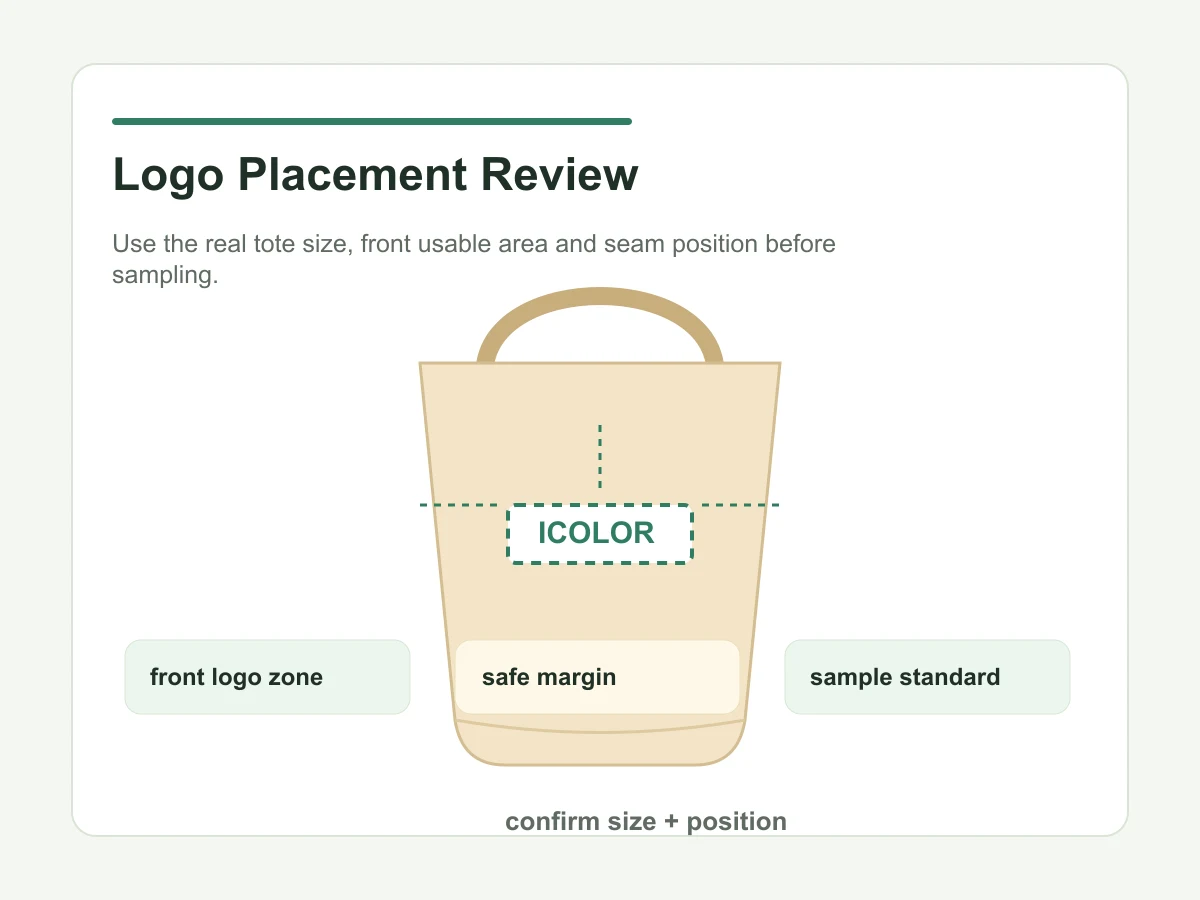
Logo placement should be reviewed on the filled and folded kit, because a flat artwork mockup does not show how the tote will look during lounge, cabin or warehouse handoff.
Airline amenity totes may carry a carrier mark, destination mark, loyalty campaign logo, travel retail partner logo or understated premium symbol. A large front print can feel promotional; a small woven label may feel quieter but can disappear on dark fabric. The sample should confirm logo scale, position, contrast, handfeel and whether screen print, embroidery, woven label or heat transfer fits the material.
What should buyers confirm before sampling?
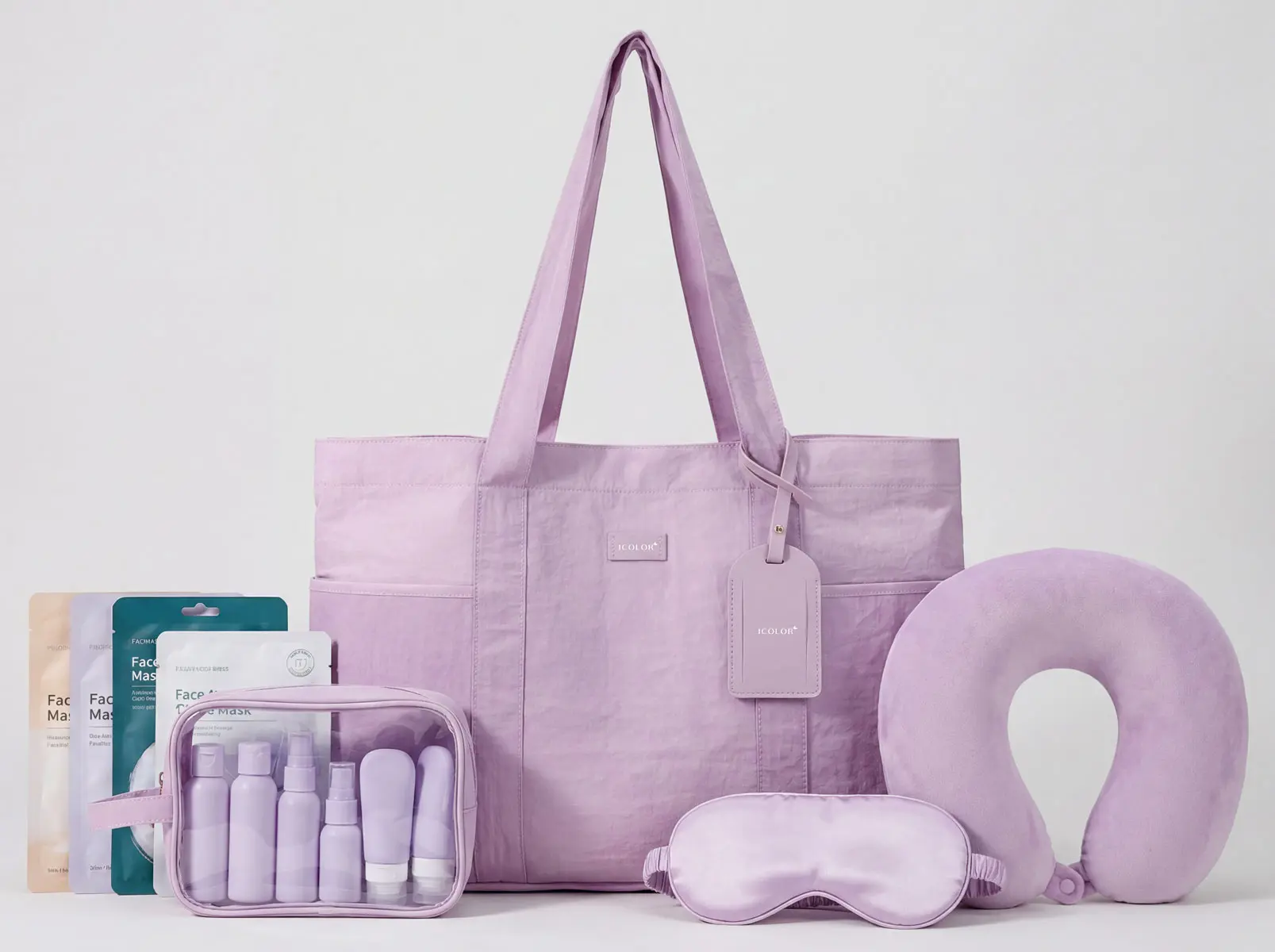
Before sampling, the buyer should send a contents list. An airline amenity tote may hold socks, eye mask, pouch, skincare miniature, dental kit, travel document, welcome card, headset cover, partner gift or lounge retail item.
These contents change bottom width, side depth, handle drop, closure need, pocket choice and carton plan. If the factory only receives an empty bag size, the sample may pass visually but fail during kit assembly. For recycled material wording, Textile Exchange standards should be tied to the specific material and document scope3. For textile safety language, OEKO-TEX STANDARD 100 should be checked by certificate scope and label rules4.
How should amenity tote packing and delivery be handled?
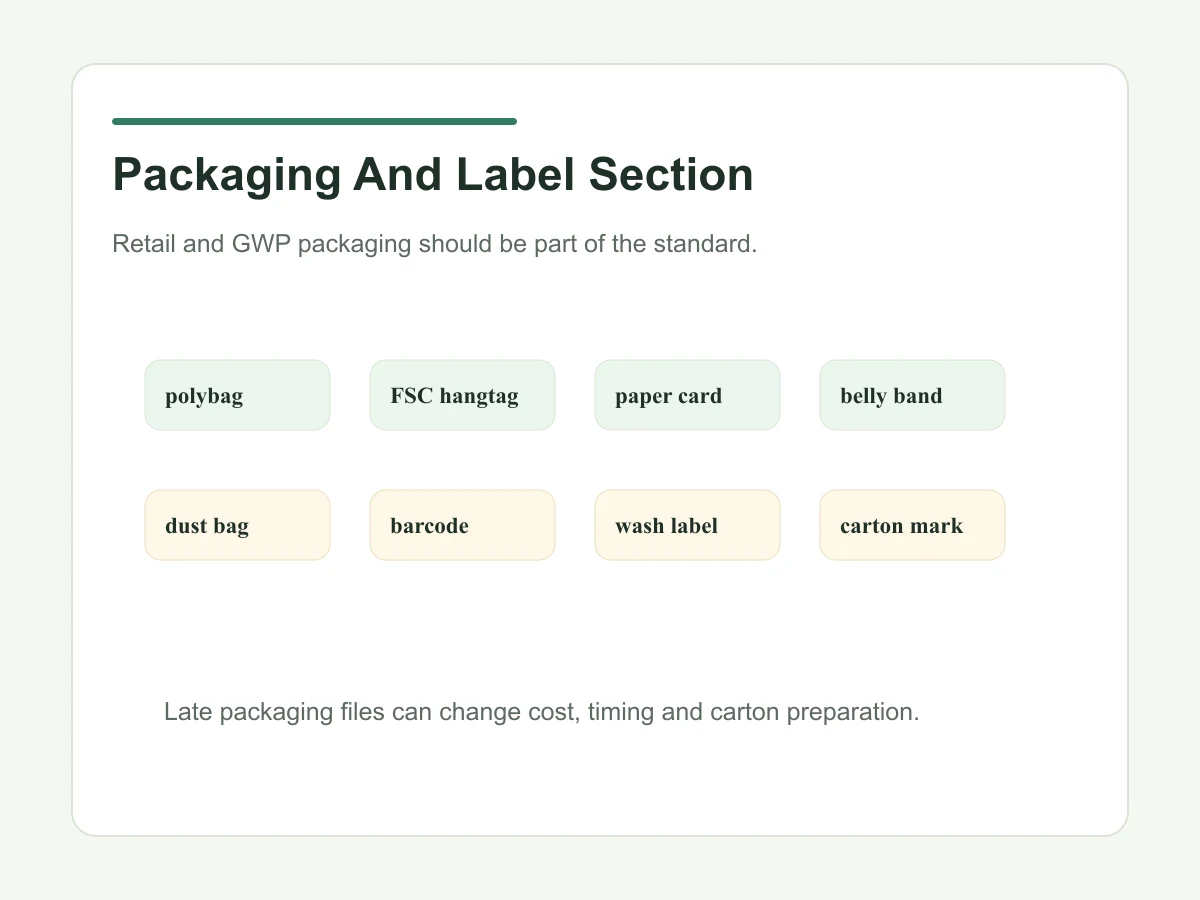
Airline amenity totes may ship as empty bags, packed kits, market-specific sets, route launch cartons or passenger tier versions, so the packing owner and carton label rule should be confirmed early.
The buyer should confirm whether kit items are inserted by Ecoicolortote, by a kit assembly partner, by an airline warehouse or by a third-party fulfillment team. Carton labels should separate route, cabin tier, market, language version, campaign date or warehouse destination when needed. Buyers can use Incoterms as a common language for shipment responsibility and handoff5, but the factory still needs operational details.
What sample and production timeline should buyers plan?
For a normal custom airline amenity tote, a sample often needs about 7-14 days after material, logo, size, contents and packing direction are confirmed. Bulk production commonly needs about 30-45 days after sample approval and deposit.
Timing depends on quantity, fabric route, logo method, kit packing, inspection and delivery plan. If the buyer needs several markets, cabins or launch dates, the address and quantity split should be sent early. Sample fees can normally be credited or refunded against qualified bulk orders of 1,000 pieces or more, but special hardware plates, molds, trim tooling, passenger kit accessories or unusual setup fees may not be refundable.
Best fit for this airline amenity tote product route
This product route is best for onboard service teams, travel retail sourcing leads, airline marketing teams, hospitality gift suppliers, loyalty program managers, lounge merchandising teams and passenger experience buyers planning MOQ 500+ branded amenity tote projects.
It fits programs with a clear passenger touchpoint, launch window, kit contents, route or market split, sample approval owner and packing file. It is especially useful when the tote must hold several small amenities, keep a premium look after filling, support discreet branding and move through warehouse or fulfillment teams without carton confusion.
Less suitable fit for this airline amenity tote product route
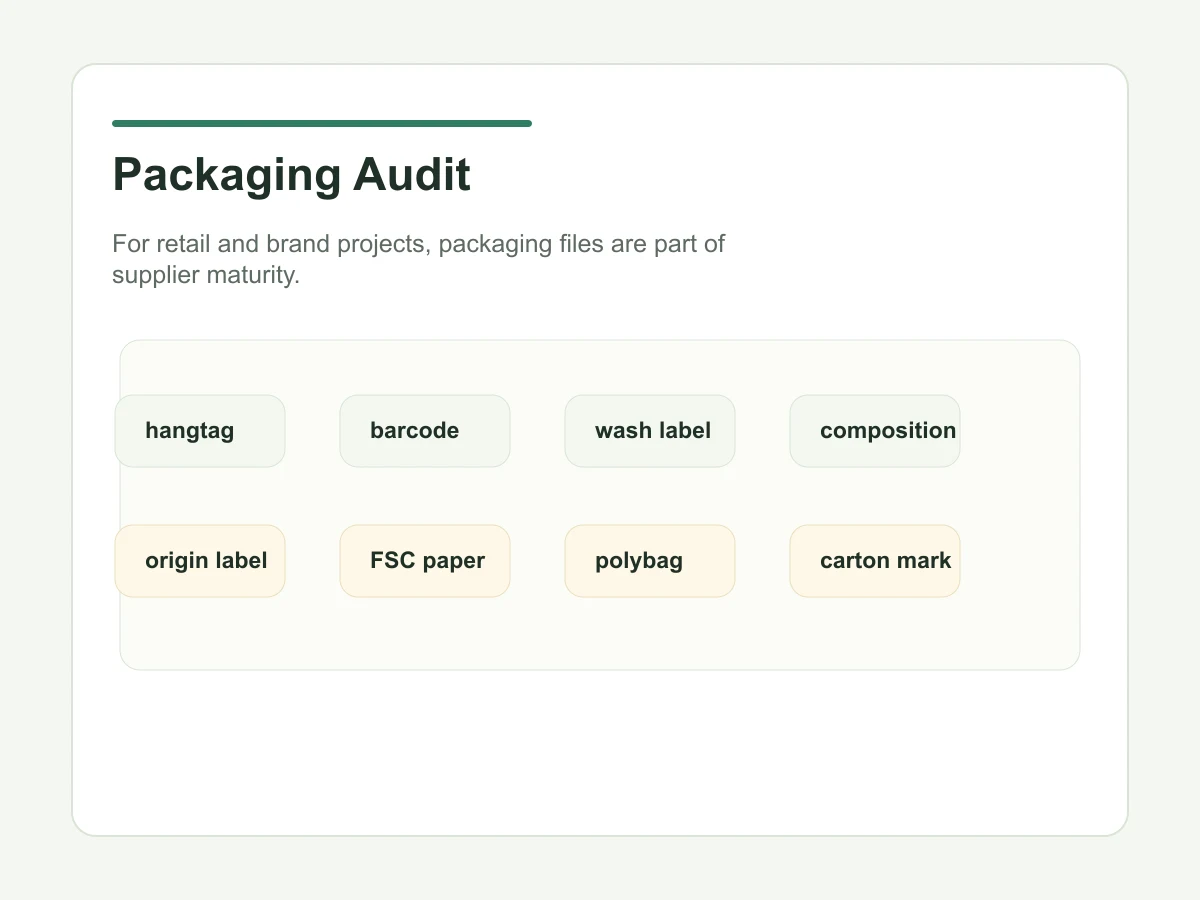
Initial brief: A composite travel program buyer asked for a custom tote for a premium passenger kit. The first brief included a logo, rough bag size, preferred dark color and target launch month, but it did not include the kit contents, item dimensions, carton mark rule, language version split or final delivery address sheet.
Problems found: A folded eye mask, socks and skincare set changed the tote shape, while the proposed logo placement looked too low once the kit was filled. Two cabin tiers also needed different insert cards and different carton labels.
Correction path: Ecoicolortote moved the project back to one complete brief: contents dimensions, quantity by version, logo file, material route, closure preference, packing method, carton mark, delivery address and sample approval owner. The sample was checked filled, folded, stacked and photographed before bulk release.
Lesson: An airline amenity tote is part of a passenger kit system. If the buyer sends contents, version split and warehouse rules early, the factory can guide size, material, logo and packing before the sample is made.
Anonymous buyer feedback
Onboard service program manager · Name withheld
The program manager said the first sample looked premium, but the kit contents made the tote bulge. Once exact item dimensions were sent, the supplier adjusted the side depth and the filled kit looked cleaner.
VIP lounge merchandising lead · Name withheld
The merchandising lead said the biggest improvement was carton separation. The program had two market versions, and clear carton marks helped the warehouse avoid mixing language cards during handoff.
Airline logistics coordinator · Name withheld
The logistics coordinator said packing details used to arrive too late. Adding route, tier and destination columns before production helped the team avoid relabeling cartons after goods were ready.
What should buyers send before requesting an airline amenity tote quote?
Send one complete brief with project use, quantity, MOQ target, launch date, delivery market, passenger tier, route or market split, contents list, item dimensions, preferred material, logo file, color reference, handle drop, closure or pocket needs, packaging method, carton mark rule, address split and sample approval owner.
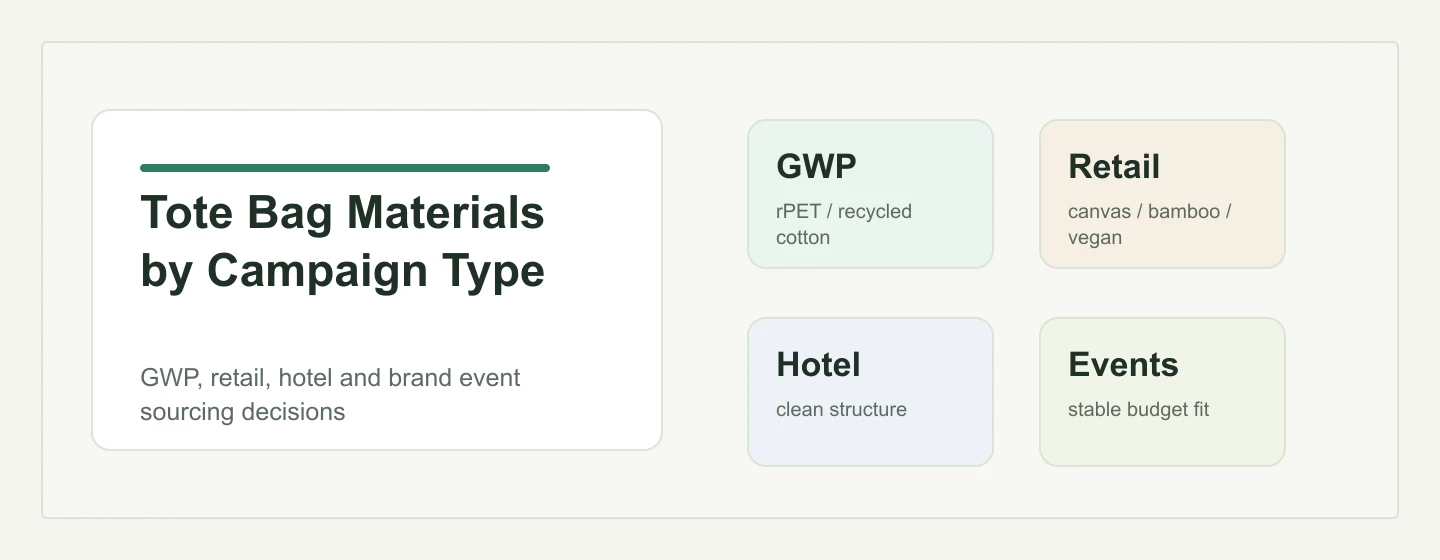
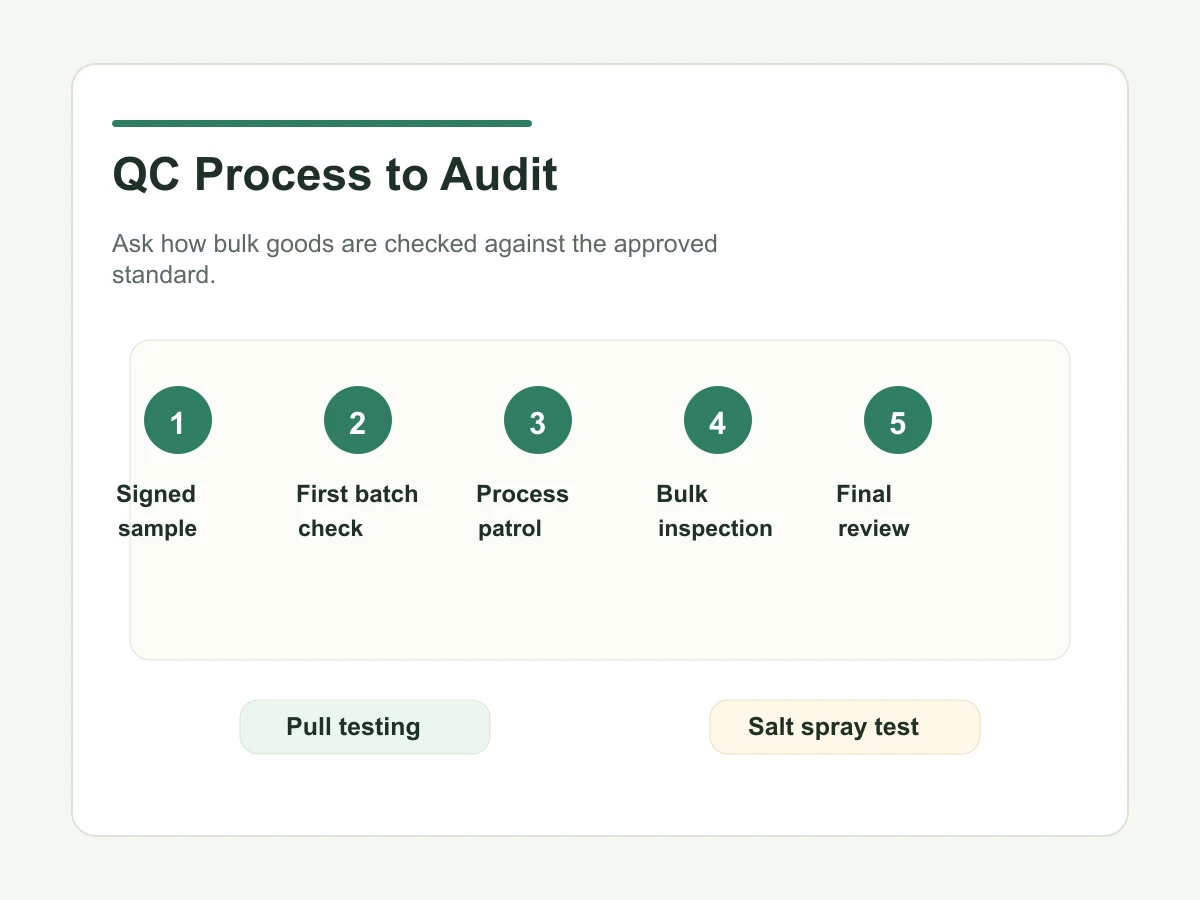
If inspection is required, AQL sampling standards can help define an inspection discussion6, but the checklist should match the actual amenity tote spec. Buyers comparing material routes can review tote bag materials by campaign type, while buyers focused on sample decisions can use custom tote bag sample evaluation.
FAQ: airline amenity tote bags
What are airline amenity tote bags?
Airline amenity tote bags are custom totes used to hold premium passenger kits, travel retail gifts, lounge handoff items or partner campaign contents. For B2B buyers, the important point is not only bag appearance. The tote must fit the kit contents, weight target, packing method, cabin service plan and delivery schedule.
What should be included in an airline amenity tote RFQ?
An RFQ should include quantity, launch date, delivery market, kit contents, item dimensions, target bag size, material preference, logo file, color reference, packing method, carton mark rule and address split. These details help the factory quote the correct structure and avoid a sample that looks good empty but fails during pack-out.
Which material works best for premium passenger kits?
There is no single best material for every airline amenity tote. Lightweight canvas, recycled cotton, rPET, polyester or a coated textile route may work depending on brand position, contents weight, folding need, logo method and budget. Buyers should choose the material after confirming contents, sample feel, packing behavior and claim wording.
Can Ecoicolortote make totes for airline passenger programs?
Ecoicolortote can support custom tote manufacturing for branded travel, hospitality and passenger kit projects, but the buyer remains responsible for confirming airline program requirements, product approvals, import rules and final cabin-use decisions with its own stakeholders. The factory can help prepare material, sample, packaging and delivery information for buyer review.
How long do sampling and bulk production take?
A normal airline amenity tote sample often needs about 7 to 14 days after material, size, logo, contents and packing direction are confirmed. Bulk production commonly needs about 30 to 45 days after sample approval and deposit. The schedule can change when the order includes multiple routes, markets, cartons, kit versions or delivery addresses.
Are sample fees refundable for airline amenity tote projects?
For qualified bulk orders of 1,000 pieces or more, standard sample fees can normally be credited or refunded against the order value. Buyers should confirm before sample work starts because special hardware plates, molds, trim tooling, unusual setup work or passenger kit accessories may not be refundable even when the order proceeds.
How can buyers avoid packing and delivery mistakes?
Buyers should send the kit contents list, packing file, carton mark rule, route or market split, delivery contact and final address sheet before the warehouse starts packing. Late information can force carton reopening, relabeling or quantity redistribution, especially when one program has several passenger tiers, language versions or delivery markets.
Share quantity, launch date, passenger tier, route or market split, contents dimensions, material direction, logo artwork, packing method, carton mark rule and delivery address. Ecoicolortote can help review whether the airline amenity tote route is ready for sample development. Start an airline amenity tote project review.